-

Fisherman’s Cottage in Cadaqués -
Fisherman’s Cottage in Cadaqués -
Fisherman’s Cottage in Cadaqués -
Fisherman’s Cottage in Cadaqués -
Fisherman’s Cottage in Cadaqués -
Fisherman’s Cottage in Cadaqués -
Fisherman’s Cottage in Cadaqués -
Fisherman’s Cottage in Cadaqués -
Fisherman’s Cottage in Cadaqués -
Fisherman’s Cottage in Cadaqués -
Fisherman’s Cottage in Cadaqués -
Fisherman’s Cottage in Cadaqués -
Fisherman’s Cottage in Cadaqués -
Fisherman’s Cottage in Cadaqués
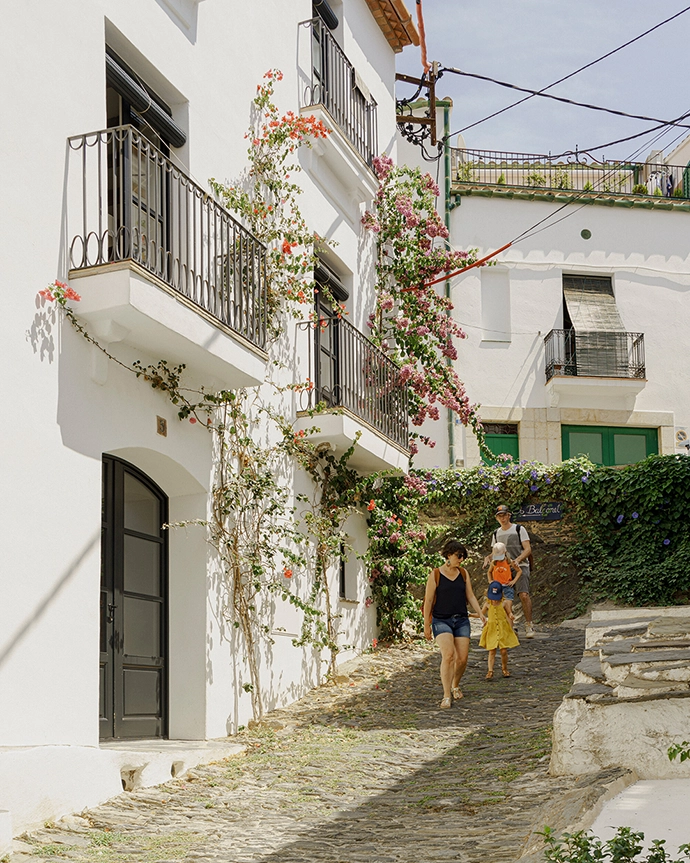
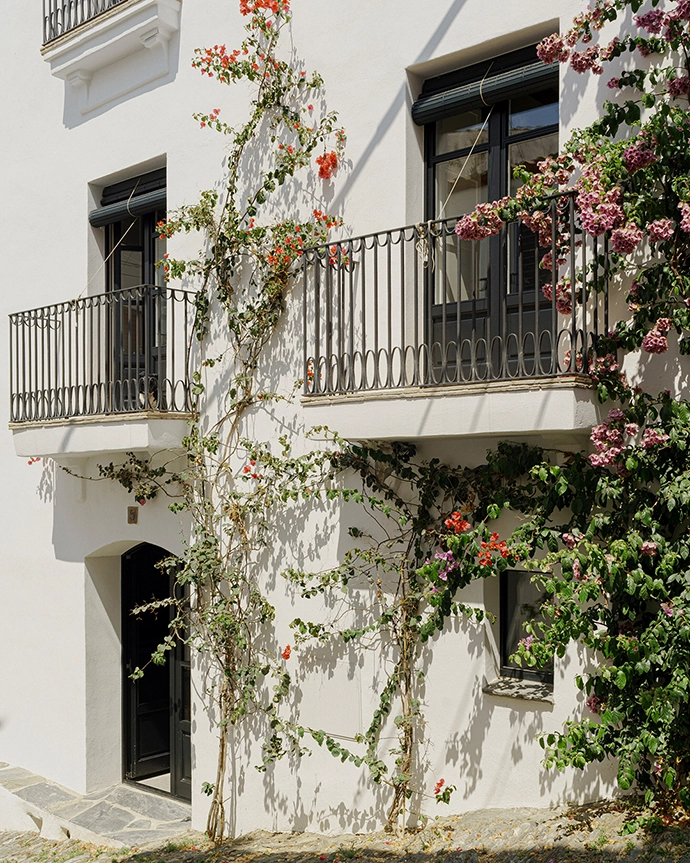
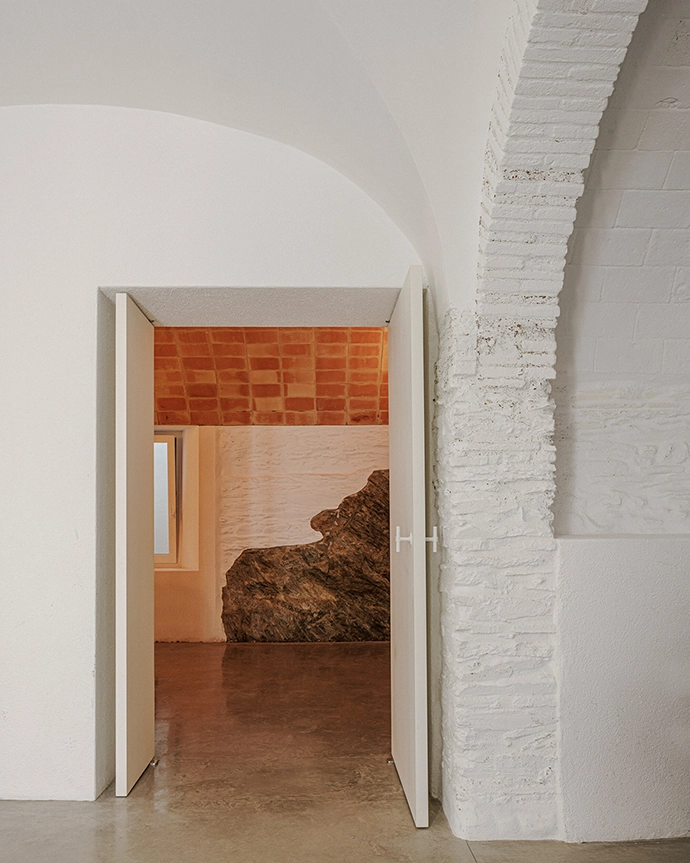
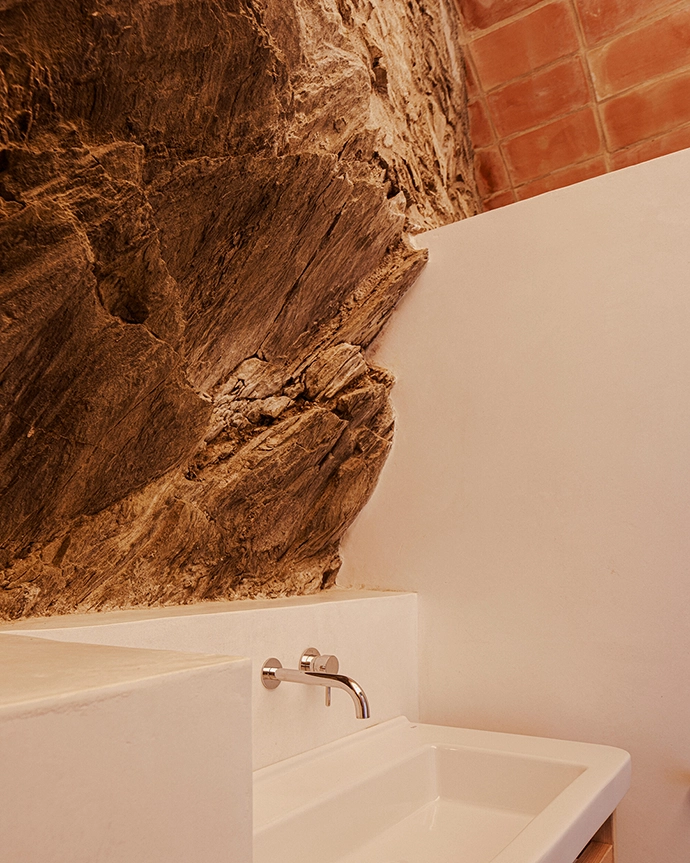
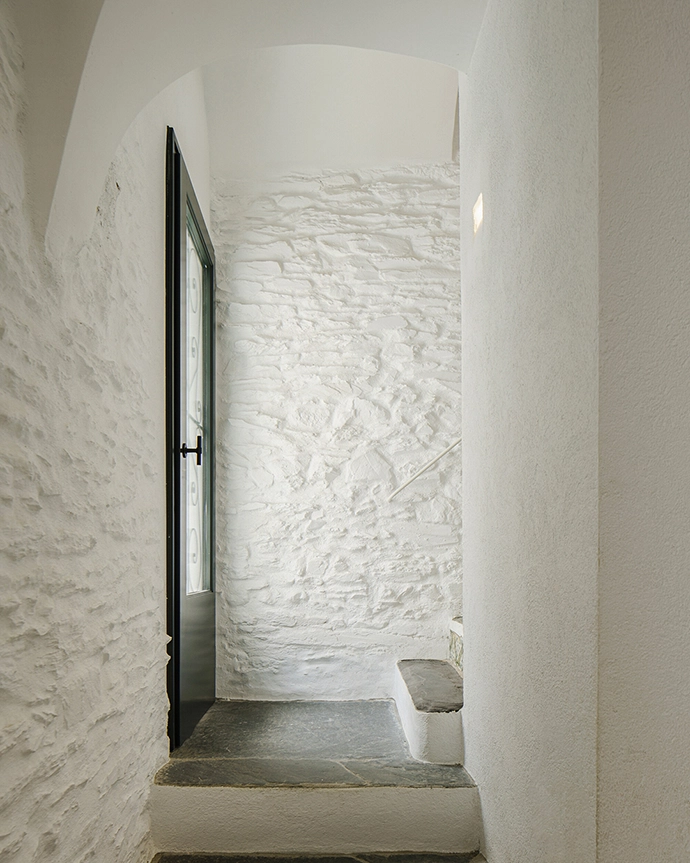
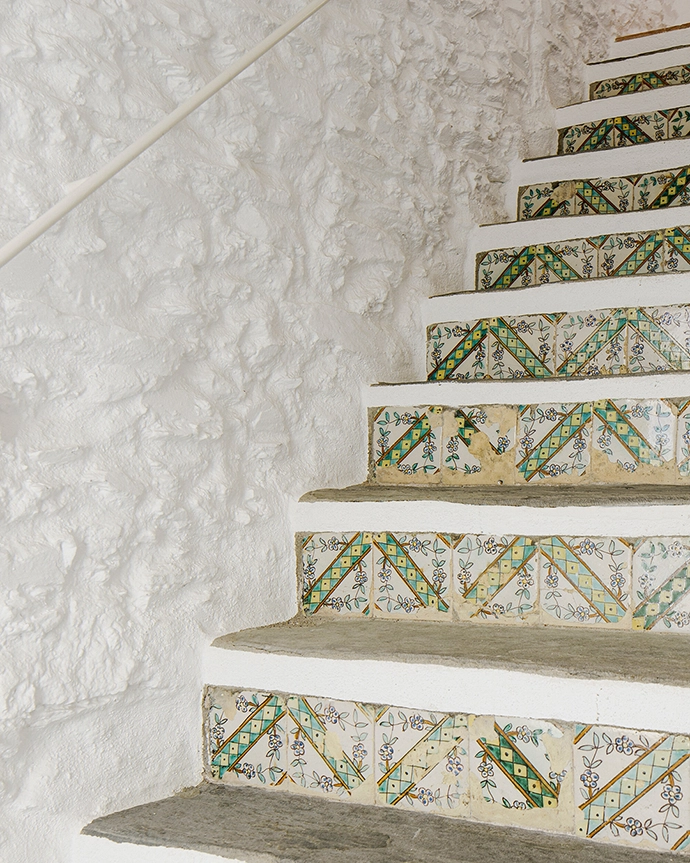
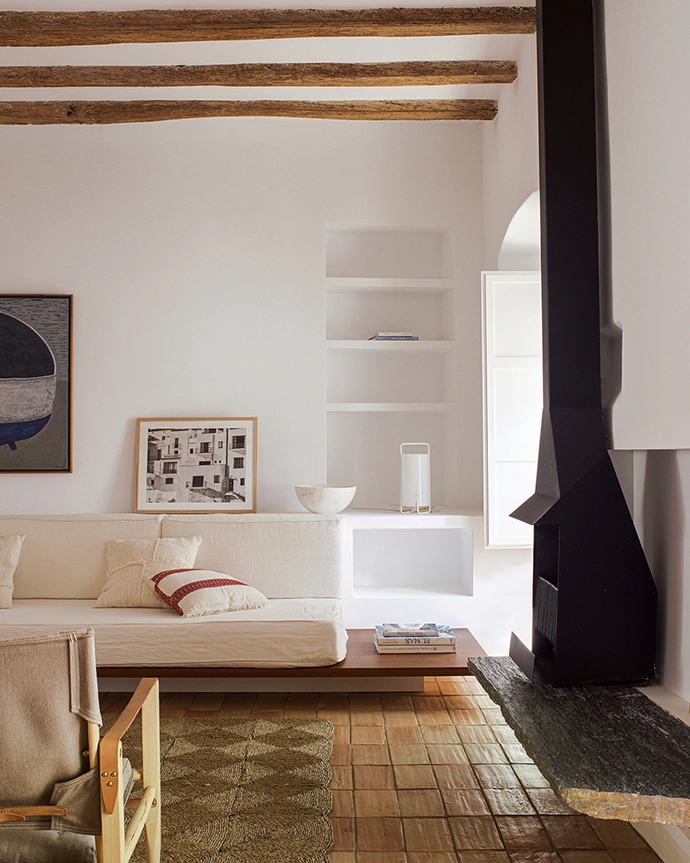
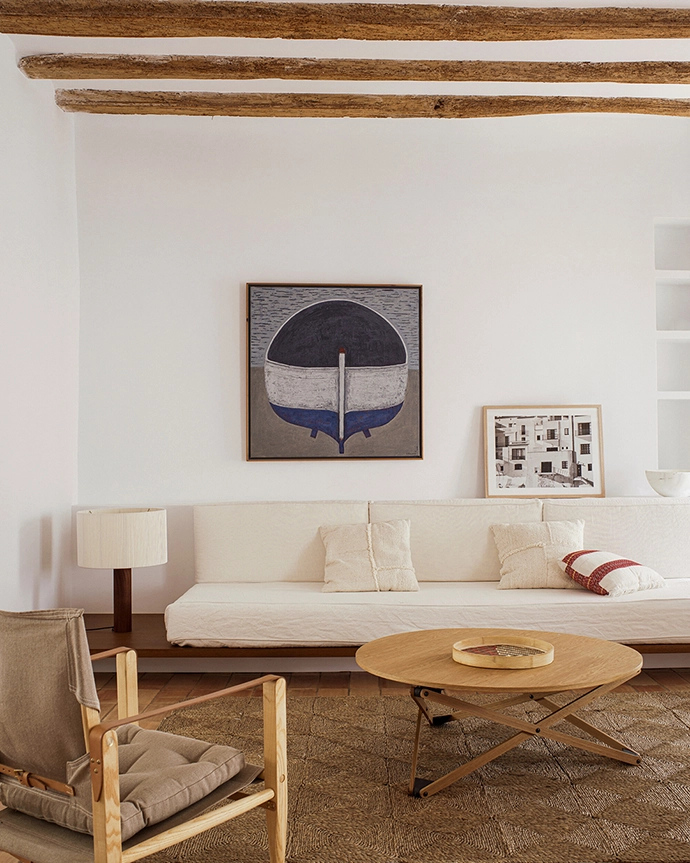
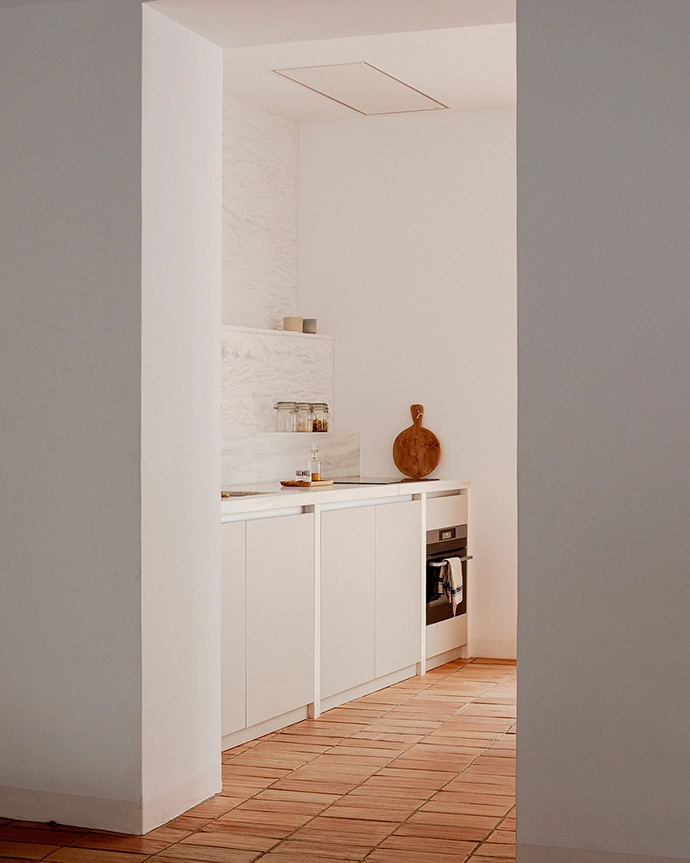
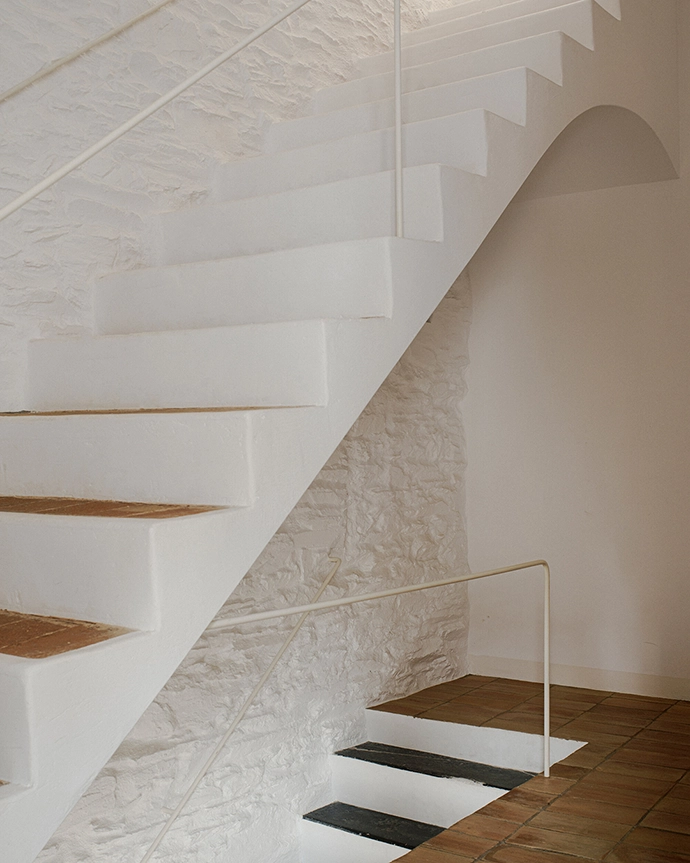
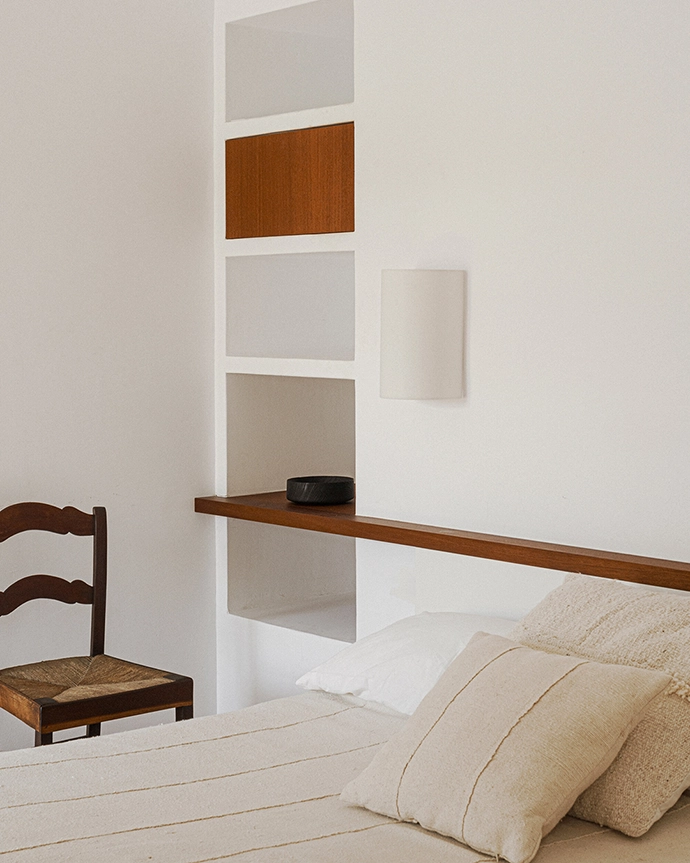
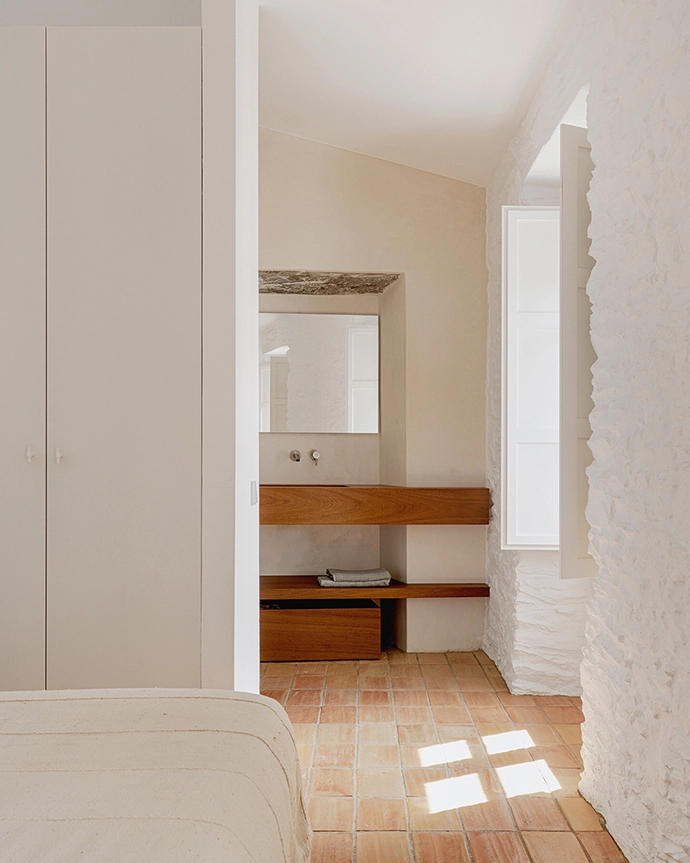
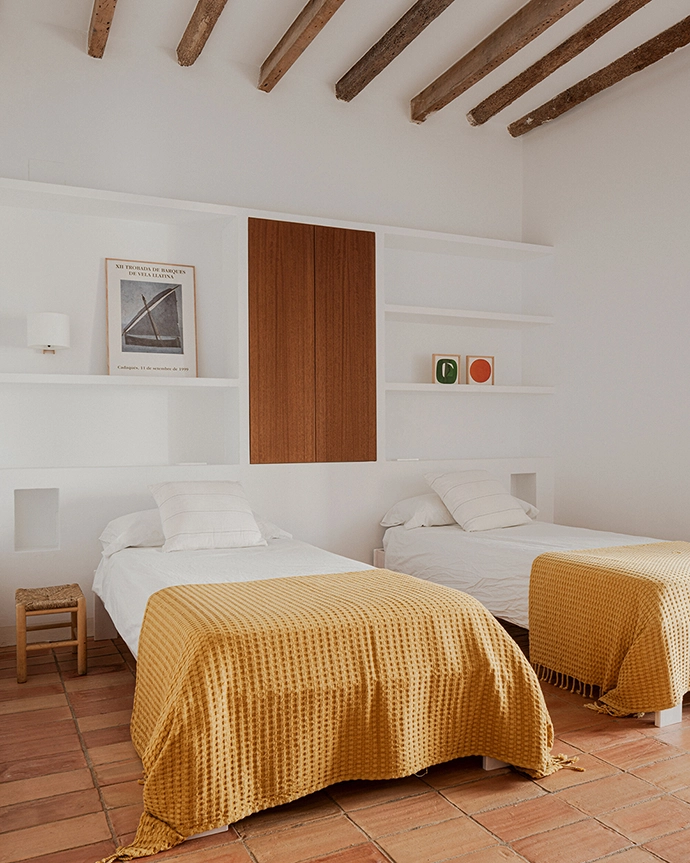
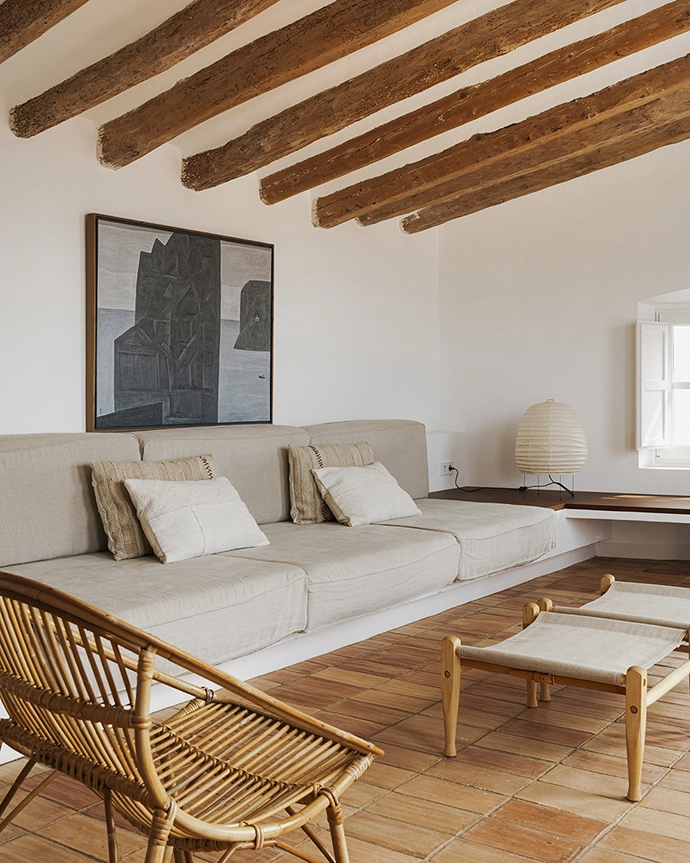
Located in the picturesque heart of Cadaqués, Spain, this former fisherman’s cottage has undergone a comprehensive transformation, adapting it to contemporary life while preserving its original spirit.
WORDS Gina Dionisio PHOTOS David Zarzos
This fisherman’s cottage has a storied past. Once the home of a local fisherman – possibly associated with the historic Confraria de Pescadors de Cadaqués – it later became a guesthouse and, at one point, even housed a Civil Guard outpost on the upper floor. Over time, it fell into disrepair: a place seemingly suspended in time as the town of Cadaqués evolved around it.
Bea Portabella, an architecture and interior design studio based in Barcelona, was tasked with restoring the structure to its former glory, preserving its architectural memory to maintain the aesthetic coherence of Cadaqués’ urban fabric.
Despite its solid construction, the passage of time had taken its toll, and the rehabilitation of the cottage required a delicate balance between conservation and renewal. The renovation involved both structural reinforcement of the 50 cm-thick load-bearing stone walls and a complete reconfiguration of the interior layout, turning a fragmented four-level plan into a functional, light-filled home fully connected to its natural and cultural surroundings.
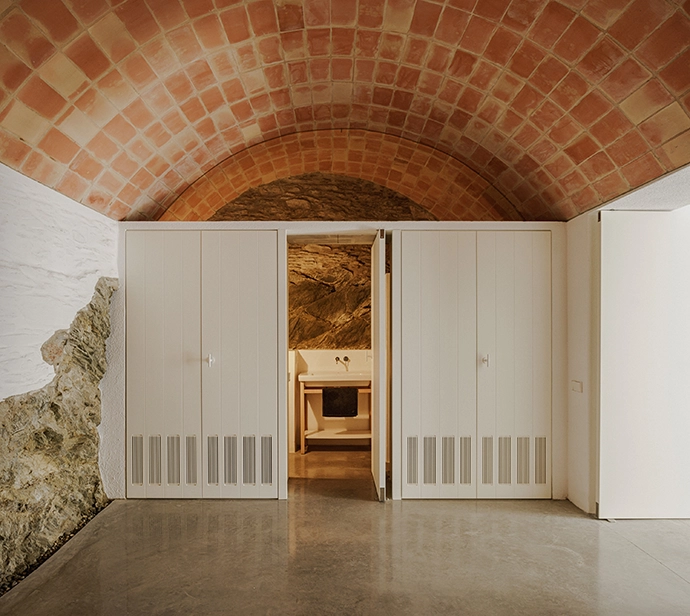
The ground floor, with its distinctive vaulted ceiling, was conceived as a flexible space: either a children’s play area or storage. A small patio – added during the renovation – allows natural light and ventilation into a room carved into the original rock, adding spatial and material value.
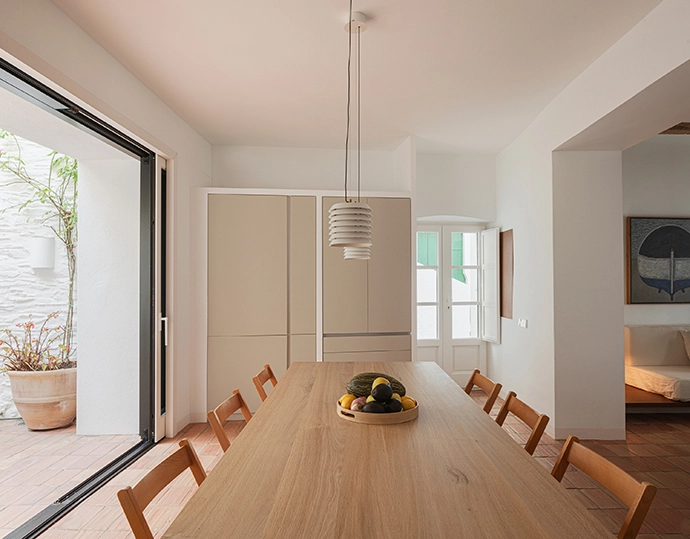
The first floor houses the social areas: kitchen, dining room, and living room. The renovation included creating new openings in the load-bearing walls to establish visual connections between rooms and to allow natural light to flow freely. A large opening onto the patio creates a strong sense of continuity between interior and exterior, generating an open, fresh, and vibrant atmosphere.
The second floor contains the bedrooms and bathrooms – private spaces designed for tranquillity, comfort, and intimacy. The third floor opens onto a sun-drenched terrace with views of the ocean beyond.
One of the main goals of the renovation was to combine traditional materials with a contemporary aesthetic. Original ceramic tiles were recovered, evoking the memory of the place, while the white, lime-plastered walls enhance the Mediterranean ambience and allow the building to breathe – a key consideration in the humid climate of the Empordà coast.
Iroko wood – durable, warm, and expressive – was used for custom joinery and furniture, providing a rich material contrast to the dominant white. This interplay adds character, warmth, and depth to the interior.
Despite a complete interior transformation, the cottage’s facade has been preserved with the utmost respect, maintaining its original configuration, with the existing joinery carefully restored. This is proof that tradition and modernity are not opposing concepts, but can coexist harmoniously when approached with sensitivity, local insight, and attention to detail. | beaportabella.com
Don’t forget to sign up to our weekly newsletter for the latest architecture and design news.