-

Czech Townhouse -
Czech Townhouse -
Czech Townhouse -
Czech Townhouse -
Czech Townhouse -
Czech Townhouse -
Czech Townhouse -
Czech Townhouse -
Czech Townhouse -
Czech Townhouse -
Czech Townhouse -
Czech Townhouse -
Czech Townhouse -
Czech Townhouse -
Czech Townhouse -
Czech Townhouse -
Czech Townhouse -
Czech Townhouse
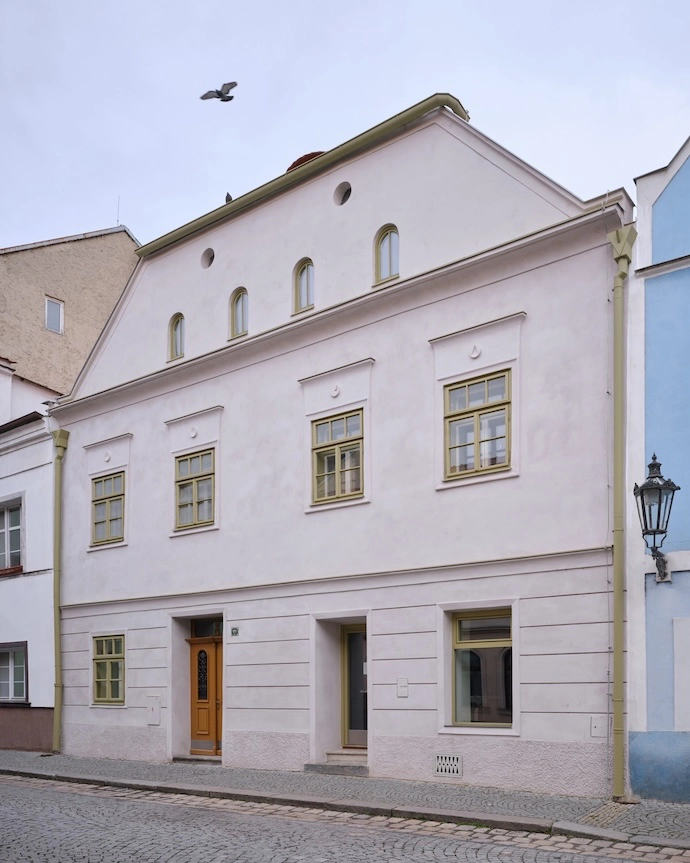
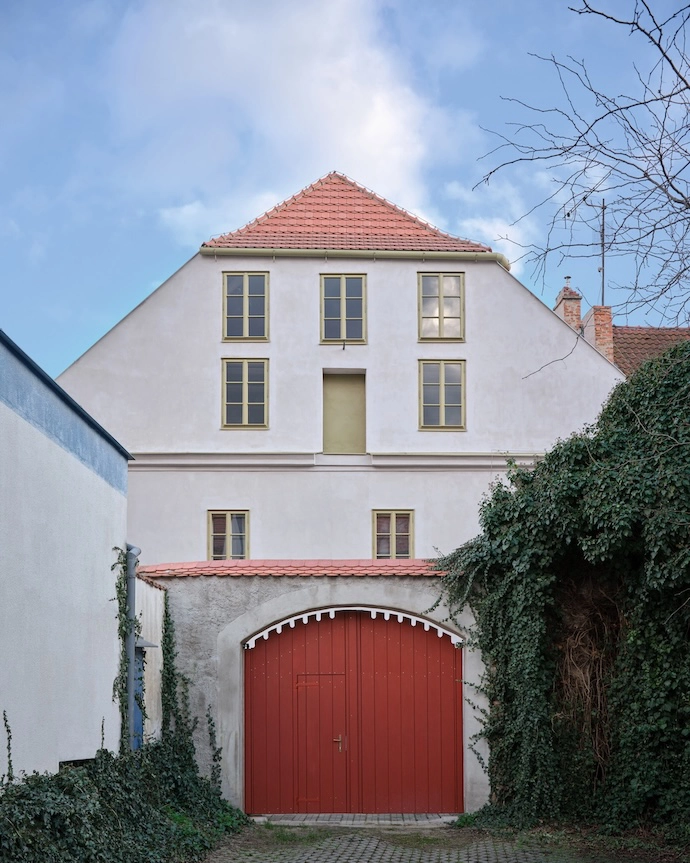
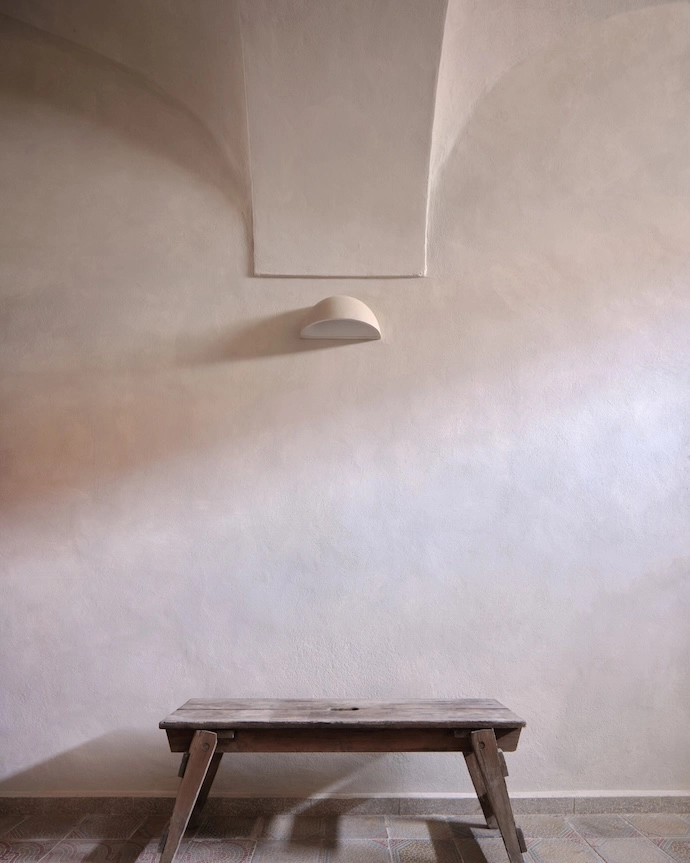
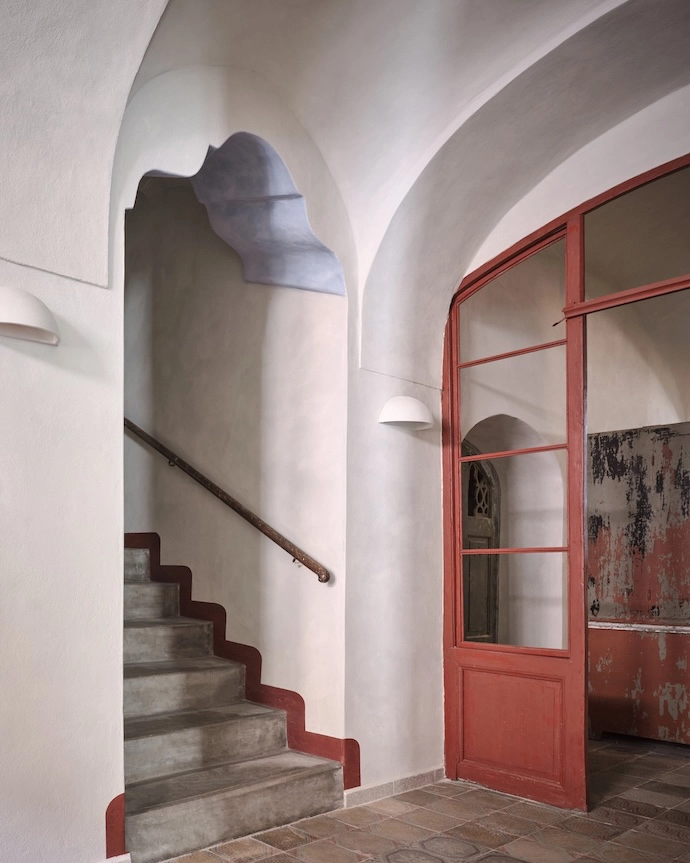
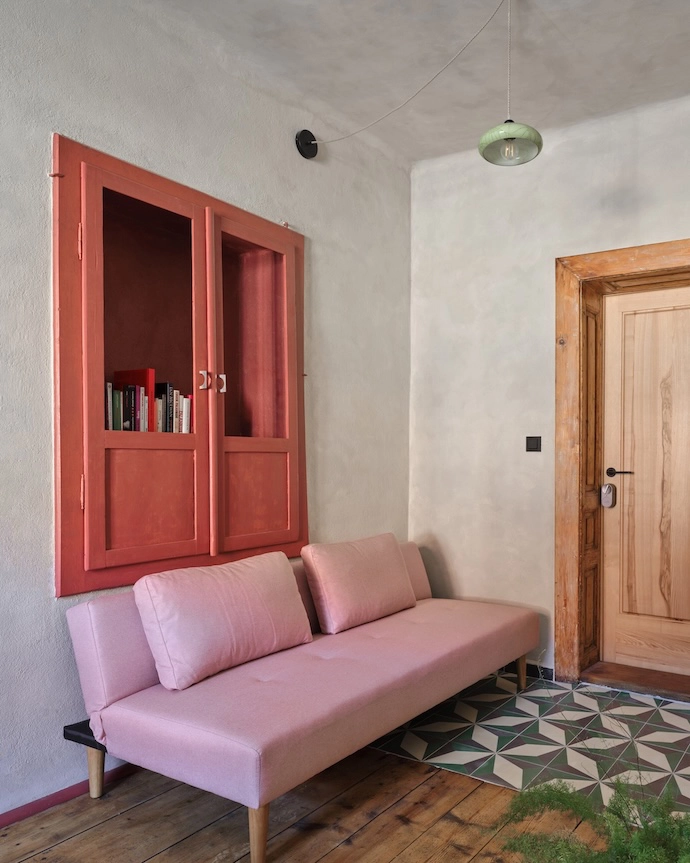
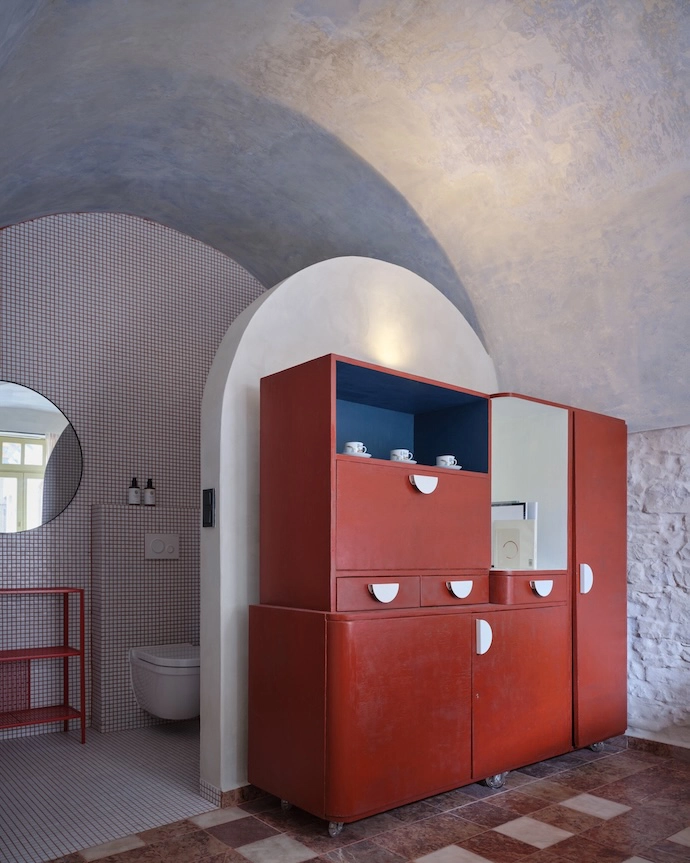
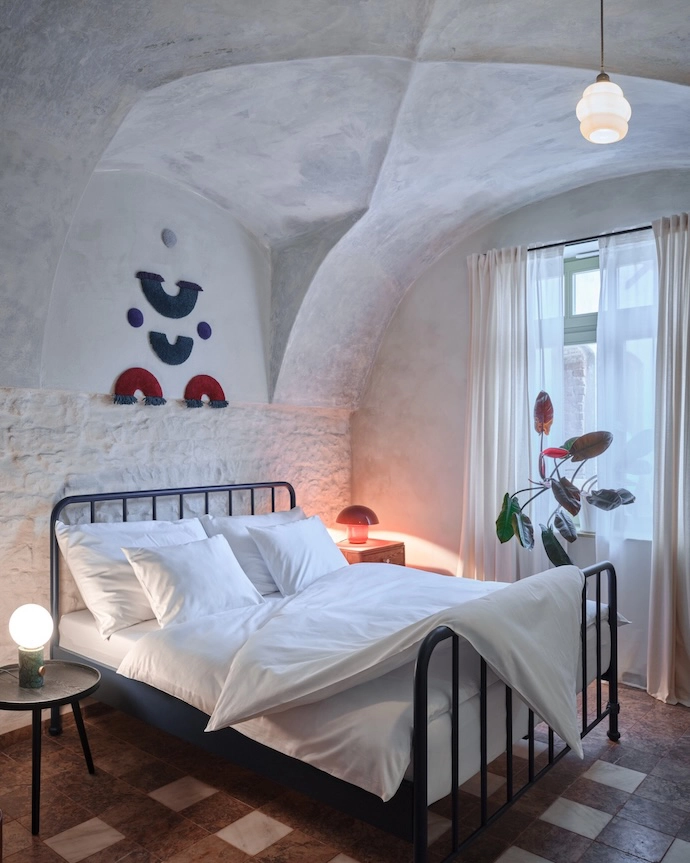
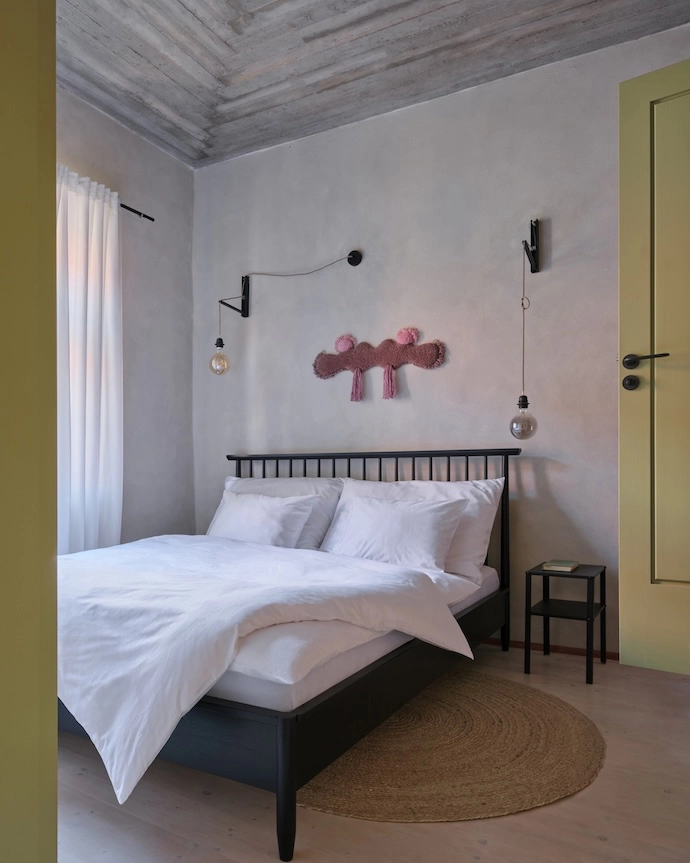
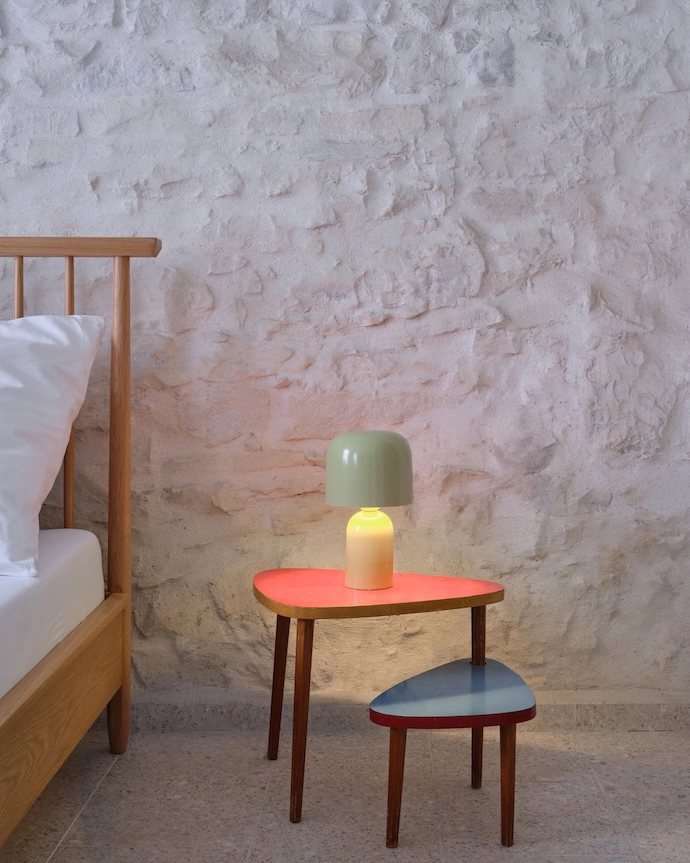
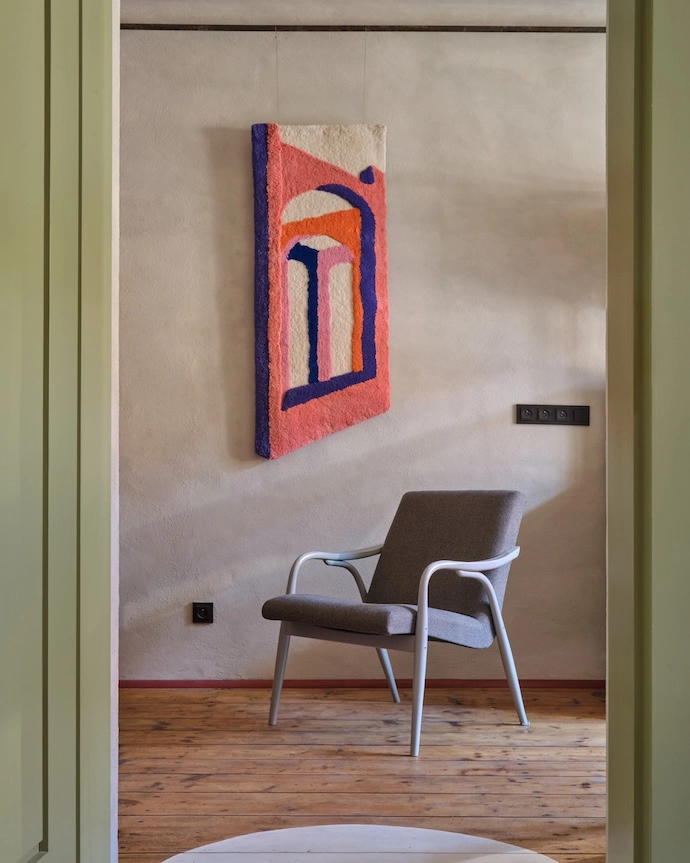
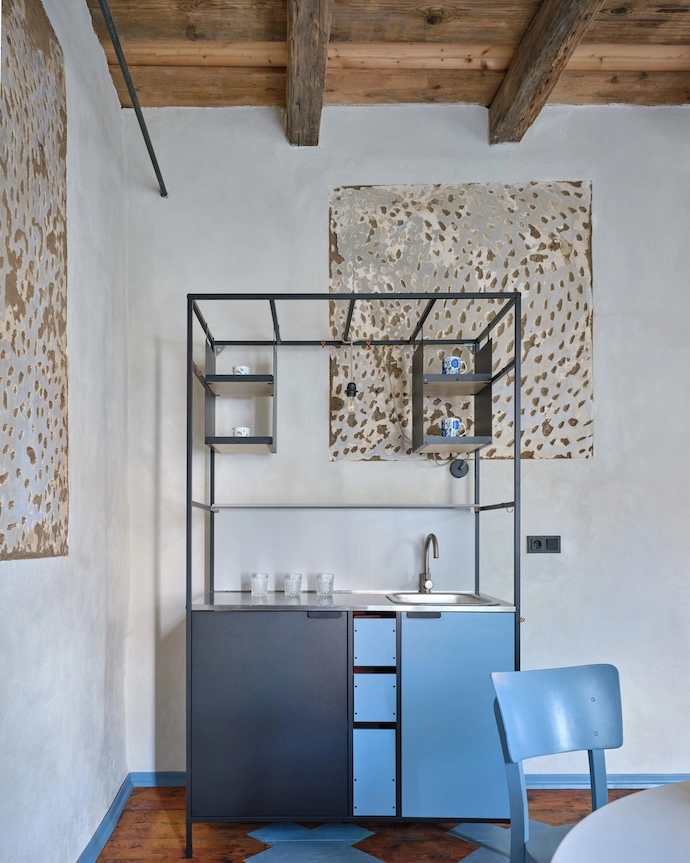
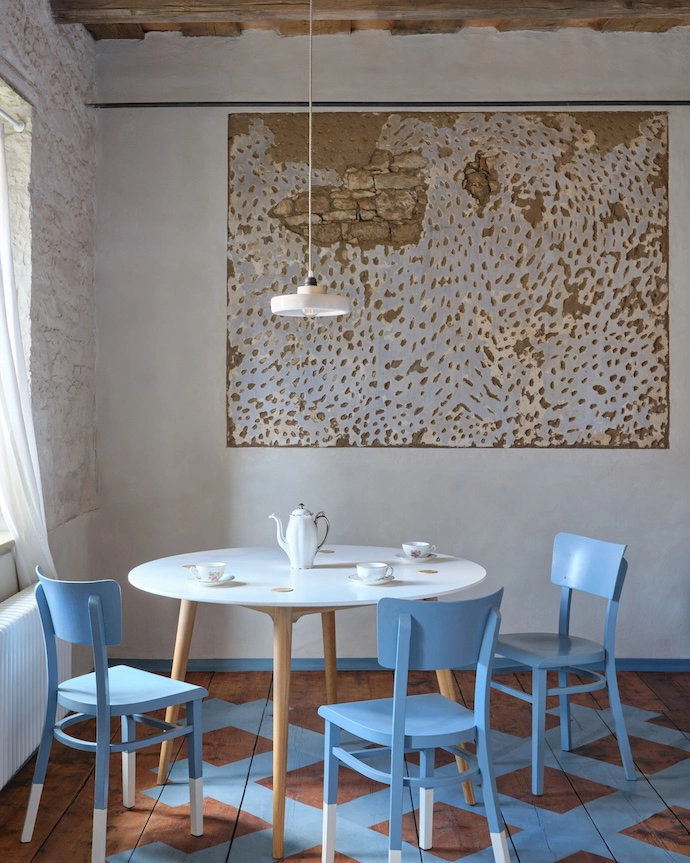
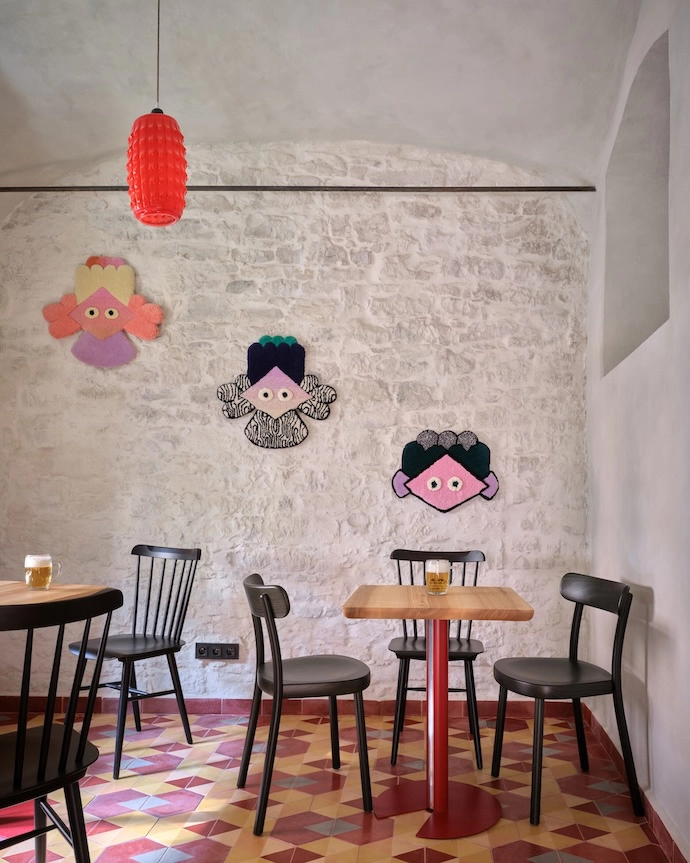
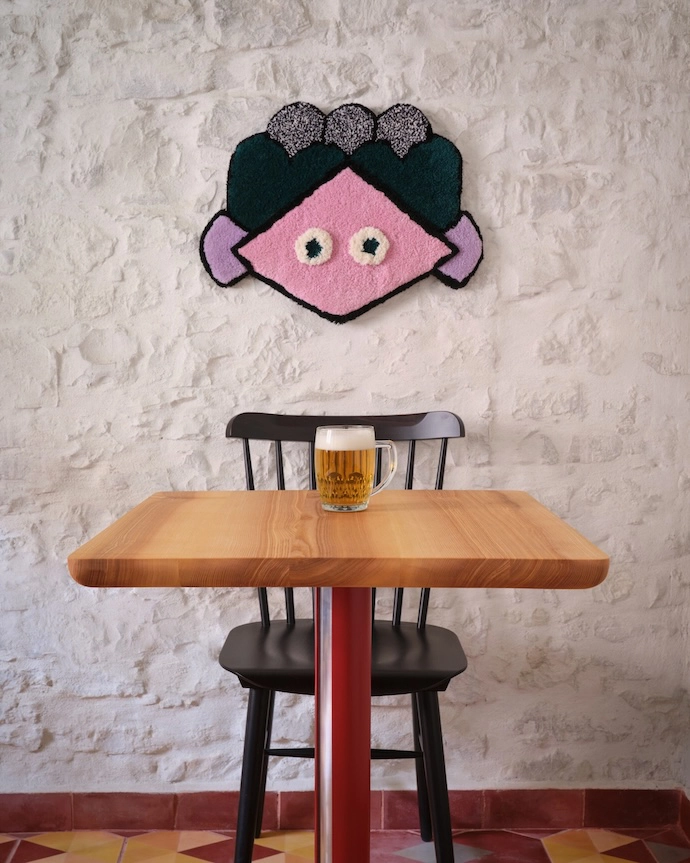
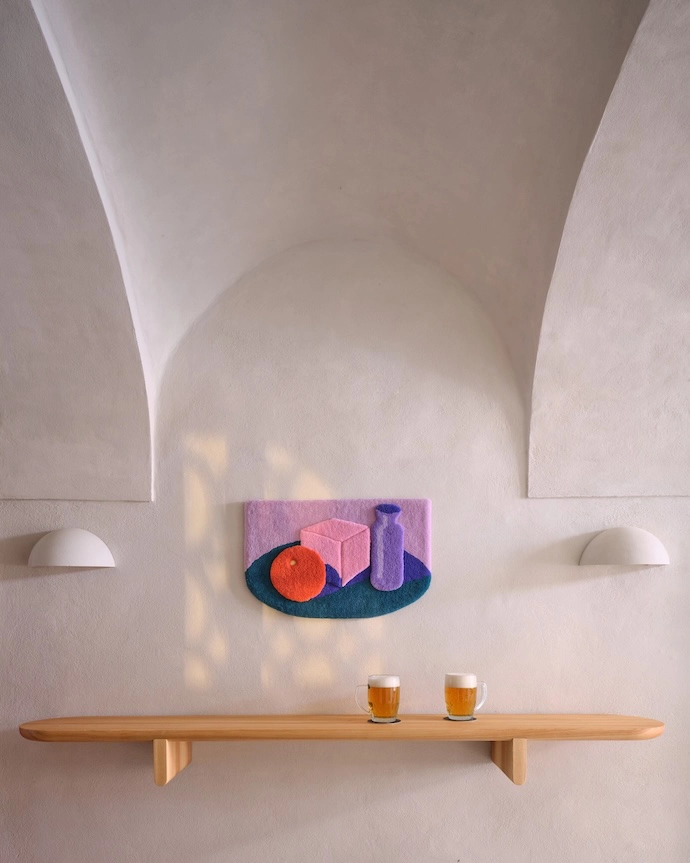
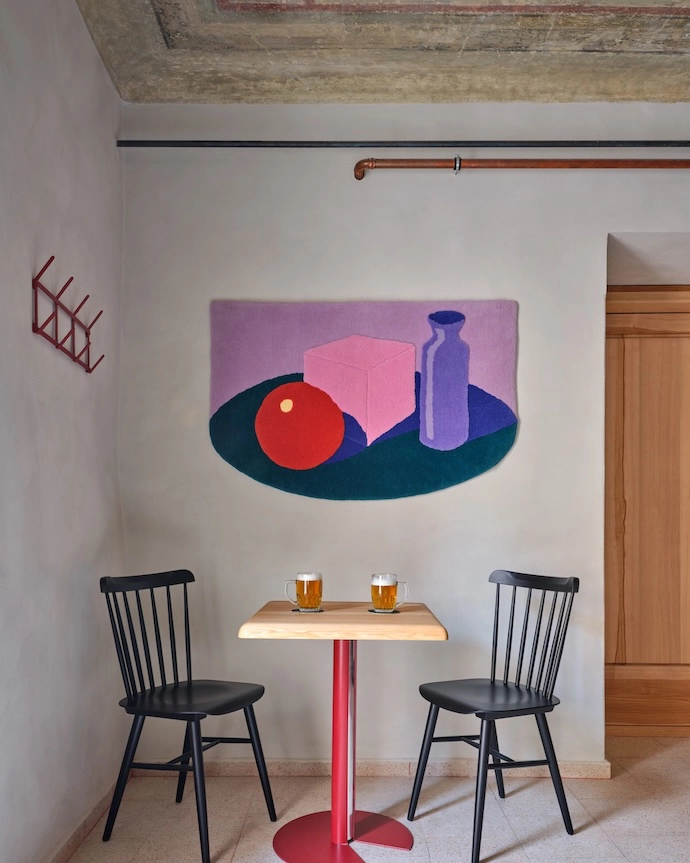
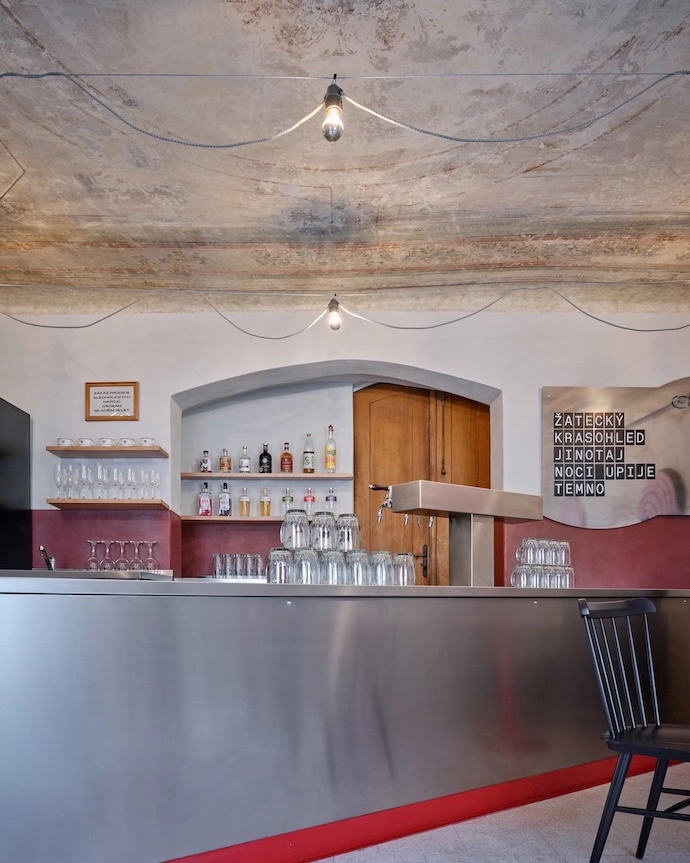
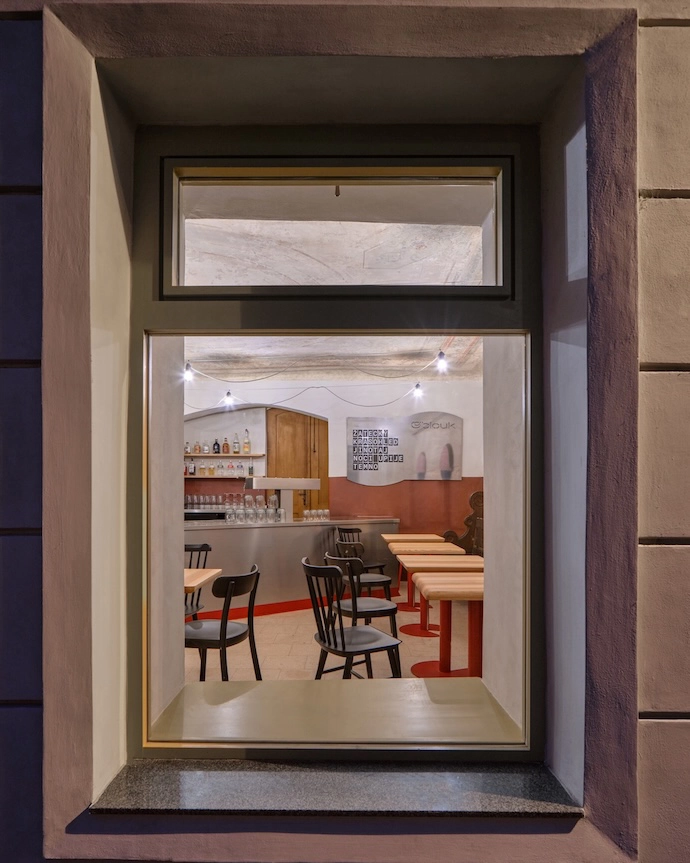
This family-owned townhouse in the UNESCO World Heritage-protected town of Žatec underwent an eight-year restoration, transforming a decaying ruin into a thriving mixed-use space.
WORDS Gina Dionisio PHOTOS BoysPlayNice
More than a conventional renovation, the eight-year restoration of Oblouková 171 became a deeply personal project for architects Jan and Barbora Hora, whose family history is tied to the house across several generations.
The architects knew from the outset that transforming the building would be a challenge. “The house came to us in a surprise inheritance. It was in a state of ruin: the roof was leaky, some ceilings were caving in, and entire sections of the roof truss were missing. Dry rot had spread aggressively,” say the couple.
Jan and Barbora’s starting point was figuring out how to renovate economically while maintaining deep respect for the building’s historical value. “We had no money and no clear idea of what to do next. But who else but architects would know how to handle an old ramshackle house?”
First, the house needed to be stabilised. The entire structure was braced with steel tie rods; the collapsed vault was rebuilt by an experienced master mason; and the collapsed ceiling, where water had been pouring in and rot had taken hold, was replaced with a concrete slab. The most demanding element, however, was the roof structure – a three-tiered hop-drying attic, which is a typical feature of buildings in Žatec.
Local companies were afraid to take on the task. “At that point, we were already giving up all hope and considering getting rid of this millstone around our neck in the form of an old ruin. So we reached out to true masters of their craft, who restored the structural integrity of the roof truss and revived its grandeur,” recall the couple.
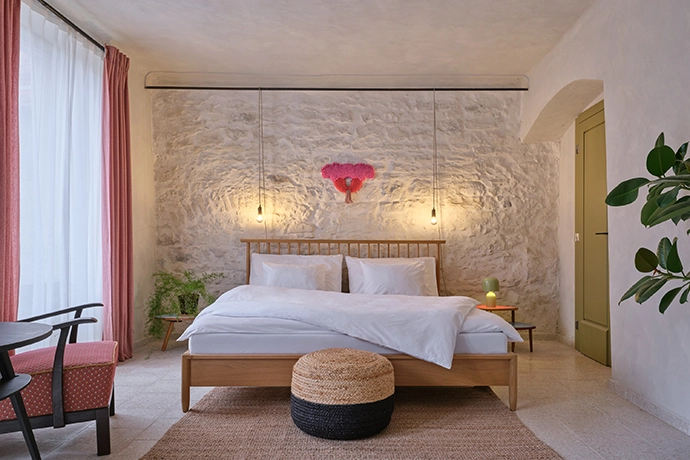
The project was shaped by Jan and Barbora’s desire to reuse materials wherever possible, to keep costs down and to preserve traditional elements of the building.
The ceiling was replaced with old, hand-hewn beams from a demolished house in Vrbovec, while the tiling was sourced from demolition projects or traded. “We hauled the red marble stone tiles out of a demolition container and transported them in small batches, 400 km by car. We traded the tiles for a crate of Pilsner lagers. In the passageway, there are cleaned tiles from a South Bohemian farmstead, which are almost identical to the tiles that were originally there. See if you can tell which is which. The entire courtyard is paved with timeless Šatov tiles, which must have been stored in a barn for a hundred years before finally being used,” say Jan and Barbora.
As a result, it’s hard to tell what in the house is original and what is new. “We’ve preserved as much as possible. Sometimes it’s better not to mess with what works.”
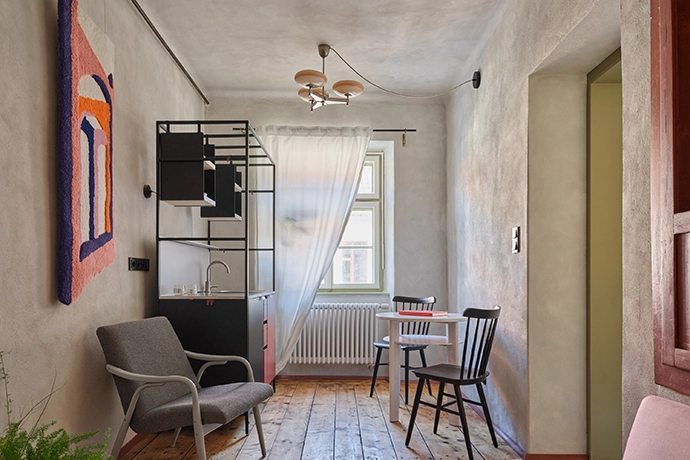
Upstairs, the old floors are a major focal point. Solid planks, some of which are still fastened with wrought-iron nails, have been worn down over time and are uneven and dramatically bumpy. “The greatest experience is walking across them barefoot and letting the ancient material work its magic on your feet. We sanded the floors ourselves by hand, but we also wanted to apply a layer that could be worn down. For each floor, we designed and painted a new ‘carpet’ using linseed oil paints – an admittedly new intervention that will gradually fade away,” explain the couple.
While preserving the interior was a challenge, the street-facing facade presented the greatest dilemma. “In the 1990s, it was stripped of all detailing. As a result, the facade appeared disfigured and architecturally incomplete. We couldn’t figure out why. Understanding it was made difficult by the fact that we couldn’t find its original form.”
They discovered that there had once been prominent suprafenestras above the windows on the upper floor, and that the house had a distinctive cornice. “Although we eventually uncovered the original design, we did not simply want to restore it. We reintroduced the individual elements but treated them in a new, more simplified way,” say the couple.
Coming up with a sustainable programme for the house was just as much of a challenge as the renovation itself. Jan and Barbora wanted to open the building to the public and share its history with the town. “That’s why we approached the master brewer of the FALKON Flying Brewery and got him excited about the new bar. The bar and its interior are an integral part of the house. The quality of the craft beer and the way it’s served match the atmosphere the house exudes,” they say. “The house also offers accommodation for travellers and visitors in several apartments, while we use it ourselves as a holiday home. After all, what more does a person need than beer and a blanket?” | o-r-a.cz
Don’t forget to sign up to our weekly newsletter for the latest architecture and design news.