-

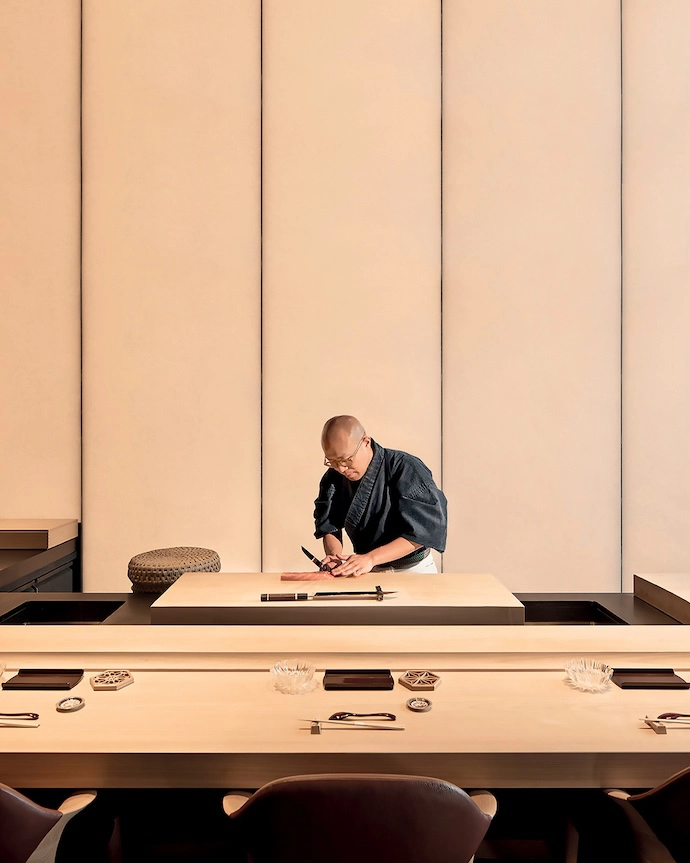
Chef Takuro Shimizu creates culinary magic at Bulgari Hotel Tokyo’s Sushi Hōseki. -
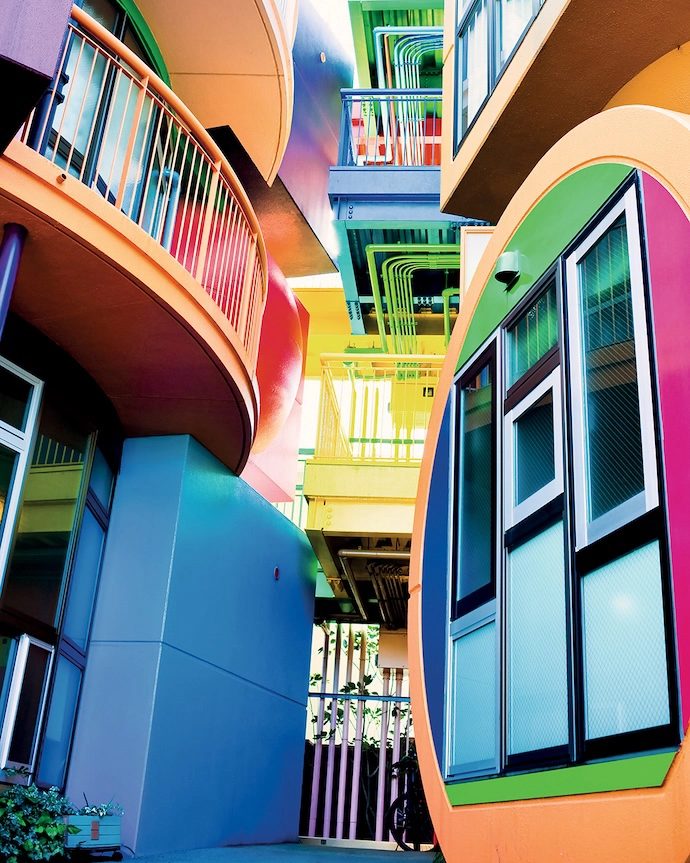
Reversible Destiny Loft s Mitaka turn uneven floors, slanted walls and bold colours into a daily sensory adventure. -
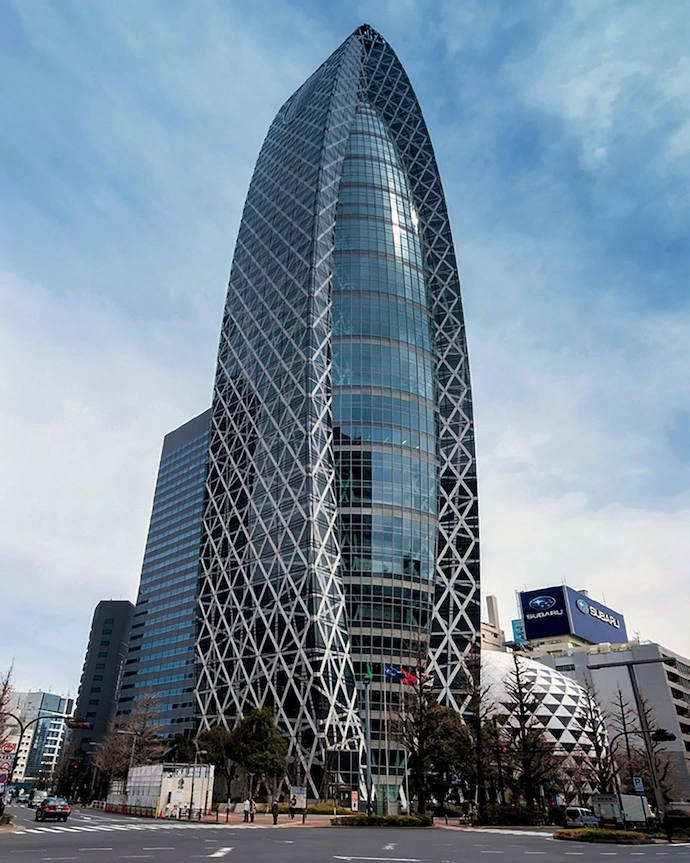
The Mode Gakuen Cocoon Tower. -
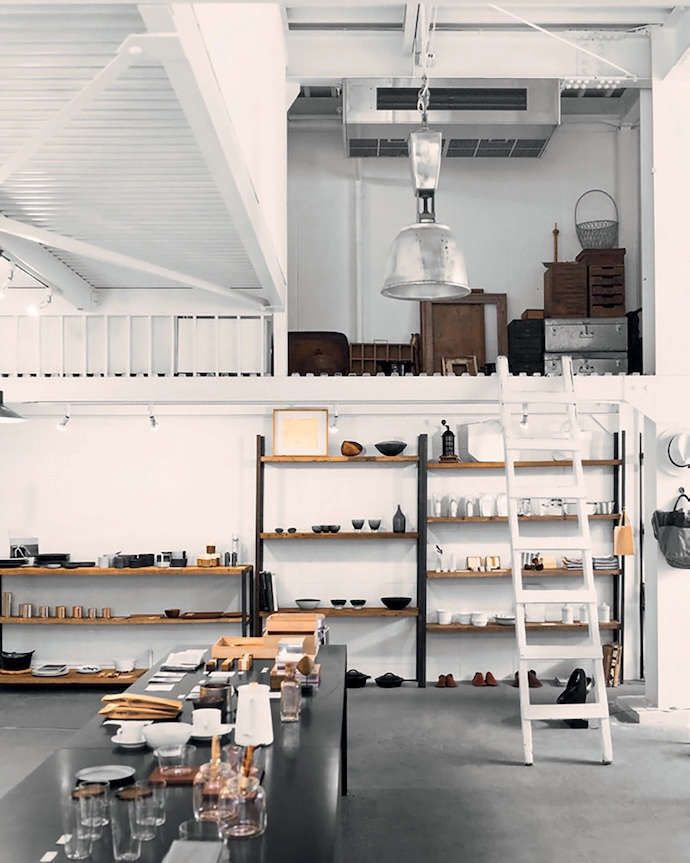
SyuRo blends Japanese tradition with modern design in everyday objects. -
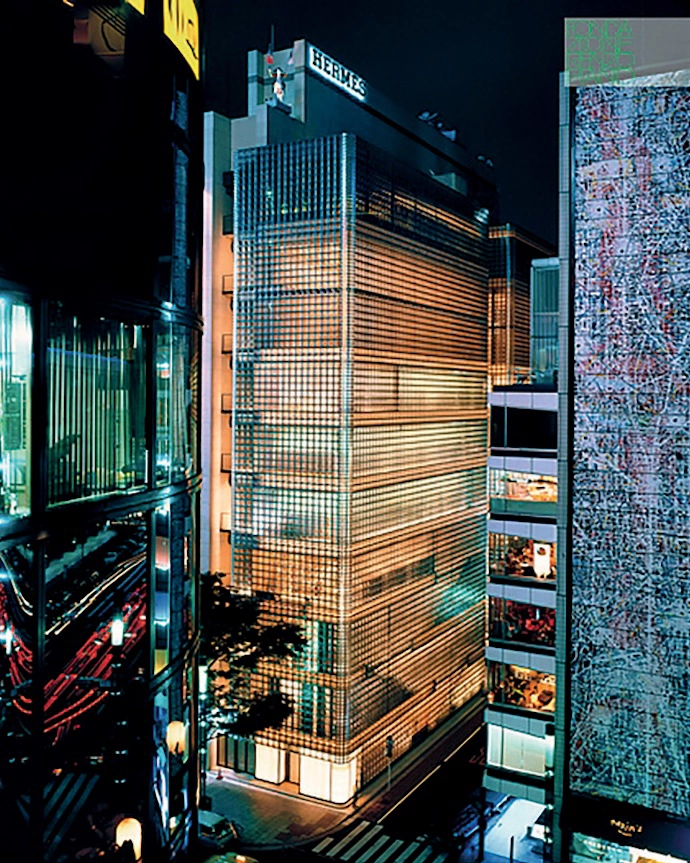
Maison Hermès in Ginza at night.
From glowing towers to hidden design gems, Tokyo is a playground for the creatively curious.
WORDS Jo Buitendach PHOTOS Takahiro Hayashi (Reversible Destiny Lofts Mitaka); Supplied; Masaya Yoshimura (21_21 Design Sight); 663Highland (NMWA); Tokyo Convention & Visitors Bureau (Mode Gakuen Cocoon Tower); Supplied; Photos Abasaa (Harajuku Protestant Church); Suginami (Sumida Hokusai Museum); Superidoljp from Tokyo (Sunnyhills); Michel Denance (Maison Hermès); Satoshi Nagare/Courtesy of Shibuya City (Yoyogi Fukamachi Mini Park Toilet)
It’s hard to believe that Tokyo, once a modest 12th-century fishing village, has grown into one of the world’s most dynamic megacities, with its wider metropolitan area housing more than 37-million people. Neon lights blaze above buzzing streets, and fashion tribes flock to Harajuku, Shibuya and the flagships that line Ginza. In this city of infinite energy and contrasts, design is everywhere, from jaw-dropping architecture to museums, hotels and shops.
Check in, bliss out
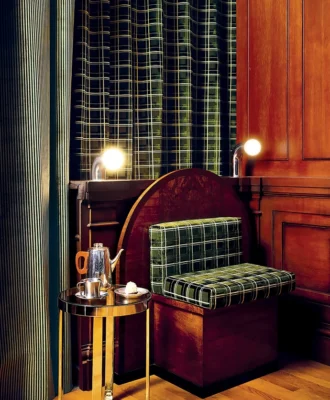
From traditional ryokan to futuristic capsule hotels, Tokyo knows how to offer a spot to lay your head. For total luxury, check out Bulgari Hotel Tokyo, which opened in 2023. Occupying floors 40 to 45 of the Tokyo Midtown Yaesu building, it’s the brand’s first property in Japan, bringing Bulgari’s signature contemporary Italian style to the city.
The hotel overlooks the serene Imperial Palace East Gardens and offers sweeping views of Tokyo’s skyline. Interiors mirror the precision of Bulgari’s high-end jewellery, creating spaces as elegant as they are inviting. Dining is a highlight, with Sushi Hōseki serving fine Japanese cuisine; and the Bulgari spa on the 40th floor features a 25m indoor pool framed by city views. | bulgarihotels.com
Space and finds
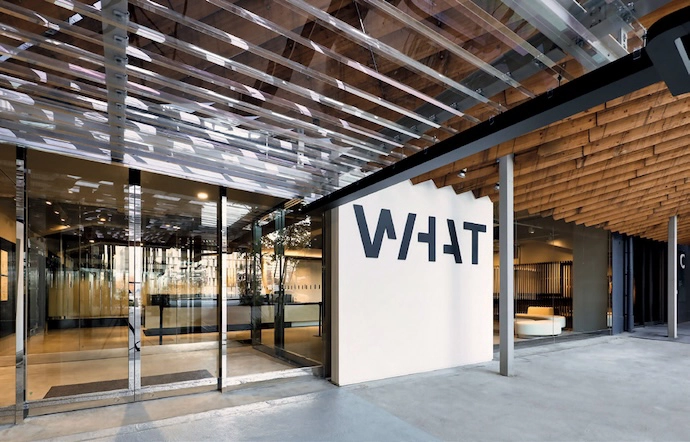
WHAT – WAREHOUSE OF ART TERRADA – is a one-of-a-kind museum where a warehouse becomes a space for contemporary art and architecture. Showcasing works entrusted to the curators by collectors and artists, it features two- and three-dimensional pieces, architectural models, films, photographs, literature and various installations. WHAT uniquely bridges storage, exhibition and engagement spaces, highlighting the cultural value quietly gleaming within the warehouse. | what.warehouseofart.org/en
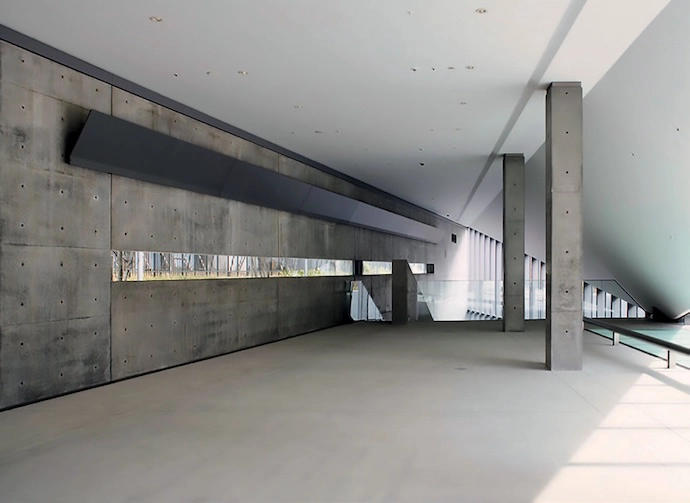
21_21 DESIGN SIGHT, founded by the legendary Issey Miyake and designed by Tadao Ando, opened in 2007 as a space to engage the public in design. Its three galleries host exhibitions that explore everyday life through the lens of creativity. The building reflects Miyake’s concept of “A Piece of Cloth”, with a dramatic folded steel roof and walls that showcase Japan’s cutting-edge technology. | 2121designsight.jp
The Edo-Tokyo Open Air Architectural Museum is a park where many historic Japanese buildings have been relocated and preserved. From merchant houses and bathhouses to striking modernist homes, it’s a walkthrough timeline of Tokyo’s architectural history in a leafy, throwback setting. | tatemonoen.jp
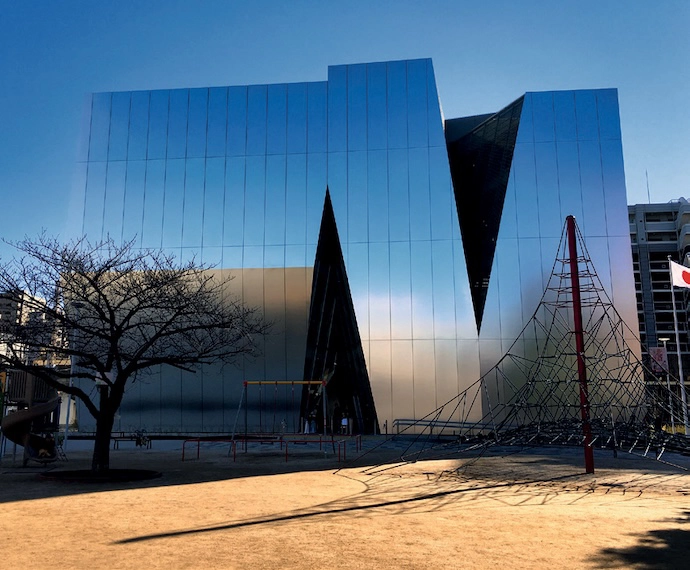
Sumida Hokusai Museum celebrates ukiyo-e – Japan’s vivid woodblock prints of the “floating world” – through the work of its most famous master, Katsushika Hokusai. The angular, aluminium-clad building by Kazuyo Sejima is as striking as the art inside, so you can experience two icons at once: Hokusai’s prints and Sejima’s architecture. | hokusai-museum.jp
Higashiya Ginza is a sleek tea salon by designer Shinichiro Ogata that reimagines Japanese tea culture for the modern tea drinker. Expect more than 30 varieties of tea, seasonal wagashi (confections) that look like little artworks, and interiors in which every detail has been perfectly considered. A serene pause above Ginza’s buzz, it’s as much about design as it is about f avour. | higashiya.com
Takeo Mihoncho Honten in Tokyo’s Jinbōchō district is a minimalist haven for paper lovers. The flagship store houses more than 7 000 varieties, organised by colour and texture for a tactile browsing experience. Upstairs, a small gallery hosts exhibitions that celebrate the art of paper – a must-visit for designers and stationery enthusiasts alike. | takeo.co.jp
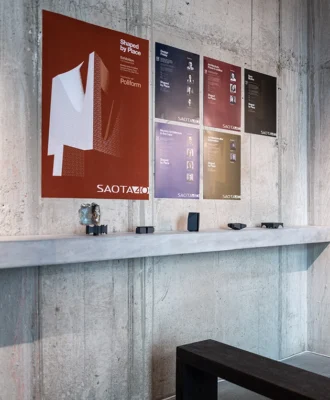
SyuRo is a design shop and atelier in which traditional Japanese craftsmanship meets contemporary style. Showcasing carefully craft ed everyday items – from ceramics and chopsticks to tea canisters, many made in collaboration with local artisans – it’s a place to discover functional yet beautiful objects that celebrate both design and culture. | syuro.co.jp
Gallery Common in Harajuku is an art space where Tokyo’s street culture meets fine art. With a selection of Japanese and international artists on show, its curated exhibitions off er a fresh perspective, and a glimpse into the city’s creative scene. | gallerycommon.com
Urban focus
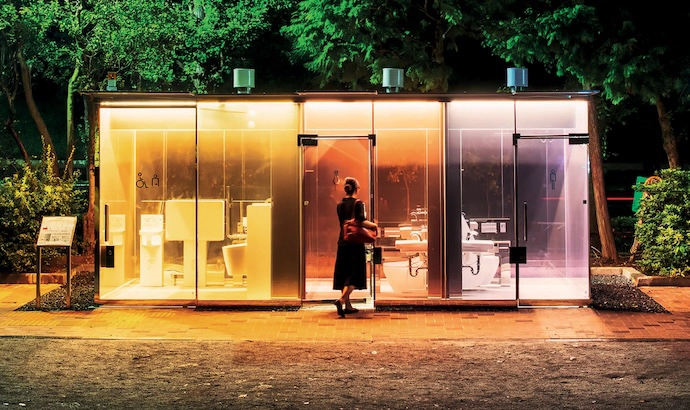
For architecture fans, Tokyo is a treasure trove of striking contrasts and visionary design. The Tokyo Toilet project turns everyday necessity into design brilliance, with 17 Shibuya restrooms reimagined by top architects, from Shigeru Ban’s transparent glass walls to Kengo Kuma’s cedar-clad retreat. They’re impeccably maintained, and we love how this project transforms function into art while making the city more welcoming for all. | tokyotoilet.jp
Maison Hermès in Ginza, designed by Renzo Piano Building Workshop in 2001, rises like a glowing lantern on its narrow site. Clad in 13 000 glass blocks, the 15-storey tower is a fusion of French luxury and Japanese craftsmanship. | fondazionerenzopiano.org
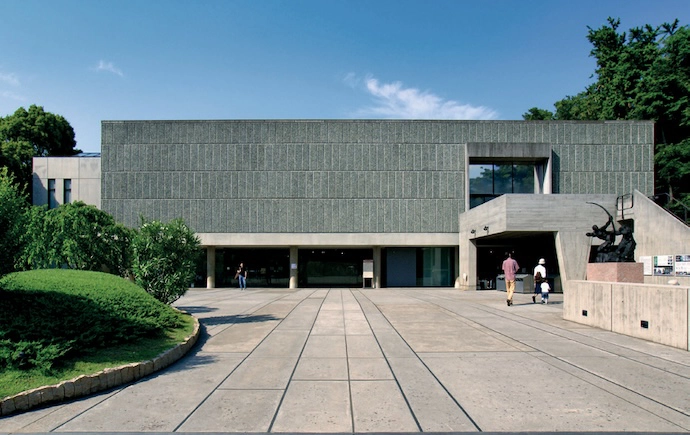
The National Museum of Western Art, designed by Le Corbusier and completed in 1959, is a modernist gem and UNESCO World Heritage Site. Resting on piloti with a facade of concrete grids, the building embodies his vision of a “Museum of Unlimited Growth”, offering a light-filled, spiralling journey through art. | nmwa.go.jp
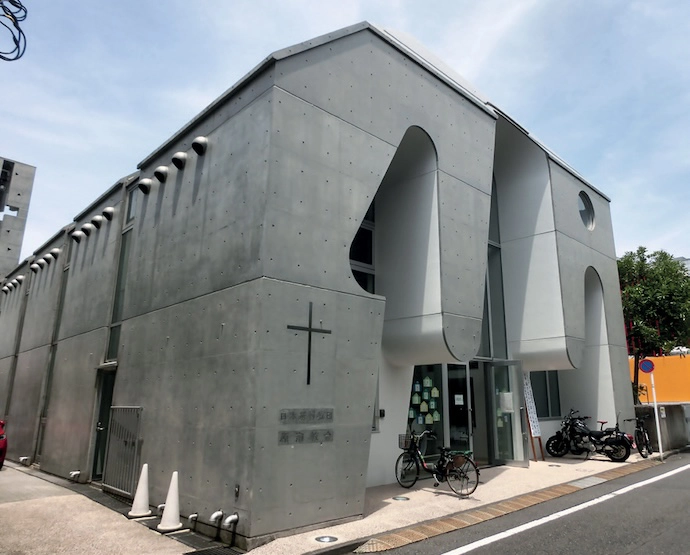
French-Japanese firm Ciel Rouge Création’s 2006 Harajuku Protestant Church employs wave-shaped concrete walls and six undulating arches to create an openness. Strategically filtered natural light animates the interior, while the bell tower punctuates Tokyo’s skyline. | harajuku-church.com
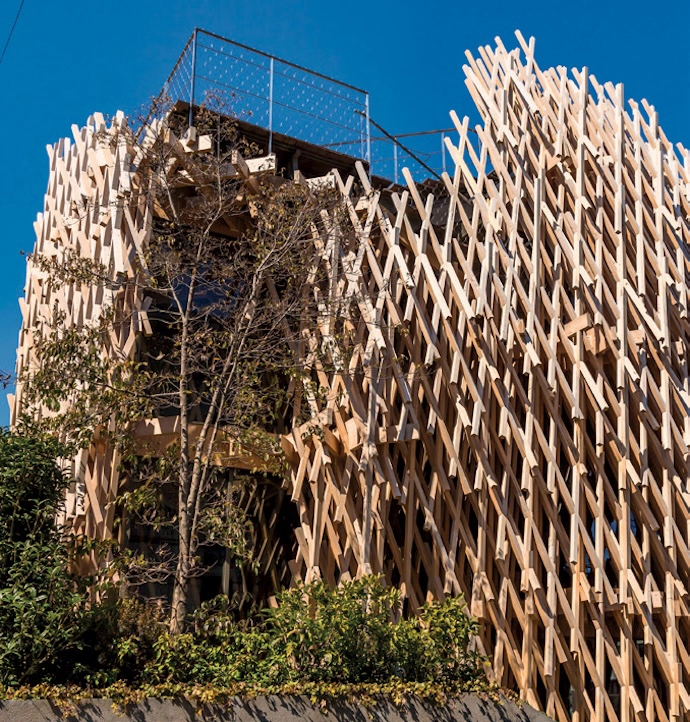
Designed by Kengo Kuma & Associates and completed in 2013, SunnyHills at Minami-Aoyama is a flagship store for pineapple cakes. Its wooden lattice, inspired by traditional Japanese joinery, creates a serene, forest-like interior. | shop.sunnyhills.co.jp
Completed in 2005 by Shusaku Arakawa and Madeline Gins, the Reversible Destiny Loft s Mitaka use uneven floors, irregular walls and vibrant colours to heighten awareness. Inspired by Helen Keller, the nine-unit complex turns everyday movement into a sensory and mental exercise. | reversibledestiny.org
Built in 2008 by Tange Associates, the school inside the 204m Mode Gakuen Cocoon Tower has an elliptical, cocoon-like form with a white aluminium lattice that optimises light and wind fl ow. Inside, three rotating classroom blocks around a central core create efficient learning spaces, and student lounges offer panoramic views. | mode.ac.jp
Don’t forget to sign up to our weekly newsletter for the latest architecture and design news.