-

Akra Bar by Ouzeri -

Akra Bar by Ouzeri -
Akra Bar by Ouzeri -
Akra Bar by Ouzeri
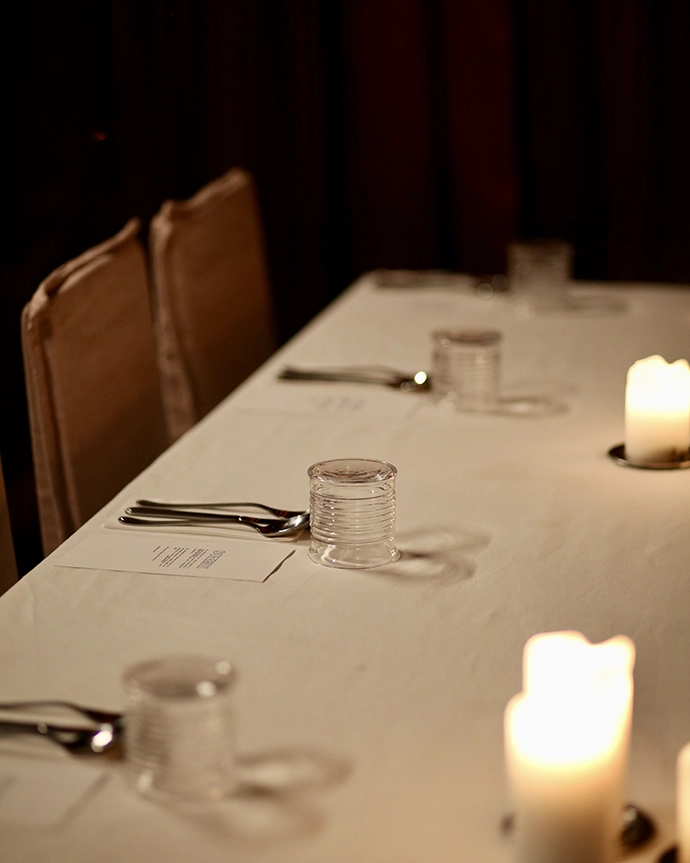
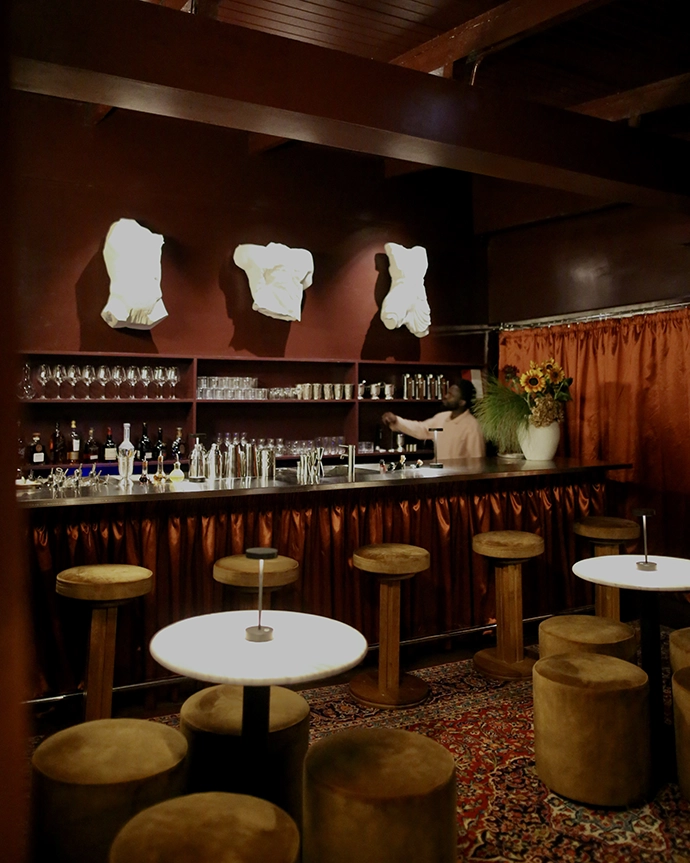
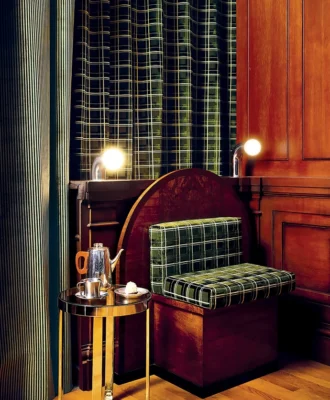
Ouzeri embarks on its next chapter with the opening of Akra Bar – a sophisticated new addition to Cape Town’s burgeoning bar scene.
WORDS VISI PHOTOS Courtney Munna INTERIORS Master Interior Architecture
Designed for guests to linger over an aperitivo before dinner or drop in for a drink, Akra Bar – the new upstairs addition to Ouzeri – is guided by the same generosity and sophistication that have always defined the restaurant. Offering a carefully curated selection of top-quality vintage natural wines and an inventive menu featuring classic cocktails, as well as non-alcoholic options, the bar sets the tone for an intimate, elevated evening.
We spoke to chef-owner Nic Charalambous about the vision behind Akra Bar, the influences that shaped its design, and how the new space captures Ouzeri’s signature spirit.
Akra sits above Ouzeri – a space already celebrated for its contemporary take on Greek and Cypriot dining. How did you approach designing a bar that feels connected to Ouzeri’s identity yet distinct enough to stand on its own?
“We wanted Akra to feel like a deliberate counterpoint to Ouzeri. Where Ouzeri is light, bright, and open, Akra was imagined as darker, moodier, and more intimate – a shift you feel the moment you open the door and walk through the curtains. Even though the two spaces sit closely together, it was important that Akra had its own personality and atmosphere.
“At the same time, Akra was always conceived as part of the wider Ouzeri experience. The intention was to create contrast without breaking the narrative – a space that stands apart but still completes the journey.
To hold that balance, we looked to Greek history through a contemporary lens, blending nostalgia with modernity in subtle ways. Continuity comes through small historic touchpoints and quiet nods to the past, anchoring the aesthetic while keeping it firmly rooted in the present. These details tie the two spaces together, even as Akra confidently claims its own identity.”
Your work often marries restraint with atmosphere. What was the guiding mood or narrative behind Akra’s design – and how did you want guests to feel as they step inside?
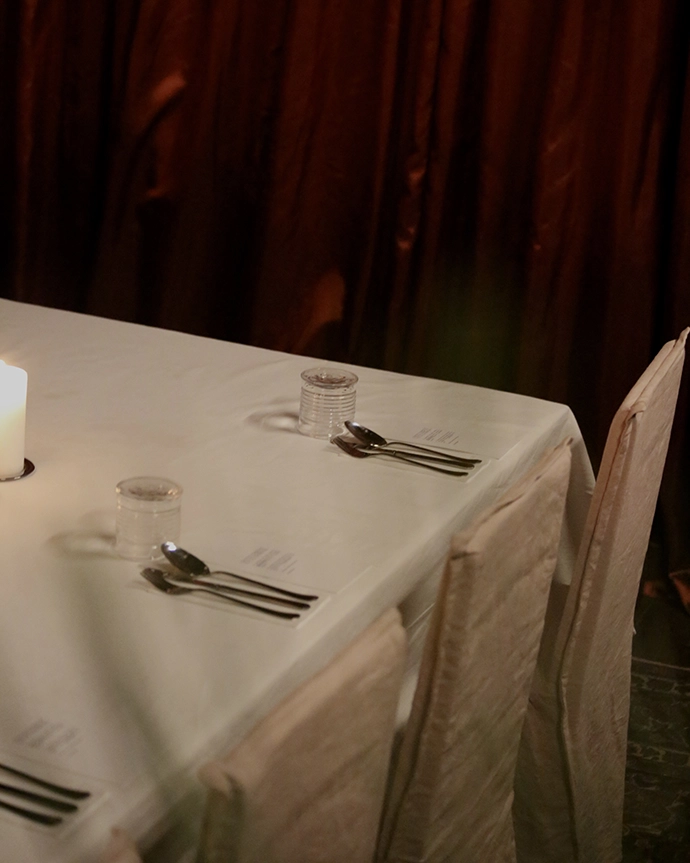
“For Akra, contrast guided the storytelling. We wanted the shift between floors to feel immediate and intentional – moving from Ouzeri’s bright energy into a room shaped by deeper tones, warmer hues, and softly draped walls. The atmosphere becomes more intimate the moment you step inside.
“The idea was for guests to feel that change right away – an immersive, atmospheric space with its own rhythm, yet still connected to the broader narrative.”
The Mediterranean influence is subtle but present. Which design details or materials did you use to evoke a sense of place without falling into overt references or clichés?
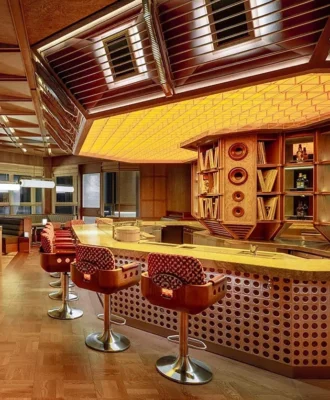
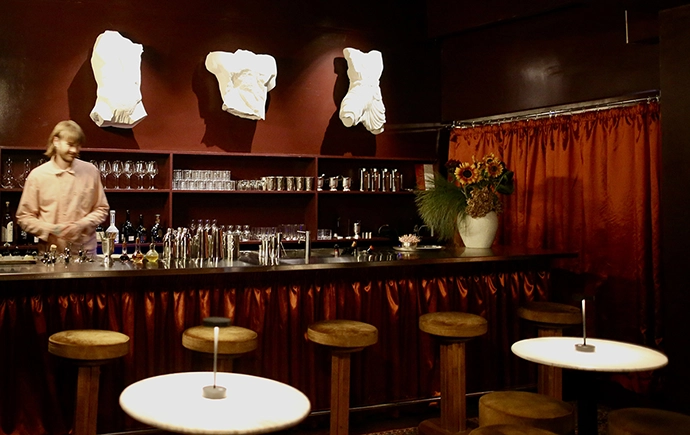
“As with Ouzeri, we aimed to avoid clichés, but we allowed ourselves to be intentionally playful in certain areas. The large busts above the bar were created as a strong focal point – something unapologetically present that immediately draws the eye.
“We used plaster again, reinterpreting the look of stone and marble, especially in the lighting fixtures where texture becomes the reference rather than anything literal. Fabric and pattern also play a key role. Soft textiles warm the space and introduce a gentle sense of nostalgia, balancing the more sculptural, contemporary elements.”
Bars are often about rhythm – light, sound, texture, and flow. How did you approach the spatial choreography of Akra, from the bar itself to how people gather and move through the space?
“We began with the entrance, because that is where the narrative takes shape. The word Akra is rooted in Greek history – meaning “pinnacle” or “high point,” and serving as the root of “Acropolis.” As guests step inside, they pass traditional Greek Orthodox bread stamps used by my grandmother. Including that personal detail felt important in grounding the space and setting the tone.
“From there, a narrow corridor draws you forward, creating a sense of anticipation as the room gradually opens into the bar.
“The height of the bar counter was intentional. We avoided a tall surface that creates distance; instead, we chose a lower, more approachable profile that encourages interaction and makes the experience feel more personal.
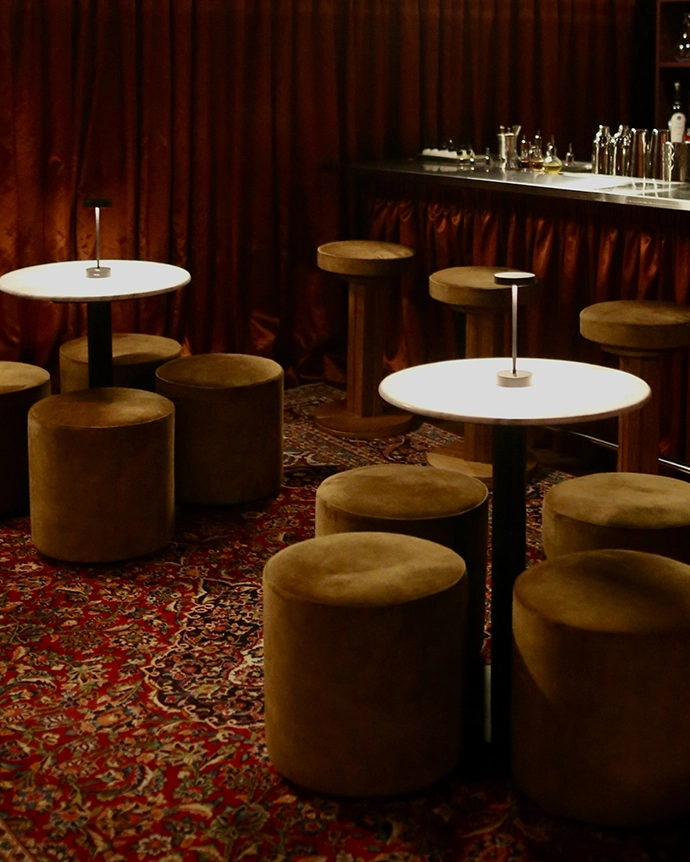
“Texture and lighting shape how the space unfolds. Plaster and stone-like finishes allow light to graze the surfaces, contrasted with deeper tones. Layered elements – Persian rugs, soft curtains – introduce warmth and intimacy, creating a rhythm that guides how people move, gather, and settle.
“Beyond the visual design, we considered every sensory detail – lighting, aroma, uniforms, and music. Each element was chosen to evoke a specific emotional response and shape how guests interact with the space.” | @akra_bar
Don’t forget to sign up to our weekly newsletter for the latest architecture and design news.