-

Zhouzhuang Blossom Hill Boutique Hotel -
Zhouzhuang Blossom Hill Boutique Hotel -
Zhouzhuang Blossom Hill Boutique Hotel -
Zhouzhuang Blossom Hill Boutique Hotel -

Zhouzhuang Blossom Hill Boutique Hotel -
Zhouzhuang Blossom Hill Boutique Hotel -
Zhouzhuang Blossom Hill Boutique Hotel -
Zhouzhuang Blossom Hill Boutique Hotel -
Zhouzhuang Blossom Hill Boutique Hotel -

Zhouzhuang Blossom Hill Boutique Hotel -
Zhouzhuang Blossom Hill Boutique Hotel -
Zhouzhuang Blossom Hill Boutique Hotel -
Zhouzhuang Blossom Hill Boutique Hotel -
Zhouzhuang Blossom Hill Boutique Hotel -
Zhouzhuang Blossom Hill Boutique Hotel


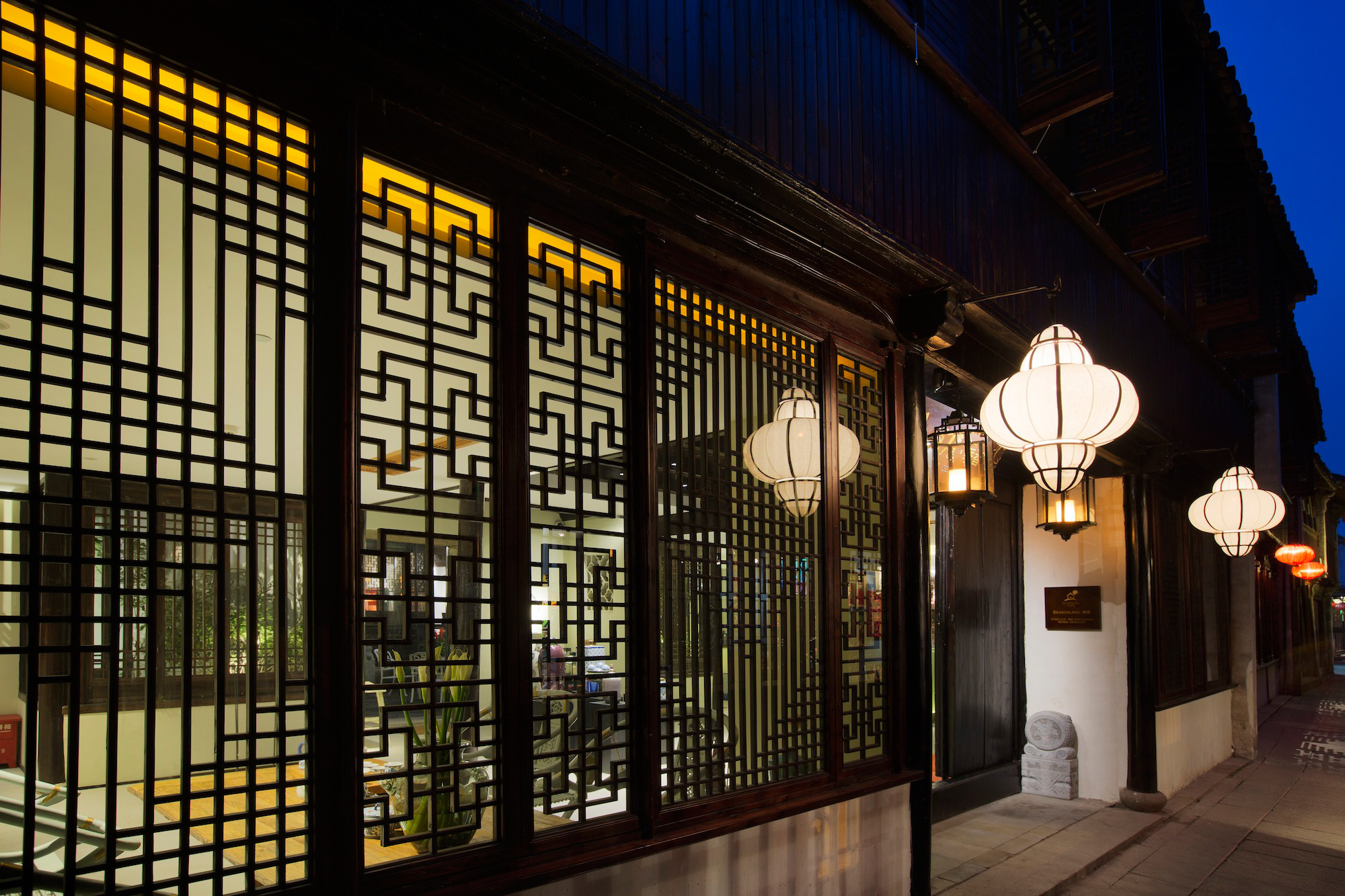
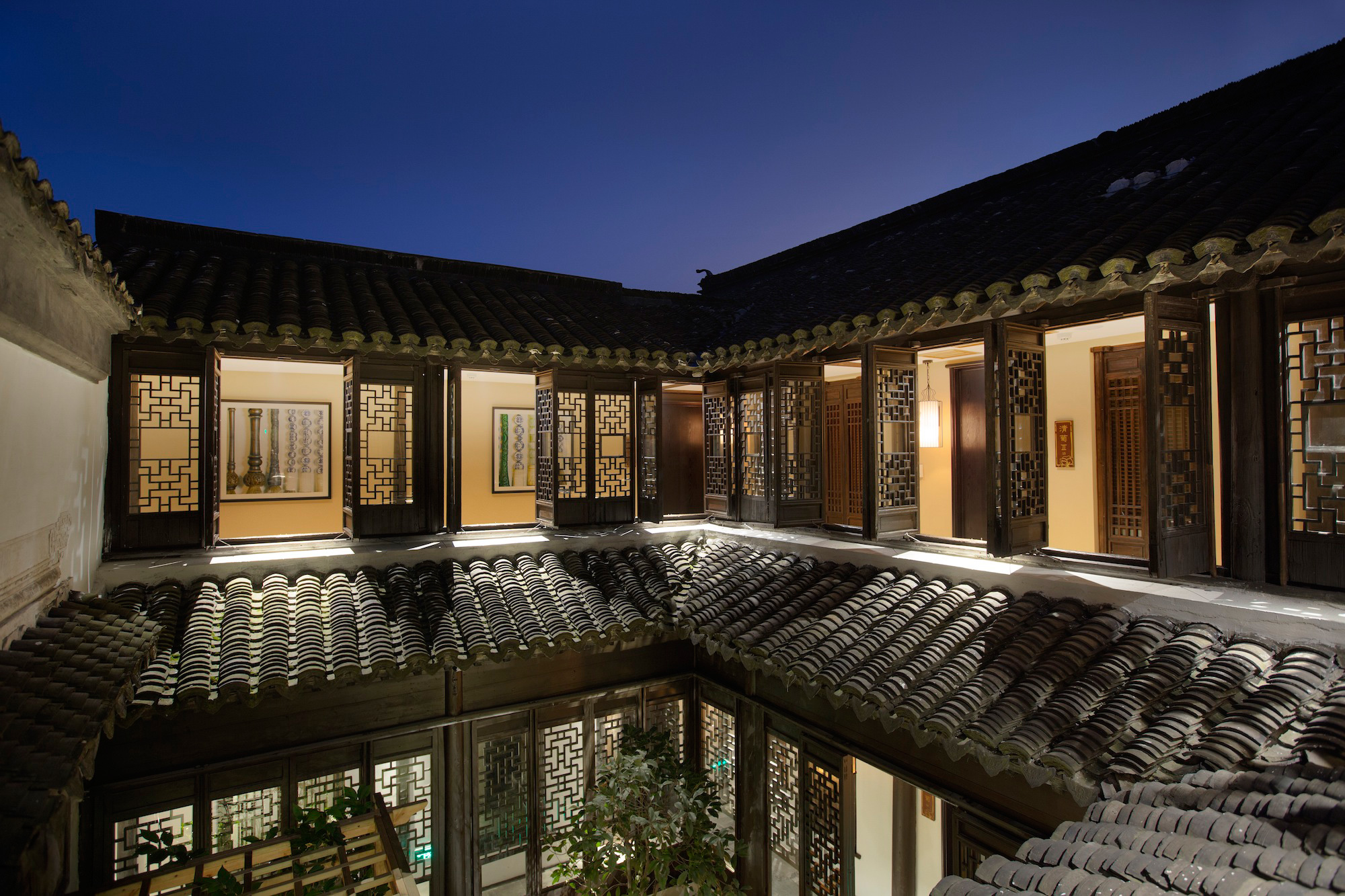
Zhouzhuang Blossom Hill Boutique Hotel is located in Zhouzhuang, the water town of Southern China positioned 90 minutes away from Shanghai. This ancient town, known as the “Venice of the Orient,” has a history of more than 900 years and still retains the style and pattern of its ancient village. It is noted for its profound cultural background, the well-preserved ancient residential houses, the elegant views of the waterside and its colorful local traditions and customs.
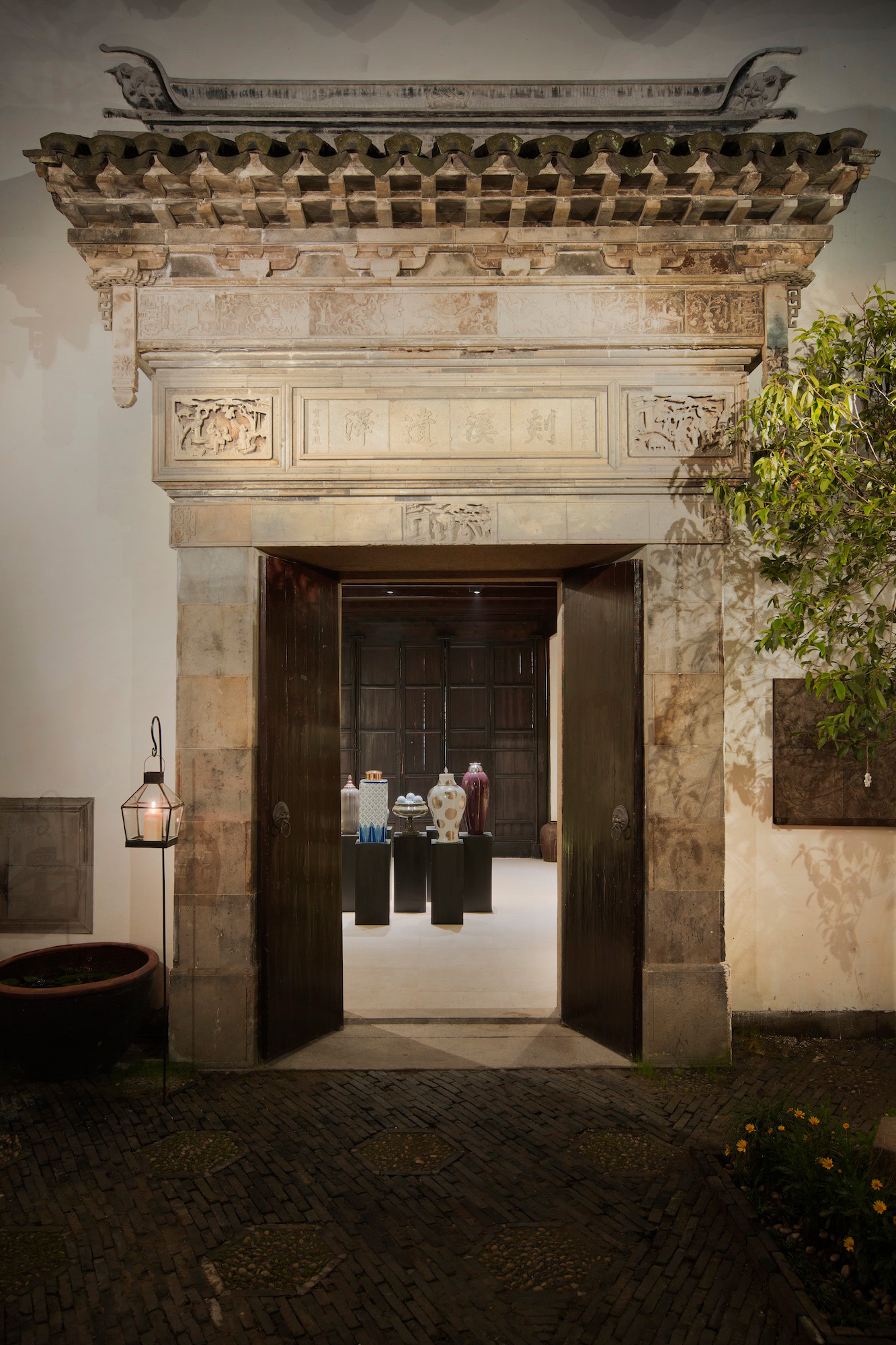
This hotel is a renovation of three old separate Ming Dynasty-style buildings. During the 19th century the three sons of Dai built the buildings that, at the time, served as living places, as well as a space to conduct business. After many years, these buildings were divided into four parts before the renovation: a Museum, a Tea House, a Guesthouse and an abandoned structure. Shanghai-based Dariel Studio has reconstructed and transformed them into a 20-suite heritage hotel. The renovation aims to restore the initial spatial unity of the building, while also to preserve the architectural heritage.
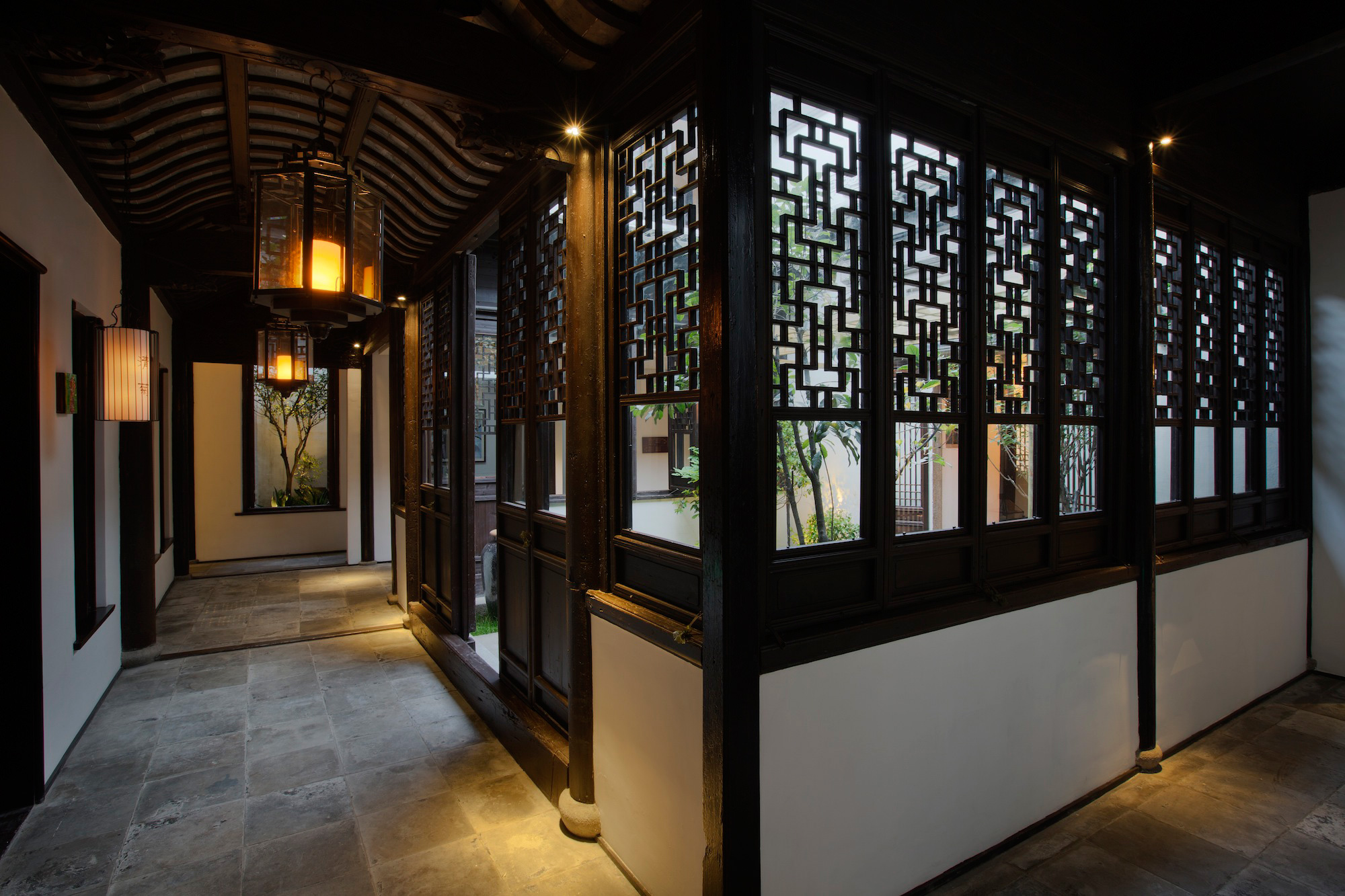
These four buildings were independently built but closely connected, which is why the structure and style are similar. Dariel Studio spent nearly six months on repairing and altering the buildings, which included the adjustment of the ground level, the reinforcement of the main beams, the preservation of the old wooden window frames and the layout of space. The studio was asked by Blossom Hill to create a boutique hotel that embodies both the picturesque scenery and history of Zhouzhuang. These qualities combined portray the same elegant leisure-lifestyle experience that has endured through the ages in this ancient town, in addition to exhibiting its identity and history.
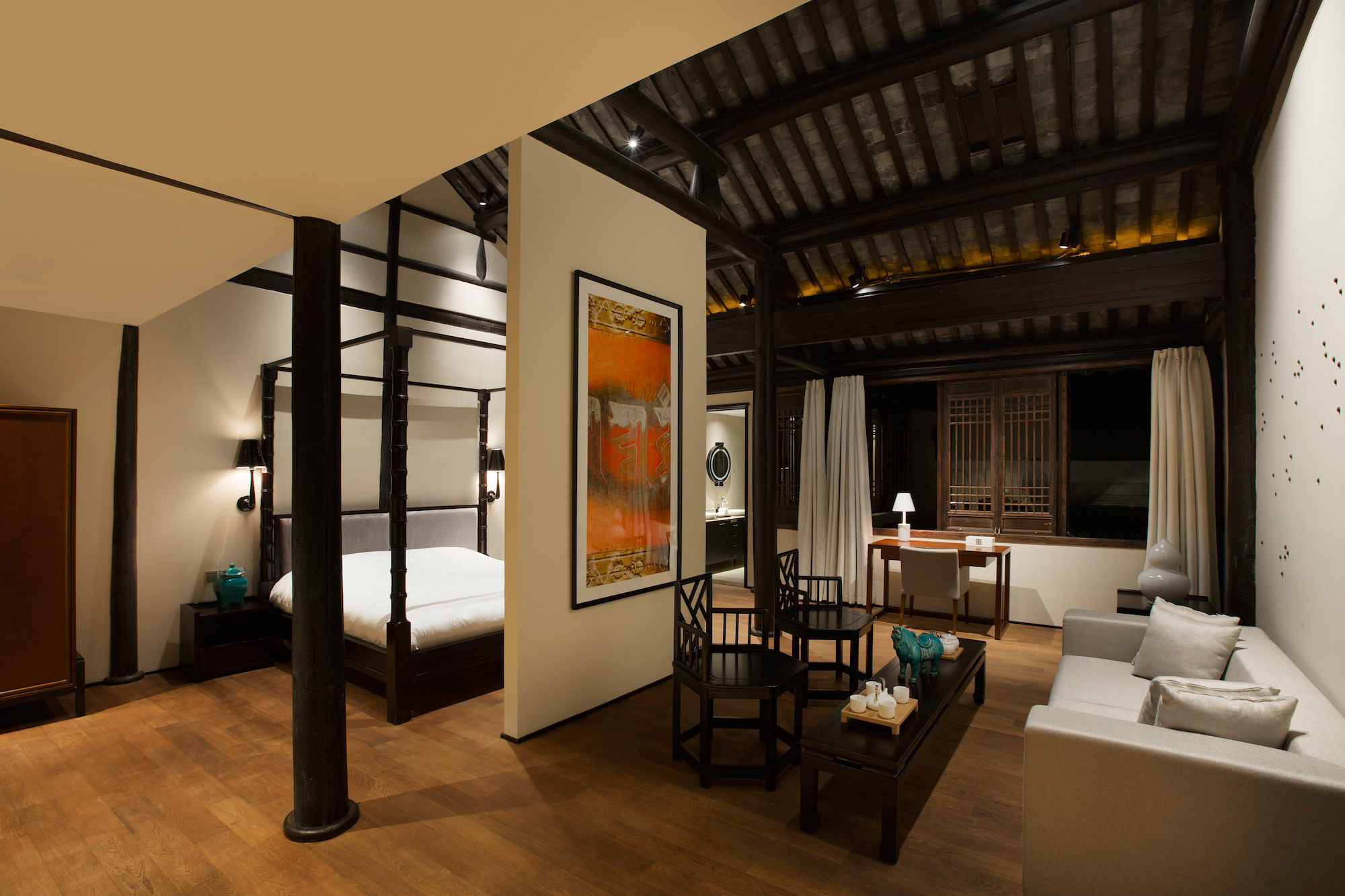
In order to apply the feeling of history and Chinese culture, designer Thomas Dariel created the “one sensory travel through the seasons” concept for this boutique hotel. The inspiration comes from the 24 seasons from the Chinese traditional solar calendar. In ancient China, the solar year is divided into 24 terms according to Chinese traditional farming habits, with each term corresponding to the Sun’s particular position. First, the rooms are divided into four seasonal areas and are displayed according to their sun exposure and natural light intensity during the day. Thus, these rooms symbolise the seasons spring, summer, autumn and winter. From light yellow or bright orange, to deep purple, the subtle choice of colors represents the atmosphere and characteristics of each season. Each room is named after a flower based on a different season, such as Blossom, Lotus, Sweet Olive and Cymbidium. Dariel Studio chose several important solar terms to design the hotel’s entire spatial distribution, where each room is defined by a poetic seasonal symbolism: Vernal Equinox, Solstice of Summer and Winter, Wheat Heads, Awakening of Insects, White Dew, Little Heat…
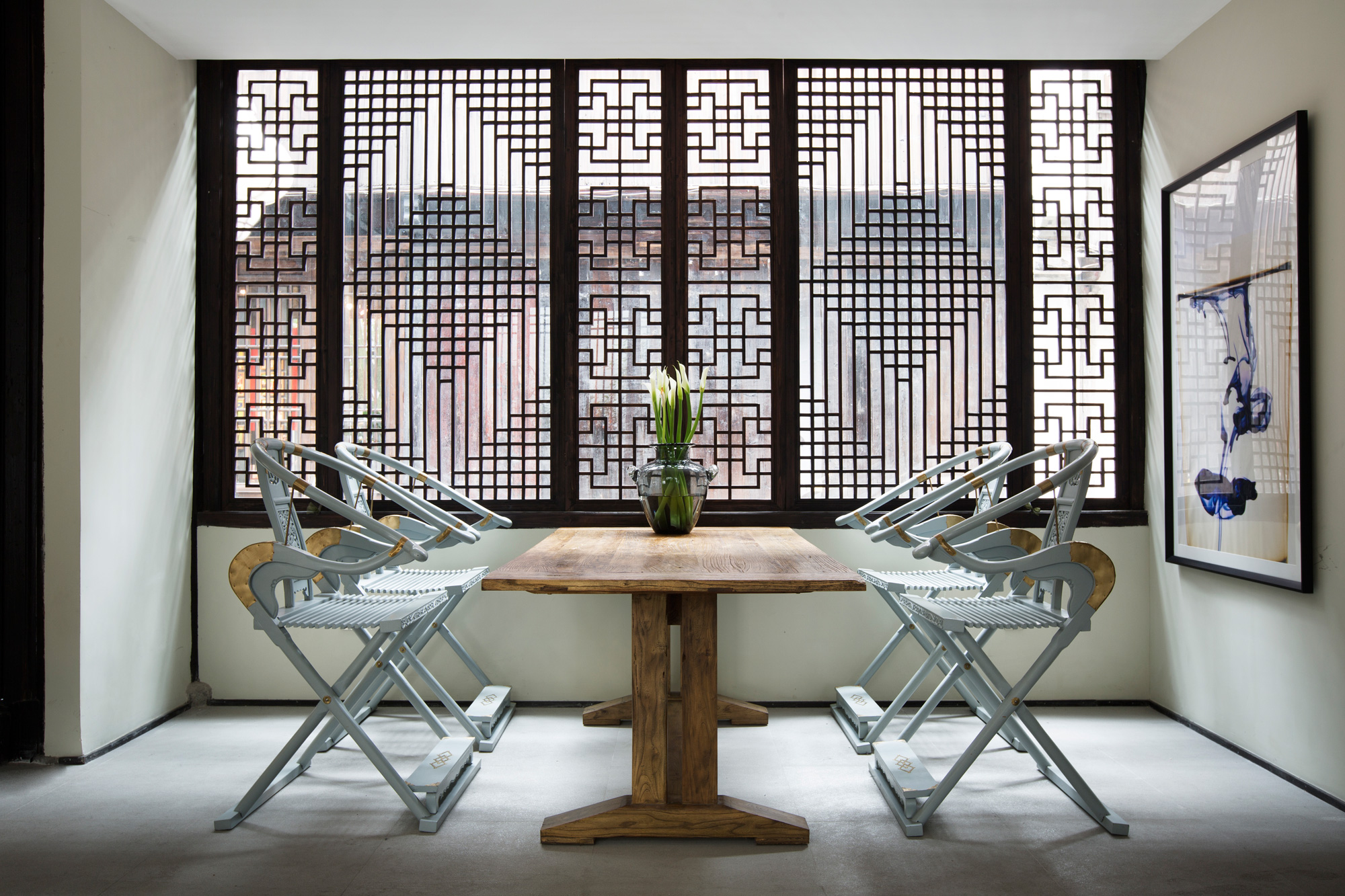
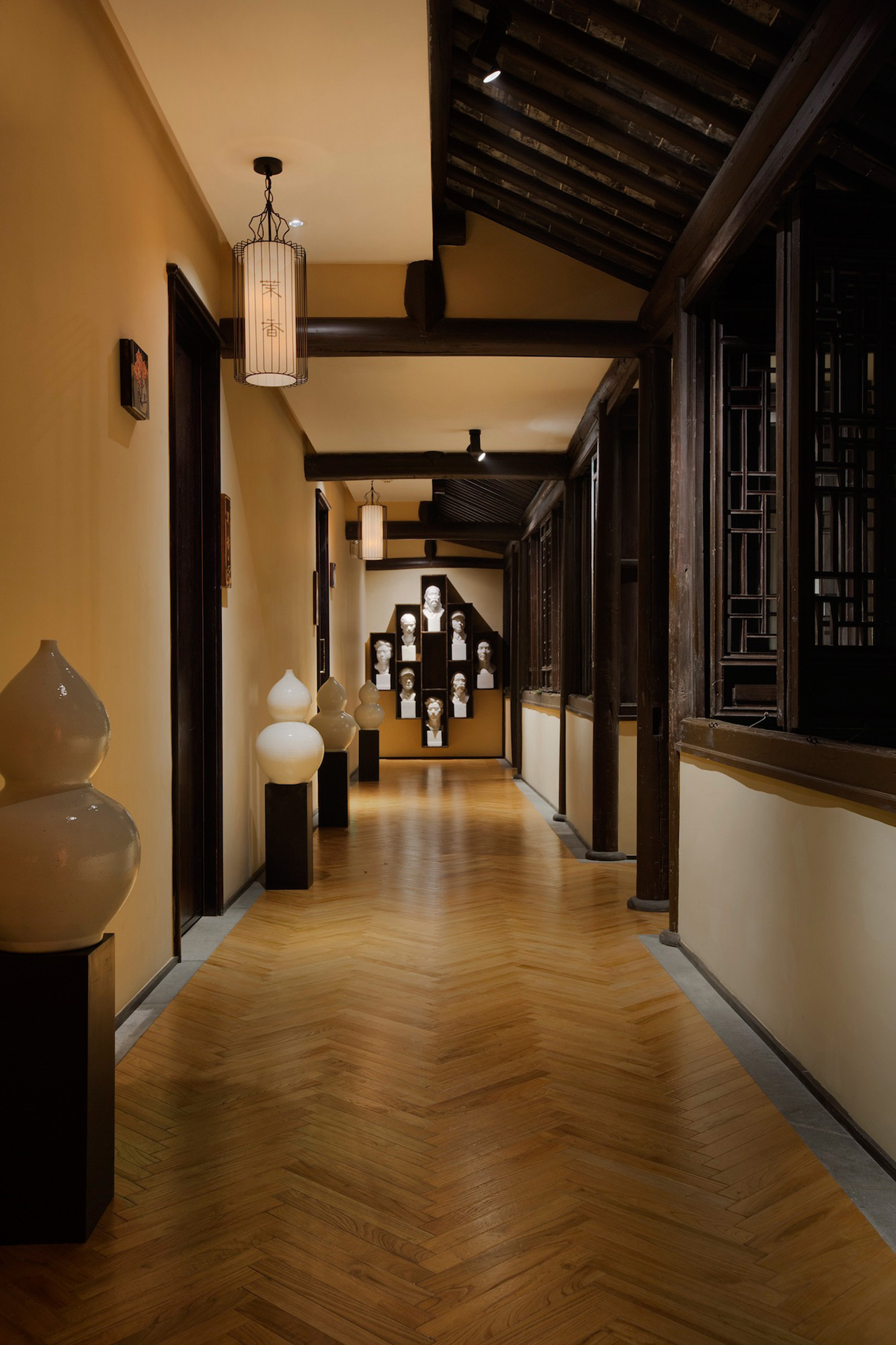
To protect the building’s heritage and local culture, every old decoration, window frame, stone, and tile were carefully collected and noted before renovation. All of these materials were reused to preserve the aspects of cultural tradition. For the ones that could not be reused, Dariel Studio reproduced them with the same pattern to retain the Ming-dynasty style. The main structure of this old buidling was also kept; patios connect the front halls and back halls, and Chinese pattern-carved beams and pillars reveal the building’s historicity.
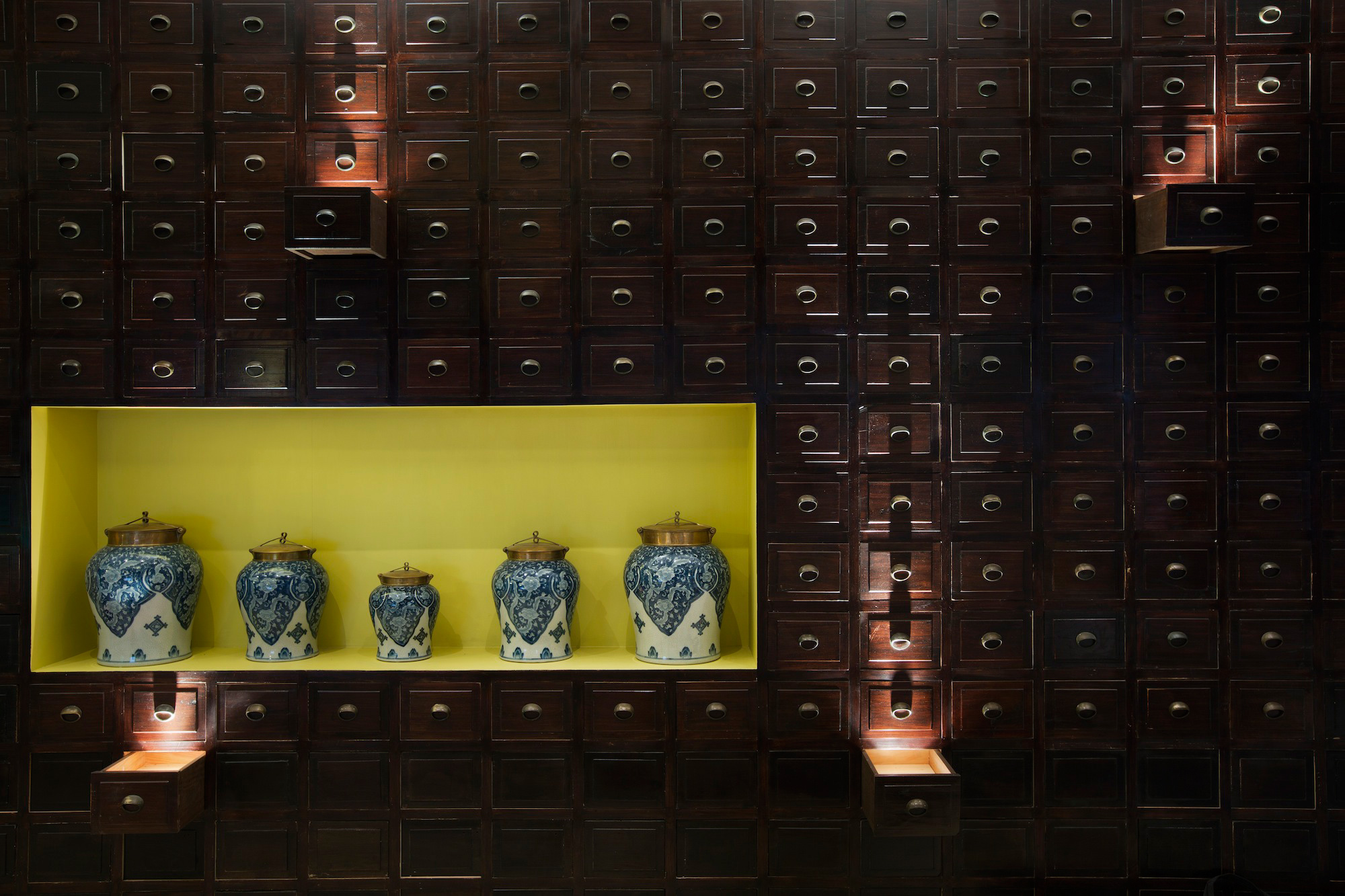
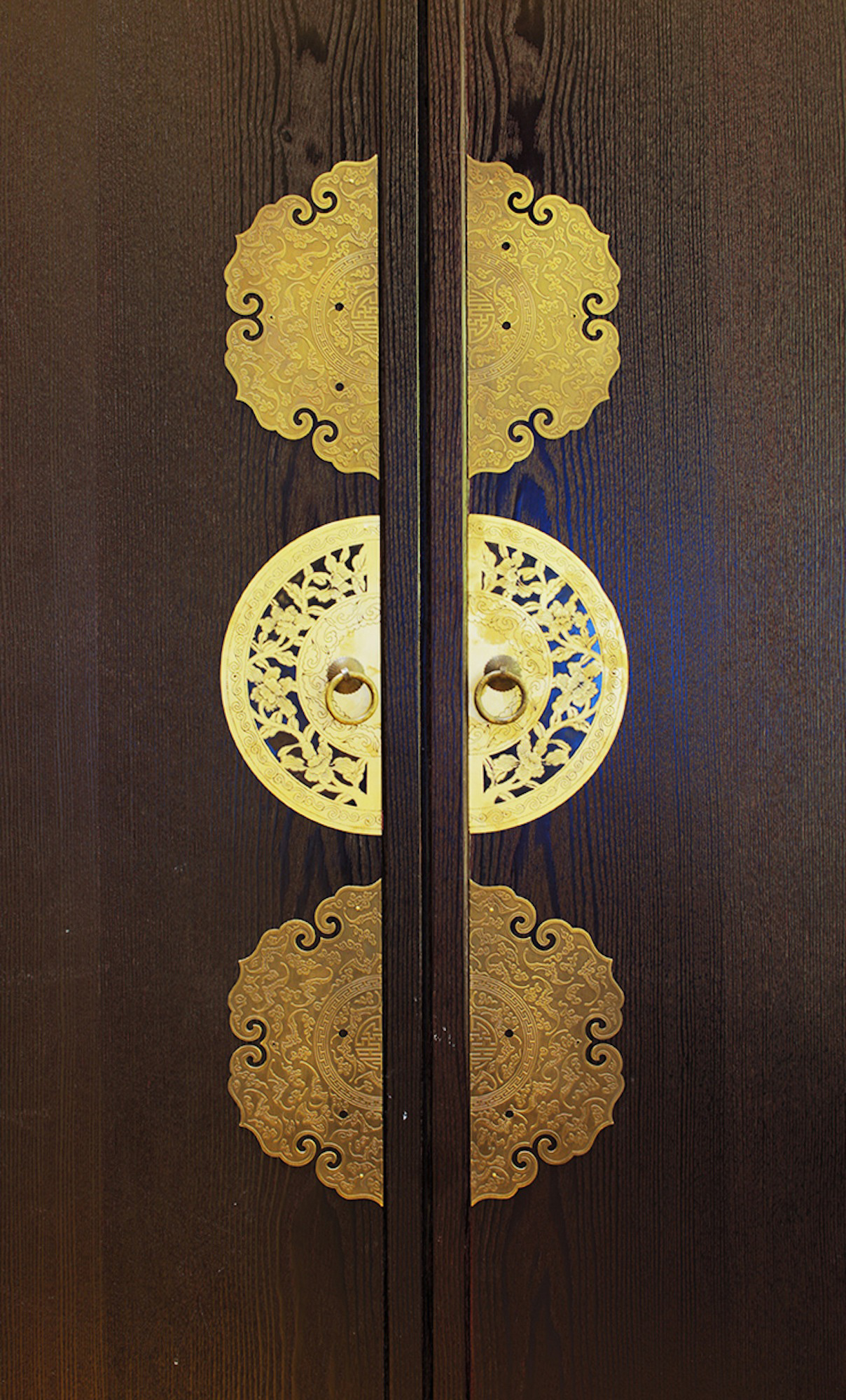
Dariel Studio not only preserves the heritage of the area, but also emphasizes historical aspects of the building by artistically incorporating new Ancient-imitated decorations in the design. The shape of the cabinet and bathtub is conceptualized into the square shape of a Chinese ancient food-box; a Chinese king-size bed is kept company by a bamboo-shaped prop; there are Chinese metal handles on the doors and engraved copper on the door of bathroom; a special national necklace is featured on the wall; different Chinese vases are ubiquitous in the rooms and public areas; new brightly-painted Chinese chairs are present; and vibrant calligraphic brushes are hung on the wall for decoration.
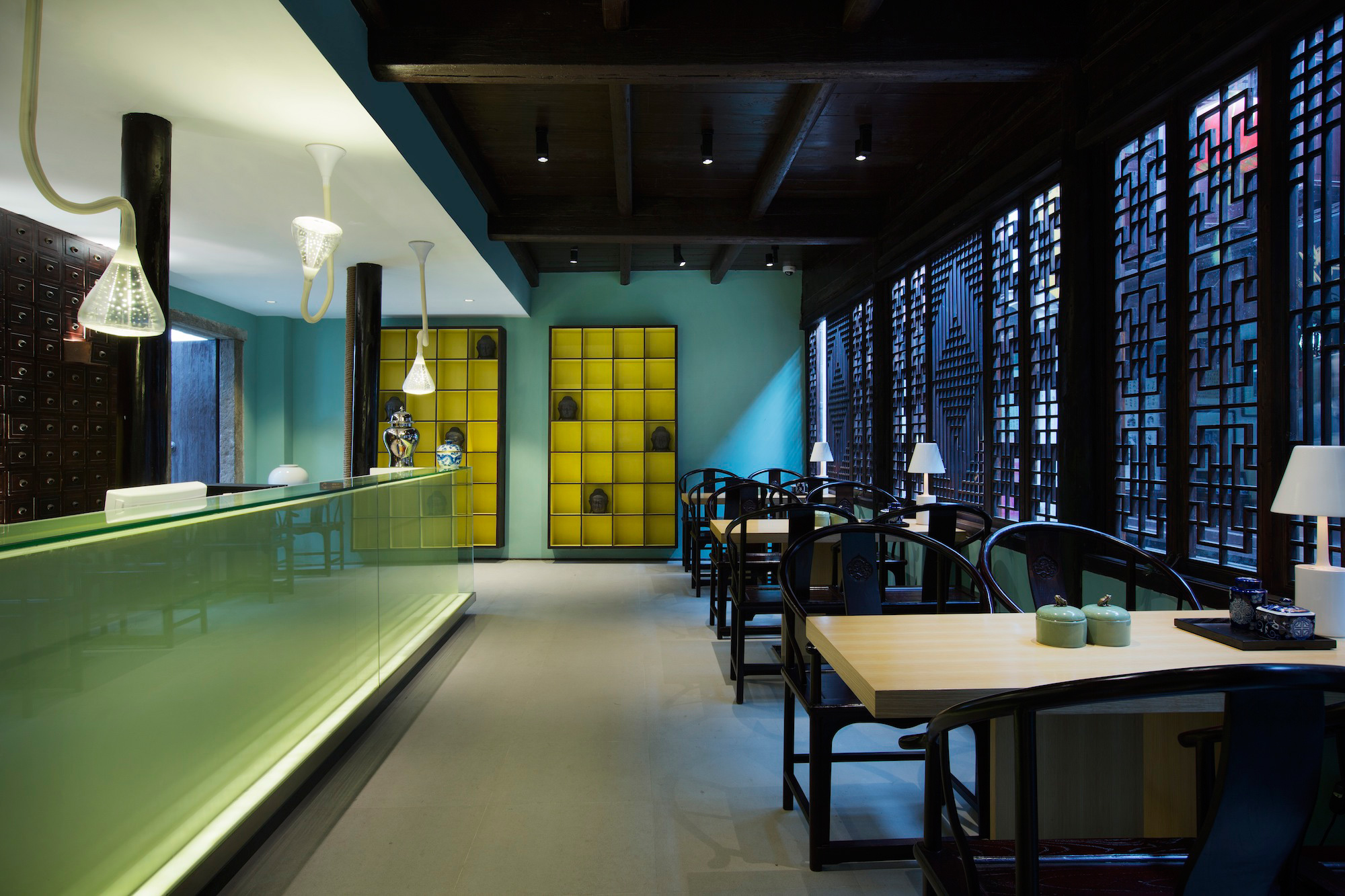
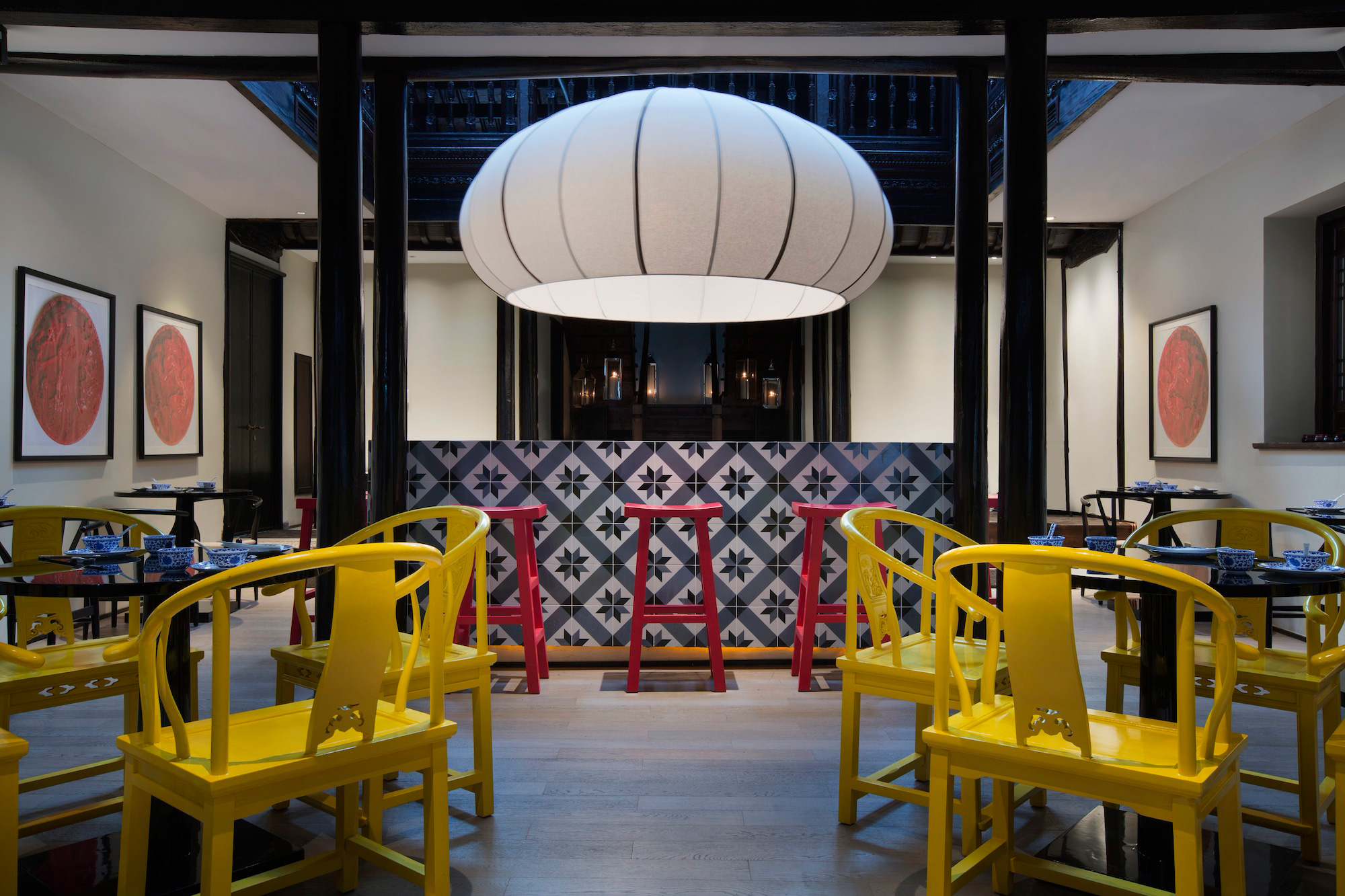
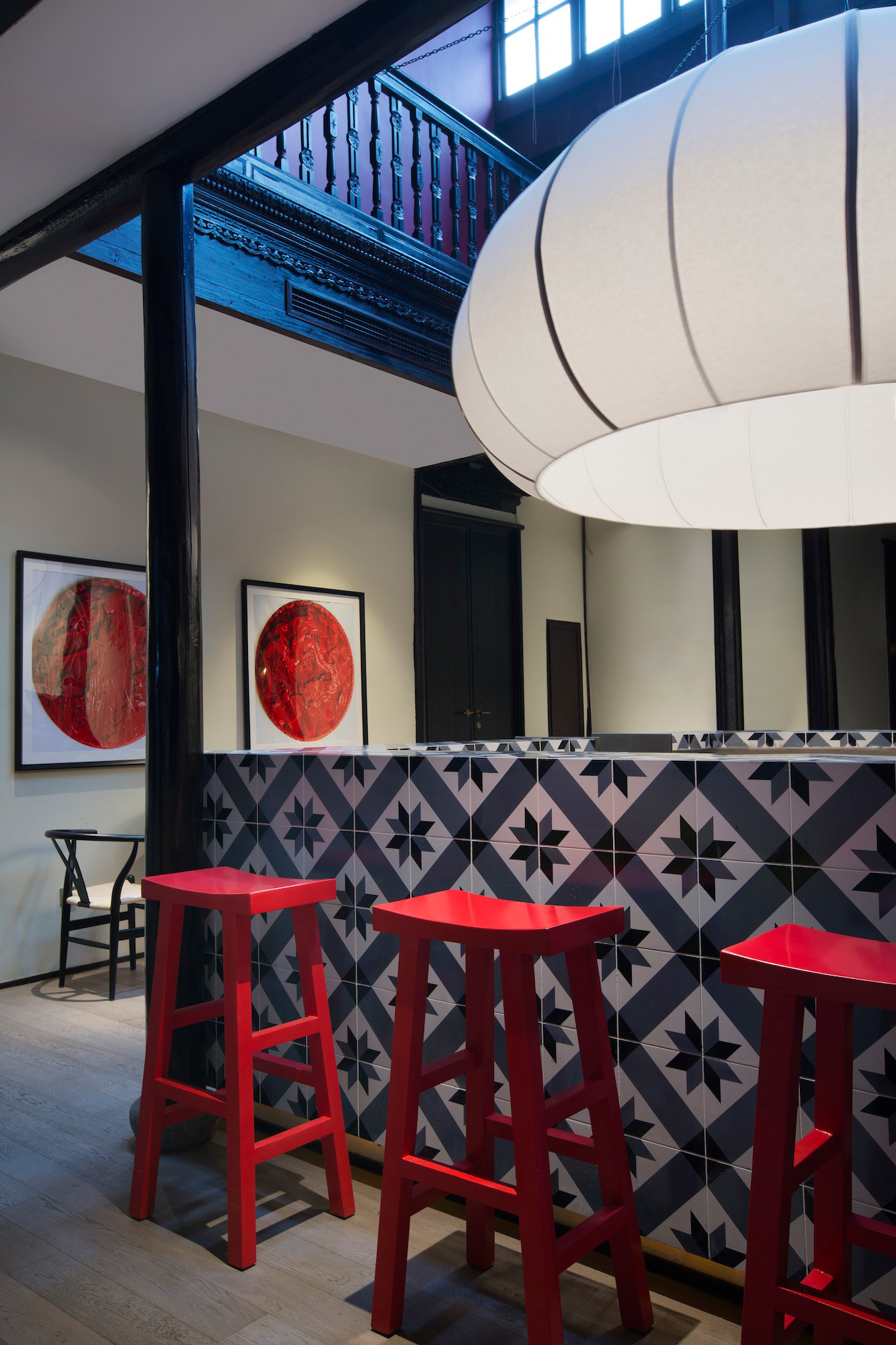
Thomas Dariel, who likes to mix Chinese and French culture together, plays with the combination of Chinese traditional culture and Western modern luxury perfectly in this project. The library contains a fireplace and a baby-grand piano that not only make one feel warm, but that also portrays a calm and comfortable atmosphere similar to traditional Parisian salons—a space where one would spend all day reading or thinking. In the restaurant that identifies “solstice of summer and winter”, the apparent color contrast of the repainted Chinese Ming-Style chairs set beside the bar with typical French pattern ceramic indicates the opposite seasons.
Through strategic use of space and light, the design base on local cultures and traditions, choice of materials and a special love of art and crafts, the cumulative effect is a combination of modesty with great elegance. The main design concepts of space are synonyms to timelessness, calm beauty and subtle luxury. The visitor goes through a totally different experience when he or she stays in each public room. Rather than a 5-star hotel, one can relax and spend time in a boutique hotel, all while wine tasting in the wine cellar; reading in the library; watching movie in the cinema room; tea tasting after attending a healthy spa or yoga. Each room will lead the guest on an enjoyable trip through a day by immersing travelers into the soul of the city.
More info at www.blossomhillinn.com