-

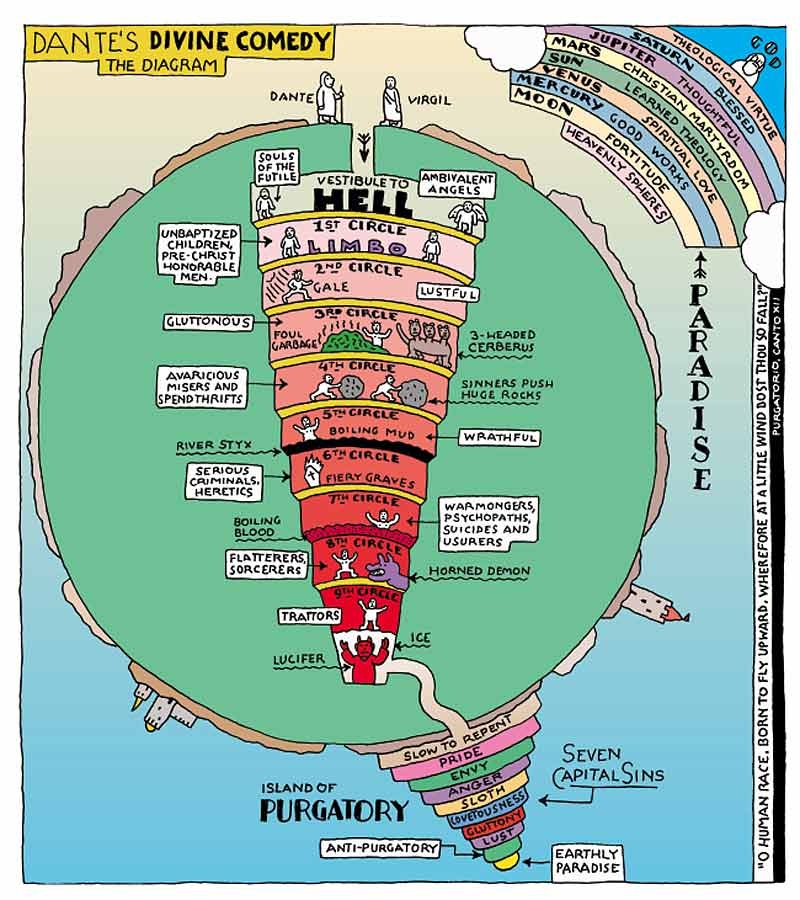
Seymour Chwast : "Hell is a favourite subject of mine, I'm becoming quite an expert. You can ask me anything about it." -

Oscar Diaz : "Form follows meaning." -

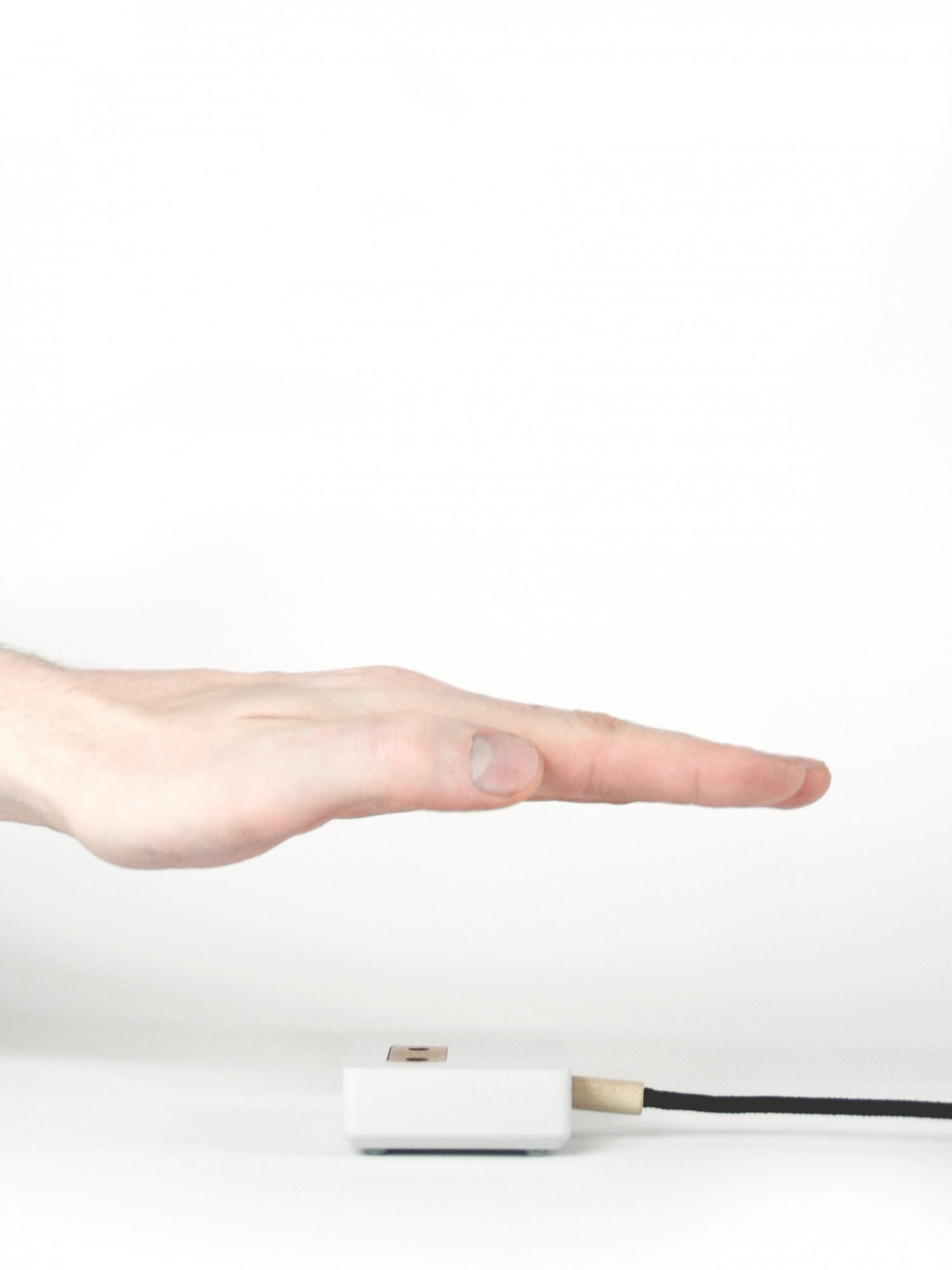
PJ Pieters : "Electronic music made with gestures is not perfect, which makes it beautiful." -

Leanie van der Vyver : "High heels make you look like an easy conquest in the animal kingdom." -

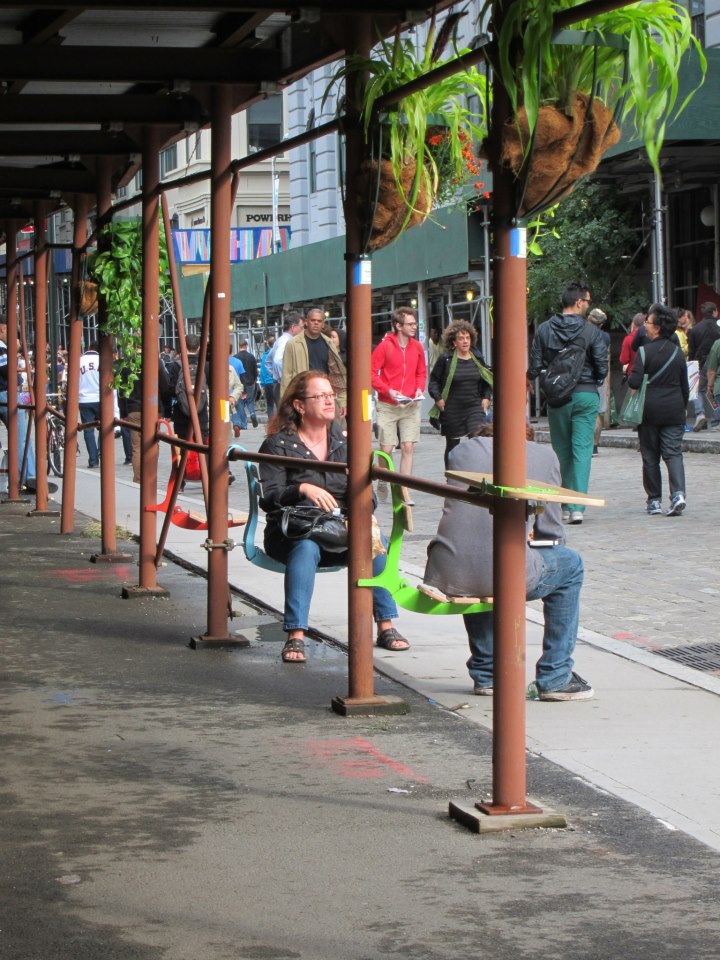
Howard Chambers and Bland Hoke : "If we are going continue to design cities just for cars, public space is going to suffer." -

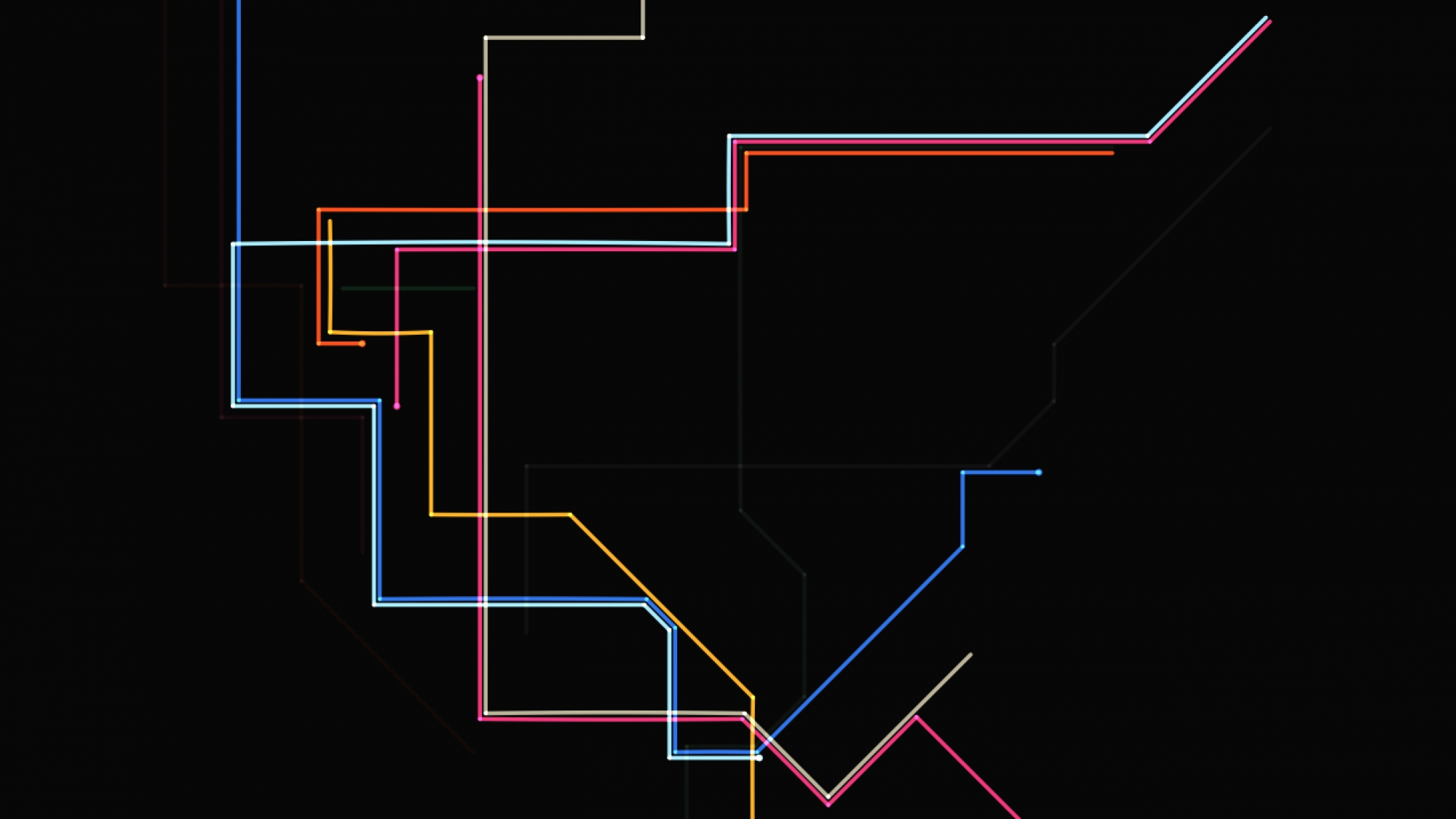
Alexander Chen : "People are not computers, they do one thing at a time." -

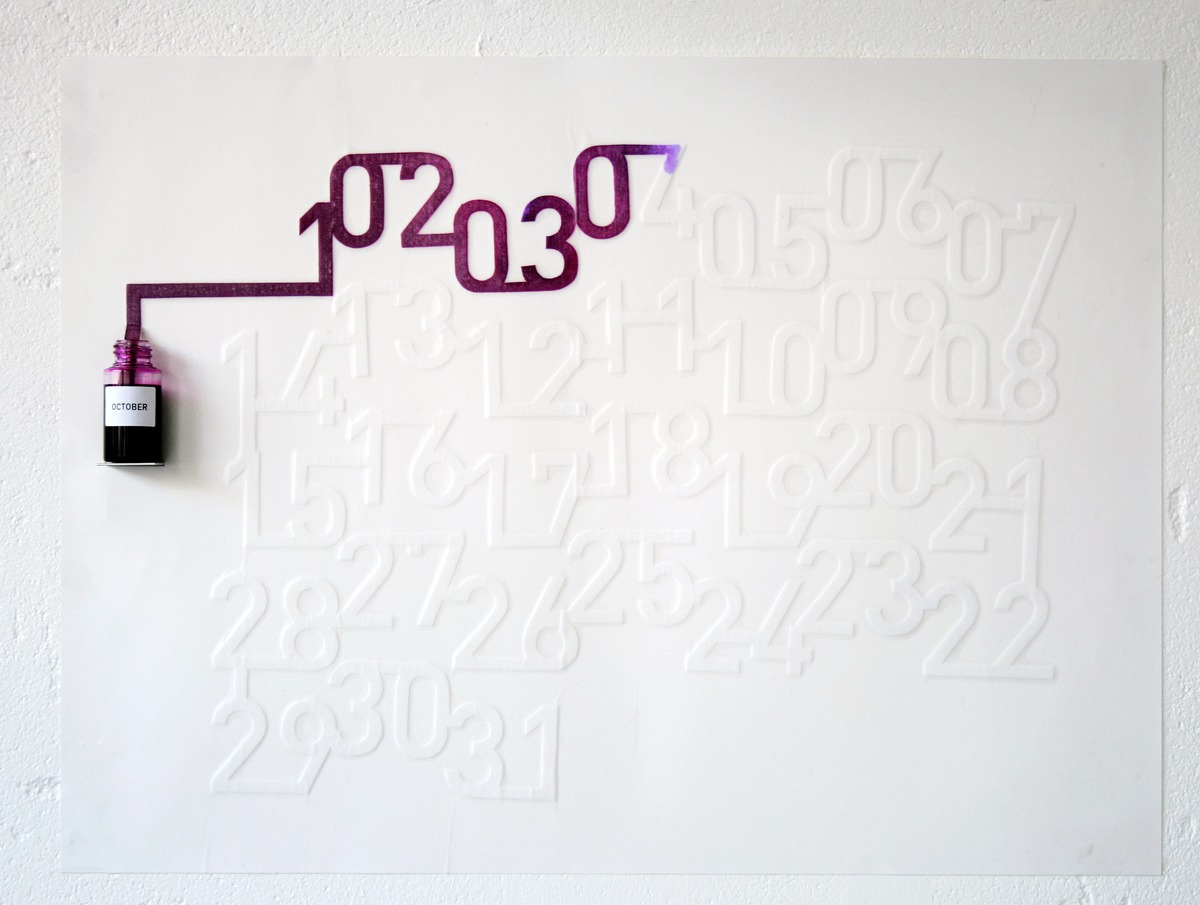
Oscar Diaz : "The thing about visualizing time... You can't rush it!" -

Paula Scher : "It's easy to rebel against somebody else's stupidity. It's very hard to even recognise your own." -

Paula Scher : "Sometimes you get up and you just don't have a brain that day. And sometimes that lasts six months." -

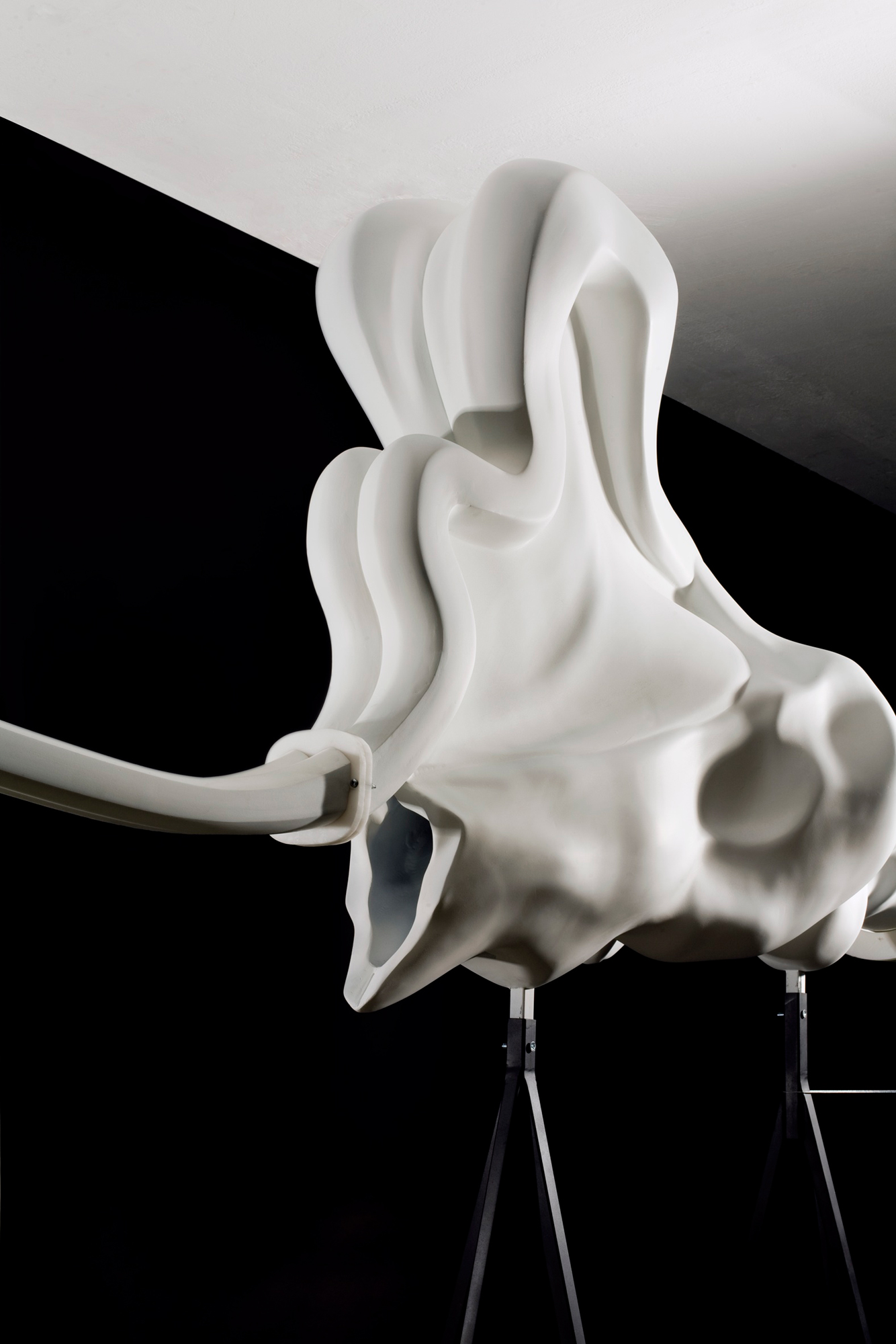
Marguerite Humeau : "This is a fictitious skull I made, so I could base my research on something." -

Seymour Chwast : "I can't do water colours, I don't have the nervous system to handle it."

WORDS Nadine Botha
Shoe fetishes, dancing sperm, a RGB vase, a government website, digital music instruments, architectural typography, design hacking and high-rise hell headline the first day of the Design Indaba Conference 2013.
“Creativity is a small defiant act of misbehaving,” announced graphic designer Paula Scher in the opening presentation of the 16th international Design Indaba Conference yesterday morning. And with that small quotable quote, the titan of American design set the tone for a rather mischievous day full of unpredictable design solutions, MCed by the perennially dry Michael Bierut, Twitter darling Khaya Dlanga and bombshell-with-brains Michelle Constant.
Architectural and geographic typography
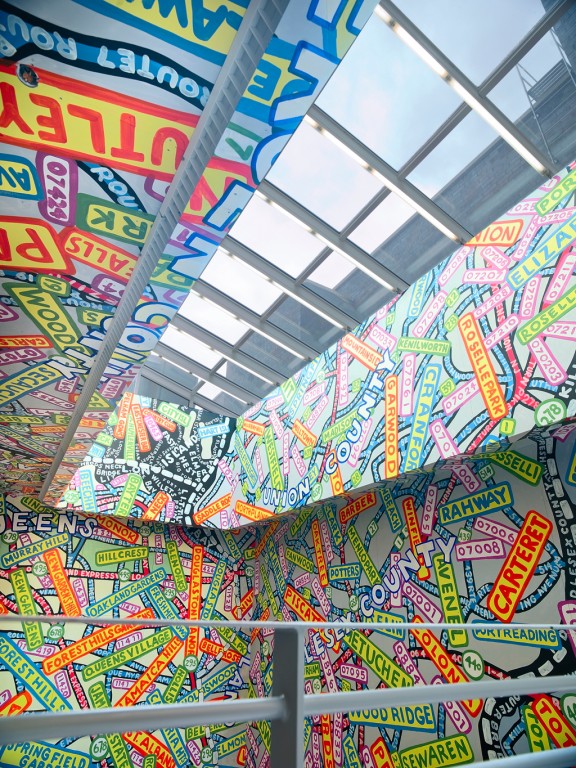
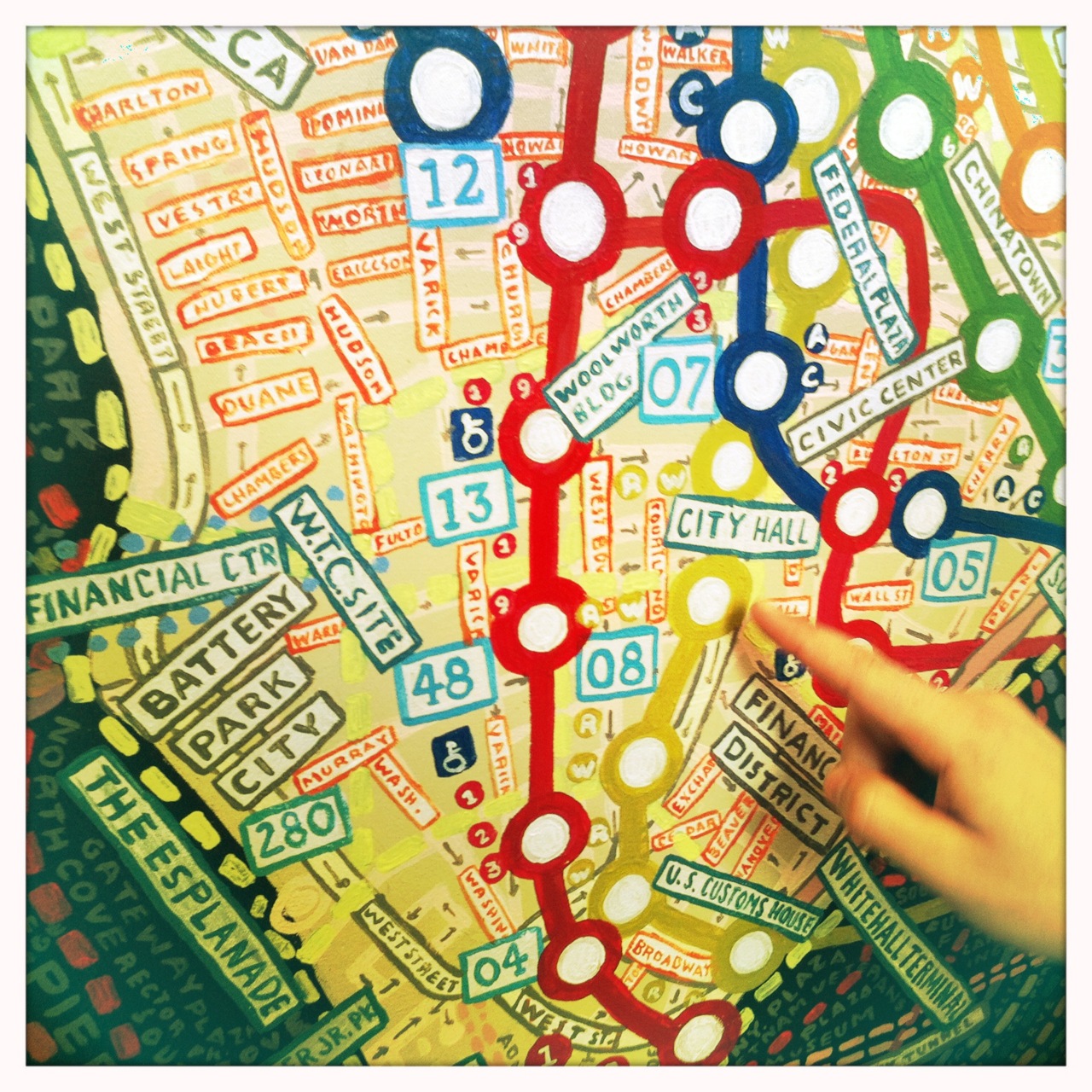
A partner at Pentagram design Paula showed a striking portfolio of her unique brand of “graphic design”, which she has termed environmental graphics. See, the bold typography and striking colours hardly ever sit on a page: she designs it for installation in architectural spaces and can turn the dullest school gym into a richly layered visual treat. On the side, her weekend art hobby so to speak, is to apply her typography to maps.
Hell, war, art, bras and shoes
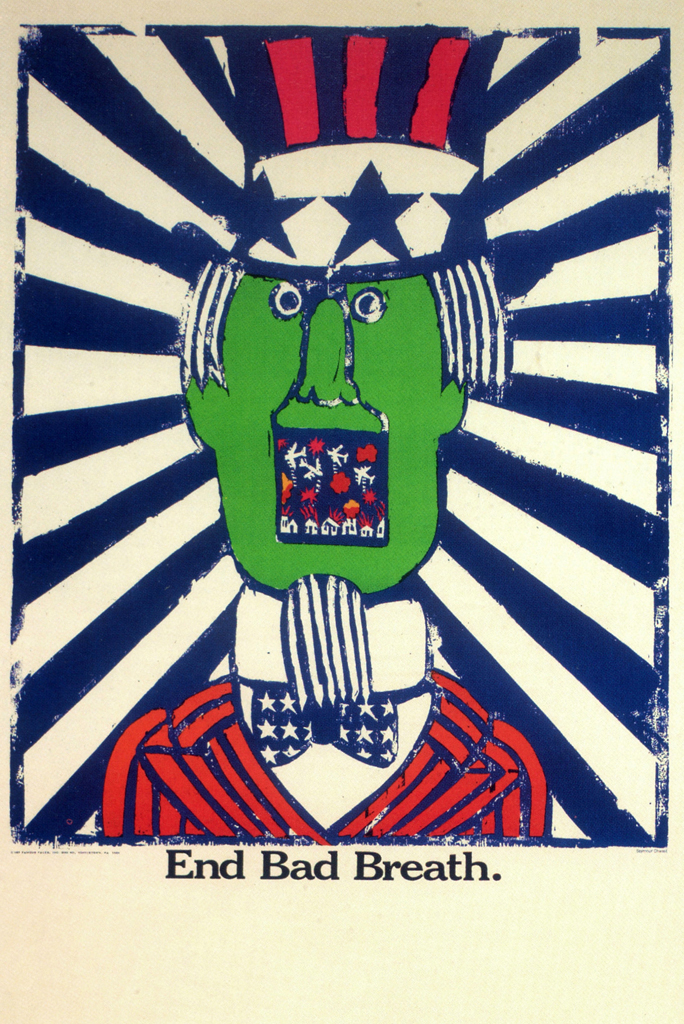
The second speaker was Paula’s incorrigible octogenarian husband, Seymour Chwast whose imagination is wild and wit is wicked. His drawings and posters had the audience in stitches – from the satirical “War is good business, invest your son” and “High rise hell” showing a contemporary inverted revision of Dante (with the last level filled with spammers) to the delightful “Kama Sutra of Reading” and ridiculous book of bra fashions. Not to mention his shoe fetish (with lots of toe cleavage). Quotable quote: “I steal material sometimes, but only when it’s appropriate. I have my integrity.”
Government design
One of the Design Indaba survival tips is: never miss the speakers you haven’t heard of. Not only had none of us heard of Ben Terrett but his description as head of design for the UK government (as in he works at 10 Downing Street) sounded like a snooze cruise – and it could have been. But with such humility and insight he described one of the biggest information architecture and design projects ever: Taking 400 UK government websites and simplifying into one, gov.uk, with simple interface and easy enough for everyone to understand and find the information they are looking for.
The need for that in South Africa was evident by the number of appreciative tweets during his presentation. He also spoke extensively about the help he got from Margaret Calvert, the designer behind the UK road sign system that has become adopted almost all over the world. VISI magazine kindly pointed out to him that Margaret is South African.
The sound of a scribble
Next up, Alexander Chen, a creative director at Google, had everyone in the auditorium’s mouth hanging open in a stupor as he showed how he turned simple lines into pluckable guitar strings. His famous Les Pauls Google doodle is but one project, as he also showed his Bach machine and subway map instrument. The real showstopper however was the Google Glasses project in which he showed just how close we are to a science-fiction Minority-Report-type reality.
Visualising time
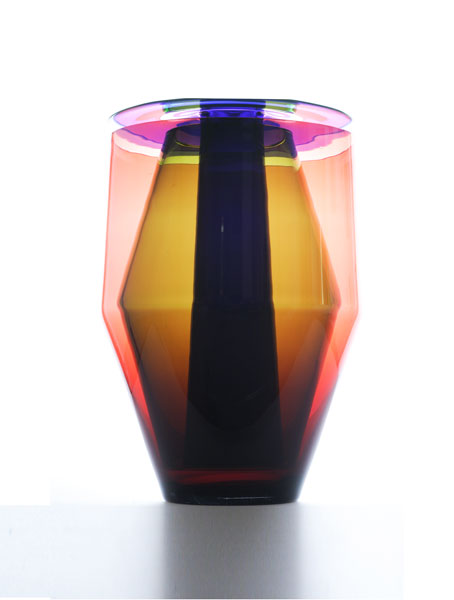
You know those people that just can’t help being what they are, that are in design mind 24-7? Oscar Diaz, a Spanish designer who studied and works in London, is one of those. Although his ink-absorption calendar is beautiful, we at VISI were particularly blown away by his pound-shop hacks in which he redesigned 10 products typically found in pound-shops. Probably we liked it so much because it speaks to the sensibility of proactive DIY that is in our DIY Deluxe edition. His RGB vase, which used red, green and blue glass over each other to create yellow, also made us sit up straight.
Student freedom
Another highlight on the conference programme is always the student pecha kuchas. Perhaps it’s the freedom from commercial restraints that gives the student projects an extra sense of wow. This year Howard Chambers and Bland Hoke’s Softwalks project that added seats, tables and plants to city scaffolding; the gestural interactive digital sound instruments of Pieter-Jan Pieters; and the resuscitated prehistoric mammoths by Marguerite Humeau particularly stood out for us. And of course, our favourite, Leanie van der Vyver, born and raised in Paarl who created an internet sensation last year with her Scary Beautiful shoes – she is also featured in our DIY Deluxe edition.
The real gets more respect
Probably the most entertaining presentation of the day came from Japanese art and video director Masashi Kawamura. Starting with the philosophy of “By making something different you will get something different (no duh)” he went on to show just how his work really takes that principle so literally that the “process itself becomes content”. A synchronised crowd-sourced webcam music video, a music video using 250 camera flashes as pixels, a photobooth coupled with a 3d printer to create tangible family portraits and the dancing sperm music video. Dancing sperm? Uh yes, we warned you that this was going to get mischievous! As John Maeda said later: “You have to have a balance of the serious and the jackass to reflect true culture.”
New leadership for a new world
“Why would anyone choose to take the longer, harder route to do anything?” John Maeda mused after Masashi’s presentation? “Because it’s not the hard route, it’s the right route.” John’s presentation was meditative, talky and inspiring; one long string of quotable quotes of which we probably only managed to capture a few. He spoke a lot about traditional management and leadership vs creative management and leadership, as well as how this affects the design process, the start-up business and the “end-up” business. A brave new design world.
Read our higlights from Day 2 and Day 3 of the Design Indaba Conference.
Follow our Design Indaba coverage at visi.co.za/designindaba