-

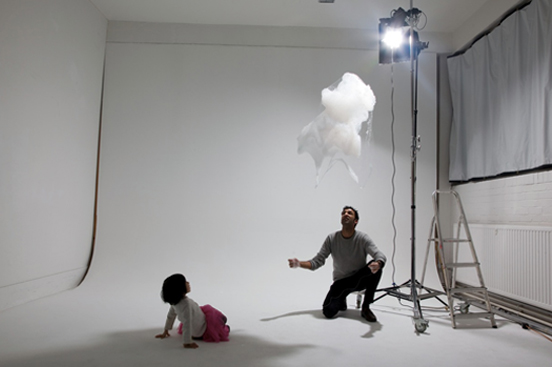
Asif Khan : "If you begin with a conventional framework then you can only build what you can imagine." -

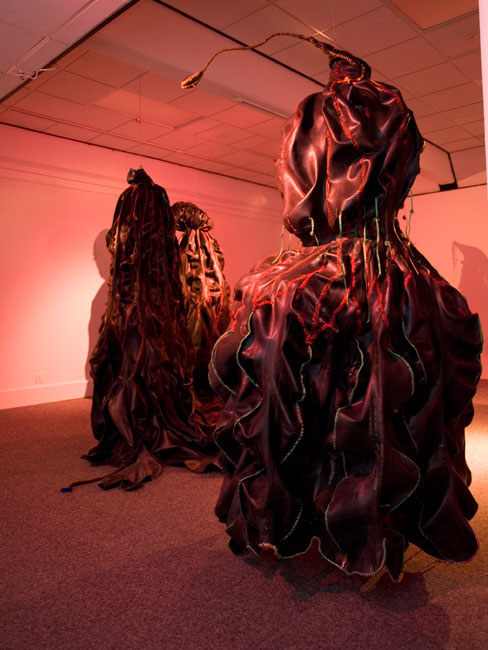
Nicholas Hlobo : "The future allows you to dream." -

Nicholas Hlobo : "When I was a child I was an artist even before I knew what the word meant." -

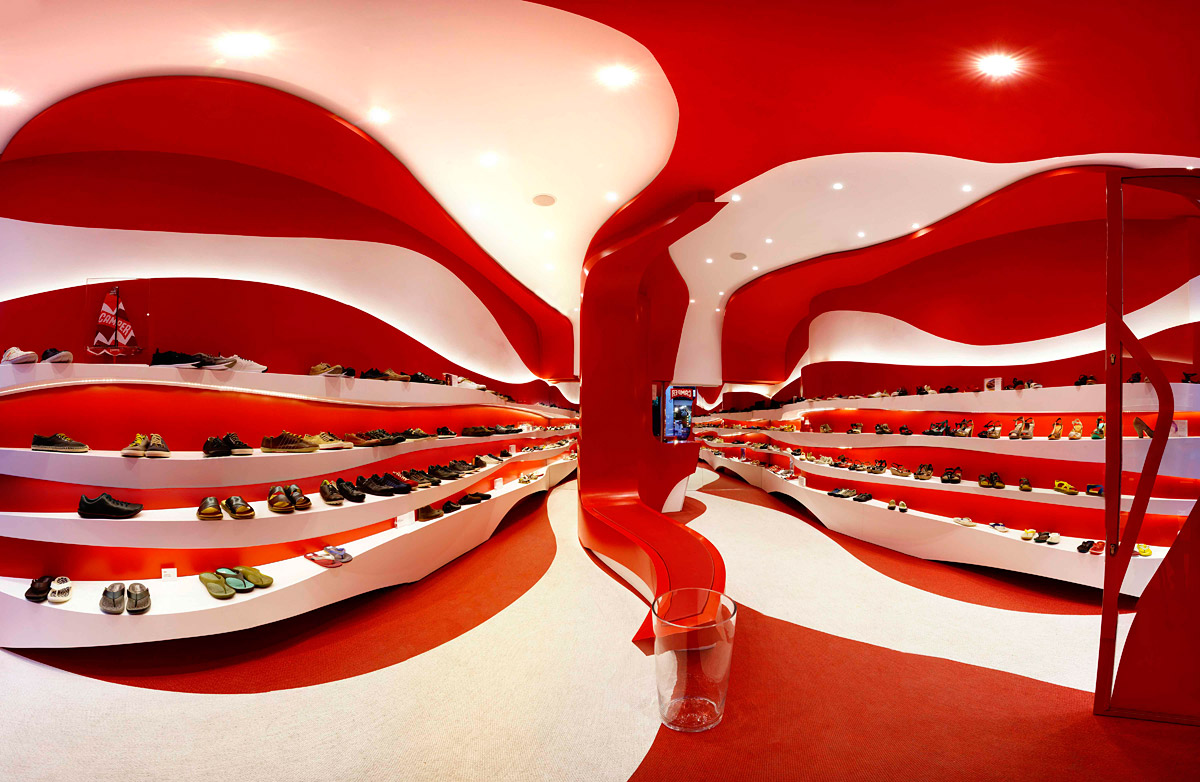
Martà Guixé : "If you carry nothing, you extend your home worldwide." -

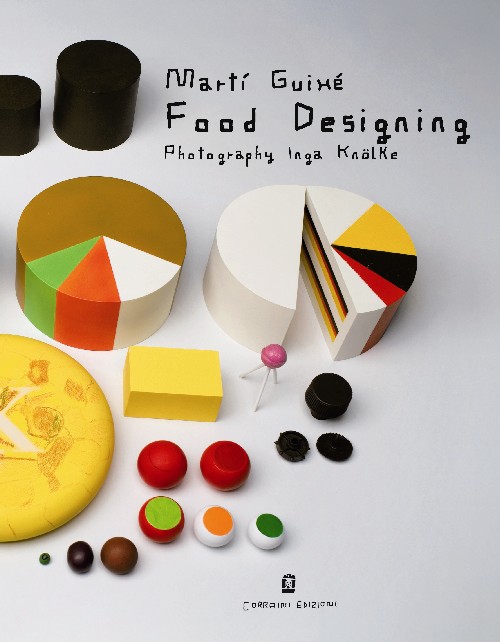
Martà Guixé : "Food is a mass produced thing but no one sees it as an object. Food can be seen as a standard product of design." -

Asif Khan : "If you combine bubblebath with helium gas you can create clouds... Why can't architecture be lightweight, like clouds?" -

Alex Atala : "BBQ is the most important aroma for humans because it is not new. It's so old. It even makes vegetarians hungry." -
Alex Atala : "Old ideas can be much more new and 'modern' than new ideas." -

Steven Heller : "I was arrested twice for pornography, once as a minor; I should've been arrested for mixing these type styles." -

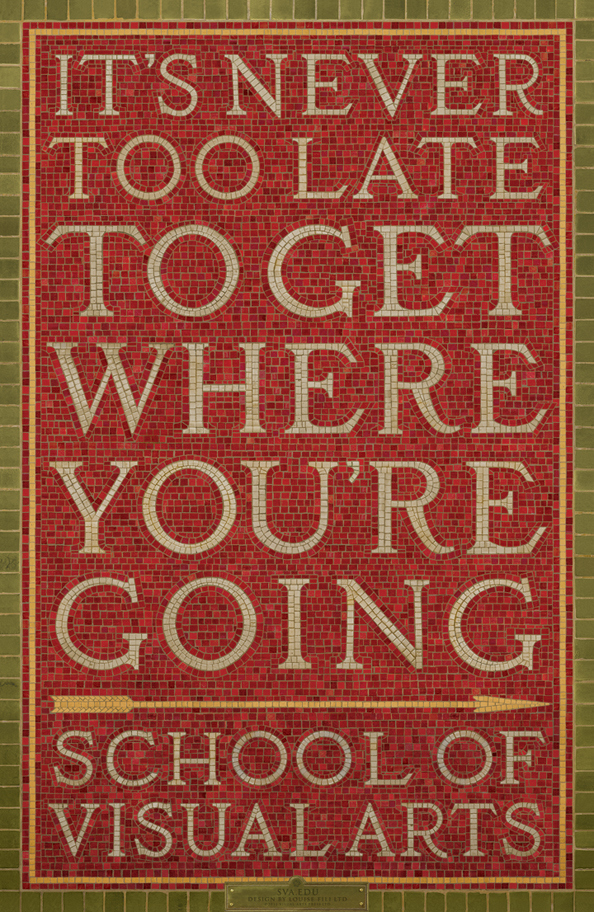
Louise Fili : "I didn't believe you had to shout to command attention." -

Louise Fili : "Every designer should have their own projects to find their own design voice." -

Daan Roosegaarde : "We make things, but making things also makes us." -

Daan Roosegaarde : "Technology doesn't have to be Orwellian, it can help make us more human." -

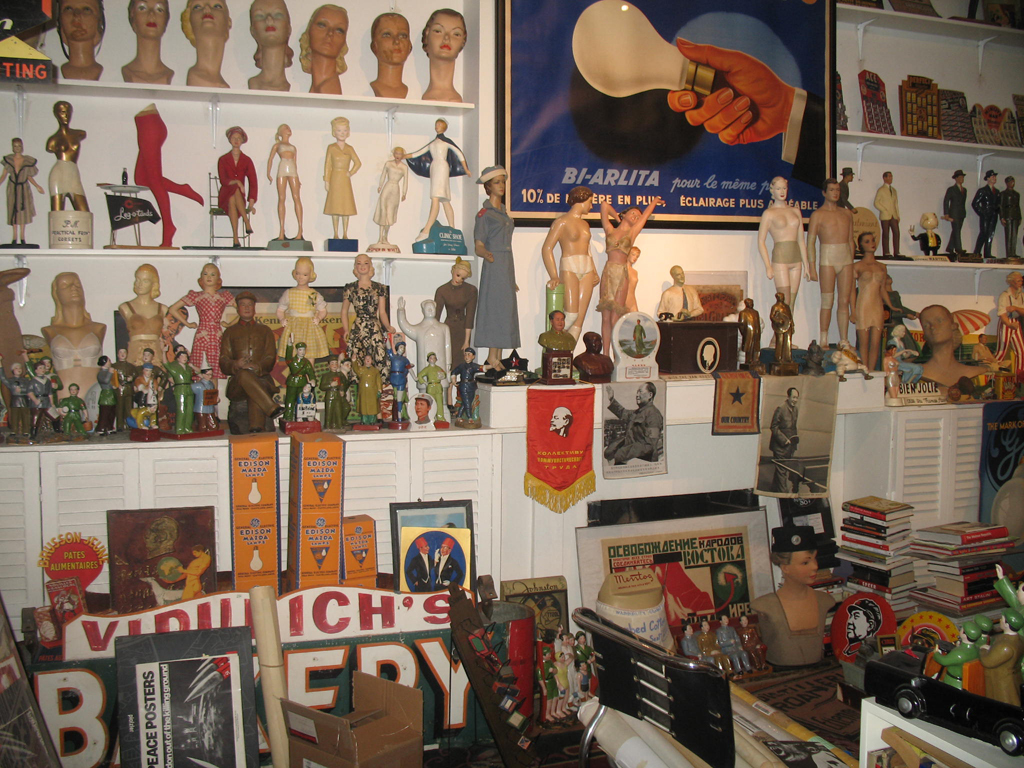
Steven Heller : "My sons say I play with dolls. But it's more than that. I play with the design objects of cultures of consumption." -

Design Indaba Conference 2013: Day 2
WORDS Nadine Botha
The second day of the Design Indaba Conference really pushed the frontiers of food, science and technology in relation to design. Two standing ovations, one for South Africa’s own Nicholas Hlobo, expressed the audience’s appreciation.
“A trans-disciplinary zeitgeist,” is what MC Michael Bierut called it: artists that are scientists that are designers that are musicians that are programmers that are archivists that are foodies that are writers that are… pornographers?
Archaeology of pop culture
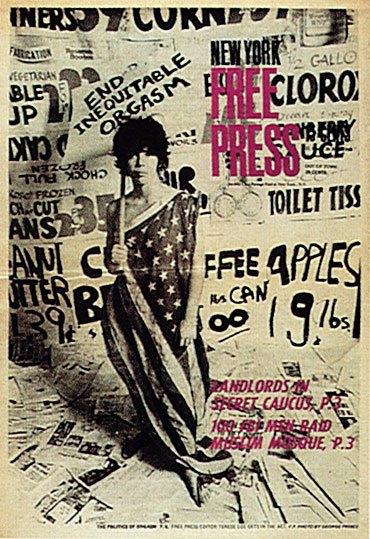
“I collect because I am,” confessed immanent, prolific design writer and art director Steven Heller showing us his “cave” full of mannequins, razors, posters, letterheads, books and various ephemera of counter culture – after he woke us up on Thursday morning with the subversive porn-inspired culture zines he worked on in his teens. Steven calls his collection an archaeological dig and believes that the mannequins talk to him at night. He bases his books on his collections. What VISI would give to be able to take a camera into his house!
Second New York power couple
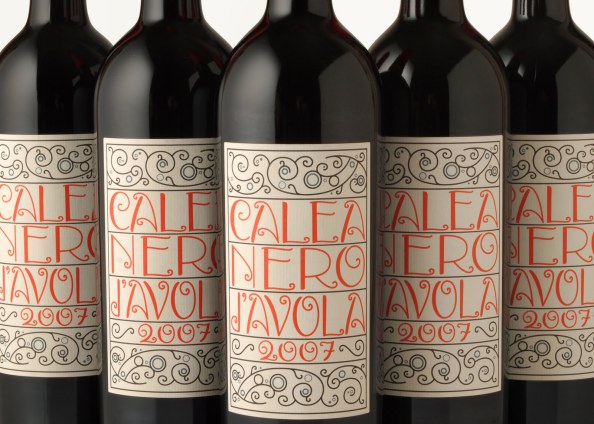
The second day of the conference was again opened by a husband and wife, with Steven followed by his wife Louise Fili, a graphic designer who specialises in food packaging and restaurant design. Old-school typography and vintage letterpress techniques powered the nostalgic charm of her elegant work. We smiled when she showed us how she even turned the copyright pages in books into a work of creativity, but we fell in love when she said: “Everyone should have a gelato client. Part of my deal with them is that they keep me in constant supply.”
Revitalising communities
The first speaker after tea, Jeanne van Heeswijk spoke directly to something South Africans could identify with: how to inspire communities to take back their neighbourhoods. Using “urban acupuncture”, design interventions and a provocative relationship with local government, her projects showed how to “radicalise the local”. “We have to confront each other with different ideas of what it means to live together,” she provoked conference delegates.
Flavour souvenirs
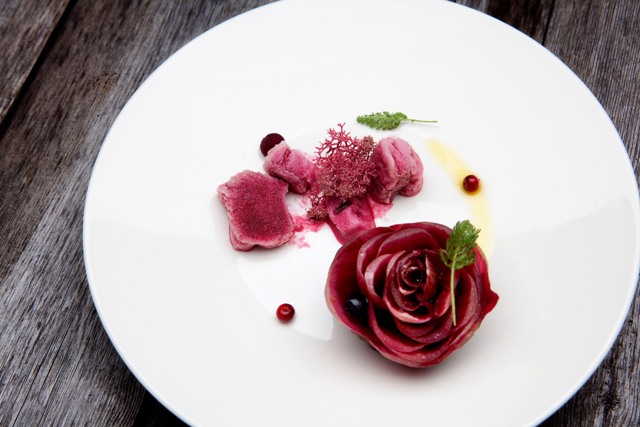
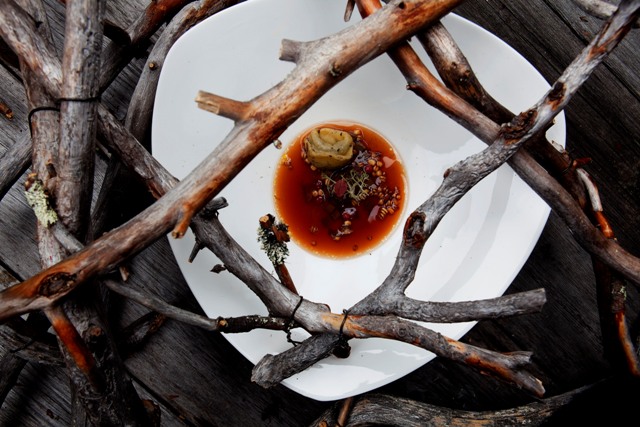
Although Brazilian chef Alex Atala could barely speak English, his passion and conviction had most all of us hanging on every word. “Creativity for a chef is not to do something new. It’s to do something that’s surprising,” he told us as he went on to explain how his menu uses age-old basics like grilling (because even vegetarians get hungry at the smell of a braai) and fried onions, with local food stuff and radical ingenuity. He implored us to think more about what we are eating and take responsibility for the environmental effects of our choices. And it all looked (almost) too good to eat!
Xhosa homeboy
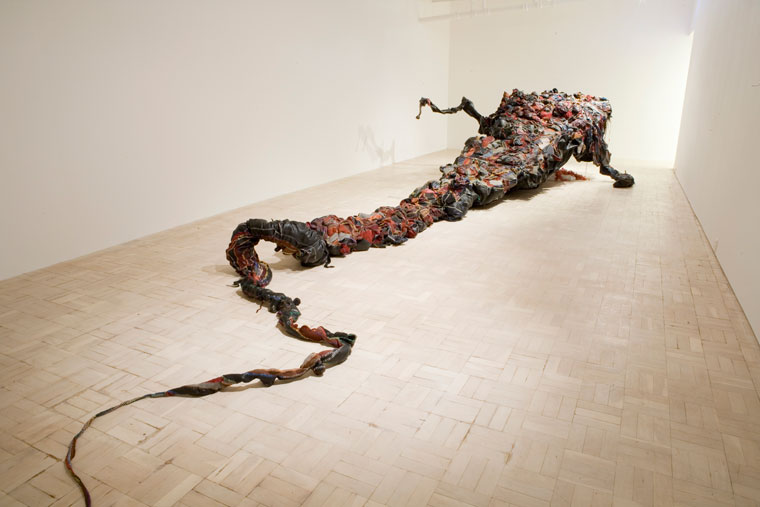
After an extended lunch and preview of the Design Indaba Expo, we returned to the auditorium for what we thought was a presentation by internationally renowned local artist Nicholas Hlobo but turned out to be a performance. Accompanied by drummer Kesivan Naidoo and guitarist Reza Khota, with evocative video footage of Xhosa initiation ceremonies spliced with his own work and personal photo album, all the while subtitled with stream-of-consciousness type explanations, Nicholas descended from the rafters in a cocoon, singing in a powerful almost-operatic voice. Everyone was blown away. Nicholas got the first standing ovation of Design Indaba 2013.
Architect with a chemistry kit
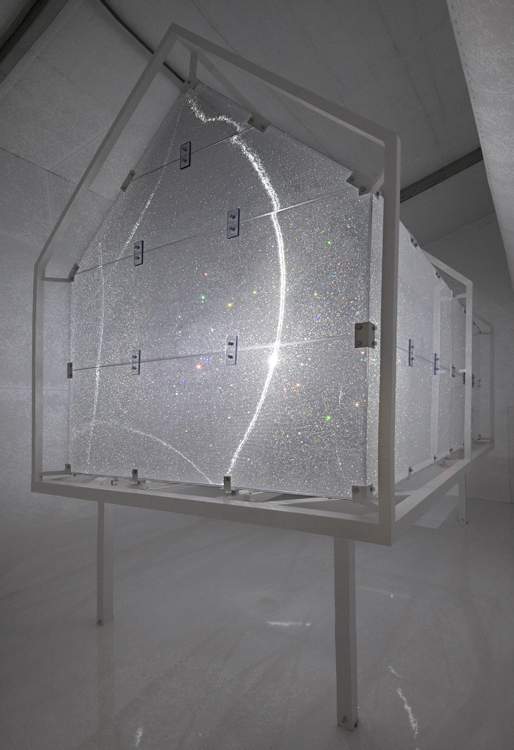
A tough act to follow, architect and designer Asif Khan took to the stage next, himself still visibly disconcerted by what had gone before. Starting slowly, Asif got into his groove when he started talking about his beautiful baby’s breath Harvest furniture, indoor clouds created from helium and bubble bath, 3d nylon knitting and the exquisite Swarovski ice halo installation that looks like an inverted disco ball. Respect too, to the man who got Coca-Cola to drop their logo from his Olympic pavilion – the first time ever!
Food for design
Martí Guixé is a food designer – over and above being a product, interior and industrial designer – who doesn’t like cooking or even working with food. His interest in food came about from his fascination with products of mass-production. His negative predilection has inspired some really funny food “solutions”. For instance, the GAT (gin and tonic) fog to make people more sociable at art gallery openings without having to carry a glass around and the hands-free lollipop that has three sticks to act as a tripod when setting it on a table. We also loved his series of Camper shoe shops.
The future is here already
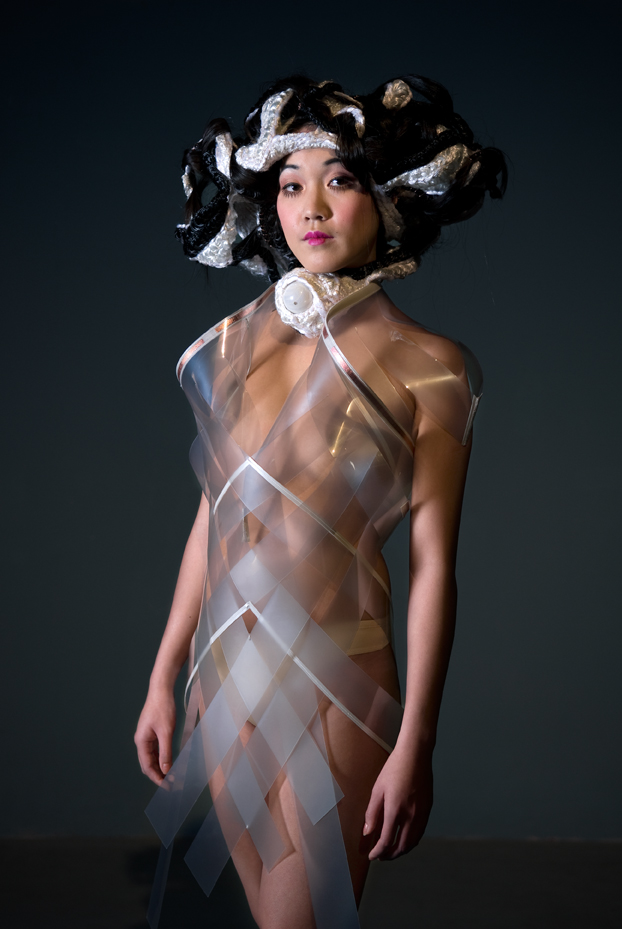
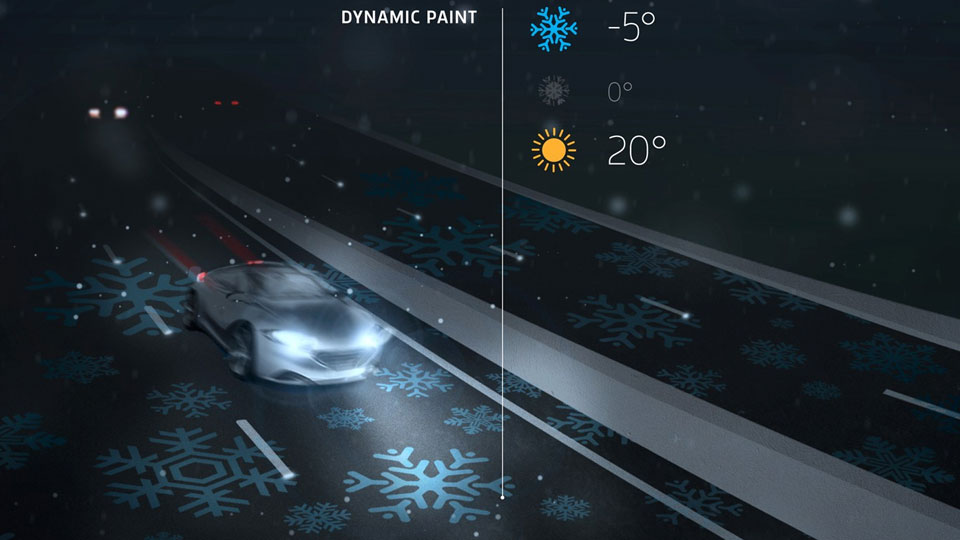
The last speaker of the day, Daan Roosegaarde, delivered one of the most powerful presentations ever seen at Design Indaba, with a rousing standing ovation to prove it. Calling his work “techno-poetry” you may have heard of his Intimacy 2.0 fashion on Gareth Cliff’s show last week – clothes that go transparent when the wearer is aroused. This is only the tip of the iceberg for how Daan is applying technology to the most wonderous situations. Take his sustainable dance floor, which generates enough electricity to power the party simply from people dancing on it. What completely blew us away though, jaws on the floor, was a highway that generated electricity from cars driving on it, which was then used to power electric cars! AND it’s real – the first one will be completed in Holland by the end of the year.
Read our highlights from Day 1 and Day 3 at the Design Indaba Conference.
Follow our Design Indaba coverage at visi.co.za/designindaba