-

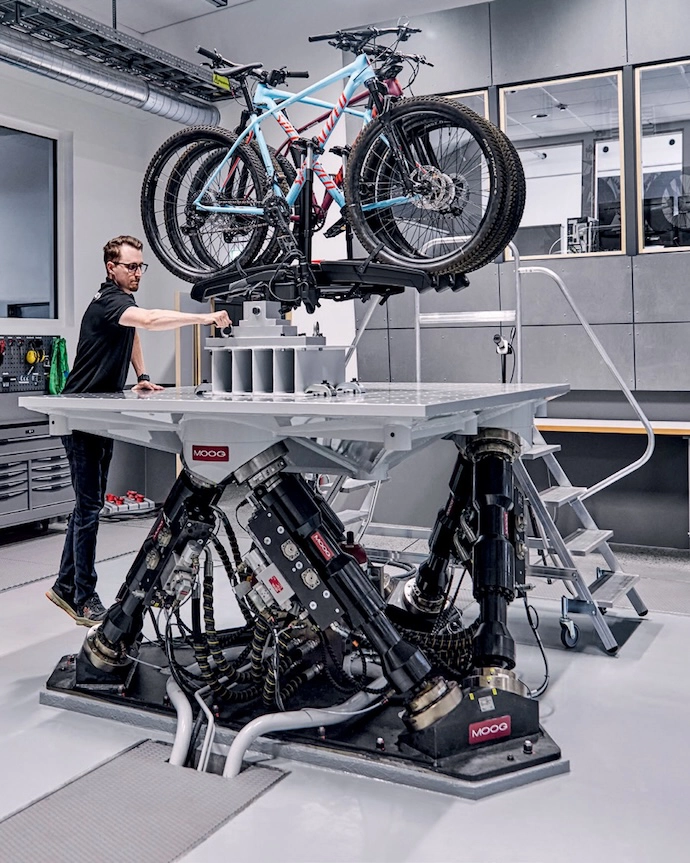
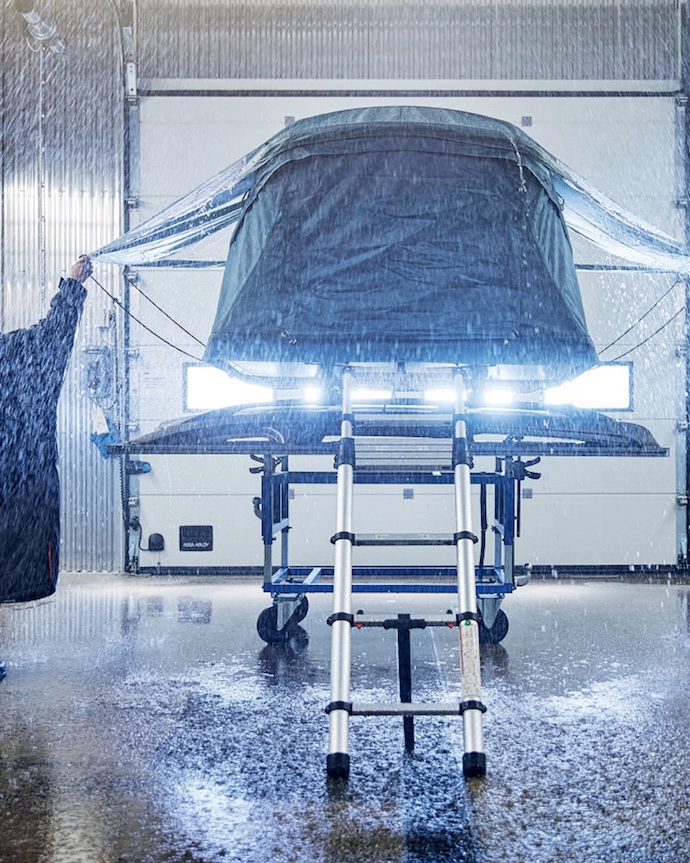
Thule’s testing facilities at Hillerstorp. -
Thule’s testing facilities at Hillerstorp. -

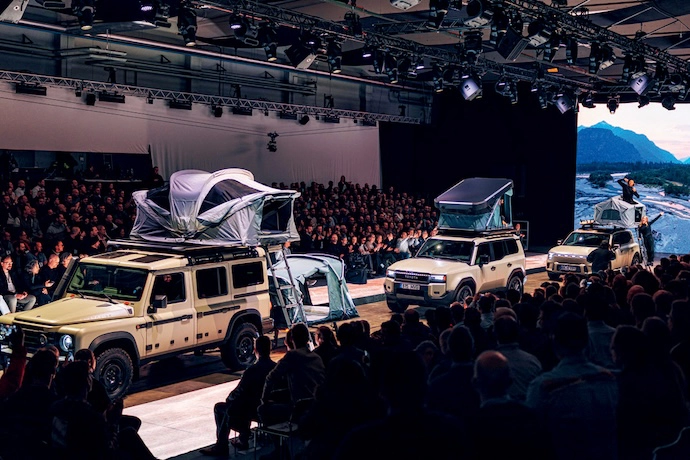
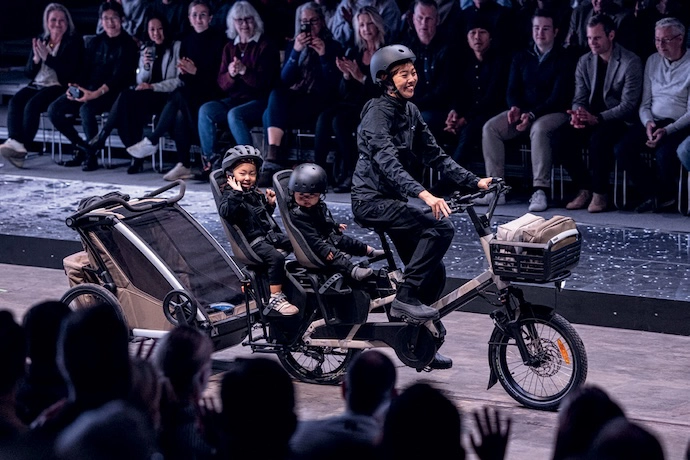
Scenes from THEX 2025, showcasing Thule’s car tent range, as well as children’s bike seat and carrier options. -
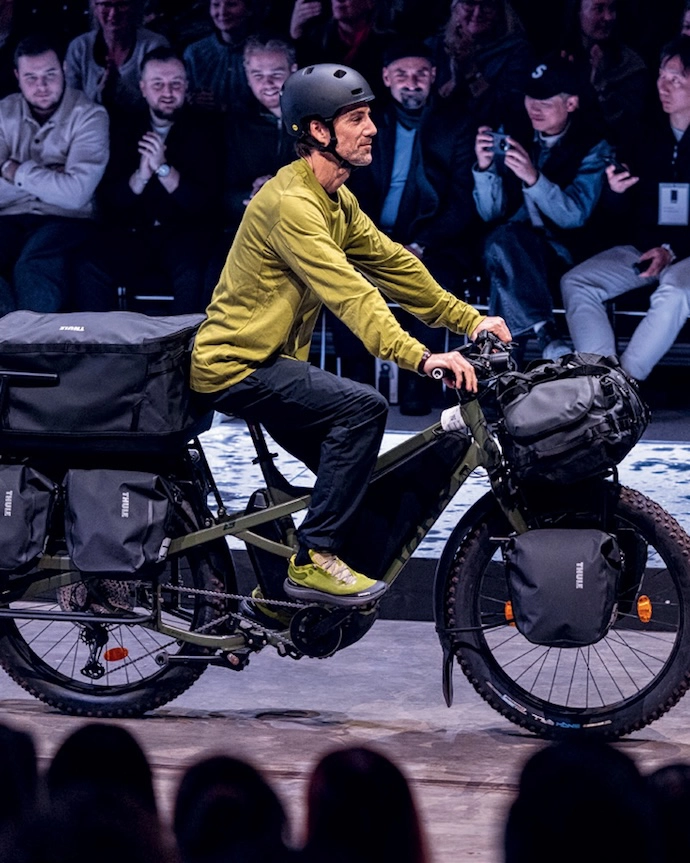
Also from THEX, Thule’s latest Shield and Chasm bike bag collections, fully integrated into their new InLock pannier system. -

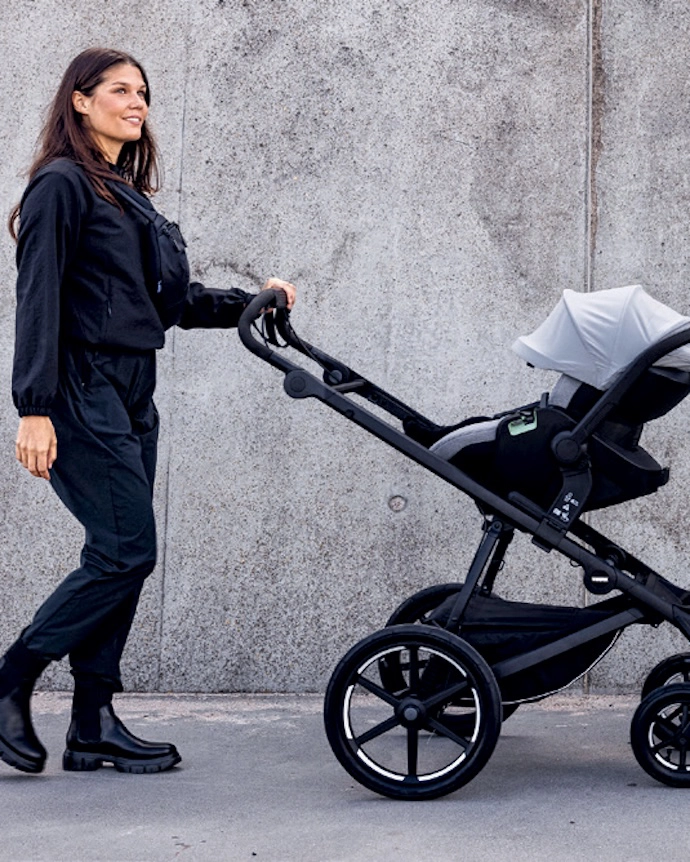
Urban Glide 4 stroller with Thule Maple car seat. -
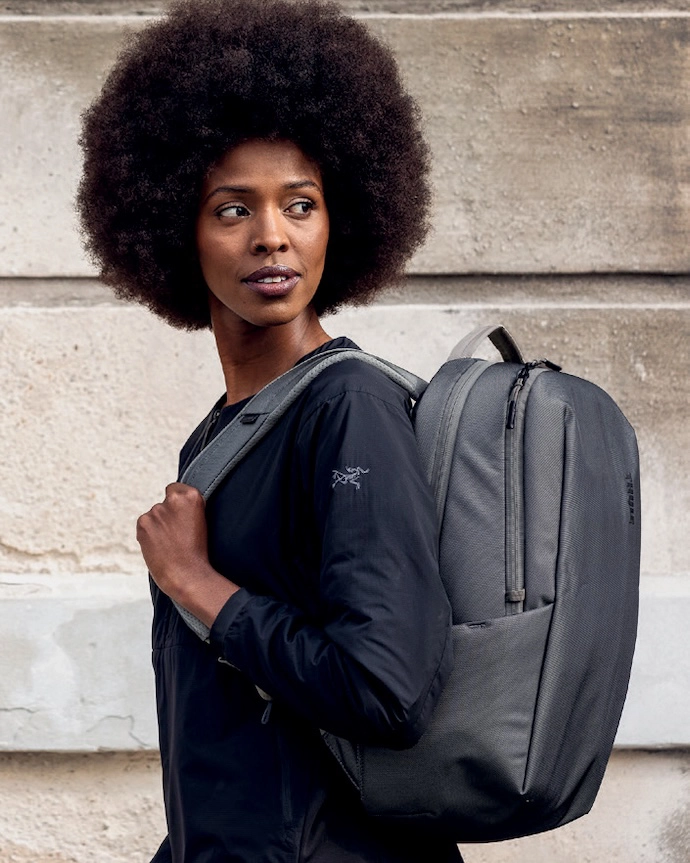
Thule’s 21L Subterra 2 backpack. -
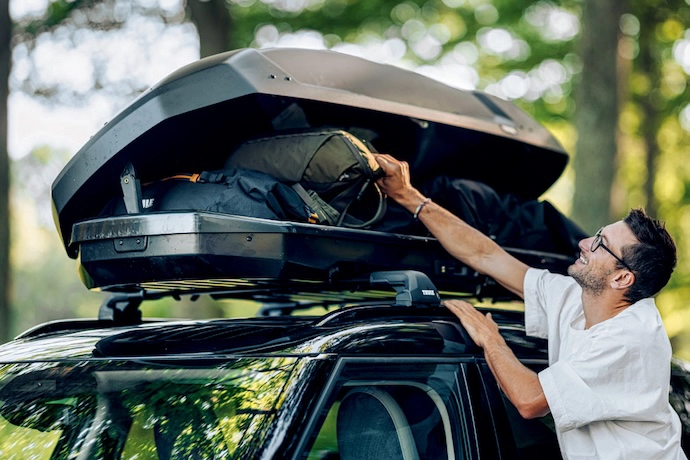
The Thule Force roof box. -
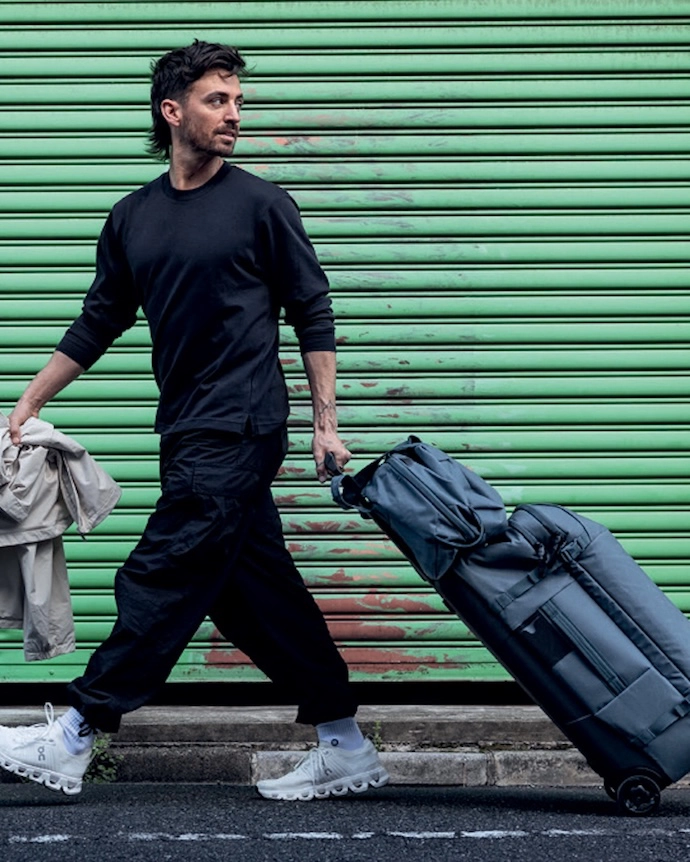
Aion check-in wheeled duffel-bag and the 35L Aion duffel.
When it comes to industrial design, no brand embodies the Scandinavian aesthetic quite like Thule. A visit to the HQ and test centre in Sweden revealed this active lifestyle giant’s design approach – and the latest range of products.
WORDS Steve Smith PHOTOS Supplied
With all the nations vying for global supremacy at the moment, I’m a bit disappointed the Swedes have not thrown their hat in the ring. They’d definitely get my vote. Visit this Scandinavian country and you’ll witness hordes of happy people (Sweden is consistently in the top five of the World Happiness Report) who are well off , well cared for and, oddly, not at all smug. I’d be smug as hell if I were Swedish.
The reason for this good cheer? You may think it’s because Swedes enjoy the benefits of a government whose excellent fiscal management makes proper use of all those highly taxed kronas. In part, that is true, but it’s not the fundamental reason. Sweden’s good fortune has actually been shaped by good design – and here’s how.
Scandi for the win
Around the turn of the 19th century, two Swedes penned two influential essays. First up was noted philosopher and critic Ellen Key, whose 1899 manifesto “Beauty in the Home” argued for the transformation of the domestic environment as a means of social reform. This, in turn, inspired influential art historian Gregor Paulsson to write “Better Things for Everyday Life”, adding weight to a growing movement that believed that when the aesthetic realm is attuned to contemporary realities, an environment will be a catalyst for social, cultural and economic improvement.
People listened, designers designed… And just look where Sweden is today.
This philosophy provided the fundamentals of Swedish design as we’d describe it now – a minimalist, functional and simple aesthetic, characterised by clean lines, a neutral colour palette and, wherever possible, natural materials such as wood. It’s an aesthetic – and a design philosophy – that’s been embraced by many Swedish brands, from Volvo, IKEA and H&M to Spotify and the one you’re looking at here: Thule. You’ll know Thule from its 13 stores across South Africa, where iconic roof racks, boxes and tents, bike racks, luggage and backpacks have gained a reputation as the apex examples of what you can buy in these categories.
Malmö and THEX 2025
Thule invited us to Malmö, Sweden’s third-largest city aft er Stockholm and Gothenburg – home to Thule’s HQ, and the place where the brand’s annual THEX is held. This Thule Experience event is as much a showcase of Thule’s current and upcoming products as it is a celebration of the brand. And Thule really is loved – both by the people who purchase its products and the people who make them.
Having toured Thule’s waterfront HQ and the test centre in nearby Hillerstorp, it’s clear the company is peopled not just with happy Swedes, but very proud ones. It’s a heart-warmingly feel-good experience to witness a workspace in which humans are genuinely happy, and proud of the products they’re designing, prototyping, testing and manufacturing.
It was here that I also discovered the correct pronunciation of the word “Thule”. It is, in fact, tool-eh, delivered with the requisite singsong Swedish accent, and not my Madonsela-flavoured thuli.
The Hillerstorp facility is particularly interesting – it’s here that the brand was founded in 1942, and it remains the global development and testing centre. Various ingenious machines have been built to tumble, bounce, roll, drop and bump everything from strollers to luggage and bike racks. They even have a car-crash test facility with actual crash test dummies, where products are impact-tested to pass Sweden’s stringent safety laws.
The results of all these endeavours were on show at THEX. Held inside an industrial warehouse, the event combined a fashion runway-style product reveal (featuring the brand’s global ambassadors) with touch- and-feel displays where you could engage with the various ranges. It was also an opportunity to see how Thule’s design DNA threads through everything they make, and is clearly evident in items as varied as a kid’s car seat and a towbar-mounted bike rack. Both, for example, boast materials and manufacturing quality that will see them last for decades. And both carry design cues that so strongly signal Thule, you’d pick them out in any police lineup without seeing the logo. Purposely created for people with an active lifestyle, Thule’s aesthetic softens necessarily robust materials and fit-for-purpose functionality with organic forms. You can most obviously see it on the luggage, but a closer look at the products made of hard-wearing alloys and plastics reveals the signature curves even there.
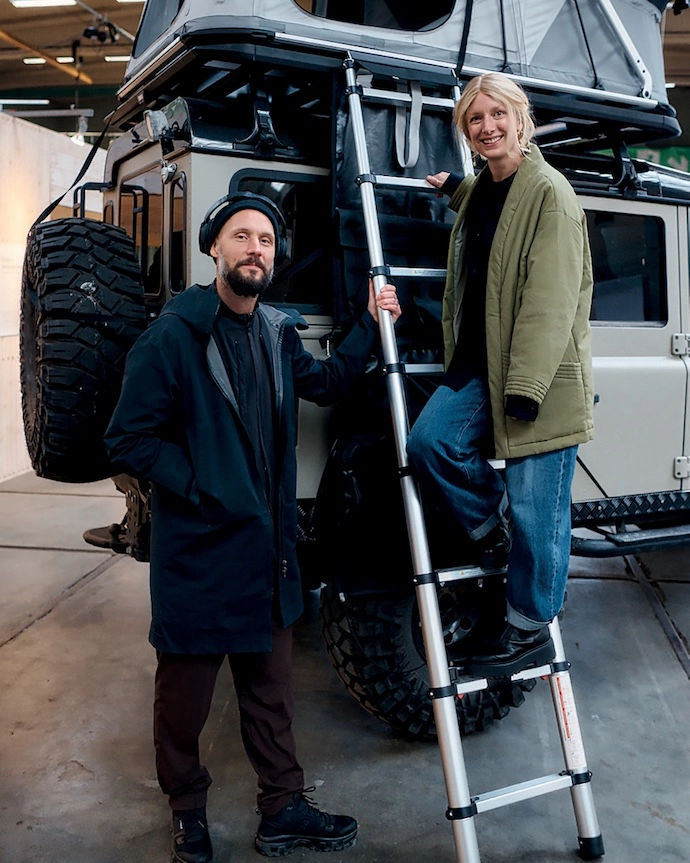
After the show, I caught up with two of Thule’s design gurus to find out more about what underpins this celebrated aesthetic. Meet global design director Henrik Eriksson, and global chief designer for colour and material finish Ellen Frisch.
Tell us more about the recognisable Thule design DNA, and how you pull it through the different design categories.
Henrik: “It’s challenging when you need to work with the same attributes across different product categories, but we have things that we believe emphasise the familiarity even if you take the labels off a Thule product. Colour is a big part of it. It’s visual; you instantly capture it. But it’s also about other things built into a shape.
“We talk about accentuated edges and lines, emphasising shapes in the products. We talk about tension and restraint, getting energy into the shape, but also contradicting the shape, and giving it additional energy by angling. We talk about integration – making it as visually well put-together as we can.
“We also talk about our world as being tailored. We keep it simple, not adding things for the sake of adding them, but ensuring fitness for purpose – adding things when they are needed. In a way, our aesthetic is clean and honest.”
Thule’s design philosophy appears to be one of gradual evolution. Is that a conscious approach?
Henrik: “It’s about constantly evolving with new products, new categories and new ways of doing things – but we want to do it slowly. Thule products are built to last – so if you own one, it will remain useful and relevant over a long period of time. That means we won’t design anything that makes our other products look dated. We want to add that refined, gradual newness into the aesthetic. Sometimes, one category in our range can push the others a bit, especially the ones that have more freedom in their aesthetic possibilities. For example, children’s car seats were a new category that allowed us take a few steps forward in other, more established categories.”
How would you describe the Thule colour palette?
Ellen: “For the past few years, we’ve been working to use colour to unify the brand across all the different categories, because they really can speak to different consumers. Someone buying a kid’s stroller might be a very different user from someone buying a roof box – so how can we use colour to unify our storytelling as a brand?
“We have a few main goals in the colour palette. We definitely want to make sure it’s rooted in Scandinavian heritage, so we always look back to the traditions of Scandinavian design. From an aesthetic relevance perspective, we also want our colours to last as long as our products do, which means we tend to stay away from brighter, fast-trend colours, and look instead to nature to inspire our palette. Colours from nature feel a lot more dependable and reassuring. So people choosing a Thule product that’s going to last in terms of its quality have the assurance that the colour will stay fresh and up-to-date for just as long.”
Does that determine your choice It’s also about using fewer resources, of materials?
Ellen: “It guides us, yes. We definitely want to choose materials that have good long-term quality, and that will continue to perform year aft er year during the rigorous outdoor activities they’re being asked to take part in. Therefore, we tend to choose more robust materials in the majority of our products.”
What is Thule’s sustainability approach?
Ellen: “We’re very much focused on sustainability, and use many recycled materials in our manufacturing. But we also know the industry is evolving beyond just recycled PET plastic bottles. There’s eagerness for additional, more thorough sustainability stories and materials; there’s more research, and various materials are being developed, so we’re looking at what’s most feasible in terms of both availability and meeting our standards. We’re also using more solution dye in our colours, which utilises less CO2 and water than traditional dyeing methods – so it’s not just material choices that are influencing our sustainability drive.”
Henrik: “For every project we work on, we set ourselves targets to reduce our environmental footprint, always measuring and striving for a smaller footprint than previous projects. This relates to all materials, regardless of whether we’re using textiles or steel or aluminium or plastics. The footprint is always measured, and always carries great weight in our decision-making. It’s also about using fewer resources,
and trying to become more efficient.”
What inspires you as a designer?
Ellen: “I draw inspiration from many places. Nature is number one for me, but I also love museums, and I love trend research in street fashion. It’s really a mix – a blend across a wide spectrum. And sometimes different things call to you at different times… But nature is always my top inspiration. I live in Sweden now, but before that, I lived in Colorado in the US, which is obviously quite different. Sweden’s very green; Colorado is very red. It’s rocks versus moss… And all of it is wonderful. I think the diversity that we can find in nature is really what inspires me, more than a particular landscape.”
Henrik: “I’m inspired by people and the everyday challenges they face. Recently I watched a father take his child to kindergarten, in a child bike seat, observing the challenges that he seemed to be handling right at that moment. It’s those everyday behaviours of people, I think, that are inspiring in every context. Sure, that’s more from a usage perspective, but you’re always surrounded by it. A lot of our products are about meeting a wide range of needs for parents.
“So yes, that’s one of my key drivers – but aesthetically, there’s so much more that inspires me: gadgets, architecture, nature, musical instruments. I like stuff that showcases quality craftsmanship, like people doing intricate woodwork. I think that’s fascinating.”
And that would pretty much describe my fascinating three days in Sweden. It was an “Okay, now I get it” moment for me. I have a bunch of Thule products, from roof racks to bicycle carriers and luggage, some of them at least a decade old. All have been used extensively on various holidays and adventures – and all have decades of life left , both from a materials and an aesthetic point of view. I like to think of it as a validation of my own excellent purchasing decisions. I’m not Swedish… But I am smug. | thule.com
Don’t forget to sign up to our weekly newsletter for the latest architecture and design news.