-

All About CYANOTYPE -
All About CYANOTYPE -
All About CYANOTYPE -
All About CYANOTYPE -

All About CYANOTYPE -
All About CYANOTYPE -

All About CYANOTYPE -
All About CYANOTYPE -
All About CYANOTYPE -
All About CYANOTYPE -
All About CYANOTYPE -
All About CYANOTYPE -
All About CYANOTYPE -

All About CYANOTYPE -

All About CYANOTYPE -

All About CYANOTYPE -

All About CYANOTYPE -

All About CYANOTYPE -

All About CYANOTYPE







INTERVIEWED BY Michaela Stehr
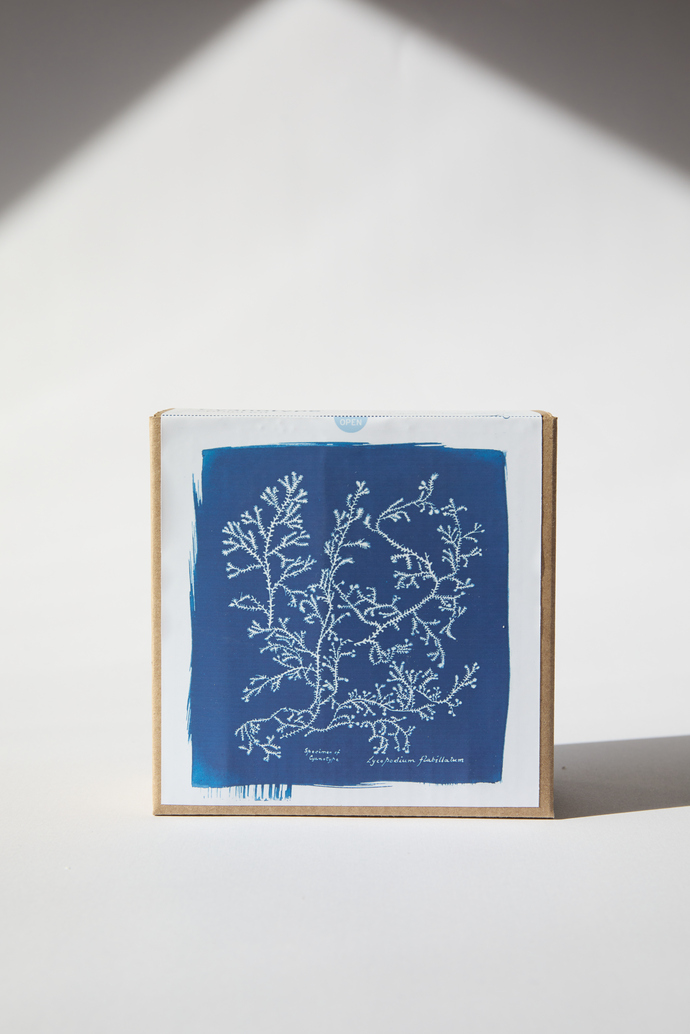
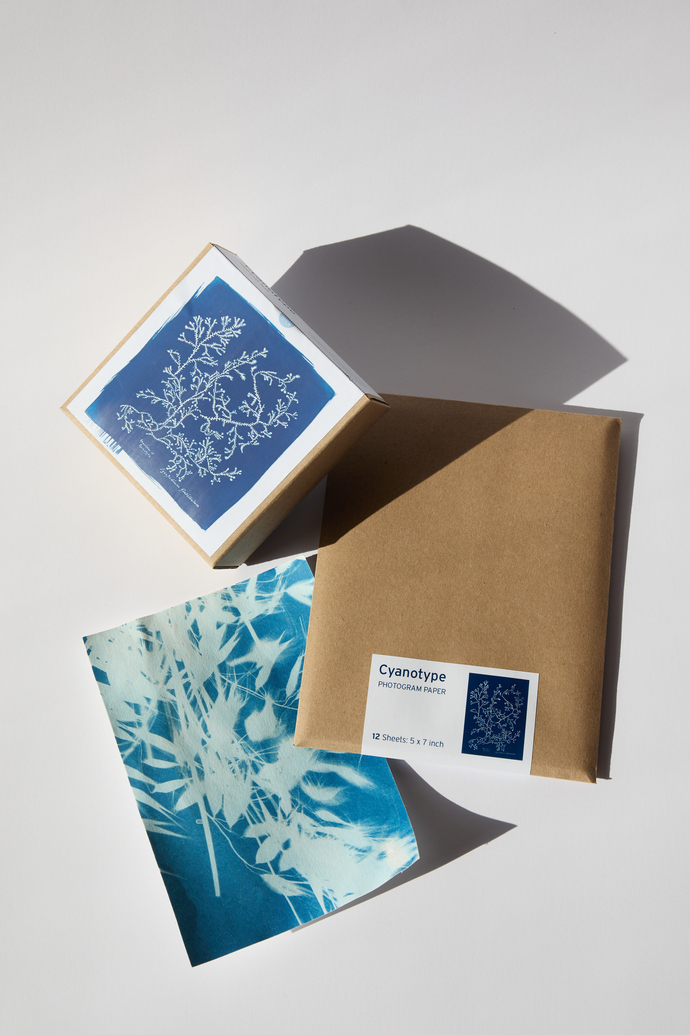
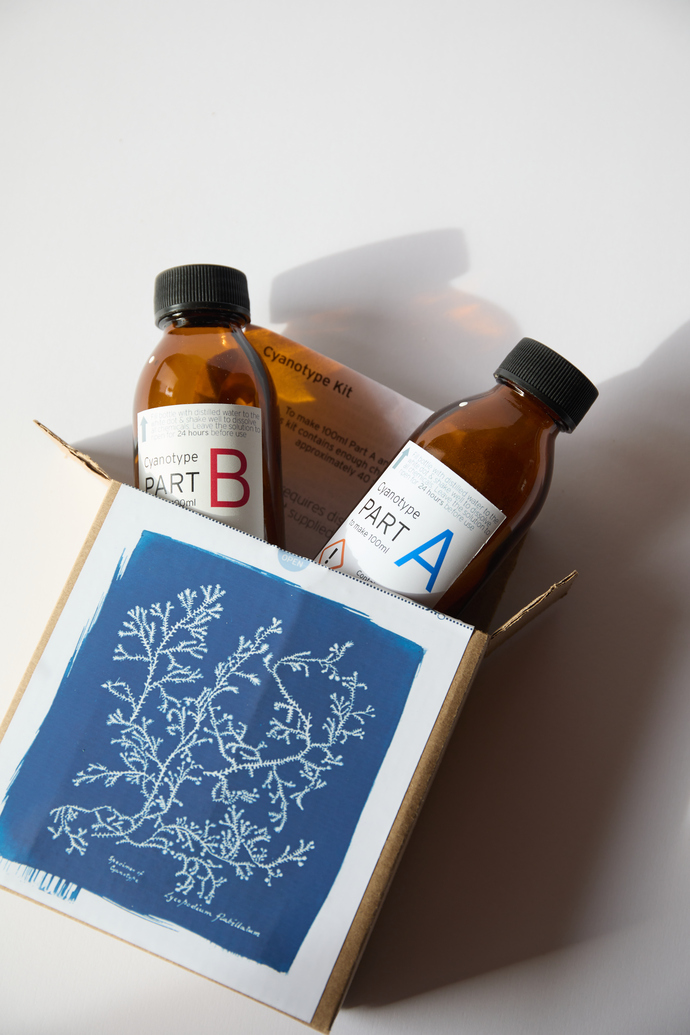
A local team of photographers Janus Boshoff and Inge Prins has created a series of DIY eco-friendly and uncomplicated Cyanotype kits for people to try out the exciting process easily at home. We chat with Inge about how it all works.
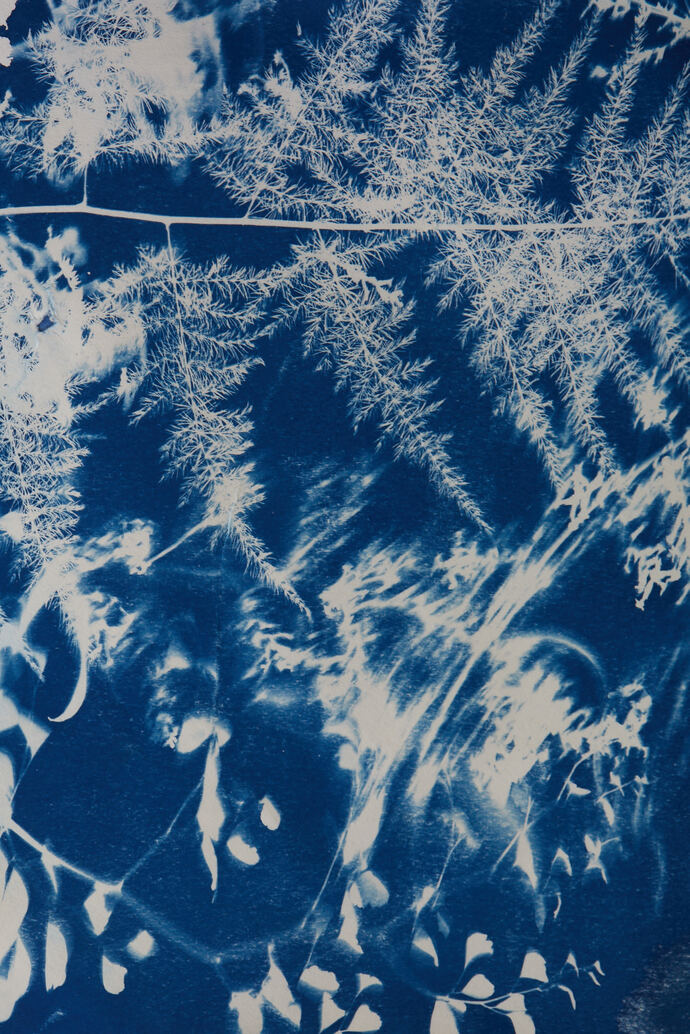
Invented in 1842 by Sir John Herschel (1792-1871), cyanotype art prints are made in a particular permanent process, rendering images in a vibrant Prussian blue tone. Sir Herschel’s photographs from the 1840s survive to this day. Often the first alternative process tried by artists and celebrated for its simplicity, cost-effectiveness and safe working procedures.
The English botanical artist and collector, Anna Atkins, was the world’s first female photographer, and she was also the first person to illustrate a book with photographic images using the cyanotype process. Her nineteenth-century cyanotypes used light exposure and a simple chemical process to create impress detailed blueprints of botanical specimens.
How did the idea for the kits come about?
Since 2004 Janus Boshoff has supplied the Southern African photography market with handmade photographic chemicals. His friendship with Dennis da Silva, a black-and-white master printer, has led to the exploration of alternative handmade processes. The kits came about for their own needs to print in these beautiful old processes, as most of the chemicals need to be imported, and due to frequent inquiries by fellow artists, the kits were made available to purchase through shops and agents. Dennis still prints and teaches these old processes at his studio in Johannesburg, the Alternative Print Workshop.
What is in each kit?
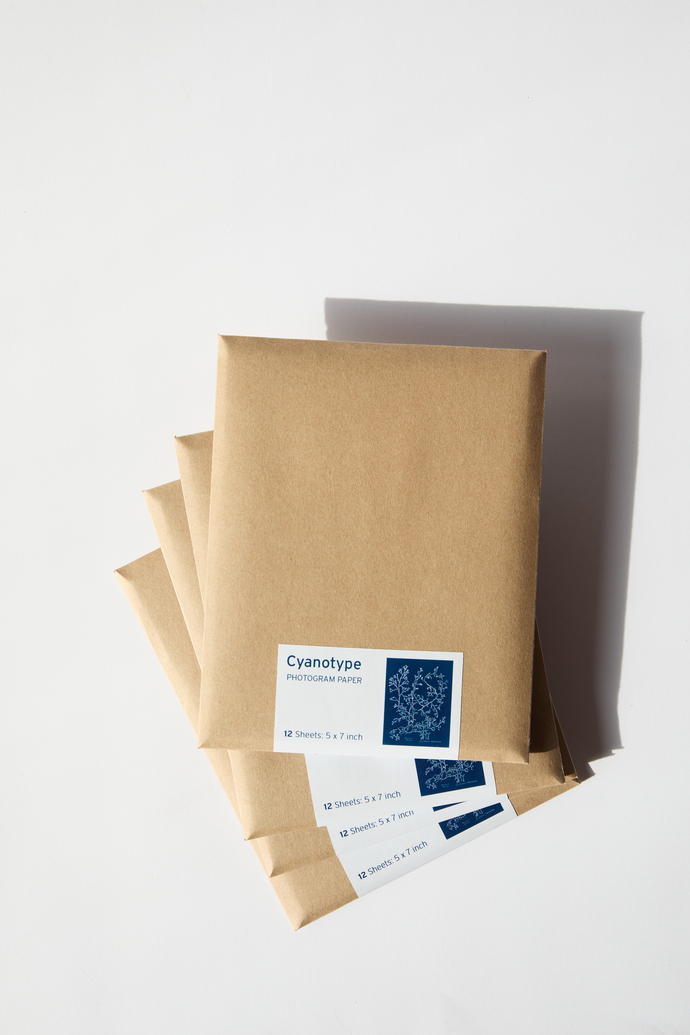
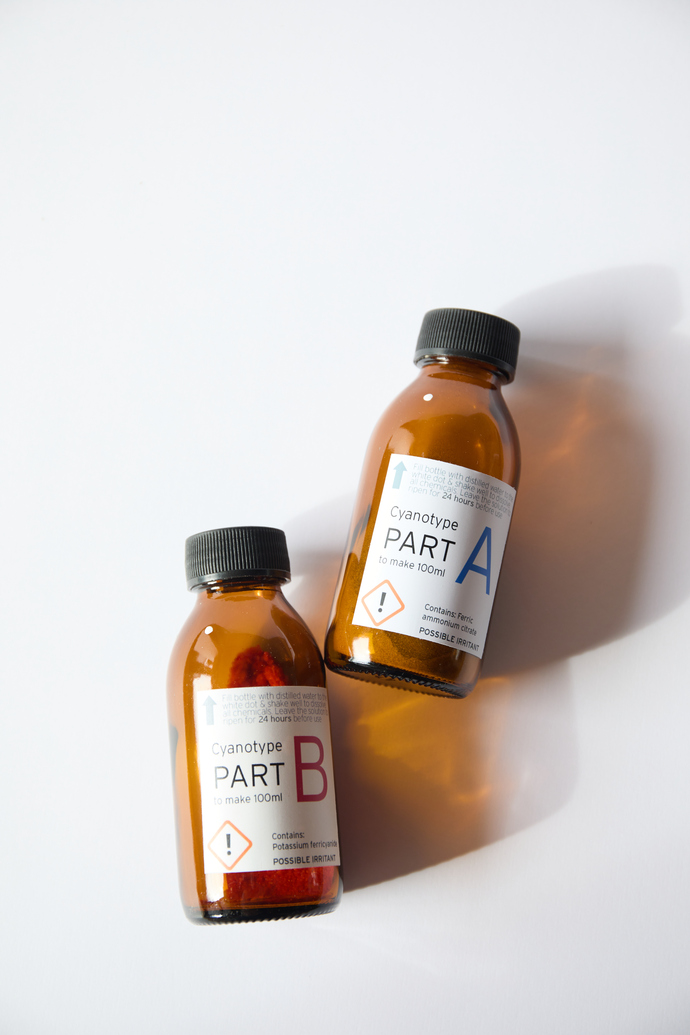
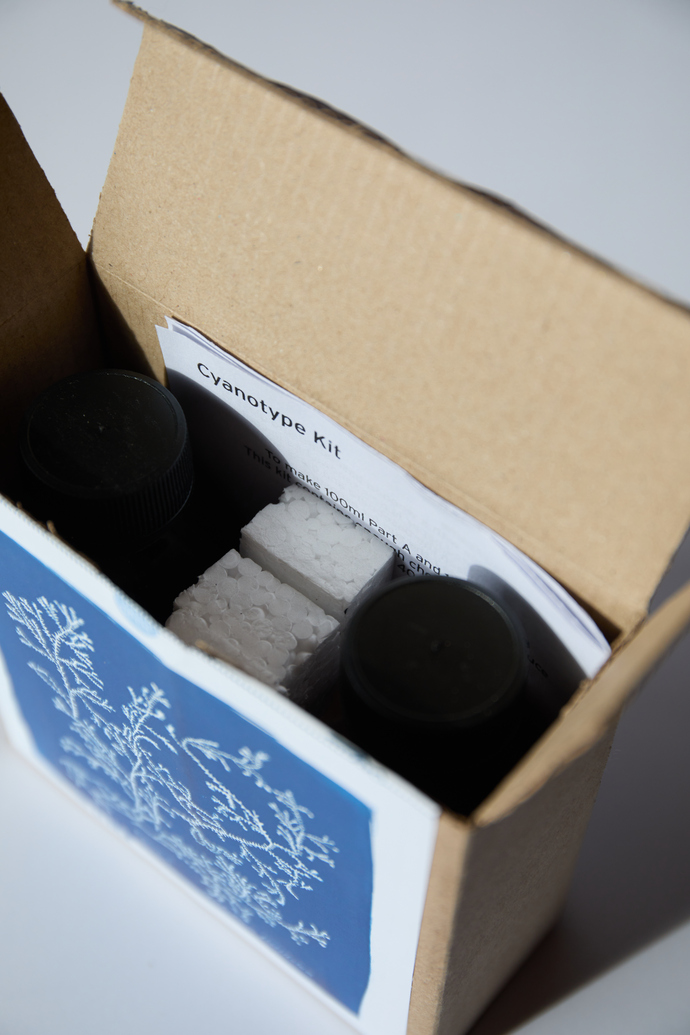
This kit is a modern version of the original formula used by Herschel in the 1840s and uses the base iron compounds ferric ammonium citrate and potassium ferricyanide. The kits are pre-mixed in amber glass bottles, simply mix equal quantities, give it a good stir, and coat onto paper with a brush. Once the coating has dried, it is exposed to sunlight, and rinsed in water to produce permanent images. The kits produce approximately 50 x A4 coated paper sheets.

Are there some cool tips and tricks for making your own?
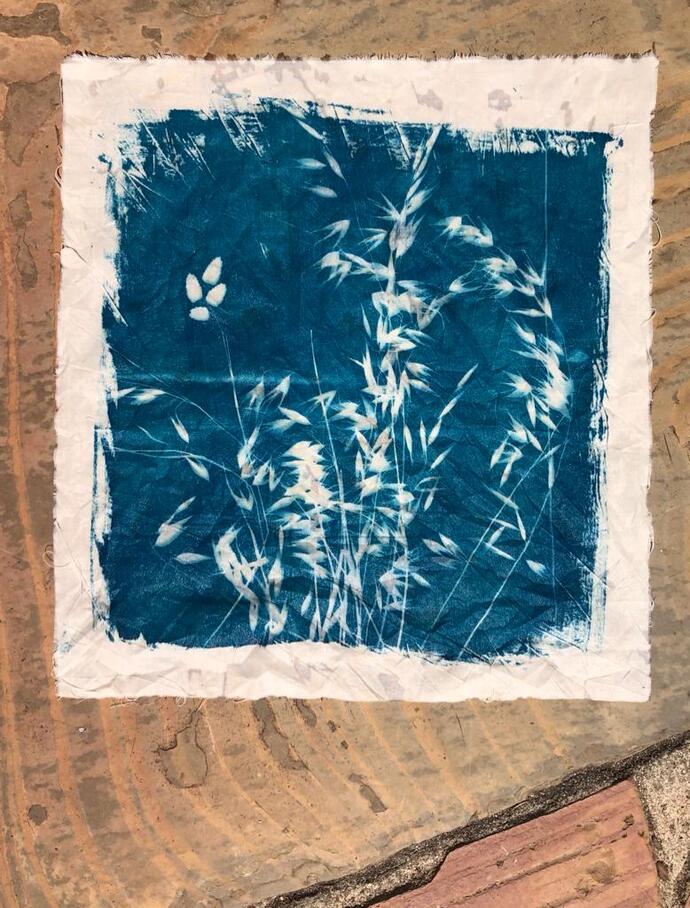
The process works well on most natural and porous surfaces. Any paper can work but watercolour paper comes out beautifully. You can also print onto cloth – hemp, cotton and silk are all good choices. Make sure to prewash the material to dispose of the internal sizing. The cyanotype process is very sensitive to alkaline solutions, it is always a good idea to wash printed fabrics in shampoo instead of washing detergent.
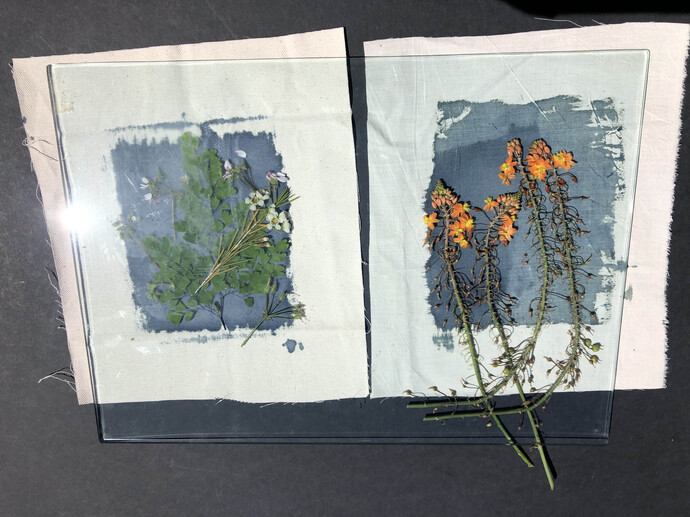
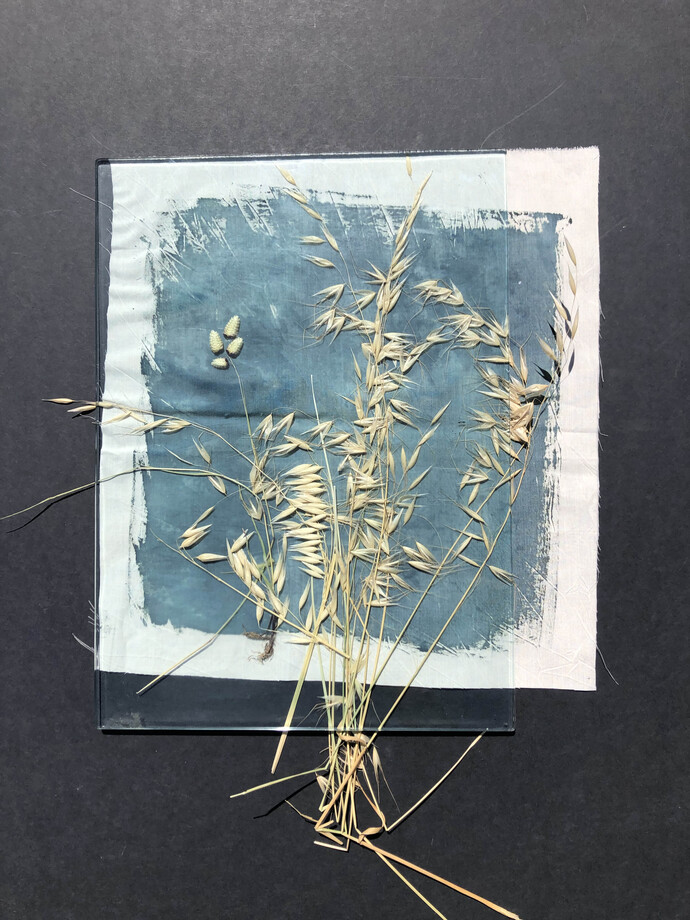
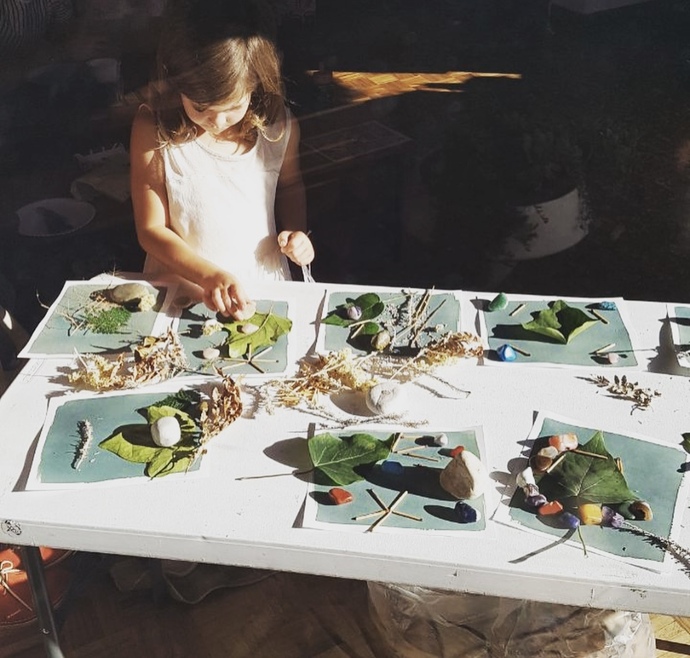
Heavy objects with good negative silhouettes work very well, or if you do choose lighter objects like feathers you can place a sheet of glass or clear perspex over the object to press them down and keep them from moving.
Glass on top is not compulsory but it does make for sharper prints. You can even mix it up with some objects under glass and some on top.
One can also draw on clear acetate or print negatives onto acetate and make direct contact prints.
It is worth doing small test prints to ensure you get the exposure time right. Increase exposure time for cloudy weather or for when the sun is lower in the sky. The exposure works with UV light.
A good tip is to keep your surface in the shade or a dark space while you lay your objects on top to slow the exposure down before moving the surface into the full sun. You can clamp the surface onto a board or work on a tray.
The whole idea is to be playful and to try different things and not be precious about it. Once you get the hang of making dry prints you can also try wet cyanotype printing. The internet is filled with great ideas and suggestions.
What makes this style of artistic expression fun?
A sense of experimentation and exploration. As anybody can make a cyanotype print, and almost anything that is made with it has a unique beauty to it, the medium opens itself up to children and teenagers and artists and even those that do not think they are creative (we are all creative!)
Where can people get hold of the kits?
Inge runs an Instagram page dedicated to Cyanotype and shares inspiration and information on the workshop and the method. People can DM her there to order kits or email her directly. We are in the process of setting up an online shop too which will simplify the process. Customers can choose to collect the kits in Muizenberg ( for free) or ask for delivery via The Courrier Guys for an extra fee.
Can anyone do it?
Absolutely! The process is non-toxic and very easy to do. Children love making cyanotypes. It is completely safe. Small children will need adult supervision and guidance. Anyone and everyone can manage the process as it is so simple. The prepared paper packs make great gifts too and are instantly ready to print.
Looking for more local art? Sign up to our weekly newsletter, here.