Meet the South African women using culture, identity and personal experience to create work that speaks to local roots and global audiences.
WORDS Neyani Mphephu PHOTOS Supplied (Zani Alberts), Shaun Wagne, Inge Prins (Ashleigh Lloyd), Georgia Dorward, Supplied (Karlien van Rooyen), Supplied (Sinegugu Ngxongo), Francis Marais (Mpho Vackier), Supplied, Inge Prins (Thabisa Mjo), Supplied, (Naledi Modupi), Suly Khan (Bonolo Chepape), Supplied (Keabetswe Seema), Sune van Tonder (Tanisha Neill)
South African women have always been problem-solvers – within homes, communities and cultures. That same ingenuity drives established and emerging designers and artists whose work is rooted in lived experience, heritage and emotional depth. The result is work that speaks from a specific place, earning them recognition at home and abroad.
Here, 10 South African creatives reflect on the ideas, experiences and beliefs behind their practices.
Zani Alberts
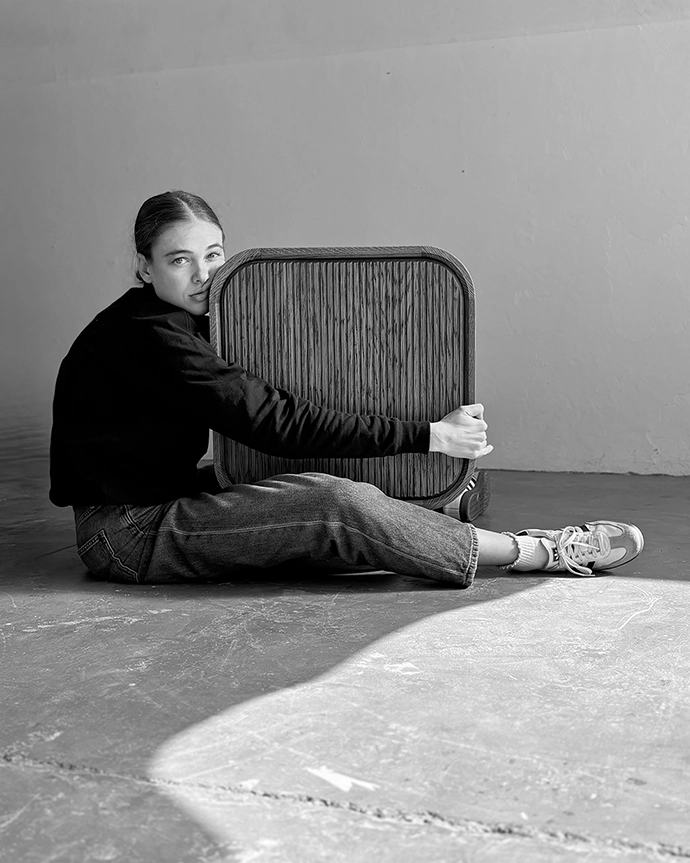
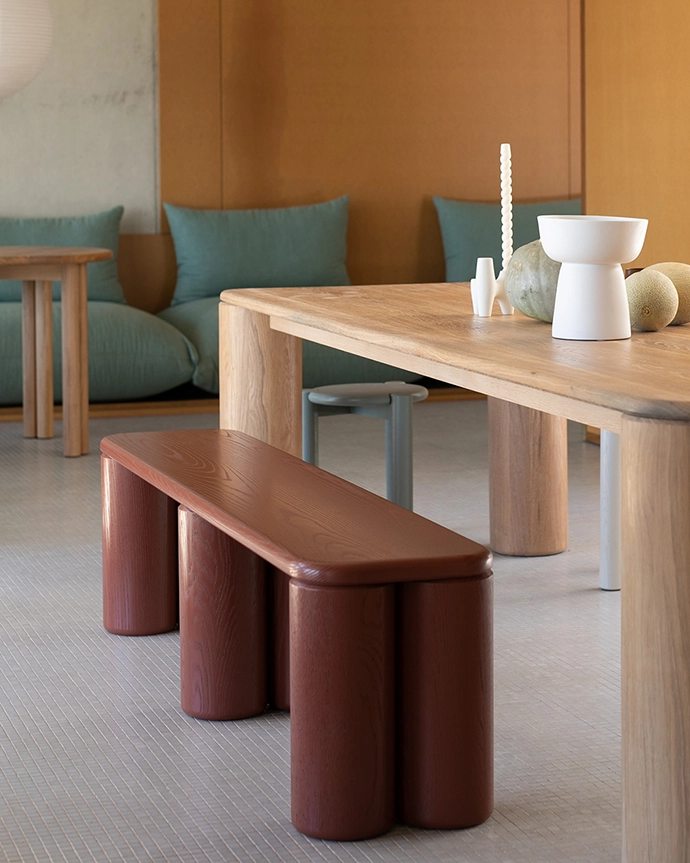
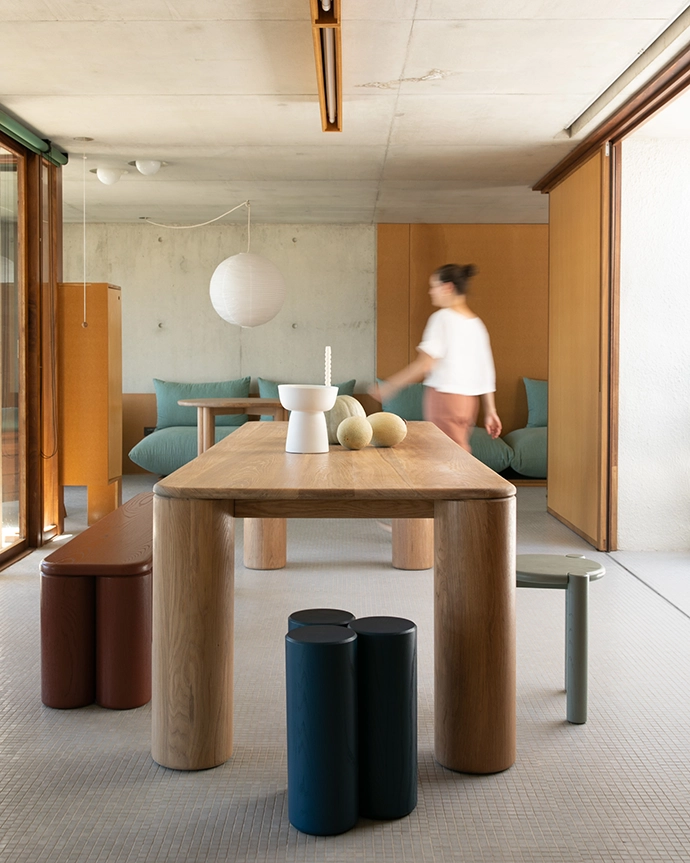
Co-founder of DEFT Studios in Gqeberha, Zani is a furniture designer and maker who came to the craft through architecture. She and her business partner, Martin Tallie, established the studio in 2020. Her distinction lies in closing the distance between designer and maker. “There’s a real proudness that comes with being part of the physical fabrication of furniture,” she says. “Not a lot of women are willing to engage in that physical realm of production. For me, design doesn’t happen at arm’s length – it happens on the workshop floor, while it’s being built.”
She believes South African design already meets international standards, and that smaller, more considered workshops frequently produce exceptional work. “Design has become more playful, more expressive, more willing to experiment, and that’s the part I’m most excited to see grow,” she says. “The next generation seems less interested in permission. What I’d really like to see alongside that is more local production. Please stop importing. We have the skill and we have the makers, so the pieces may as well be built here.” | deftstudios.co.za
Ashleigh Lloyd
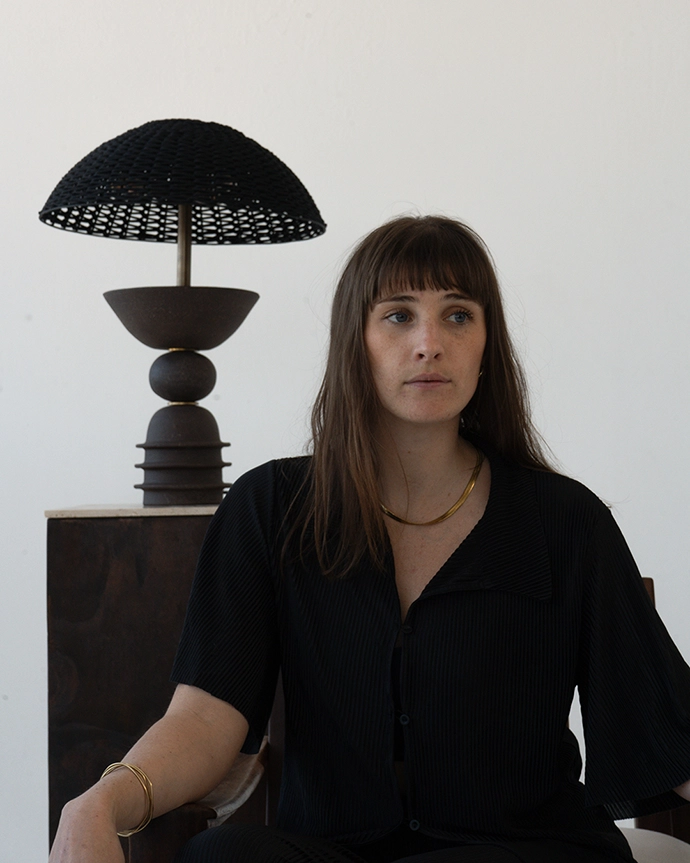
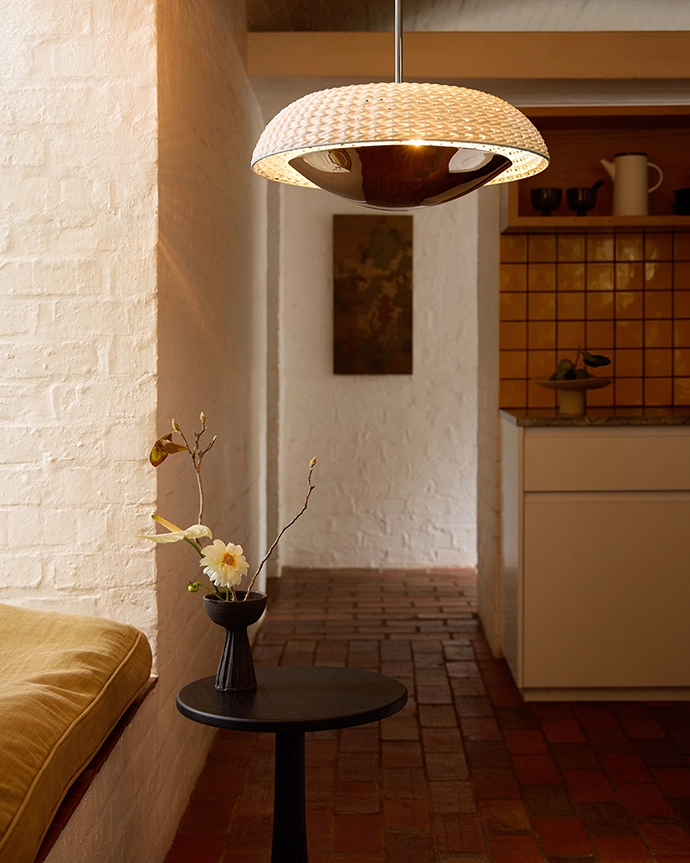
Founder of Studio Lloyd in Cape Town, Ashleigh creates handcrafted, large-scale sculptural lighting she describes as “future heirlooms”. Being a first-generation South African has shaped her conviction that local design can stand confidently on an international stage. Her move into bronze reflects an instinct for permanence – objects that carry the marks of making and grow into their own histories. She sees a generation moving beyond trends towards work that is “highly individual, technically ambitious and made to last”, and wants South African design recognised “not because it is ‘South African’, but because it is simply exceptional”. | studiolloyd.com
Karlien van Rooyen
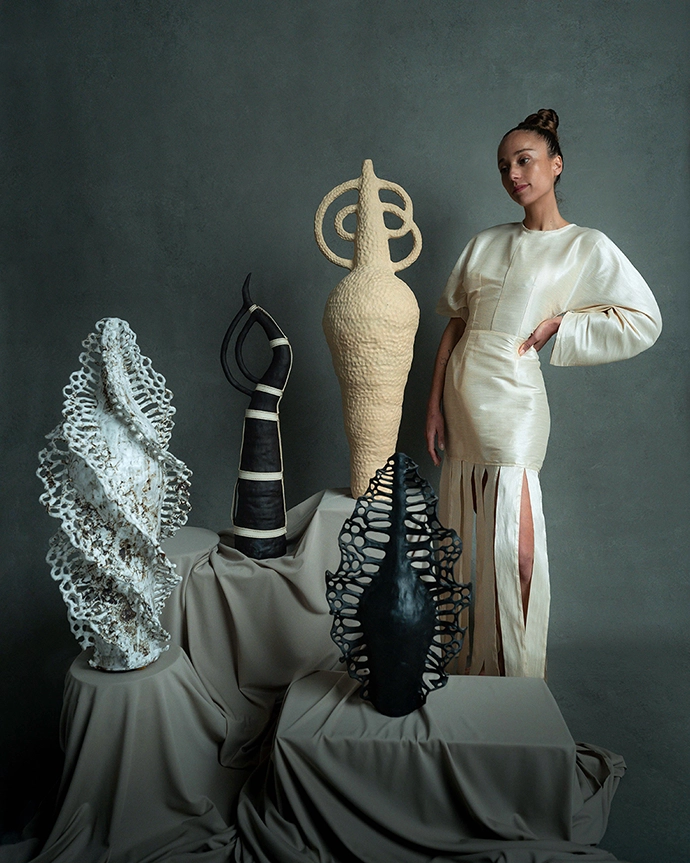
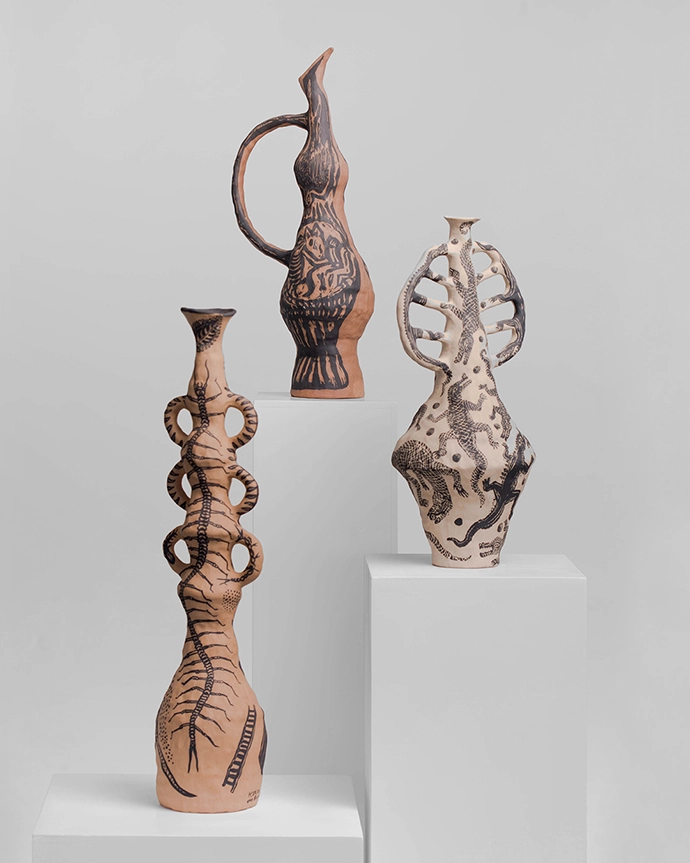
Karlien’s ceramic practice emerged from hardship: homelessness, gender-based violence and chronic illness. Each vessel she makes stands as what she calls “a determined and dignified declaration of our personal and collective ability to endure”. Trained in medical science and shaped by years of environmental activism, she sees South African design’s future defined by “uncompromising depth, textural integrity, and grounded social innovation”, with rural materialities elevated globally “not as exotica, but as authoritative voices”. | karlienvanrooyen.com
Sinegugu Ngxongo
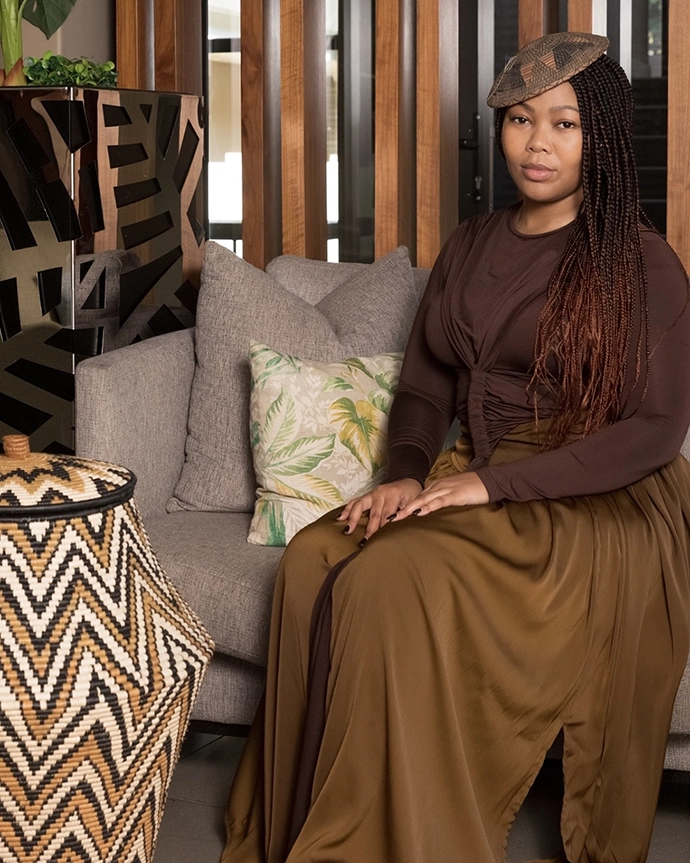
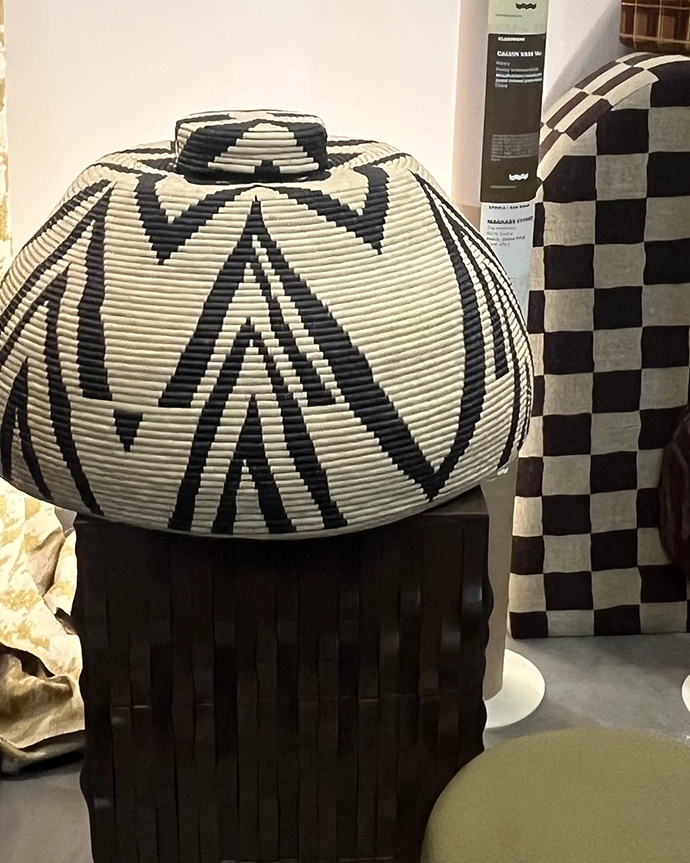
Founder of Bambizulu, Sinegugu grew up watching women solve problems for their families and communities. “If something solves a particular problem while also bringing beauty into the solution, for me, that is a tick,” she says. Working with rural artisans in Hlabisa, she speaks of design’s “limitless possibilities” and the responsibility they carry. “I would love to see a future where technology and innovation don’t replace that human knowledge, but help us strengthen it.” | bambizulu.com
Mpho Vackier
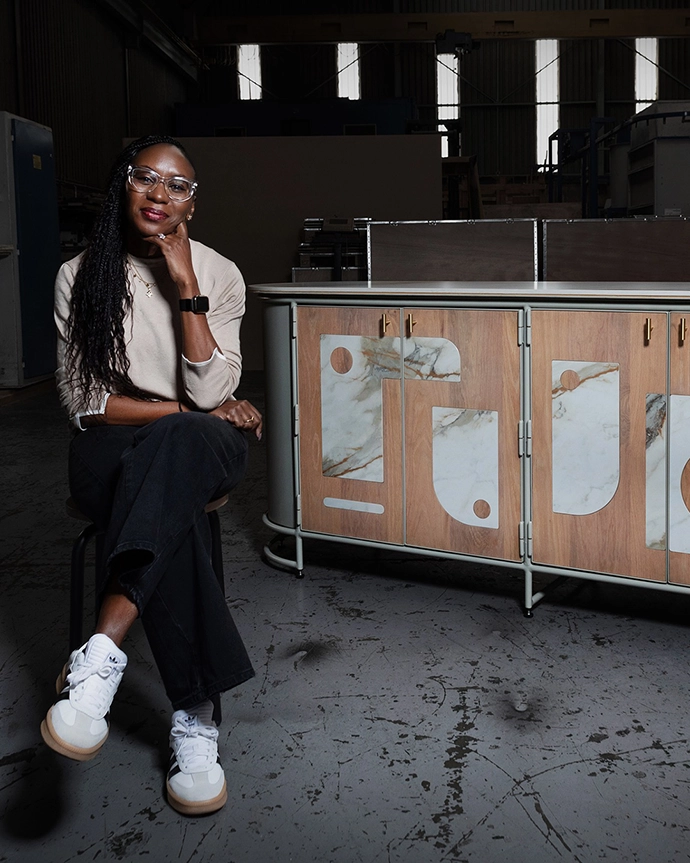
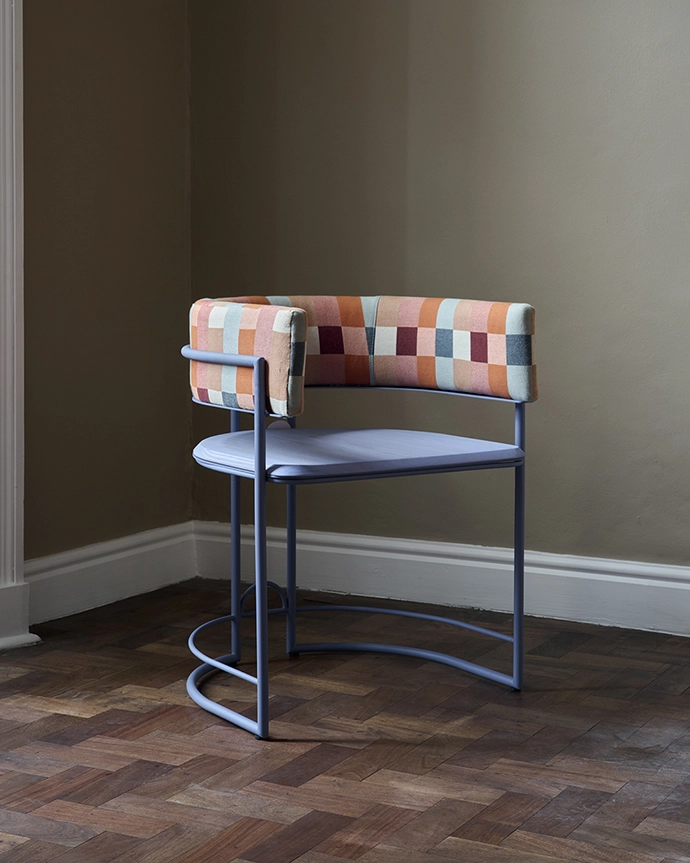
Mpho founded TheUrbanative, a furniture and product design studio in Johannesburg, in 2016. She approaches design through cultural interpretation. “It has never been about reproducing those references literally, but about understanding them, interpreting them and allowing them to exist within a contemporary design language,” she says. She sees a shift away from the need to “explain or prove its Africanness”, and is excited by African narratives joining the wider contemporary design canon rather than being viewed merely as inspiration. | theurbanative.com
Thabisa Mjo
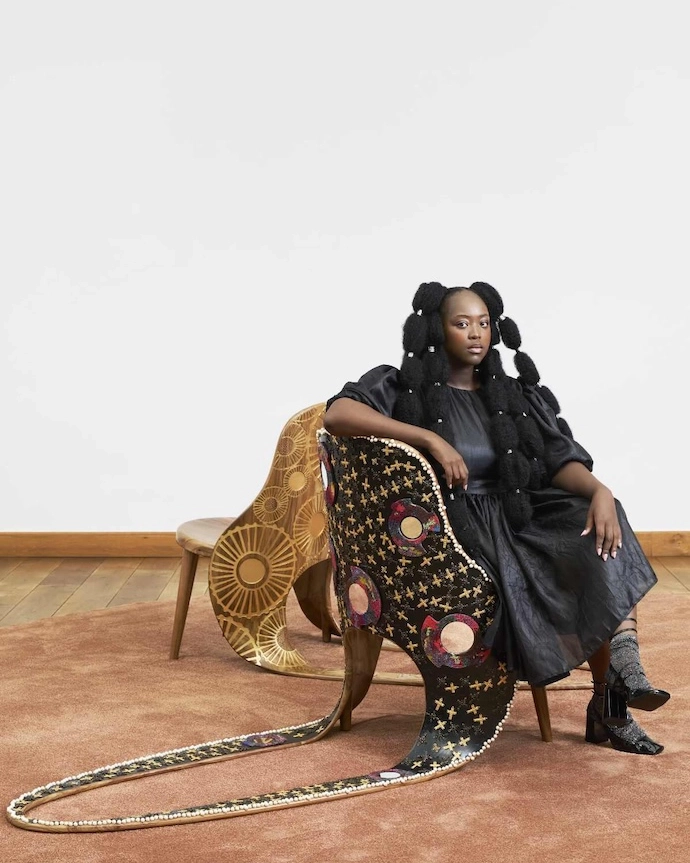
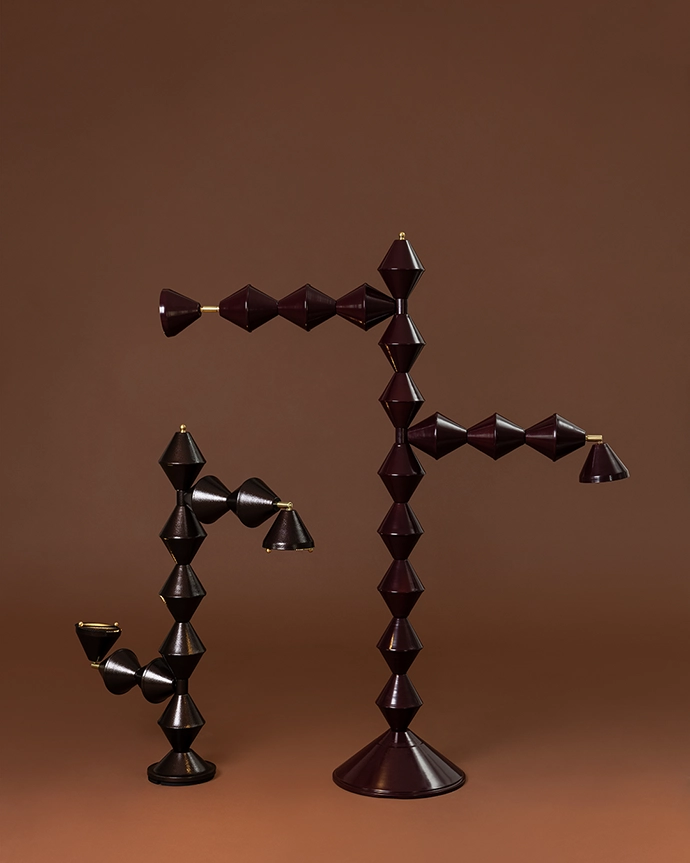
Founder and creative director of Mash.T Design Studio in Johannesburg, Thabisa stumbled into design in 2015 when she entered the Nando’s Hot Young Designer Talent Search and won with her Tutu 2.0 pendant light, inspired by Xibelani skirts worn by Xitsonga women. She describes South African women as “collaborative, enterprising, and problem-solving” – qualities she sees as directly transferable to design. “The aesthetic is a result of an approach, a perspective,” she says. “The most interesting design and designers are those with a perspective, and I think that’s what the next generation of really stand-out design will be defined by.” | mashtdesignstudio.com
Naledi Modupi
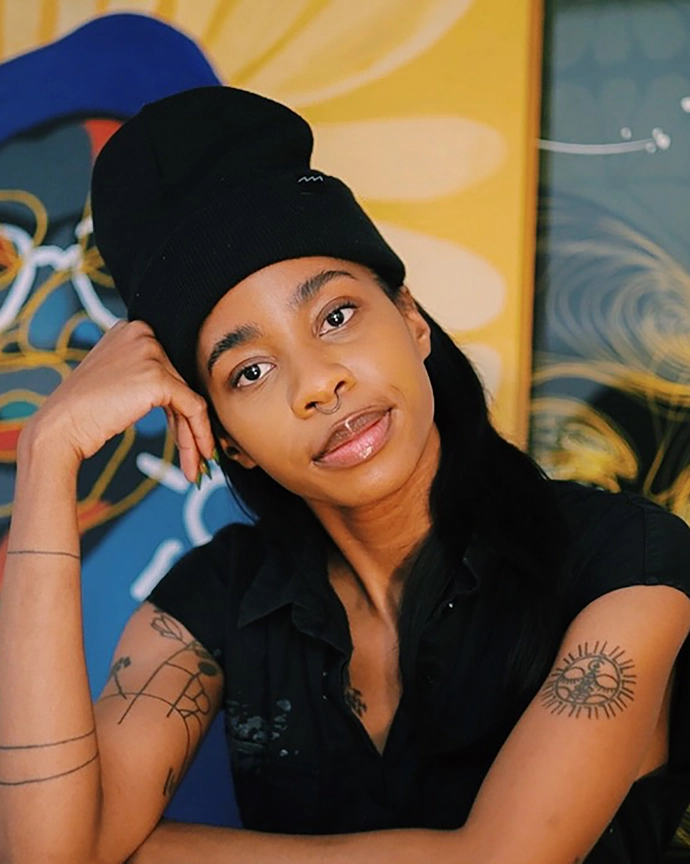
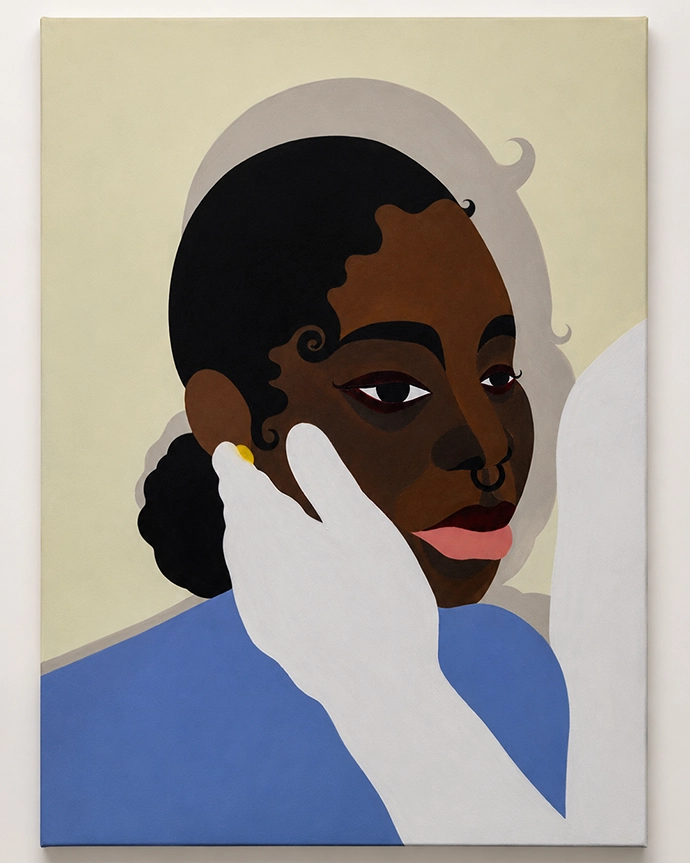
A Johannesburg-based visual artist and illustrator, Naledi is best known for semi-abstract portraiture that celebrates the beauty and individuality of Black women. Her distinctive style pairs continuous lines with bold, vibrant colour, moving between digital and traditional media. Naledi uses colour as her primary language, telling stories about women with vivid, expressive palettes that feel gentle and confident at once. “I don’t see gentleness and boldness as opposites; I think they can exist beautifully together,” she says. She is energised by the way South African women are asserting their place in the conversation, and excited by the breakdown of boundaries between art, illustration and design. “I’m seeing more and more women coming through, creating their own visual language and making their mark.” | naledimodupi.co.za
Bonolo Chepape
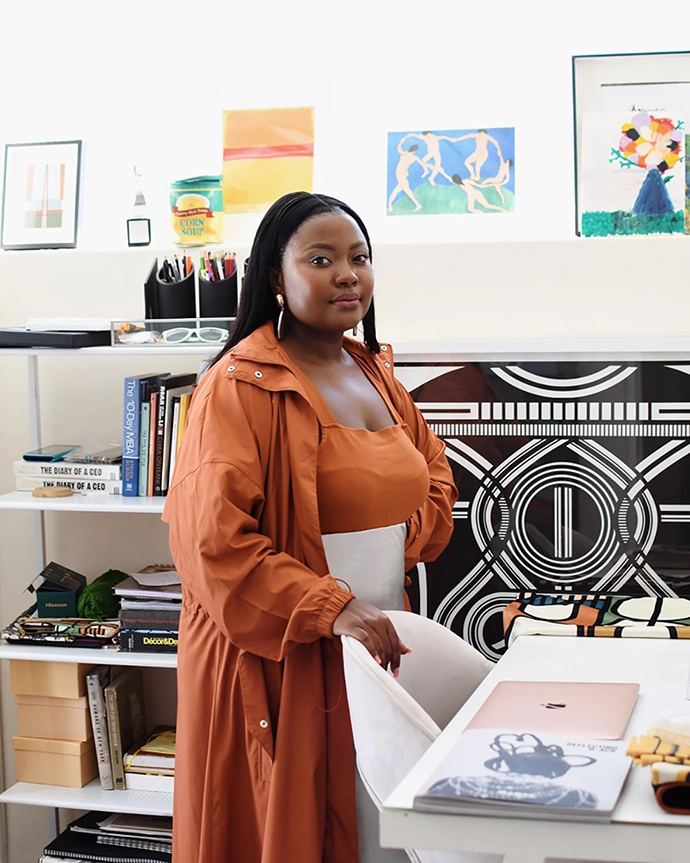
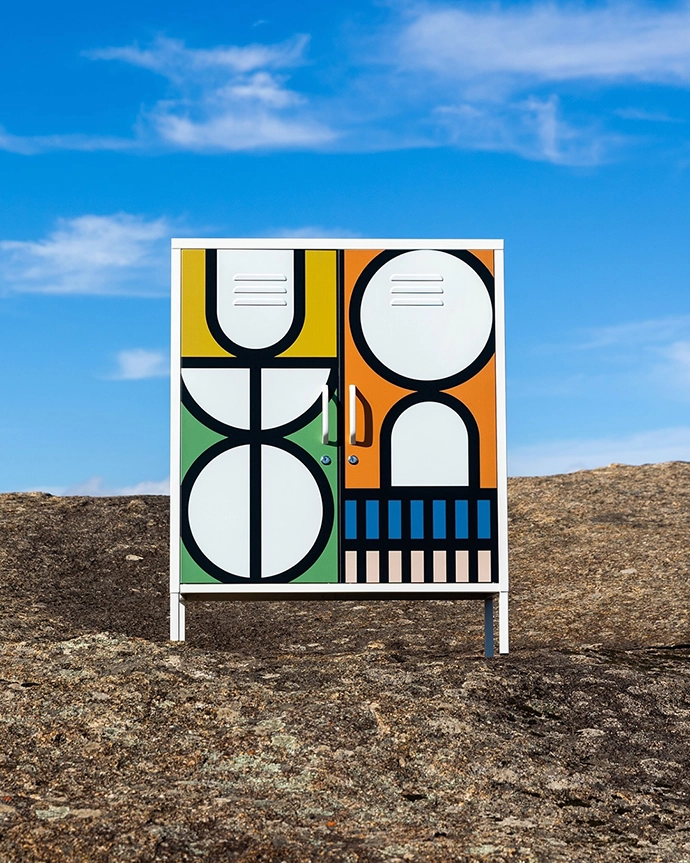
Founder of the textile and lifestyle brand Lulasclan, Bonolo treats pattern as a storytelling tool. Her work has appeared on Nando’s restaurant facades, in Mr Price Home collections, and in the rain | VISI collection, which launched in August. “At the core of my practice is an ongoing exploration of mark-making and pattern as a language that connects people, disciplines, and places,” she says. “I find my tribe in women who choose to remain joyful and full of colour despite sometimes serious working environments.” That generosity of spirit shapes her design thinking too: “My thinking always leans on creating space for women to embrace every part of themselves, their strength, softness, ambition, joy and individuality.” She sees the future of South African design as many voices at once. “It is about allowing many perspectives to exist simultaneously and, through that diversity, creating something distinctly our own.” | lulasclan.com
Keabetswe Seema
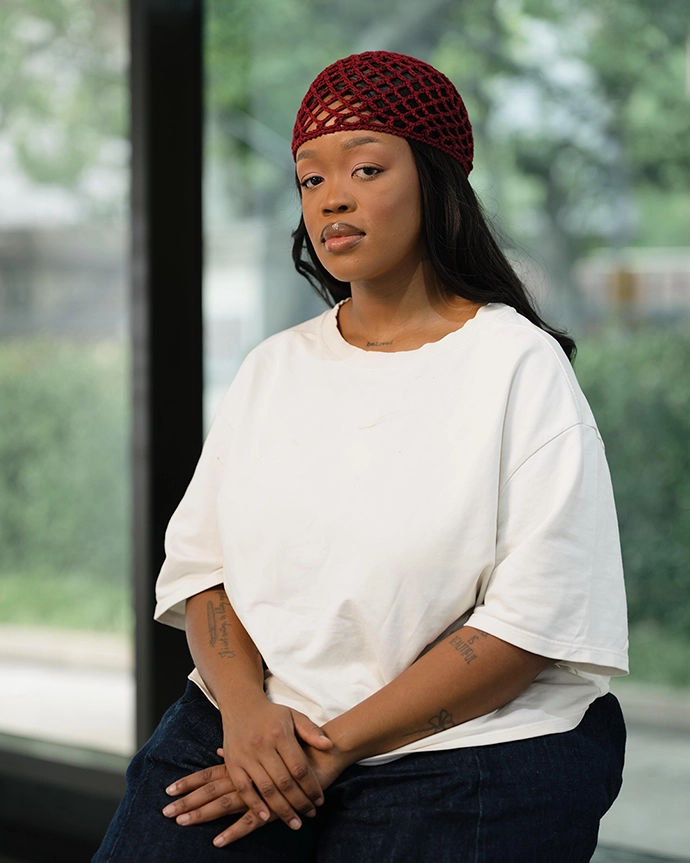
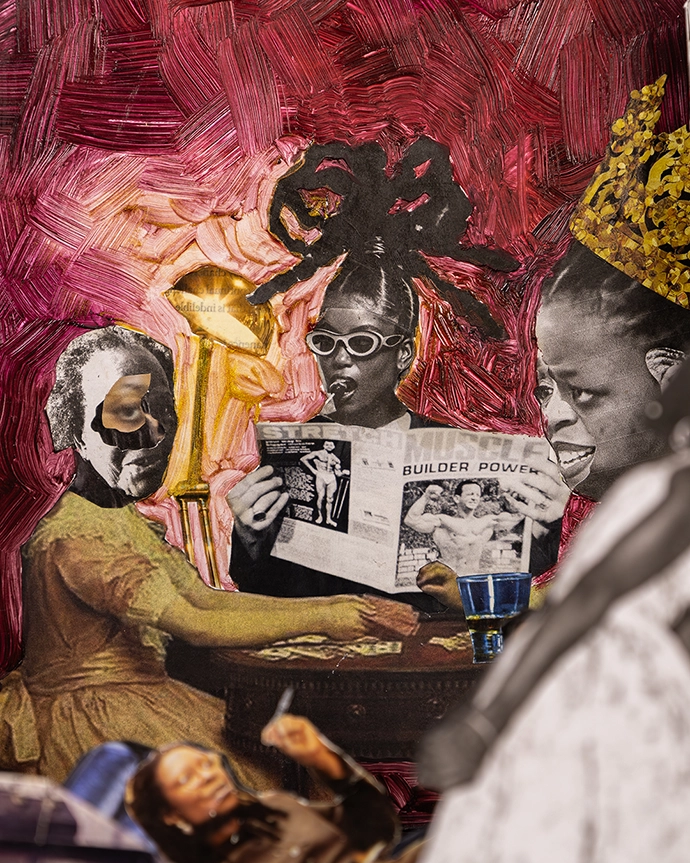
Keabetswe works across collage, photography, sound, mixed media, printmaking and installation. She sits at the juncture of Afro-surrealism, Afro-futurism and Black feminist thought, constructing layered visual worlds that collapse archival, personal and imagined narratives. Raised in a matriarchal household, she foregrounds Black women to restore their agency. “They take centre stage time and time again in order to preserve and shift the dominant narratives that have marginalised them previously,” she says. She is excited by immersive world-building: “less items simply on the wall but active embodied engagements from the audience with the art and/or design.” | @_keaseema
Tanisha Neill
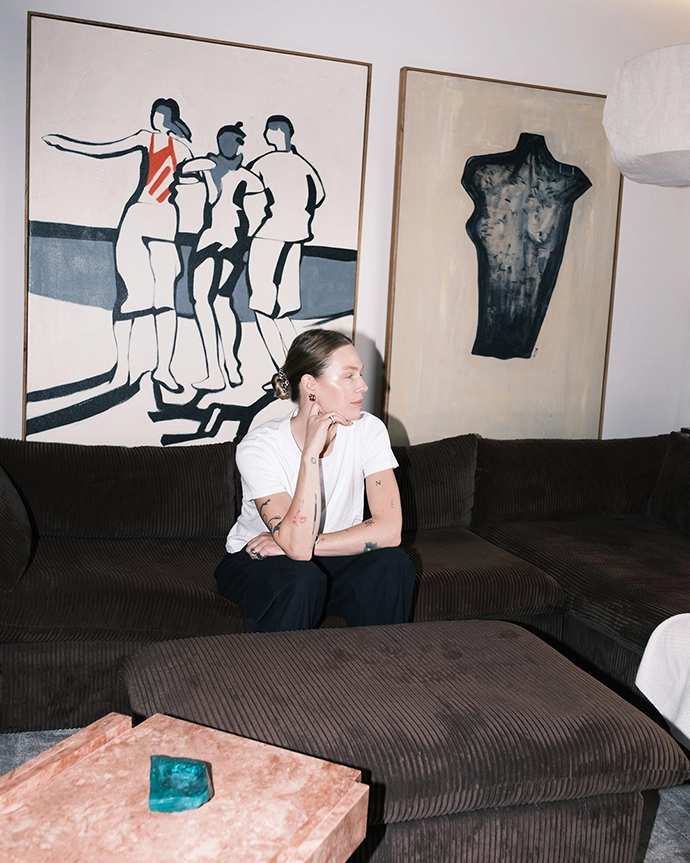
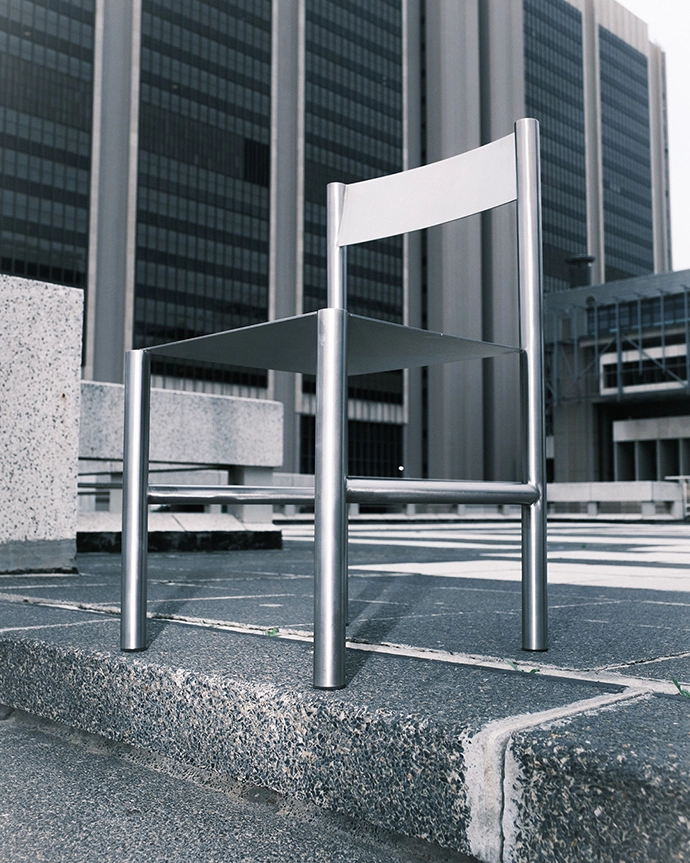
A furniture designer, Tanisha grew up surrounded by South Africa’s diverse landscapes and credits her mother’s instinct for interiors as a formative influence. She entered the industry at a moment of growth, with platforms like Cape Town Furniture Week and Design Week South Africa opening new doors for emerging designers. “The more designers look inward, understand their own perspective and build from there, the more distinctive and exciting South African design will become,” she says. Her advice: “Don’t wait until you have the perfect brand, the perfect plan or all the answers.” | nish.design
What connects these 10 women is a shared instinct to look inward before looking outward. Each studio, each practice, each piece is a statement about where South African design has come from and, more importantly, where it is capable of going.
Don’t forget to sign up to our weekly newsletter for the latest architecture and design news.