-

La Fusteria -
La Fusteria -
La Fusteria -
La Fusteria -
La Fusteria -
La Fusteria -
La Fusteria -

La Fusteria -
La Fusteria -
La Fusteria -
La Fusteria -
La Fusteria -
La Fusteria -
La Fusteria -
La Fusteria -
La Fusteria -
La Fusteria -
La Fusteria -
La Fusteria
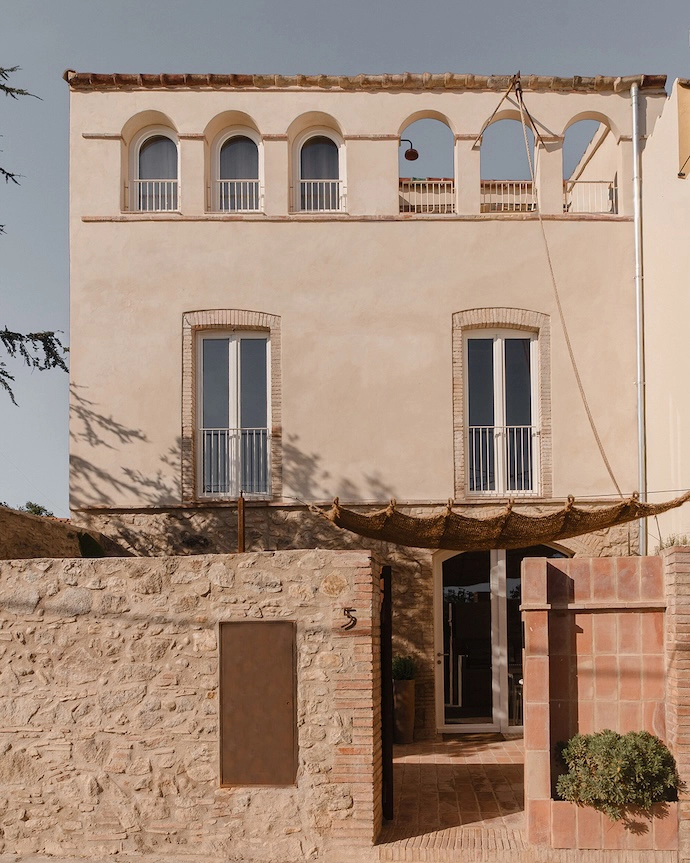
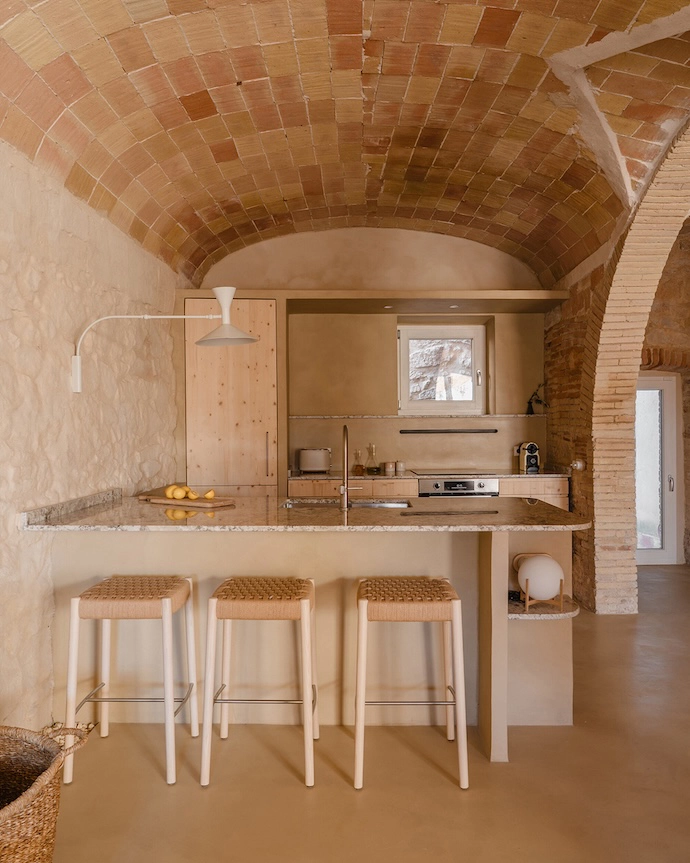
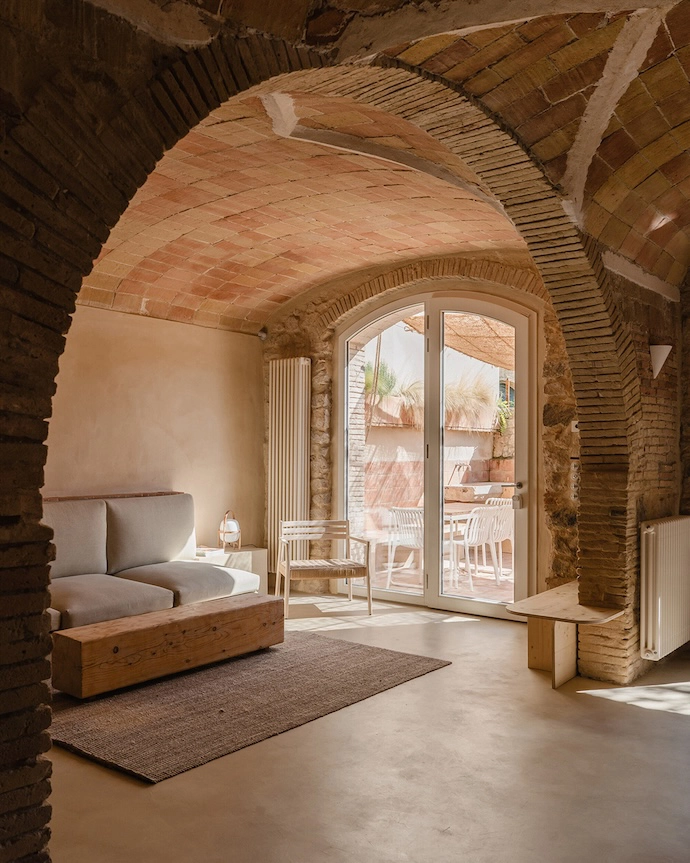
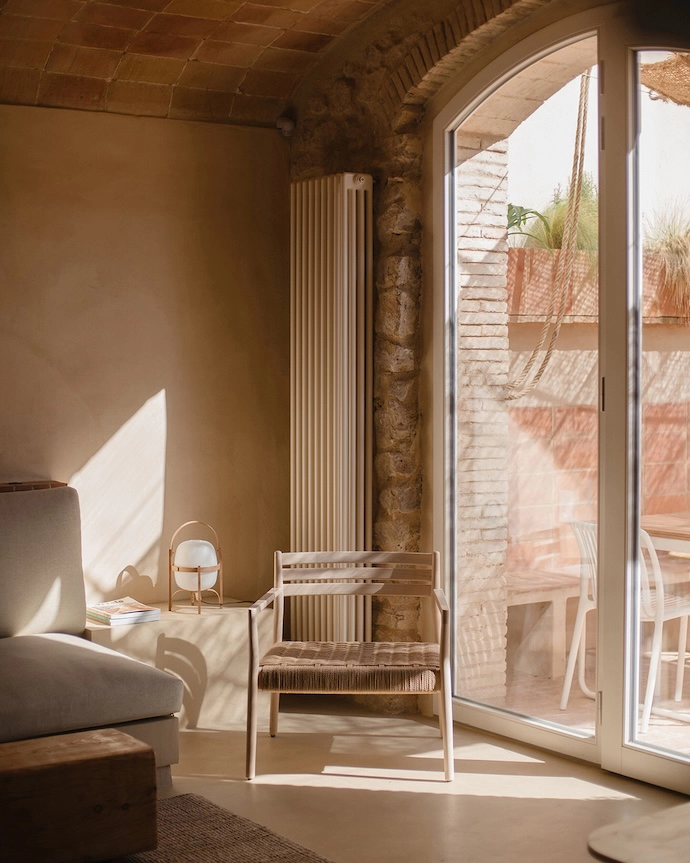
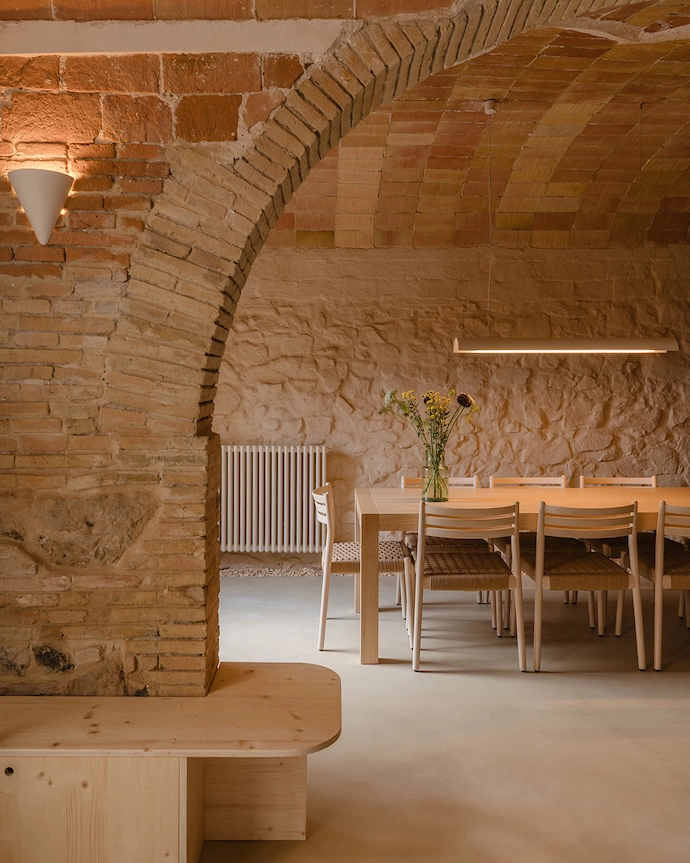
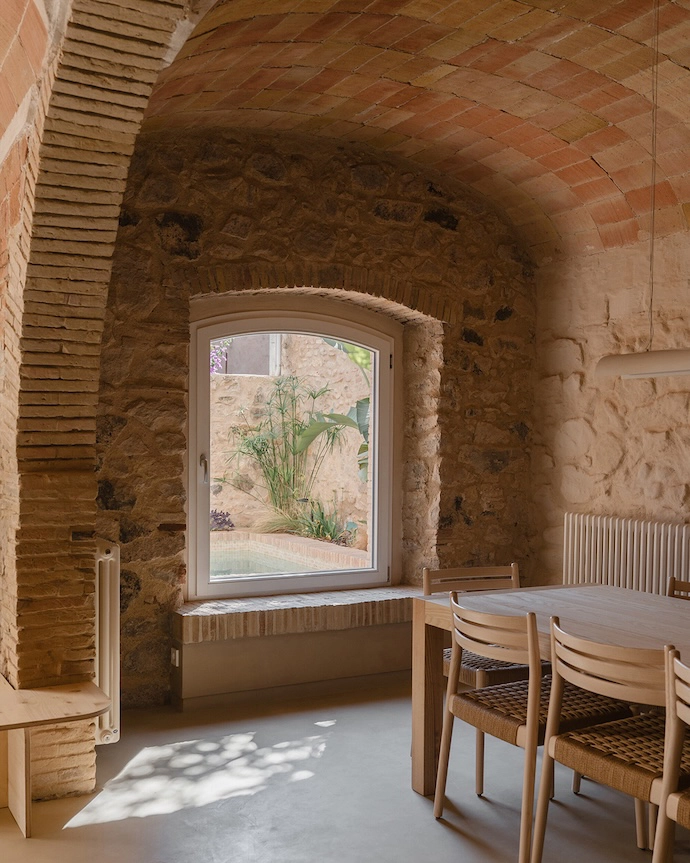
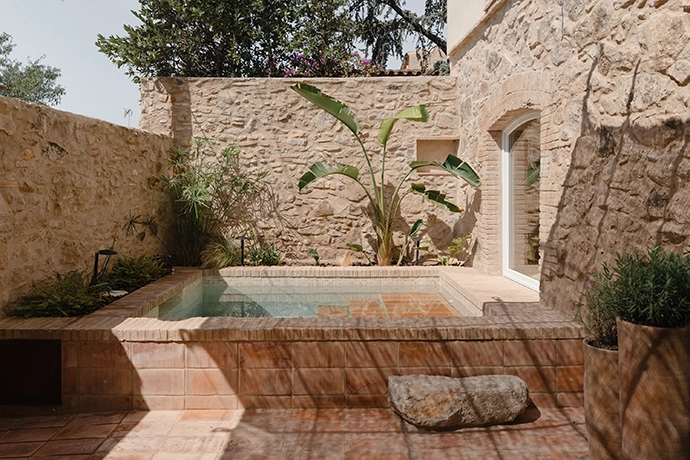
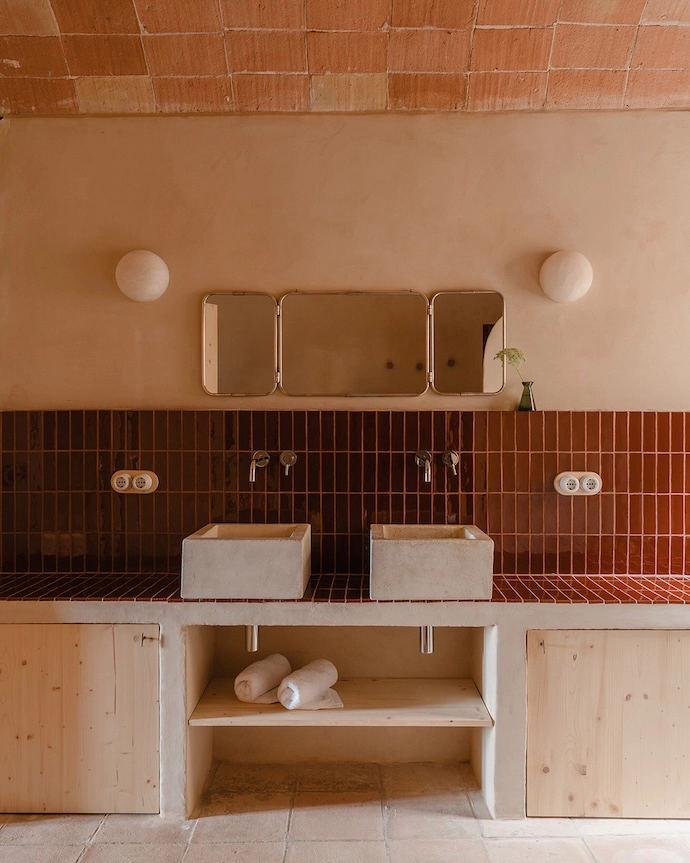
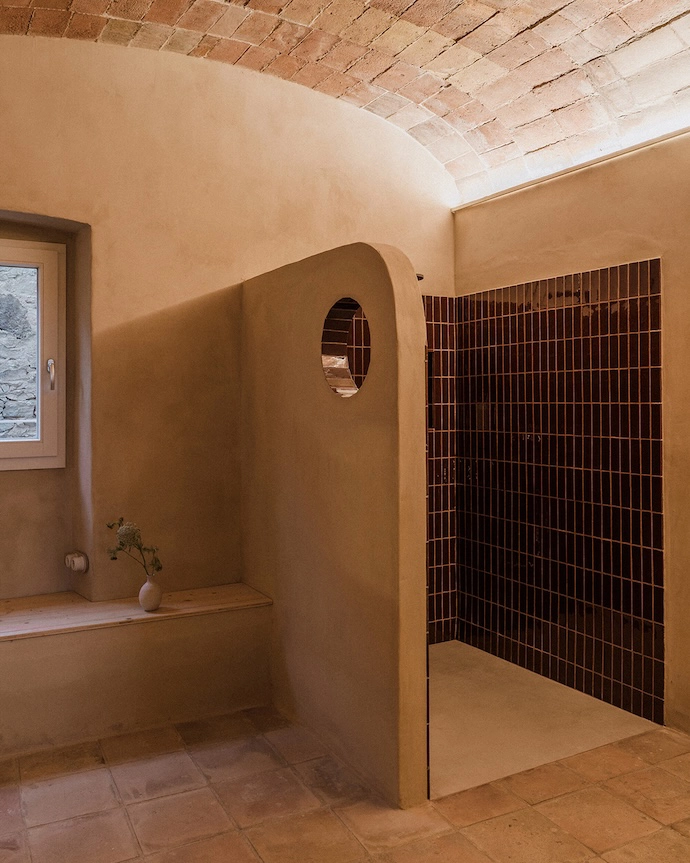
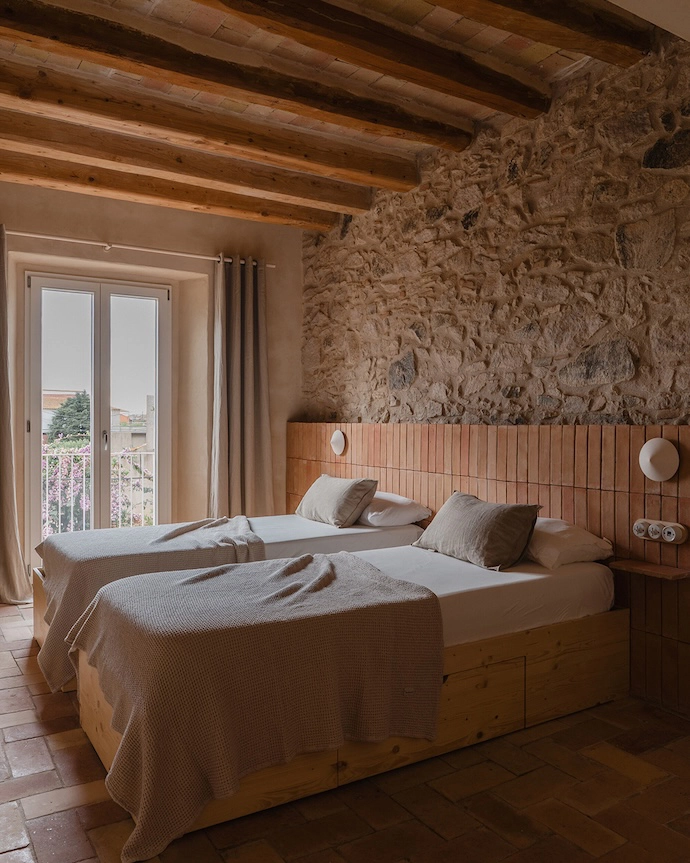
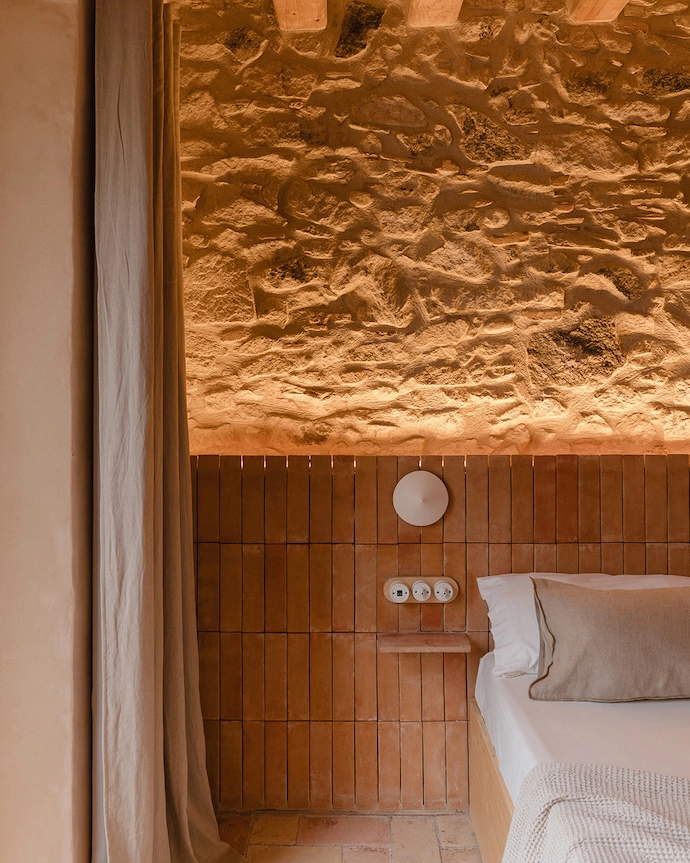
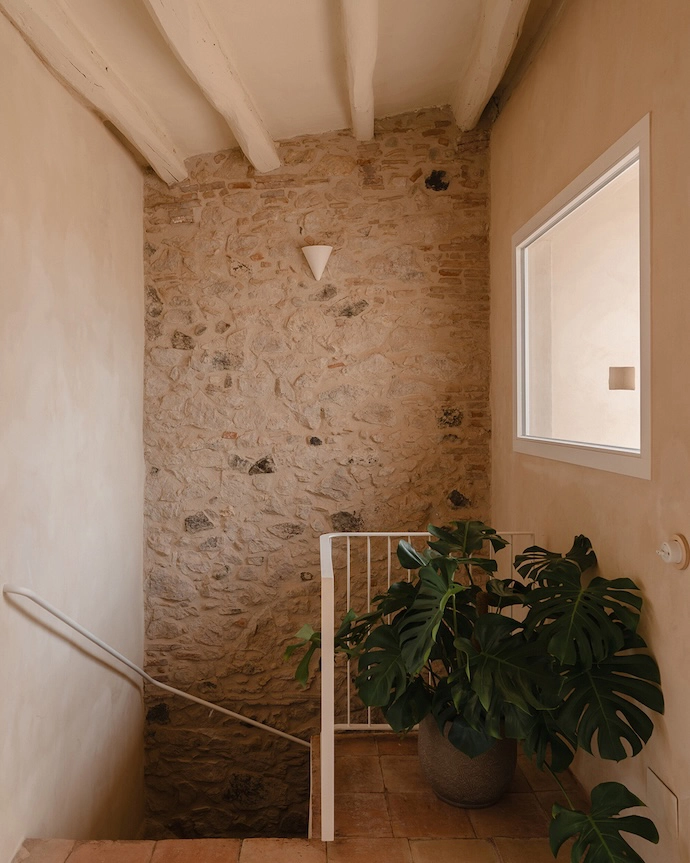
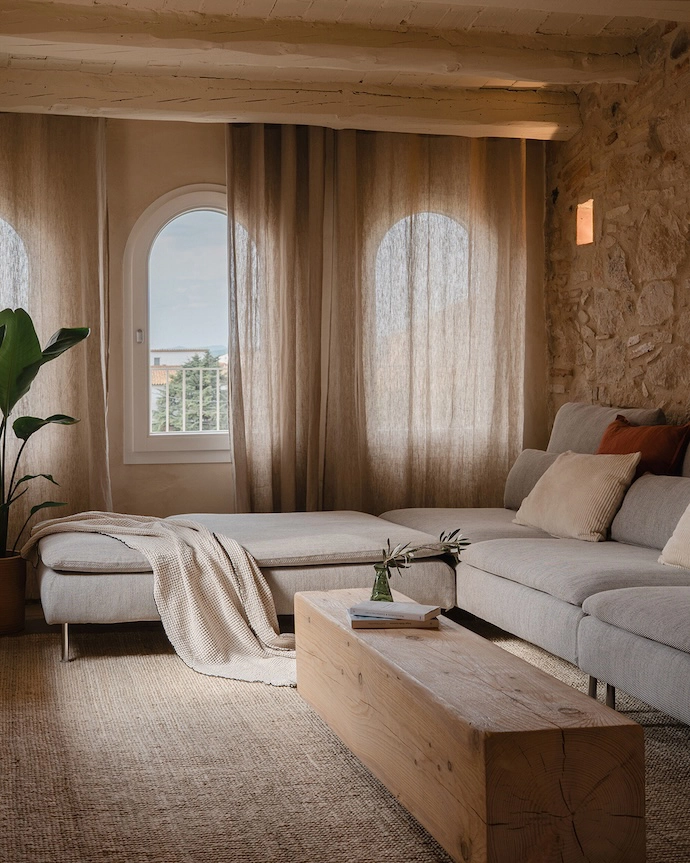
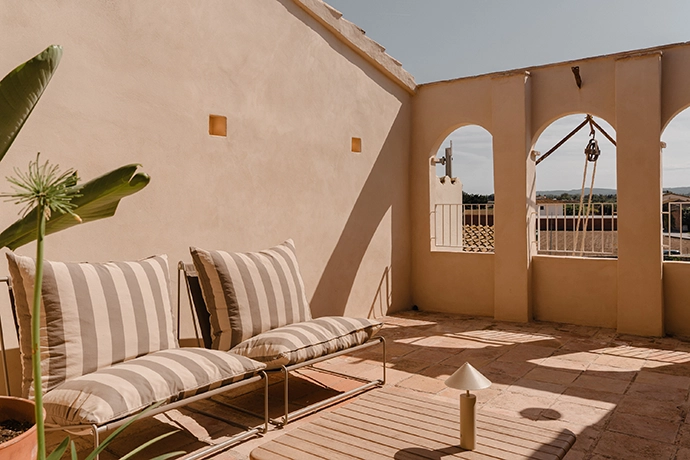
Nestled in a small village in northern Catalonia, this traditional building – a former carpentry workshop – has been transformed into a contemporary family holiday home deeply connected to its setting.
WORDS Gina Dionisio PHOTOS Montse Capdevila
The renovation of La Fusteria (Catalan for ‘carpentry’) in Alt Empordà is a perfect example of how architecture can update and extend a building’s life without compromising its character or heritage.
The Catalonia-based architecture practice Clara Crous Arquitectura was tasked with restoring and adapting the space, transforming it into a home designed for family gatherings and holiday rentals.
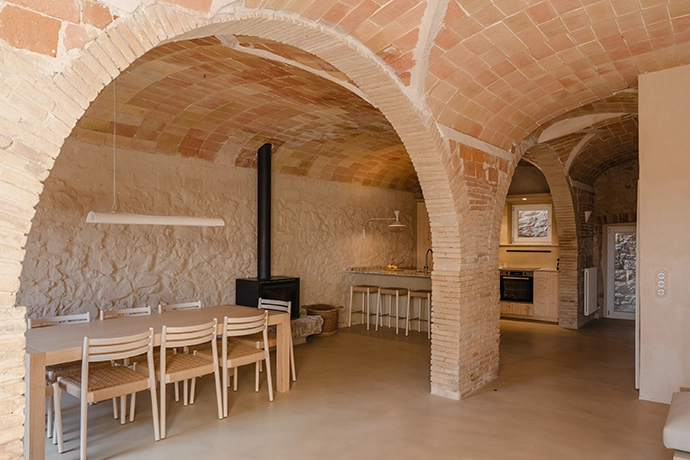
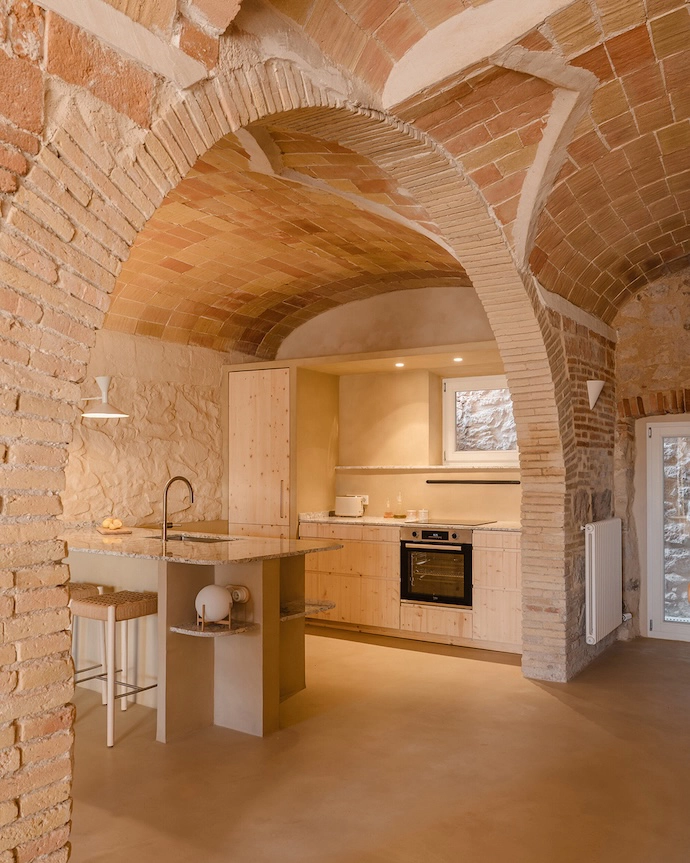
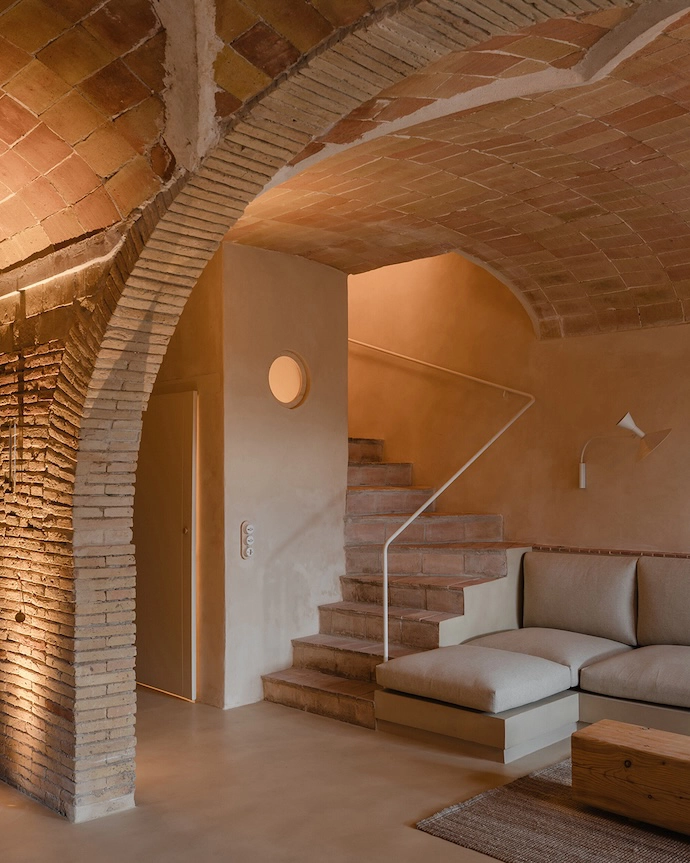
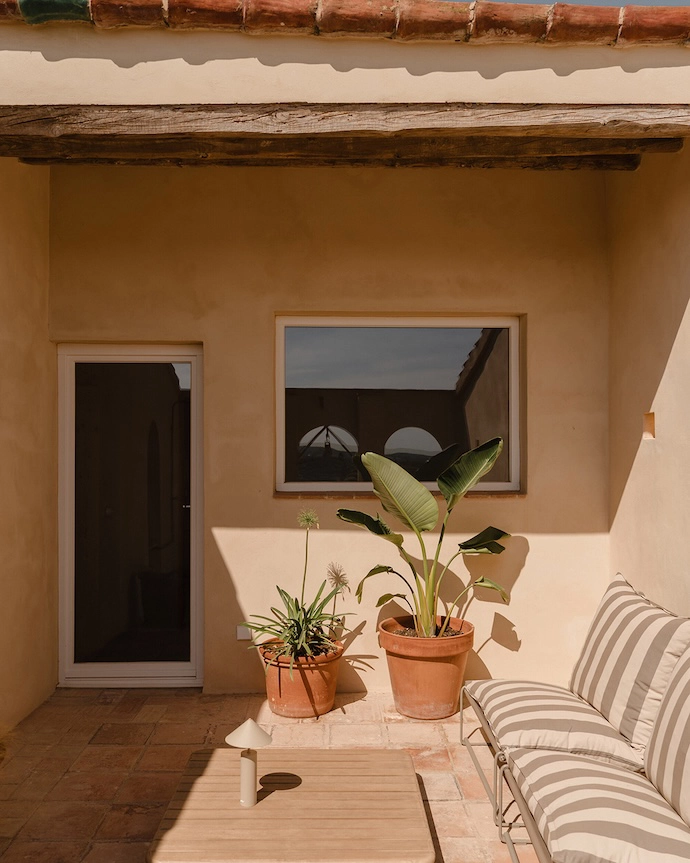
The two Catalan vaults on the ground floor – a typical feature of traditional workshops in the region – served as the primary spatial catalyst for the renovation. To improve flow and functionality without compromising the building’s identity, the architects consolidated daytime living on the ground floor, relocating the kitchen adjacent to the living area to form an open space that unfolds beneath the vaults. The more private spaces, such as bedrooms, bathrooms and a small terrace, are accommodated on the upper floors.
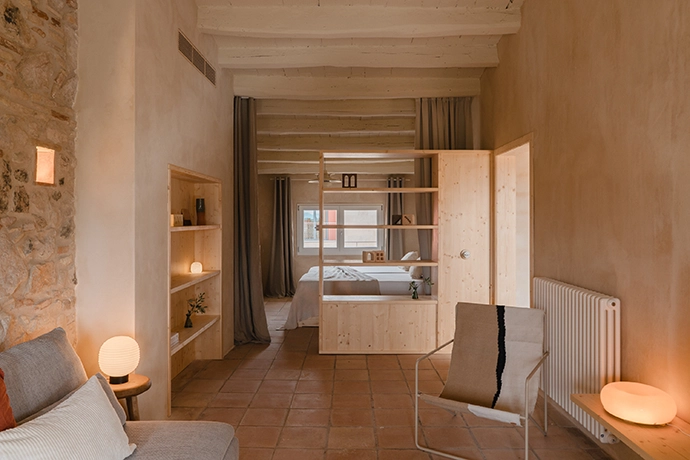
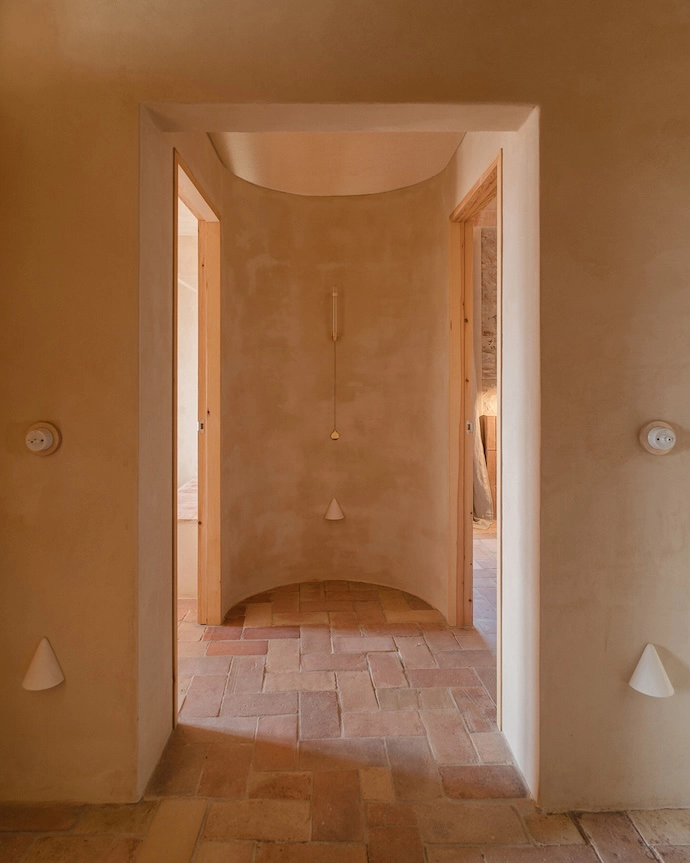
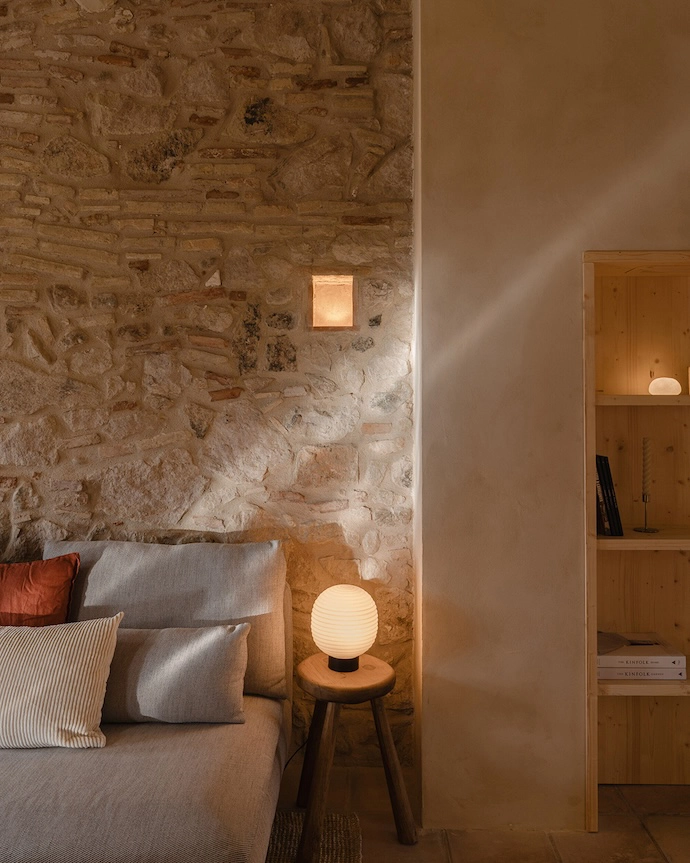
Materiality also plays a central role in preserving the building’s character. The original walls were restored with lime mortars and plasters, which allow the masonry to breathe while bringing light and texture to the interiors. The restoration of handmade toba floors and artisanal tiles further reinforces the connection to traditional materials and craftsmanship.
As a result of the sensitive renovation, La Fusteria emerges as a comfortable, contemporary home shaped by its storied past. | claracrous.com
Don’t forget to sign up to our weekly newsletter for the latest architecture and design news.