-

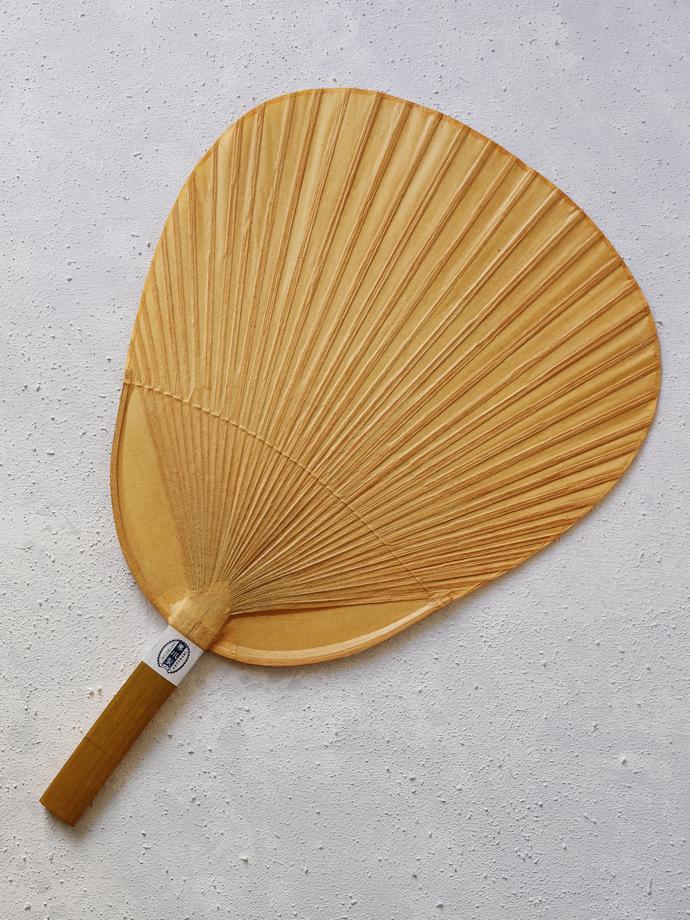
Shibu Uchiwa fan by Kutami, R600. Kutami is a town in Kumamoto Prefecture famous for its Japanese fans. The fan is made from paper and coated with persimmon tanning for durability and to repel insects. It is used to fan coals or cool rice. -
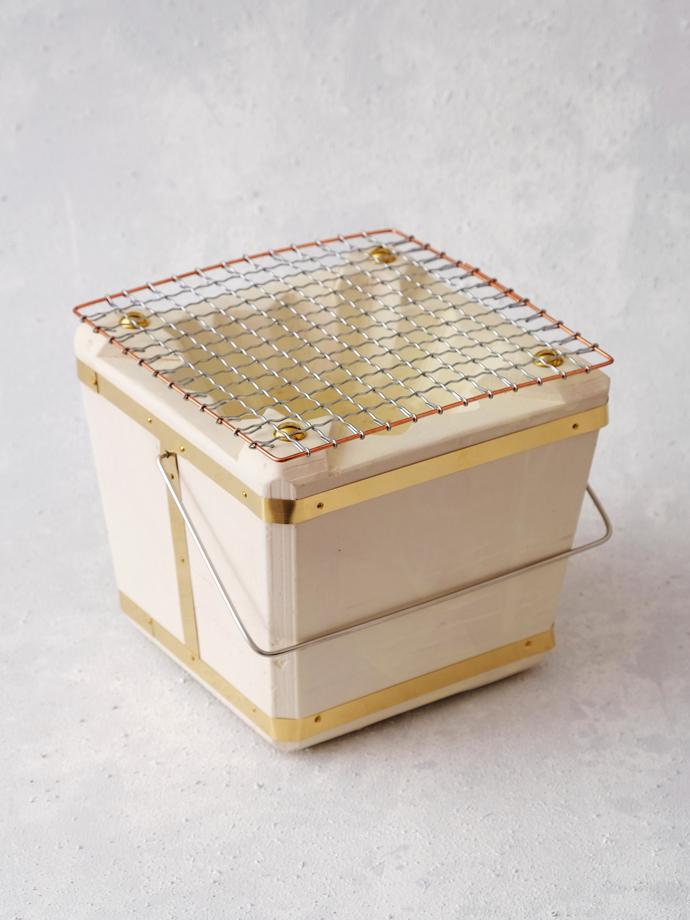
Square Shichirin (17 cm) by Noto Nenshouki, R1 150. Shichirin are traditional Japanese portable coal stoves used for cooking food at the table, or outside. They are sometimes also referred to as "hibachi" or "konro" outside of Japan. The traditional shichirin are hand cut, shaped and fired from diatomaceous earth in the Noto Peninsula of Japan. The diatomaceous earth deposits of Noto Peninsula are roughly 12 million years old. Shichirin are porous and light, with excellent insulating properties to retain heat for long periods with very little charcoal. -
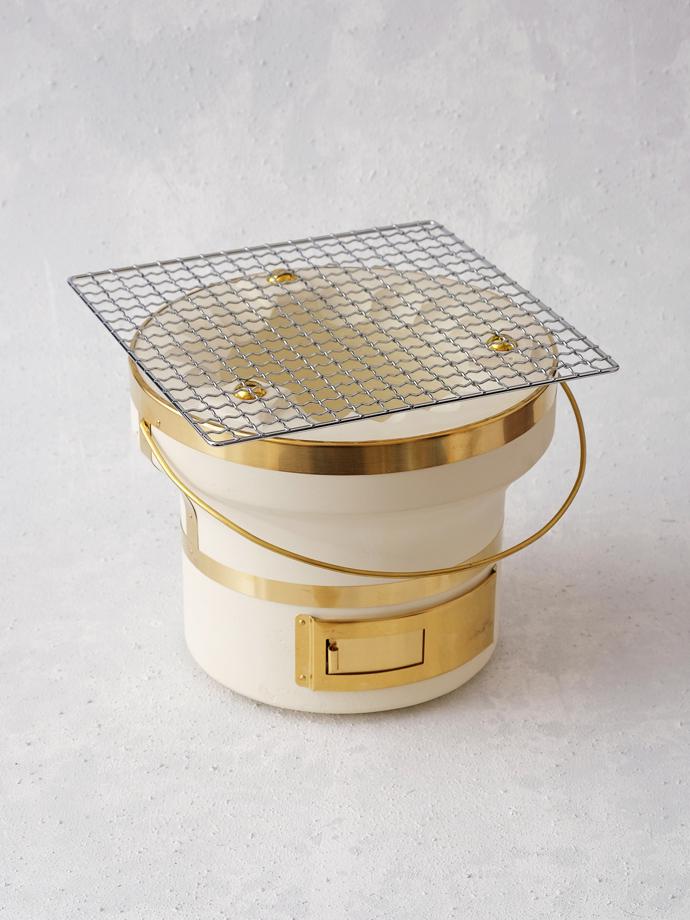
Round Shichirin (21 cm diameter) by Noto Nenshouki, R1 350. Shichirin are traditional Japanese portable coal stoves used for cooking food at the table, or outside. They are sometimes also referred to as "hibachi" or "konro" outside of Japan. The round shape shichirin is called an "asagao" shichirin, which references the shapes of a morning glory flower. The traditional ones are hand cut, shaped and fired from diatomaceous earth in the Noto Peninsula of Japan. The diatomaceous earth deposits of Noto Peninsula are roughly 12 million years old. Shichirin are porous and light, with excellent insulating properties to retain heat for long periods with very little charcoal. Noto Nenshouki is a fourth generation family business still manufacturing shichirin by hand. -
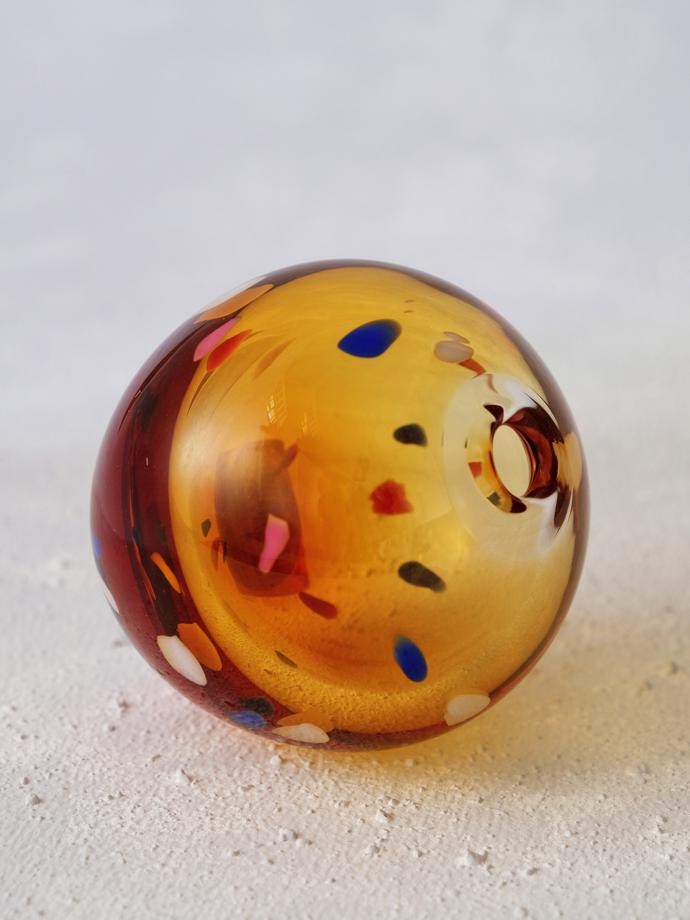
Hand-blown "irotemari" flower pots by Tsugaru Vidro, R400. "Irotemari" literally means colourful or vivid hand balls, named after the traditional thread balls produced throughout the centuries in Japan. They are palm-sized hand-blown glass flower pots designed with a small hole to showcase the season by placing a single flower or cutting as a display item, either on its own, or in combination with others. Available in amber or clear glass. -

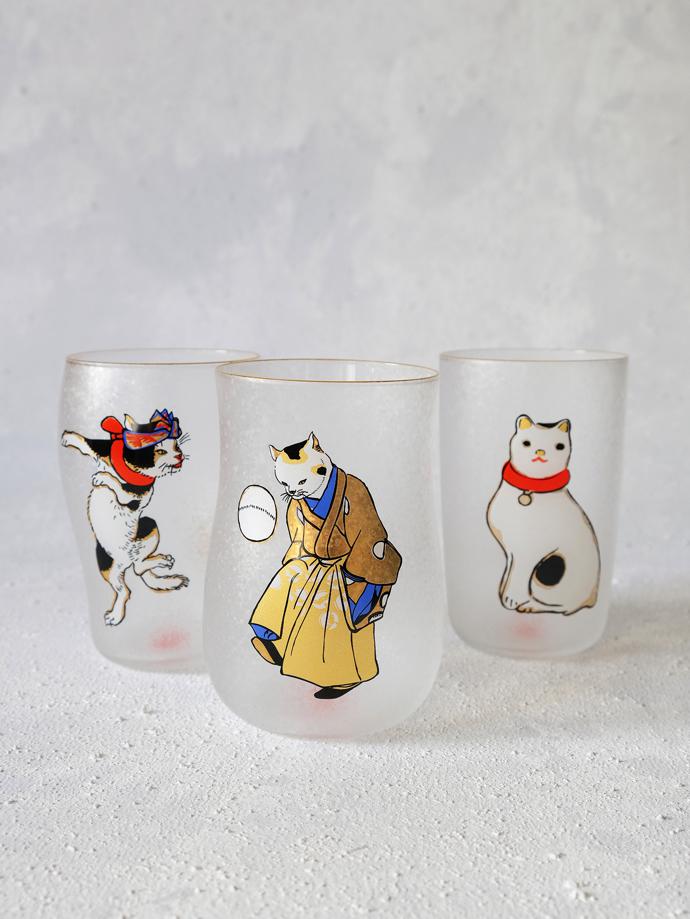
"Edo Cats" craft beer tasting glasses (set of 3) by Aderia, R680. Set of three "Edo Neko" craft beer tasting glasses, decorated with cats drawn by Utagawa Kuniyoshi (1798-1861), one of Japan's great masters of ukiyo-e style woodblock prints. They are tasting size (240 - 280 ml), individually wrapped, and packaged in a custom wooden box. -
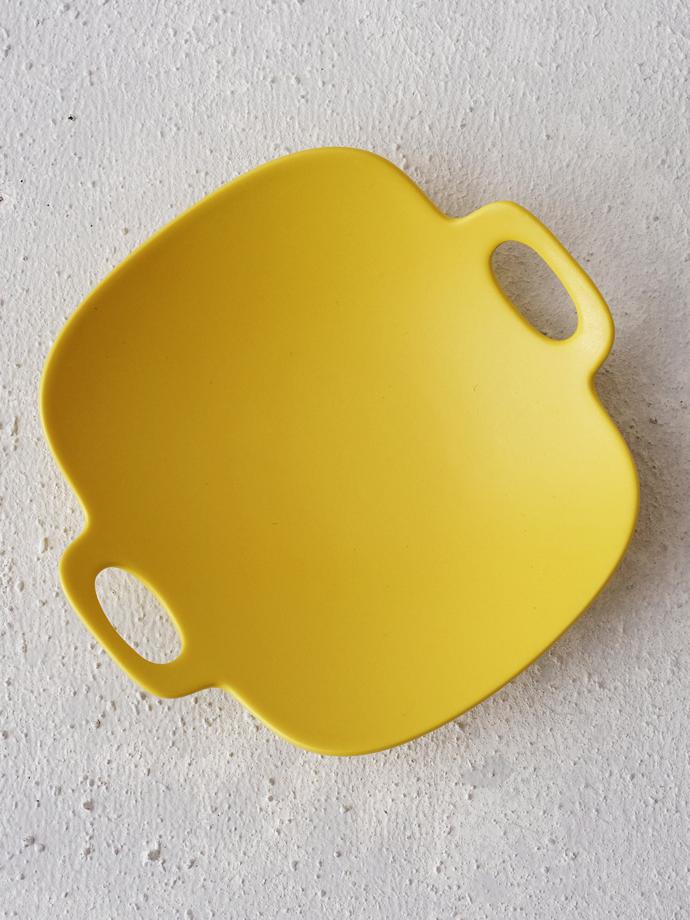
Bon voyage plate (SS - yellow) by yumiko iihoshi porcelain, R460. The bon voyage range is described as "portable porcelain - a range intended to be taken on travels. Bon voyage will make you feel at home in any situation. Upon returning home, the pieces will retain memories and from your trip." The SS plate is available as a single plate in three colours - gray, green and yellow. Each plate is individually wrapped and packaged in a sturdy cardboard box, allowing you to mix and match a collection of yumiko iihoshi porcelain pieces from different ranges, and based on your individual preference. The gray and green plates are also available in a larger S size. -
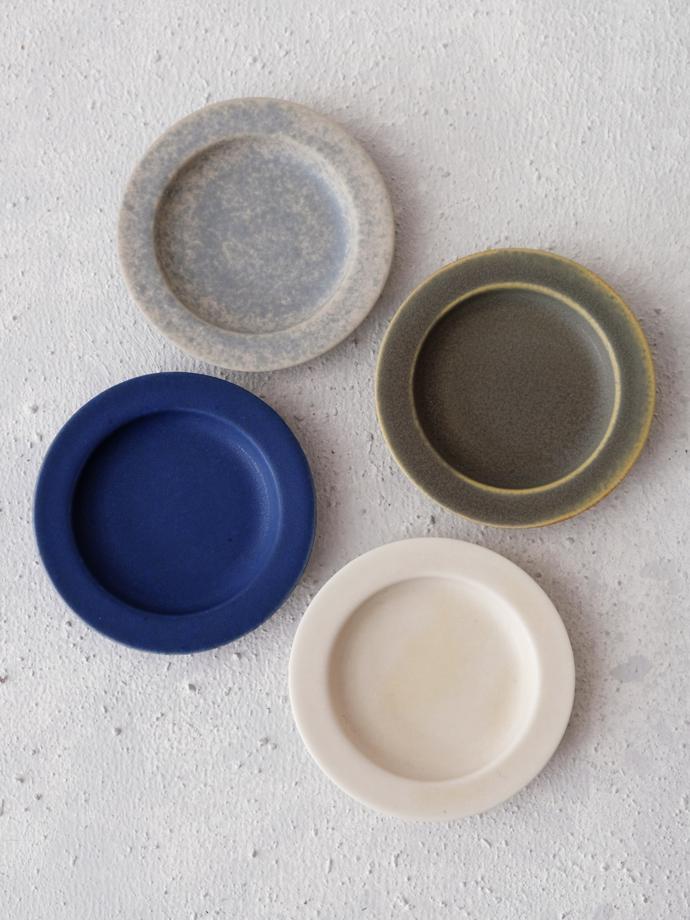
Unjour nuit plate (SS - various colours) by yumiko iihoshi porcelain, R170. The unjour (one day) range comprises different sizes plates, cups and bowls for different size meals during the day. The SS plates are intended for a midnight snack, or for condiments at a meal. yumiko iihoshi porcelain specialises in simple, understated, everyday ceramics for home or restaurant use. Items can be mixed and matched individually. -
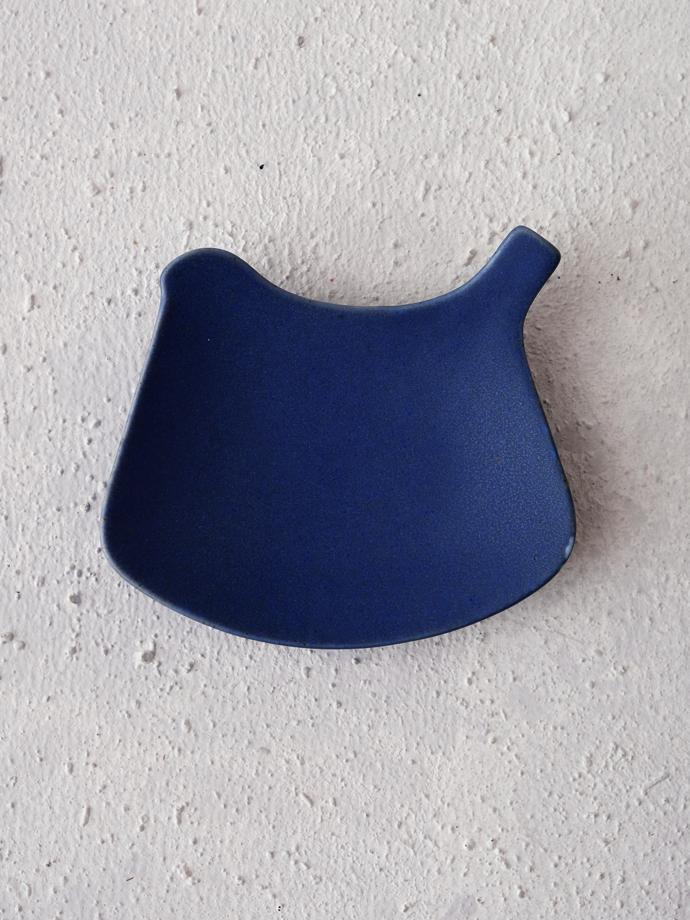
Tori plate - ruri (blue) by yumiko iihoshi porcelain, R220. Small, bird-shaped plate to use as a spoon rest or for tea bags. yumiko iihoshi porcelain specialises in simple, understated everyday ceramics for home or restaurant use. Items can be mixed and matched individually. -
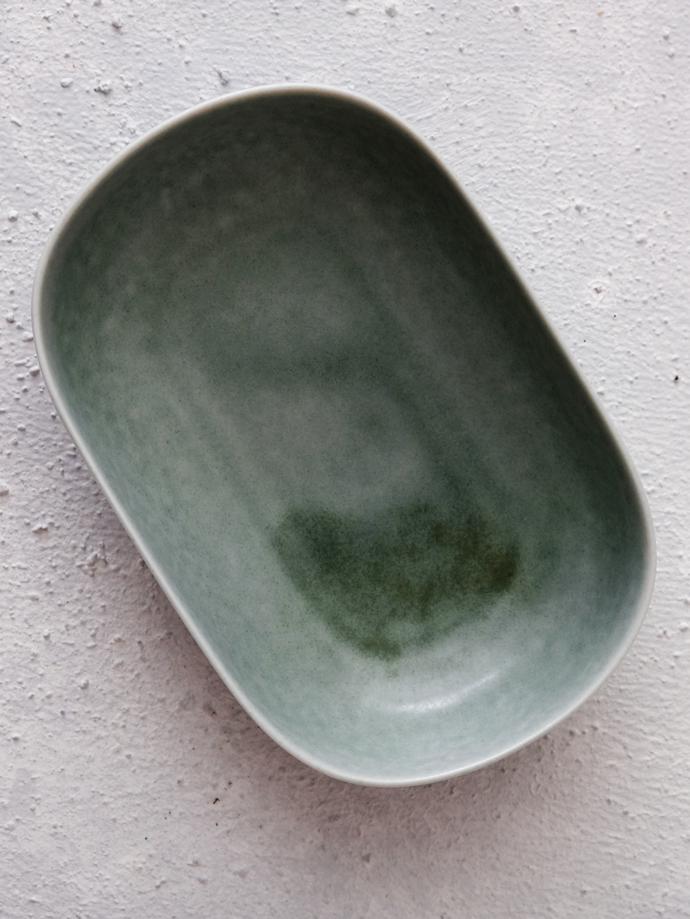
ReiRABO Oval Plate (M - spring mint green) by yumiko iihoshi porcelain, R500. Hand-glazed oval-shaped porcelain plate with high edges. yumiko iihoshi porcelain specialises in simple, understated, everyday ceramics for home or restaurant use. Items can be mixed and matched individually. -
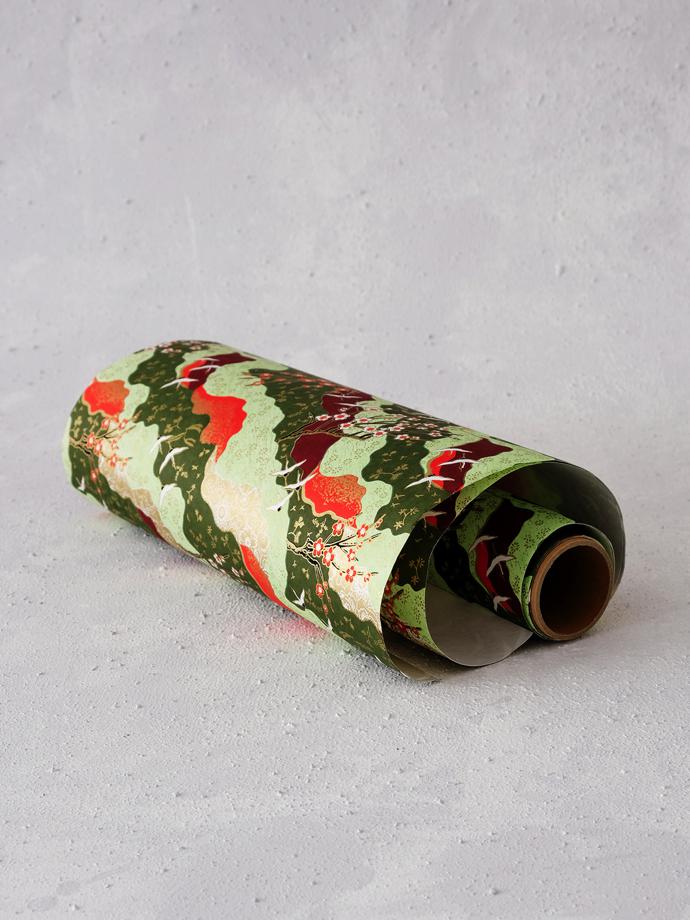
Patterned Yuzen Paper by WACCA, R160. Yuzen / Chiyagami paper is printed with traditional patterns derived from kimono designs and are used to cover tea tins, or to wrap items. Each roll contains two 63 x 24 cm sheets of hand-made paper. -
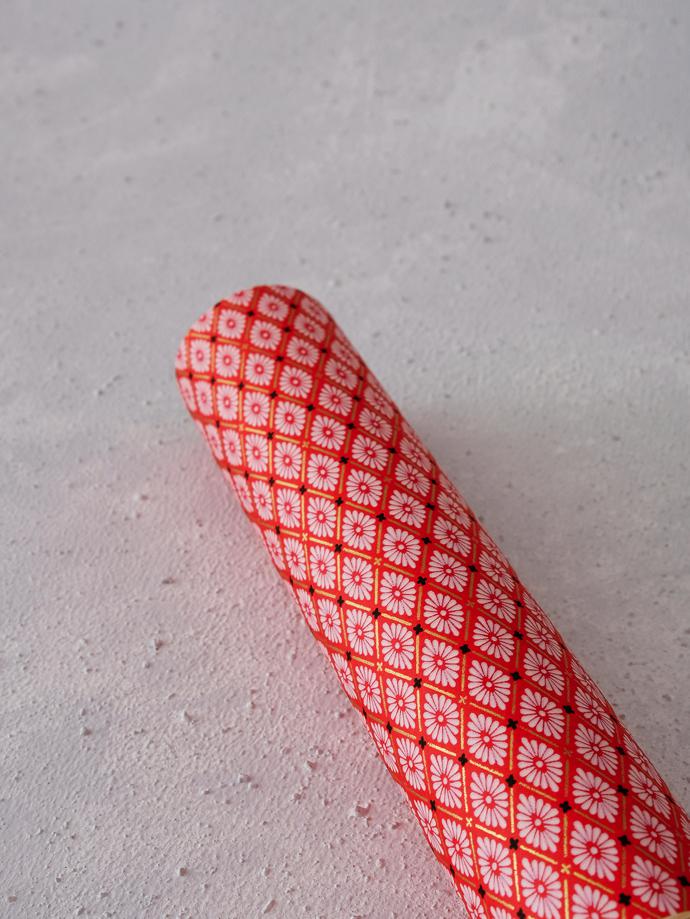
Patterned Yuzen Paper by WACCA, R160. Yuzen / Chiyagami paper is printed with traditional patterns derived from kimono designs and are used to cover tea tins, or to wrap items. Each roll contains two 63 x 24 cm sheets of hand-made paper. -

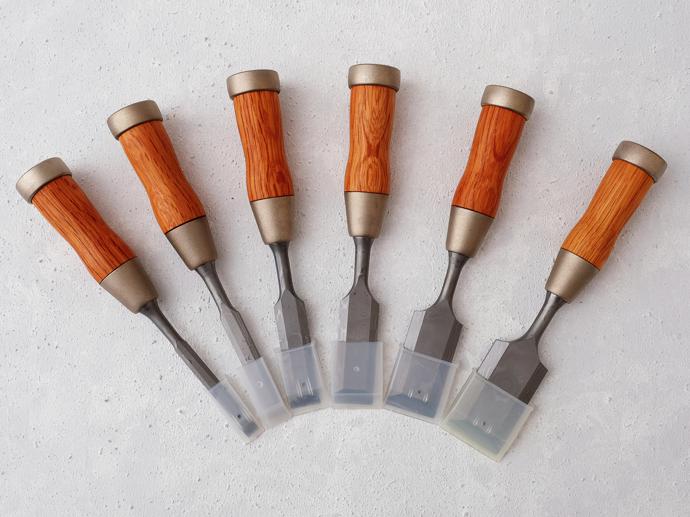
"Tanryo" Wood Chisel Set (6 chisels) by Kakuri, R5 900. High quality set of six chisels with different blade dimensions. The blades are made from Hitachi blue paper steel, laminated with an outer softer steel to have a beautiful damascus-style finish. The handles are from Japanese Red Oak and include steel ferrules at the tips to ensure a long usage life. The chisels are packed in a custom Paulownia wooden box. Kakuri Corporation is a company based in Sanjo, Niigata Prefecture. It was established in 1946 and its philosophy is to promote "a rich life through tools." -
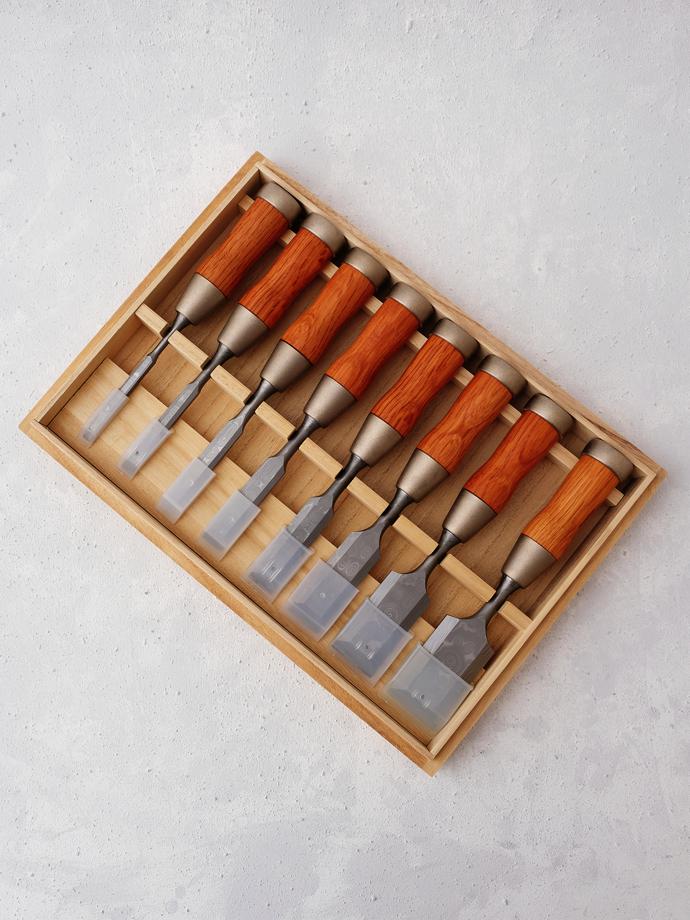
"Tanryo" Wood Chisel Set (8 chisels) by Kakuri, R7 800. High quality set of eight chisels with different blade dimensions. The blades are made from Hitachi blue paper steel, laminated with an outer softer steel to have a beautiful damascus-style finish. The handles are from Japanese Red Oak and include steel ferrules at the tips to ensure a long usage life. The chisels are packed in a custom Paulownia wooden box. Kakuri Corporation is a company based in Sanjo, Niigata Prefecture. It was established in 1946 and its philosophy is to promote "a rich life through tools." -
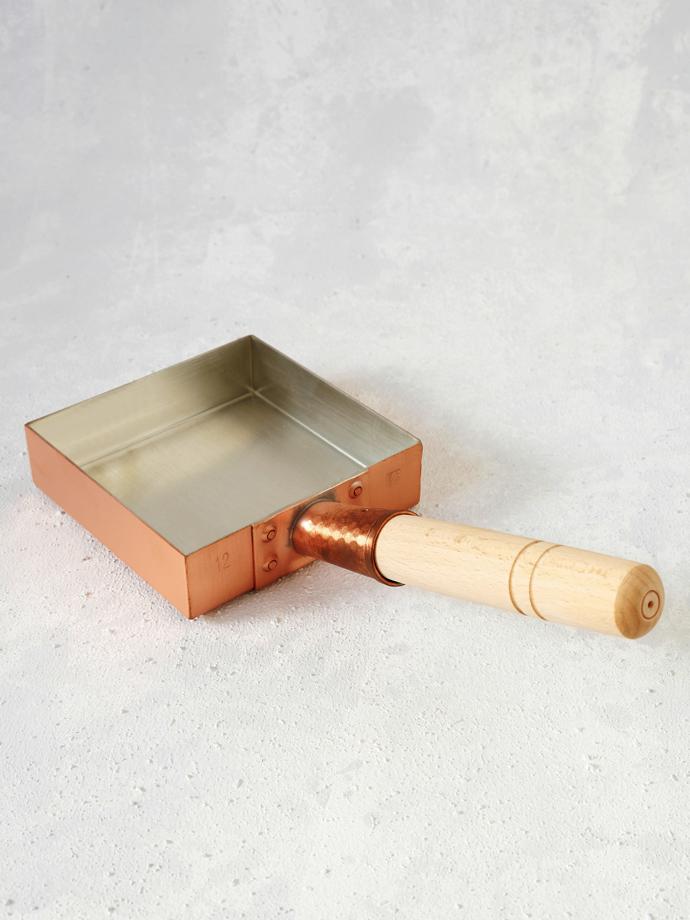
Square copper tamagoyaki pan (12cm) by Kobo Aizawa, R900. Square copper pan for making Japanese-style folded/ rolled omelettes (tamagoyaki). -
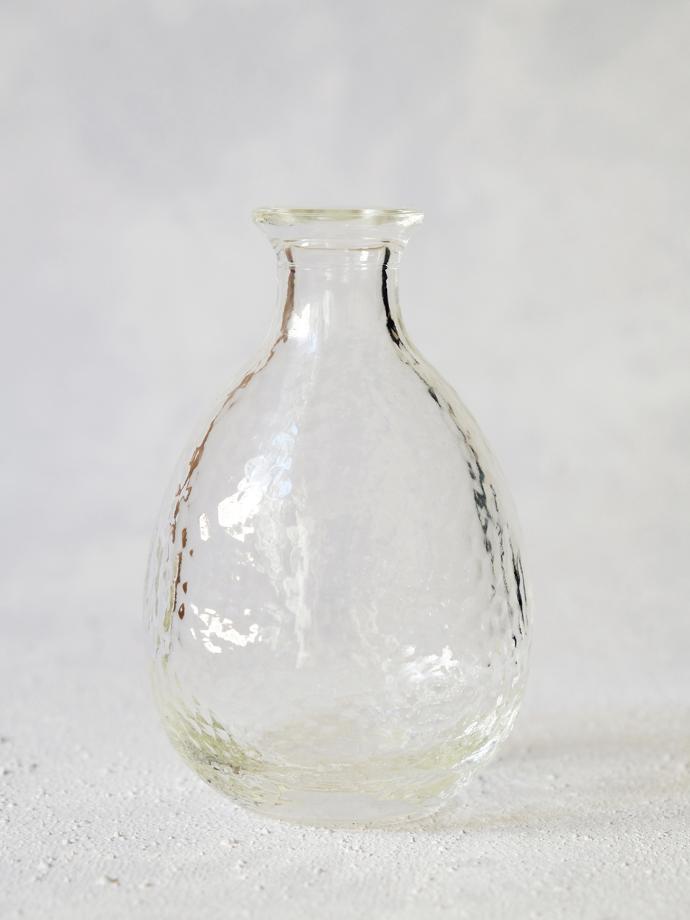
Hand-blown glass sake carafe by Tsugaru Vidro, R320. Tsugaru Vidro is a glass blowing factory in Aomori Prefecture. The textured glass allows for cooling or heating sake to retain its temperature and is ideal with a 3-cup glass set. -
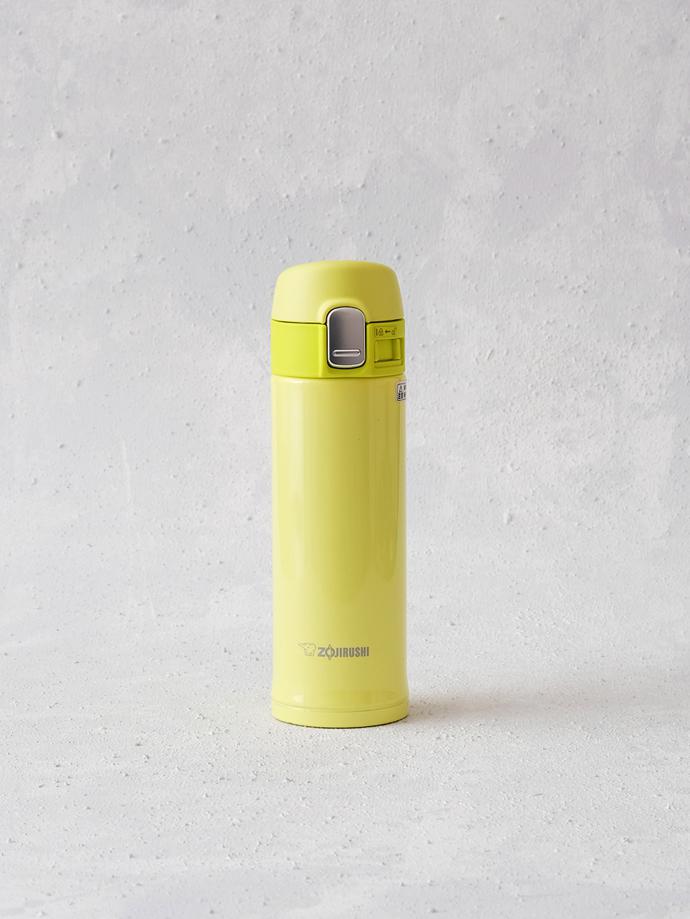
300ml Stainless Vacuum Flask (Lime Yellow) by Zojirushi, R450. 300 ml stainless steel vacuum flask for hot or cold beverages, with one hand touch open and lock mechanism. It has a 3 cm wide mouth for easy drinking. It maintains hot liquids at 85°C for one hour and at 69°C for up to six hours, and cold liquids at 9°C for up to six hours. Zojirushi was established in 1918 and is known as Japan's famous "elephant brand". -
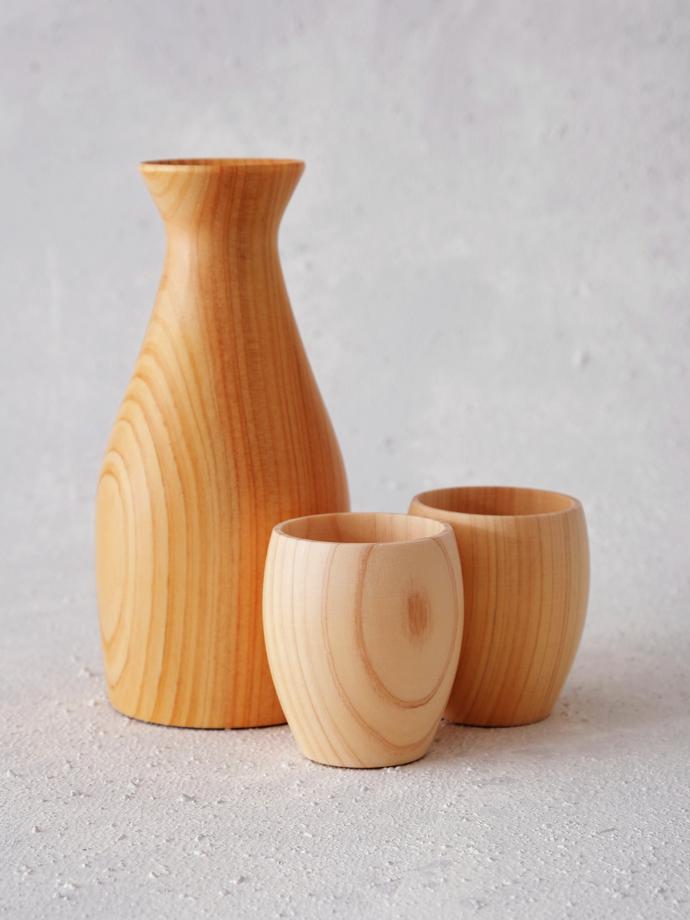
Hinoki Cedar Sake Set by Yamacoh, R980. Sake set of carafe and two cups, made from 100-year old Hinoki cedar wood, which adds a particular fragrance and aroma to sake. -
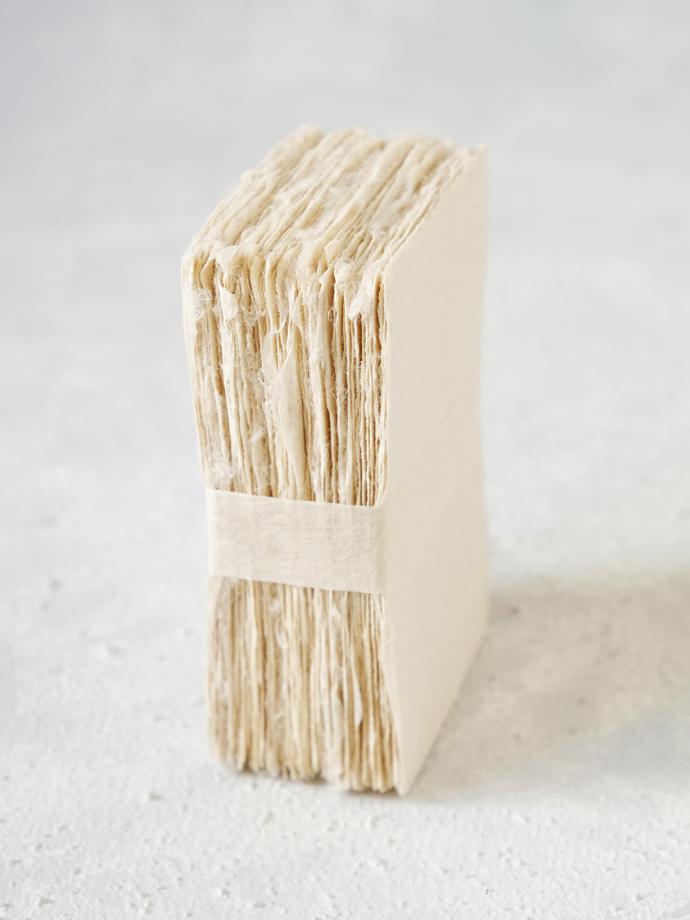
Hand-torn blank washi business cards (pack of 50) by WACCA, R850. Made from paper pulp and bark to add rigidity. Made in the Ogawa region and the intent is to apply your own logo or design. -
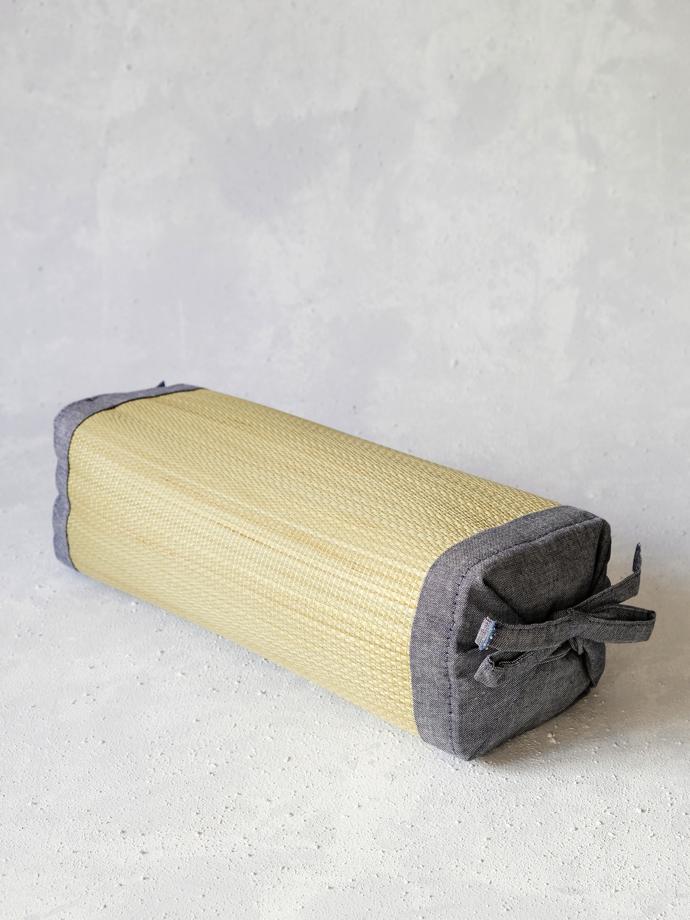
Tatami box cushion by Ikehiko, R480. This tatami box cushion is made by Ikehiko Corporation, established in 1886. It is made of natural Japanese igusa rush, the same as used to make traditional tatami mats. Igusa has a natural, grassy fragrance and acts as a deodorizer, while being very moisture absorbent. The cushion edges are made from blue denim. -
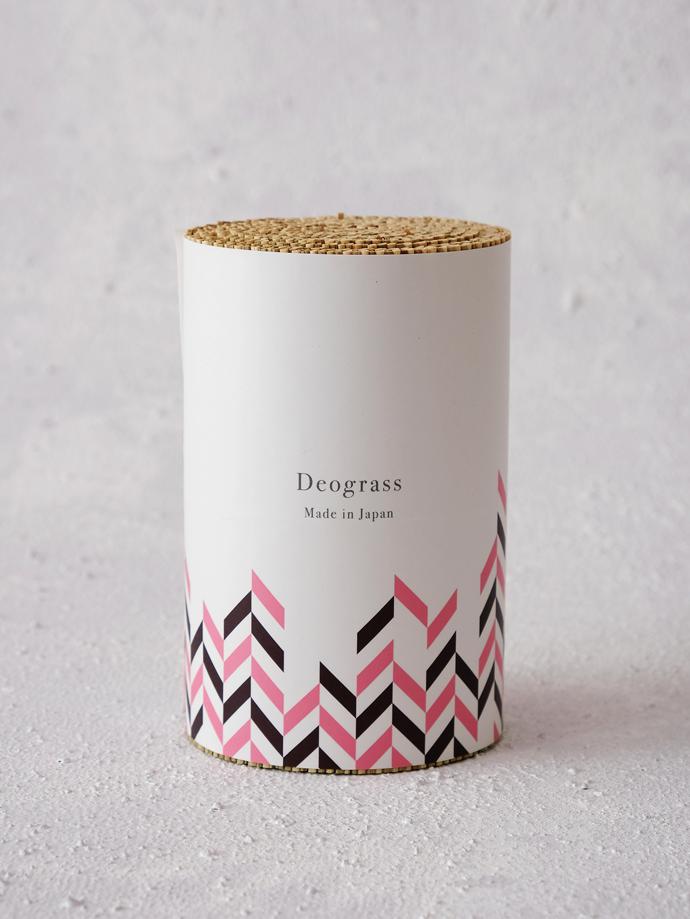
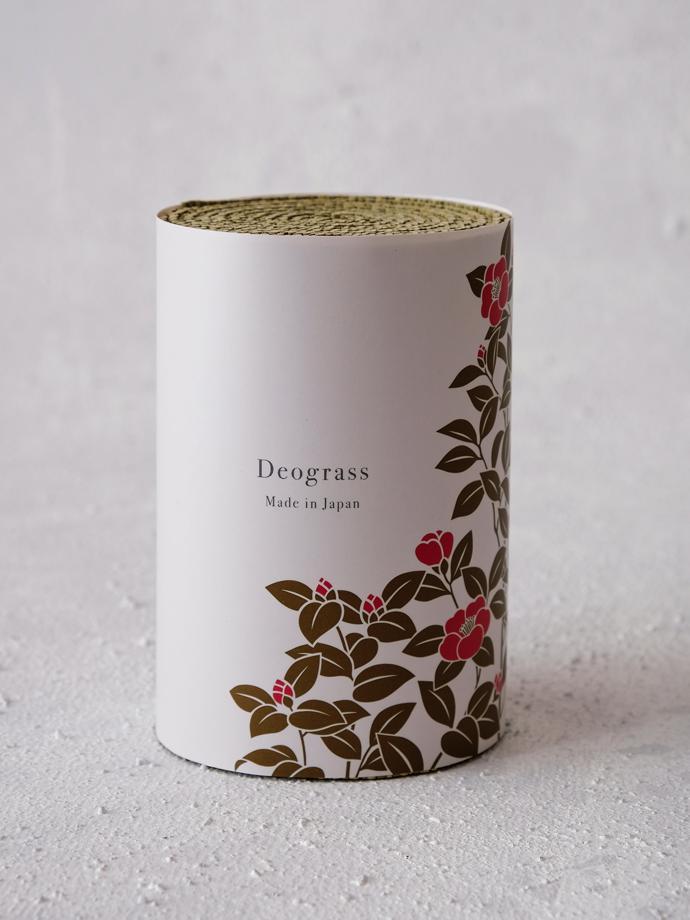
Deo-Grass Tatami Air Freshener by Ikehiko, R220. The Deo-Grass air freshener is made of natural Japanese igusa rush, the same as used to make traditional tatami mats. The overlapping honeycomb-like hexagonal structures found inside each stalk allows igusa to absorb formaldehyde, nitrogen dioxide and unwanted odours. Igusa is also a deodorizer as it contains phytoncides - antimicrobial organic compounds - which emit a natural, grassy fragrance, to freshen the air. Igusa is 2.5 times as moisture absorbent as cotton. Available in different designs. -
Deo-Grass Tatami Air Freshener by Ikehiko, R220. The Deo-Grass air freshener is made of natural Japanese igusa rush, the same as used to make traditional tatami mats. The overlapping honeycomb-like hexagonal structures found inside each stalk allows igusa to absorb formaldehyde, nitrogen dioxide and unwanted odours. Igusa is also a deodorizer as it contains phytoncides - antimicrobial organic compounds - which emit a natural, grassy fragrance, to freshen the air. Igusa is 2.5 times as moisture absorbent as cotton. Available in different designs. -
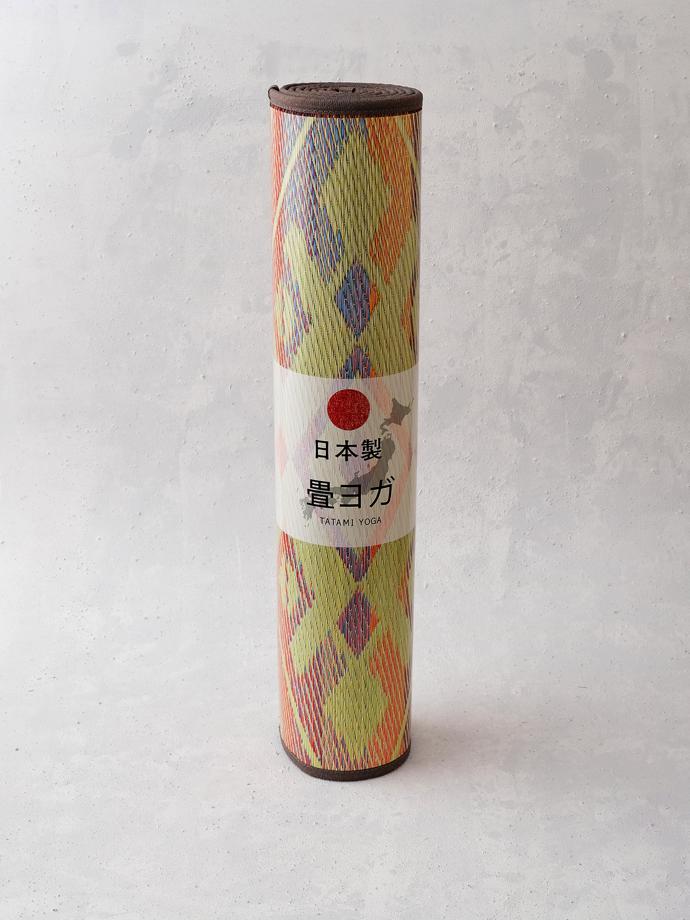
Tatami Yoga Mat by Ikehiko, R1 650. Made of natural Japanese igusa rush, the same as used to make traditional tatami mats. The yoga mat is non-slip, with a 4mm PVC backing and stitched with a polyester border to ensure it maintains its rigidity and shape. It rolls up tightly and can be easily transported to a yoga class or on a holiday break. The yoga mat can also be used as a day-time sleeping or meditation mat, or a runner rug. -
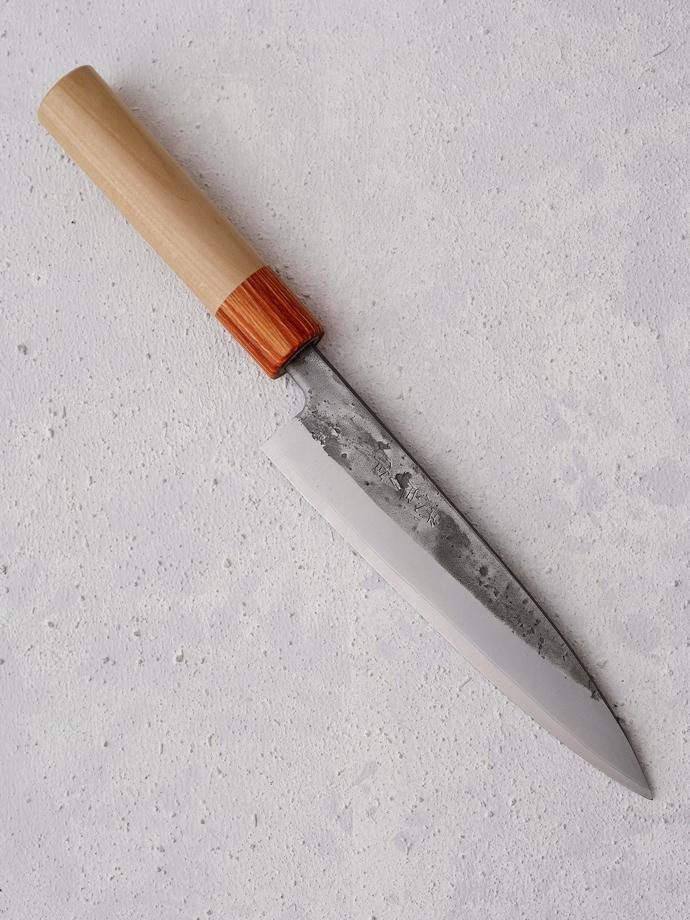
Hiraki Knife (165 mm) by Tadafusa, R2 100. The hiraki is a filleting knife often used for fish, but can also be used as a slightly smaller chef's knife. The handle is magnolia wood and the blade is stainless laminated blue paper steel with a "nashi-ji", or pear skin finish. Tadafusa is a third generation knife-making company in Sanjo, Niigata Prefecture. -
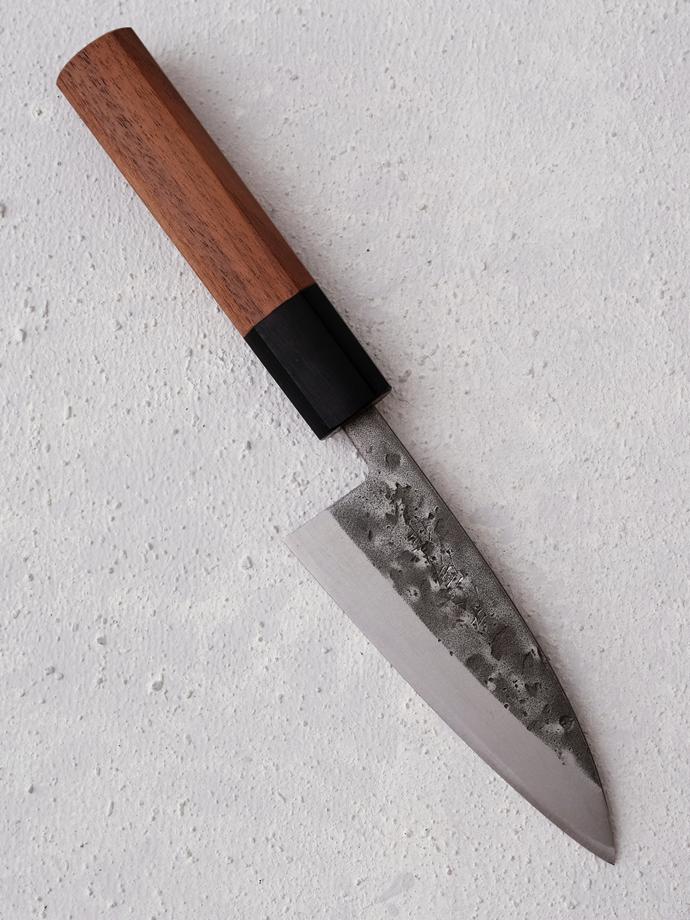
Ajikiri Knife (125 mm) by Tadafusa, R1 800. "Ajikiri" literally means "mackerel knife". It is a double-sided small knife for cleaning fish, and can also be used for detailed paring work. The blade is a stainless laminated blue paper steel with "nashi-ji" or pear skin finish and the handle is a Japanese-style octagonal handle from walnut wood. Tadafusa is a third generation knife-making company in Sanjo, Niigata Prefecture. -
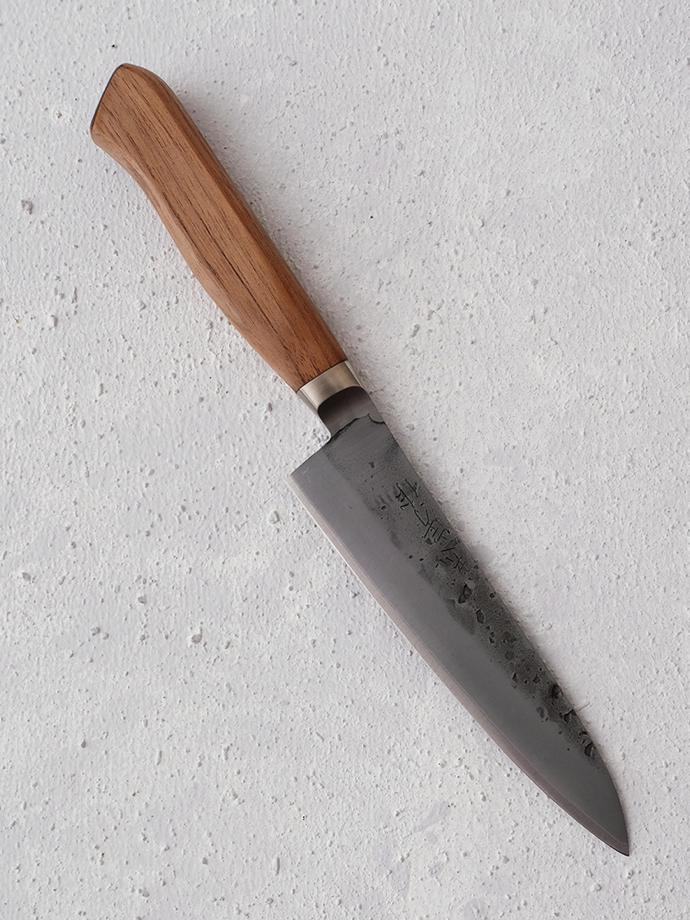
Petty Knife (125 mm) by Tadafusa, R1 500. Petty (paring) knife with 125 mm blue paper steel blade with a laminated stainless outer. The blade finish is called "nasji-ji" or pear skin finish and the Western style handle is from walnut wood. Tadafusa is a third generation knife-making company in Sanjo, Niigata Prefecture. -
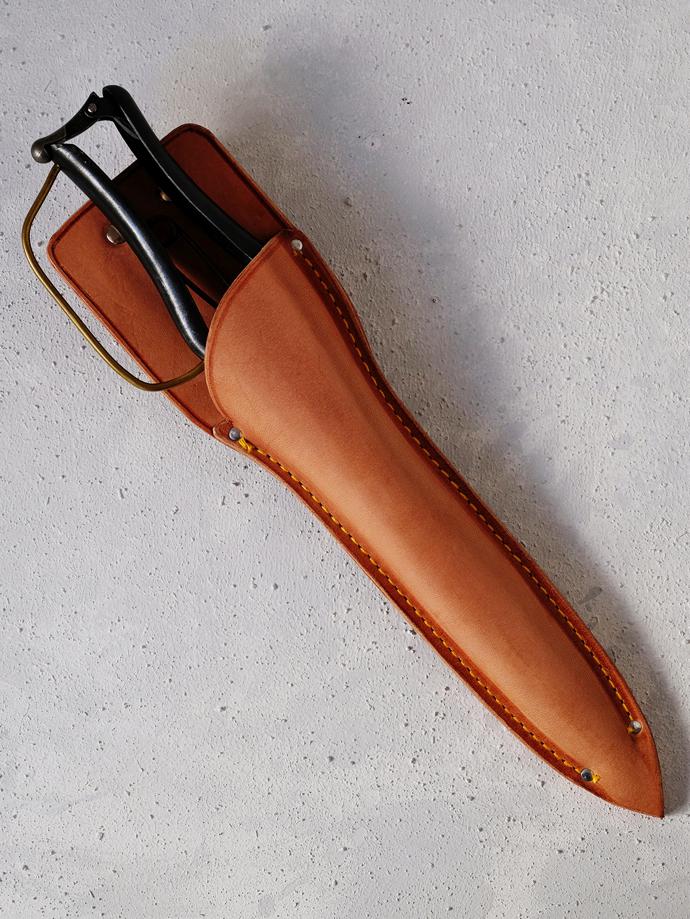
One Hand Karikomi Shears - Futoshigata (270 mm) by TAjiKA, R2 700. Handmade karikomi shears for topiary-style pruning and styling of hedges, made by the father and son team of Takeo and Daisuke Tajika. Comes with a leather holster. -
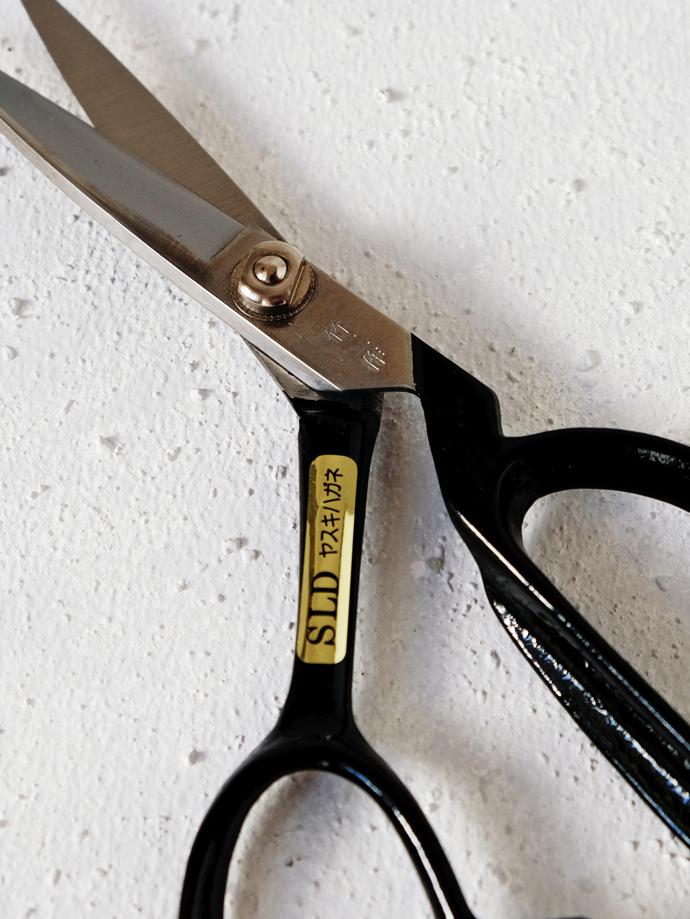
Detail of Cut Scissors (190 mm) by TAjiKA, R2 200. Hand-made scissors by the father-and-son team of Takeo and Daisuke Tajika. The detail cut offers a large handle with short blade for precision work and can be used for fabric or craft. -
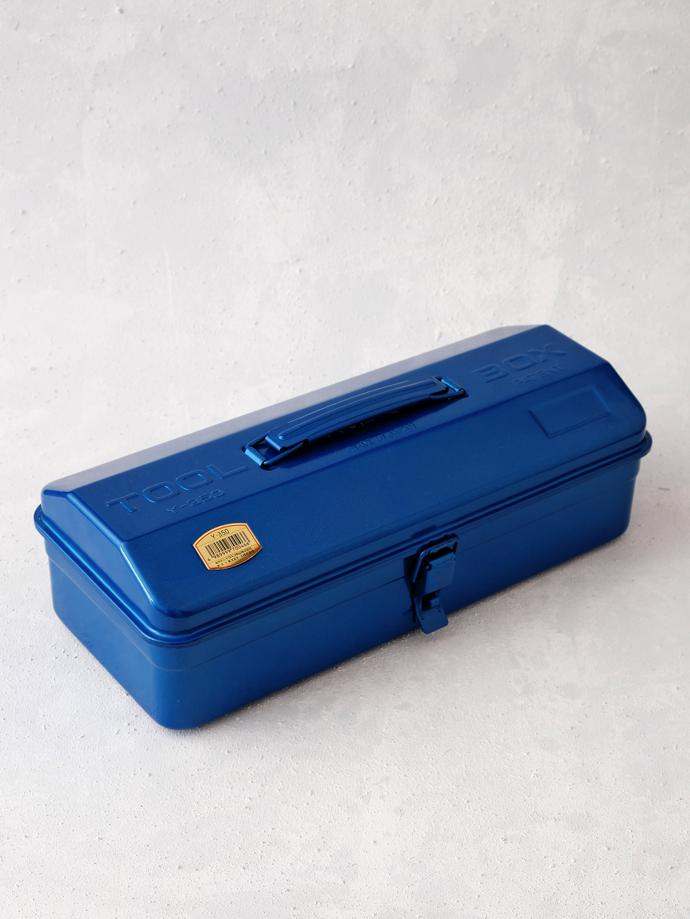
Y-350B Toolbox by Trusco, R600. Blue Trusco pressed steel toolbox with single compartment and secure toggle catch clip. Ideal for organising a combination of hand tools or art supplies. It is light and sturdy for easy carrying around. Dimensions 359 mm (L) x 150 mm (W) x 124 mm H). -
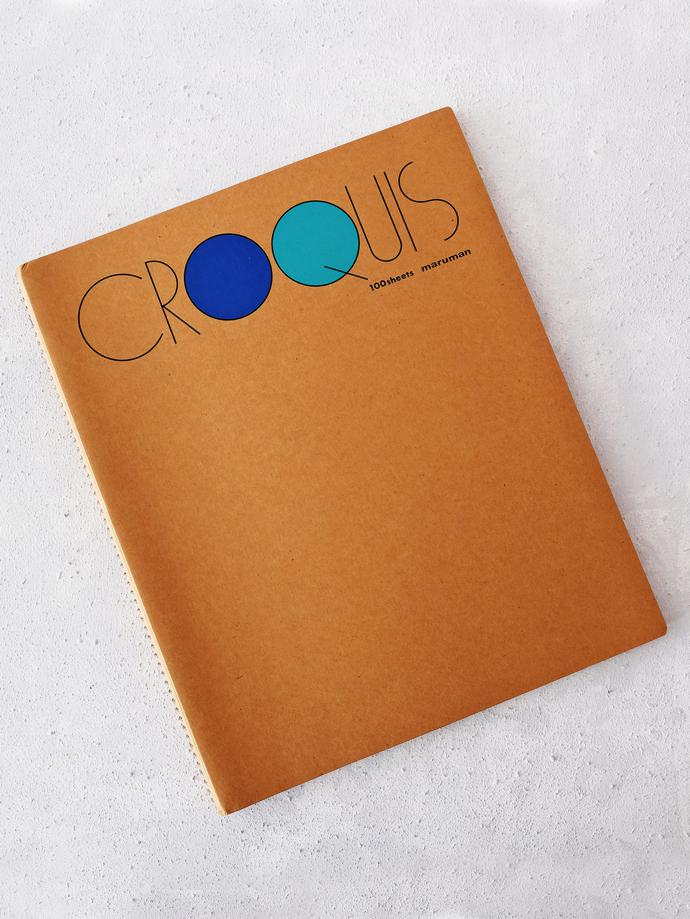
Croquis Sketchbook (Medium) by Maruman, R230. Medium Croquis range sketchbook by Maruman, a paper company established in 1920. The book includes 100 sheets of 52.3g/㎡ Maruman original white croquis paper with a cover made of durable kraft paper and wire spiral binding. -
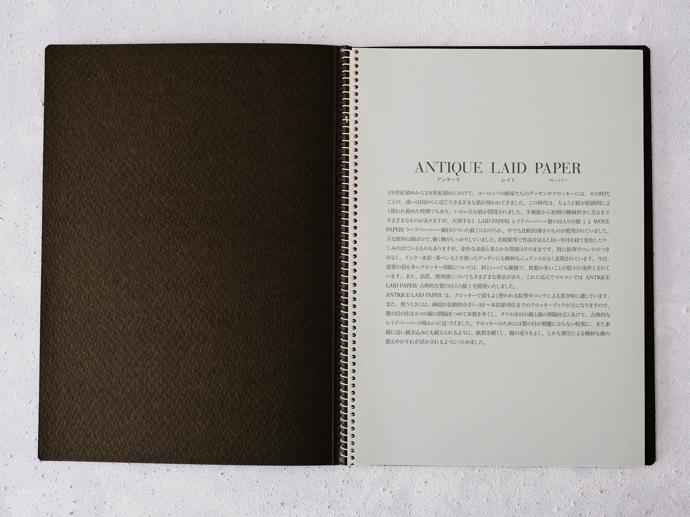
Antique Laid Croquis Sketchbook (A4) by Maruman, R250. 55 sheets of 60g/㎡ antique laid paper, with a cover made of durable black carton and white wire spiral binding. Ideal for use with charcoal, pencil, ink, reed pen and watercolour.
COMPILED BY Lindi Brownell Meiring IMAGES Frank Ellis
WAZA, a local online store specialising in Japanese products, was started in July 2016 by Hilda and Botha Kruger after numerous trips to Japan solidified their love for the country and the goods its produces.
“From an idea to a shop, WAZA took time to germinate,” says Botha. “Our first visit to Japan was in 2004 and we became very interested in various aspects of Japanese life and culture. We returned twice in the next 10 years, each time focusing on different regions of the country. After our third visit in 2014 we decided to channel our passion for Japan into something practical, and we started an import business to introduce South Africans to the beautifully crafted, everyday use household goods we brought back for ourselves.”
Since the online store launched, Hilda and Botha have visited Japan twice, exploring numerous regions, in an effort to expand the business and its offerings. “We want to keep it personal and deal as directly as possible,” he says.
Iki, the Japanese aesthetic ideal, is what the team loves most about Japanese design. “Iki expresses sophistication and originality in an unpretentious and unforced way,” says Botha. “Iki is often used to describe people who show traits of spontaneous and unadorned elegance. In Japanese design, everyday objects have a positive simplicity – they are refined in a way that is not ostentatious, and this can also be regarded as an embodiment of iki. For us, the best Japanese products have simple lines, are well-proportioned and subtle, and are made with care and a commitment to quality. We are very interested in the concept of monozukuri – a uniquely Japanese term which refers to the art, science and craft of creating things – and which is often rooted in an appreciation of iki.”
The brand, which continues to expand its range, is planning a collaborative Japanese-themed pop-up with Setamono Tableware and Kitchen Samurai, which follows on from pop-ups already held at Haas Collective, Skinny laMinx and Tjing Tjing restaurant. “We are expanding the wholesale and distribution side of the business, to supply Japanese household goods to other retailers,” adds Botha. “We have a longer-term project in mind to collate and publish travel tips of South Africans who have visited Japan. And, of course, we need to start planning our next visit!”
Team WAZA’s Top Picks:
Hilda: My favourite product is my 210 mm Kakuri pruning saw, also available in 240 mm, with a replaceable blade and a custom-made Japanese red oak handle and sheath. The saw was a once-off collaboration between Kakuri and a master woodworking craftsman and is indispensable in the garden. It also reminds me of the lovely hospitality we received from father and son Mutsuhiro Kato and Katsuhiro Kato, respectively President and Managing Director of Kakuri. Our newly arrived indigo dye kits are a close second – I am forever looking for more fabric and old T-shirts to dye indigo.
Botha: I love cooking on the traditional Japanese cooking stoves called shichirin. They are hand-cut from diatomaceous earth found in the Noto Peninsula of Japan, and when used with Kishu binchotan – the famous Japanese cooking charcoal from Wakayama Prefecture – makes cooking and socialising around the table a huge weekend treat. I use the 315 mm rectangular shaped version, which also reminds me of our fascinating visit to the diatomaceous earth mine of the 4th generation family business, Noto Nenshouki, to see how the stoves are made by hand.
You can shop online at wazashop.co.za.