The legendary Volkswagen Golf GTI created and defined the performance hatchback market segment. Celebrating 50 years since the Mark 1 was launched, we look back at how the GTI’s design has evolved into the latest incarnation.
WORDS Steve Smith PHOTOS Supplied
When the original Volkswagen Golf launched in 1976, it quietly rewrote the rules of performance design. There were faster cars, and more luxurious ones, but none blended everyday usability with sharp-edged intent so convincingly. Over five decades, the GTI has evolved from a stripped-back experiment into a design icon, its visual language continually refined without losing the DNA that made it instantly recognisable. Red pinstripes, tartan cloth, subtle aggression – these cues have been reinterpreted across eight generations, each reflecting its era’s tastes and technologies. This is the story of how the Golf GTI grew up without ever losing its youthful edge.
THE ORIGINAL STATEMENT: Mark I (1976–1983)
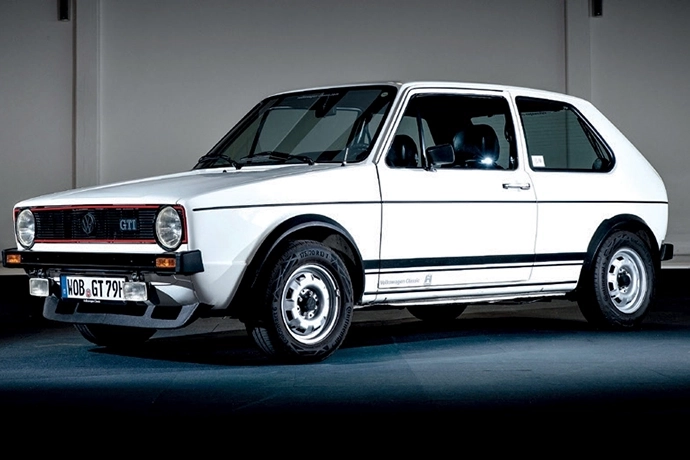
The first GTI was never meant to be a design revolution, yet it became one through restraint. Based on the clean, geometric lines of the standard Golf, its designers introduced a new visual vocabulary for performance: minimal but deliberate. The (now legendary) thin red grille surround offered just enough flair to signal intent without excess. Black plastic wheel-arch extensions gave it a grounded, purposeful stance, while the absence of chrome hinted at modernity.
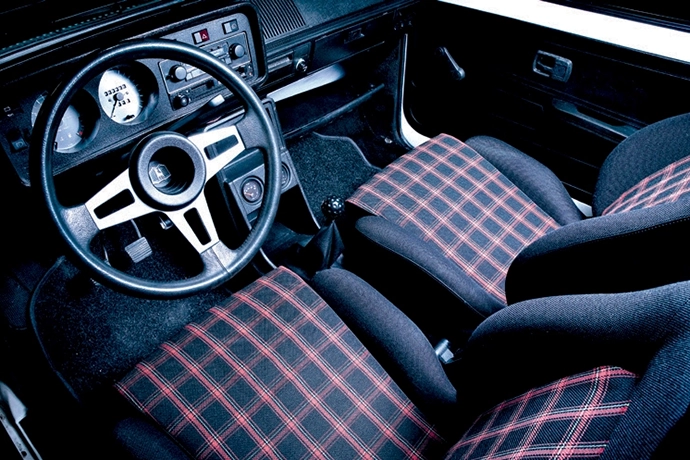
Inside, the tartan upholstery added personality to an otherwise functional cabin – an early example of performance design extending beyond mechanicals into lifestyle. The Mk1 GTI’s genius lay in its clarity: it didn’t shout; it sharpened.
REFINEMENT AND MATURITY: Mark II (1984–1992)
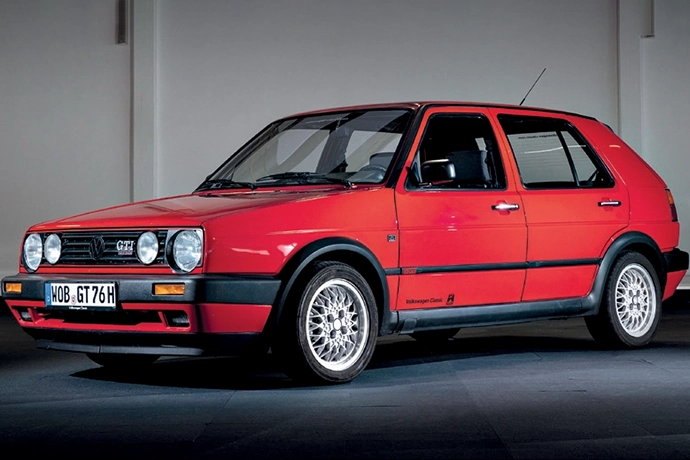
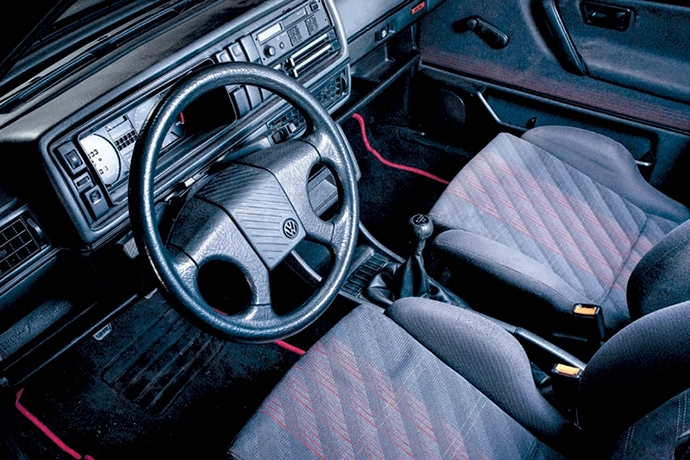
Reflecting a broader 1980s shift towards rounded forms, the Mk2 GTI softened the original’s starkness. It grew in size, too: a more substantial silhouette, with larger glass areas and smoother transitions between surfaces. Yet, crucially, the GTI identity remained intact.
VW’s designers retained the red grille accent and black arch trims, but integrated them more cohesively into the body. The proportions grew, lending the car a more mature presence without sacrificing its sporty stance. Inside, the tartan continued, reinforcing continuity. This generation marked the GTI’s transition from rebellious upstart to established icon, its design less raw and more resolved.
SUBTLETY TAKES OVER: Mark III (1993–1999)
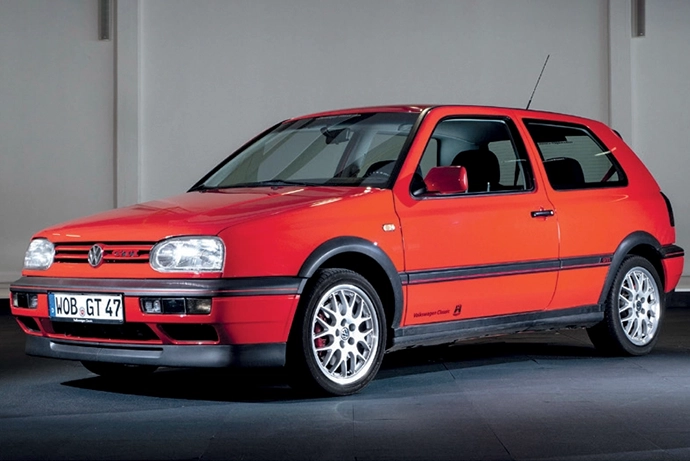
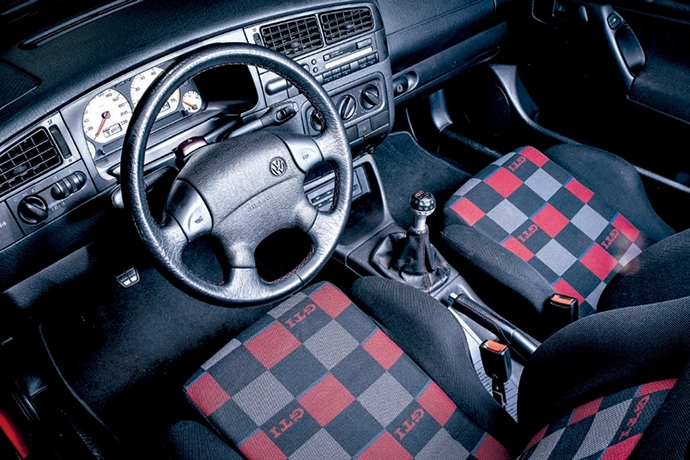
By the early 1990s, the GTI’s design language became more conservative, mirroring a broader industry trend towards safety and aerodynamics. The Mk3’s rounded, almost softened face reduced the visual aggression of its predecessors. The red detailing remained but felt less pronounced, while the body lost some of the crispness that had defined earlier models.
This was a GTI that blended in more than it stood out. The restraint signalled an important shift: the GTI was becoming less about visual rebellion and more about everyday integration. Design became quieter, almost understated – a theme that would echo in later generations.
PRECISION AND QUALITY: Mark IV (1998–2004)
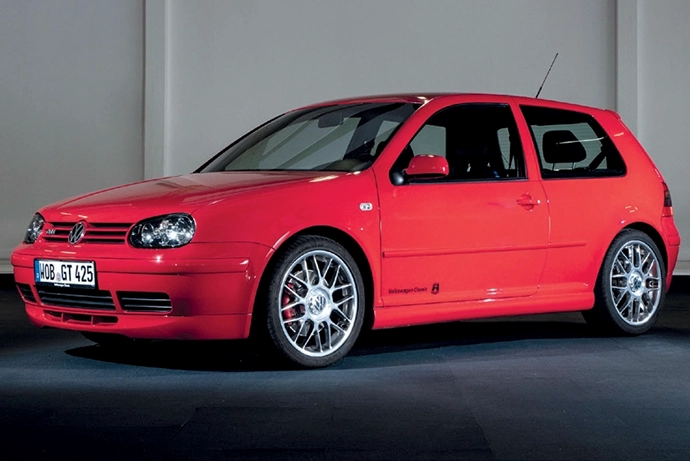
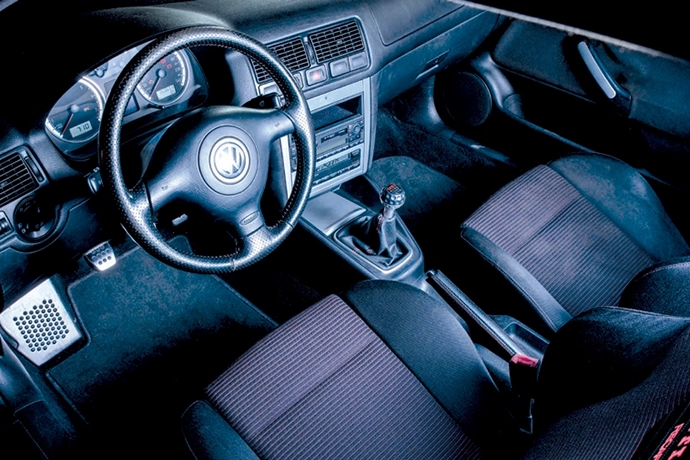
The Mk4 GTI marked a turning point in perceived quality and design precision. Its surfaces were cleaner, tighter and more sophisticated, reflecting VW’s push into premium territory. The design language became minimalist, with subtle creases replacing overt detailing. This generation was modest in terms of styling, and was the first and only GTI to do away with the iconic red strip in the radiator grille. Nevertheless, the vehicle still became an icon, celebrated today as the starting point of a new, cleaner era of vehicle design.
Aluminium accents and improved materials inside elevated the cabin, moving the GTI into a more upscale space. This generation prioritised cohesion over character, losing some of the earlier models’ playful edge, but gaining a sense of solidity and craftsmanship that would define Volkswagen design for years.
THE RETURN OF ENERGY: Mark V (2004–2009)
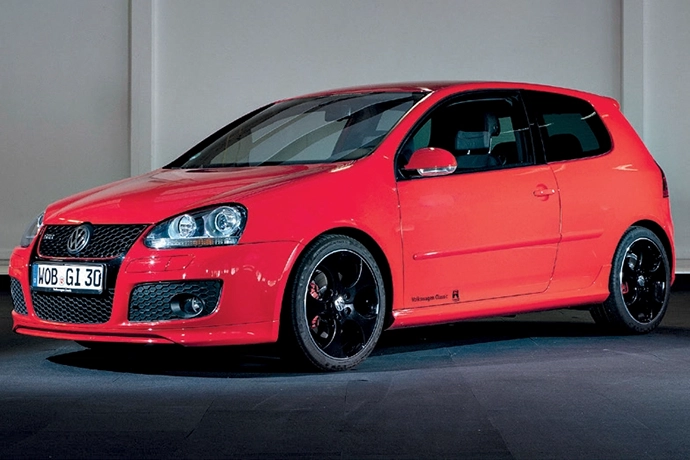
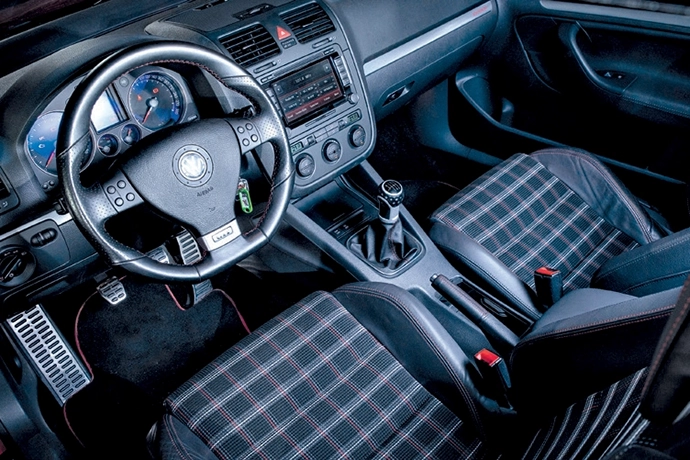
The Mk5 GTI reintroduced visual excitement after the restraint of the Mk4. Its design embraced contrast and texture: a bold honeycomb grille, the red pinstripe was back, and sculpted bumpers gave the car renewed vitality. The proportions felt more athletic, with a wider stance and stronger shoulder line. The circular fog lights embedded in the grille became a defining feature, adding a playful yet aggressive touch. For the interior, tartan upholstery returned with confidence, reconnecting the GTI to its roots. This generation struck a balance between heritage and modernity, reminding the world that the GTI could still have fun.
EVOLUTION, NOT REVOLUTION: Mark VI (2009–2013)
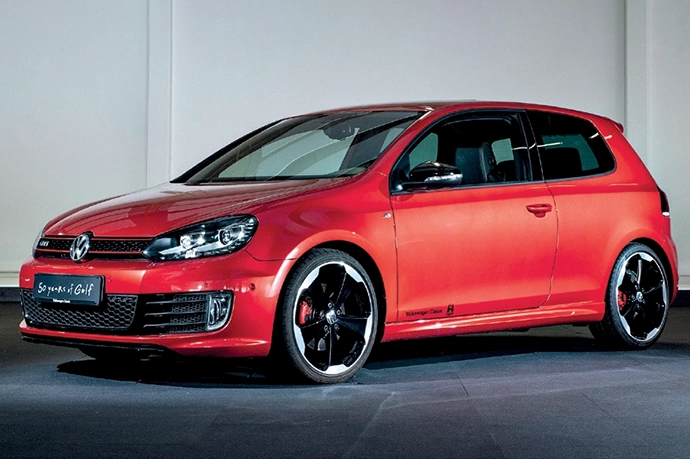
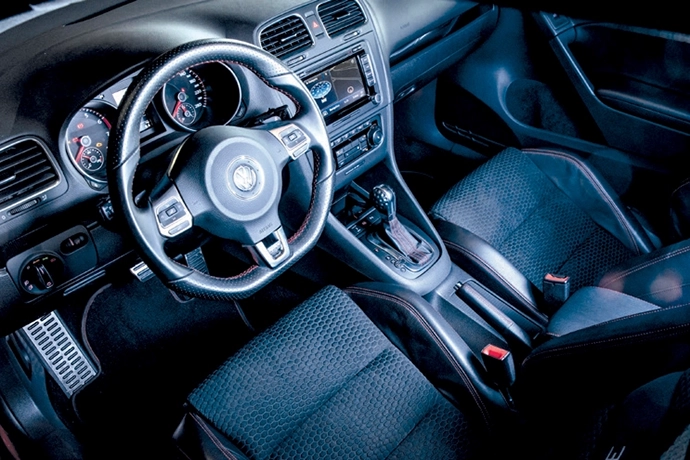
Visually, the Mk6 GTI refined the Mk5 rather than reinventing it. The lines became sharper, the detailing more precise, the overall aesthetic more polished. Slimmer headlamps that introduced LED lighting, a narrower front grille with the iconic red pinstripe and simplified taillights all made for a more angular and aggressive design compared to its predecessor.
This was design as iteration: careful, considered and controlled. It was a more “premium” look that avoided over-styling while still maintaining the “hot hatch” identity. The Mk6 didn’t seek to surprise; it aimed to perfect what already worked.
SHARPENED IDENTITY: Mark VII (2013–2020)
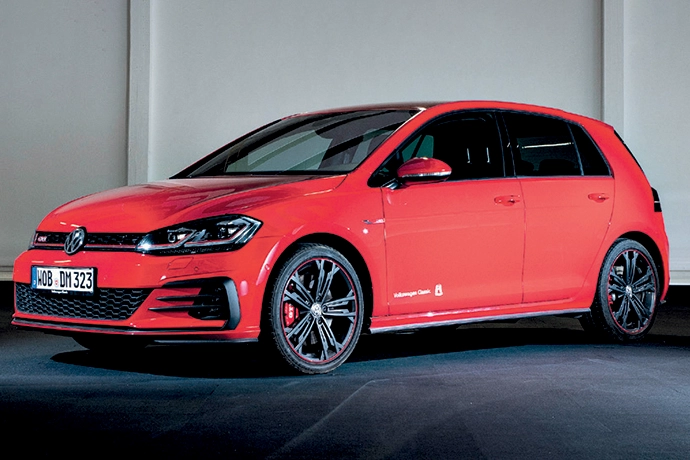
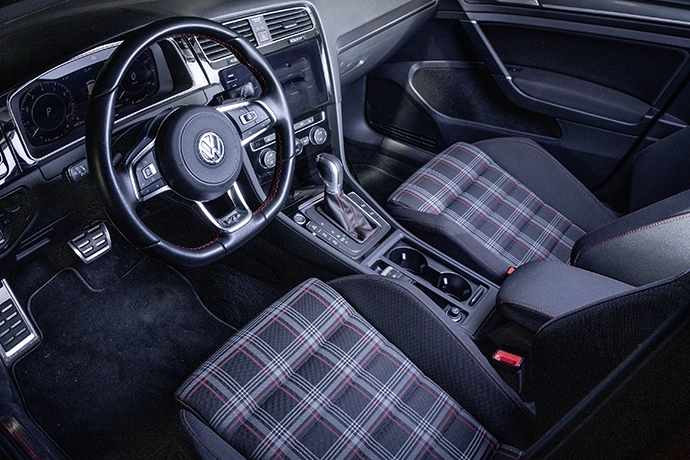
The Mk7 GTI embraced angularity, reflecting a shift towards sharper, more technical design language in the 2010s. Built on a new platform, its proportions improved dramatically – it became lower, longer and wider.
Crisp character lines ran along the body, giving it a taut, almost architectural quality. The front end became more assertive, with a wider grille and more integrated lighting elements. Inside, a digital interface began to reshape the cabin experience, although traditional GTI cues remained. This generation successfully modernised the GTI’s design without diluting its identity, achieving a balance between heritage and innovation.
DIGITAL MINIMALISM MEETS TRADITION: Mark VIII (2020–2026)
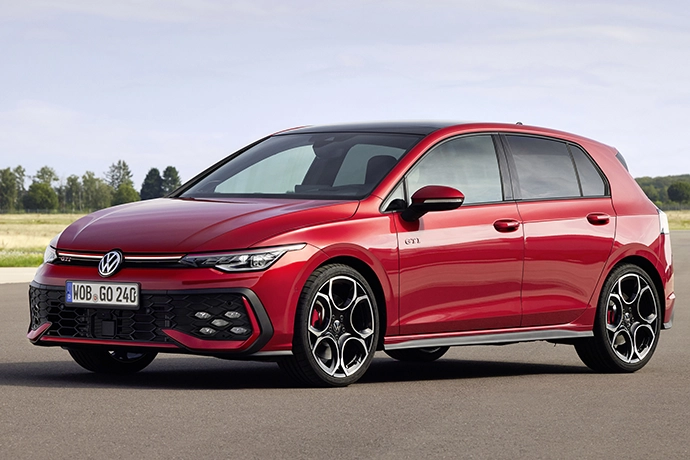
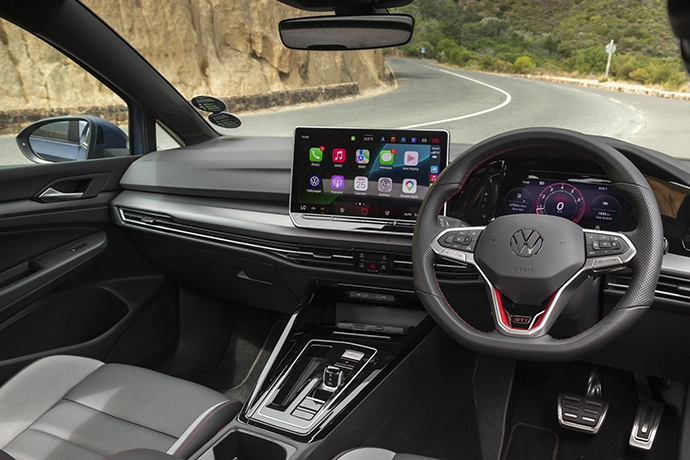
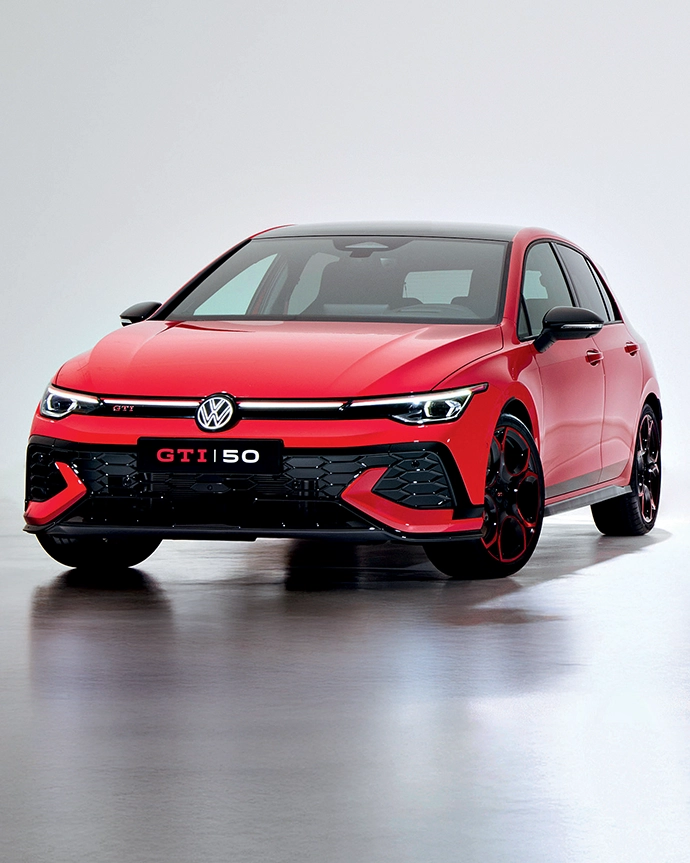
The latest Mk8 GTI represents the most radical shift in interior design while maintaining a familiar exterior identity. The exterior evolves the Mk7’s sharpness with slimmer headlights, a lower grille and more intricate lighting signatures, including illuminated elements that redefine how the GTI is recognised at night. The red stripe persists, now integrated into a broader lighting narrative. Body surfaces are cleaner, almost minimalist, reflecting contemporary design trends.
In the new interior, physical controls have given way to digital interfaces, creating a futuristic environment that contrasts the tactile charm of earlier generations. Yet touches like tartan seats remain, anchoring the car in its history.
The latest version of this storied performance hatchback launched in South Africa towards the end of last year. Dubbed the GTI 8.5, it features new LED Plus headlights and standard 19-inch “Queenstown” alloy wheels. Inside, the cabin has ergonomically designed supportive seats, a new 12.9-inch infotainment system and a fully digital cockpit.
We’ve purposefully kept performance out of this design-focused feature. But to underline the Golf GTI’s evolution, the Mark 1 boasted 81kW and 140Nm from its fuel-injected 1.6 litre engine, while the Mark 8.5 offers 195kW and 370Nm from its turbocharged 2.0-litre power plant.
There’s more to this latest GTI than mere performance figures. It’s a car that demonstrates how a design icon can adapt to a digital age without losing its soul – proof that evolution, when handled carefully, can be just as powerful as revolution.