-

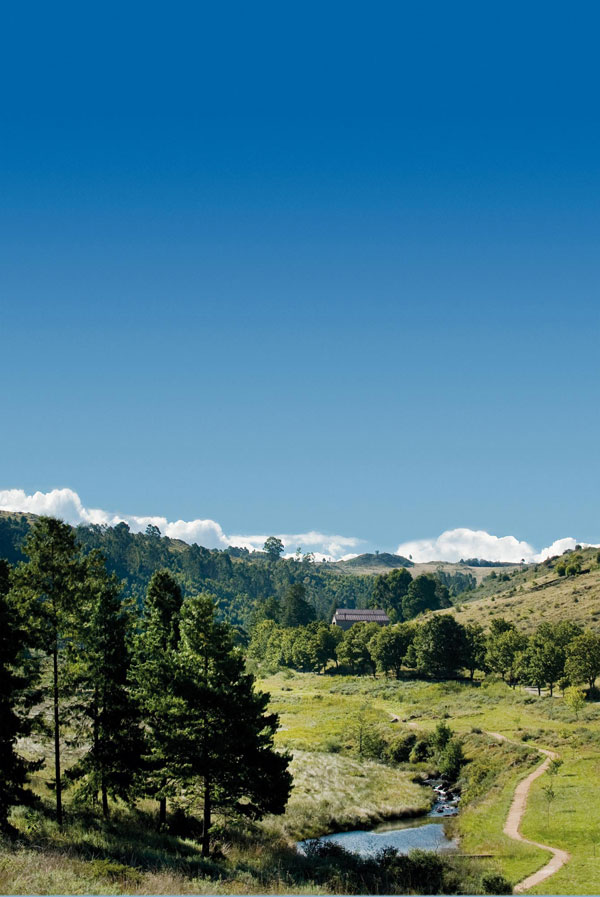
Country revelations : Architects say it is impossible to build a house on a country estate without first considering the view that your clients have bought into. -
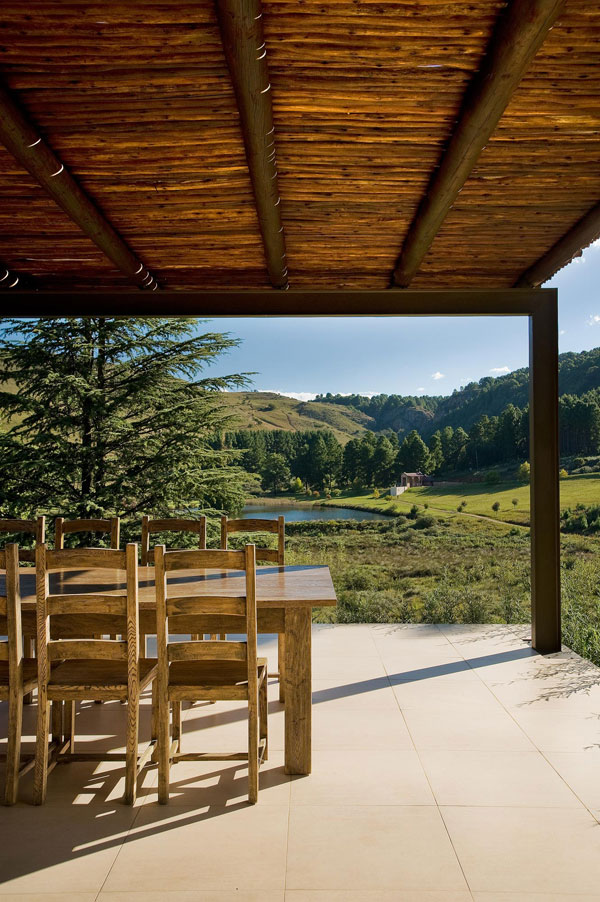
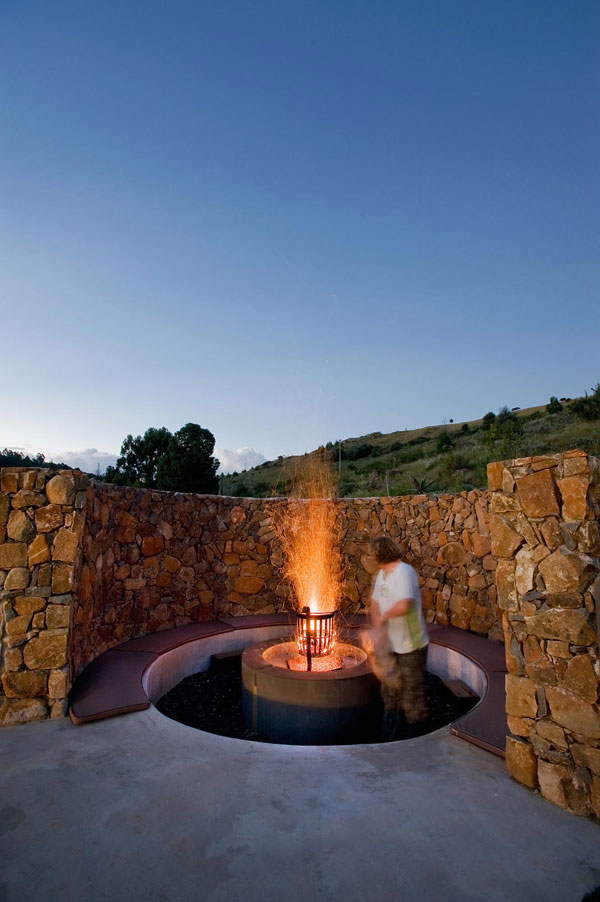
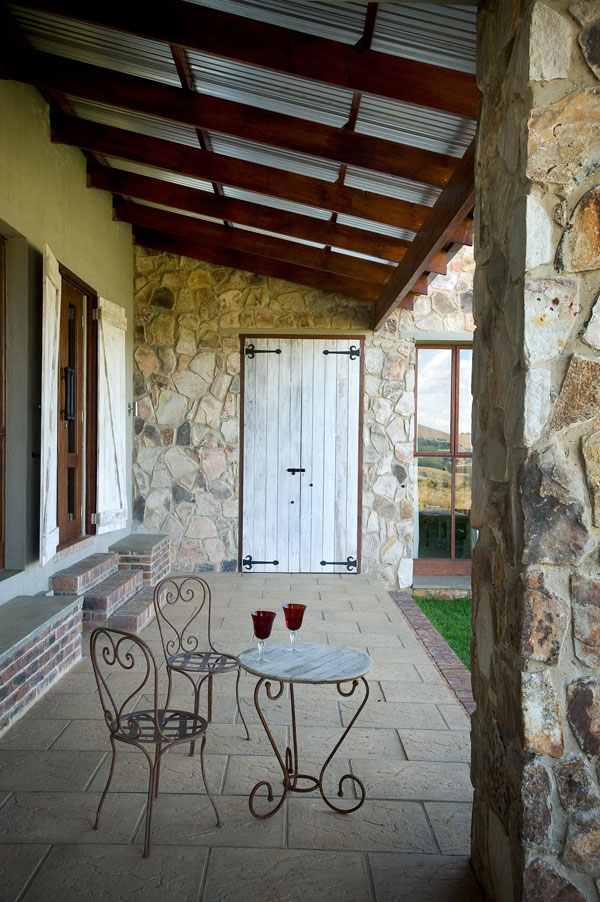
Country revelations : Outdoor entertaining is a possibility throughout the year. -

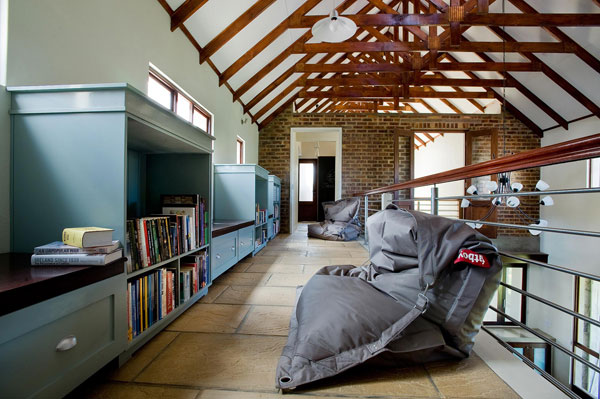
Country revelations : A play and relaxation area is efficiently designed using built-in cupboards by Exec-q-tive Interiors. The large pavers are from Colonial Stone and all lighting was supplied by Lightz by William. -
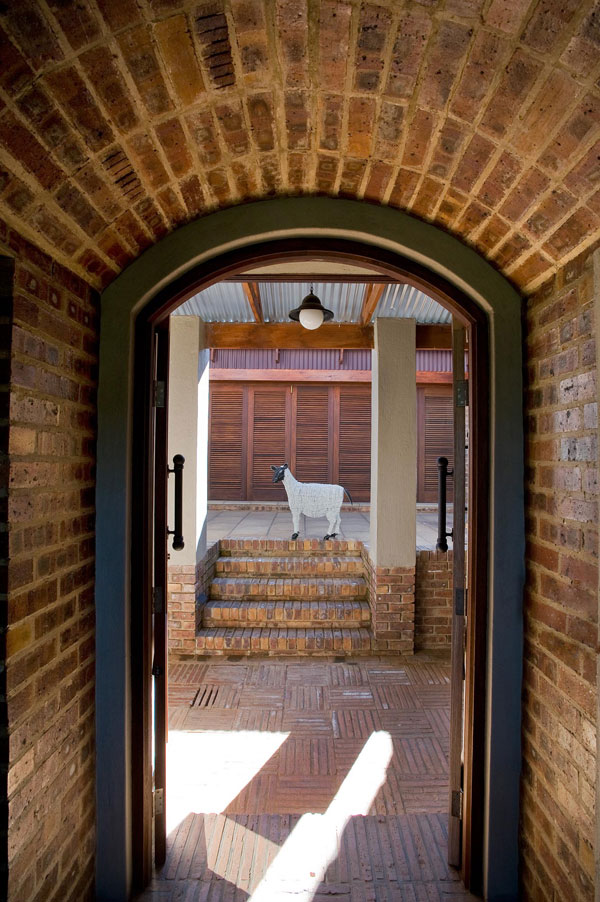
Country revelations : Northern European references include the use of burnt clay tiles from Lanes Ceramics in Worcester to create easy courtyards and corridors. -
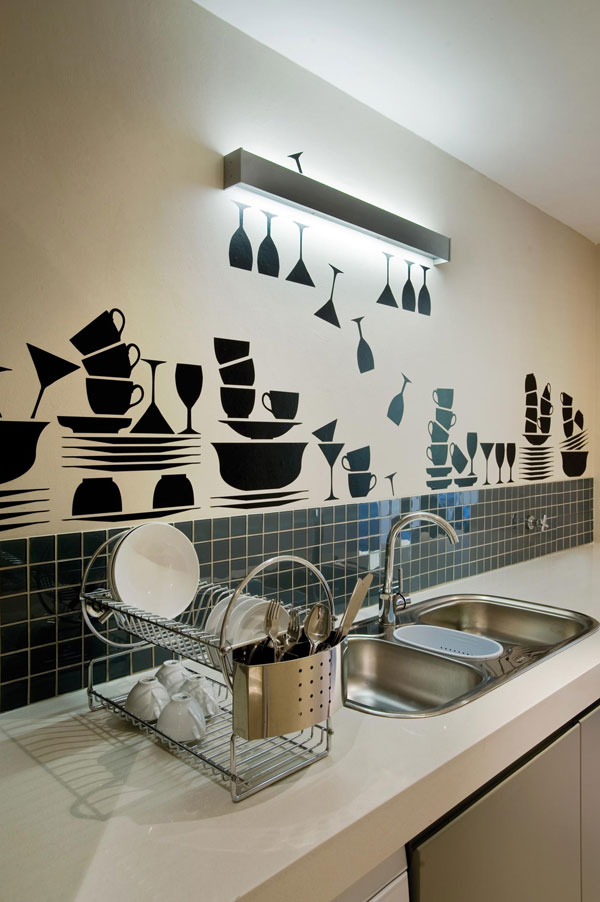
Country revelations : The fun detail on the kitchen wall is made from 80 individual stickers from BLIK Wall Decals. -

Country revelations : Architects say it is impossible to build a house on a country estate without first considering the view that your clients have bought into. -
Country revelations : A picture of the South African home and stoep living. -
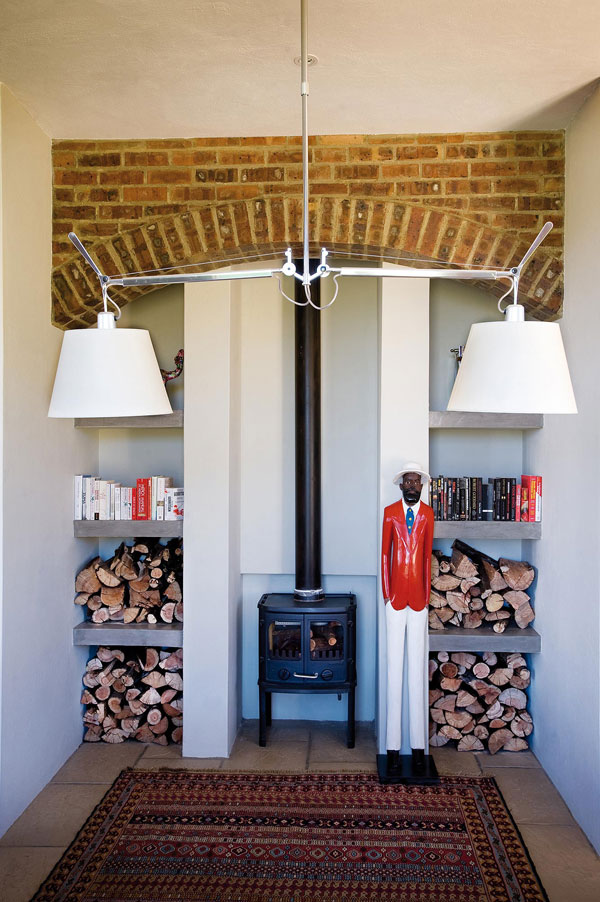
Country revelations : A Morso fireplace offers warmth in the lounge where an Artemide light provides a contemporary finish. -
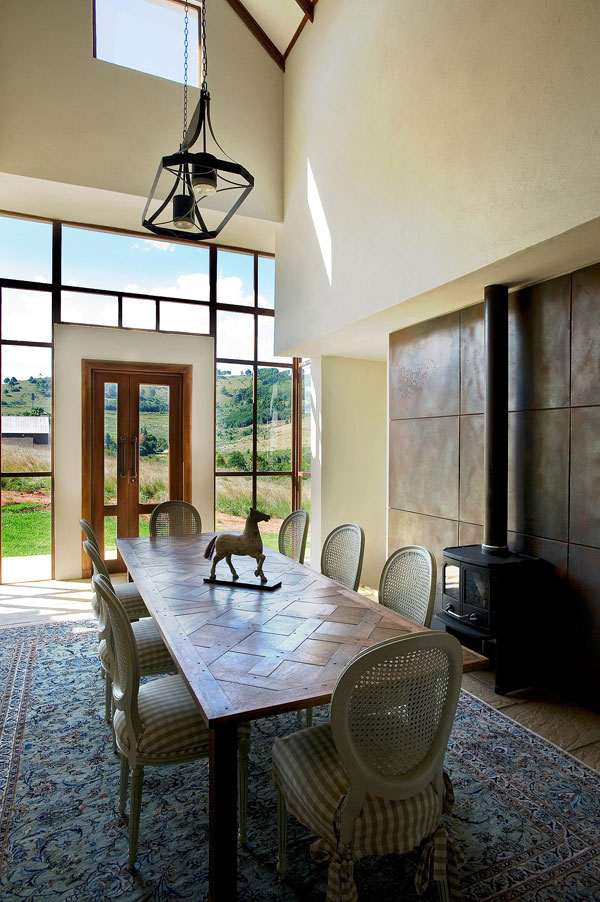
Country revelations : High ceiling create space and airiness.
PHOTOS Dook PRODUCTION Annemarie Meintjes WORDS Jacqueline Myburgh Chemaly
Designing weekend houses on country estates can be a major challenge. We asked two architects how they worked within strict guidelines yet still managed to create these family holiday homes.
Dullstroom in Mpumalanga is an idyllic retreat for busy Joburgers.
Almost 2 100m above sea level, the hamlet’s cool climate and misty mornings make for a refreshing escape after sweating it out in the city. It is also a trout-fishing paradise, has a fair smattering of good restaurants and is viewed by many as the ultimate cosy escape for a red-wine weekend away.
As if all this is not enough, the endless, unspoilt landscape is the final element that has drawn a number of Gautengers to the Walkersons private housing estate situated on 800 hectares of pristine Eastern Highveld hills. The developers have focused on creating an authentic and peaceful experience, laying down serious architectural guidelines for those wanting to build there.
It sounds like an architect’s worst nightmare: being asked to design a home in such a beautiful natural environment and at the same time receiving a list of building restrictions.
Not so, says Johan Wentzel of W Design Architecture Studio in Pretoria.
His experience in designing several estate homes, including the contemporary farmhouse at Walkersons featured here, has taught him that the first step should not be deciding on the style of the house. “First you need to choose an inspiration – decide what kind of lifestyle you want. If you look after that, the shape of the house will sort itself out,” says Johan.
Spectacular views
He believes the three different permitted building styles cater for all tastes, from conservative to contemporary, also ensuring that no two houses will ever look the same. What they all share in common is a range of spectacular views over the countryside, which does add a challenging dimension to the design process.
Because Johan believes that the relationship between house and landscape is an essential part of designing a country home, he created a courtyard space between the building and the strong presence of the mountain to the north. From this area of human intervention, where landscape and building merge, there are views to the south through the main living structure.
“To get the most out of a location and context, we have to accept that the force that draws us to an area is the place itself,” explains Johan. “We cannot improve on this but we can create an opportunity for the users of the building to place themselves within this truly amazing context.
“You want to create a building that is not aware of itself but rather a revelation of the land and place. This is not a house to be looked at; it is a house from which one looks at the landscape. You become more aware of the views, the unspoilt natural grassland and veld, the moving mist and clouds, the sunlight, the time of day and the seasons.”
An earth-bound structure
Similarly, Johannesburg architect James Brümmer managed the relationship between his house and the dramatic landscape by deciding to create an “earth-bound” structure – a solid home that appeared to grow out of the ground rather than float above it.
“I based my ideas on a modern barn,” he says. The result is a classic H-shape design that does not sit too proudly in the landscape but rather merges into it through the use of concrete and brown tones on the exterior.
James successfully fused traditional Dullstroom stonework with northern European materials such as burnt-clay tiles and contemporary timber and glass effects. “You must include some reference to the local vernacular – it is part of my design philosophy,” he says.
Inside, contemporary design and finishes make for stylish and convenient living – the best of many worlds. James gives full credit to his team: Alexandra Sutton, Mangaliso Zwane, Aadil Mosam and Katleho Matlere, who successfully combined all these elements because they have fused the roles of architect and interior designer in a practice that offers clients a complete solution to their lifestyle needs. “Architecture and interior design are the skin and bones of a house – you can’t separate the two,” James says.
Rather than inhibit design, he explains that the three architectural styles in the estate’s guidelines made it possible for his team to successfully create a traditional farmhouse featuring contemporary elements.
The result is a family home built in such a way that, no matter where you are in it, you have a sense of the beautiful landscape. Whether it is a view from a window, or a reflection in a mirror or on a door – elements of the exquisite Dullstroom environment are always right there for the taking.