-

A walk in the park -

A walk in the park -
A walk in the park -
A walk in the park -
A walk in the park -
A walk in the park -
A walk in the park -
A walk in the park -
A walk in the park -
A walk in the park -

A walk in the park -
A walk in the park -
A walk in the park -
A walk in the park -

A walk in the park -
A walk in the park
WORDS: Alma Viviers PHOTOS: Jan Ras
After the last Vuvu-toting fans departed and the leftover soccer-inspired curios vanished from the shops, the 2010 FIFA World Cup’s true legacy has started to surface – nowhere more so than in the City of Cape Town.
For the first time in ages is it possible to walk from the city centre to the very edge of the shore in Mouille Point. One can amble along the fan walk, cross the pedestrian bridge spanning busy Buitengracht Street, then follow the non-motorised route all the way to the Cape Town Stadium precinct and beyond to the sea. An integral part of the Stadium precinct’s legacy is the magnificent Green Point Urban Park.
The Green Point Common, where the park and stadium are now located, has a rich and interesting history as a recreational space in the city. Dating back more than 350 years, it has been used for grazing of livestock, horse-racing events, the staging of sailing regattas in the seasonal wetland in winter and, more infamously, the housing of the British prisoner-of-war camp of Boer women and children during the Anglo-Boer War. More recently it has been a home to various sports clubs, as well as the regular Sunday flea market.
When it was decided to locate the new Cape Town Stadium, a large park formed part of the master plan, making sure that part of this area returned to public use.
OVP Associates were the landscape architects in charge of this master planning and reconfiguration of the precinct to accommodate the various recreational uses. They also oversaw the detailed design and implementation of the sustainability-driven Green Point Urban Park, and the precinct’s interconnection to the surrounding urban fabric and city.
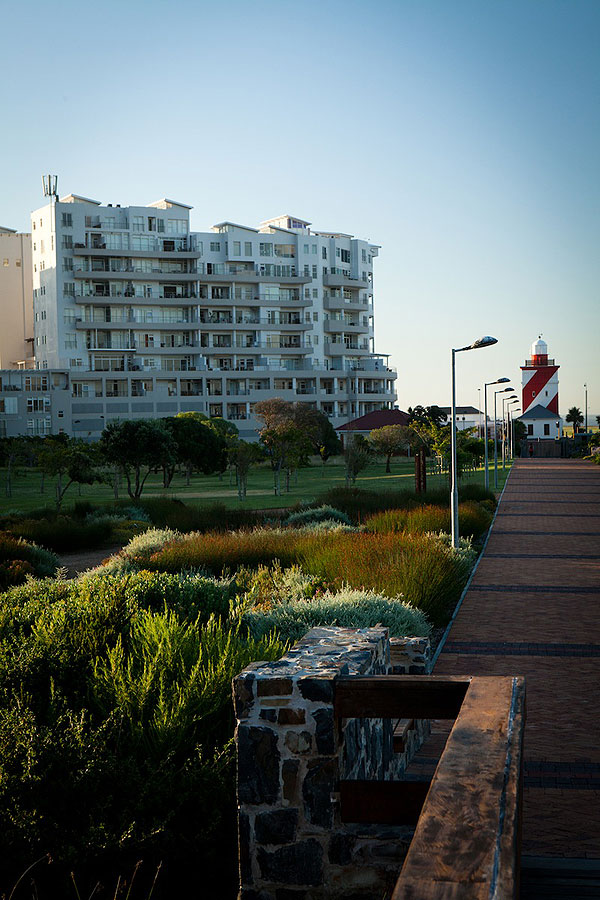
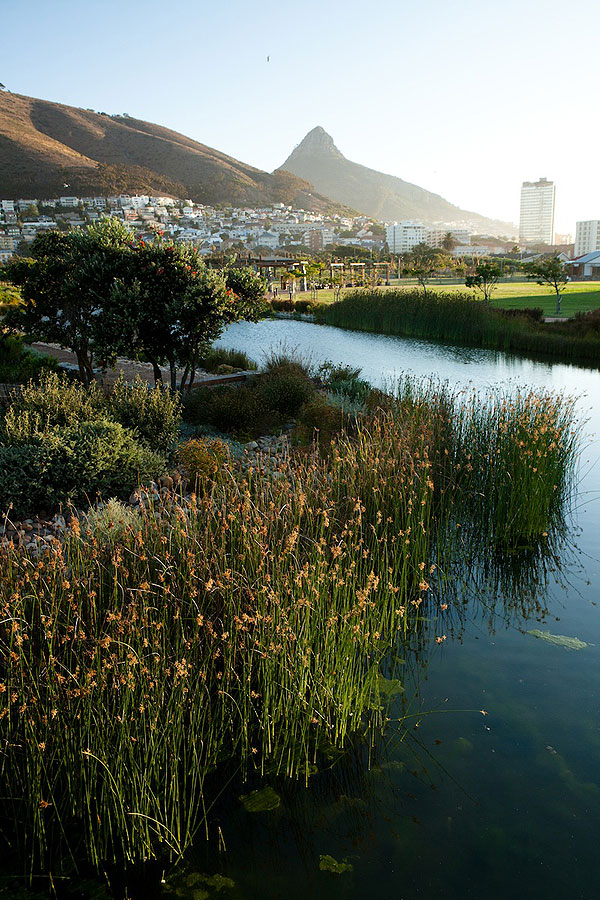
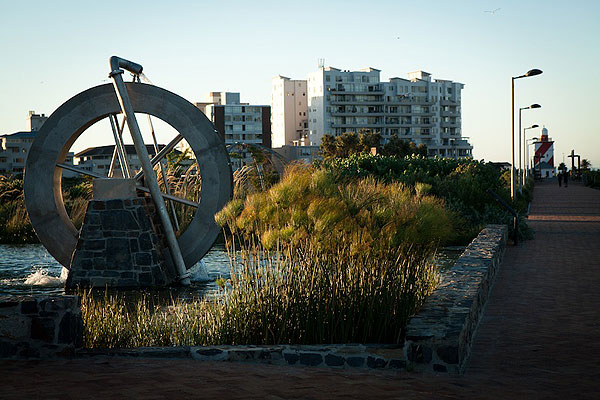
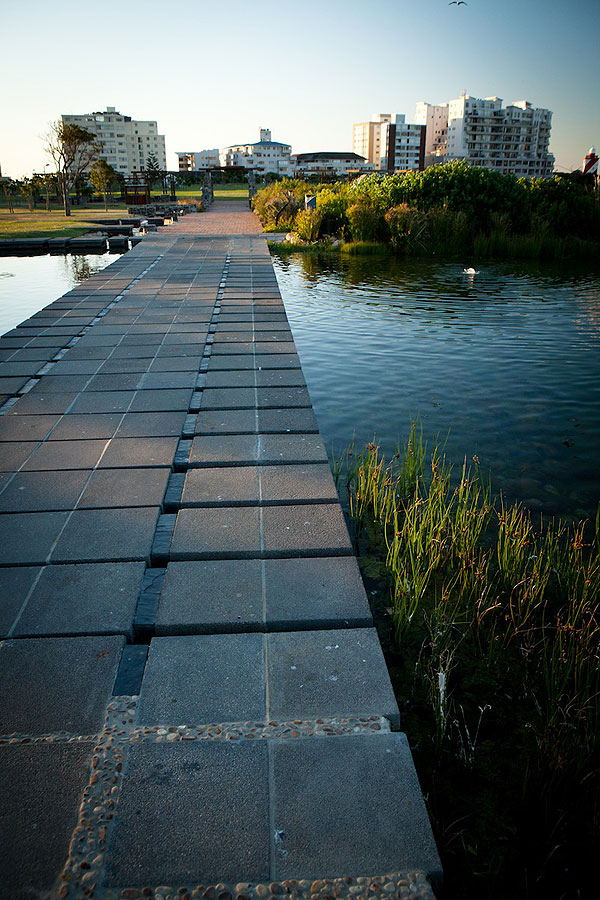
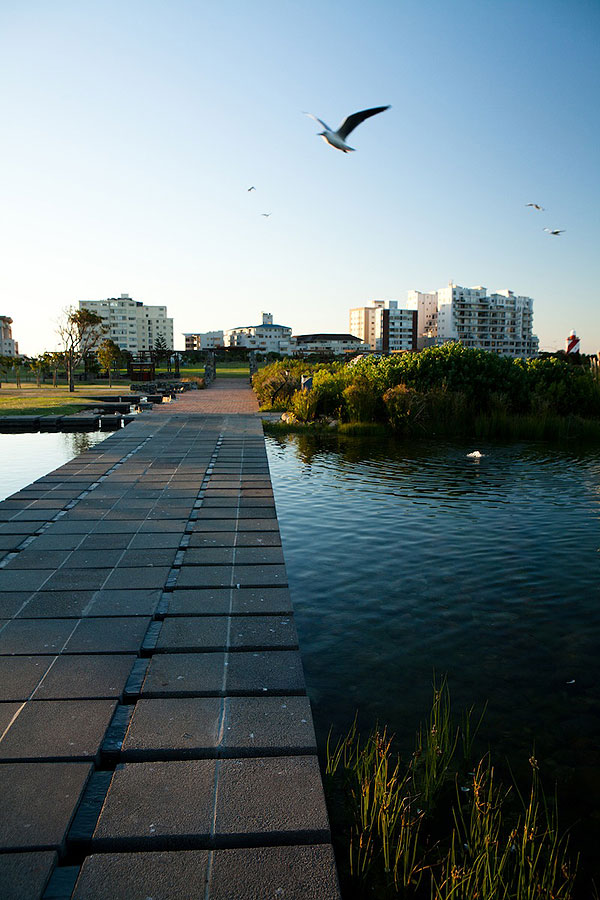
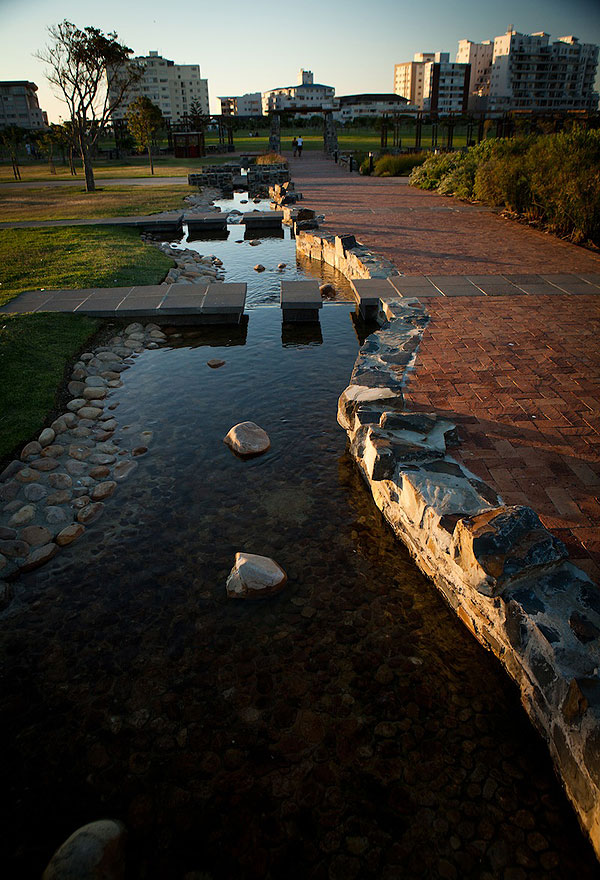
The result is a wonderful public green space where dogs, children, flat-dwellers and seagulls commune. The park is laid out along an east-west paved walkway that runs all the way to the Mouille Point Lighthouse. The walkway is flanked on the one side by the Green Point Golf course, and almost a hundred hectares of pristine park on the other
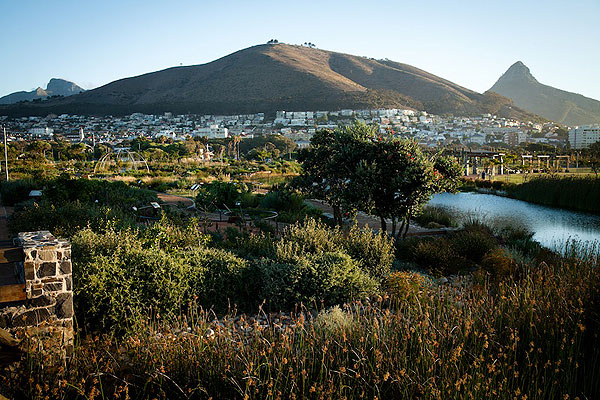
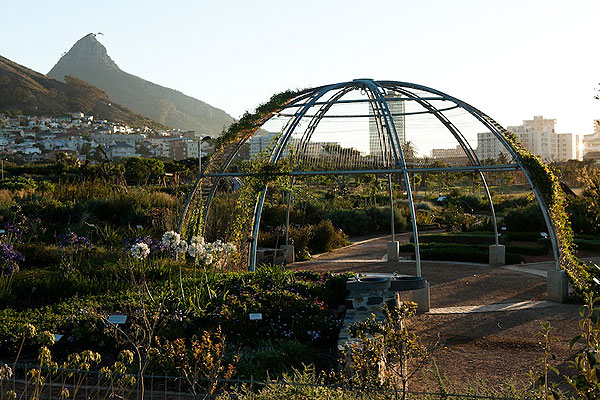
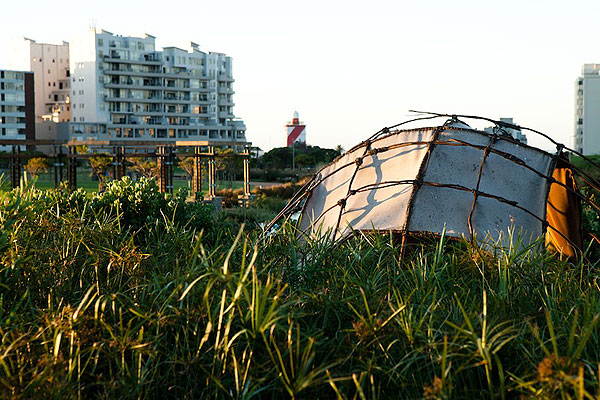
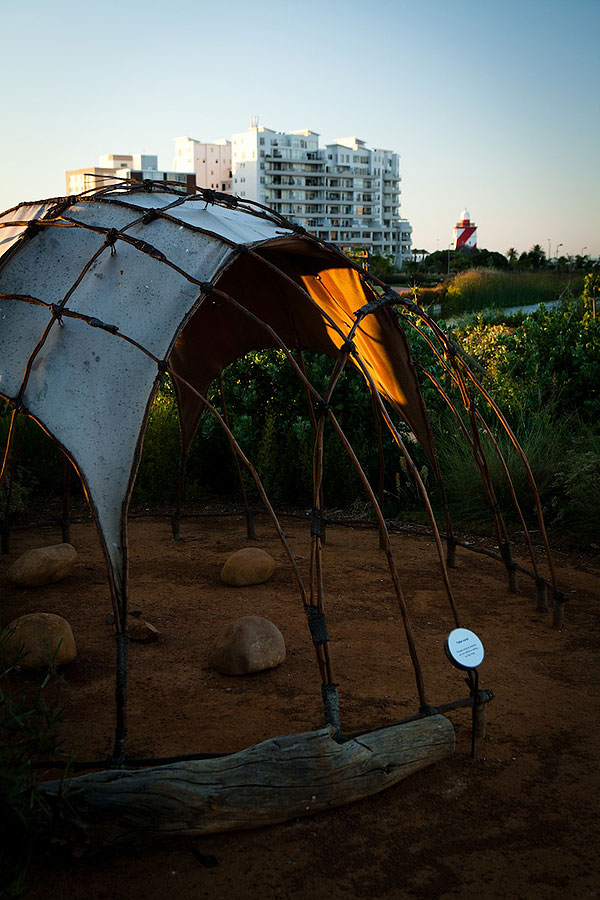
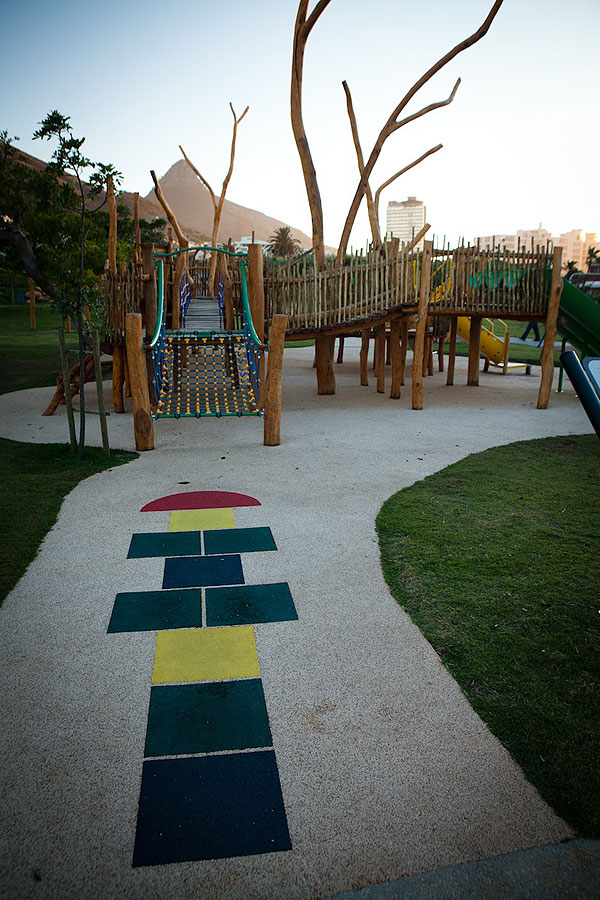
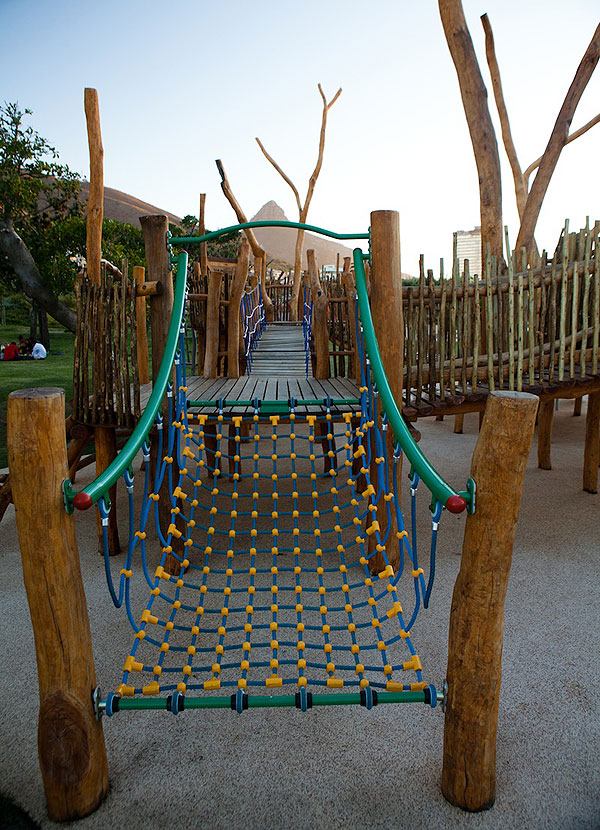
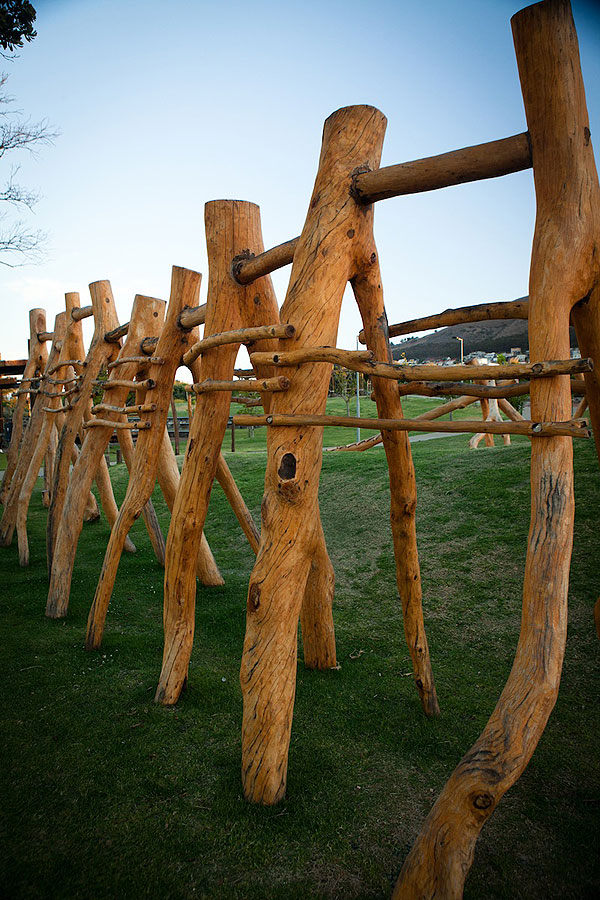
The park layout itself has several zones or areas, including a fitness park complete with exercise equipment, an amphitheatre and children’s play park, as well as a biodiversity garden. The biodiversity garden is a wonderful educational experience that highlights the incredible resource we have in indigenous plants; as food source but also medicinal and household use.
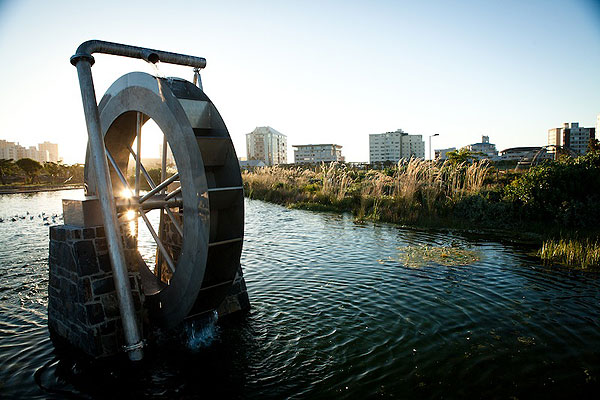
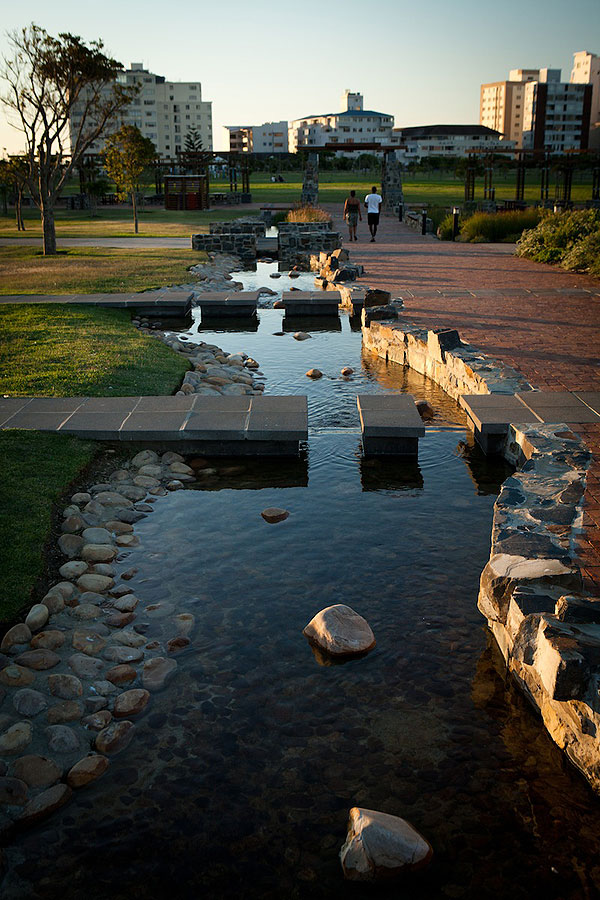
But the park doesn’t just teach, it leads by example. Designed along ecological principles, it makes full use of indigenous planting, uses water from the Table Mountain springs (which previously simply spilled intro the ocean) to irrigate the garden and encourage recycling as part of park-going behaviour. The creation of the space seems like it has already encouraged a return of biodiversity with an abundance of bird life.
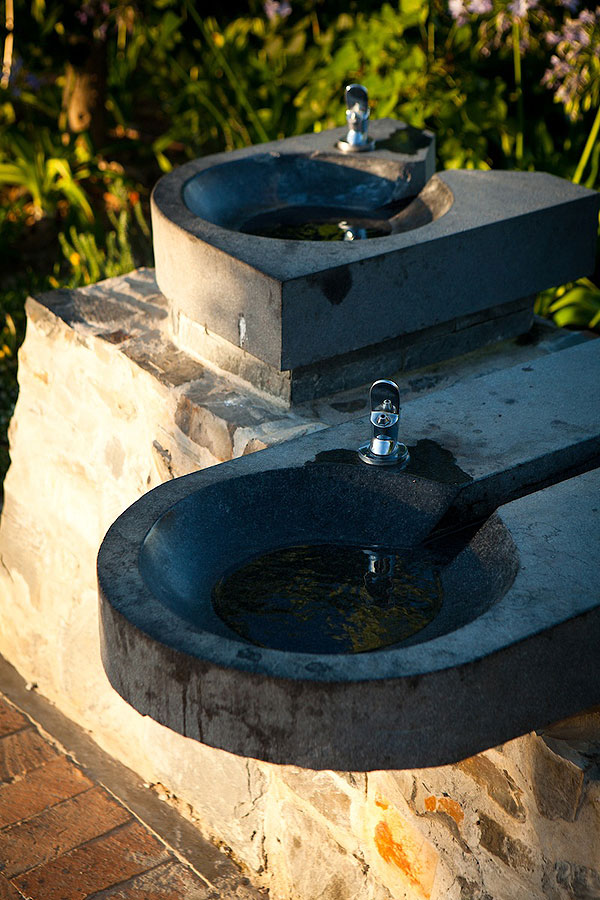
Dotted throughout are amenities like benches and picnic tables as well as drinking fountains for dogs and humans alike. The variety of water features, the combination of materials used and the public art all combine to make this a park experience like no other.
The success of the park highlights the importance and need for well-designed, democratic public space where people can relax, learn, exercise, feel like they are part of a community and experience nature – certainly a legacy to be proud of.
The park is open daily from 7h00 to 19h00. Entrance is free.
Mor einformation: www.greenpointcommon.co.za