-

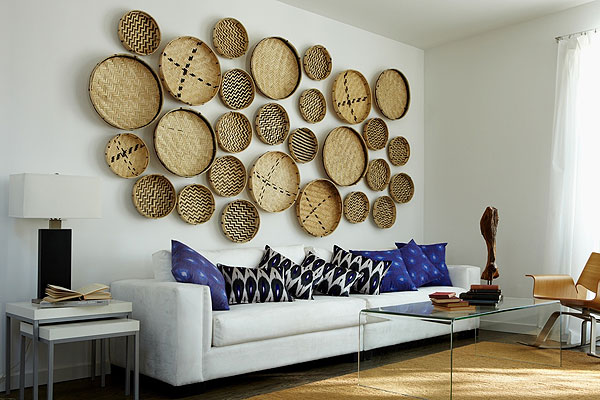
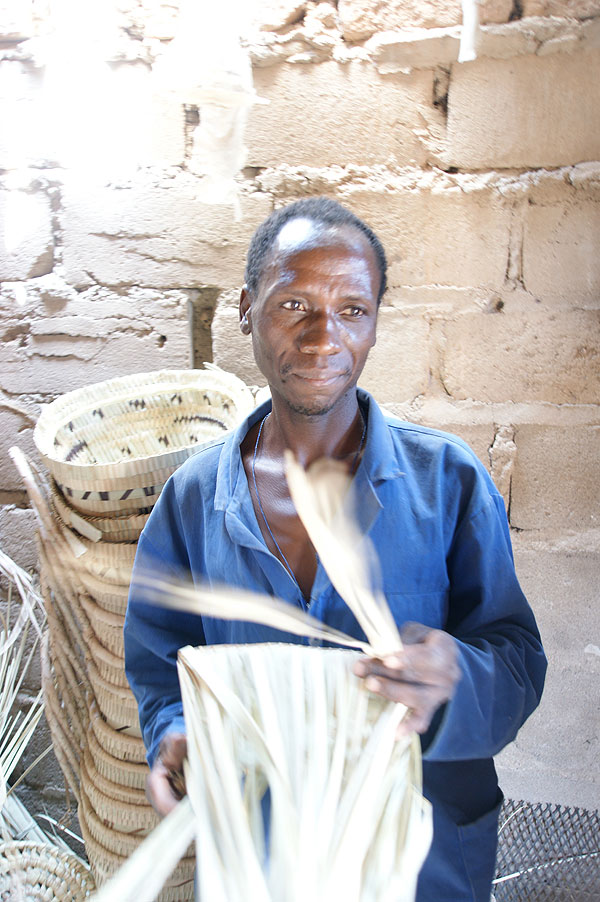
Upliftment meets online design : Baskets by Zambian Raphael Nyange sell from $35. -
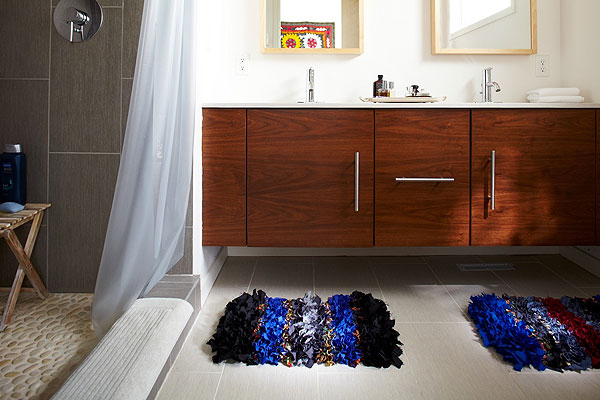
Upliftment meets online design : Carpets by Rose Phiri from Zambia. -
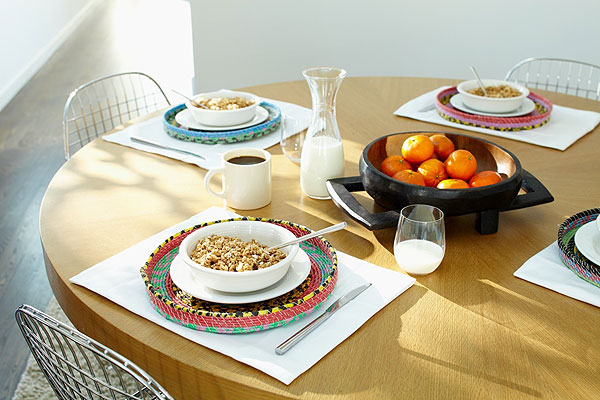
Upliftment meets online design : Rose Phiri's basket plates. -
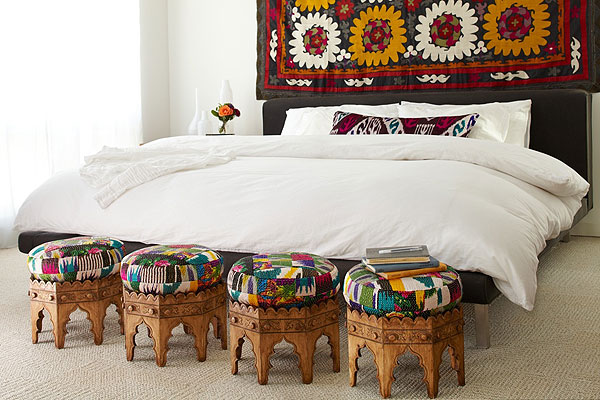
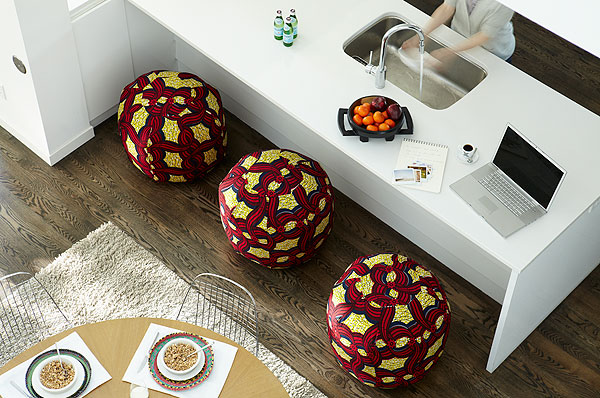
Upliftment meets online design : Footstools designed by Tajikistanian Sodiqjon Amonov sell for $199. -

Upliftment meets online design : Zambian artisan Raphael Nyange. -

Upliftment meets online design : Founder of The Bootstrap Project, Maxine Kaye. -

Upliftment meets online design : Thembekile Tsabedre from Swaziland is one of the successful artisans working with The Bootstrap Project. -
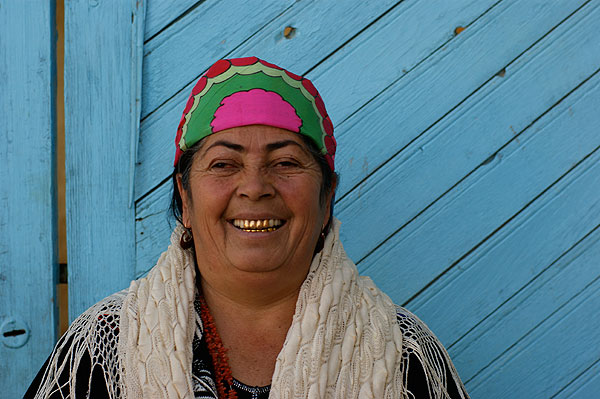
Upliftment meets online design : Soliha Sharopova from Tajakistan creates traditional suzanis, sold on The Bootstrap Project. -
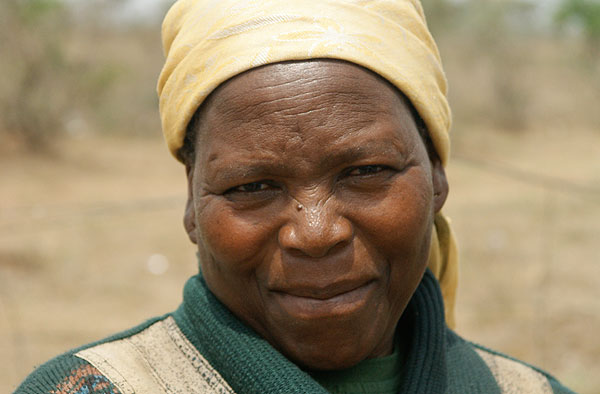
Upliftment meets online design : Zambian artisan Rose Phiri. -

Upliftment meets online design : Rose Phiri's popular poofs. -

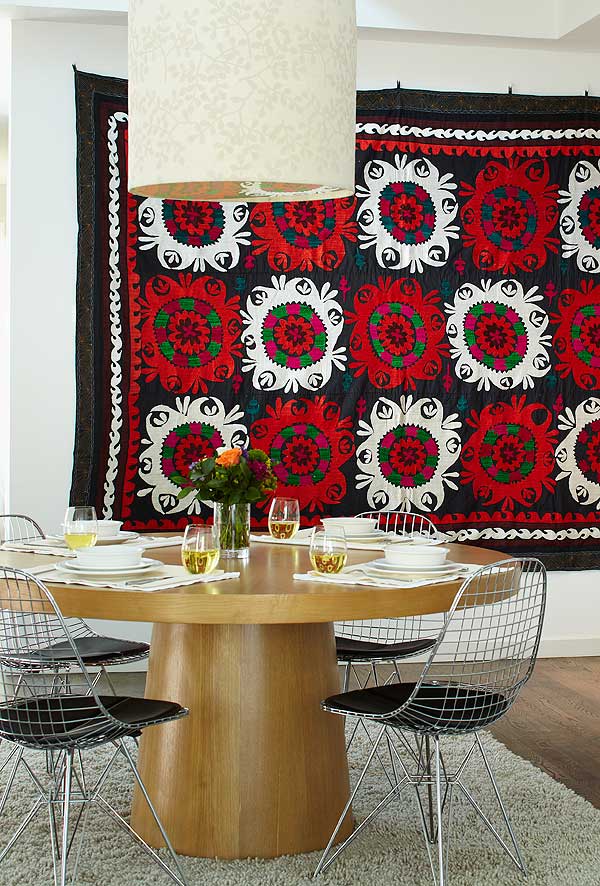
Uliftment meets online design : Suzani carpet -

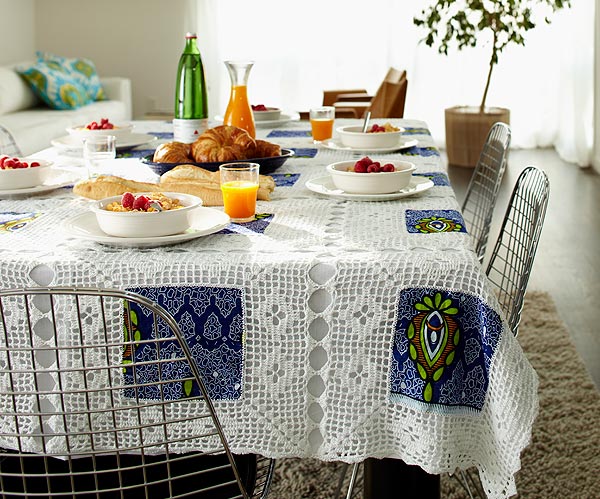
Upliftment meets online design : Table cloth by Rose Phiri from Zambia.


WORDS: Remy Raitt
Embracing the principle of “picking oneself up by the bootstrap”, Maxine Kaye founded the ingenious US-based Bootstrap Project – an online craft and design store and upliftment programme in one.
Sourcing local crafts from rural and lower income groups around the world, The Bootstrap Project not only shares traditional craft with a wider audience but also shares business tools and monetary success with the various artisans with whom they work.
Their aim is to enable the artisans to pick themselves up and create a viable future for themselves, their families and their communities.
VISI spoke to founder Maxine Kaye to find out more about the work of The Bootstrap Project and the traditional and innovative design items they source.
Describe the work of The Bootstrap Project.
The Bootstrap Project is a global platform for local artisans. Our goal is to allow buyers to search the world and get to the source of a product, no matter where they are, and then to become part of a responsible global community by purchasing our artisans’ pieces.
When, where and why did it start?
Development has always been a keen interest of mine. I previously worked at the United Nations and then at a non-profit organisation. Unfortunately, I came away from those experiences completely disillusioned. I saw that while some very good work is done at the UN, a lot of resources are also wasted on bureaucracy and politics, which is counter-productive. From first-hand experience with the non-profit world, I saw that hand-outs do not lead to development. They only create dependency.
I then returned to university to do graduate studies in law. As part of my legal training, I spent a summer at the United Nation’s International Criminal Tribunal for Rwanda located in Arusha, Tanzania. It was during this trip to Africa, in a remote region of Swaziland, that I came across some exquisite craftwork. I decided to speak to the artisan who was making the most beautiful wooden dishes I had ever seen. She told me that she learnt to make the dishes from her father, who in turn had learnt the tradition from his.
Thembenkile, the artisan, explained how important the dishes were in Swazi culture; how their circular shape reflects community between different families. But she also explained how difficult it was to sell the dishes, as she was living in the middle of the Swazi countryside and Swazis were not buying her products as much because they could only afford to buy the plastic dishes that were flooding the market from far off countries.
I suppose it’s this conversation with Thembenkile that was the ultimate impetus for The Bootstrap Project.
Does The Bootstrap Project only sell goods online?
At the moment we have put an emphasis on developing our online site, but of course we are open to selling in stores and elsewhere…
The website indicates that goods are sourced from Tajikistan, Swaziland and Zambia. Do you sell products made anywhere else? Are there future plans to branch out further?
Absolutely. Presently, as you said, our artisans are from Tajikistan, Swaziland and Zambia, but this is just the beginning. Our goal is to support artisans and their communities from all around the world, including much more extensively throughout Africa as well as in Latin America and Asia.
Working with development partners to help revive local traditions will be an important part of our work going forward. As cheap alternatives flood local markets, ancient traditions are rapidly dying out. I personally don’t want the only examples of distinct cultures to exist in museums; I want to see how people from those cultures interpret their cultures’ crafts today.
You believe in trade not aid. Why is that?
This is a core Bootstrap principal. It stems from the respect that our team has for “poor” people. Sometimes there is a tendency, I think perhaps particularly in the US, to slap this label on people and only then to take pity on them. This, I sincerely believe, is the wrong approach. We need instead – and I think in South Africa you are much more advanced on this thinking – to see these people as great stores of potential that just need the right resources and access to allow that potential to be realised.
This is not to say that aid does not play a significant role. Of course there is still a great need for funding for health, education and infrastructure, but the point is that aid will not be the answer to sustained poverty alleviation. That is the role of trade and it has to start from the ground up.
How is the money made through the project used to better the communities who make the goods?
The profits are used in one of two ways. The first is to fund joint projects that educate other artisans in the community so that they too can become future Bootstrap artisans. Through joint efforts with our development partner, we are breathing new life into these traditions.
The second way profits are used is to help our development partners that are involved with micro-finance to other micro-entrepreneurs. This allows growth to spread throughout the community.
Do the local artisans decide on which objects to make, and ultimately to sell on Bootstrap? Or is there a guiding voice?
It depends; at Bootstrap we have two broad categories of products. The first are those products with unique cultural value. We have the greatest respect for the cultural integrity of these products and for this category it would just be inappropriate to get involved with the design. ‘
The main challenge for these products is finding artisans who make them with the same integrity that their ancestors did. Bootstrap helps to source original materials and, as Ive said, to create partnerships to train other artisans in the community.
The other type of product comes as a result of a variety of processes. When we trave, we not only visit markets but we keep our eyes open to see how people in the communities live. We ask ourselves, “What few things do these people surround themselves with?” I just love the idea of products that are not just made by an artisan for another person a world away, but that the artisan is bringing a real part of their country to the rest of the world.
We also have artisans who have access to the internet and who explore websites – including, actually, VISI – to get ideas. It’s wonderful to see the democratising effect that the internet has and to hear the ideas that our artisans come up with that incorporate modern design, but are still very much a reflection of their own cultures.
Is the Bootstrap market growing? Where are most of the buyers from?
At the moment our buyers come from the United States, but we have seen a lot of interest in our site from other places including France, the United Kingdom, South Africa and Latin America. So we are delighted to announce that this week we are expanding our capacity to sell internationally.
What lies ahead for The Bootstrap Project?
We hope that The Bootstrap Project becomes a platform for artisans, no matter where they are in the world, to access the global market. There are large hurdles for poor people living in remote areas, but we hope to create a model that allows all people to demonstrate their culture and talents.
On the flip side, we really believe in our mission to craft a more connected world, and we hope that people continue to be as inspired as we are by learning about the Bootstrap artisans. On that front, we will be incorporating more communication on our blog between our artisans, development partners and the Bootstrap community.
More information: http://thebootstrapproject.com.