-

Craft Meets Contemporary Design in Casa Capirote -
Craft Meets Contemporary Design in Casa Capirote -
Craft Meets Contemporary Design in Casa Capirote -
Craft Meets Contemporary Design in Casa Capirote -
Craft Meets Contemporary Design in Casa Capirote -
Craft Meets Contemporary Design in Casa Capirote -
Craft Meets Contemporary Design in Casa Capirote -
Craft Meets Contemporary Design in Casa Capirote -
Craft Meets Contemporary Design in Casa Capirote -
Craft Meets Contemporary Design in Casa Capirote -
Craft Meets Contemporary Design in Casa Capirote -
Craft Meets Contemporary Design in Casa Capirote -

Craft Meets Contemporary Design in Casa Capirote -
Craft Meets Contemporary Design in Casa Capirote -
Craft Meets Contemporary Design in Casa Capirote -
Craft Meets Contemporary Design in Casa Capirote -
Craft Meets Contemporary Design in Casa Capirote
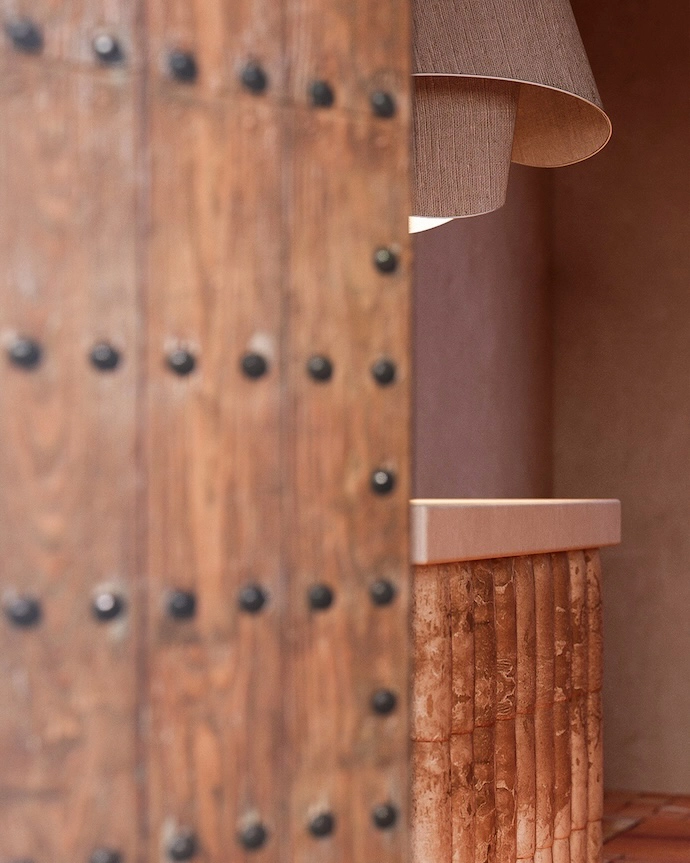
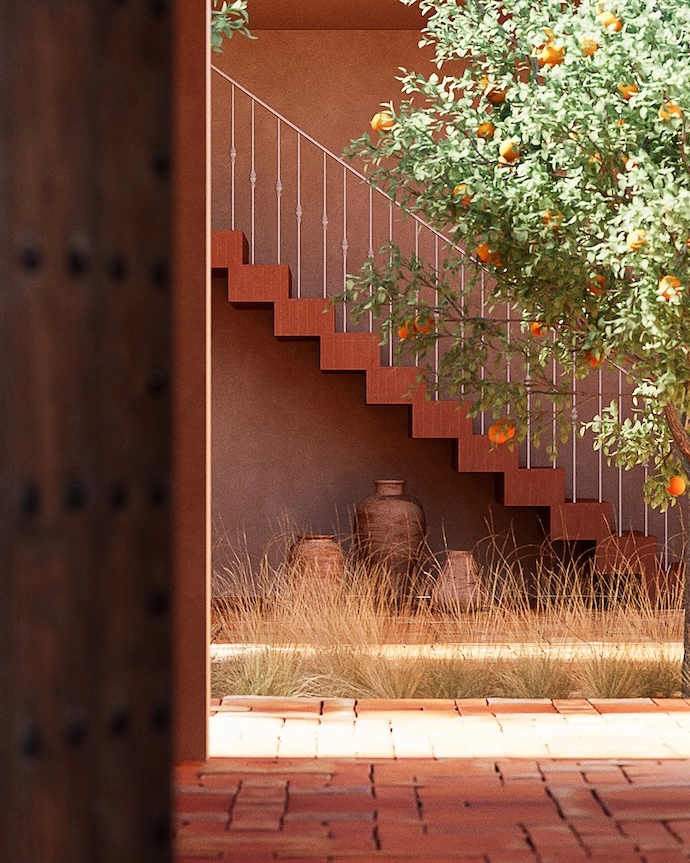
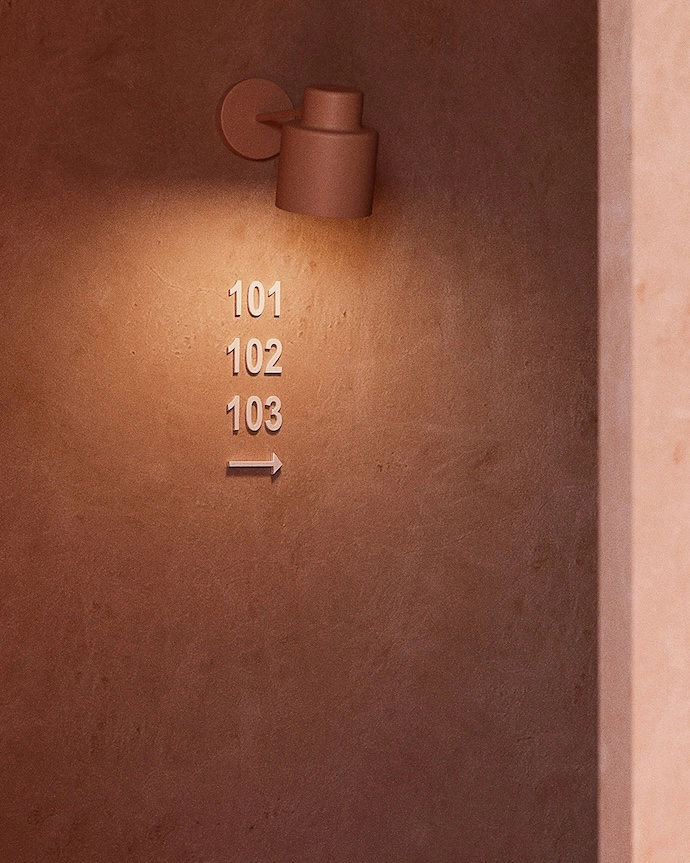
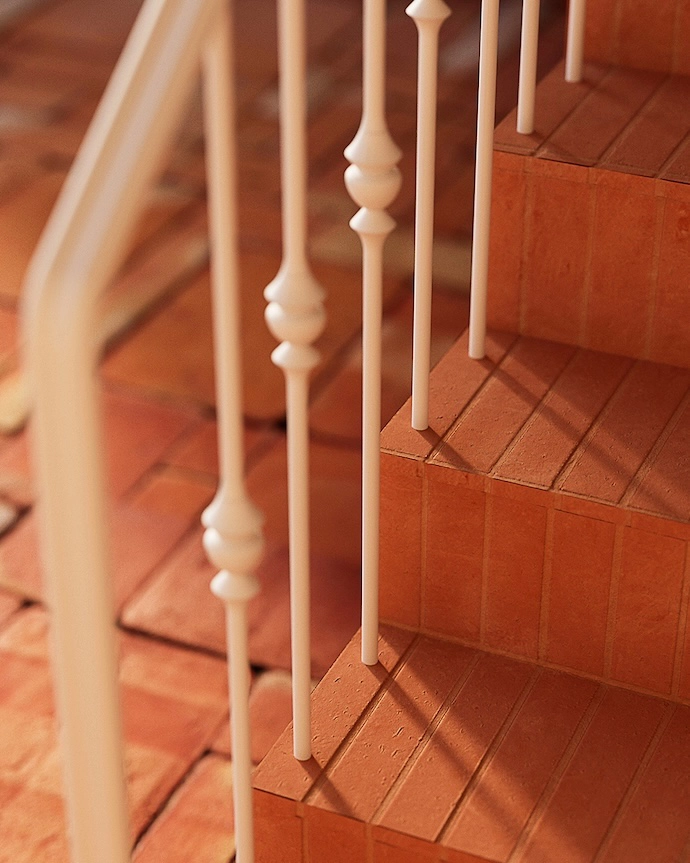
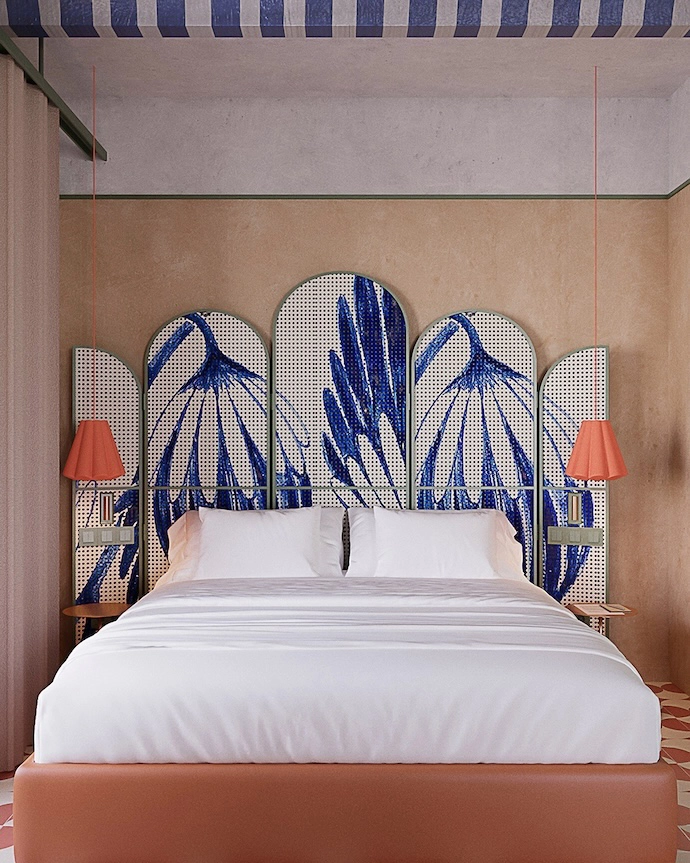
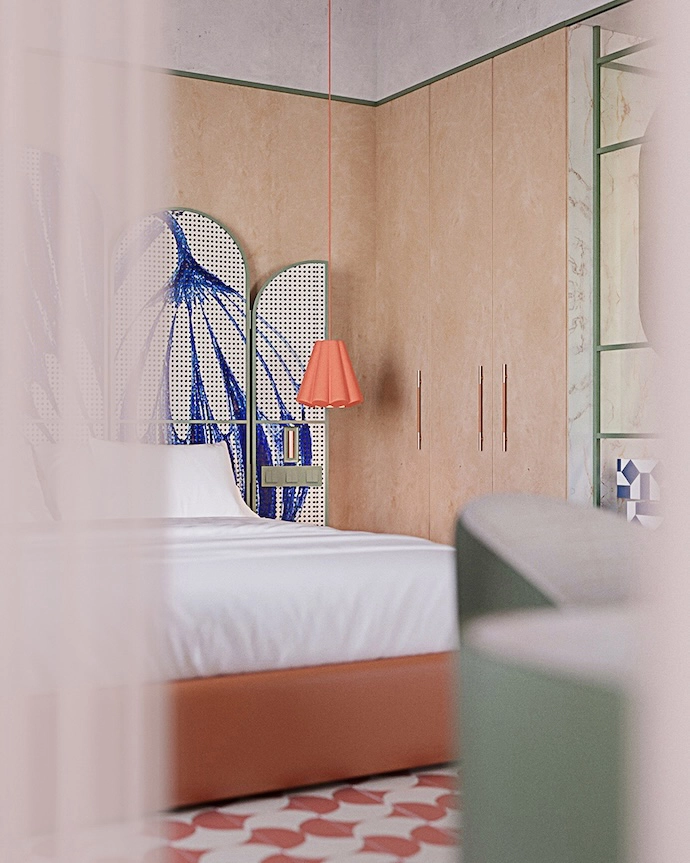
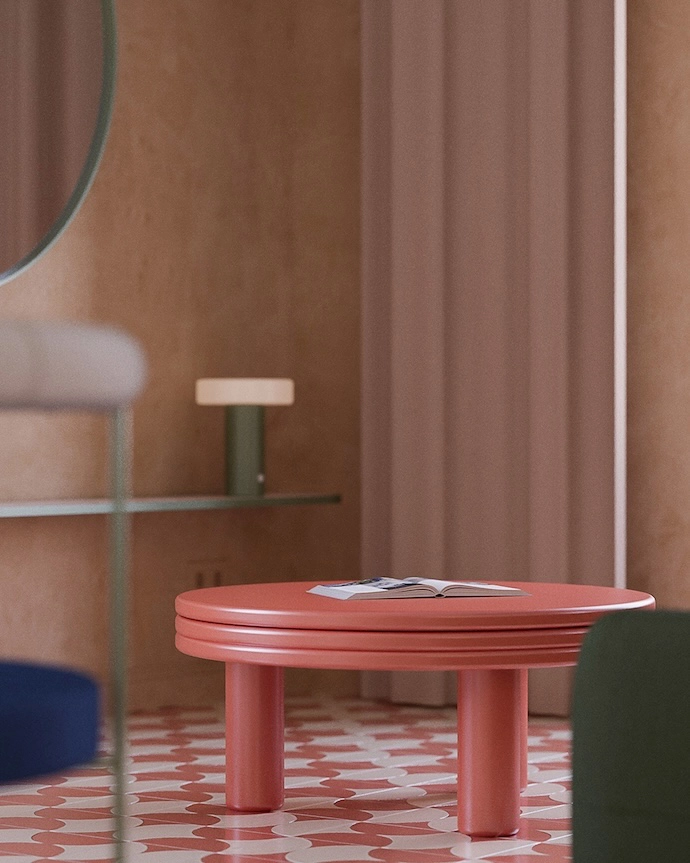
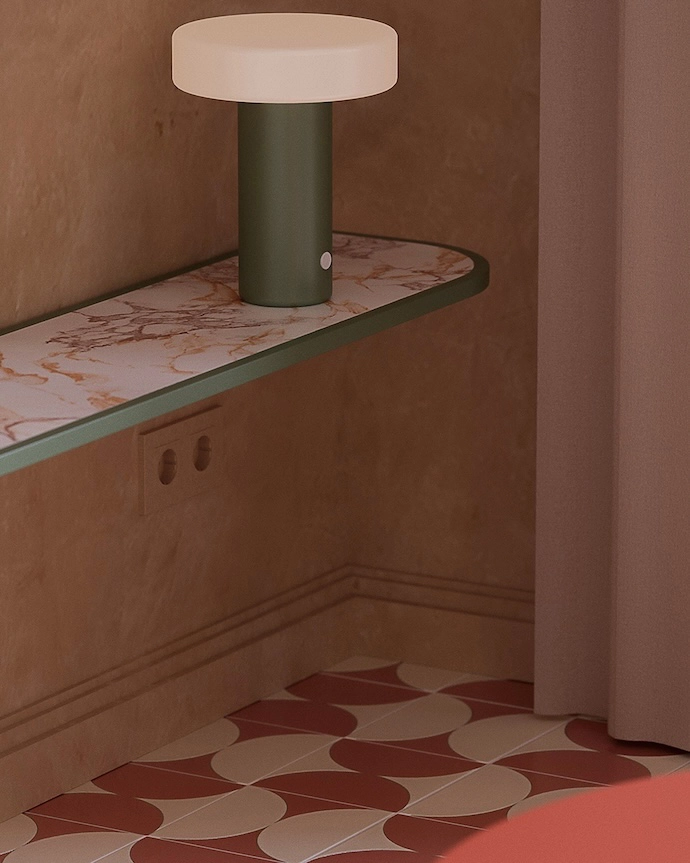
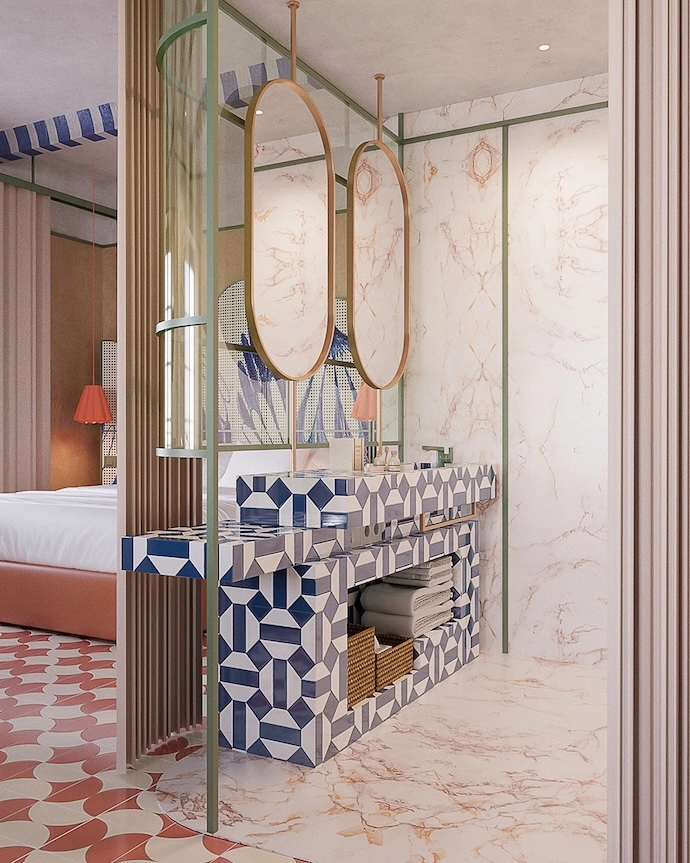
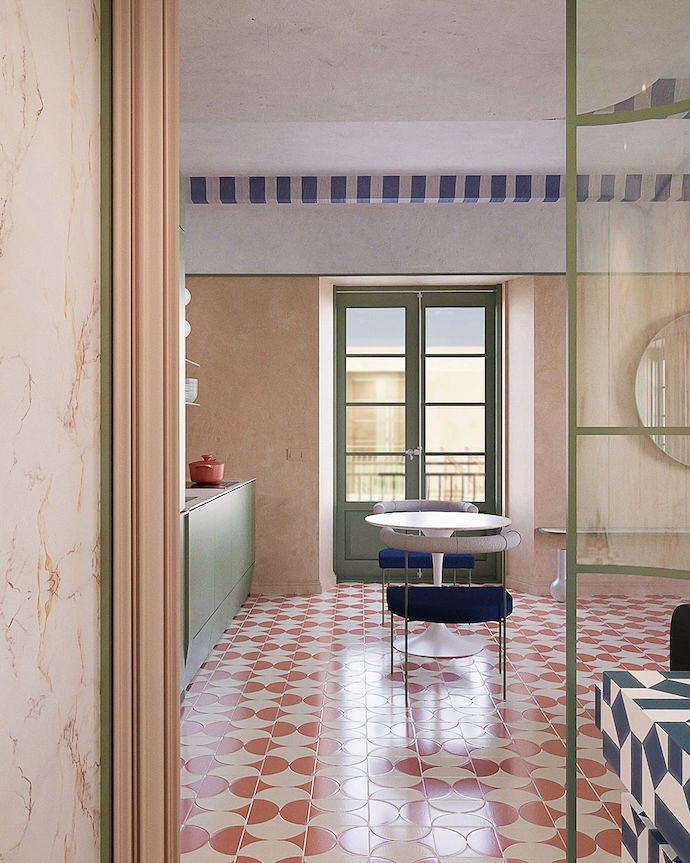
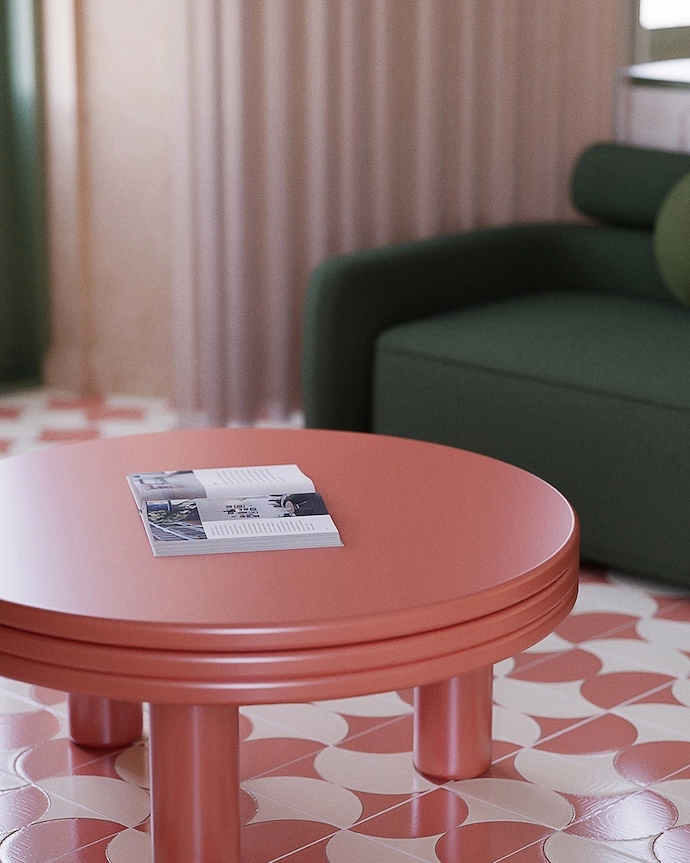
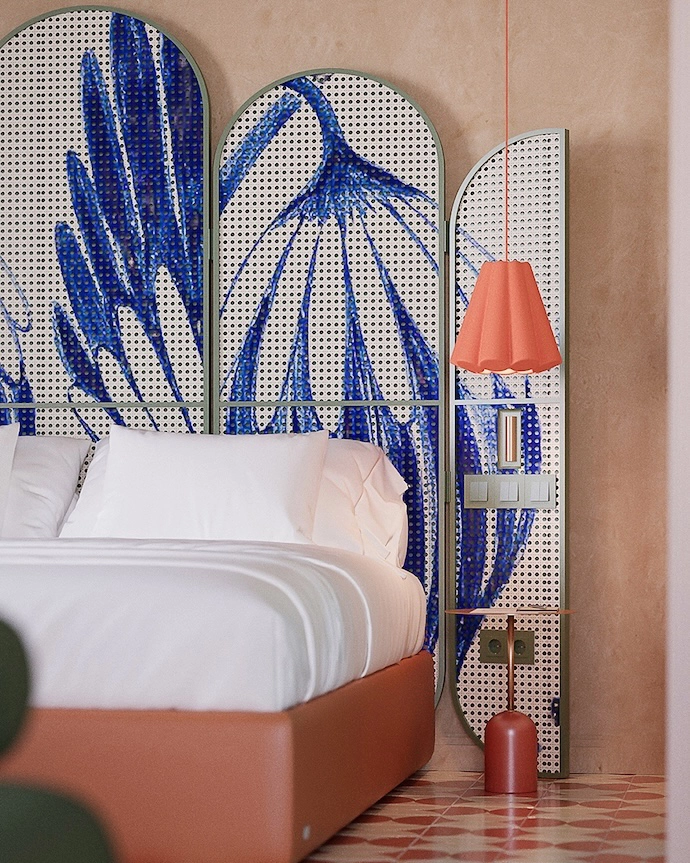
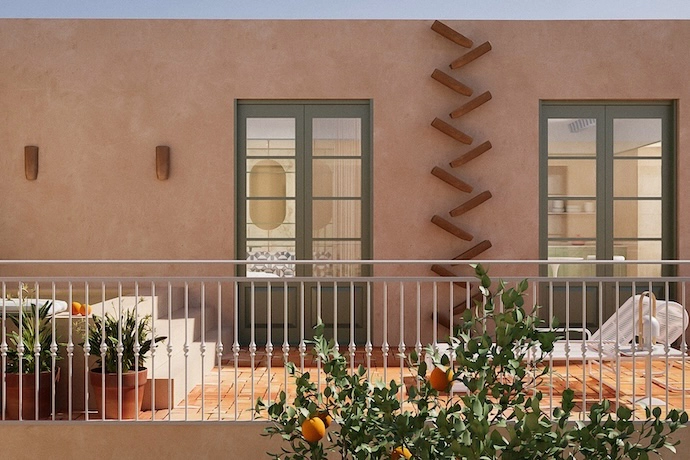
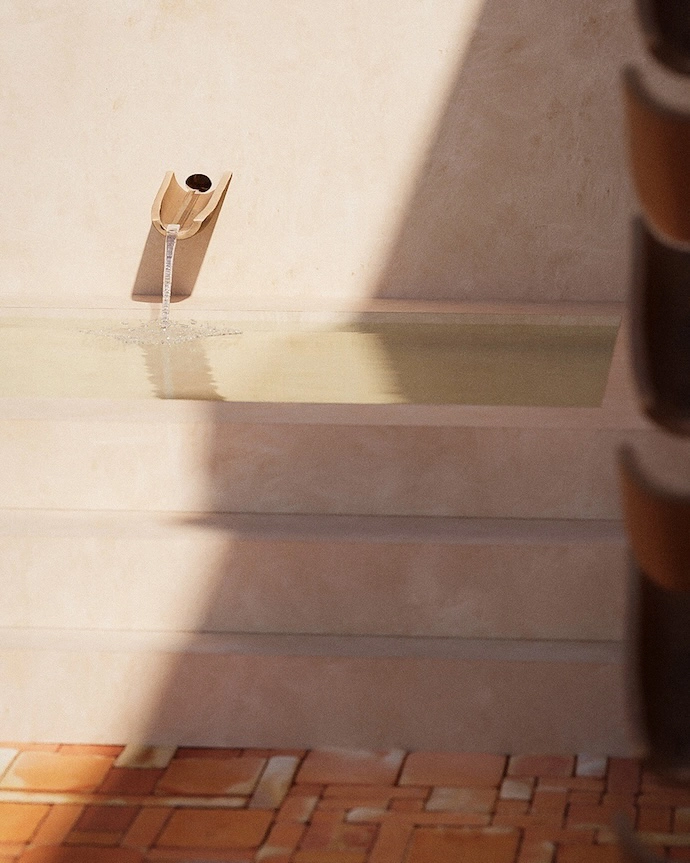
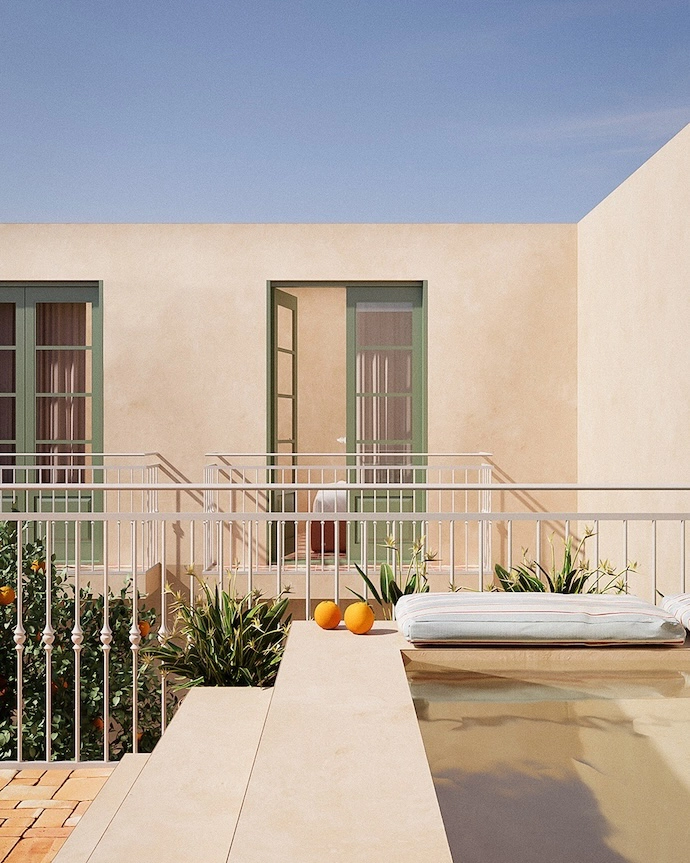
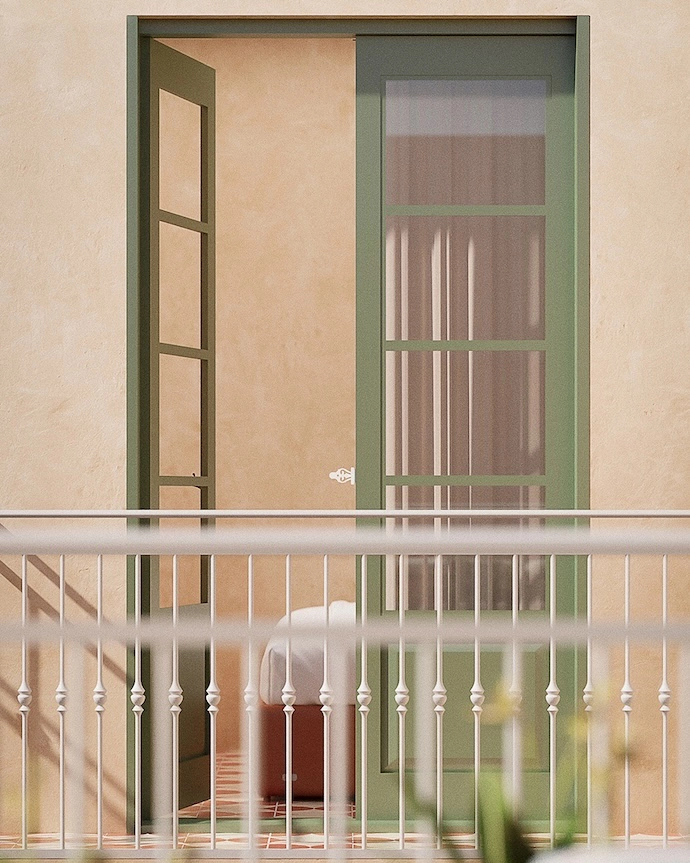
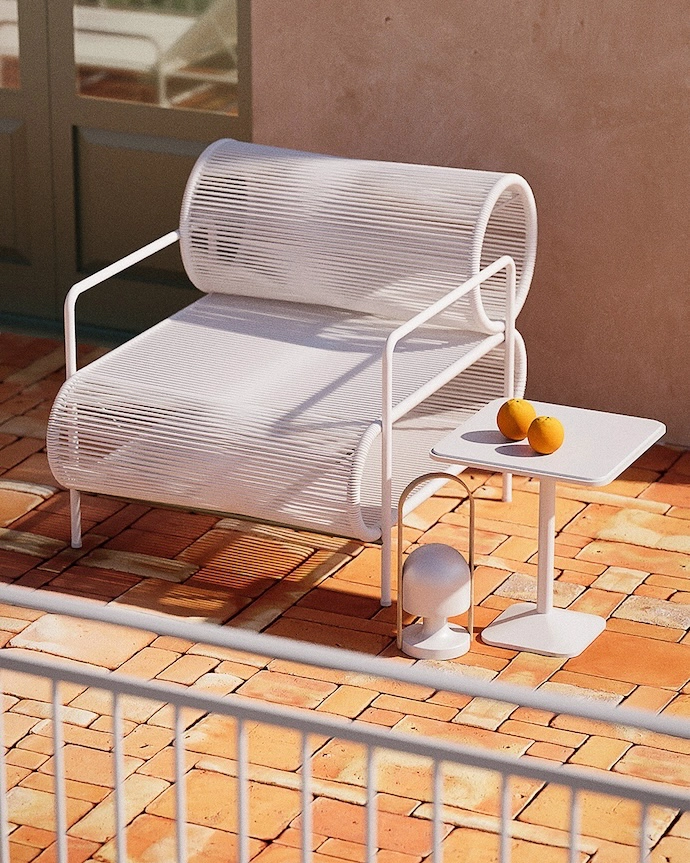
In the heart of Seville, this apartment designed by award-winning Spanish design studio Cateto Cateto masterfully blends the city’s tradition of hand-painted ceramics with contemporary lines.
WORDS Gina Dionisio PHOTOS Courtesy of Alejandro Cateto
Translating culturally specific references into an interior language that feels contemporary rather than purely decorative is no easy task. Casa Capirote, however, does so with considerable finesse, thanks to a light-filled interior that is a reflection of local history as much as it is an expression of modernity and sophistication.
Inspired by the essence of Seville, particularly Triana pottery, interior designer Alejandro Cateto wanted the apartment to feel connected to the city without becoming a recreation of a traditional Sevillian interior. “I was not interested in literally reproducing Triana pottery or using it solely as a decorative device,” he says. “Instead, I tried to understand the language behind it: its use of colour, rhythm, repetition, geometry and craftsmanship.”
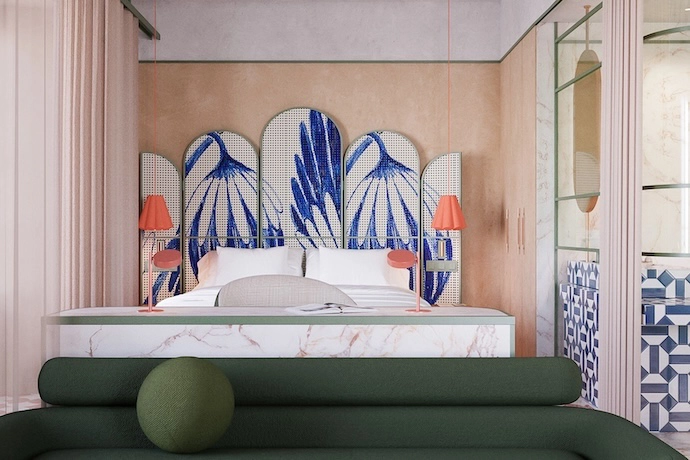
These traditional ideas find expression in the composition of the space, the colour palette and the relationship between the different materials. “The references are recognisable, but they have been simplified and reinterpreted. For me, contemporary design does not require us to abandon tradition, but rather to learn how to view it from a new perspective,” says Alejandro.
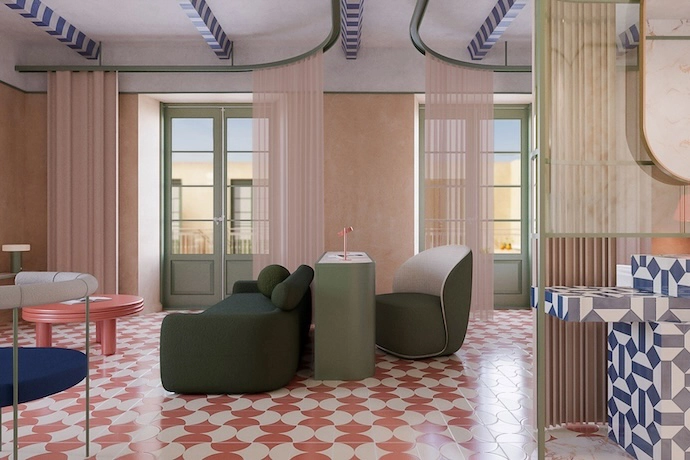
Instead of conventional partitions, which would have made the compact apartment feel fragmented and boxed in, he uses strategically placed curtains to create a flexible divide between social and private areas. “Depending on how they are arranged, they can completely transform the apartment,” explains Alejandro. The diaphanous fabric hangs from rails set into the ceiling and shifts with the air moving through the apartment, catching the light differently throughout the day. “During the day, the spaces can remain open and visually connected, while they can be enclosed whenever greater intimacy is required,” he continues. “They also introduce softness, movement and a certain theatrical quality, which contrasts with the more solid architectural elements.”
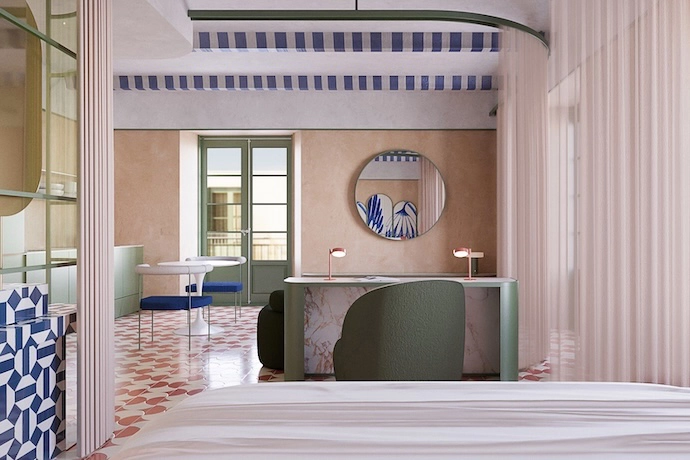
Beyond their role in dividing the space, the curtains’ semi-sheer fabric helps diffuse natural light throughout the apartment, enhancing its colour scheme of earthy and green hues. “Seville has a particularly intense quality of light, and colour changes enormously depending on the time of day. I wanted the palette to respond to that light rather than remain visually static,” says Alejandro. “The greens, earthy tones and warmer accents become brighter and more energetic in direct daylight,” he continues, “while in the afternoon and evening they acquire greater depth and create a more enveloping atmosphere.”
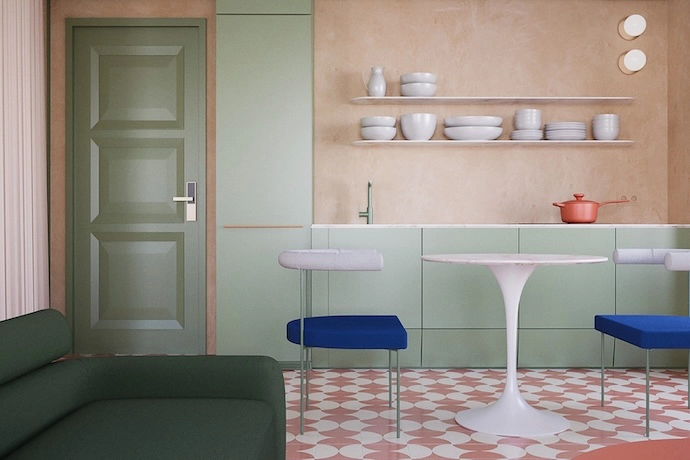
The lime mortar surfaces throughout the apartment also contribute to the shifting daylight, absorbing and reflecting light in a softer and less uniform way than a conventionally painted wall.
Alejandro was drawn to using lime mortar not only because of its close relationship with Andalusian architecture, but also because of its honesty and sensory quality. “Rather than treating it as a historicist gesture, we used it as a quiet architectural backdrop. Its texture creates a dialogue with the smoother finishes, clean lines and more sculptural contemporary pieces in the apartment,“ he says. “The contrast between the irregularity of the lime mortar and the precision of the furniture allows both languages to become more visible.”
In Casa Capirote, local craftsmanship forms part of the architecture and the narrative of the project, while the more refined pieces introduce clarity and allow those details to breathe. It is a process of addition, but also of restraint. “The handcrafted elements should not appear as isolated decorative objects, while the contemporary pieces should not erase the identity or irregularity of the materials surrounding them,” says Alejandro. “A space reaches the right equilibrium when the different elements stop competing with one another and begin to feel as though they belong to the same world, even when they come from different periods or traditions.” catetocateto.com | @wearecatetocateto
Don’t forget to sign up to our weekly newsletter for the latest architecture and design news.