-

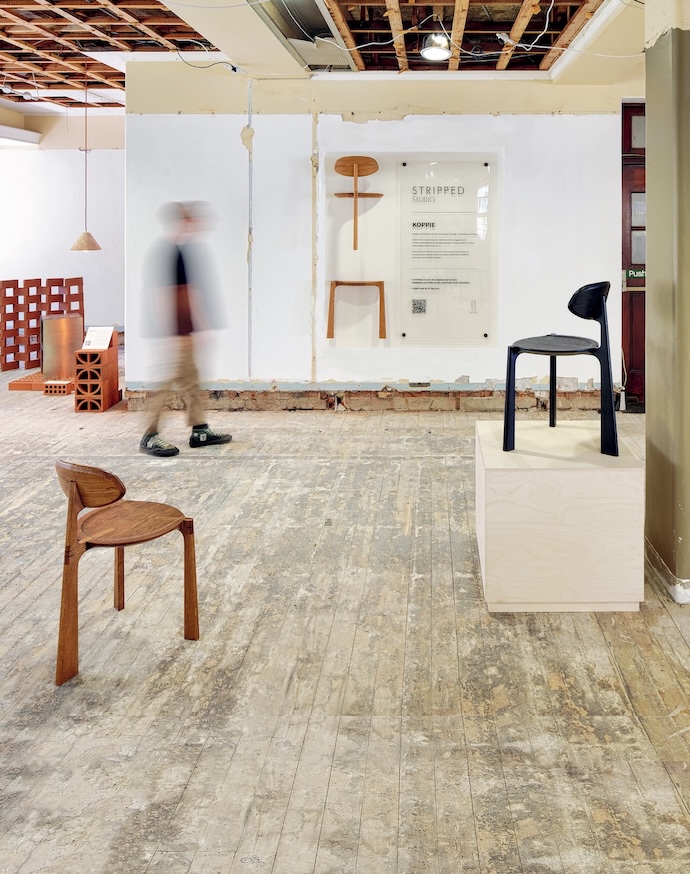
On the first floor of the Cape Town Furniture Week 2026 Festival Hub in St Georges Mall, the Koppie chair by Stripped Collective and Tom Lead. -

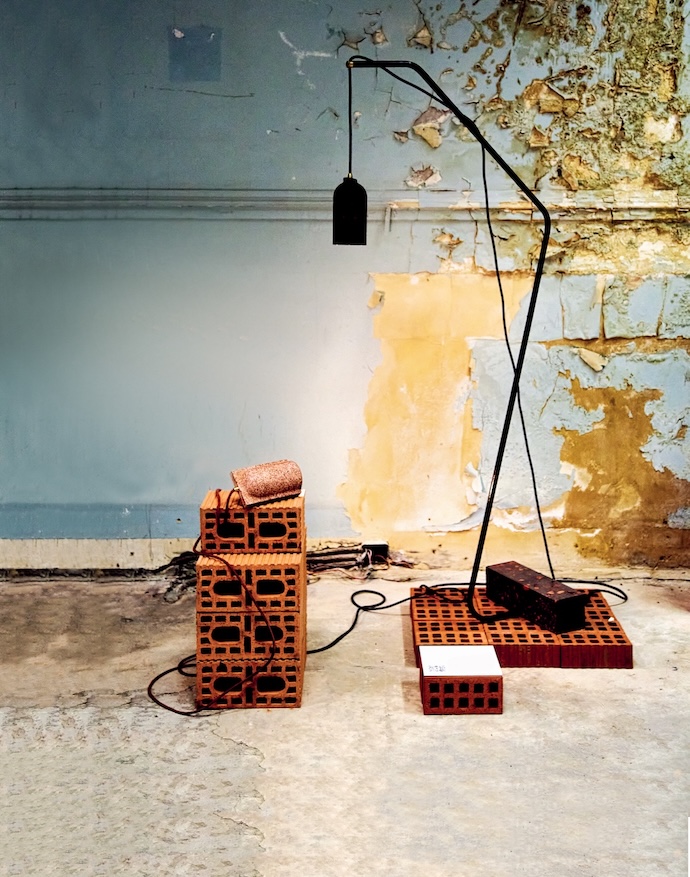
The WAYST pendant lamp by Alkaline, made from reclaimed materials. -

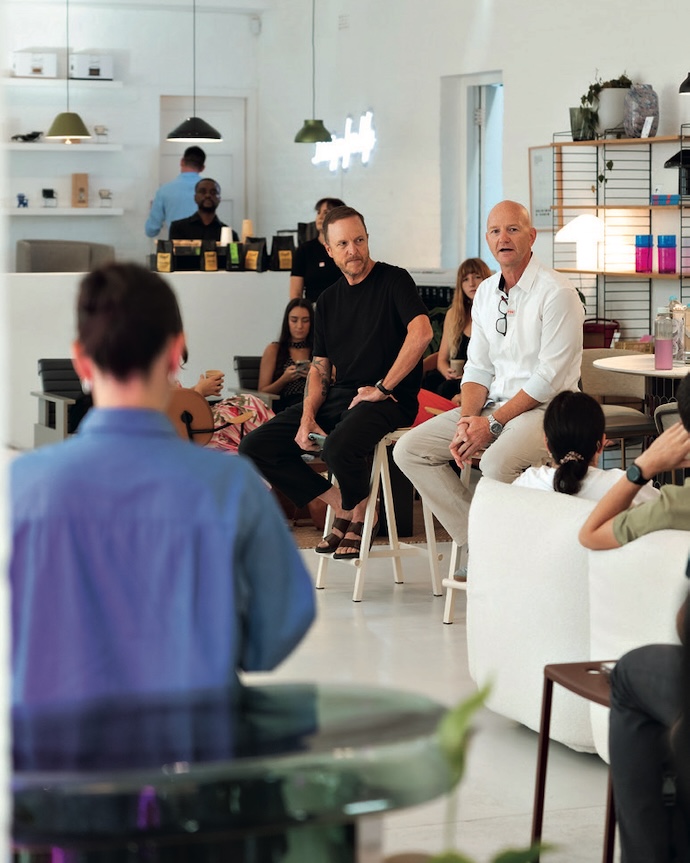
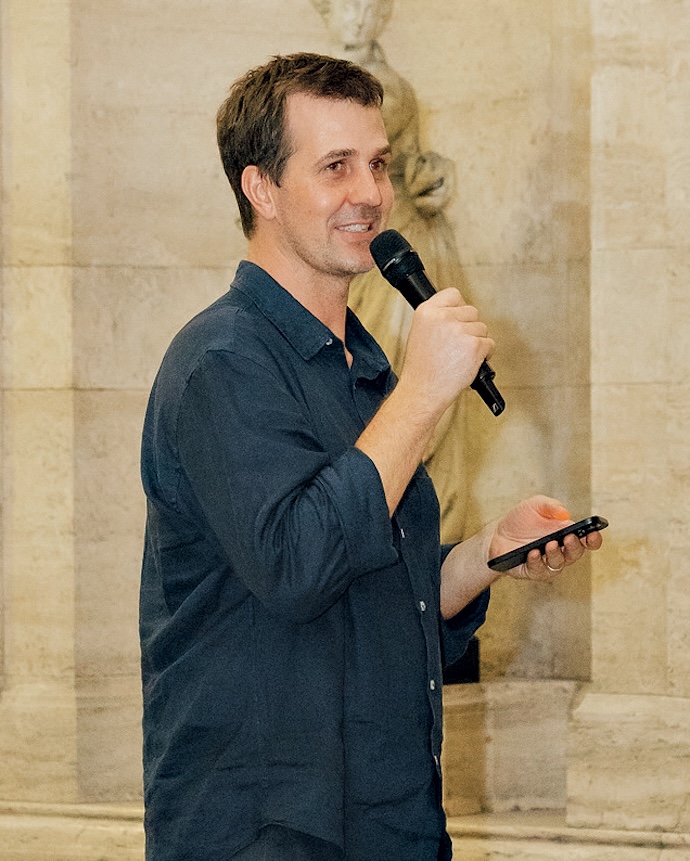
VISI’s editor-in-chief Steve Smith in conversation with HAY’s Morten Larsen at the Inova Concept Store -

Studio tour of lighting brand Willowlamp’s Salt River space. -
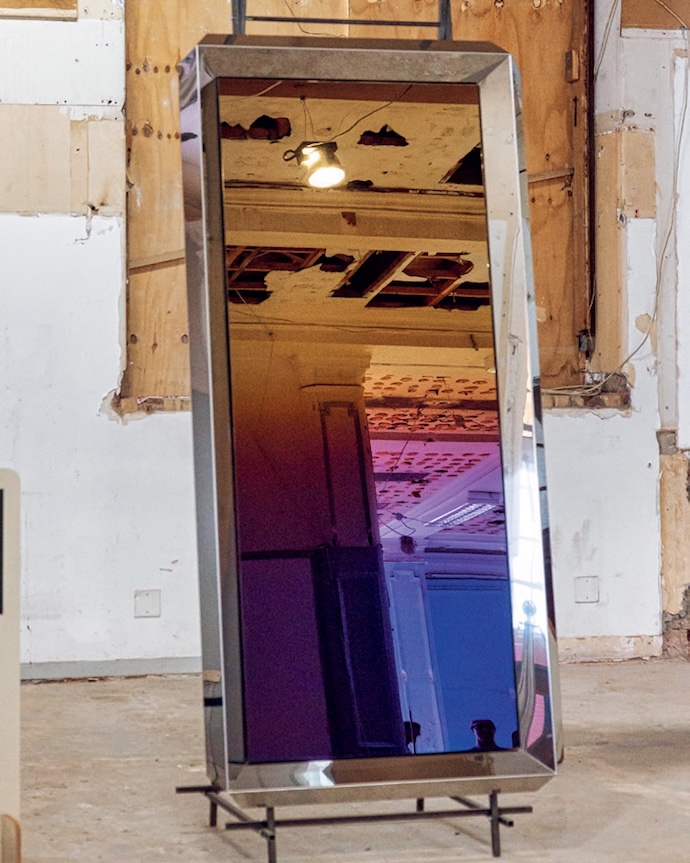
The MŪ Amterine mirror by Mūvek x Spectrum – winner of Best Collab at the CTFW x VISI Design Prize Awards. -

Ashanti Design stand at the Festival Hub. -
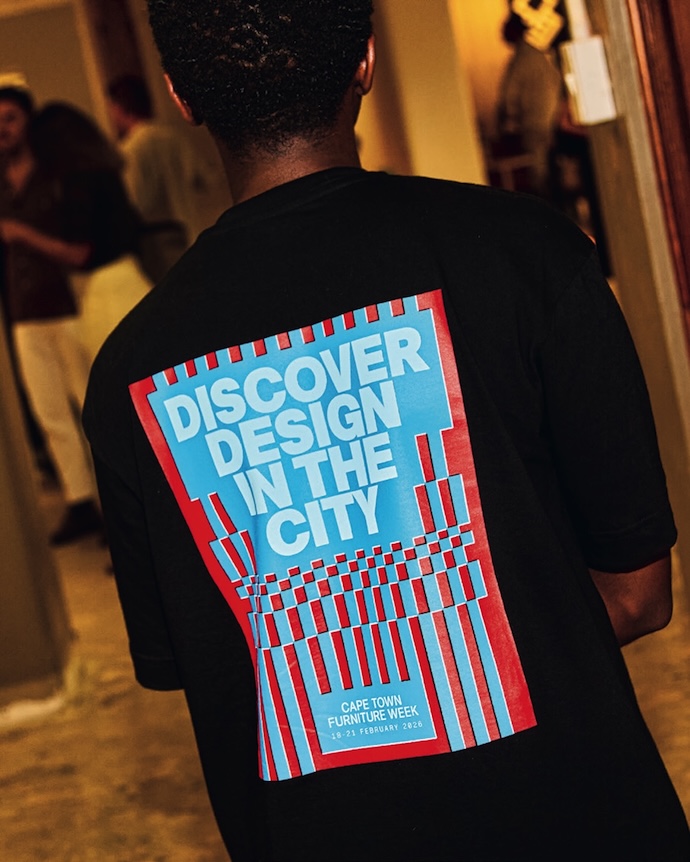
Official limited-edition tee for 2026. -
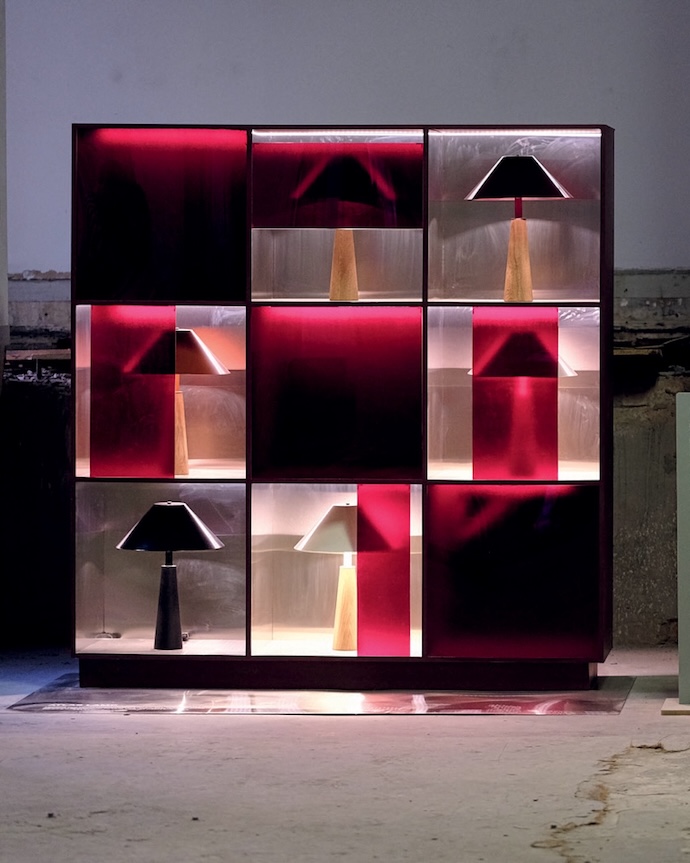
Pedersen + Lennard launched the Atlas lamp. -

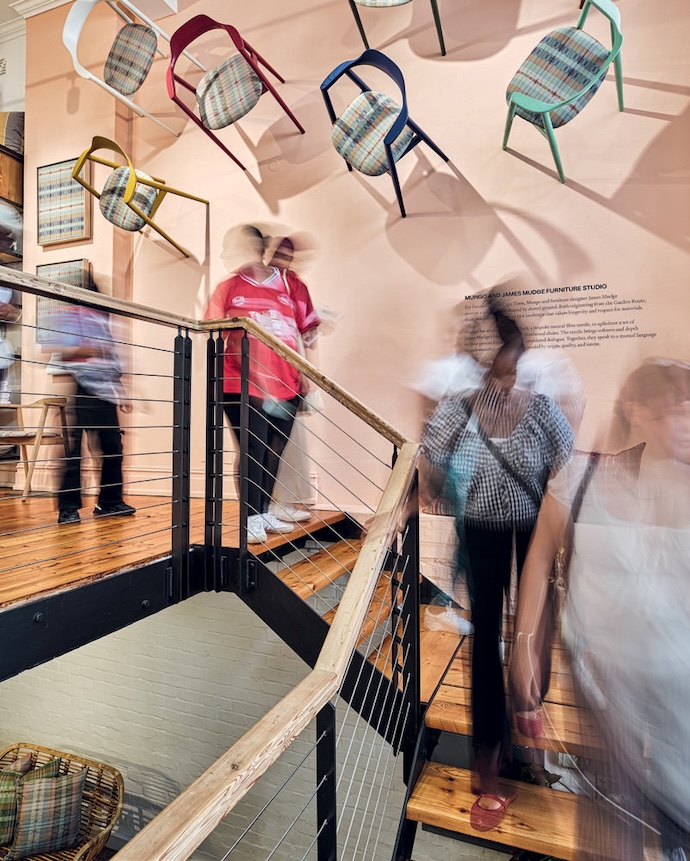
The Mungo x James Mudge collab. -
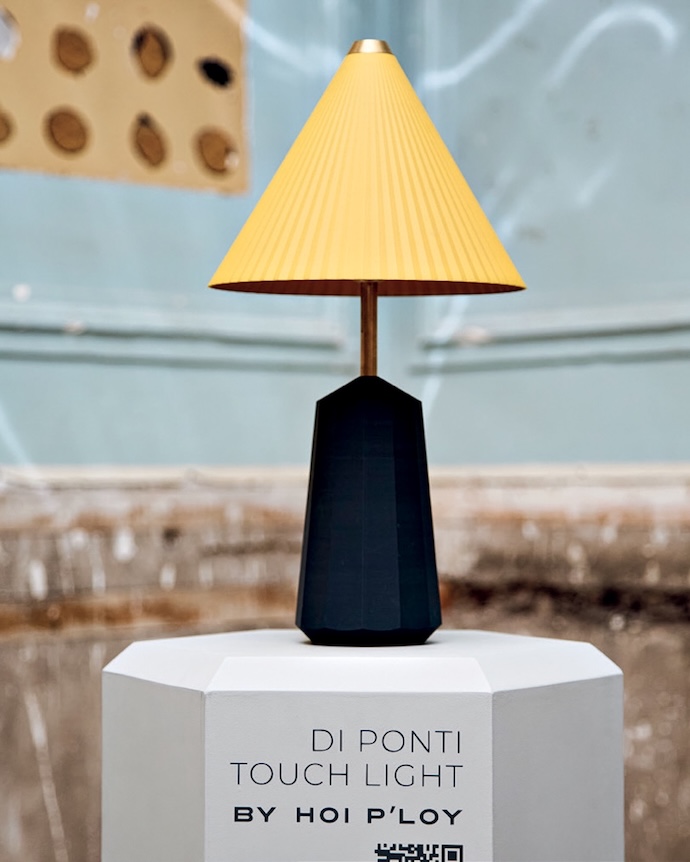
Hoi P’loy’s Design Prize entry, the Di Ponti light. -

StudioLandt/Weylandts showcase at Weylandts’ Castle Street store. -
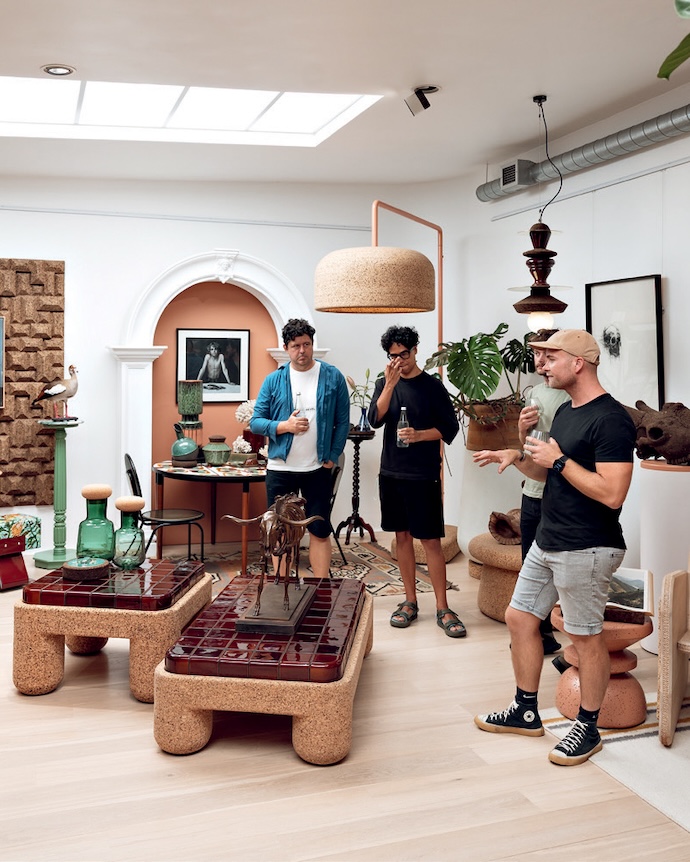
Laurie Wiid with his Massa Forma tables, which won the Advancement category at the Design Awards. -
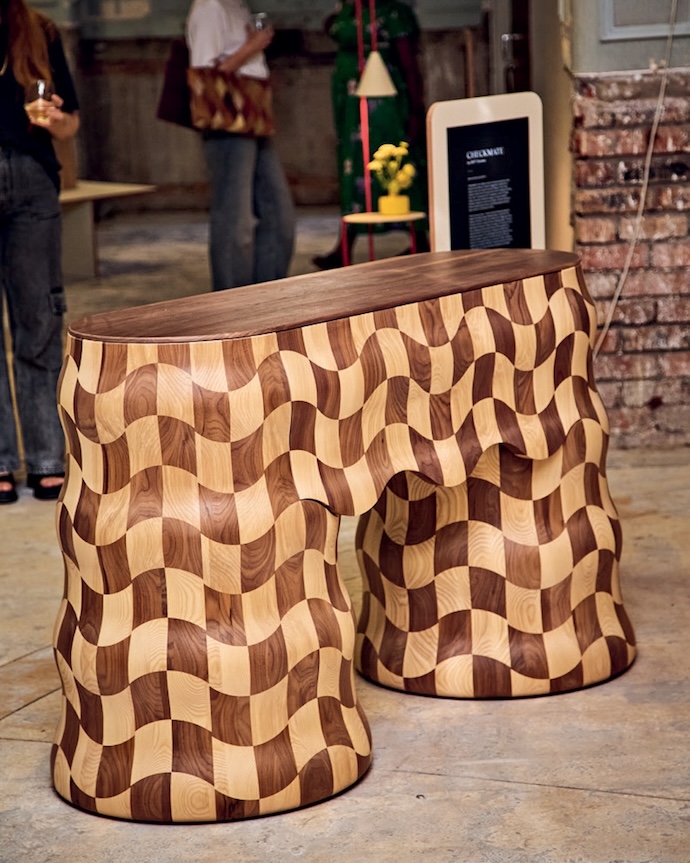
DEFT Studios’ Checkmate console, winner of the Design category. -
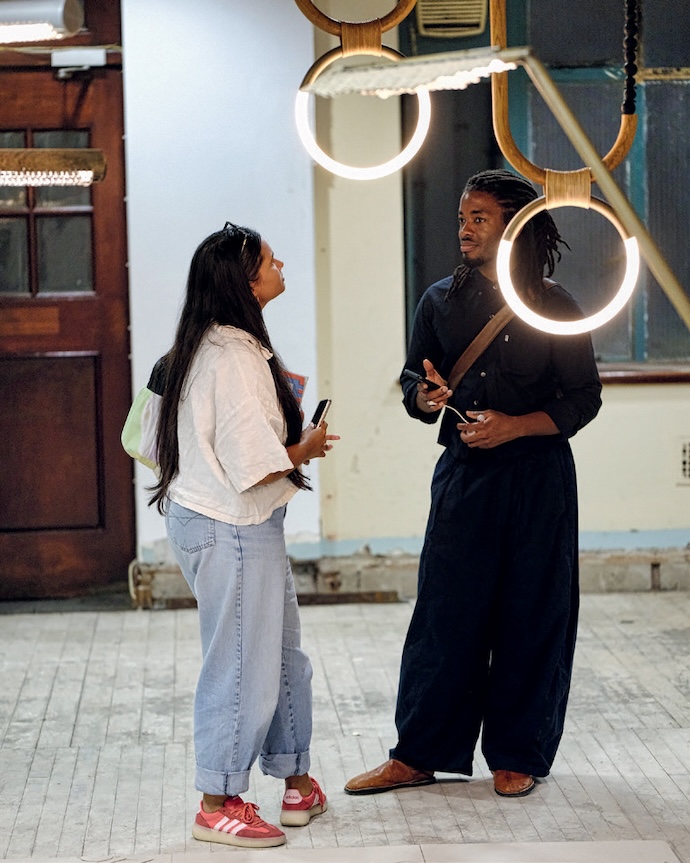
Admirers of light designers Arkivio’s stand. -
The Ayris Collection’s stand at the Festival Hub. -
CTFW x VISI judges Steve Smith, Sindiso Khumalo, Chiara Piperni and Roddy Clarke with CTFW co-founder Gareth Pearson. -
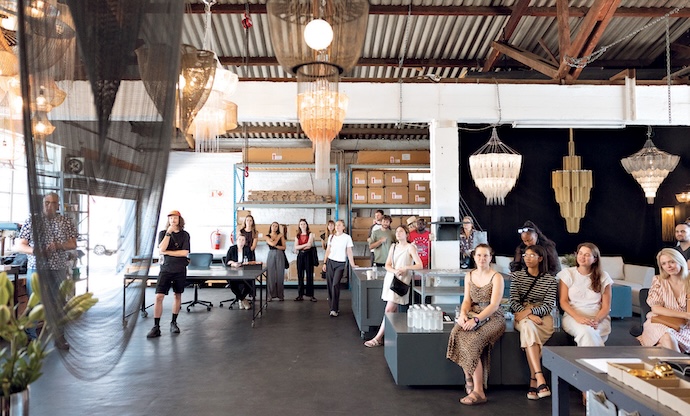
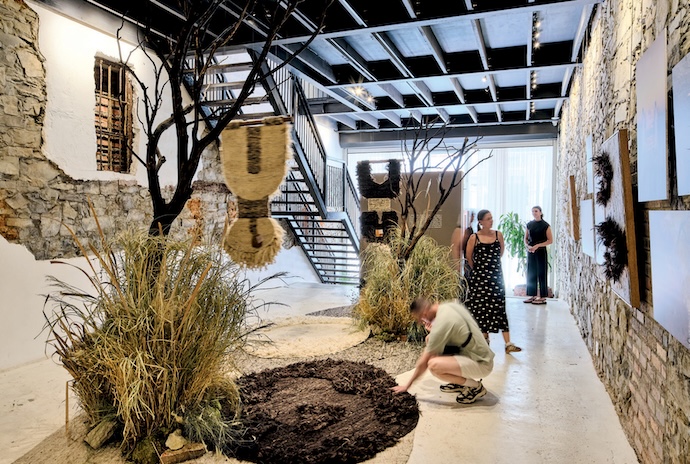
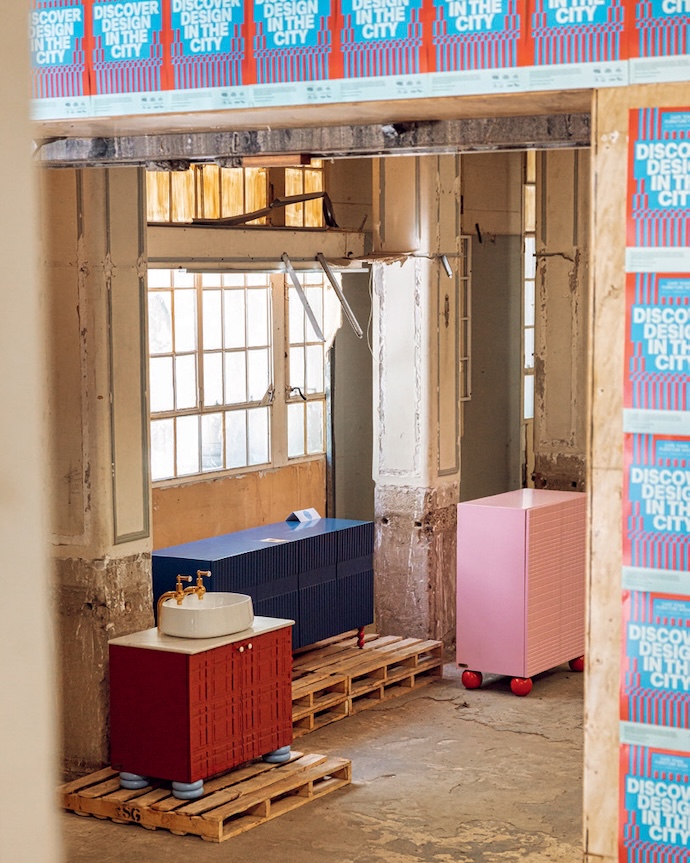
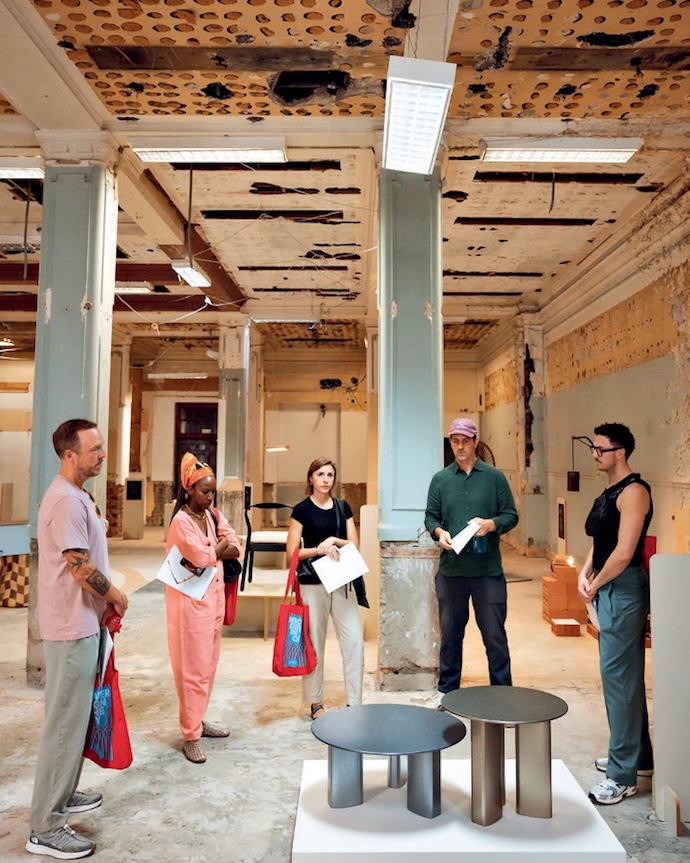
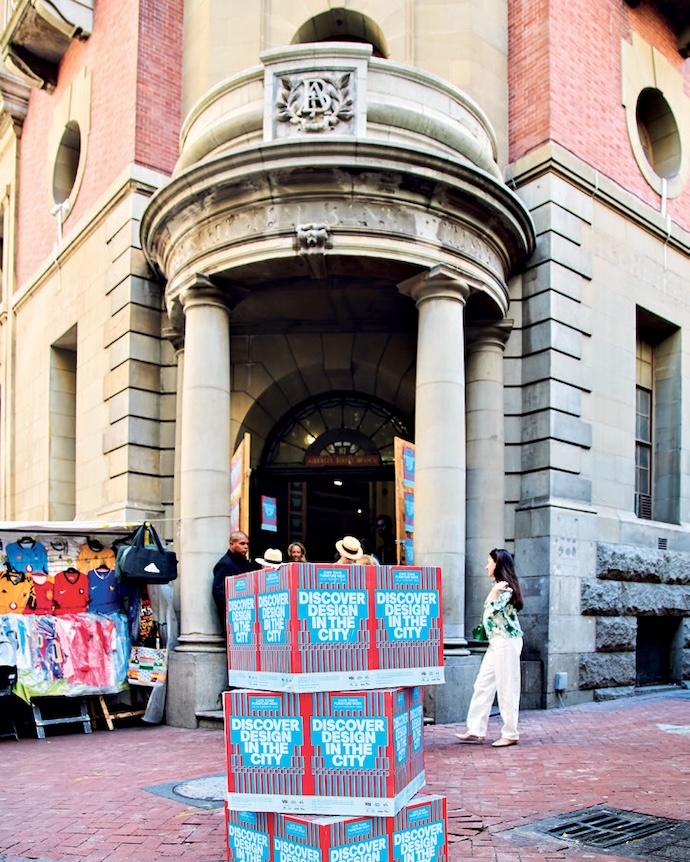
Entrance to the Festival Hub at the old Barclays Bank/FNB building in St Georges Mall. -
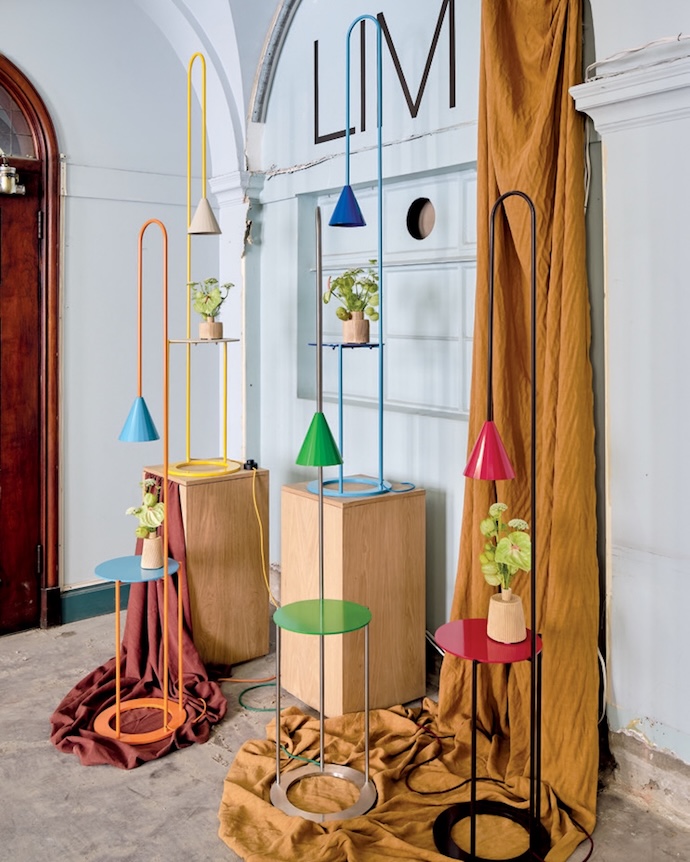
LIM’s stand at the Festival Hub, featuring the new Reader lamp in various colourways. -
Gareth Pearson -
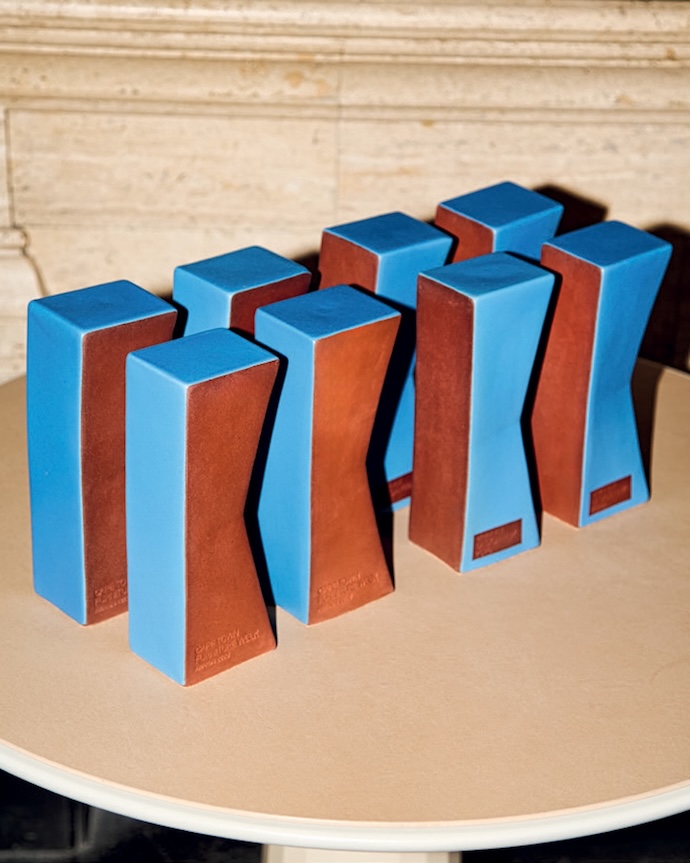
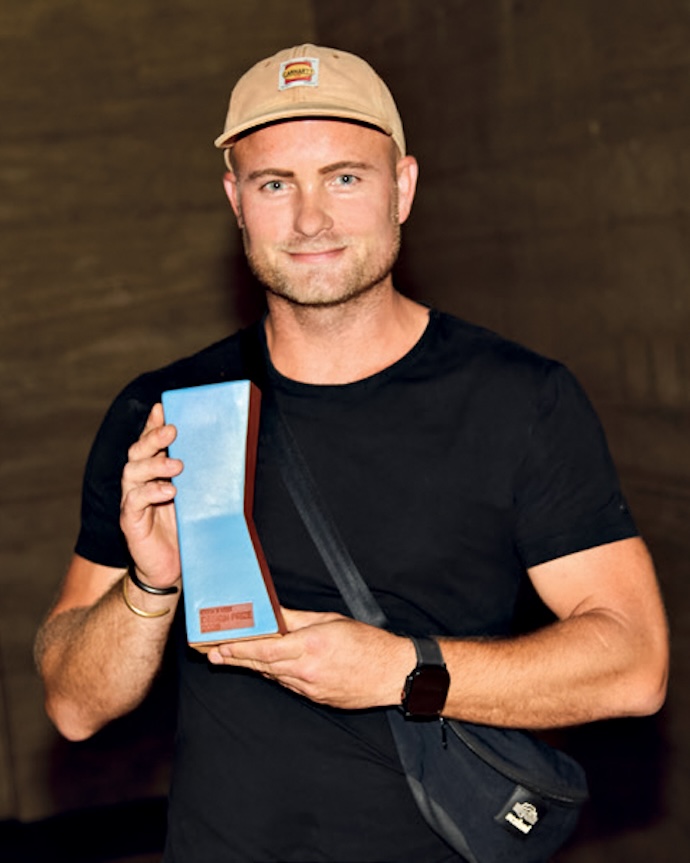
The CTFW x VISI Design Prize trophies by ceramicists Vorster & Braye. -

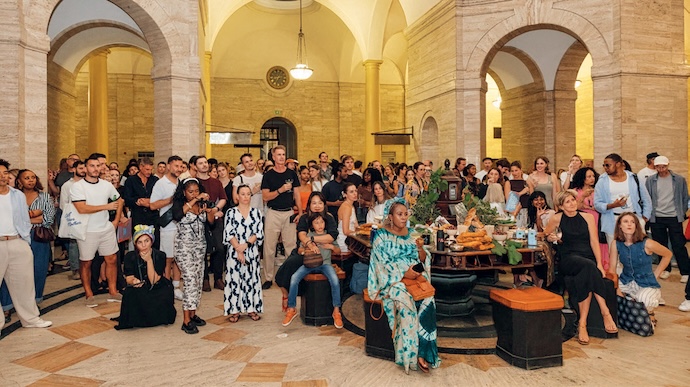
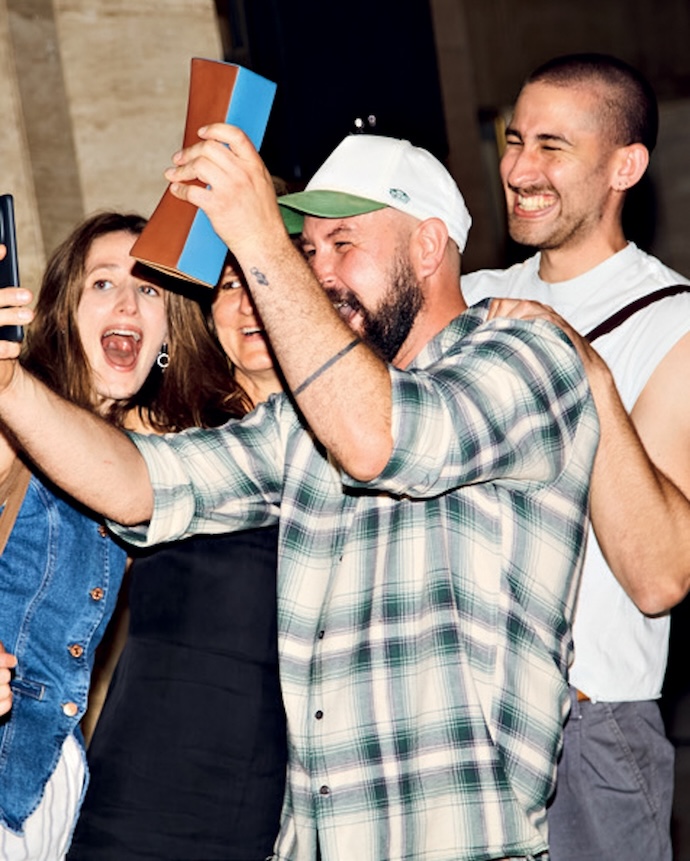
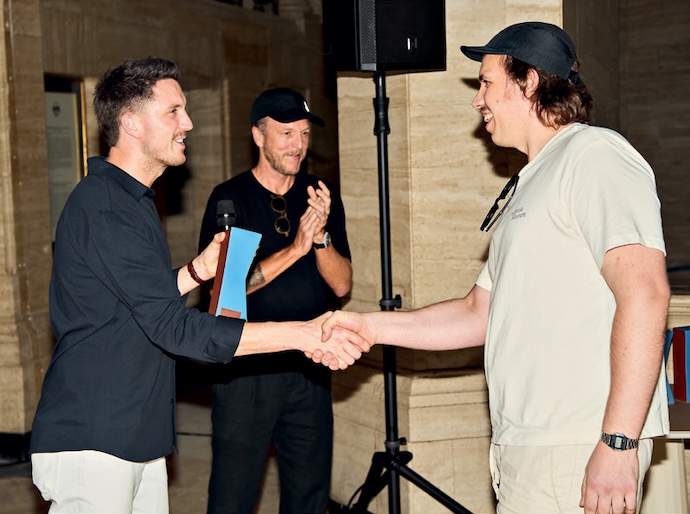
Scenes from the CTFW x VISI Design Prize Awards evening. -
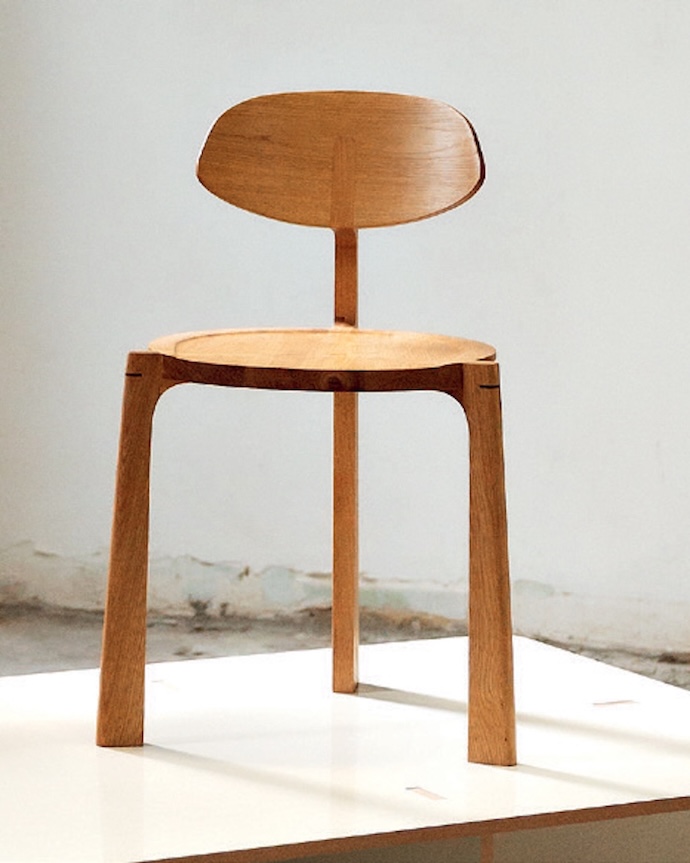
The main Design Prize winner, the Koppie chair. -

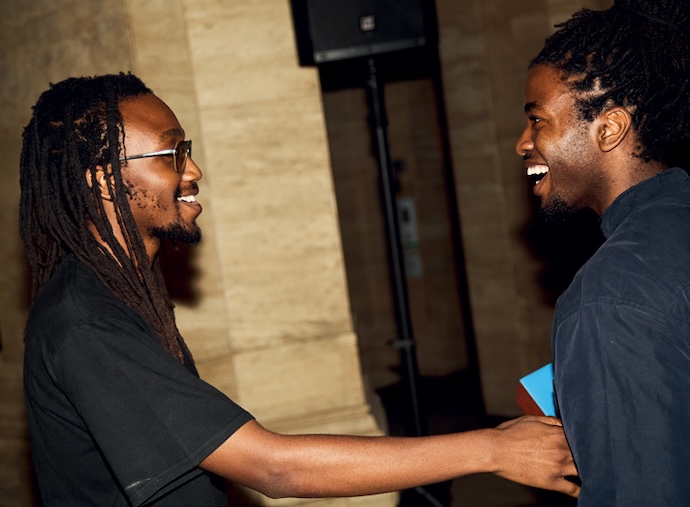
Judge Lebo Kekana with Authenticity prize winner Ndivhuho Rasengani. -

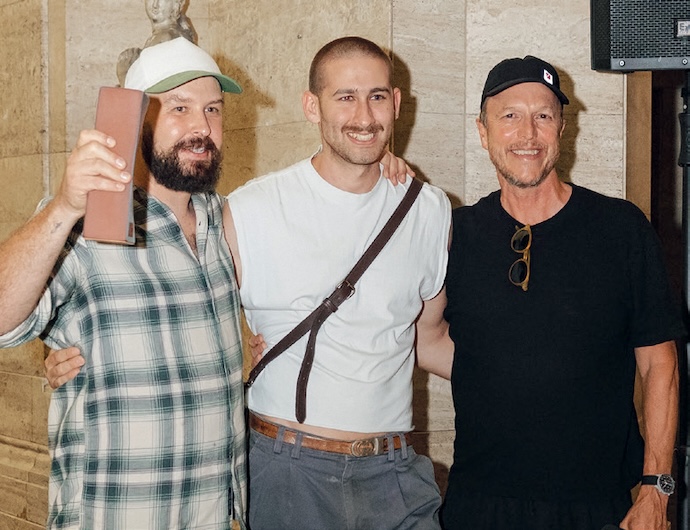
Simon Hough of Stripped Collective with Tom Lead and VISI’s Steve Smith. -
Simon, Tom and family celebrate winning the main prize. -

Design Prize judge Roddy Clarke hands over the Design category prize to Martin Tallie of DEFT Studios. -
Laurie Wiid of Wiid Design with the CTFW x VISI Advancement prize winner’s trophy. -
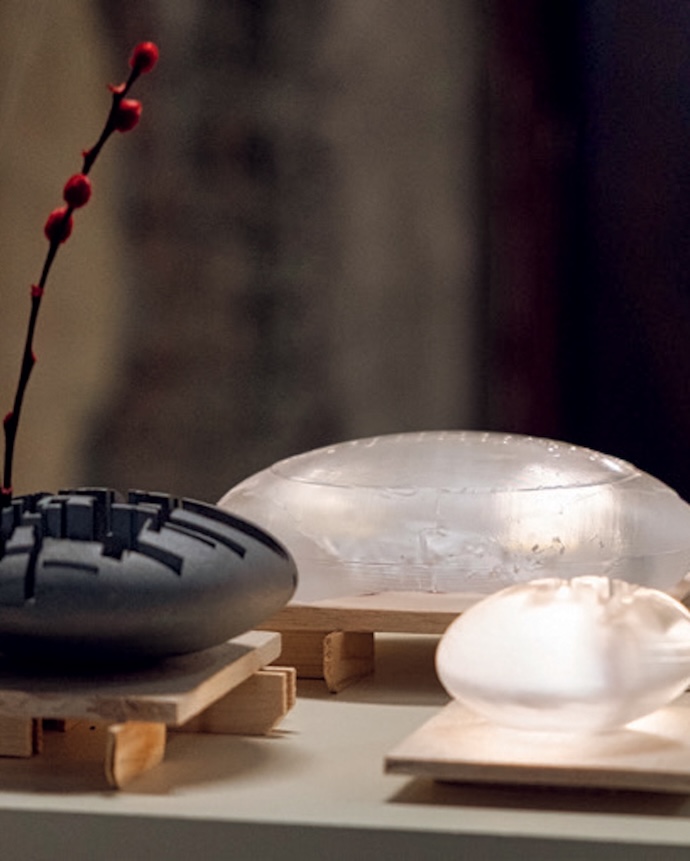
Rasengani Atelier’s Authenticity prize winner, the HeldSmoke incense burner.
VISI was once again media partner to Cape Town Furniture Week, held over four days at various venues around the inner city – an annual showcase of just how talented our local design community is.
WORDS Steve Smith PHOTOS Hannah St Clair, Matt Slater
There were many reasons to be at Cape Town Furniture Week this year. And given that the event experienced yet another jump in both public attendance and industry participation, those reasons were clearly compelling.
One was to take in the latest work by South Africa’s inspirational design community as, once again, our furniture makers, ceramicists and lighting designers chose CTFW to showcase their newest creations. Among those, signalling CTFW’s growing national status, was an exhibition called Totemic, with work by two of Joburg’s design superstars – TheUrbanative’s Mpho Vackier and Thabisa Mjo of Mash.T Design Studio. Proving that the event is also on the international map was Danish brand HAY, who chose CTFW for the global unveiling of its Deville outdoor collection at the Inova Concept Store. There was also an Italian creative programme hosted by the Consulate of Italy, who brought in designer Francesca Lanzavecchia as the 2026 Italian design ambassador to South Africa.
Another reason was to see what venue founders Gareth and Aimée Pearson had selected to be the CTFW Festival Hub. In what’s become a trademark for the event, every year sees the main design hub in a different space in the city – one that isn’t usually associated with hosting a public event. In 2025, it was the old St George’s Grammar School hall behind the cathedral; this year it was the former Barclays Bank/FNB building in St Georges Mall, designed by Sir Herbert Baker in the mid-1930s. This granite and sandstone leviathan, with its massive bronze doors and teak-framed windows, hosted the CTFW x VISI Design Prize finalists on the ground floor, and a showcase of more than 40 exhibitors on the two floors above that.
But I’ll tell you my favourite reason: it’s how CTFW makes me feel about the city and country we live in. There hasn’t exactly been an avalanche of reasons to feel proud as a South African over the past few decades, and our creative community has often felt like the sole provider of light on gloomy days. The quality of the work shown at CTFW was, once again, not just an aesthetic joy but a restorative provider of hope.
With Cape Town’s many studios and showrooms hosting their own associated events and activations, CTFW is also the perfect time to experience the inner city. Armed with a CTFW-supplied map, you could explore the design districts on your own, or join the daily festival programme that moved between the five districts on different days (Central City, De Waterkant, East City & Lower Gardens, Woodstock/ Salt River/Observatory, Kloof Street).
CTFW x VISI Design Prize
The awards recognise new objects that contribute to South African design as a whole. Designers and brands were invited to submit one product released within the last year; from the 30+ entrants, a shortlist of 12 was selected. The finalists were on display at the Festival Hub over the four days, where they were judged on three criteria – Authenticity, Design and Advancement – by a panel made up of Chiara Piperni of EDIT Napoli design fair; fashion designer Sindiso Khumalo; UK design journalist Roddy Clarke; artist, curator and gallery director Lebo Kekana; and me.
The winners were announced on Friday night, at an event beneath the vaulted, Italian travertine-lined ceilings of Barclays Bank/FNB’s old banking hall. Each winner received a ceramic trophy designed by Vorster & Braye.
The winner of the Design category was Gqeberha-based DEFT Studios’ playful Checkmate console, which showed off Martin Tallie and Zani Alberts’s ability with wood. Described as the most difficult piece they’d ever made, Checkmate features an exaggerated sculptural form and playful curves, crafted with complex techniques.
The Authenticity award went to Ndivhuho Rasengani and his mesmerising incense burner. You probably wouldn’t usually take much notice of an object such as this – incense burners are simple and functional, leaning naturally towards a minimalist aesthetic. Ndivhuho’s sculptural HeldSmoke burner was anything but that: part cityscape, part sci-fi, it was inspired by his recent residency in Shanghai, and his personal practice of mindfulness and meditation rituals.
The Advancement category went to another giant of local design, Laurie Wiid, and his Massa Forma table. For the judges, the award was as much about Wiid Design’s striking table with its monolithic corked base and glazed ceramic tile top, as it was about the pioneering work Laurie has done with sustainable cork as a premium material.
The main award on the evening – the overall CTFW x VISI Design Prize for 2026 – went to a collaboration between Stripped Studio and rising-star designer Tom Lead: the Koppie chair. During the consideration phase for this award, the judges look for a piece that advances
South African design – and the Koppie chair’s design and execution were both exceptional. The three-legged chair transcends the inherent challenges of its form, managing to be both robust and delicate. We love the way it references the stance and proportional logic of the traditional African tripod stool, and reinterprets it as a contemporary dining chair with beautifully detailed joinery.
If you’ve been to any of the previous three CTFWs, you’ll have seen just how much this wonderful event has grown from that first little pop-up venue in 2023. Thanks to the efforts of founders Gareth and Aimée, CTFW has grabbed the attention of the entire South African design community – and of international brands too. VISI has been a massively proud supporter of this bright light on the international design map – and you can be sure that 2027 is going to be yet another step up. Block off mid-to-end February in your diary! | capetownfurnitureweek.co.za
Don’t forget to sign up to our weekly newsletter for the latest architecture and design news.