-

18th-century carpenter tools. -

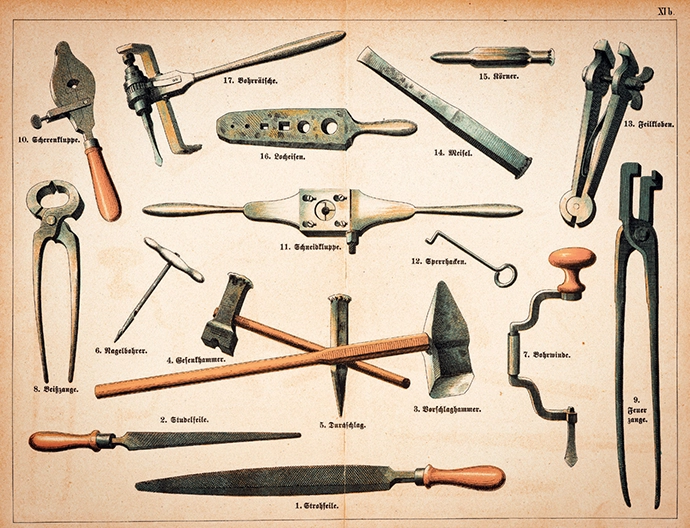
A lithograph of locksmith tools from the 1860s. -
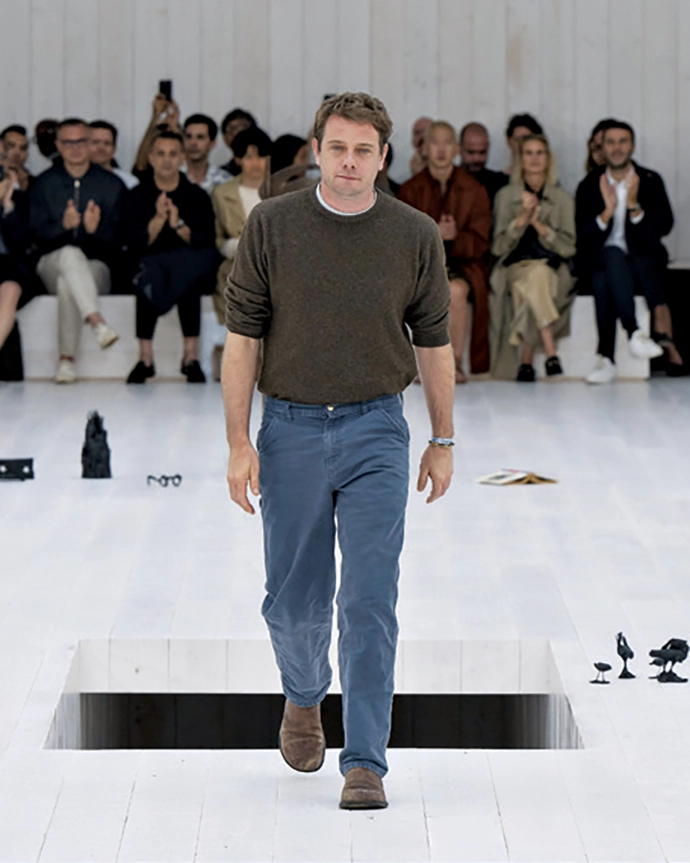
Fashion designer JW Anderson at Paris Men Fashion Week. -

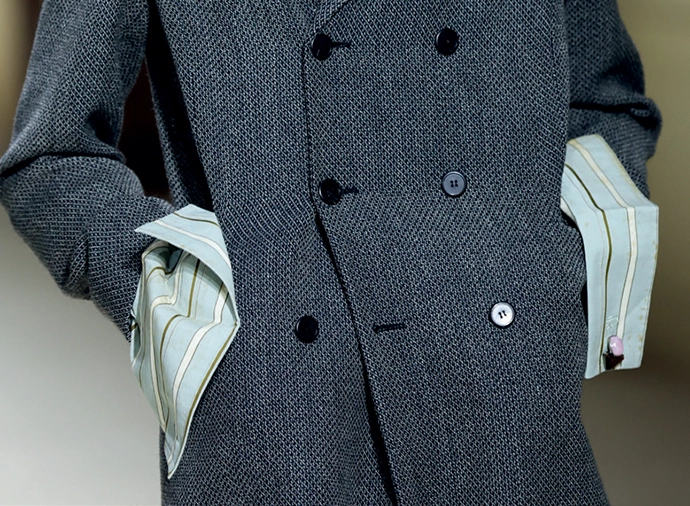
Prada’s intentionally dirty cuffs as seen at Milan Fashion Week AW2026. -
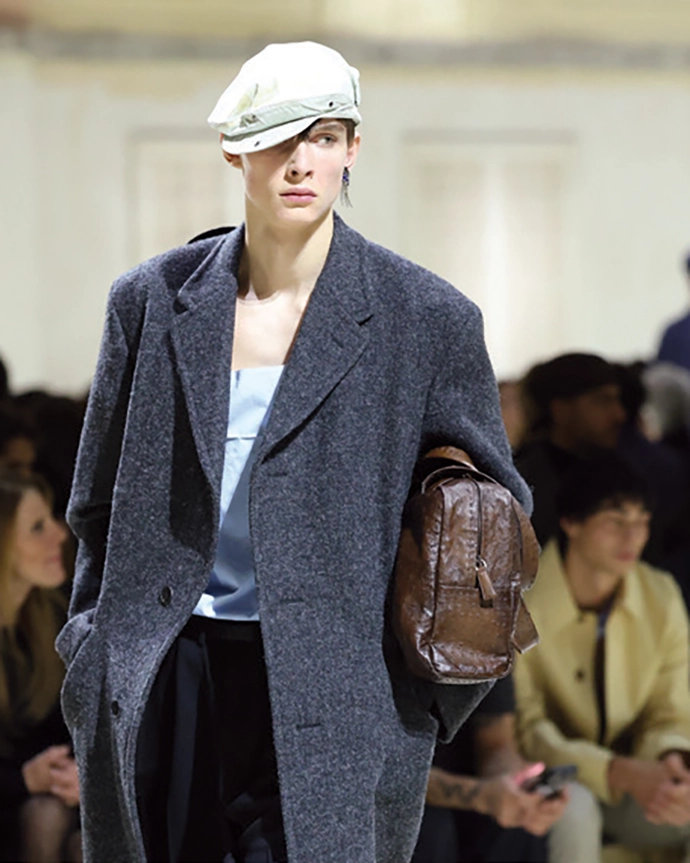
More from the Prada collection. -

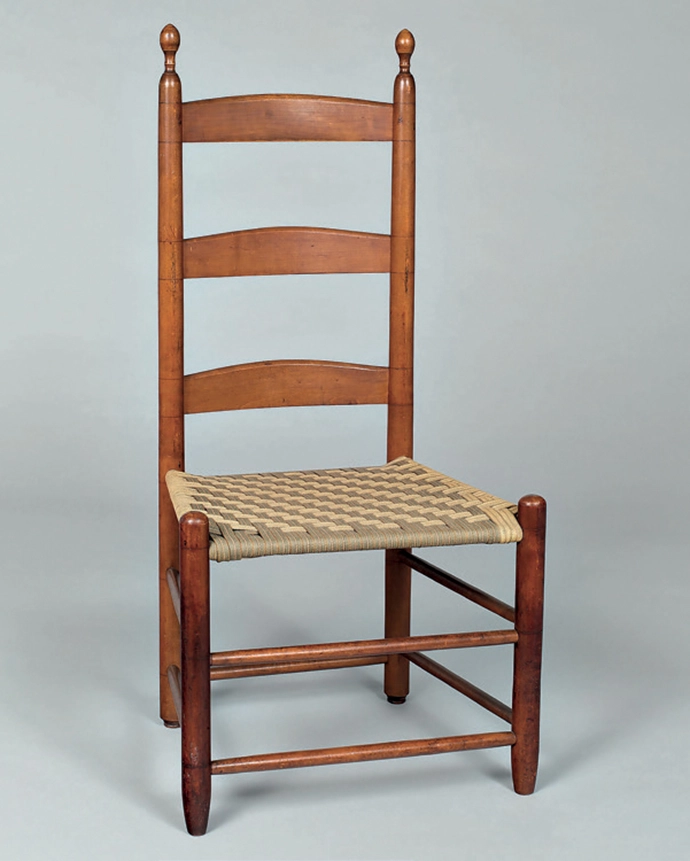
A Shaker chair c.1830s. -

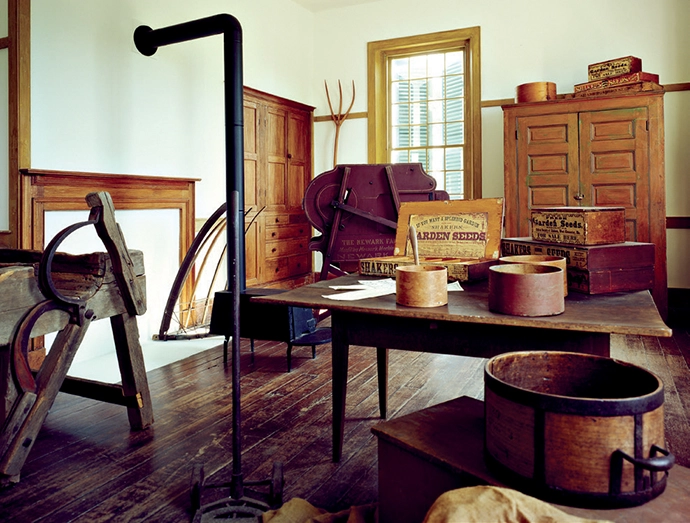
Kitchen at Shakertown, near Bowling Green, Kentucky. -
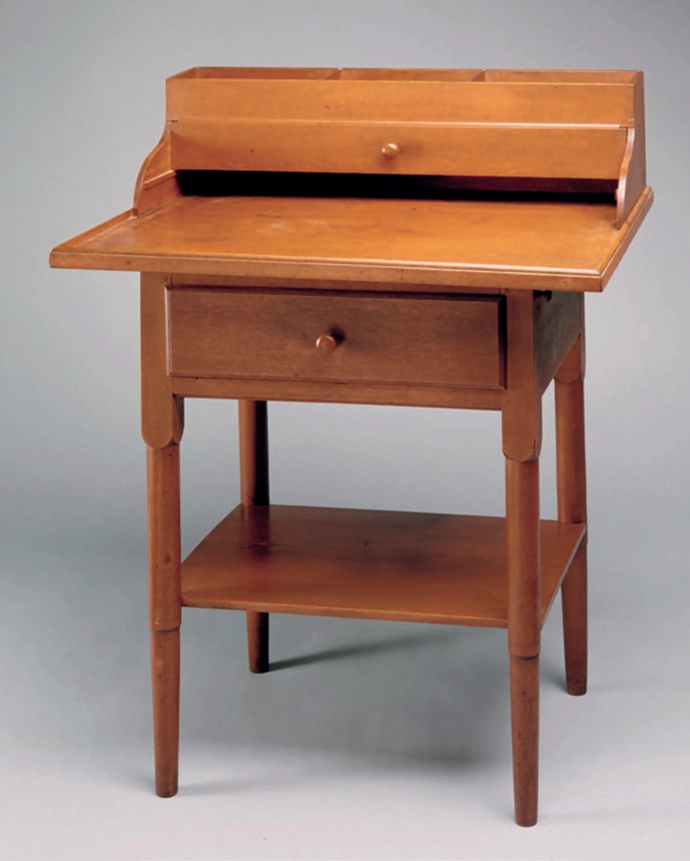
A Shaker stand c.1850s. -

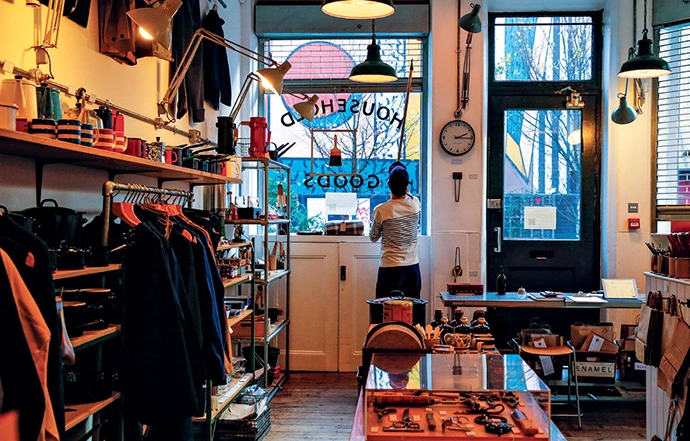
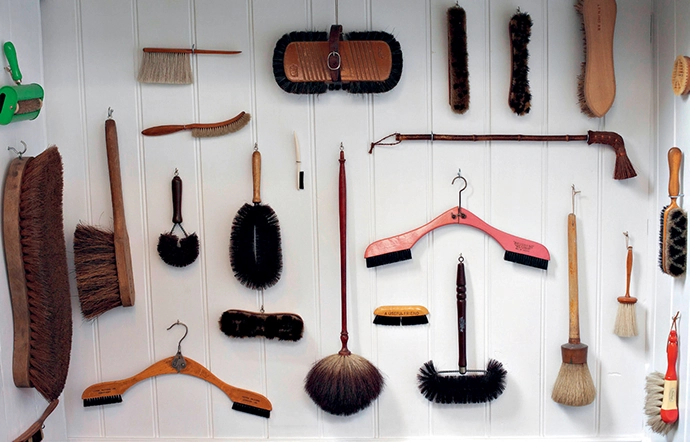
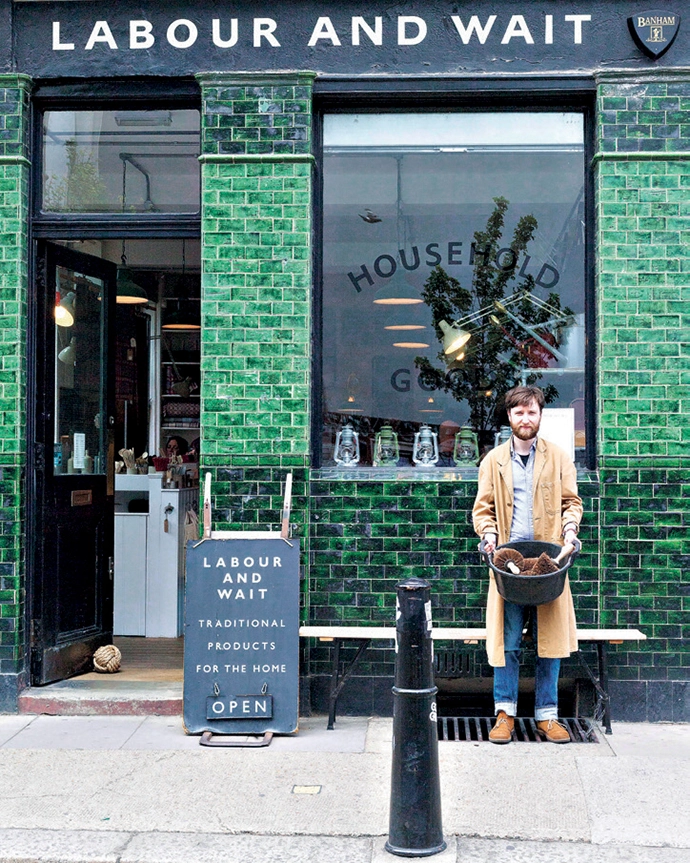
The Labour and Wait vintage industrial and utility homeware store in London. -

The Labour and Wait vintage industrial and utility homeware store in London. -
The Labour and Wait vintage industrial and utility homeware store in London.
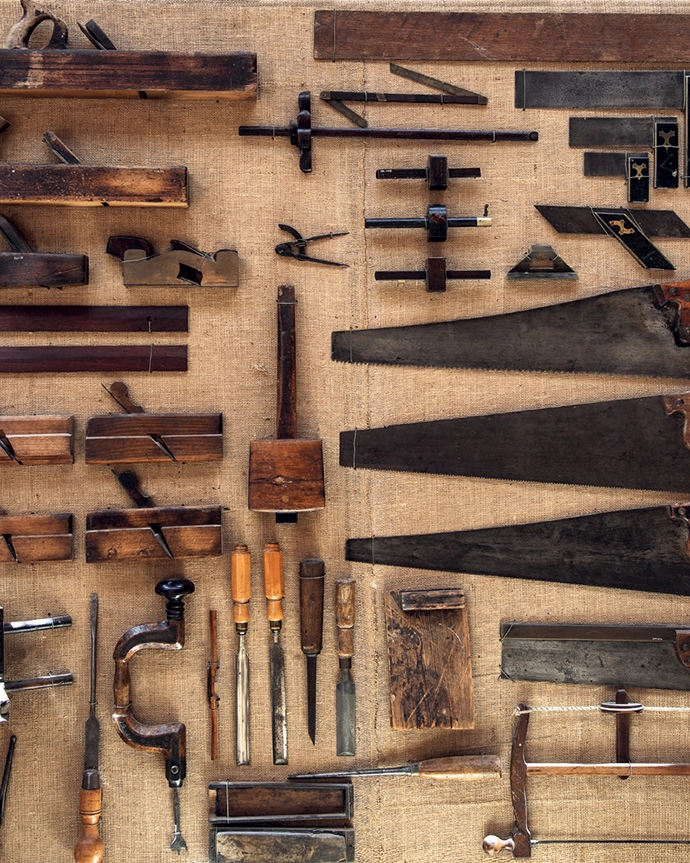
Rustic is back – and it’s wearing a tool belt. Beyond fluffy cottagecore or distressed shabby-chic, this is all about hard-edged 18th-century carpenter tools, and a fascination with tools, materials and processes.
WORDS Chris Reid PHOTOS Getty Images, Supplied
It doesn’t feel like that long ago that we were experiencing a rustic moment. Analogue photography, cocktails in jars, vintage clothes – the artfully rough-and-ready felt like the definition of cool. But all things must pass, and there came a day when we collectively folded our flannel shirts and put them away, seemingly forever. A decade and some change later, however, we’re seeing a similar aesthetic coming out of the woodwork. Having gone through a period of stylistic reactions to the rustic – from sleek minimalism to pop culture-fuelled maximalism and back again – a new appreciation is emerging for hands-on style. It’s not as hipster-coded as before, but it features the same veneration of the tools and signifiers of a simpler way of life – even for people who have only ever left the city for a getaway in a luxury cabin.
Utilitarian luxe
Hints of this shift have been showing up in fashion for a while. JW Anderson included gardening implements in a collection in 2025, and Prada sent models down the runway with dirty, stained cuffs in its AW2026 show. Historical precedent is also being showcased for a new generation, for example with the Vitra Design Museum’s exhibition of pragmatic Shaker design. (The movement’s founder, Ann Lee, is also the subject of a buzzy new biopic starring Amanda Seyfried.) Most tellingly for mass market adoption, Zara Home stocked tools on its shelves in late 2025, signalling the move from niche to mainstream.
This impulse isn’t anything new. Marie Antoinette escaped to a model farm when she needed to get away from the pressures of the court, and the Arts and Crafts movement reclaimed the handmade in an industrialising world. But unlike its predecessors, this preoccupation with the rustic isn’t just about roughing up the surface – it’s a fascination with tools, materials and processes; less soft -focus cottagecore or distressed shabby-chic, and more hard-edged utilitarianism.
Made to make
Why are we suddenly so obsessed with the aesthetics of the field and the forge? Once again, we’re at a moment where the average person feels disconnected from the tangible. Most people are fully trained for the knowledge economy, but wholly unprepared for anything useful. We’ve already seen a rise in “cosy” hobbies like ceramics and knitting as people have sought ways to channel their impulse to make and do. Focusing this desire even further is a logical next step.
This urge also isn’t surprising when we’re looking for permanence more than almost anything else. We stream and rent and subscribe, but we don’t accumulate actual objects. Making requires a tool and leaves you with a result. It’s a mark on the world that’s gratifying when the only thing most of us produce is emails. There’s also a sense of built-in community when it comes to this aesthetic. Making connects you to a lineage of craft that came before you, and it potentially links you to others who share your interests. As much as it feels like a truism to state, in 2026, real community is a real driver for all of us.
What’s next on this trajectory? We can imagine it moving beyond fashion and interiors into how we structure our lives. As AI and automation continue to reshape work and life, the desire to develop tangible skills may intensify. This 2026 edition of rustic might ultimately be less about how things look and more about what they say about our ability – and we might even pick up some useful skills along the way.
Don’t forget to sign up to our weekly newsletter for the latest architecture and design news.