-

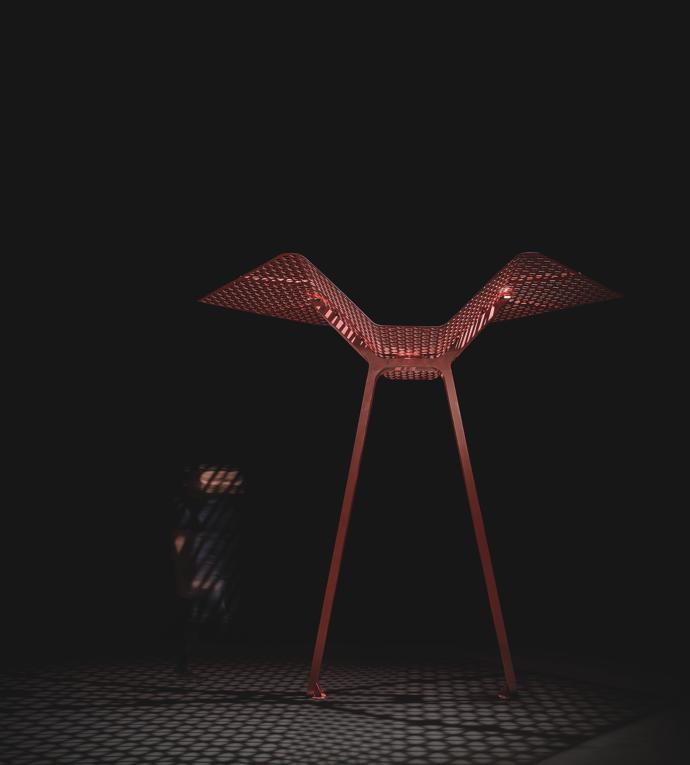
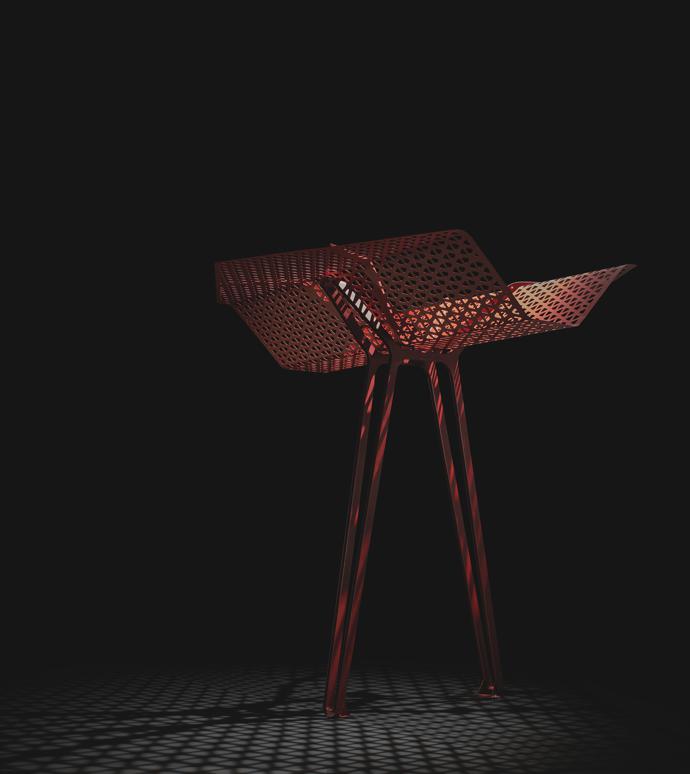
Pergola by Arpino Design. -

Pergola by by Arpino Design. -

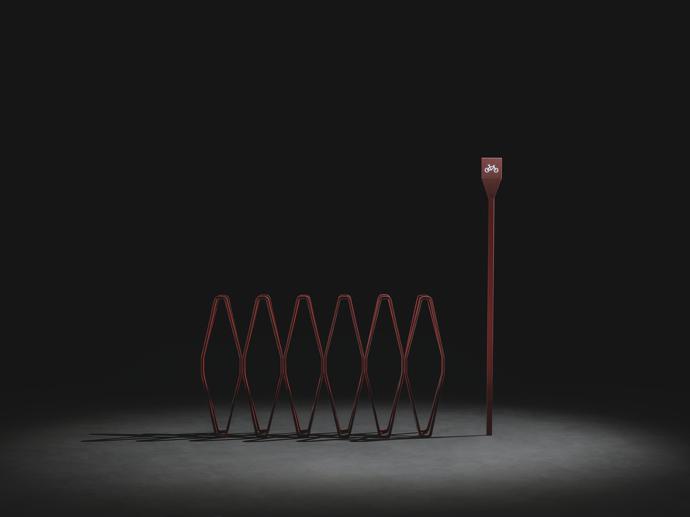
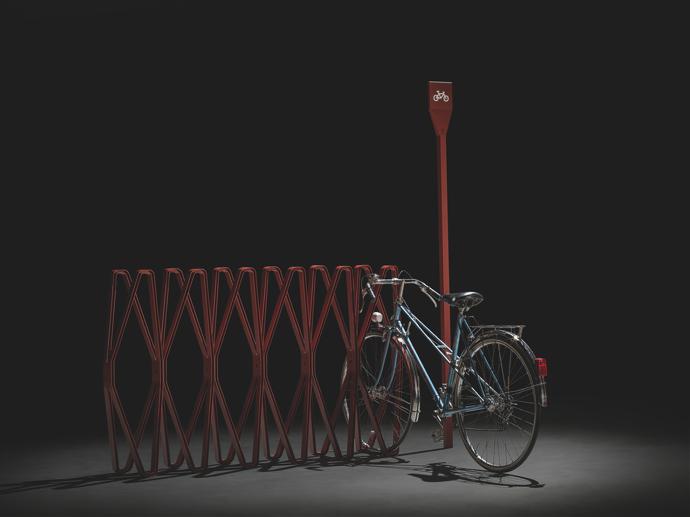
Bike rank by Arpino Design. -
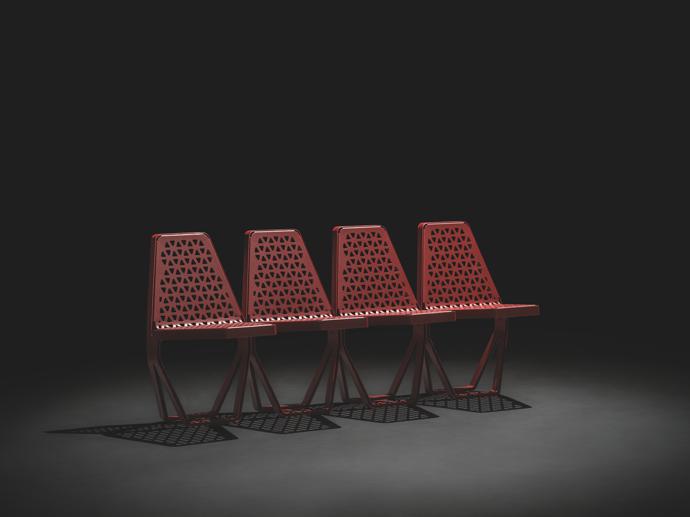
Urban bench by Arpino Design. -

Signage by Arpino Design. -

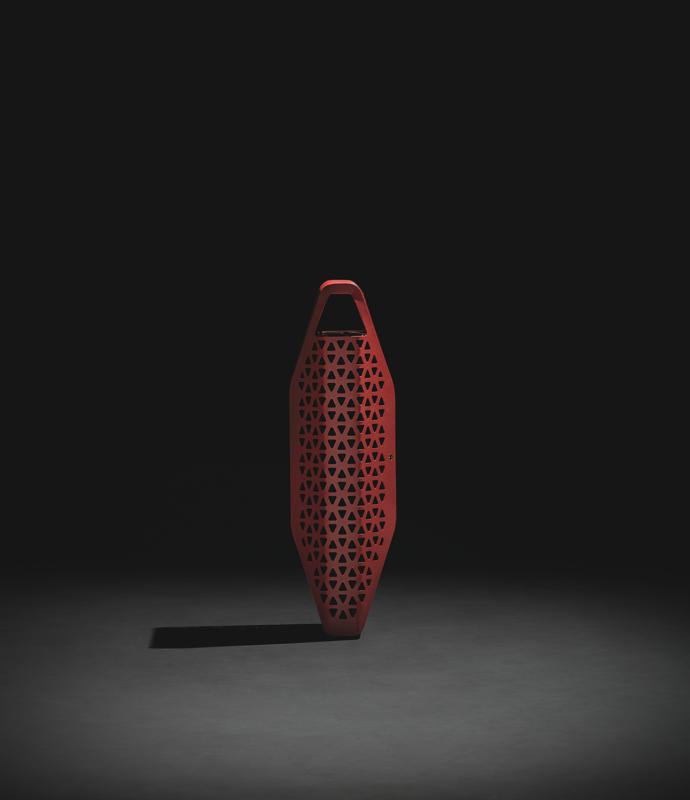
Litter bin by Arpino Design.

WORDS Amelia Brown
During a visit to South Africa, we chatted to industrial designer Carlos Pereira of Arpino Design, the Portuguese-Angolan design brand that has created the OX series of future-focused urban furniture.
Arpino Design will be at Salon del Mobile in Milan in April 2018 and is launching its new offices and showroom in Luanda, Angola, as well as working on its first big commission: furnishing the outdoor areas of the new Angola International Airport.
The design studio is also studying other materials, such as wood and derived wood materials from sustainable and local sources, and the use of recycled materials, mainly polymers since the African continent consumes an immense amount of it, yet a huge percentage is not recycled. Carlos and the team hope to bring its products to public spaces in South Africa soon.
How did you get into urban furniture design?
It was my first commercial commission when I was studying back in 1998, and some of those products still remain on the market 20 years later. Designing for the urban space, and for a wider audience, was something that has always interested me, not only due to its basic exigencies – inclusivity, resistance to weather, vandalism, and so on – but also because it must be an honest end product. It enables the regeneration of public spaces and promotes social interactivity.
How would you define conscious design?
Nowadays the expression is used mainly to refer to environmental and product life cycle concerns, from production to disposal. In my opinion, a conscious strategy has to be more than that. We can’t ignore other important issues such as social and cultural inclusivity.
The range is described as “culture-neutral”. How does that translate?
We are a multi-ethnic company developing our work between Africa and Europe, and I try to design neutral, restrained and self-explanatory products based on a multicultural perspective to suit diverse communities.
What are the pieces made of?
The pieces are produced in Angola and are mainly made of steel and finished with an electrostatic powder coating, which guarantees against weather. Arpino offers seven catalogue mineral colours with a wrinkled matt effect, plus other colours and finishes upon request. For more extreme locations we offer sandblasted stainless steel (a totally recyclable material with an environmental finish), which reduces the costs of maintenance due to its high resistance to atmospheric oxidation.
How important is sustainability to you?
It’s a key element of our brand philosophy and development methodology. We place a lot of emphasis on materials that facilitate recycling, or are recycled, and environmentally friendly finishes, like a primary coating that doesn’t contain zinc. It’s also our goal to produce products with a long life cycle, to minimise the amount and quantities of materials used, and to design timeless, long-lasting, vandalism-proof products. Adaptability and modularity are other key aspects, which allow the products to be adjusted to suit a space and upgraded with easy replacement components. And, finally, sustainability is also assured by designing self-sufficient products, which don’t require other infrastructure.
How is technology shaping environment?
Technology, mainly wireless and mobile, is introducing important changes in public and urban spaces, and that has consequences not only on the implementation of infrastructure, but also on the way people interact with each other and with a space itself. The multifunctional Arpino Urban Office stimulates the rehabilitation of the classic public square. It offers free Wi-Fi, battery charging hub and modular urban furniture system while running off solar power and batteries. It improves the terms of participation in society for the disadvantaged, connecting people with information and opportunities that would otherwise be inaccessible, which is especially relevant in an African setting.
Stay up to date with Arpino Design on Instagram.