-

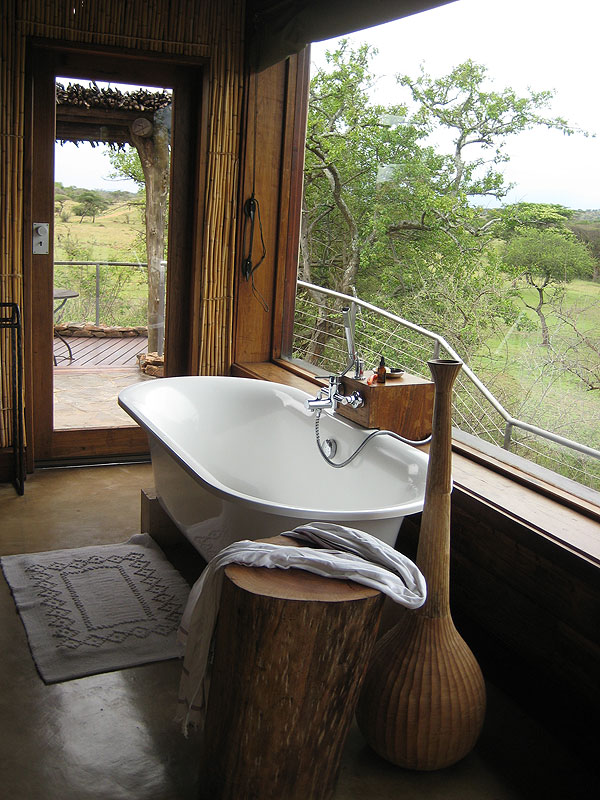
Travelling Tanzania : The suites at the Faru Faru Lodge all have a bath as well as an outdoor shower. Soaking away with a view of the Grumeti River certainly was a treat. -
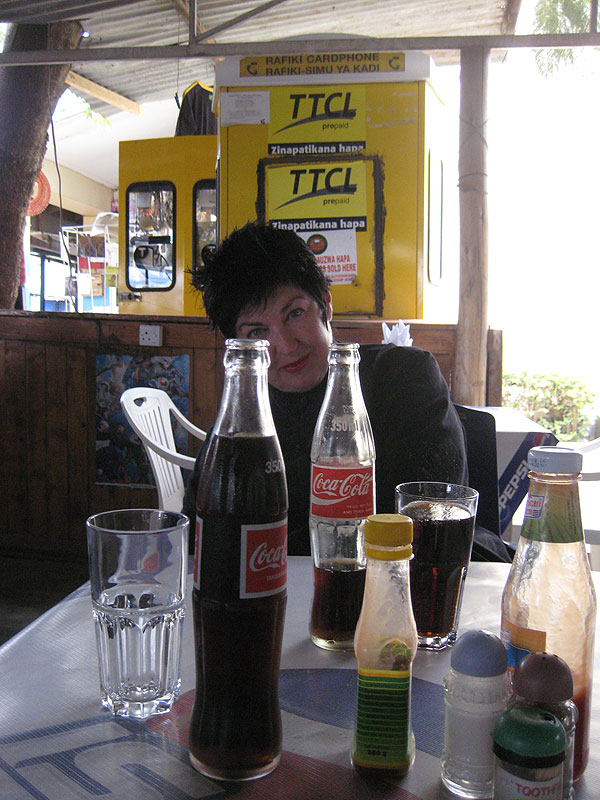
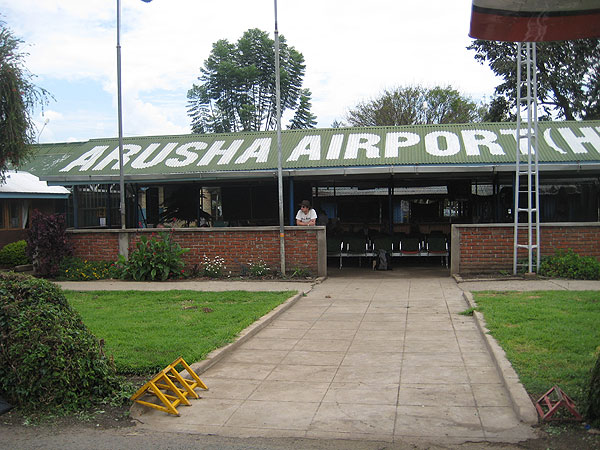
Travelling Tanzania : Deputy Editor Annemarie Meintjes enjoys a coke at Arusha airport. -
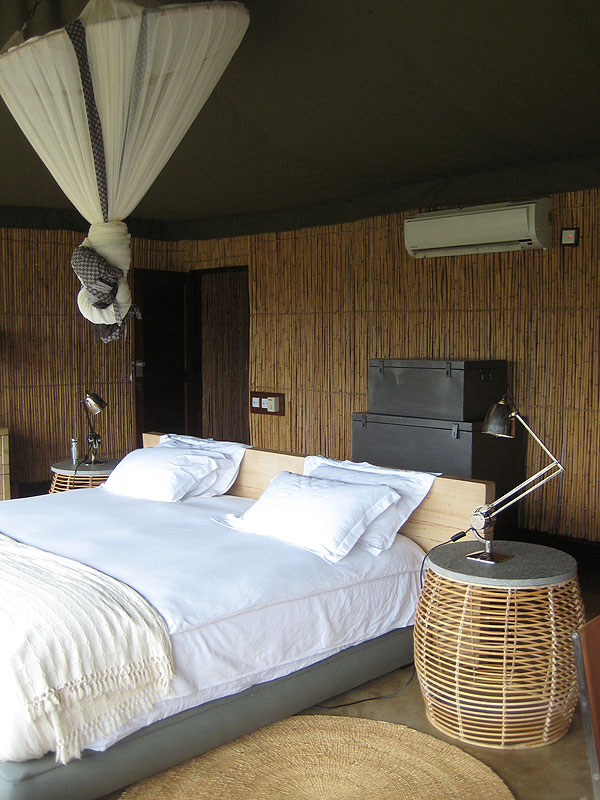
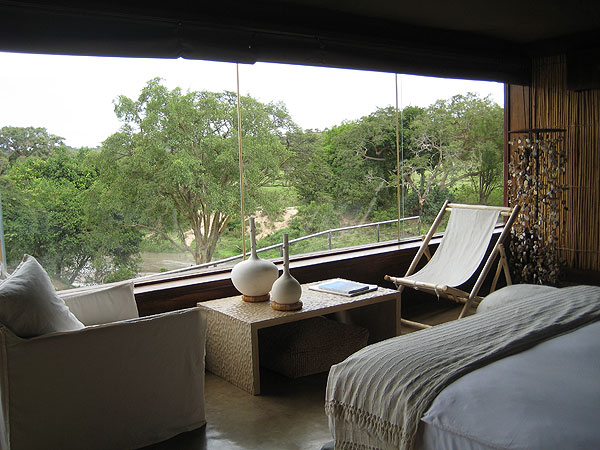
Travelling Tanzania : The natural decor palette of the Faru Faru Lodge suites are made up of stone, wood and white. The suites are open plan with the bed flanked by the coffee station on the one side and a writing desk on the other. -

Travelling Tanzania : At Arusha Airport all the lounge chairs are upholstered in green Shuka fabric. -
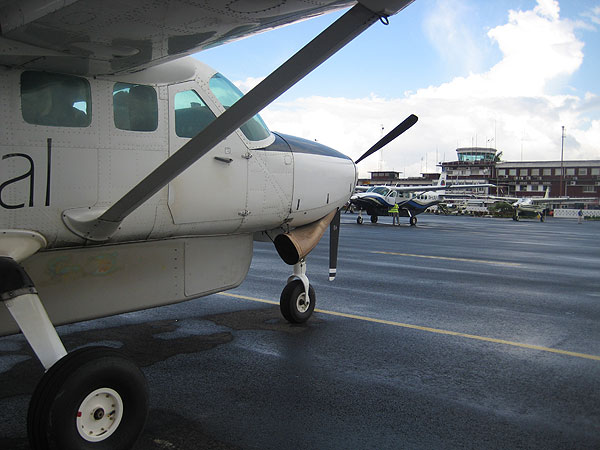
Travelling Tanzania : Charter plane at Julius Nyerere International Airport in Dar Es Salaam. -
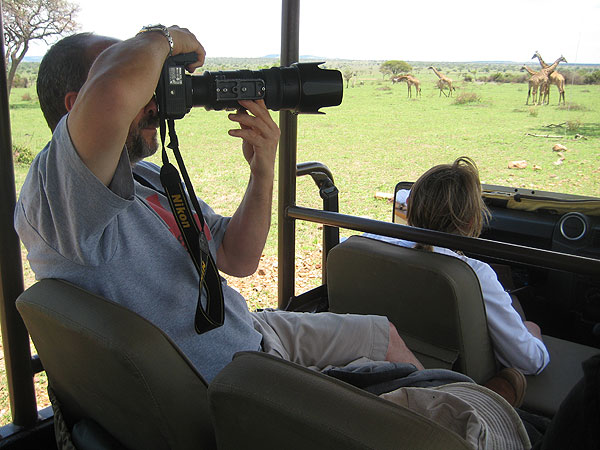
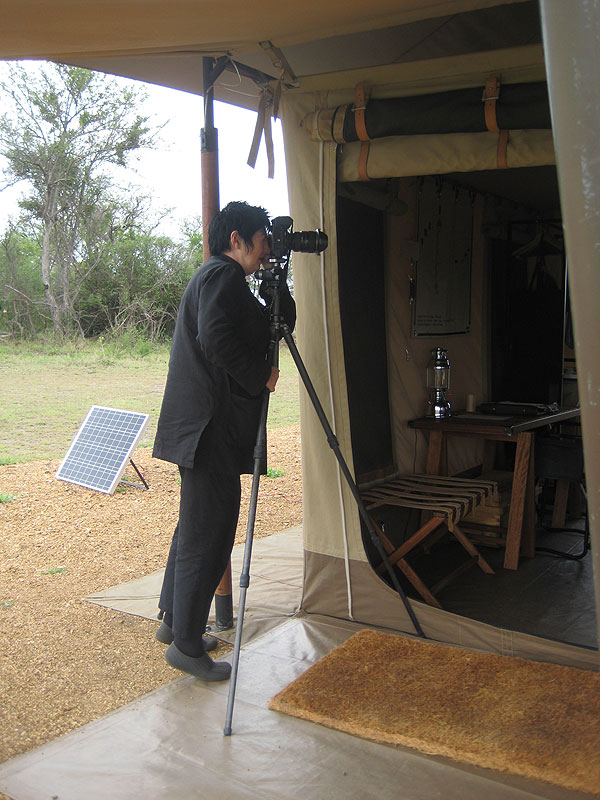
Travelling Tanzania : Photographer Dook capturing the beautiful wildlife. -
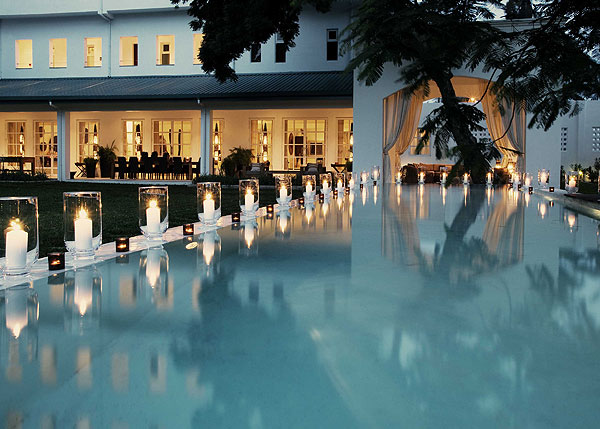
Travelling Tanzania : The inviting rimflow pool at the Faru Faru Lodge. The "beach" around the pool is made of river sand. -
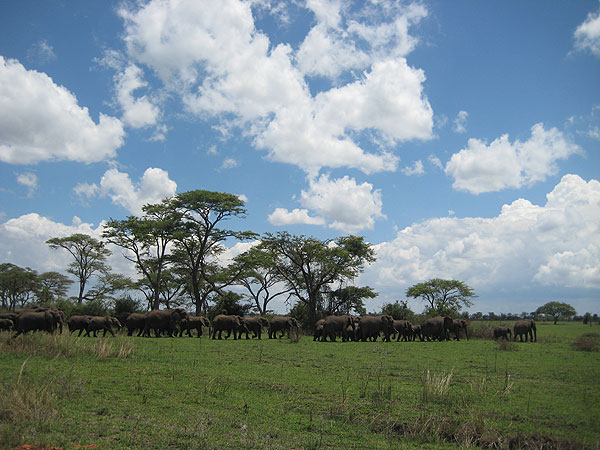
Travelling Tanzania : Even if you have seen wild elephants plenty of times, a herd of this size still takes you breath away, especially edged against the exquisite Serengeti landscape. -
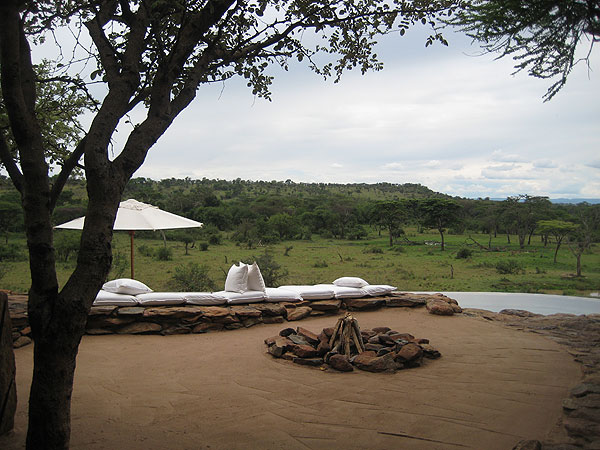
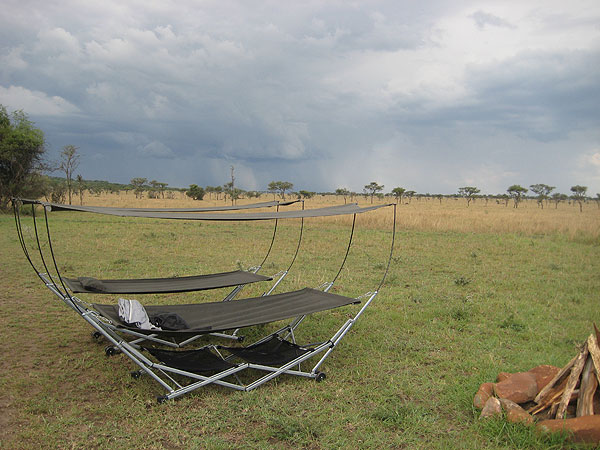
Travelling Tanzania : The daybeds at the Explore camp with a thunder storm looming on the horizon. -
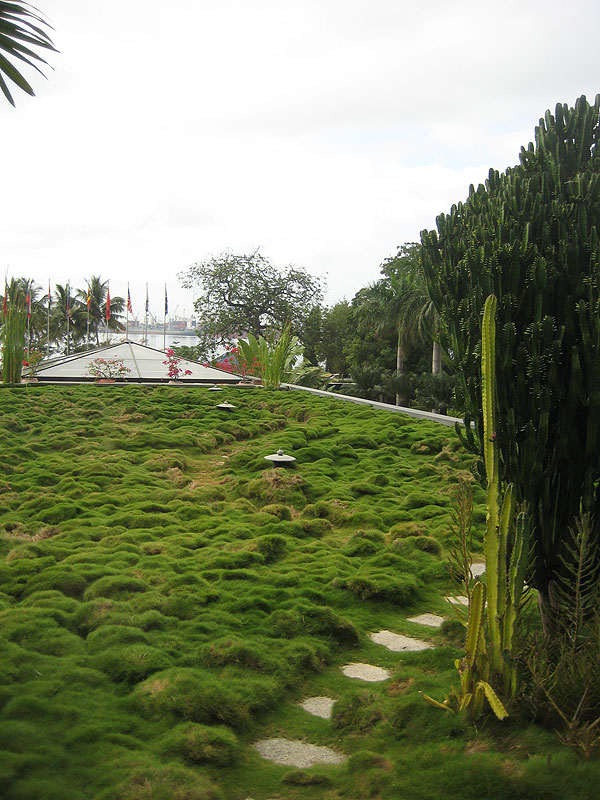
Travelling Tanzania : The interesting roof garden at the Hyatt Dar Es Salaam The Kilimanjaro Hotel. -
Travelling Tanzania : Annemarie Meintjes getting the right angles on the new Singita Explore camp. -

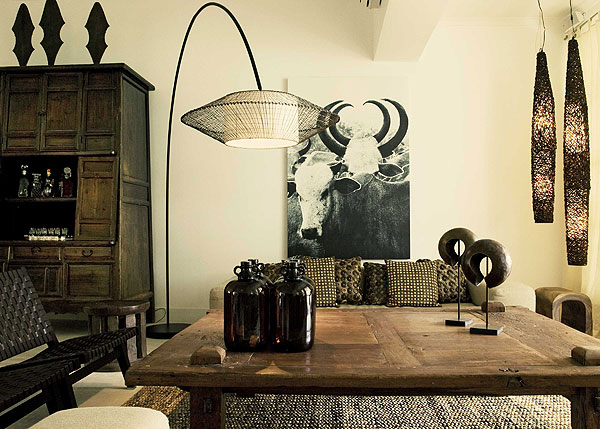
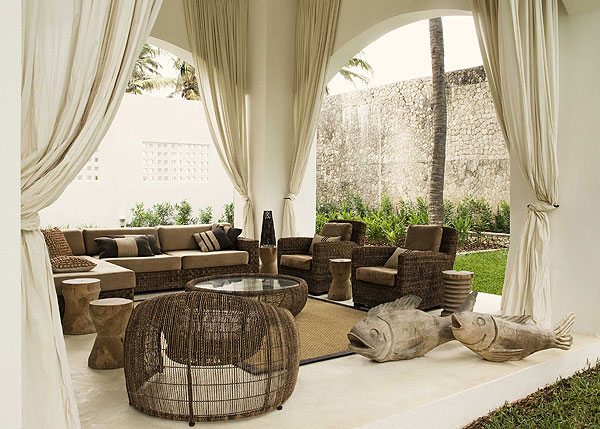
Travelling Tanzania : The lounge at the Oyster Bay Hotel in Dar Es Salaam. -
Travelling Tanzania : The pool at the Oyster Bay Hotel. -
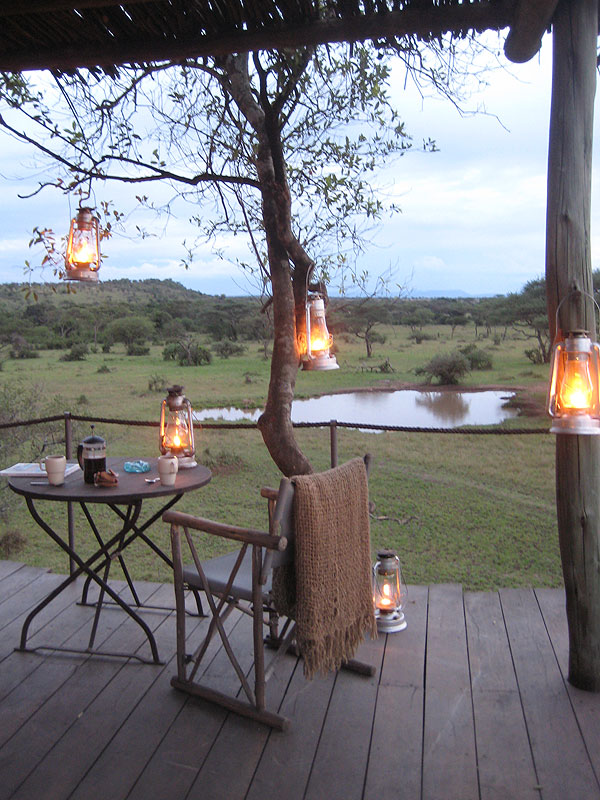
Travelling Tanzania : This private viewing deck at the Faru Faru lodge has a view of a waterhole which attracts animals all year round. -
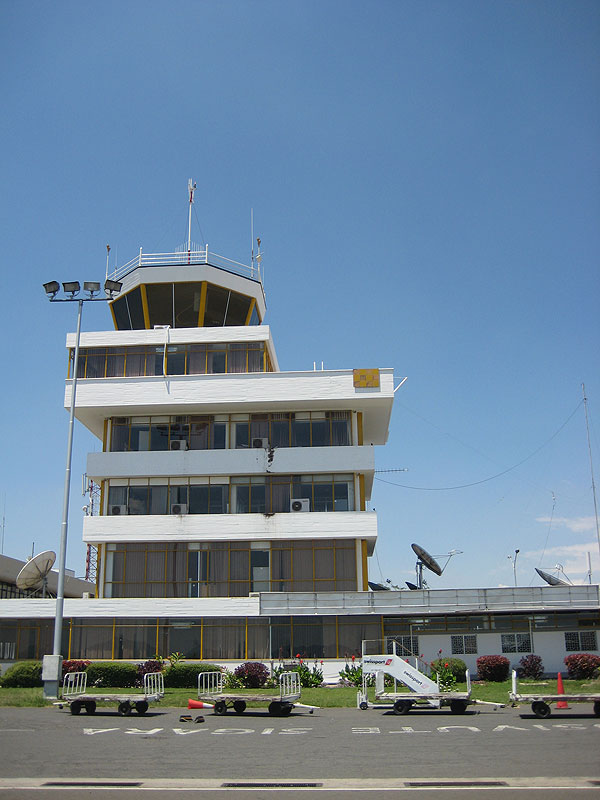
Travelling Tanzania : Coming in to land - the control tower of the Kilimanjaro Airport. -
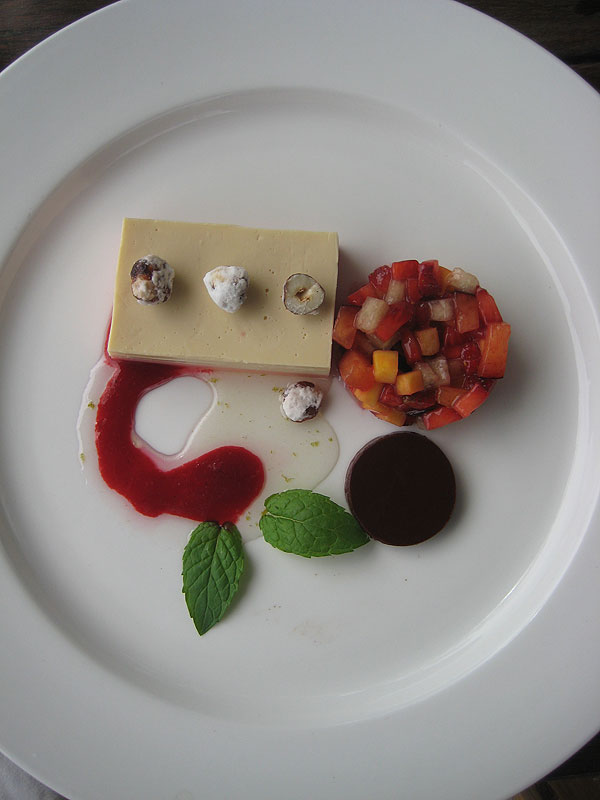
Travelling Tanzania : Food at Singita is a spectacular affair. This beautiful (and yummy!) panna cotta was served with fresh fruit, lemongrass syrup and a chocolate jelly. -
Travelling Tanzania : Interior designer Kim Smith was responsible for Oyster Bay Hotel's contemporary Africa decor-style. -
Travelling Tanzania : Cécile and Boyd's were responsible for the design and interiors of the Faru Faru Lodge. -
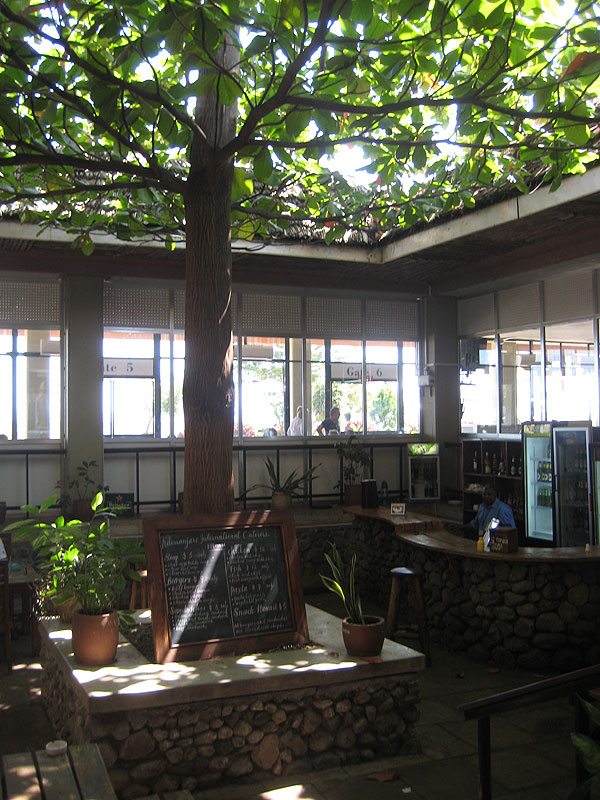
Travelling Tanzania : This tree canopy covering the coffee bar at the Kilimanjaro Airport gives new meaning to "a planted roof". -
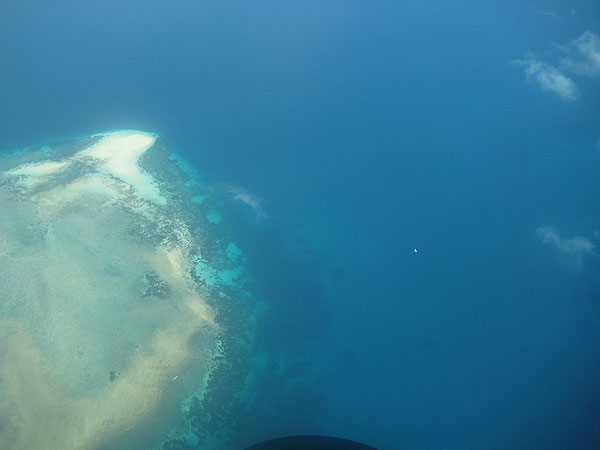
Travelling Tanzania : Looking down en route to Zanzibar.
WORDS and PHOTOS: Alma Viviers
Alma Viviers (along with Annemarie Meintjes and photographer Dook) recently travelled to Singita Grumeti to bring you the story of their new camp feature in VISI 58. She gives VISI.co.za a behind the scenes account of their journey.
This trip did not get off to a smooth start as two emergencies on two different routes of the Gautrain very nearly meant that we stayed right here in SA. But luck was on VISI’s side as a very helpful SAA employee (the only one?) made sure we jetted off to Dar Es Salaam. Since most flights to other regions of the country connect through here, your first taste of Tanzania will most probably be this vibrant city.
We stopped here briefly en route to Singita and stayed over at Hyatt Regency’s The Kilimanjaro, a lovely contemporary hotel overlooking the harbour.
Even if you don’t stay at the Hyatt, you have to try the hotel’s Oriental Restaurant – they serve surprisingly great dim sum and we couldn’t help but order a second round of pork dumplings. The hotel also has a spectacular rooftop bar with a beautiful view of the city and the harbour.
Early the next morning we headed back to Julius Nyerere International Airport for a charter flight to Sasakwa airstrip via Lake Manyara, via Arusha, via Zanzibar. The charter flights operate a little like a commuter train or bus with travellers hopping on and off at the various smaller airstrips and airports near national parks, lodges and attractions.
At Arusha airport an ice-cold Coke and hot slap tjips offered welcome respite from the journey and Annemarie and myself couldn’t resist buying Shukas, the brightly coloured blankets worn by Maasai.
After nearly a full day’s travel we finally arrived at Sasakwa Airstrip in the Singita Grumeti Reserve. Although we came to cover the new Explore camp, we stayed over at the Faru Faru lodge. Faru Faru, on the bank of the Grumeti River is a relatively small and intimate lodge. It can accommodate 22 visitors in eight suites and one enormous Villa Suite. The beautiful suites are constructed of stone walls with large expanses of glass offering magnificent views of wildlife and scenery.
The simply yet well-designed suites mean the full focus is on relaxation and the spectacular setting. Features like the outdoor shower and a private viewing deck on every suite means you really get to experience the environment beyond just going on game drives. The communal areas like the lounge library and dining area have the same understated barefoot elegance.
A special mention must be made of the food. Presented with an average of three options for starters, mains and dessert, the choice of what to have was hard. Memorable dishes included a delicious seared tuna salad, a succulent fillet and pretty-as-a-picture panna cotta.
Although we didn’t get much time for game viewing as most of it was done on our way to the Explore camp for shooting, the abundance of wildlife meant we were still treated to some amazing sights. Large herds of giraffe and elephant took my breath away, and plains literally covered in hundreds of zebra, wildebeest and buffalo gave new meaning to the expression ‘teeming with wildlife’!
On our way back we took a different route and stopped over at the Kilimanjaro Airport. Annemarie was eager to see the legendary mountaintop since she has travelled to Tanzania several times without catching a glimpse of it. Alas the highest mountain in Africa was hidden by cloud cover again.
A beautiful feature of the Kilimanjaro Airport is the coffee bar and restaurant covered by a tree canopy. Open to the sky the lone tree creates a magical roof of greenery and dappled light.
Our last night in Dar Es Salaam was spent at the Oyster Bay Hotel. The boutique hotel is located on in the Oyster Bay neighbourhood along a stretch of impressive ambassadorial homes. The interior of the homely hotel was done by none other than Kim Smith (Chris Weylandt’s wife) in a style described by the owner as “CAC” – Contemporary African Chic. Oyster Bay is a great stopover stay before you head home.
Tips for travelling in Tanzania
– If you are travelling on a South African passport you can apply for a VISA at the airports but if you want to avoid the queue apply beforehand at the Tanzanian High Commission (www.tanzania.org.za) in Pretoria. The whole process takes just 24 hours.
– Singita Grumeti Reserve forms part of the world-famous migratory route. The Great Migration traditionally moves through the Grumeti Reserves between June and August.
– If you are going on safari, try to keep colours neutral for clothing. Dark colours such as navy blue and black tend to attract the tsetse flies and other bugs.
– Although shorts are fine when on safari, remember that Tanzania is a predominantly Islamic country and women should try to wear more modest clothing if you are visiting cities.
– Malaria is a very real and dangerous threat in Tanzania. Be sure to speak to you doctor before travelling there and take precautions like wearing long sleeve clothing, using mosquito nets and insect repellent during your stay.
– Safari essentials include a hat, sunblock, and sunglasses. A cotton scarf is not only great for keeping direct sun away from your neck, but also for dusty rides. Remember – even if you go in hotter months always take a jacket or fleece along on game drives. Also check if your operator provides raincoats or rain ponchos otherwise if it’s a good idea to take a rain poncho along as well.
More information:Hyatt Regency Dar Es Salaam The Kilimanjaro, Singita Grumeti, Oyster Bay Hotel.