-

New Local Book: Green Is Not a Colour -

New Local Book: Green Is Not a Colour -

New Local Book: Green Is Not a Colour -
New Local Book: Green Is Not a Colour -

New Local Book: Green Is Not a Colour


WORDS Tracy Greenwood PORTRAITS Justin Sullivan
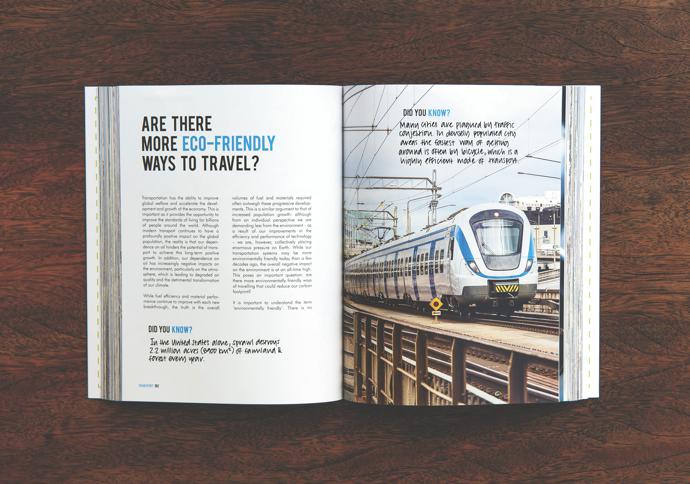
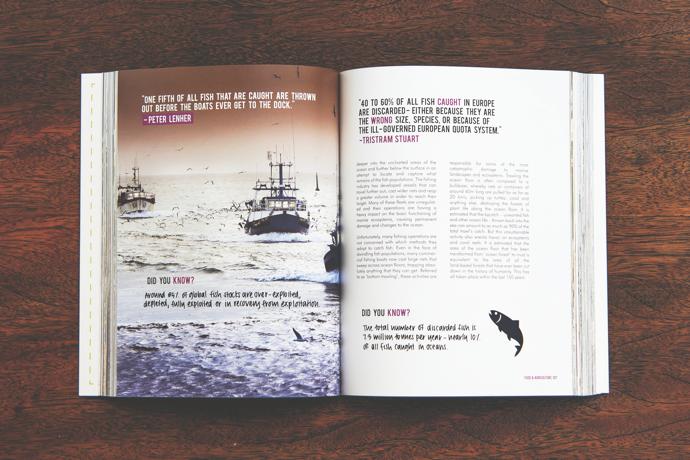
A desire to educate and inspire others to act on issues of sustainability that affect our present and our future on this planet prompted Devan Valenti and Simon Atlas to produce the visually appealing yet highly informative coffee-table book Green is Not a Colour.
Why did you write this book?
SIMON: There is a huge lack of resources out there that can provide people with a holistic understanding of the environmental issues affecting our world. Many of the available resources are either highly technical or too specific to a particular topic. We wanted to provide an alternative that is both visually appealing and intellectually stimulating.
Who are your readers?
DEVAN: The most gratifying experience I’ve had that sums up the answer to this question is when a woman who bought a copy for herself then bought two more shortly there-after for her 12-year-old son and her 70-year-old mother. She said she fervently believed this book would be of great value to all generations.
How does intelligent design foster sustainability?
SIMON: Design is fundamentally about problem solving. The best designs are able to resolve a host of challenges by providing a single solution in the most efficient and elegant way possible.
In the Danish city of Copenhagen, despite their efforts, local government could not convince the population to switch to cycling as their primary means of transport. The reason for the citizens’ reluctance was the belief that because of the cars on the road, cycling was dangerous. It was concluded that the layout of the roads – vehicle lane, cycling lane, parking lane and then pedestrian walkway (in that order) – left cyclists vulnerable to the danger presented by moving vehicles. A simple yet effective design solution was to swap the bicycle lanes and parking lanes around. In this way parked cars form a buffer protecting the cyclists from the moving cars.
DEVAN: Within a few years of this intervention, up to 40 % of all city commutes in Copenhagen are done by bicycle. People in the city now perceive cycling to be a safe, efficient and more sustainable solution than driving. This is but one example of how good design can directly influence behaviour, fostering a more sustainable way of life.