-

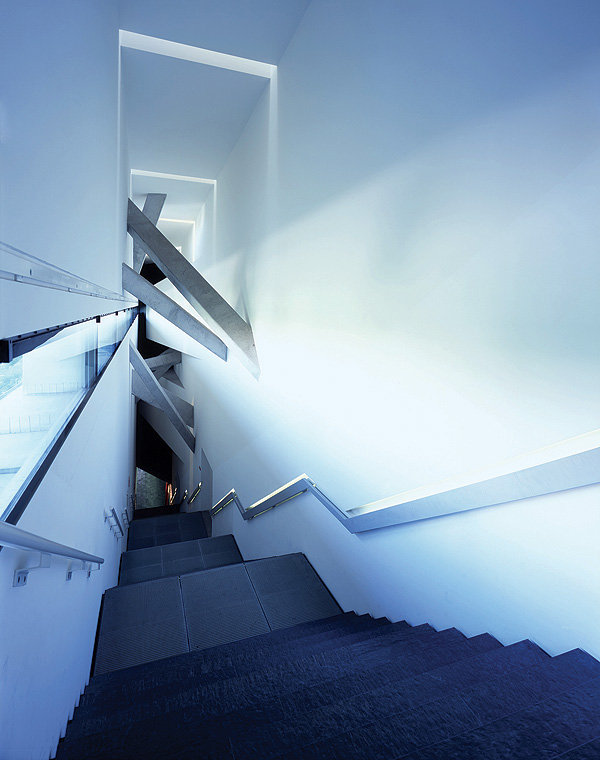
It all begins in Berlin : In the Jewish Museum, the Sackler Stairway takes visitors to the main exibition space. -

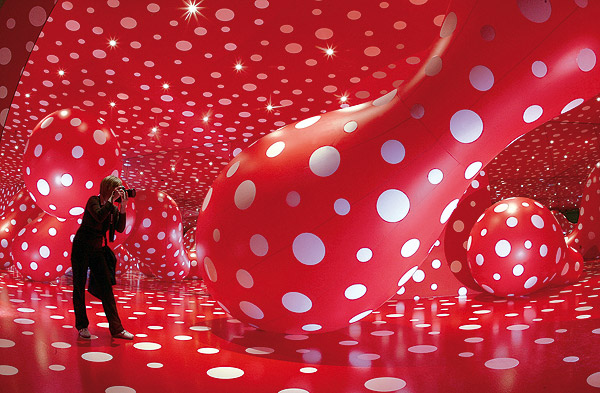
It all begins in Berlin : 'Dots Obsession' by Yayoi Kusama was one of the exibitions that could be viewed at the New National Gallery just west of Potsdamer Platz. The building, a hovering glass box modelled on a classic temple, is Bauhaus rationalism at its best. -

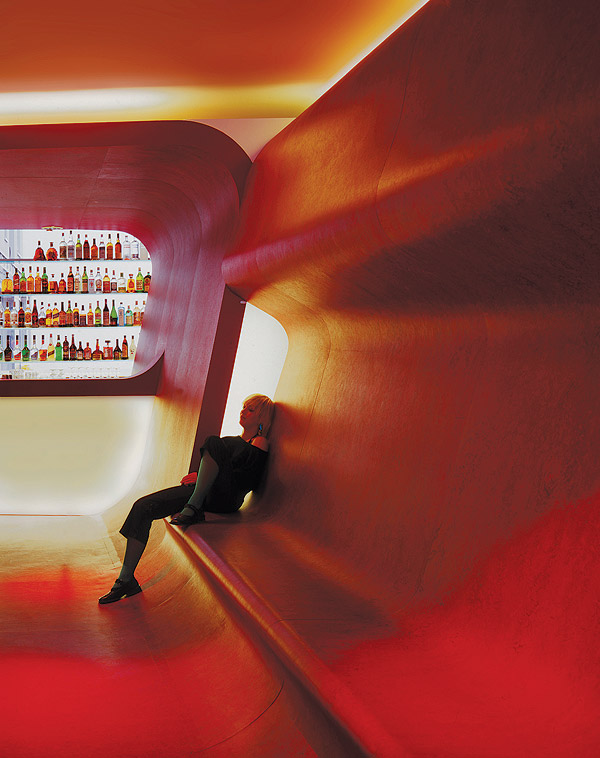
It all begins in Berlin : The bar in Hotel Q! - only for guests and the 'selected members of the creative industry'-boasts futuristic, curved wall niches. -

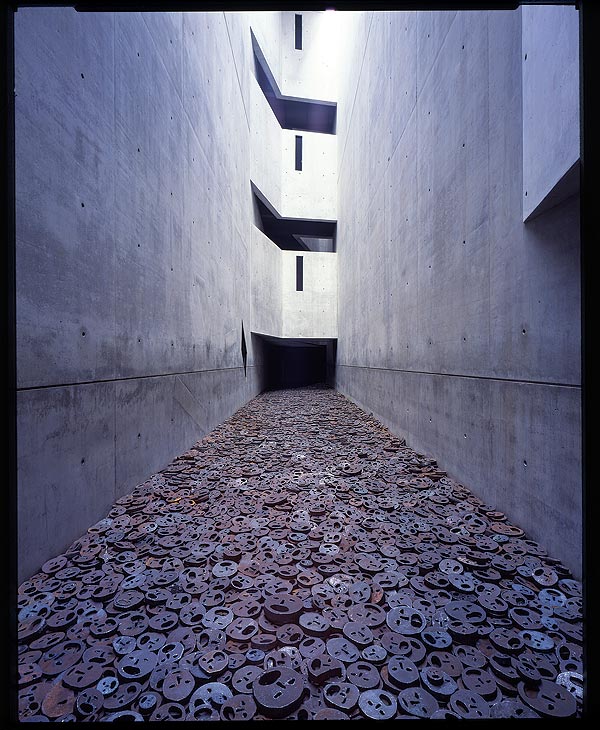
It all begins in Berlin : Schalechet (Fallen Leaves) by Menashe Kadishman is an interactive installation in the 'Memory Void' of the new Jewish Museum deigned by Daniel Libeskind. Visitors walk over more than 10 000 screaming faces cut out of iron, creating a terrible sound. -

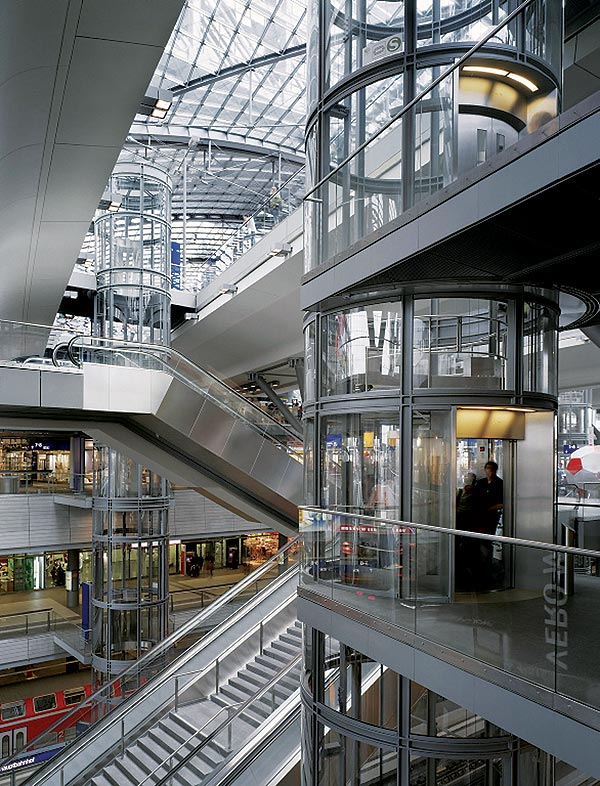
It all begins in Berlin : Hauptbahnhof, the largest railway station in Europe, is a massive glass and steel cathedral designed by Meinhard von Gerkan, who is responsible for the 2010 Kings Park stadium in Durban and the Nelson Mandela Arena in Port Elizabeth. -

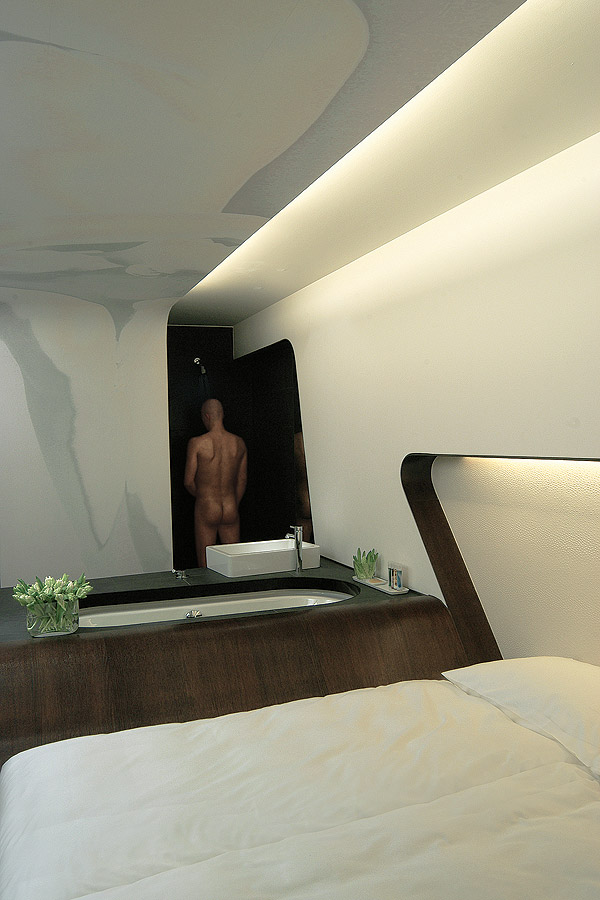
It all begins in Berlin : The bath and bed in Hotel Q! form a single dark-wood unit. -

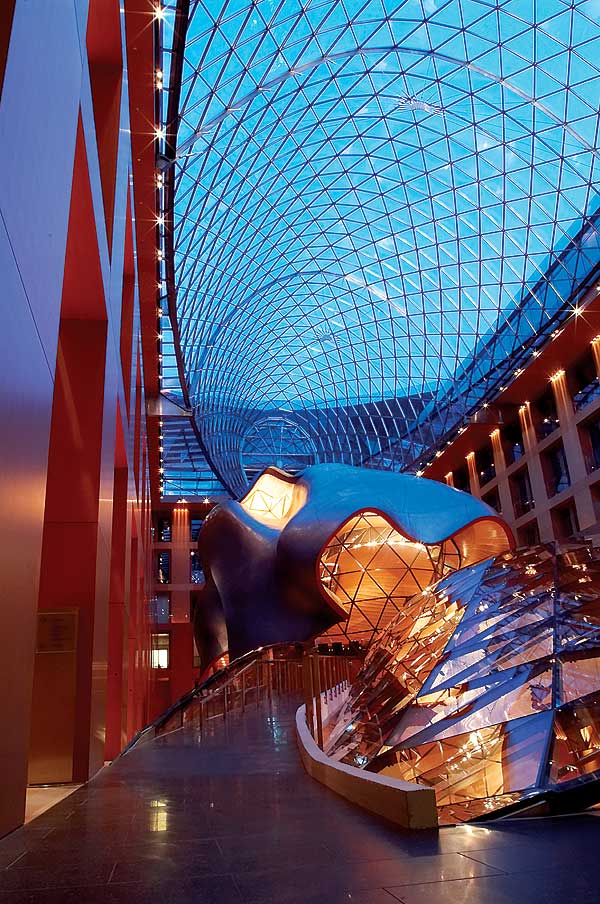
It all begins in Berlin : Due to strict building regulations, Frank Gehry's DZ Bank looks like a sober limestone block on the outside, but inside it erupts into a pyrotechnical drama with a gigantic atrium covered in a steel and glass lattice. -

It all begins in Berlin : The 10 000m square extension of the Jewish Museum is a zinc-clad masterpiece with slanting floors, lightning-bolt lines and dead-end passages. -

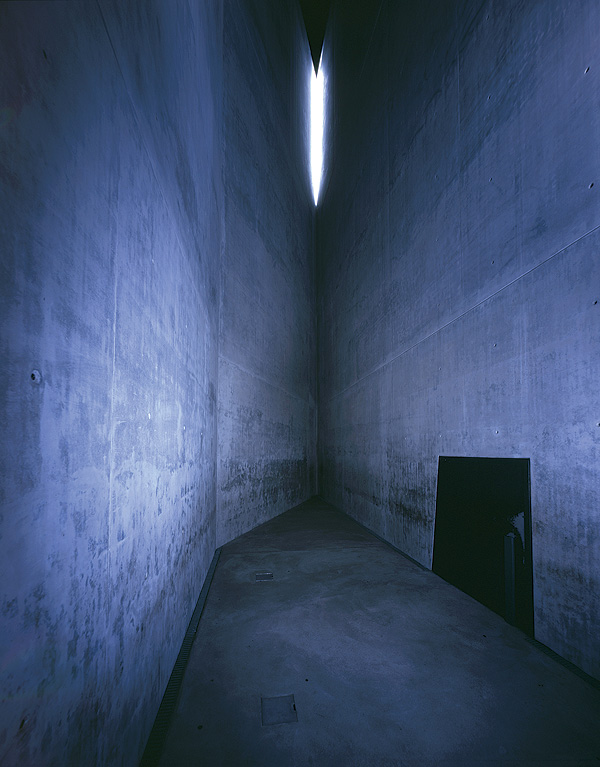
It all begins in Berlin : The 'Holocaust Tower' inside the museum is a high, windowless space where total silence reigns. -

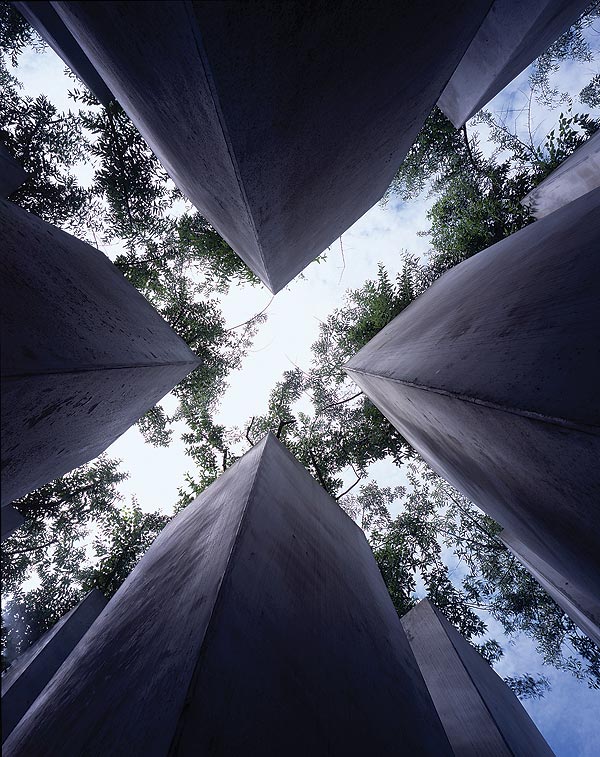
It all begins in Berlin : The Garden of Exile outside the museum comprises a labyrinth of 49 columns and an uneven walking surface, which makes visitors feel disorientated. -

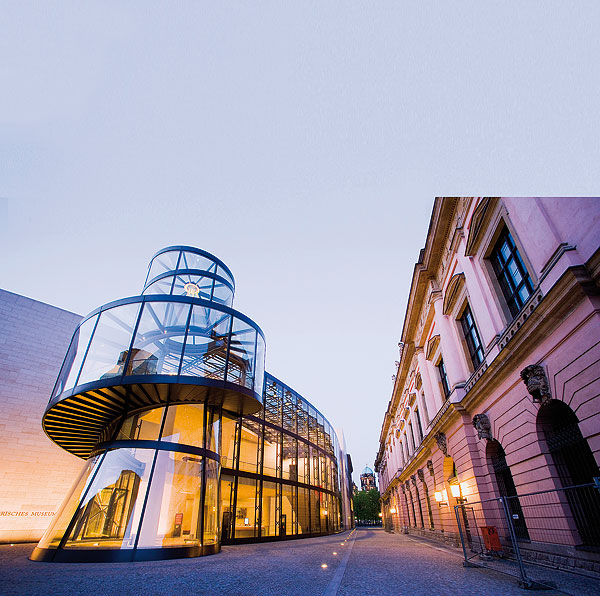
It all begins in Berlin : The spiral staircase of the new German Historical Museum was designed by I.M. Pei, who designed the Pyramid at the Louvre in Paris. -

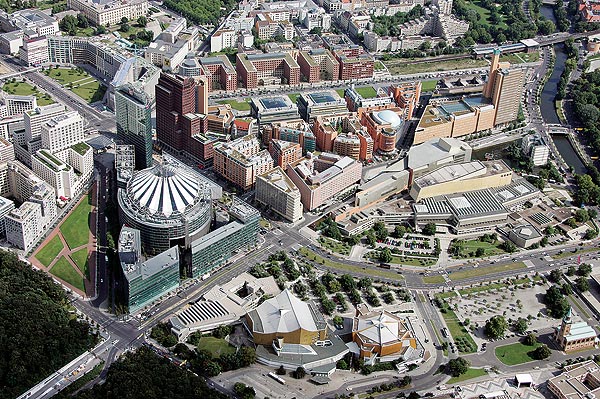
It all begins in Berlin : The Second World War transformed Potsdamer Platz, once the busiest intersection in Berlin into a dangerous no-man's land. After the Wall came down, the area was redeveloped by leading international architects. -

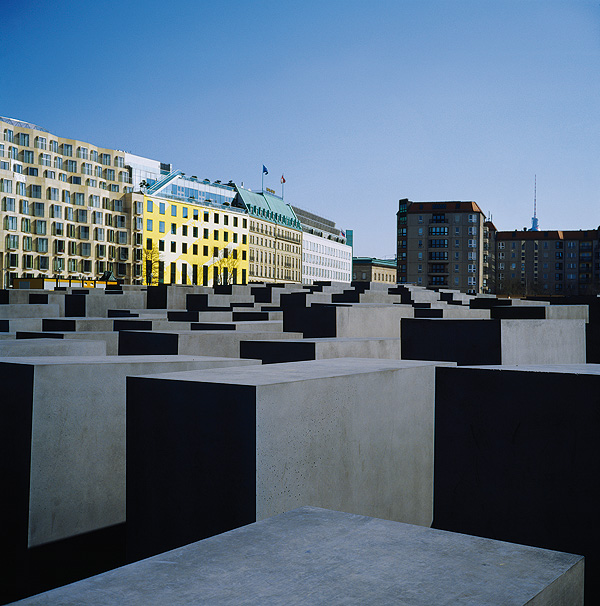
It all begins in Berlin : Peter Eisenman's Holocaust Memorial was constructed on a piece of land the size of four rugby fields. It consists of 2 711 grey concrete blocks - each one 95cm wide, 2.38m long and up to 4.5m high - with the exhibition spaces situated underground. -

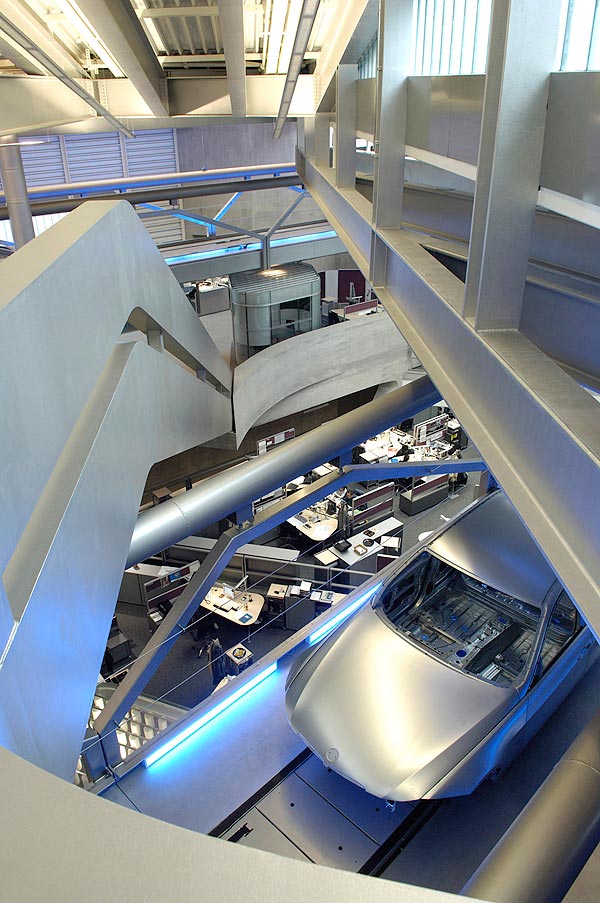
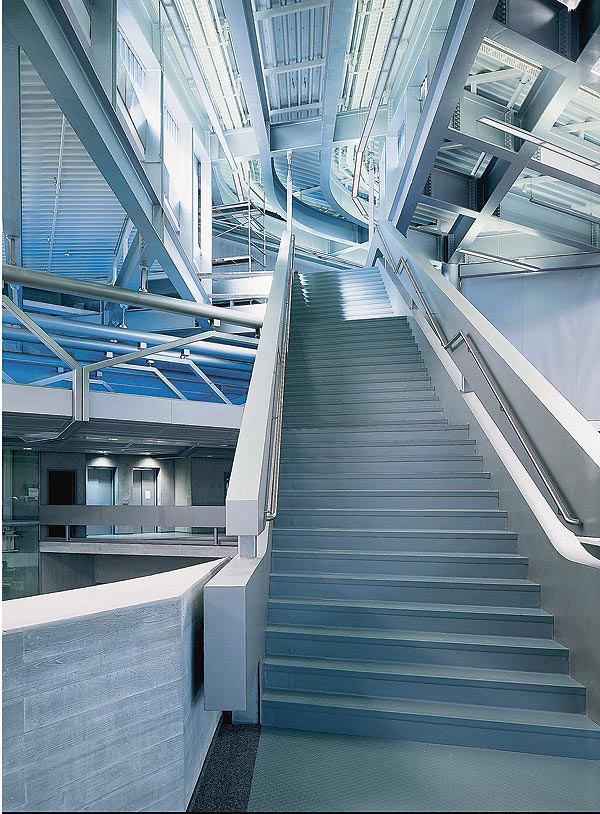
It all begins in Berlin : The BMW plant in Leipzig, just under two hours by car from the capital city, is a spectacular marriage between form and function, raw concrete and glass. -

It all begins in Berlin : The unconventional main building - designed by Zaha Hadid, who in 2004 became the first female recipient of the Pritzker Architecture Prize - has no ceiling and works like a nerve centre, or brain of the building.

WORDS: Johan van Zyl
Two World Wars and one Cold War later, Berlin has suddenly become the new international capital of design, art and architecture.
The hottest crucible of creativity, it all begins in Berlin, which is also the coolest, greenest city in Europe, with an underlying grittiness that surfaces here and there – the envy of London and the chagrin of New York.
Engelbert’s breath is pure Oktoberfest. He raises his eyes to the Kaiser-Wilhelm-Gedächtnis-Kirche, a bomb-damaged place of worship across the street from his sausage stall. It’s Unification Day and the German capital is teeming with exuberant crowds.
‘Berlin is a bit like a flashy woman,’ he explains, reaching for the cardboard punnet that his dour wife has just flooded with hot tomato sauce. ‘Not what one would call spotless, but highly photogenic. Ja? Ja?’ He plunges a fat, slashed pork sausage into the pool of red, sprinkles curry powder on top and spears it with a plastic fork. ‘Danke! Best Currywurst in Berlin! Auf Wiedersehen!’
It’s my last day in the city and just over 18 years since the Wall came down – that infamous 165km concrete Iron Curtain that once divided Berlin – and the world.
Now, the energetic present and the odious past are flowing together in a brave new beginning, the city’s TV Tower rising above it all like a gigantic compass needle.
‘City of Design’
Berlin is not easily captured in words, but everyone tries: bohemian, irreverent, self-obsessed, poor, smutty, daubed with graffiti. The only thing everyone agrees on is the dynamic interaction between the almost four million residents and the greater political, cultural and architectural energies seething here.
‘Berlin was declared “City of Design” by Unesco in 2006,’ says architect Volkmar Nickol, our guide* on an architectural day trip during BMW’s EuroStyle tour. ‘I honestly don’t know of another city in the world where so many people are interested in the visual arts and culture. Here, almost everyone has a preference for – or at least a strong opinion on – what is modern, or new and different, but at the same time does not repudiate history.
‘The city has an incredible number of museums (the most per capita in the world with the highest attendance figures) but they are not the real home – or the main showroom – of the past. You have only to put on a pair of good walking shoes to experience 800 years of building: Baroque, Rococo, Classic, Romantic, Neo-Gothic, Neo-Renaissance, Neo-Baroque, Art Nouveau, soaring structures from the Nazi-era, sleek Bauhaus-apartment blocks…
‘I returned to the place of my birth in 1990. Within a year, the new, tattered capital was transformed into a jungle of yellow construction cranes. Thanks to a host of design competitions, Berlin offered a clean canvas to the world’s foremost architects – from Frank Gehry, Daniel Libeskind, Rem Koolhaas and Ieoh Ming Pei, to the shiny new (the more conservative say “tasteless”) Disneyland-like glass-and-steel skyscrapers at Potsdamer Platz, designed under the direction of giants such as Helmut Jahn, Renzo Piano, Richard Rogers, Hans Kollhoff and David Chipperfield, to name only a few.’
The two halves of the city admittedly developed decades apart, but characteristic of both are the large rectangular buildings, an average of 20m high, most of which have a courtyard. Because of this, strict building regulations were drawn up for new developments, particularly in the historic heart of Berlin, where there is also a strong focus on restoration.
The city had to be pedestrian and cyclist friendly, with fewer cars. All parking space and collection and delivery space had to be provided underground, while all commercial buildings had to include 20% living space to prevent the city centre from becoming deserted after office hours.
In über-cool territory
And that’s the way it is now, in über-cool Prenzlauerberg northeast of Mitte (the historic heart), energetic Friedrichshain (‘the new Prenzlauerberg’), bohemian Kreuzberg, even in the wistful old neighbourhood of Charlottenburg. In a city where more than half the residents are younger than 40, sleep is not a priority.
Three blocks away from Engelbert’s sausage stall I see two grey-haired, handbag-clutching ladies peering into a shop window, shading their eyes. They are staring at a TV screen, flickering at the back of a sex shop specialising in S&M accessories and leather gear. It’s just possible to make out an orgy of naked men on the screen, flogging each other with horsewhips.
‘Was ist das?’ asks the lady with the glasses. ‘Artists,’ says her companion firmly. ‘Here, they are all artists, or politicians.’
Berlin is also the German city with the most students, foreigners (around 180 nationalities), entrepreneurs, parks and graffiti. It’s also the city with the highest unemployment figures, the cheapest accommodation (to buy or rent), office space, transport and food, the most individual fashion (hoodies are big), the smelliest drains, the most hope, the most irony. And the most wounds – some still raw, some crusting over, some no more than fading scars, the rest long hidden beneath the surface, but forgotten least of all.
An old taxi driver takes to me to Tegel Airport. He doesn’t talk much – his English is not great. I read in Radius Berlin that, in order to survive in Berlin you must be at ease with endless change; it’s like applying coat upon coat of paint and sanding it off again. And in The New York Times Daniel Libeskind says: ‘Berlin is still three-quarters imagination and a quarter reality. Here, it is still all about dreams.’
The taxi driver tut-tuts, shakes his head and gives a young lout at the red light a disapproving glance. It’s his T-shirt, emblazoned with the face of Karl Marx and the words ‘White Trash’ that upsets him.
‘Ostalgie,’ he barks, referring to a trendy hankering for the time before the Wall came down. ‘We may not know where we’re going, but I’m old enough to know where we came from. And nobody wants to go back.’
• Ticket B offers tailor-made architectural tours guided by professional architects. Visit www.ticket-b.de or e-mail info@ticket-b.de.