-

St Albans Residence -

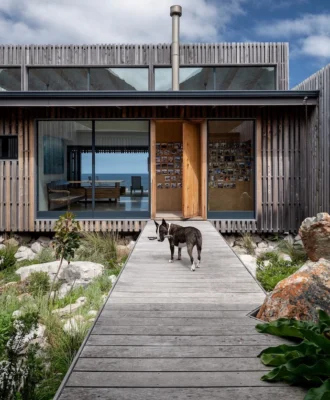
Methow Cabin -
Island House -
Nido Cabin -
Monk's Cabin -

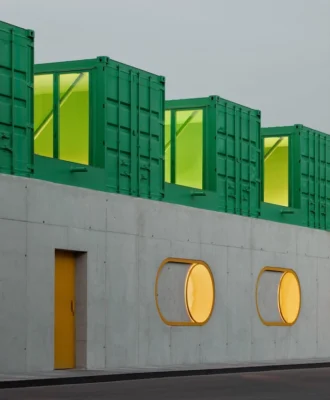
Container Guesthouse -

Loftcube -
Illustrators We Love: Marie-Laure Cruschi -

Illustrators We Love: Marie-Laure Cruschi -

Illustrators We Love: Marie-Laure Cruschi -
Illustrators We Love: Marie-Laure Cruschi

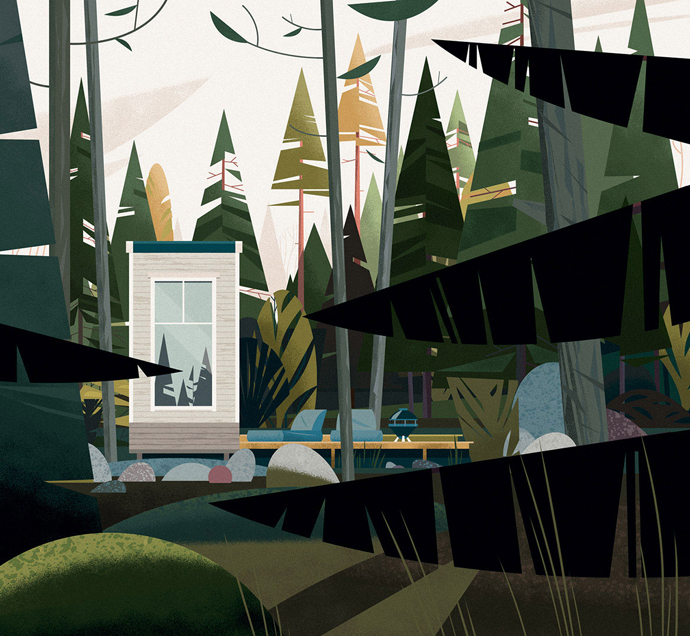
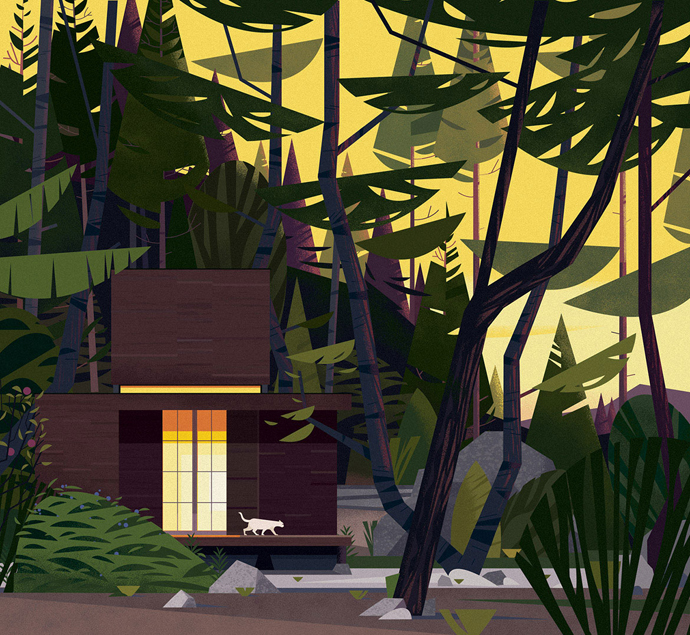
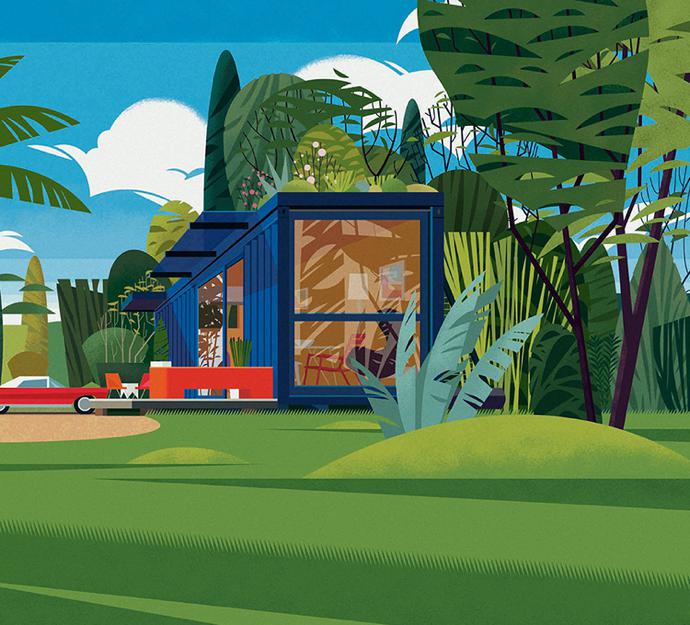
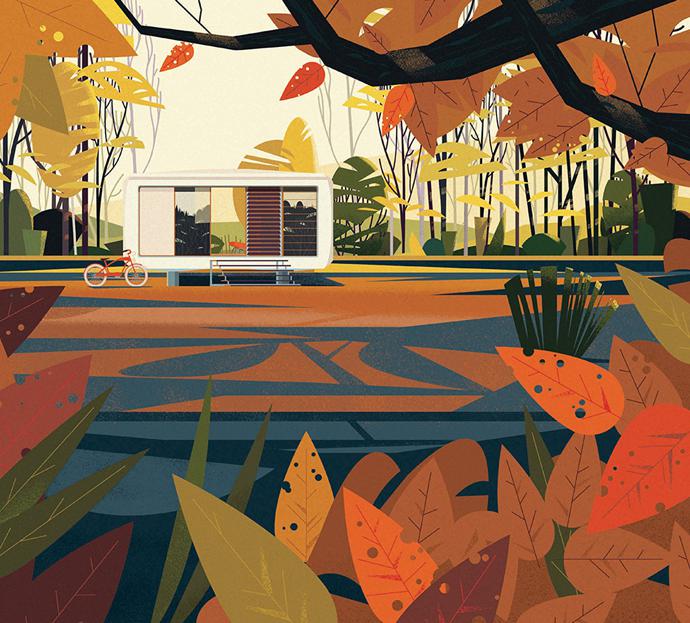

INTERVIEWED BY Lindi Brownell Meiring IMAGES Marie-Laure Cruschi
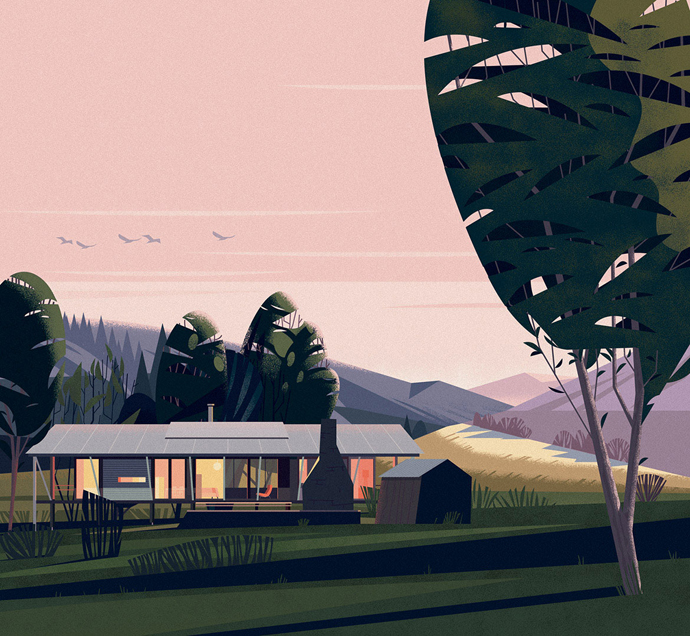
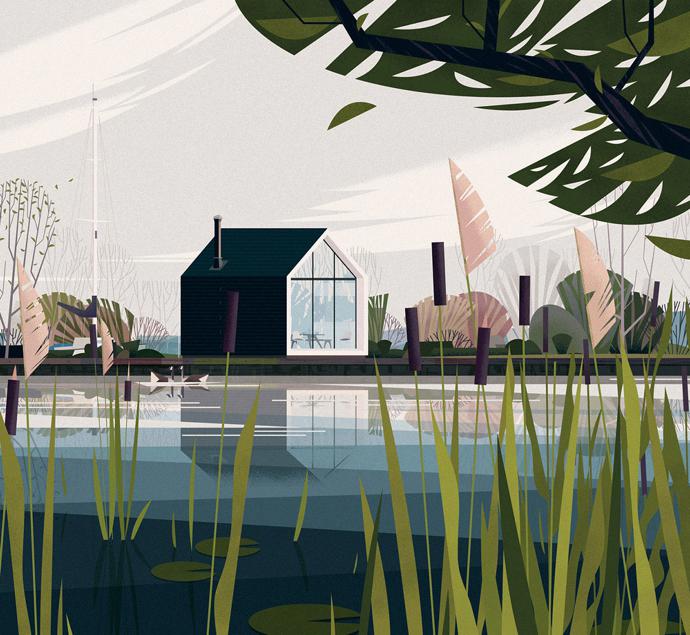
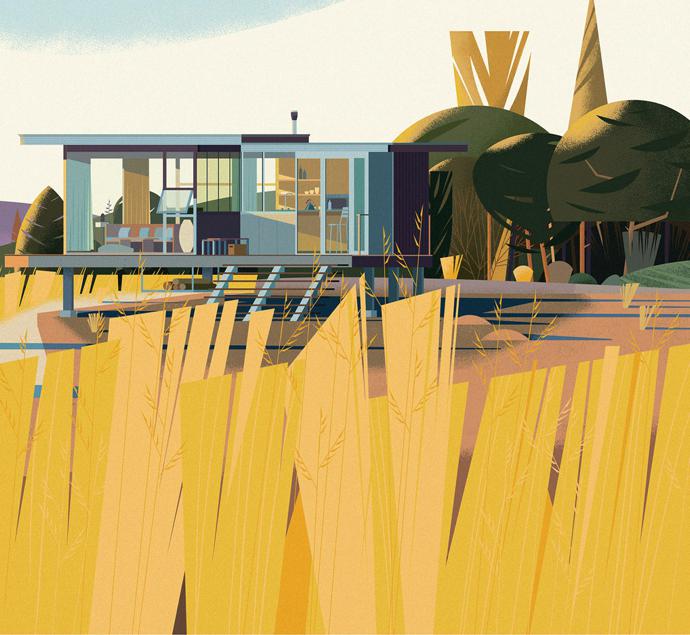
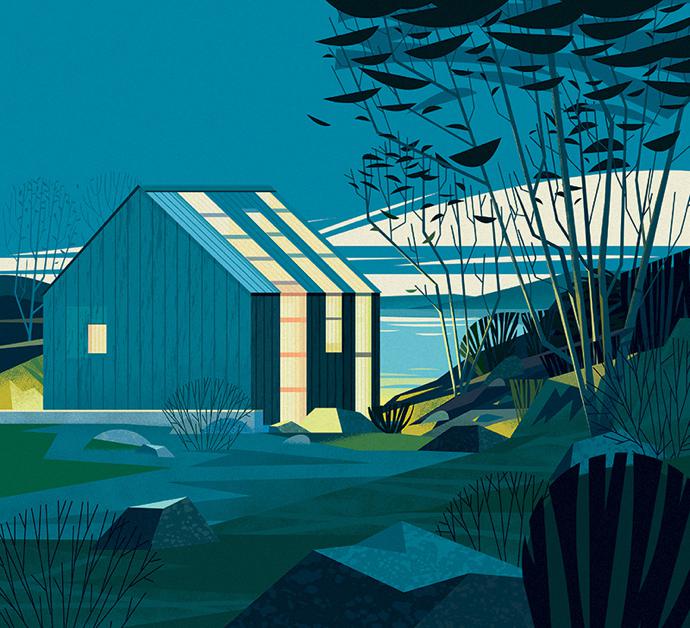
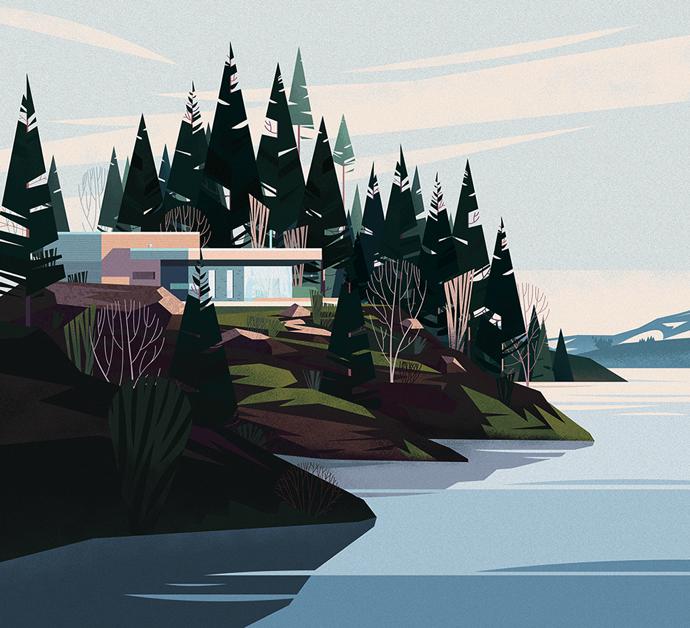
French artist Marie-Laure Cruschi of Cruschiform first caught our attention when we spotted her beautiful illustrations, created for Taschen’s release Cabins.
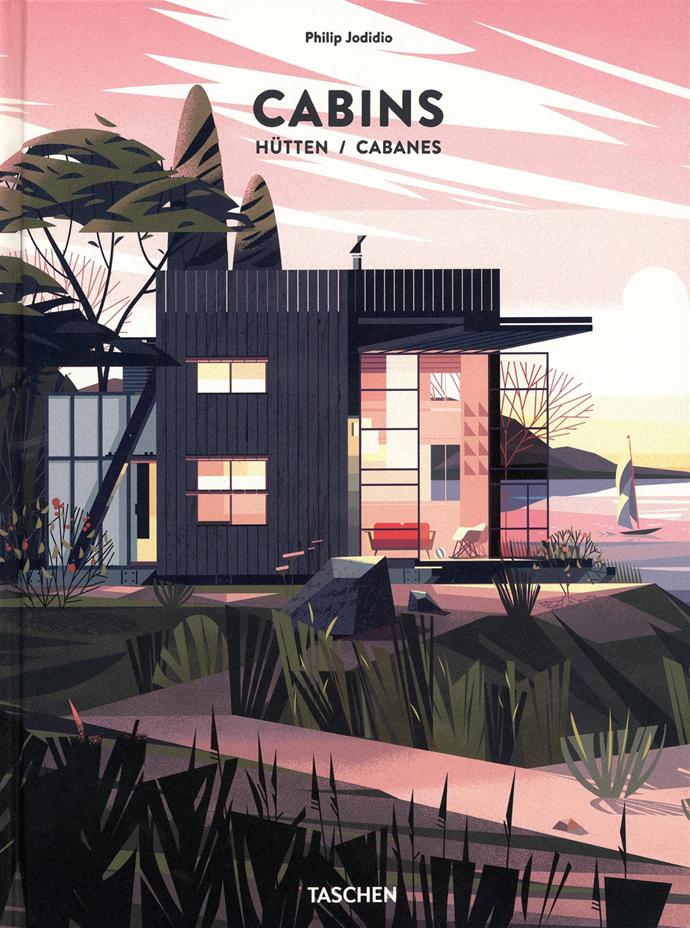
Since then, we’ve discovered more of her work and realised it was about time we caught up with her to find out more.
We spotted your cabin artworks on Sergeant Paper’s online store. In what way did architecture inspire each illustration?
In 2014, I had the pleasure to be commissioned by Taschen publishing house to work on their new architecture book, Cabins, which aims to provide an overview of contemporary cabins from all around the world. It was a great opportunity for me to work on a such topic.
For half a year, I worked closely with Taschen’s team on achieving more than 60 opening chapter illustrations, drawings and symbols that you can find throughout the book.
Each illustration represents a contemporary cabin. I wanted to create dreamlike pictures that fit somewhere between realism and fantasy, so I tried to make a glorified vision to inspire and to invite viewers on a journey, while trying to convey each cabin’s unique character, and remain faithful to the original architecture.
When the book was released, a selection of my illustrations were exhibited at Sergeant Paper’s gallery in the heart of Paris. I created a bunch of limited-edition prints, most of which are available exclusively on cruschishop.bigcartel.com. I’m really grateful to people who buy my prints from all around the world, and I’m planning to create a new series of landscape illustrations over the coming months.
Which cabin did you most enjoy creating, and why?
I actually had an initial crush on some of the cabins, such as Island House, Nido and Greenbox because their architectural style is based on simplicity. I then started to appreciate some of the other projects by learning about their architectural challenges, their techniques and functions, like Storkehouse, which is partly created with burned wood, reeds and bricks and influenced by Japanese architecture, or Monk’s Cabin, which was created for a Buddhist monk. Generally, I would say I’m attracted to humble, airy and luminous architecture that easily blends into its natural surroundings.
Describe your aesthetic in a tweet.
Dreamlike. Colourful. Geometric. Rich in detail.
What do you love about illustrating children’s books? Do you have any more in the pipeline?
The three children’s books I published are very personal projects. My publisher Gallimard gives me a lot of freedom, while making sure I keep the target market in mind. What I appreciate about creating children’s books is feeling like an artisan and a maestro at the same time. I’m the art director of the concept and the creator of the aesthetics, from the illustrations, graphic design, typography and choice of paper to the printing technique… and it’s very gratifying!
I believe that the simplest ideas turn out to be the best, so what I love most about creating children’s books is being able to talk about universal subjects and creating very simple devices while offering an original vision on the world around us. It’s a real challenge.
What would be the dream project for Cruschiform? What would you most like to do creatively?
I always expected that I would be able to invest all my interest for arts and crafts into my illustrations. I love design and architecture as much as I love illustration. I’m increasingly attracted by ceramics, wood, stained glass and textiles, and I would love to work in collaboration with other artists, artisans or luxury brands to develop multidisciplinary projects. I would like to explore commission opportunities that combine art and art direction.
What’s next for Cruschiform?
I’m currently working on the creation of several books. One is narrative in style and based on my designs from the Cabins book. Another is more minimalist, based on a reinterpretation of fairytales, with simple forms. But my most extensive project is a picture book (of 280 pages) on Colour. For several years, I wanted to create a tribute to colours. It took me time to find the best approach. The book is expected to be released in 2017.
View more of Marie-Laure’s work at cruschiform.com.