-

Panter & Tourron’s ultra-light (under 20kg) yet sturdy screen requires no tools to construct. -

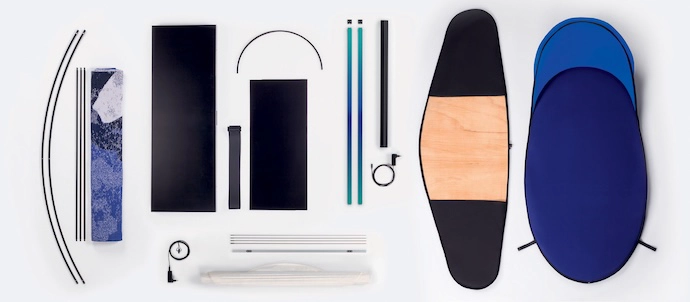
Panter & Tourron’s Tense collection, laid out in unassembled pieces; -

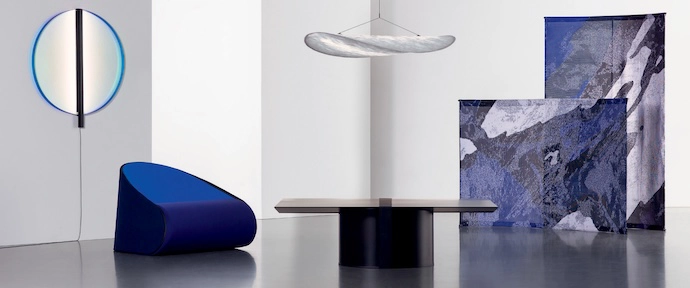
Tense flat-pack essentials include a table, a chair, a pendant light, a wall light and screens. -

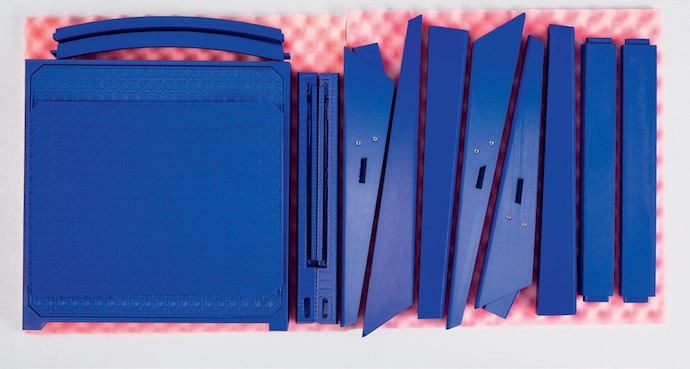
The unassembled components of the Flat Pack Jeanneret chair. -

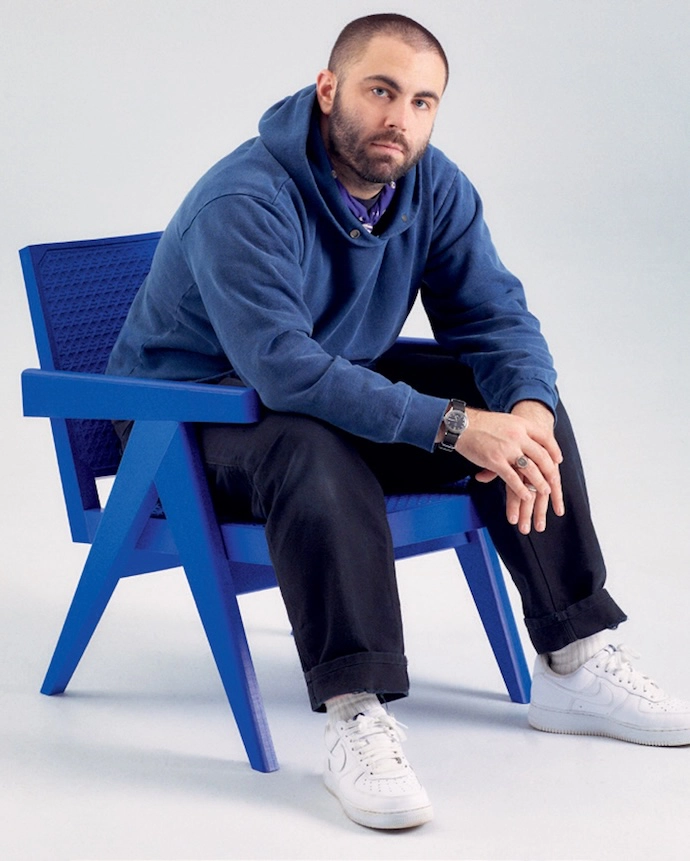
The finished product by by Benjamin Fainlight. -

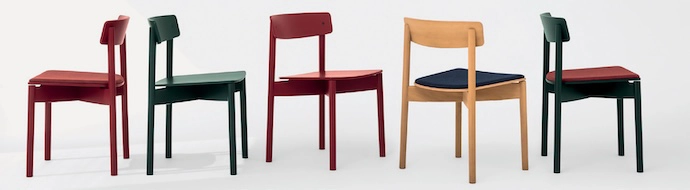
TAKT’s T01 Cross chairs by London studio Pearson Lloyd -

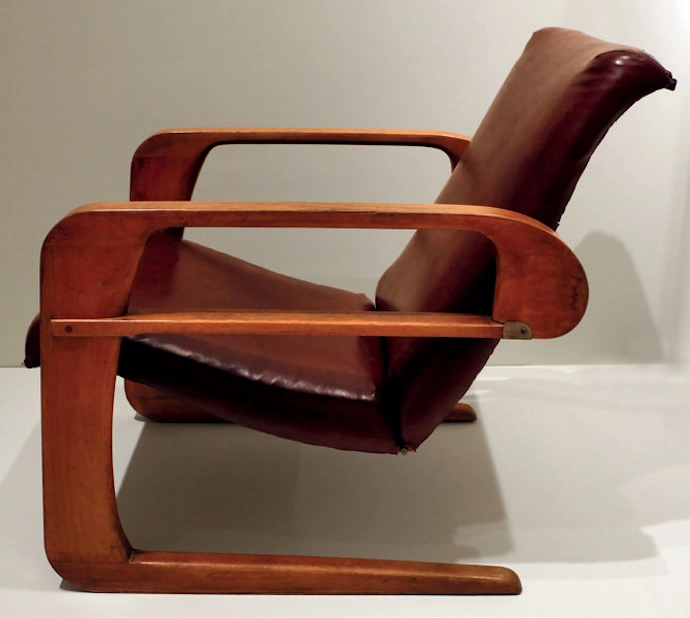
Designed in 1935, Kem Weber’s Art Deco Airline chair arrived in a box, ready to be assembled at home. -

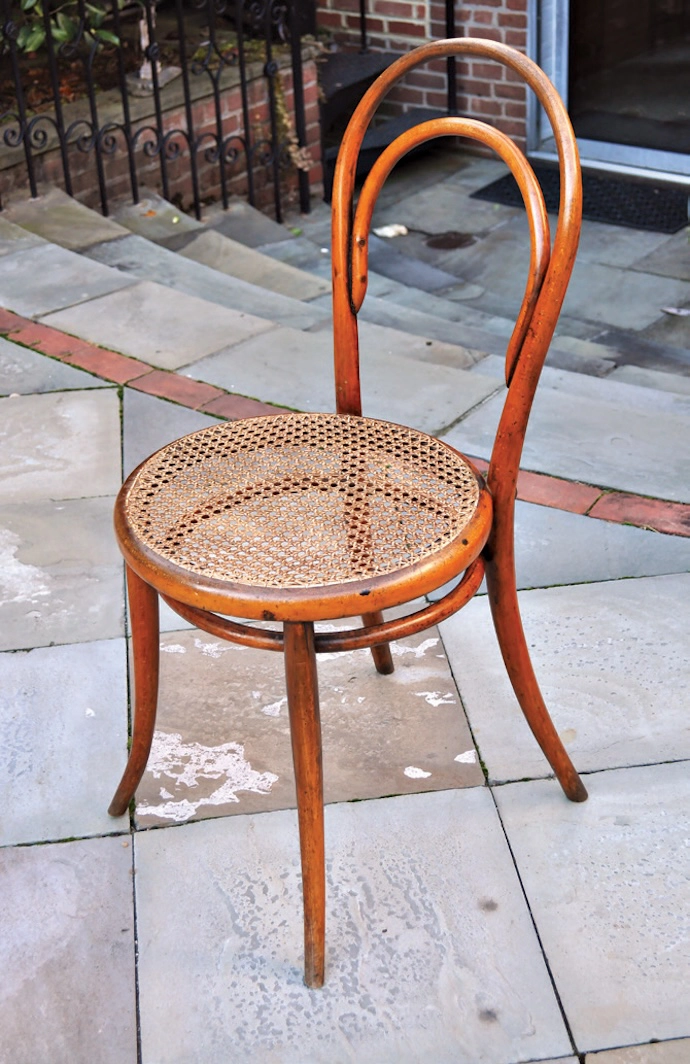
Michael Thonet’s No. 14 “bistro chair” was engineered to be disassembled, shipped and easily reassembled. -

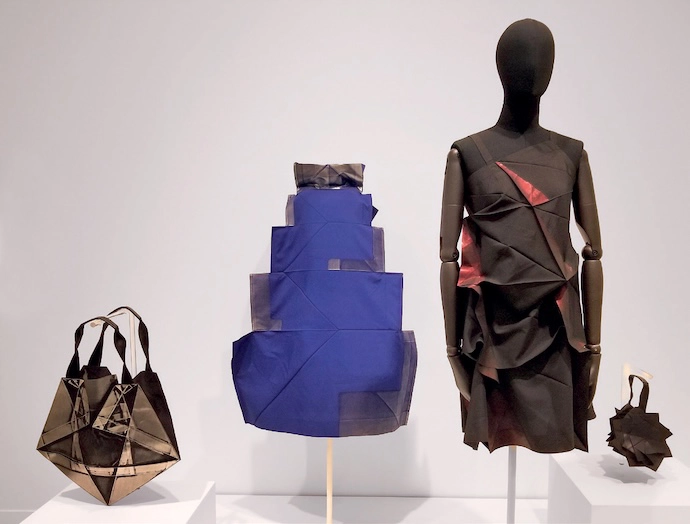
Issey Miyake’s 132 5 collection (2010) featured origami-like garments. -

Popstrukt specialises in easy-to-assemble pieces, such as the colourful Sugar Cube sidetable. -
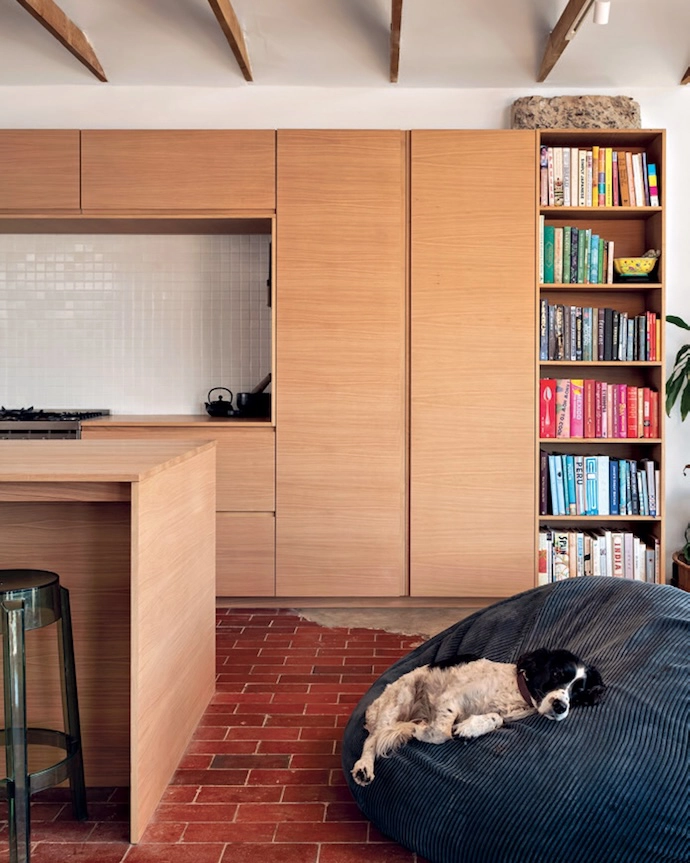
Hoop’s modular kitchen systems are crafted from precision flat-pack components.


From practical origins to cutting-edge designs, flat-pack furniture proves it can be smart, sleek and anything but basic.
WORDS Jo Buitendach PHOTOS Sailko, Henry Townsend, Supplied, Jogoda Wiśniewska, Sam Sklar, Premeditated Chaos, Paris Brummer, Supplied
Flat-pack furniture has come a long way from its practical, no-nonsense beginnings. What started as a simple solution for easy shipping has evolved into a distinct design language, embraced by big-box brands and independent studios keen to experiment with form, materials and craft . Also known as ready-to-assemble or kit furniture, today’s flat-pack pieces come in neatly boxed components that are meant to be assembled at home. Manufacturers break each piece down into its essential parts, pack it compactly, and leave the final assembly to the consumer. Its biggest strengths are affordability and ease of transport – but flat-pack is also versatile, adaptable to different spaces and oft en more eco-conscious to ship. The trade-off s include effort of assembly, the potential for decreased durability, and designs that can sometimes feel generic, with limited customisation.
Before IKEA
Ready-to-assemble furniture has deep roots: cabinetmakers have long designed pieces that could be taken apart for transport. But one of the earliest, most influential examples is Michael Thonet’s No. 14 bent-wood chair. First produced in 1859, the “bistro chair” was engineered to be disassembled, shipped efficiently and reassembled with ease. More than 160 years later, No. 14 is still in production – a testament to the enduring appeal of smart, compact design.
Another early milestone came courtesy of Californian designer Kem Weber, whose elegant Art Deco Airline chair quietly anticipated the modern self- assembly trend. Designed in 1935, it arrived in a slim box, and could be assembled at home without tools. Although it featured in Weber’s 1939 interior for Walt Disney Studios, the design never reached mainstream production. At the time, DIY assembly was considered to be too radical, and manufacturers refused to license it. The Airline chair remains a defining piece of Streamline Moderne design.
Flat-pack made famous
No exploration of fl at-pack furniture would be complete without IKEA, the Swedish brand synonymous with ready-to-assemble design. While the concept existed beforehand, it was Swedish technician Gillis Lundgren who famously hit upon the idea while trying to fit a table into his car, sawing off the legs to make it fit. He shared the idea with his boss – and by 1956, IKEA was selling fl at-pack furniture worldwide. So while the company didn’t invent the concept, it perfected it, turning flat-pack into a global phenomenon. Clever, accessible and practical, IKEA’s marketing, catalogues and store layouts all reinforce the notion that fl at-pack isn’t just furniture, it’s a way of life.
Packed perfection
In 2019, Swiss design and consultancy studio Panter & Tourron launched Tense, a research project exploring life in an era of global mobility and fluid identities. The collection features fl at-packed essentials, including a table, a chair, a pendant light, a wall light and screens for dividing spaces, which together weigh less than 20kg and can be assembled anywhere. Each piece is ultra-light yet retains its shape through tensile strength. Transportable flat or in a tube, the items require no parts or tools, “allowing one to recreate and rebuild a home anywhere in a few simple steps”. pantertourron.com
Danish brand TAKT blends “slow craft with modern tech” to rethink how furniture is made and sold. Every piece is flat-packed to reduce carbon, lower costs and make quality design accessible. Eco-certified and repairable, TAKT furniture follows the concept of “Perpetual Sustainable Design”, and is built to last, not to be thrown away. Using sustainable wood and collaborating with renowned designers, TAKT creates simple Scandinavian pieces that are meant to be loved, cared for and passed down for generations. taktcph.com
Multihyphenate creative, designer and brand strategist Benjamin Fainlight turned to furniture with the Flat Pack Jeanneret chair (2020) and the CP-1 stool (2022). For him, 2010–2019 was “the streetwear decade”, when streetwear sensibilities seeped into every corner of culture, and furniture became the next frontier. Fainlight chose Pierre Jeanneret’s iconic Easy chair to fl ip, keeping the silhouette but changing everything else – the colour (to Klein Blue), the material (to FFF plastic) and the assembly process.
Flat-pack, he explains, was essential: “It’s so ubiquitous now that there was no other way for the chair to come together or be delivered. Engineering it was tough, since the original was meant as one piece, but it is worth it for the satisfaction of creating your own furniture.” His hope is that assembling a Flat Pack Jeanneret is more rewarding than the stress of a typical IKEA box. temporary.company
While flat-pack is largely associated with furniture, Japanese fashion designer Issey Miyake proved the concept could be far more expansive. His 132 5 collection in 2010 featured origami-like garments that folded flat and transformed into sculptural clothing when opened. The innovation drew on the work of computer scientist Jun Mitani, whose soft ware generates flat geometric forms from single sheets that unfurl into intricate 3D shapes. It was flat-pack reimagined – elegant, technical and entirely wearable. isseymiyake.com
Locally, furniture brand Popstrukt specialises in colourful, easy-to-assemble pieces delivered straight to your door. The in-house-designed range spans drawers, lockers and sidetables, all created with a playful, modern sensibility. The name comes from “pop-up structure”, and the brand’s newest Sprinkles collection embraces that spirit with bold dual-tone finishes in Blueberry, Kiwi and Peach, plus chunky handles, scalloped interiors and charming corner details. popstrukt.com
Cape Town’s Hoop, founded by siblings Anthony, Gina and Patrick Whitaker, takes a similarly accessible approach – this time to kitchen design. “Our kitchens begin with a design-led exterior, supported by a modular cabinet system built from precision flat-pack components,” explains Anthony. The result is craftsmanship-forward yet efficient: a full kitchen can arrive in a single van, and be delivered to compact apartments or buildings with narrow stairwells. The modular system ensures consistent quality and long-term flexibility, from adjustable shelves and future-ready drawer layouts to the option of upgrading fronts without replacing the entire cabinets. It’s a truly modern take on the everyday kitchen. hoop.co.za
Don’t forget to sign up to our weekly newsletter for the latest architecture and design news.