-

Exploring Joburg’s architecture -
Exploring Joburg’s architecture -
Exploring Joburg’s architecture -
Exploring Joburg’s architecture -
Exploring Joburg’s architecture -
Exploring Joburg’s architecture -
Exploring Joburg’s architecture -
Exploring Joburg’s architecture -
Exploring Joburg’s architecture -
Exploring Joburg’s architecture -
Exploring Joburg’s architecture -
Exploring Joburg’s architecture -
Exploring Joburg’s architecture




WORDS Lisa Johnston
Love or hate it, Johannesburg is our city of gold. Gifa has launched a series of educational city walks that explore the fascinating complexities of a thriving African metropolis.
As a city its equally loved and maligned, but regardless of which side of that line you stand there’s no doubt that it’s the vein of gold that runs beneath Johannesburg’s surface that belts out the steady beat of South Africa’s coursing economy.
Gold was the grist that has fuelled the mill of entrepreneurs, business people immigrants and thieves that have coursed through the city over the 120 odd years of its existence. It’s been that way since the city’s inception in the late 1800s when it started out as a tent town, developed into a tin town and then grew higgledy-piggledy into the city we know today. In the early days, signs that hung from trader’s doors would not bemoan the heat but instead, be “closed on account of the dust”.
What hasn’t changed much over the years is people’s ambivalence towards the city. However, from a locals perspective, Rian Malan probably summed it up best in his contribution to the collection of short stories From Joburg to Jozi: “Foreigners think we’re nuts, coming back to a doomed city on a damned continent, but there is something you don’t understand: it’s boring where you are.”
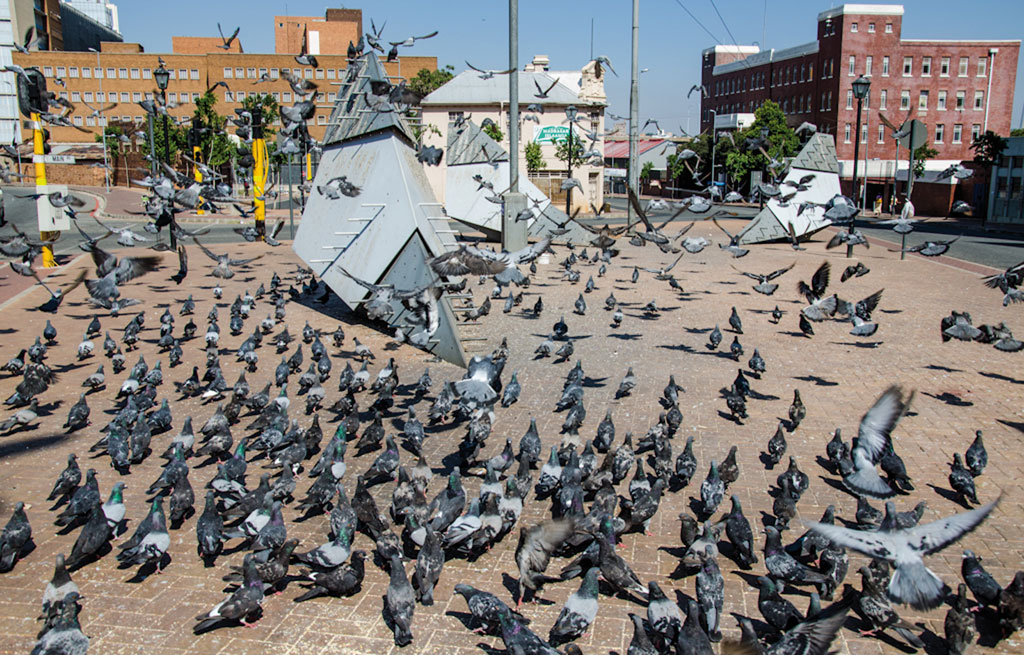
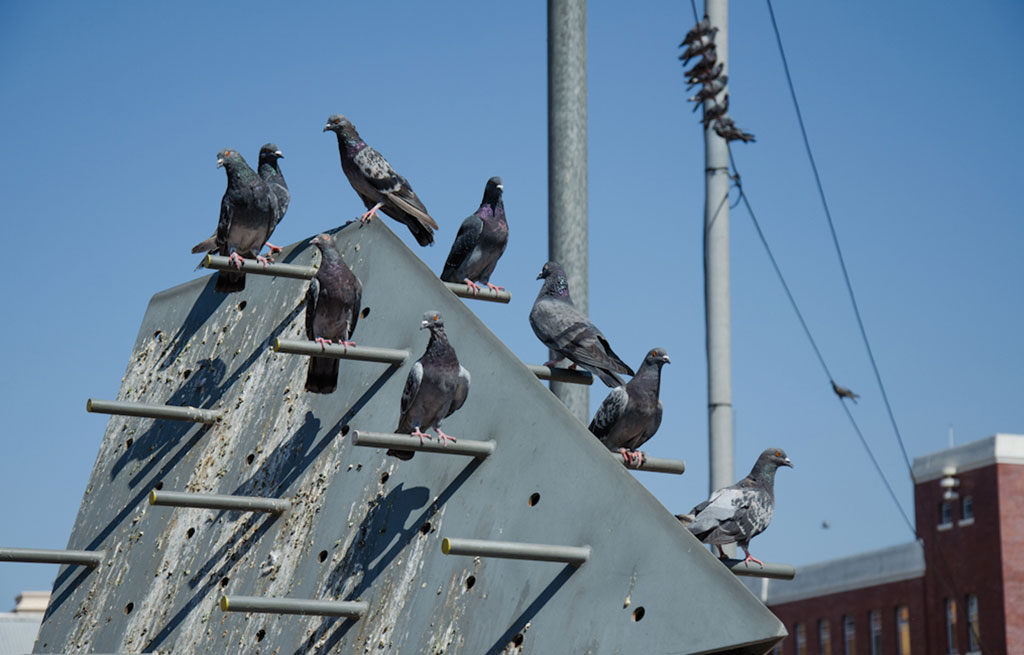
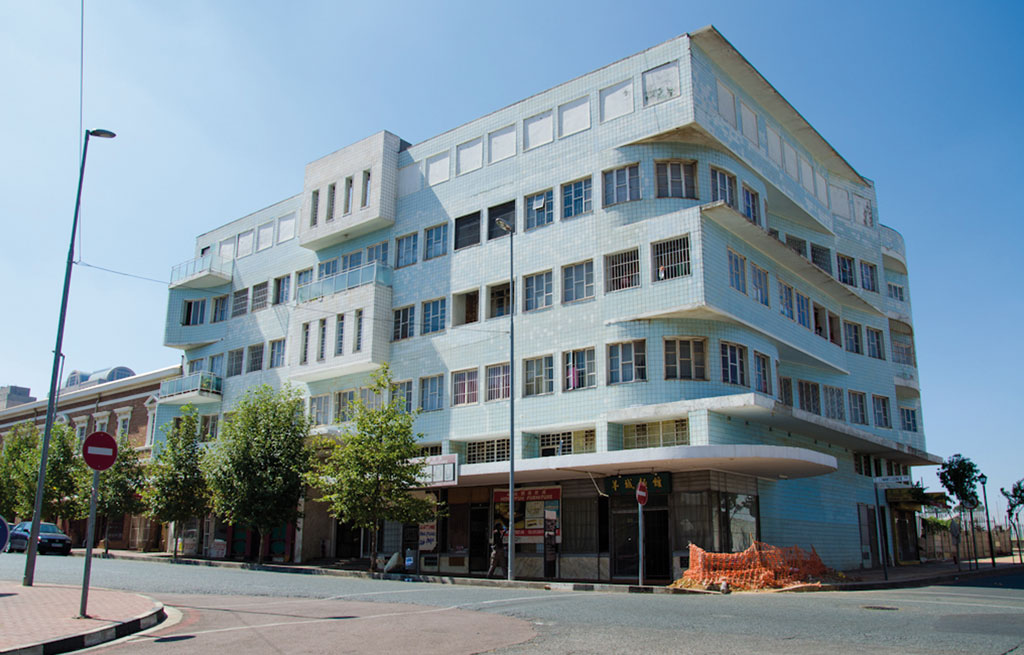
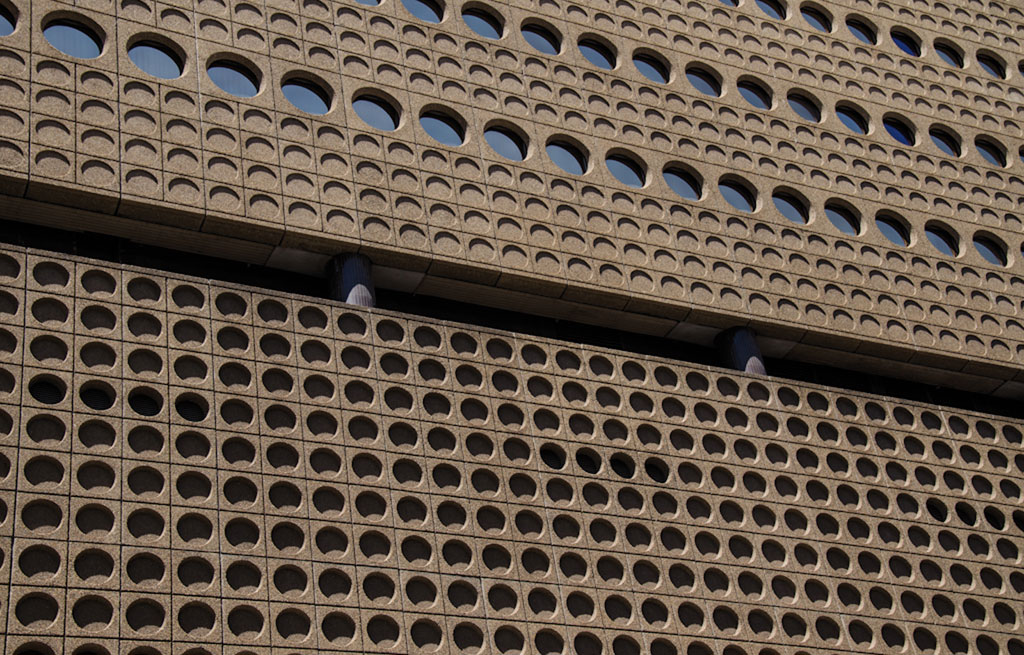
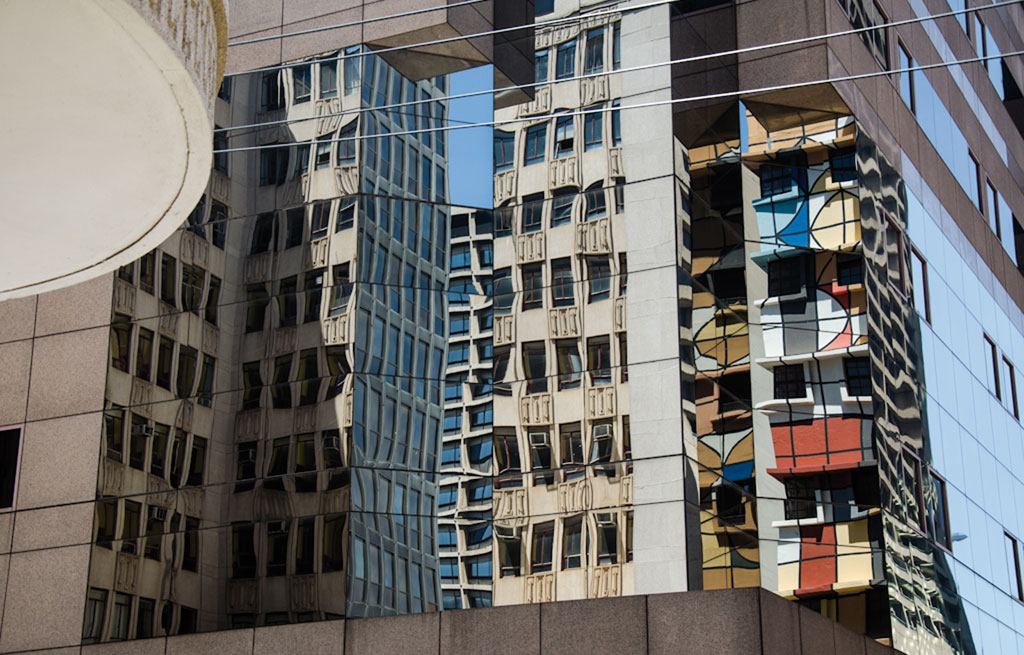
Surprisingly then it’s when the city is at its quietest, on a Sunday, that it’s best to interpret the buzz of activity over the past century, which is literally preserved through its architecture and public art. On Sunday 23 February 2013, the Gauteng Institute of Architecture (Gifa) launched a series of walks that aim to highlight the city’s development from a late Victorian and early Edwardian town to a neoclassical and early modern city, going on to a late modern and post-modern megalopolis to the current old and current new metropolis we find today.
Led by architect and academic Brian Altshuler the Past And Present Tour took in more than 50 notable sites, highlighting the mixture of old and new, wealthy and poor. With Brian at the helm, and two security guards trailing behind to keep an eye on cameras and gear, participants were free to snap away and interpret the clues to the development of the heart of Johannesburg.
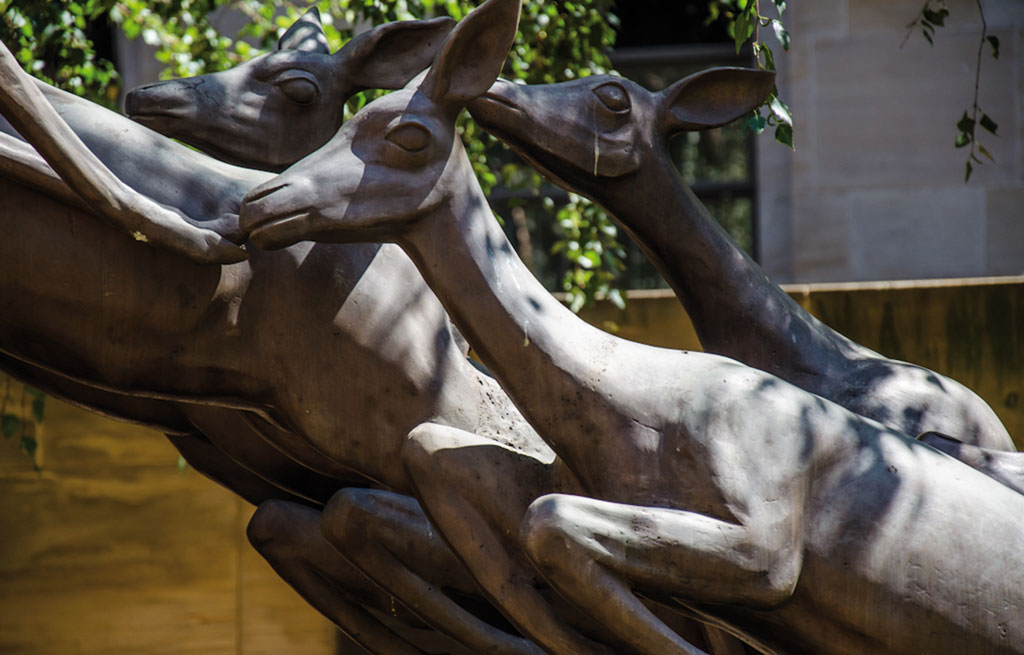
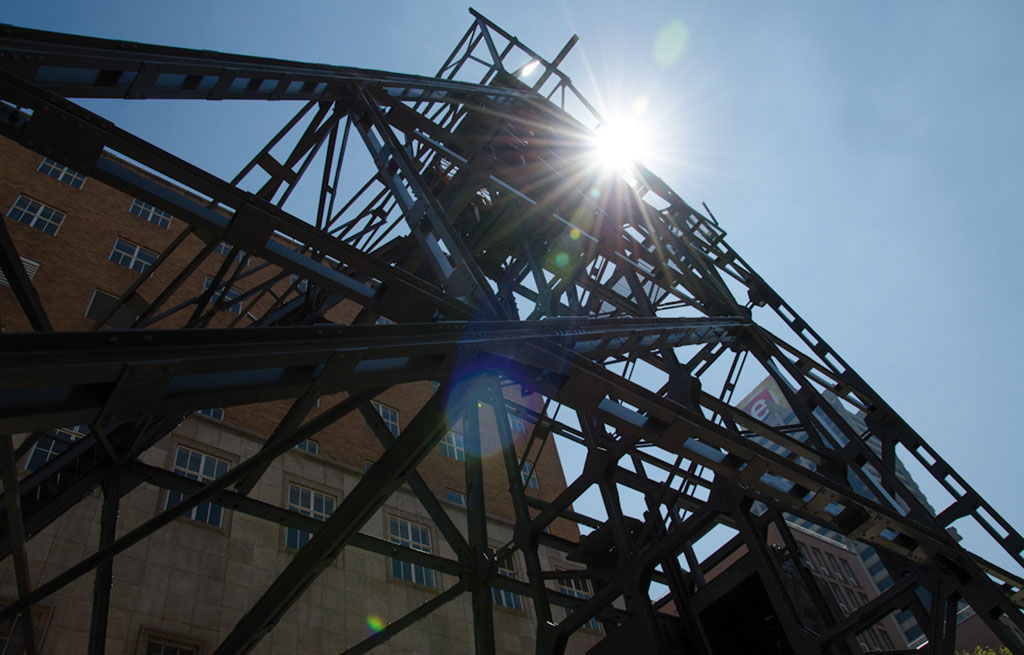
The tour ambled through the city’s various precincts from Newtown Cultural Precinct, which has been punted for years but is only really beginning to live up to its name now, through to the Mining Headquarters, which has a surprising number of historic mining gear on display as public sculpture, to the Public Precincts, from the original Market Square now called Beyers Naude, as well as Ghandi Square. Lunch was enjoyed from Roof of Africa, the 50th floor of the Carlton Centre, which takes in views of the entire city. The final stage of the walk passes through the vibrant Commercial Precinct and before heading back to Newtown.
With the broad sweep of the city taken care of, the next tour will be more specialised and focus on the inner city. Scheduled for Saturday 9 March, for more information about the Joburg Inner City Tour and other upcoming tours contact Gifa on 011 403 0954 or email events@gifa.org.za.