-

Grounded in Design: Casa da Levada -
Grounded in Design: Casa da Levada -
Grounded in Design: Casa da Levada -
Grounded in Design: Casa da Levada -
Grounded in Design: Casa da Levada -
Grounded in Design: Casa da Levada -
Grounded in Design: Casa da Levada -
Grounded in Design: Casa da Levada -
Grounded in Design: Casa da Levada -
Grounded in Design: Casa da Levada -
Grounded in Design: Casa da Levada -
Grounded in Design: Casa da Levada -
Grounded in Design: Casa da Levada -
Grounded in Design: Casa da Levada -
Grounded in Design: Casa da Levada -

Grounded in Design: Casa da Levada
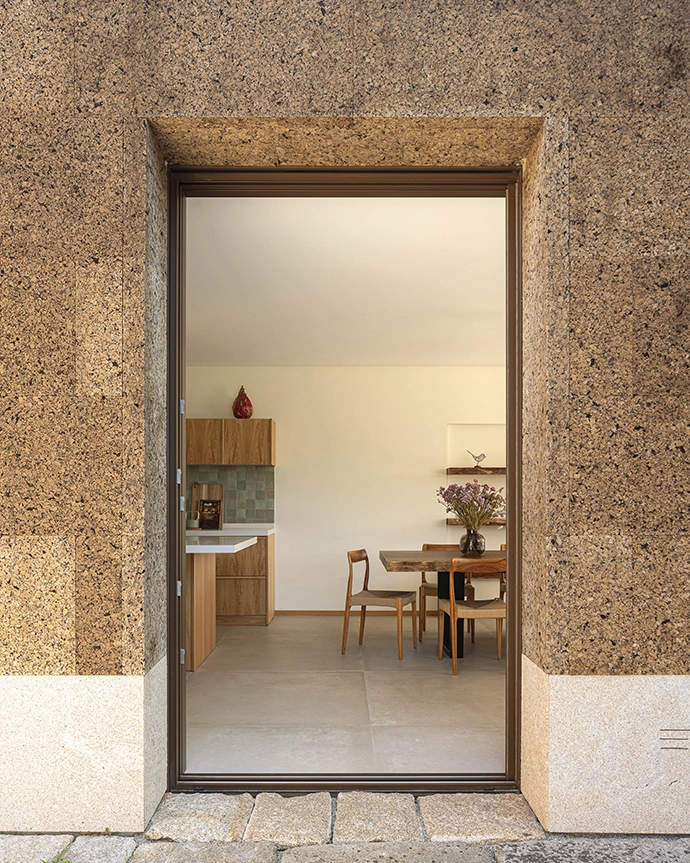


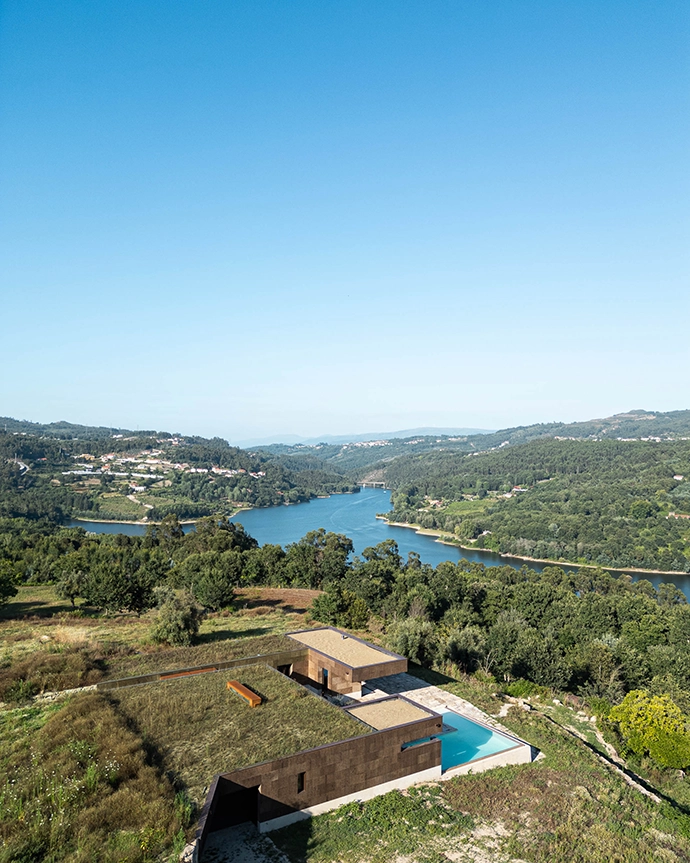

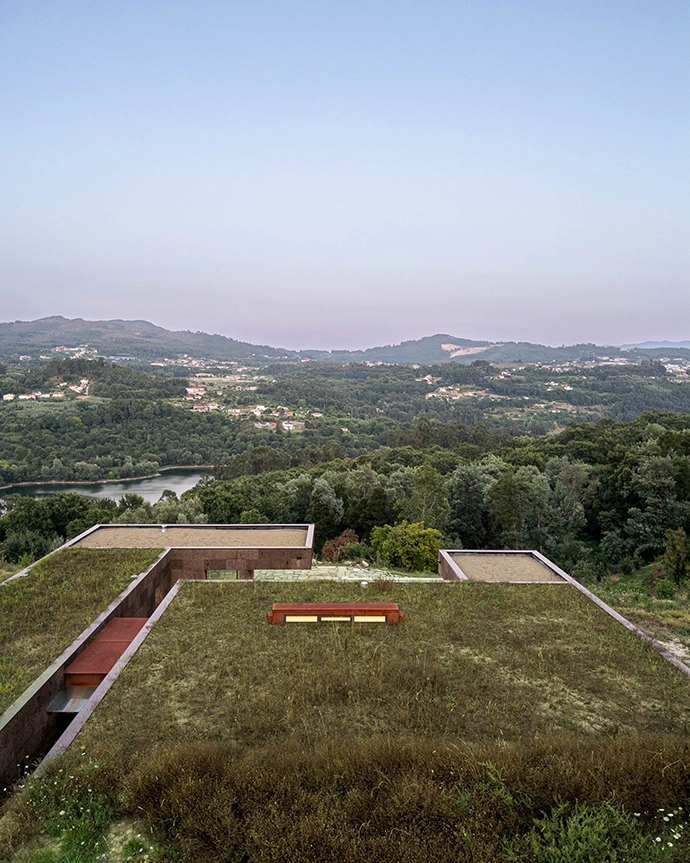



Blending seamlessly with its hilly surroundings, this contemporary home overlooking Portugal’s Tâmega River has been sustainably designed to honour the unique materials and character of its setting.
WORDS Gina Dionisio PHOTOS Ivo Tavares
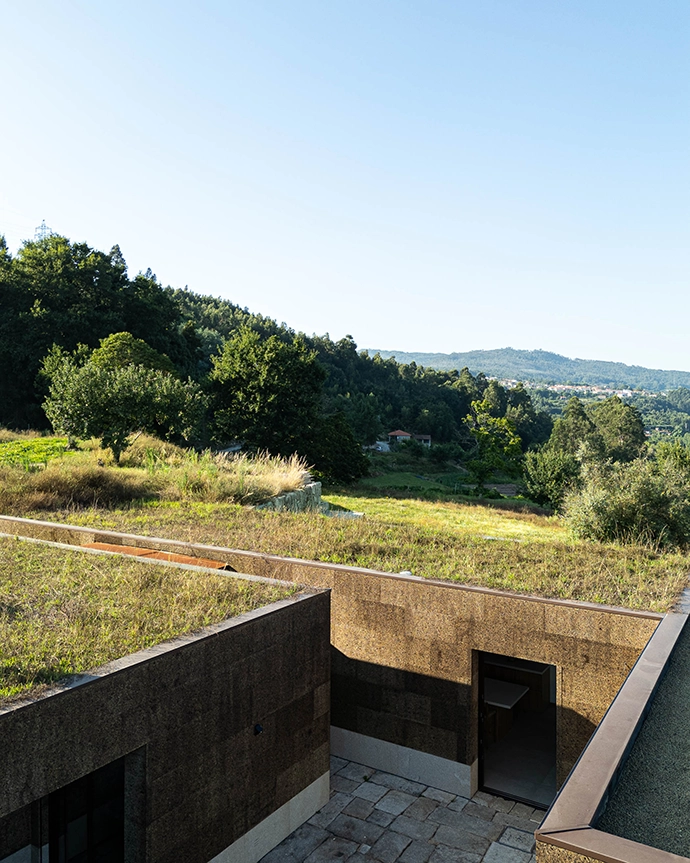
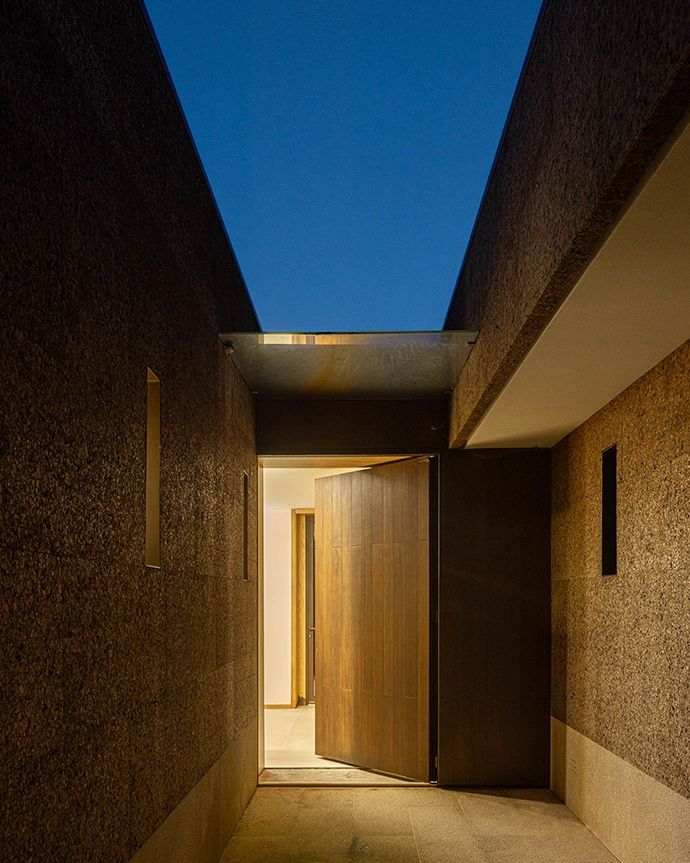
Nestled in the rural village of Rua do Gondeiro, Casa da Levada by Tsou Arquitectos appears to emerge from the very fabric of its rural surroundings. The architecture of the single-family home, with its cork cladding and landscaped roof, reflects the architecture studio’s commitment to integrating the built environment with the existing terrain.
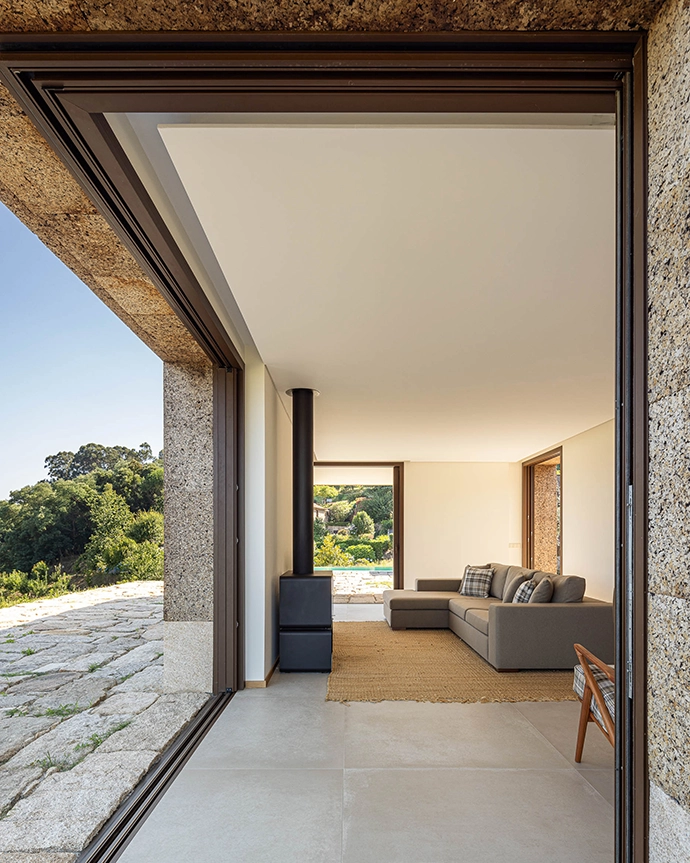
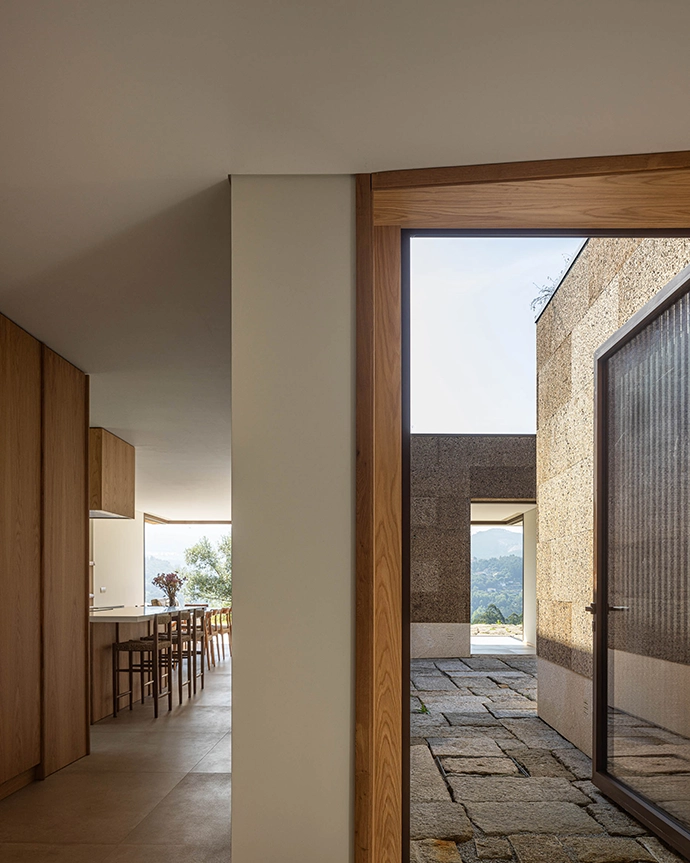
The approach to Casa da Levada is a cobbled walkway that slices through the rugged terrain, resembling a tectonic fault from above. This linear divide subtly delineates the home’s social and private realms, ensuring a seamless spatial flow. These living areas unfold around a courtyard, embracing it to form an inviting outdoor gathering space, where cantilevered overhangs elegantly frame the surrounding landscape.
Casa da Levada is a masterclass in thermal comfort and energy efficiency, seamlessly integrating cutting-edge climate control with thoughtful material choices. A high-efficiency heat pump powers the home’s underfloor heating and cooling system, ensuring a consistently comfortable interior. Ceramic flooring runs throughout, enhancing thermal responsiveness for effortless climate control year-round. In addition, a Controlled Mechanical Ventilation (CMV) system with a heat exchanger guarantees continuous fresh air circulation while minimising energy loss. Light plays an important role, with strategically placed glazing maximising natural illumination. External mechanical shading and blinds work in harmony to optimise solar gain in winter while preventing overheating in summer.
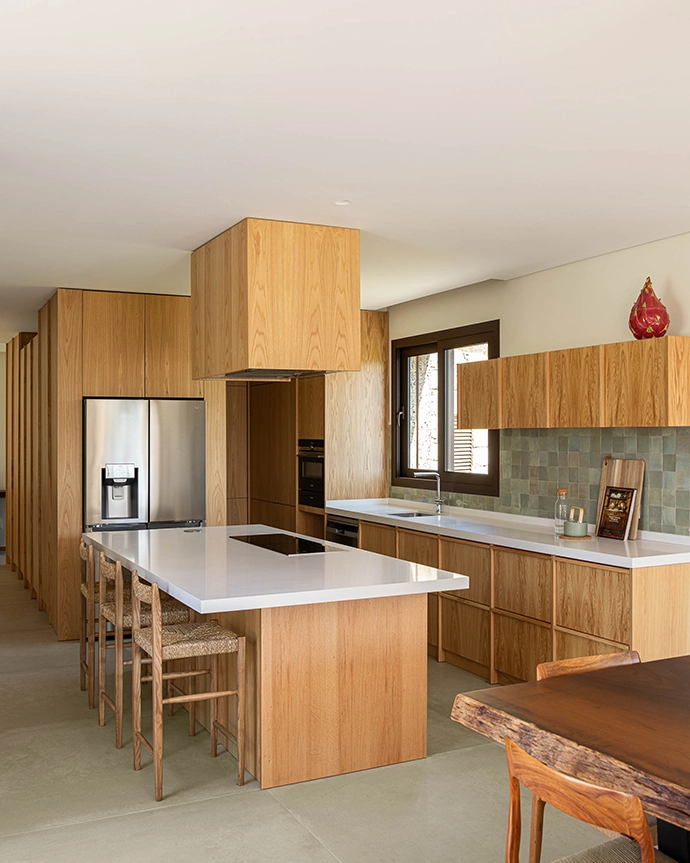
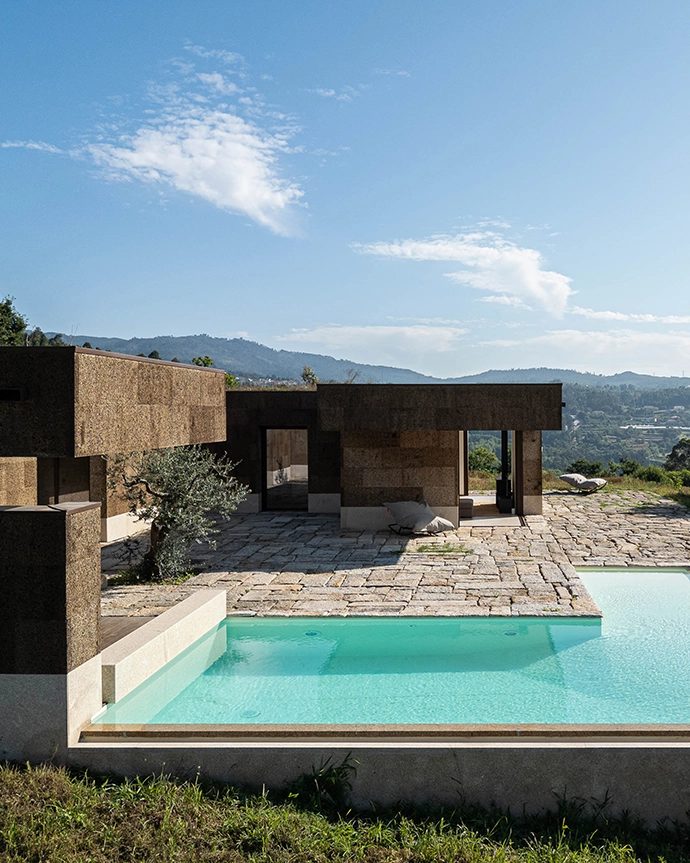
The considered technical choices and sustainable materials underscore Casa da Levada’s design, reflecting the architecture studio’s commitment to seamlessly integrating the house into its landscape. This philosophy is reflected in the use of cork panels for the exterior cladding, a landscaped roof that seamlessly extends the natural terrain, and a stone patio crafted from materials reclaimed from the site’s ruins. The design of the patio’s stonework follows a stereotomy that repurposes existing granite, reinforcing the ethos of sustainability and resourcefulness. | tsouarquitectos.com
Don’t forget to sign up to our weekly newsletter for the latest architecture and design news.