-

Anatomy of a Chair -

Anatomy of a Chair -

Anatomy of a Chair -

Anatomy of a Chair -

Anatomy of a Chair
INTERVIEW BY Steve Smith PHOTOS Supplied
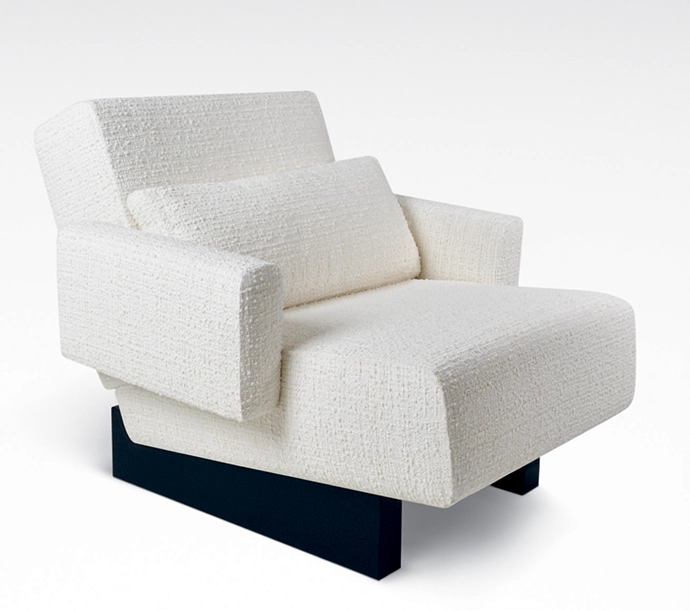
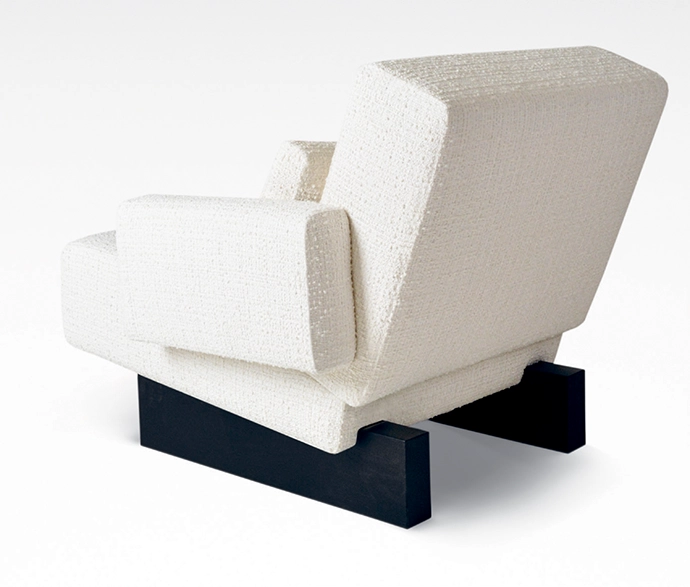
Outlining exactly what goes into making a high-end piece of designer furniture, OKHA’s designer and director Adam Court tells us about Naut, the studio’s new Brutalist armchair.
The Idea
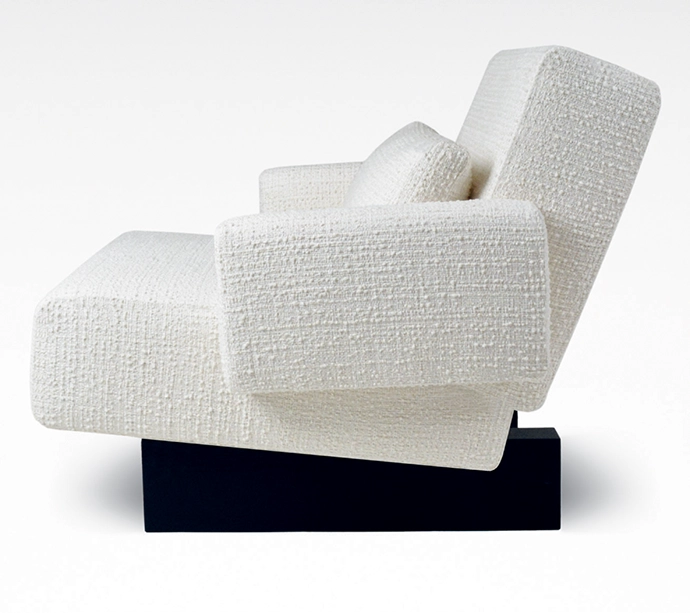
“The inspiration for this chair came from a conscious move away from the curvaceousness of our Repose and Reverb sofas. I love geometric shapes – stacking forms and creating a module shape – and this chair is exactly that. I was playing with blocks, rearranging them until they started to sing – until they had a certain sort of vibration in their composition. There’s a simple logic that starts to take place in the way the shapes interact, the way one shape cuts into another, how the shapes are cradled in the base block of wood.”
The Creative Methodology
I don’t use computers when I design. It’s pencil on paper. I use tracing pads and draw lots and lots of sketches very quickly to get all the ideas out. I will probably do 20 or so in an hour – all slightly different. I’ll then pick three or four, lay over those and draw them again. I’ll keep narrowing everything down until I have one version to keep working on. I also always work on a side elevation. You don’t want to work on front views; they’re generally awful. There’s no poetry in the front view of a chair. It’s the side elevation where things really get interesting… At that point, I start to look at the other views.”
Ergonomics and Engineering
“I only think about this when I’m getting close to the final form. Then it’s like, ‘Okay, how am I going to actually make this thing? What is the engineering reality of this?’ And ergonomics are really important too: the incline of the seats, the seat depth and its relationship with the armrests, the height of the back and how it interacts with your shoulders… I’ve designed a bunch of chairs over many years, so I know what the seat depth should be, and how a six-, seven- or eight-degree angle is going to help on an armchair.
“Finally, we’ll model it up with a very simple 3D model – I may make a few more changes – then start to play with materials to see what it would look like in different timbers and fabrics. From there, our manufacturers in Portugal will make up a sample.
“I was in Porto some time ago, and I sat in Naut for the first time. It was fantastically comfortable. We’d usually make adjustments or edits to the sample, but this felt really good right away. There’s a sense of satisfaction in that.”
Materials
“There’s a long tradition of high-quality furniture making in Portugal, so I talk to our partner there about the subframe, foam and fabrics. They’ll only use birch plywood – which is incredibly robust and resistant to humidity and temperature changes – for the subframe; there’s no MDF or chipboard. It’s also not just one slab of foam, but three different laminates. Each has a different weight pressure tolerance, with the top layer including around 30mm of memory foam.
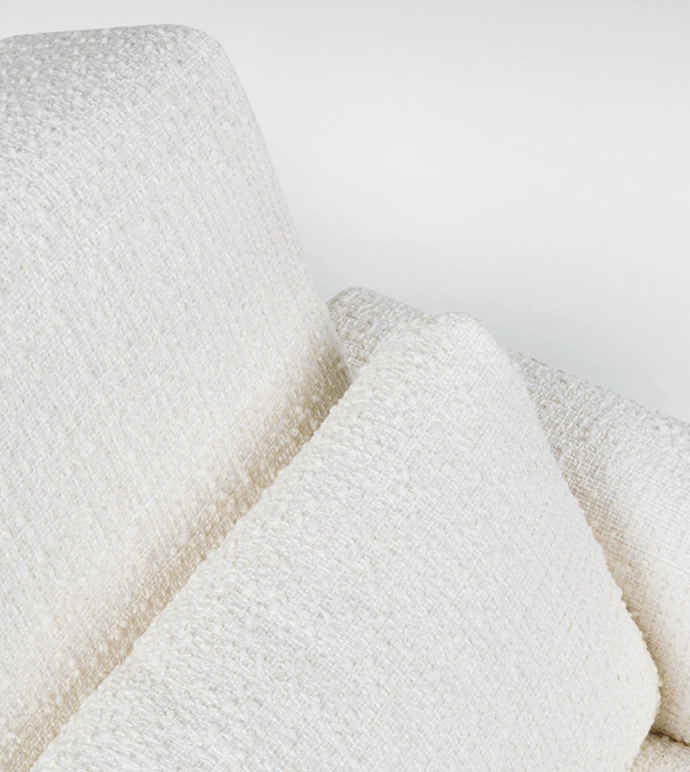
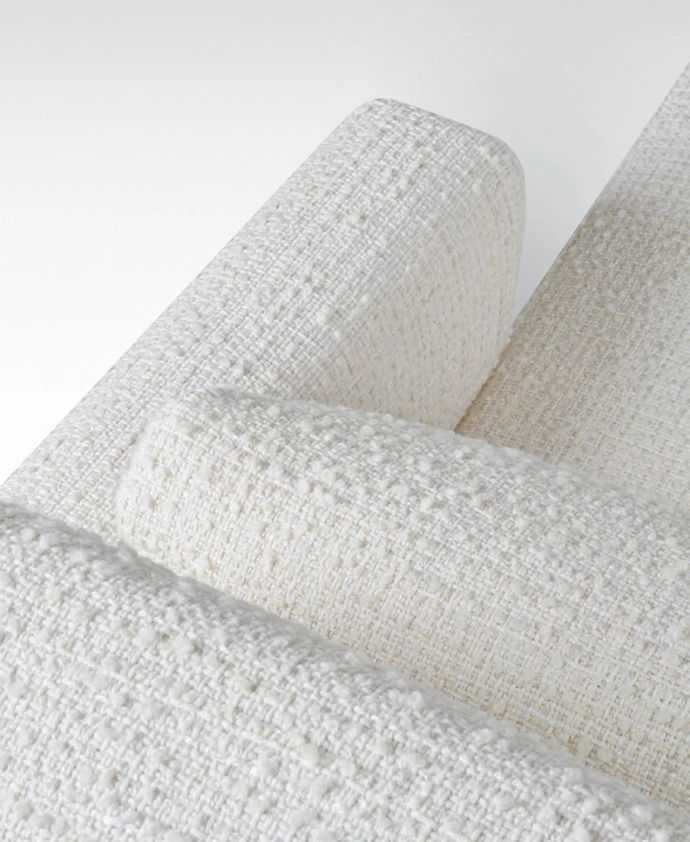
“And then the fabric we want to use for upholstery… What’s most suitable for the form in terms of spread, stretching and give? I wanted something with a heavy texture, like a boucle, to soften the design; we chose this from UK-based fabric house Romo. Finally, for the timber base, I wanted a solid piece of timber – not a laminate or veneer – and we settled on solid ash with a carbon finish.”
A New Direction
“I love that this piece is bold, blunt and unapologetic. You can’t mistake it for anything else. It just is what it is – it has a clearly defined character and attitude, which I really like about it. It’s quite Brutalist, which is a direction I’m going to explore further; it’s more rudimentary and almost primitive, in a way. Hopefully, we can turn this into a sofa concept as well, and extrapolate a family out of it.”
Looking for more design inspiration? Sign up to our weekly newsletter, here.