-

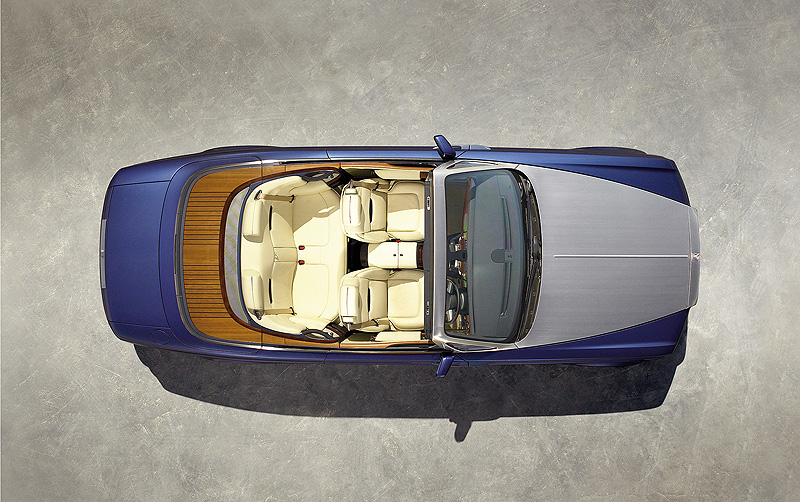
Experience counts : A bird's-eye view of the Phantom Drophead Coupe. -

Experience counts : Rolls-Royce -

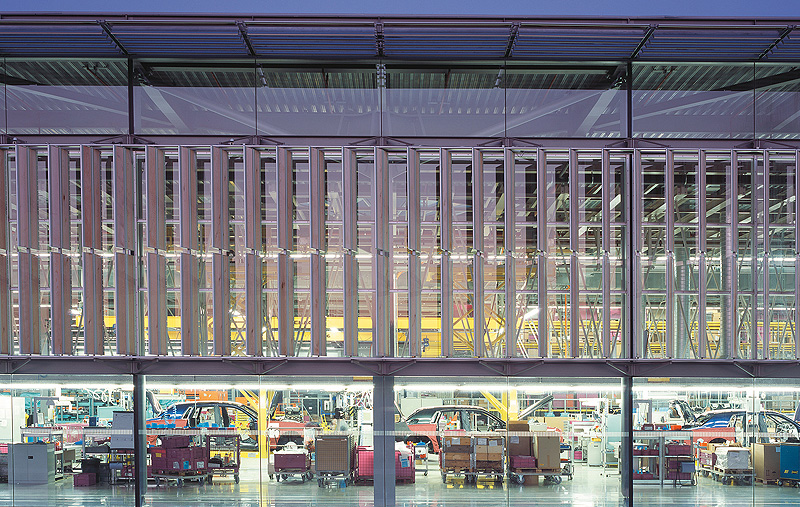
Experience counts : The assembly pant, or Glass Mile, gets plenty of natural light from the high, glazed walls. -

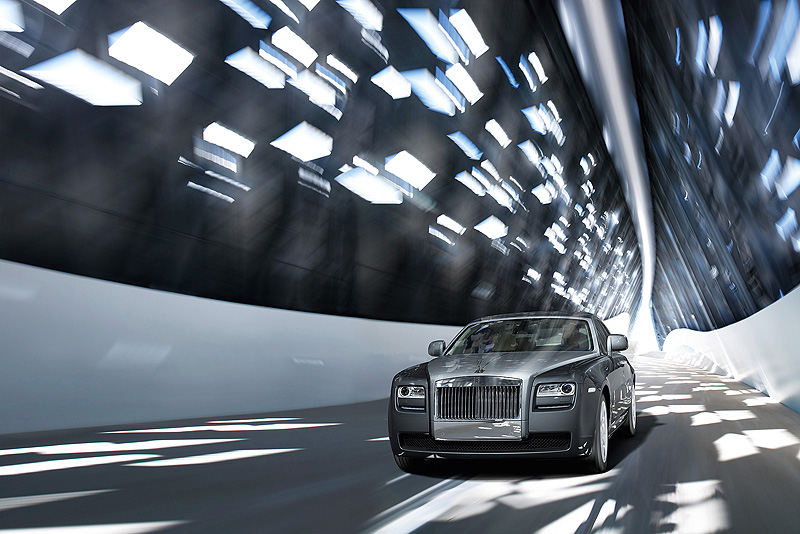
Experience counts : The sleek Ghost in motion. -
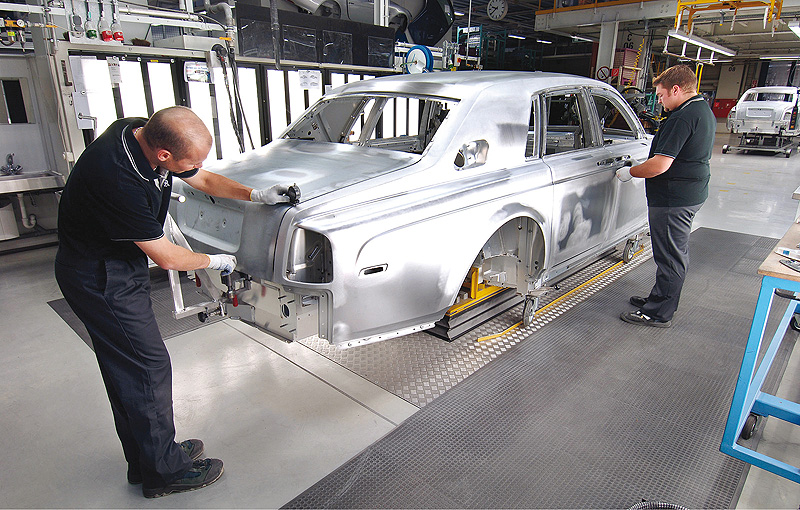
Experience counts : Workmen hand finish a Phantom's aluminium space frame.
PHOTOS: Provided by Rolls-Royce Motor Cars | WORDS: Alma Viviers
We live in an age when experiencing something can be almost as much fun as actually owning it – so imagine the thrill of taking a ride in a Rolls-Royce.
It’s a nippy Friday morning outside The Boundary Hotel in London’s Shoreditch. A shiny fleet of Rolls-Royces – three models from the Phantom family and one from the Ghost – are lined up across the street awaiting their passengers.
I stand on the sidewalk admiring the sight along with the chauffeurs, the early-morning deliverymen, street sweepers and commuters. A lanky man in a flapping coat stops his bicycle beside me and asks hesitantly: “It is? Are they? Are they here for the Pope?”
But no, while Pope Benedict XVI is in London, this fleet is reserved for a lucky group of journalists, who are about to experience the luxury ride normally reserved for dignitaries as part of the 2010 BMW Eurostyle Tour.
Slightly disappointed with my response, he says in parting: “Well, it’s not every day you see a sight like that in my neighbourhood.”
A ride in the Silver Ghost
I choose to make the journey to the coastal town of Chichester in West Sussex, the home of Rolls-Royce, in the Jubilee Silver Ghost – it’s the latest, slightly more compact and contemporary model in the Rolls-Royce stable. As we set off through east London, heads turn – such is the power of this luxury brand.
As it’s so prestigious, I expect to be met by an equally imposing factory but, as we wind our way through rolling green hills, I wonder when we’ll get to the industrial area where these luxury cars roll off the assembly line. I am somewhat underwhelmed when we finally head up a sweeping driveway into a tree-lined courtyard contained on three sides by a modest two-storey building.
The building was designed by the firm of acclaimed British architect Sir Nicholas Grimshaw, most famous for the ongoing Eden Project in Cornwall. “The site is considered a ‘place of outstanding natural beauty’,” explains Jolyon Brewis, the managing partner at Grimshaw Architects.
“It necessitated the integration of the landscape and building.” The three main buildings – the pavilionstyle office block, the assembly plant and a surface technology centre – are partially sunk into the ground. Rolls-Royce also planted 400 000 new trees and shrubs, resulting in a site with increased biodiversity – certainly not something you expect at a car factory.
A building that reflects the brand
As we walk through the building, completed in 2003, Jolyon points out passive climate control measures, such as window orientation, shading devices and adjustable louvres, which further enhance the green credentials. He also explains that Rolls-Royce wanted to create a building that would be a reflection of its brand – distinctly British, steeped in tradition, yet innovative, and made with exacting precision.
A transparent glass box, known as the Glass Mile, houses the assembly plant and opens up the production process for all to see. The space has the feeling of a studio: workers have a visual connection with the outside world, plus plenty of natural light means less reliance on artificial lighting.
Other things that immediately strike me about the assembly line, where 15 immaculate new Rolls-Royce models are completed every day, is that it’s exceptionally quiet, unbelievably clean and there are surprisingly few machines. Like a silent kinetic sculpture, car bodies glide along the line, being pushed by hand from one colour-coordinated workstation to another.
On the finishing line, there’s an example of the exceptional craftsmanship that the brand is so famous for. A workman is painting the five-metre-long coachline around the car with special brushes made from ox and squirrel hair – each perfectly straight line takes three hours to paint and is exactly 3mm wide. We move from there to the leather and wood shop, where craftsmen make the handcrafted features that come standard with each order.
Most choose to customise
According to Andrew Ball, corporate communications manager for Rolls-Royce, there isn’t really a standard Phantom any more – most owners choose to customise their cars with personalised tread plates, veneers, seat piping and exterior paints. And that’s before they add fridges, safes and bespoke picnic sets. In 2009 customisation reached record levels, with 75% of all Phantom models made including some bespoke elements.
In some markets, says Andrew, even the amount of time spent waiting to receive a car is perceived as a status symbol. Clients continue to make little changes to their customizations to ensure their car stays undelivered, so enhancing its desirability.
After spending a morning touring a factory that only Rolls-Royce buyers normally get to visit, I climb back into the Ghost with a whole new appreciation for its design and manufacture. I’ll never own the car but the experience was more than money could buy.
• Rolls-Royce: www.rolls-roycemotorcars.com