-

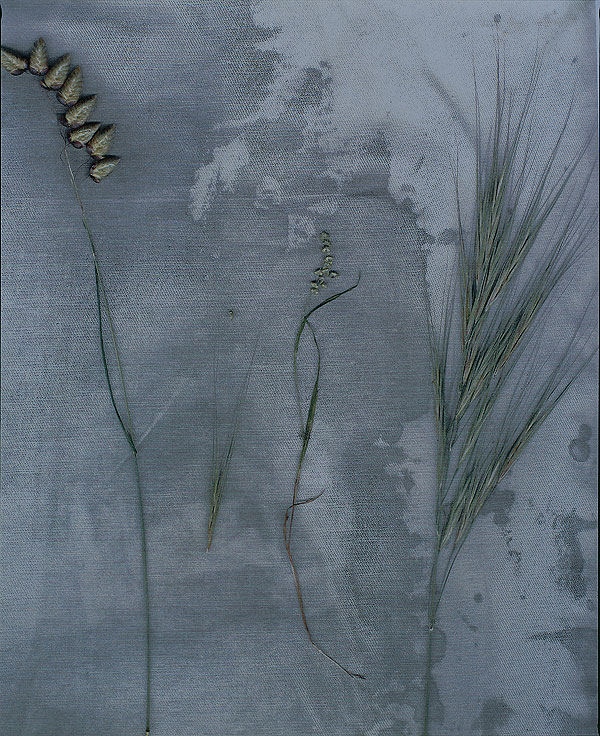
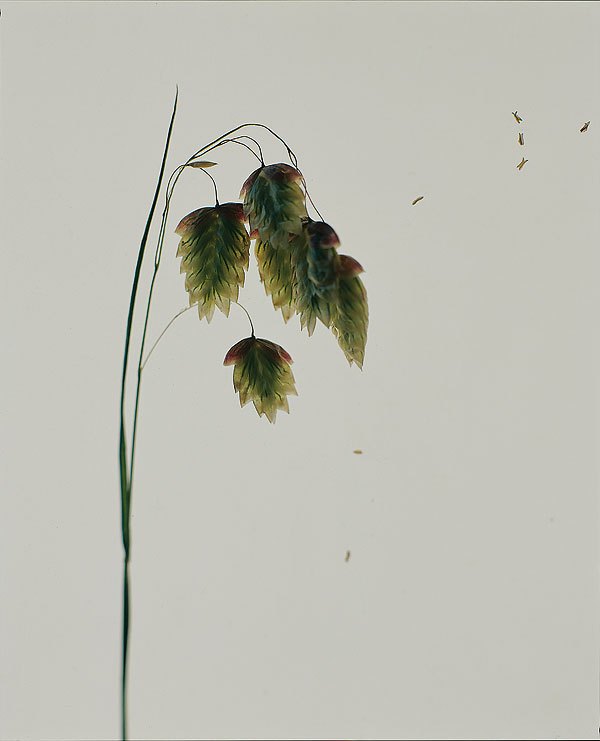
Cloth of gold : Briza maxima, Bromus diandrus, Briza minor and Bromus diandrus. -

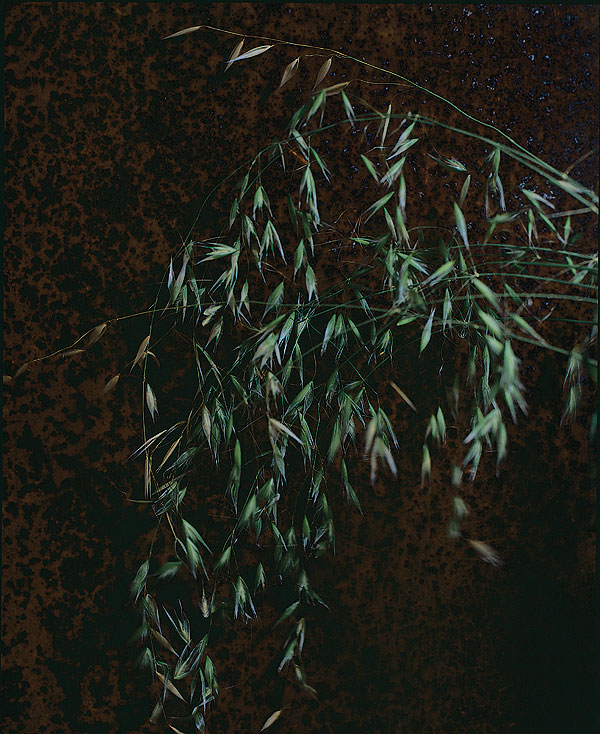
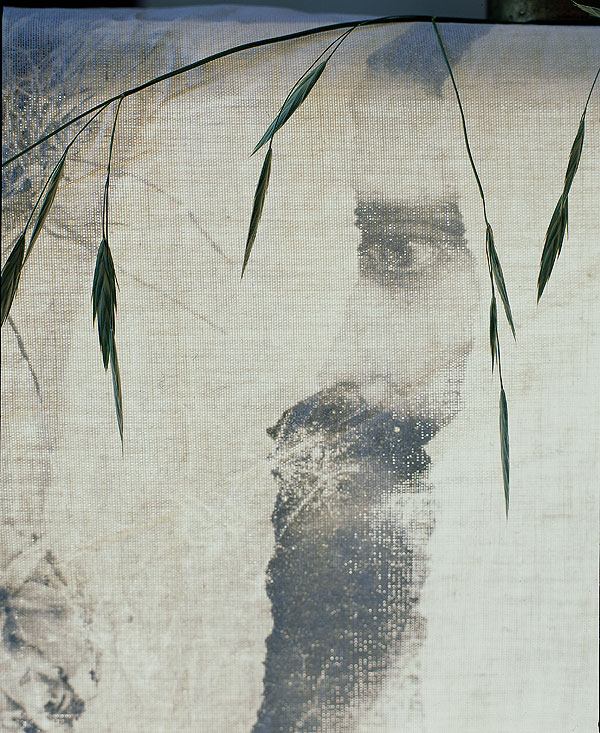
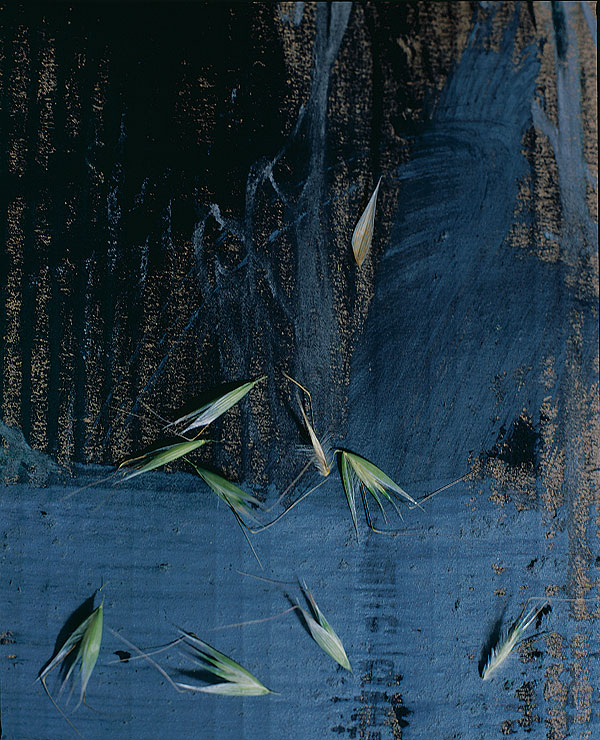
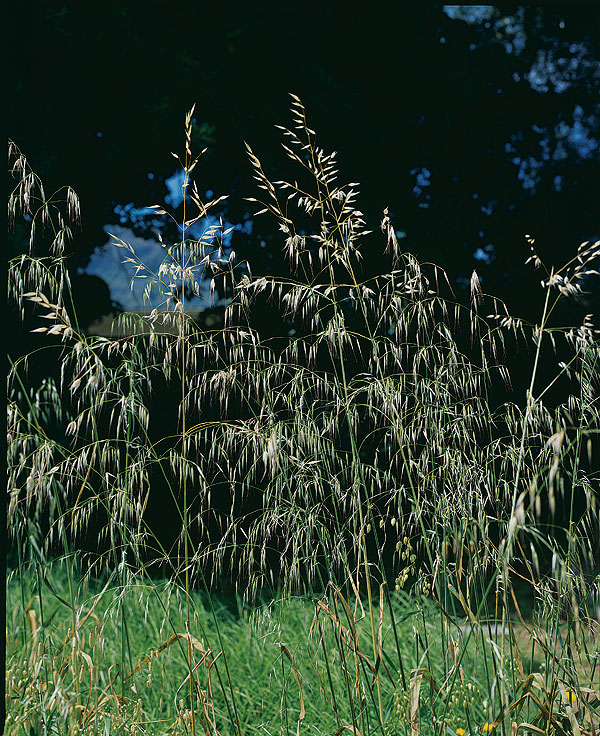
Cloth of gold : Wild oats, Avena fatua -

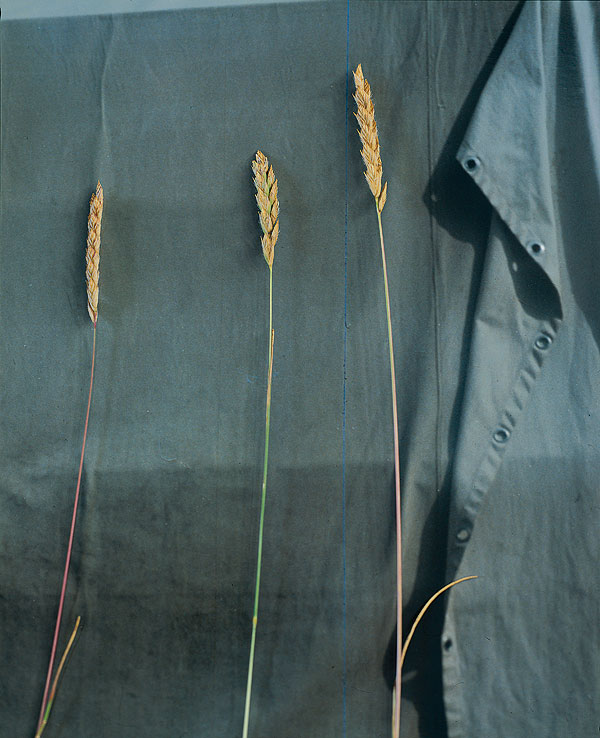
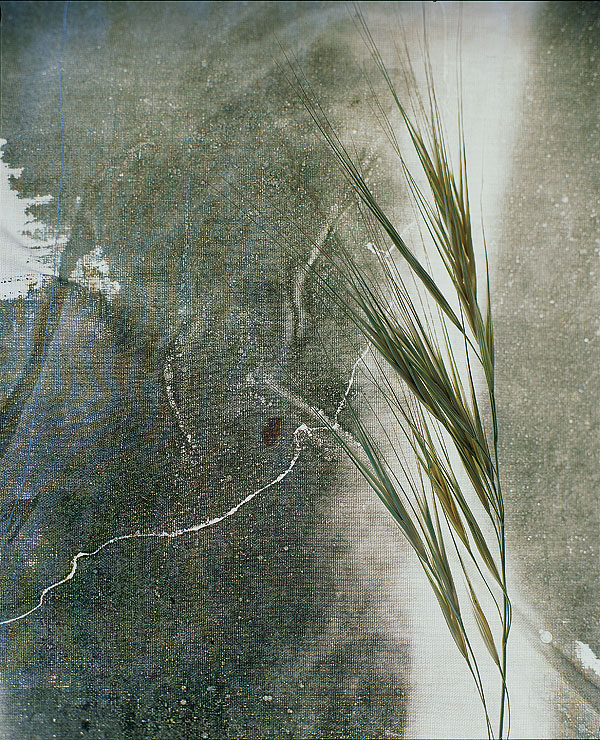
Cloth of gold : Bromus pectinatus. -

Cloth of gold : Wild oats, Avena fatua, is one of the many grasses that have colonised the world. Closely related to cultivated oats, Avena sativa, it grows in disturbed ground, particularly in sandy soil. -

Cloth of gold : Large quaking grass, Briza maxima, is an attractive exotic grass which has made itself at home in the southern Cape. -

Cloth of gold : Weeping love grass, Eragrostis curvula, grows over virtually the whole of South Africa. A robust perennial grass, it’s easy to establish and a good choice for stabilising soil. Growth habit and panicles may vary considerably from region to region. -

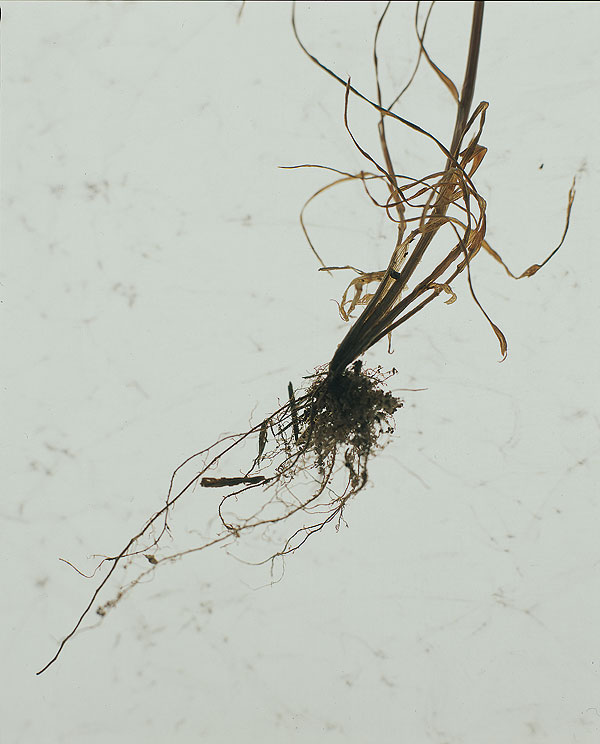
Cloth of gold : The root systems of perennial grasses are extensive and may extend two metres deep and wide. It’s estimated that some mature tussocks may be 50 to 100 years old. -
Cloth of gold : Field of inspiration: tall Avena fatua, and shorter Briza maxima sway and sparkle against a dark backdrop of trees. The transparent, mobile screen provided by tall grasses has become a major feature of the layered planting in modern landscaping. -
Cloth of gold : Ripgut brome, Bromus diandrus, is an exotic annual grass that favours damp places. As the name implies, it is a poor grazing grass and hasbecome a serious weed in grain producing areas.
PHOTOS: Lien Botha | WORDS: Dave Pepler and Allan Davies
The singing grass of Africa is the wind’s harp and a wave that you can ride with the eye into the distant horizon.
If Africa’s trees are her cathedrals, then her vestment is the grass. As with any cloth, it is at its most beautiful sun-dried and rippling in the wind. In the Kaokoveld, I once woke at sunrise in the turning of the year. Propped on my elbow I lay and looked at the world; it had been a summer of good rains and the plains were covered with golden grass. The wind began to blow lightly from the east – the first ripple of the day. Gold plate before the wave, gold dust behind.
Grasslands were humanity’s first bread basket. Was it in Mesopotamia that we first planted wild grass around our separate dwellings? Or did seed fall from the thatch and germinate along the drip line? Fertilised by the dung of our first livestock, were the grains larger and fatter? Here, grass and stone and wind came together; suddenly we were able to use the wind to winnow and the stone to grind – bread from the earth.
Gilgamesh, mad with grief at the death of Enkidu, calls to Siduri: ‘Why should I not roam the wild pastures in search of the wind?’ Grass, generous, fertile, ephemeral, was already a central theme of the imagination. Grasses are among the most primeval forms of life on earth, the most widely distributed and so old that they were grazed by the first dinosaurs. So old, that people began to farm with grains 10 000 years ago; so old that grass stalks were possibly used to make the first paper. The Bible is full of references to grass and its transience, brief as the life of man. In the cemetery of my home town, the words of the Psalmist are inscribed on the worn gravestone of a child:
The days of man are but as grass; For as soon as the wind goeth over it, it is gone. Our imaginative world is filled with grassythemes and references. Think of the heavenlybamboo brush drawings of classic Japaneseart, or the starlit cornfields of Vincent van Gogh.Millais’s jewel-like paintings of dreamy Victorianmaidens define the period, especially the drowsyoutdoor scenes of young girls reclining in longgrass; high erotica in coy disguise. It’s 30 yearssince I first saw Co Westerik’s series of paintings Snyden aan gras (Cutting Grass) but theystill make me shudder. Look hard at Ina vanZyl’s Pramberg and the canvas begins to ripplebeneath your gaze.
When I dream of Africa I think of thatching grass, bristle grass, old man’s beard. I imagine myself walking through the Kilombero Valley where singing women harvest rice in the muddy fields; in Equatoria where violet-eared waxbills flit like sparks through the grass stalks; along a ginclear lake in Uganda, finches in the undergrowth.
Iphigenia walks to meet Agamemnon, on her way to be sacrificed by the high priest of the oracle. Agamemnon takes her bridal wreath of dry grass and leaves, places it on her lovely, curly head and sprinkles it with holy water. Turning to the sun, she says, ‘Farewell my beloved light,’ and walks the last few steps up the mountain. Cachas waits in a cloud of smoke, a knife under his robe. Iphigenia enters the smoke and screams once. And the wind begins to blow. Our bond with the grass and the wind is old indeed.
– Dave Pepler
Gardening with Grasses
Grasses have huge value in the garden. Elegant, airy and resilient, with a long season of growth, they bring a touch of the veld to city gardens and, in an increasingly forested urban environment, they also provide a habitat and resource for our numerous grassland birds and insects.
The ornamental use of grasses in landscaping was pioneered in the 1950s by German nurseryman Karl Foerster, who combined them with perennials in naturalistic plantings. In the US, Wolfgang Oehme and Karl van Sweden, inspired by the American prairies, planted grasses in blocks and large drifts with prairie annuals to spectacular effect.
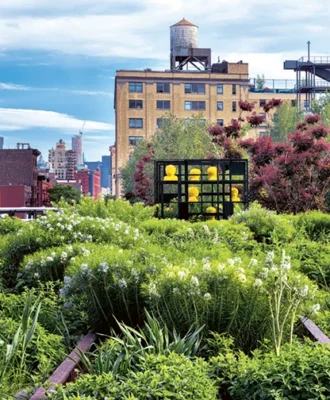
Since then, in the hands of designers such as Piet Oudolf, Tom Stuart Smith and South African Patrick Watson (the grassland garden at the Apartheid Museum, for example), grasses have transformed the face of landscape gardening.There’s also a trend towards recreation of the natural veld, as in the remarkable habitat created by John Masson of Ecoscapes at the Royal Canin Eco Industrial Park, North Riding, which won first prize in the 2007 Pam Golding Gardens of Pride competition.
Whether you choose to establish a grassland in your garden, or simply to use indigenous grasses among other plants, you are set for a whole new world of interest and pleasure. You need to observe and learn as much as you can about the natural habitat of plants and work with the local ecology in your design, advises expert Dawid Klopper, head gardener at Brenthurst (where the bold plantings of Highveld grasses six years ago rocked the Johannesburg gardening establishment).
‘It is good to work out a strong idea of what you would like to create, but a grass garden is ultimately a process rather than an end result,’ he explains. ‘Nature is dynamic and you should simply seek to steer the natural process of succession.’
Growing indigenous grasses
• Most grasses need plenty of sunlight and long hours of daylight. There are a few species that tolerate shade, so choose carefully.
• Indigenous grasses are usually difficult to grow from seed. It’s often best to buy plants and allow them to drop seed, which somehow works. If you have grasses on site, make every effort to retain them, even if you have to lift and bag them.
• Too much compost and too much water will cause grasses to grow too quickly. They will then flop and have to be cut back. Dig in plenty of sand when planting grasses in established flowerbeds and do not over water.
• If the new season’s growth is still very lush, cut it back (as would have happened in the veld with grazing) to strengthen the plant.
• Long grass can be cut in late autumn, but always leave some clumps as a refuge for birds, insects and small mammals. Cut these in early spring.
• Add grassland bulbs, annuals and perennials to complete the picture.
– Allan Davies