-

Disa Robert Cywes and D. Kewfoam -
Disa Unilangley -
The original Pride of Table Mountain, Disa uniflora -
Disa Kirstenbosch Pride 'Monterey' -
A large-flowered, pure-yellow seedling of a new cultivar that is yet to be named -
Disa Auratkew 'Blondie' -
Disa Elegant Beauty 'Blue Blush'



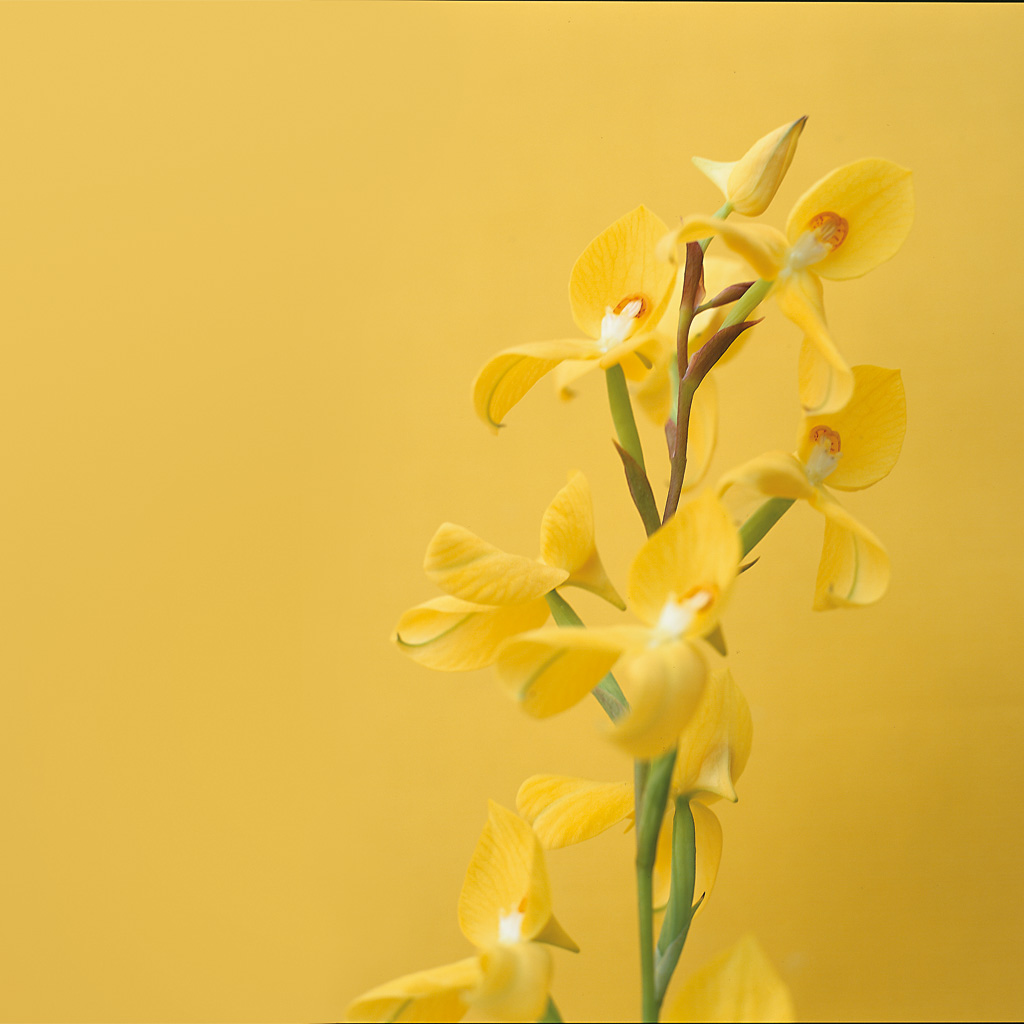
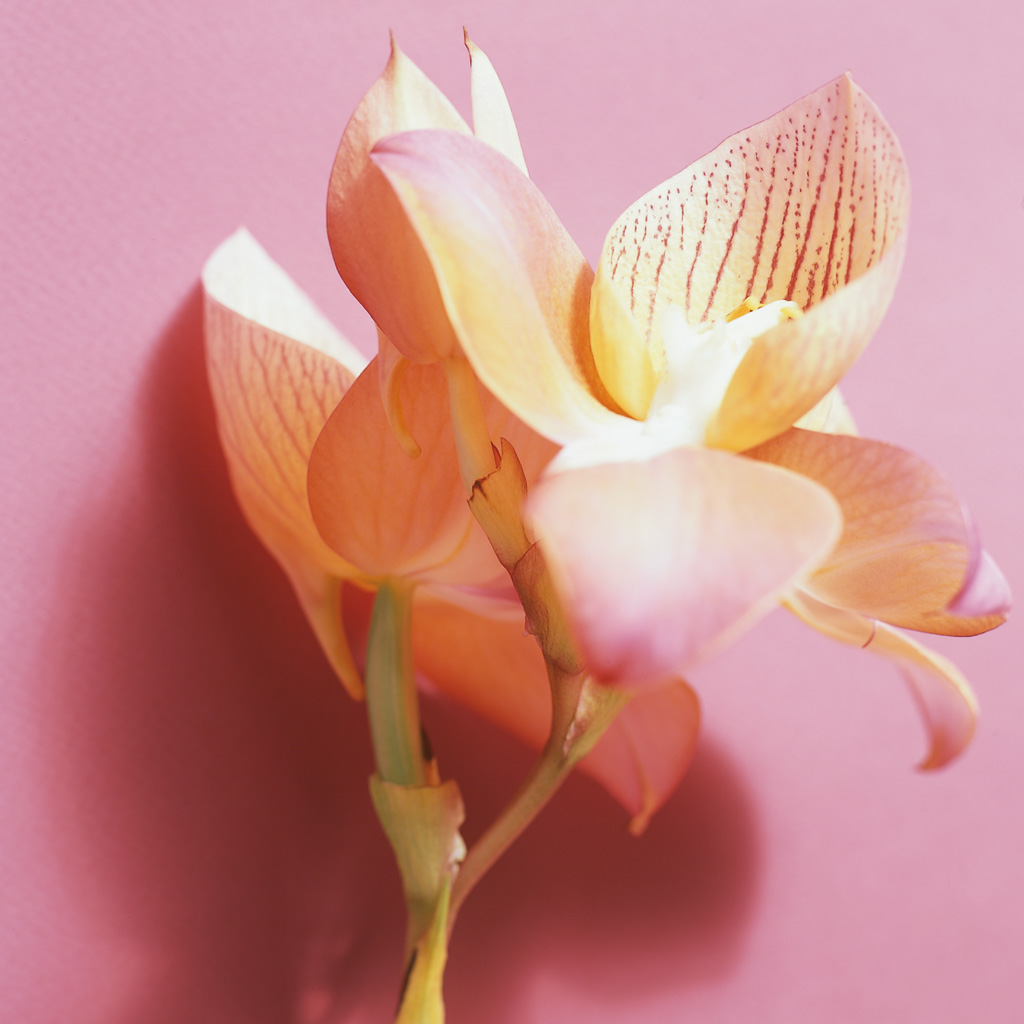
PHOTOS: Lien Botha | WORDS: Alan Davies | LOCATION: Fleurs de la motte, Franschhoek
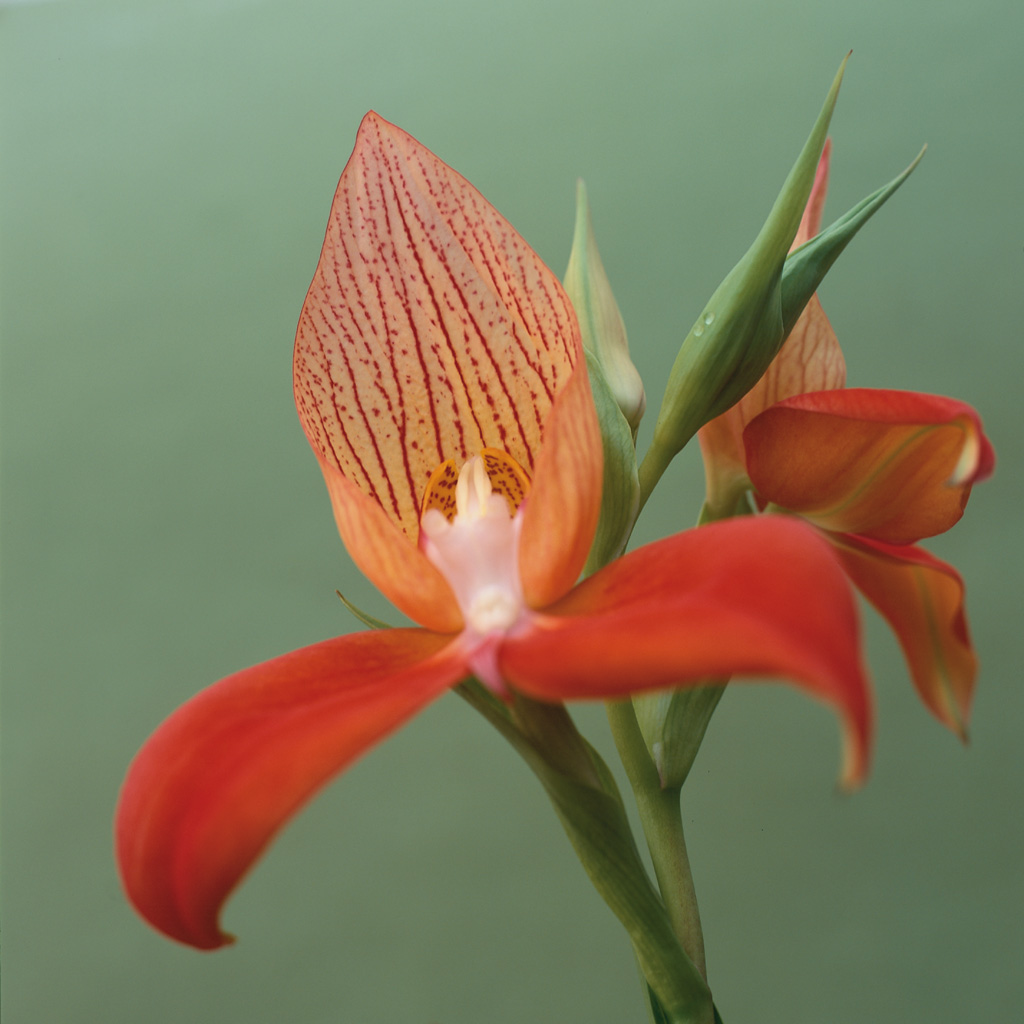
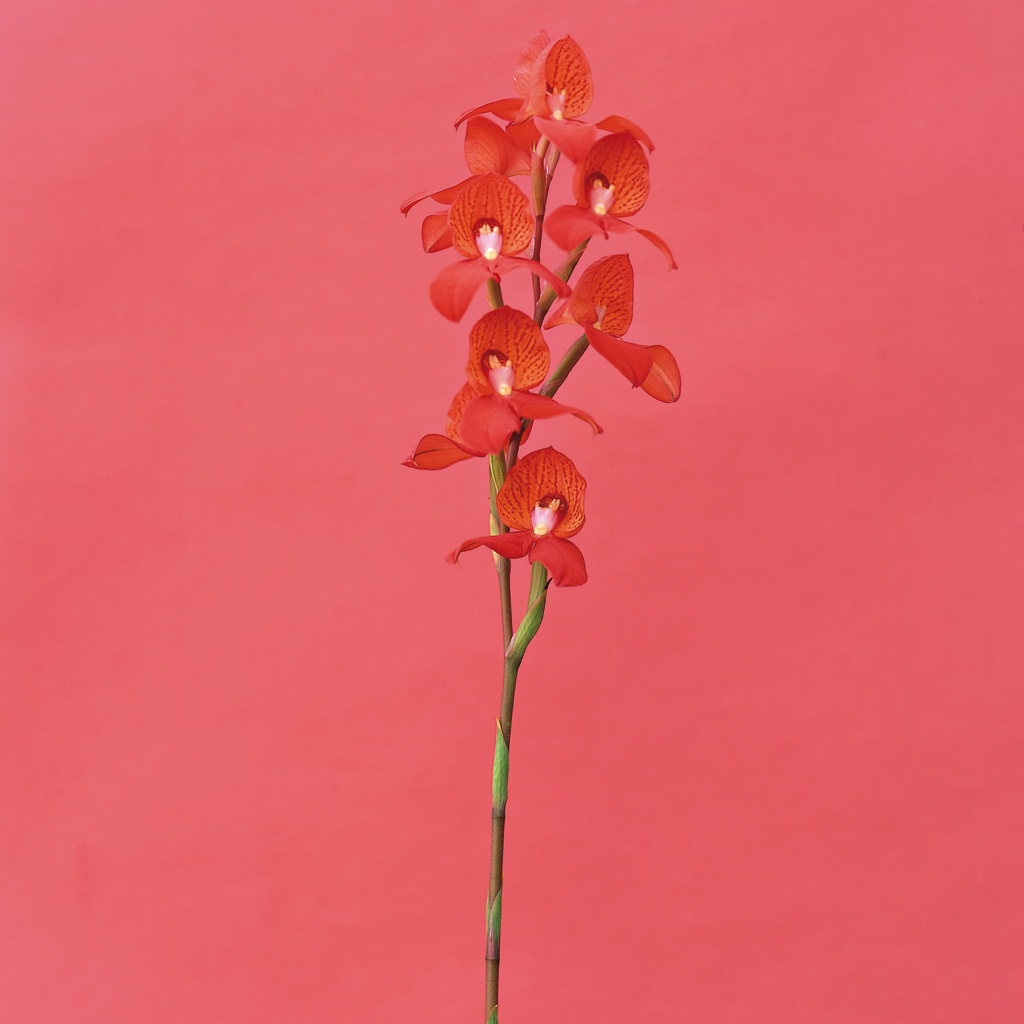
The Disa is truly divine. Pride of Table Mountain, the lady in red has an extensive wardrobe and an extended family of many charming cousins throughout the country.
Sweden, 1767: botanist P Jonas Bergius, specialist in Cape flora, receives yet another striking specimen for his ever-expanding herbarium. With its three large sepals, its hint of once-vivid colour, this flower – picked months before, and dried and pressed – has obvious impact. In accordance with the system devised by his mentor, the great Linnaeus, he must give it a name.
Looking at the delicate network of veining on the central sepal, he recalls the Swedish folk tale of a beautiful young woman who presented herself to the king dressed only in a fishnet. Her name: Disa.
Poor Bergius, conjuring beauty from faded petals… we have the great good fortune to be able to see our flowers in bloom, in their natural habitat. It’s worth hiking up Table Mountain or Fernkloof to see the red Disa uniflora in flower. No matter how bright the hue, the flower petal or sepal has a delicacy, a silky luminosity about it. And so these orchids appear like flames, flickering and glowing along the mountain streams and waterfalls from November to March.
It’s a pretty sight: the sparkle and sound of the brandy-coloured water, the green and pink and gold of moss and fern and restio, and then that red. If you’re wearing any shade from poppy to pillarbox, even if it’s only a pair of socks, expect to be mobbed by Aeropetes tulbaghia, the Mountain Pride butterfly, sole pollinator of Disa uniflora and programmed to head unerringly for red.
This is by no means an entirely scarlet story. There is a whole rainbow of other disas whose habitat stretches from the southern Cape to Limpopo, KZN and beyond. Their flowers are generally smaller, little jewelled columns that rise up out of the veld after rain or fire, some solitary, others in their hundreds. Rare or common, they are all a delight to discover. Look for them in damp veld, marshland, vleis, seepages and mountain grasslands – these deciduous, summer-growing disas also like their feet wet.
There are no colour restrictions. They may be delicately pale, spotted or glowingly bright, white, yellow, pink, blue, violet, orange and – yes – red. Some, like D. fragrans, are even scented. Find them on spring and summer hikes or even when driving – the torch disa, D. chrysostachya, grows obligingly along roads in the KZN Midlands.
The great fascination of these smaller-flowered disas – apart from their variety and beauty – is that they are extremely difficult, if not impossible, to cultivate. The Pride of Table Mountain may be tamed in a pot, but not these wild beauties.
Their relationship with their environment, with fungi in the soil, with insects – and other threads in the ecoweb that we can only guess at – is too intricate to replicate in a greenhouse. Expert growers have achieved some success with some species, but in general they must be enjoyed where they belong, exquisite, enigmatic reminders of the complexity and fragility of the natural world.
Growing disas
It is critical to understand the habitat of the disa if you want to grow them. (Another good reason to go to see them in the wild, if you need one.) Disas are terrestrial orchids with swollen rootstocks called tuberoids, which are a combination of root and stem tissue that serve as underground storage organs and are replaced annually.
Of the 131 species in southern Africa, cultivation and hybridisation is confined to seven cross-fertile species, D. uniflora, D. racemosa, D. tripetaloides, D. cardinalis, D. venosa, D. aurata and D. caulescens, all relatively easy to grow and more-or-less evergreen.
Five of these species grow along streams and waterfalls in the winter rainfall area and are submerged in winter; the others grow in seepage areas with good drainage. The roots are among sand, ferns, restios and moss, so the water is well aerated and filtered, cold and mildly acid. The high elevations ensure that there is always plenty of light and air.
Growth starts in late autumn with mature tuberoids producing leafy shoots. Replacement tuberoids begin forming in winter. The growth rate accelerates in spring and flowering takes place from midsummer, with up to six flowers per stem. Stolons emerge from the base of aerial shoots and, from their tips, young plants develop.
Basics
Orchids need:
• good air circulation;
• plenty of light: 50% shade cloth is the usual recommendation;
• a humidity of 50% to 70%;
• pure water with no salts;
• a growing medium that is very well draining and will not rot when kept wet, such as coarse river sand and stone chips, or a mix of perlite and sphagnum moss leaves;
• plastic pots that are no larger than 15cm for mature specimens;
• to be kept moist but not overwatered.
Tips for success
• Choose your plants from the numerous beautiful hybrids in many different shades of red, pink, yellow and orange available from orchid societies and specialist nurseries.
• Stand pots in a tray of damp sand for coolness and humidity.
• Feed regularly in the growing seasons with very dilute solutions of a liquid fertiliser such as Nitrosol, Multifeed 10 or Kelpak, or use a slow-release temperature-controlled fertiliser such as Horticote 7.
• Divide plants in late summer and early autumn.
• While disas are complicated to grow, there is much expert info available.
SOURCES: Bulbous Plants of Southern Africa by Niel du Plessis and Graham Duncan (Tafelberg, 1989); www.orchid-society-gb.org.uk; www.plantzafrica.com; www.bergianska.se – the actual Disa uniflora specimen and other Cape plants collected by Michael Grubb and others for Bergius in the 18th century are still preserved at the Bergius Herbarium in Stockholm and may be viewed online here.