-

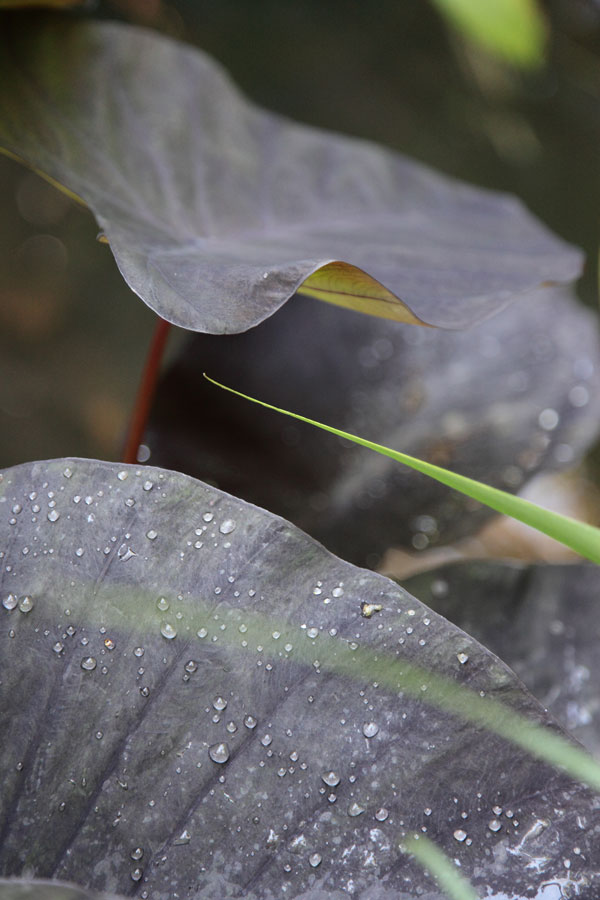
Mandala of light : The black taro or elephant ear Colocasia esculenta, has the wonderful matte-satin water repellent finish often found among large-leaved aquatic plants. This is a highly decorative bog or marginal plant that must never be allowed to dry out. -
Mandala of light : Water lilies make beautiful additions to ponds or water features. -

Mandala of light : The local delicacy Aponogeton distachyos (waterblommetjies) flowers in profusion during winter and spring and is well adapted to grow in ponds and vleis. -

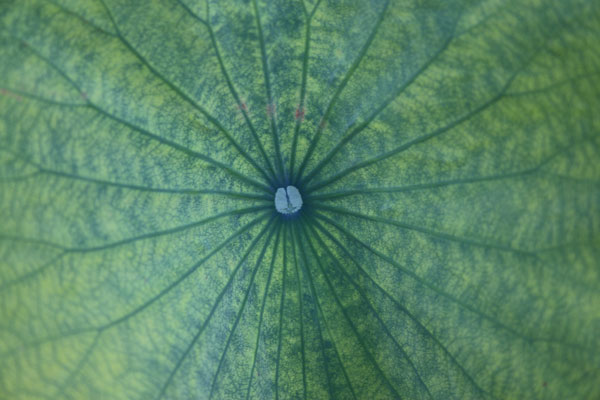
Mandala of light : The leaves on water plants are often as gorgeous as the flowers -
Mandala of light : Lotus flowers open early in the morning, at about seven on a hot summer's day. Be there to see, and here, the buds open. They close again at midday. -
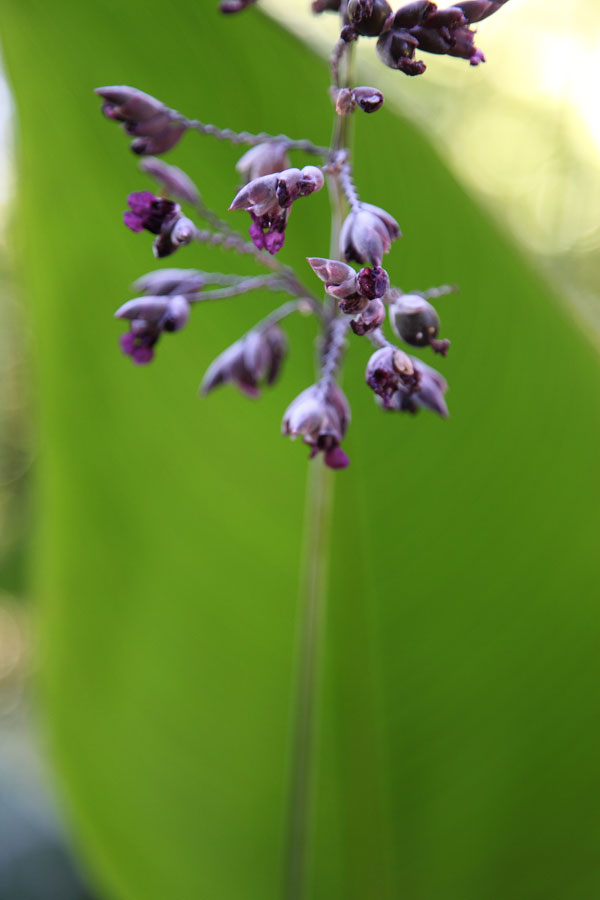
Mandala of light : The water canna, Thalia dealbata, is an unusual marginal plant native to southern California. It's broad upright leaves are blue-green in colour and over 1m tall. Graceful purple clusters of flowers are borne above the leaves



PHOTOS: Lien Botha | WORDS: Dave Pepler and Laurian Brown
If you have a pond in your garden, plant water lilies. Or, as they do in the East, plant a lotus. Sooner or later a bud will rise from the muddy depths.
I am on the São Sebãstio Peninsula south of Bazaruto. It is cyclone month and the atmosphere is menacing, the air rank and heavy. By late afternoon the stacked clouds have reduced the sun to a faint mist and a gusting wind is blowing in from the sea.
I walk alone along the edge of a fresh-water lake, with reed warblers in the undergrowth and a pygmy goose dozing among the lilies.
In a trance, clothes and all, I walk into the water, up to my chest and into a water lily, the blue of a gas flame. I feel the slippery stems against my arms, see the perfect symmetry of the lily in my face and smell the perfume, floury and slightly acid, like heliotrope, around me.
I am at one with the water, at one with myself. The beauty of water plants lies not only in their flowers. Pick a leaf of elephant’s ear and sit beside the water with the leaf on your lap. Scoop up a handful of water and scatter a few drops on the blade.
On contact with the surface, the drops form perfect spheres, round as marbles, and it almost looks as though these little balls are floating. Tilt the leaf and the balls slide across it like quicksilver. They shine like diamonds – the light caught in their perfect circles.
Ancient beauty
The water lily is even depicted in the earliest images on Egyptian papyrus, stylised but unmistakable. It’s no wonder that a civilisation that measured the seasons according to the life-giving ebb and flow of the Nile singled out this jewel of the water as central to its earthly cosmology. Ra, the sacred sun, above the earth; Horus, lord of the sky, hovering; and on earth itself, of all plants, the water lily.
In the East, however, especially in India, China and Japan, it is the lotus that stands as a symbol of perfection and a subject for contemplation and serenity. Consider: lotus sutra, lotus mantra, lotus position….
Only recently has science discovered that the leaf surfaces of most water plants are covered with tiny structures that are visible at nano level. These ridges and knobs are so fine that dust and drops of water are repelled at the atomic level and thus the blades stay dry and clean, keeping the leaf at maximum exposure to the precious gases of the air.
The leaves have a framework of reinforcing – sometimes radial, sometimes branch-like – blood vessels that support the structure, almost like the spines of an umbrella. If you have a pond in your garden, plant a lotus. Wait for summer, go and look at it every day and stroke the satin leaves. Then, out of the mud, the first bud will appear. It will swell and swell until one morning the bracts will part with a faint snap and the flower will unfold.
You cannot pinpoint the colour because of all the shading, from emerald green at the stem to the pinks of shell and coral. The central boss, waxy and finch-yellow, is ringed with creamy stamens. Just before dark the flower glows from within, as if a flame burns at its heart: a mandala of light.
Water magic
Water brings a world of delight and tranquillity to the garden. Whether in formal pond, natural pool or basin, you have cool depths, reflections, the fascination of fish, insects, birds and, with luck, a choir of frogs.
You also have a place for a new world of plants and, above all, the flowers of legend. There are numerous water plants that grow in different ways and work together to create clear water and a healthy ecosystem.
They may be classified as marginal plants, bog plants, deep-water floating plants such as water lilies and waterblommetjies, and free-floaters and submerged plants such as the various pondweeds.
• WATER LILIES are deep-water floating plants and belong to the aptly named genus Nymphaea, of which there are 75 species. There are two distinct types: hardy, which go dormant in winter, and tropical, which need temperatures above 10 degrees and may flower throughout the year in the right conditions.
The flowers of the hardy types float on the surface whereas tropical flowers bloom a few centimetres clear of the water and may be day or night blooming. Both types are often sweetly scented.
• THE LOTUS is a marginal plant belonging to genus Nelumbo, of which there are only two species. This compelling plant holds its round blue-green leaves and exquisite flowers nearly a metre above the water. Because of this the leaves catch both direct sunlight and reflections from the water, creating a luminous and constantly changing play of colour and light.
The lotus is deciduous, but prefers a hot climate and needs a temperature above 7°C to flourish.
Growing water lilies
• Water lilies are easy to grow and relatively problem free.
• They need an open, sunny situation to flower well.
• Use rainwater if possible. Allow tap water to settle for a few days, which gives the chlorine time to evaporate.
• Plant the rhizomes with growing points exposed in baskets lined with hessian. One to two rhizomes are enough as they will multiply rapidly.
• They are heavy feeders that like a rich, clayey soil mix with compost, old manure or bonemeal.
• Slow-release fertiliser tablets are a useful option as they are less likely to encourage algae growth.
• Miniature varieties can grow in water as shallow as 15cm; medium plants need 45cm to 60cm; really vigorous varieties need a depth of 1m.
• Repot every second year if possible to replace the soil mix and divide crowded plants.
Growing lotuses
• Lotuses need an open sunny situation and one that is also not too cold in winter.
• In ponds they should be planted about 30cm below the surface of the water.
• They can also be grown in large pots, at least 70cm deep and wide, such as those made by the Chinese. Half-fill the pot with a mixture of clayey soil, well-rotted manure and bonemeal. Cover the planted rhizomes with a layer of small pebbles or gravel. The pot must be filled slowly with water so as not to disturb the soil and gravel. Top up regularly with rainwater.