-

The art of coffee : David Donde of Origin Coffee -

The art of coffee : Art of coffee.
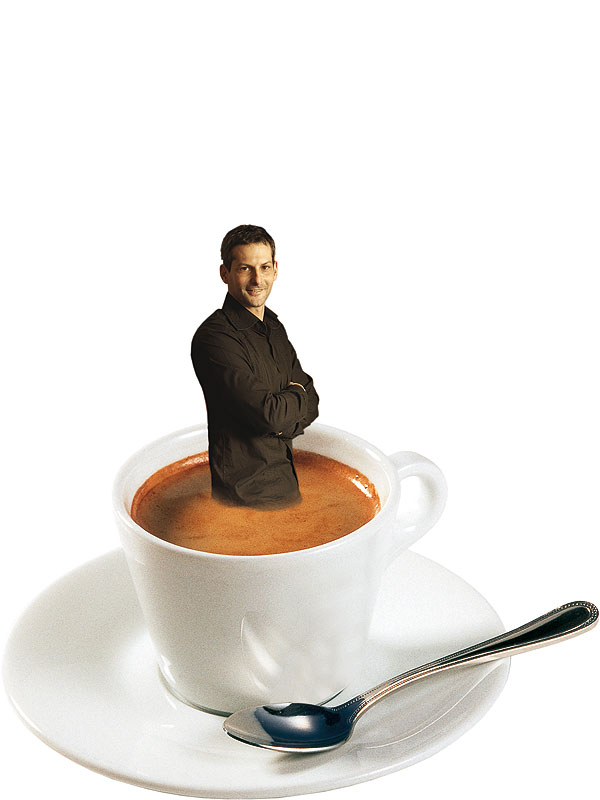
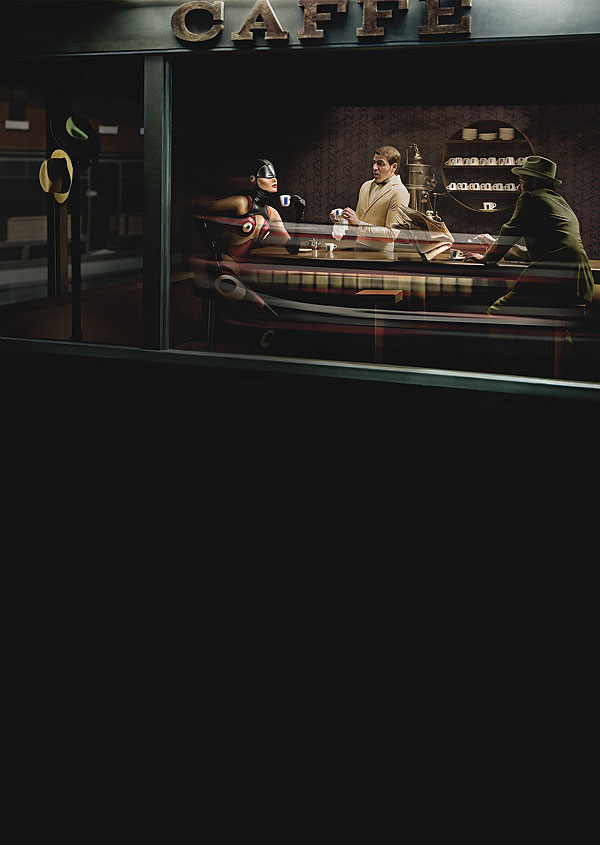
We start the day with it, we love it, some of us can’t live without it – but how much do we really know about the art of cultivating, making and drinking coffee?
Q&A With David Donde of Origin Coffee
Q: What are some facts about coffee that the average person might not know?
• ‘Dark roast’ and ‘light roast’ do not refer to the strength or flavour of the coffee in obvious ways. Darker does not mean stronger, but often means more bitter. This is undesirable – each coffee has its own perfect roast and the roast-master’s job is to find it.
• If your coffee is bitter it is because the machine was dirty, the wrong technique was used, or the coffee was either bad or badly roasted.
• Coffee must be properly ground and used within four minutes of grinding.
Q: What are the key factors that influence the flavour?
As with wine, coffee that comes from different areas (farms, regions or countries) varies in flavour. Different cultivation techniques will also affect the flavour which, in the end, will either be developed or killed by the roasting technique.
Q: What regions produce your favourite coffees?
All over is the first answer, but my personal favourites are from Ethiopia, Rwanda, and Guatemala. I love their particular complexities.
Q: List your top five favourite coffees
Ethiopian Harrar, Guatemala Viviano Jalapa COE Lot 12, Origin House Blend Espresso, Rwanda Musasa, Ethiopian Yirgacheffe.
Q: Distinct flavours linger on the palate after a sip of coffee. Which do you enjoy?
Initial heavy chocolate combined with a full, nutty aroma. Nothing beats a lingering, complex aftertaste with overtones of caramel, almond and dark chocolate.
Q: What developments would you like to see in the South African coffee industry?
I would like to see all coffee addicts sourcing coffee from artisan roasters. Quality, properly roasted beans should be the incentive, not the price. And I would like to see properly qualified baristas behind the country’s espresso machines.
How do you know if yoour barista is the real deal?
• Does the barista make sure that the coffee is served in hot china cups? Brewing into cold cups means there is no regard for how coffee should be served.
• How long is the brewing time of an espresso? After the machine’s pump starts it should take no fewer than 20 seconds and no more than 30 seconds. A good barista will constantly adjust the grind to make sure that the extraction rate and timing are perfect.
• Is the milk burnt? If it isn’t sweet and micro-textured (almost like cream), then it has been ruined. It shouldn’t get hotter than 80°C.