-

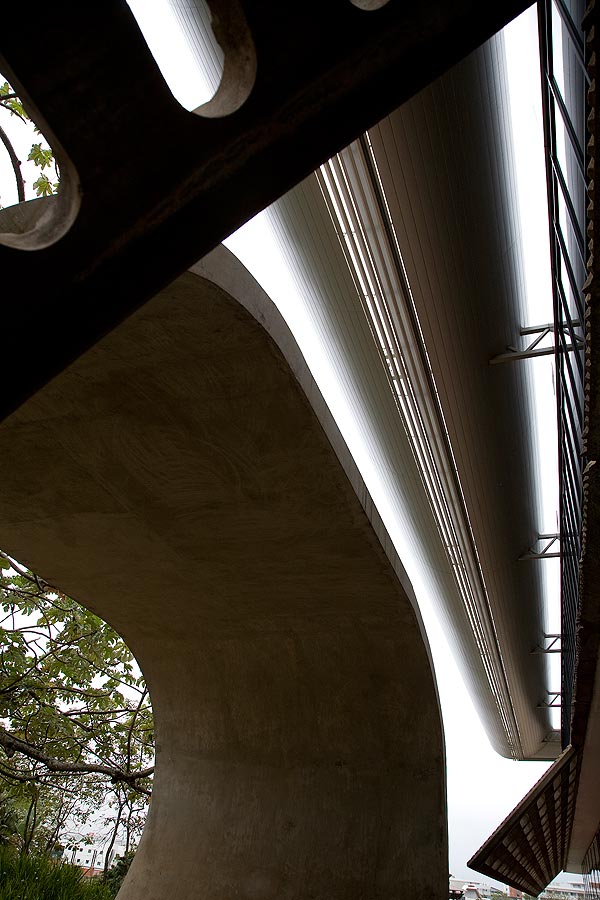
24 hours in Durban : Nedbank Building -
24 hours in Durban : Nedbank Building -
24 hours in Durban : Central Post Office -
24 hours in Durban : Huletts Head Office -
24 hours in Durban : Huletts Head Office -
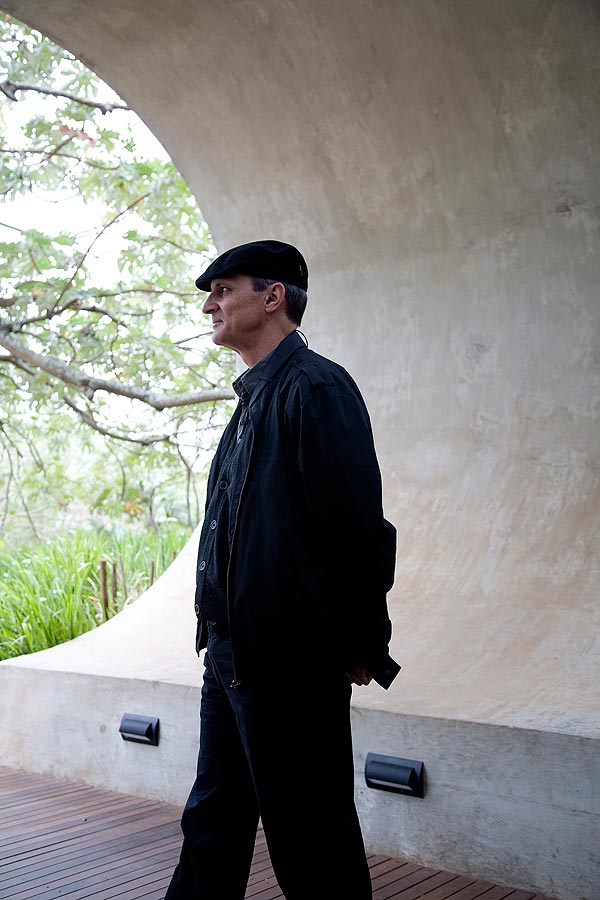
24 hours in Durban : Professor Walter Peters is a Senior Professor of Architecture at the University of KwaZulu-Natal. He is also editor of the KZ-NIA Journal. -
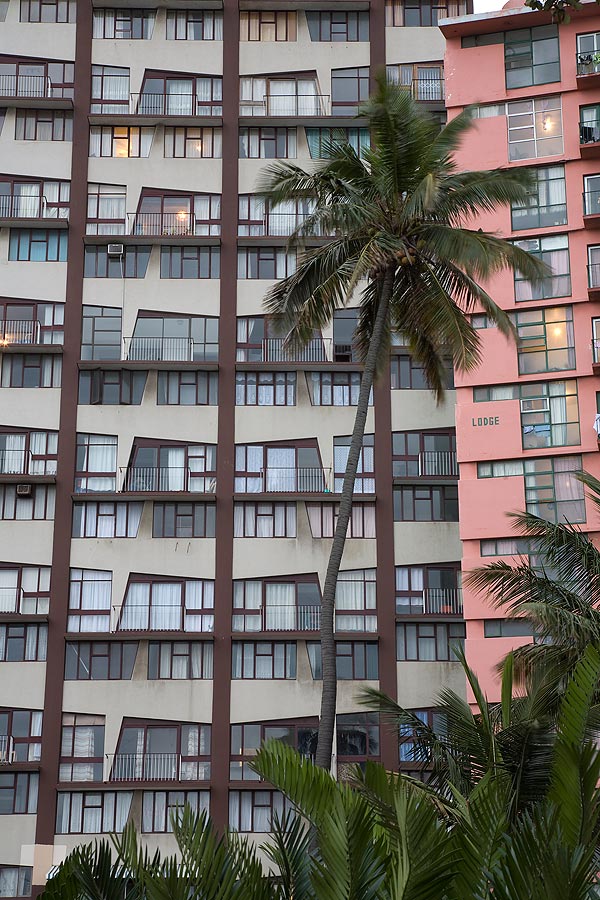
24 hours in Durban : Haven Court and Westpoint -

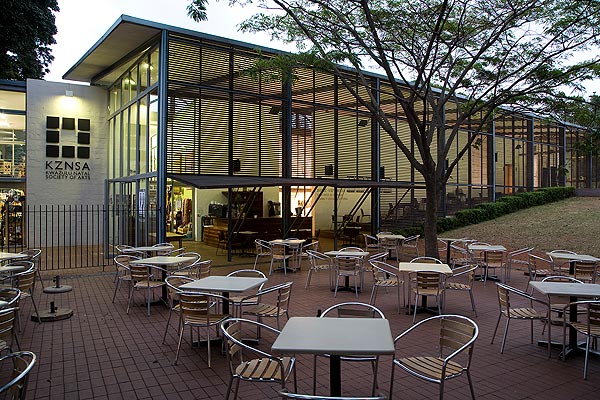
24 hours in Durban : KZNSA Building


PHOTOS David Ross PRODUCTION Klara van Wyngaarden WORDS Alma Viviers
Durban’s sub-tropical climate calls for a different kind of architecture. We showcase five buildings, selected by senior professor of architecture, Walter Peters, that respond to this climate.
Nedbank Building – 1966
When corporate buildings were still classicist in expression, Nedbank accepted a modern response. The Nedbank Building by Norman Eaton, one of South African’s foremost Modern architects, is a prime example of a regional appropriation of the Modern Movement. In typical Modernist fashion the building is elevated from the site and sits on columns. It is given modest prominence by the terraced “stoep” leading up from the pavement.
The ground-floor glass facade is also set back to provide a cool interior which doesn’t get direct sunlight. A screen of hollow glazed tiles is suspended from the over-sailing roof slab and wraps around the building from the first floor up to shade the interior space. The vegetation and water fountains also provide oasis-like relief from the hard urban environment.
• 303-313 Anton Lembede Street
Central Post Office – 1885
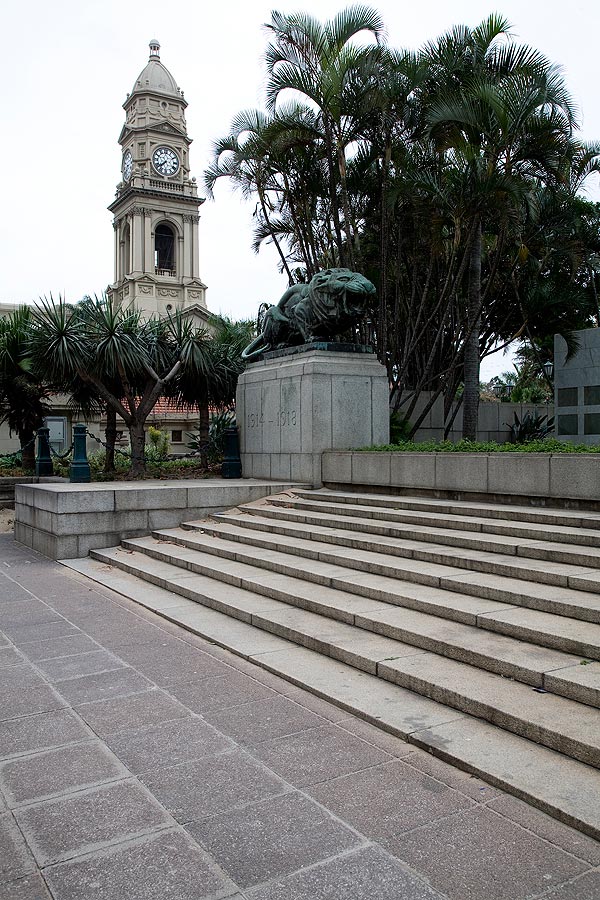
The building was originally designed to house three functions including the post office, the town hall and the municipal offices, with each function addressing a specific street. Designed by architect Philip Dudgeon, the building is a prime example of classical revival architecture in South Africa, with Greek elements such as the Corinthian capitals, pediment and the overall composition.
The building is raised from the street level to express its civic importance and the main entrance is located under the clock tower – a characteristic element of town halls. In the recent upgrading, the space of the original town hall was instated as the postal hall, and the walls recall, in an abstract manner, the memory of its original use. Painted outlines on the walls allude to the previous functions and original doorways are filled with glass.
On a civic scale, the clock tower lies on an axis with the statue of Queen Victoria in Francis Farewell Square, thus drawing a connection between elements of the city fabric. This building, along with the new City Hall, also defines the outdoor room around Farewell Square.
• Pixley Ka Seme Street
Huletts Head Office – 1975
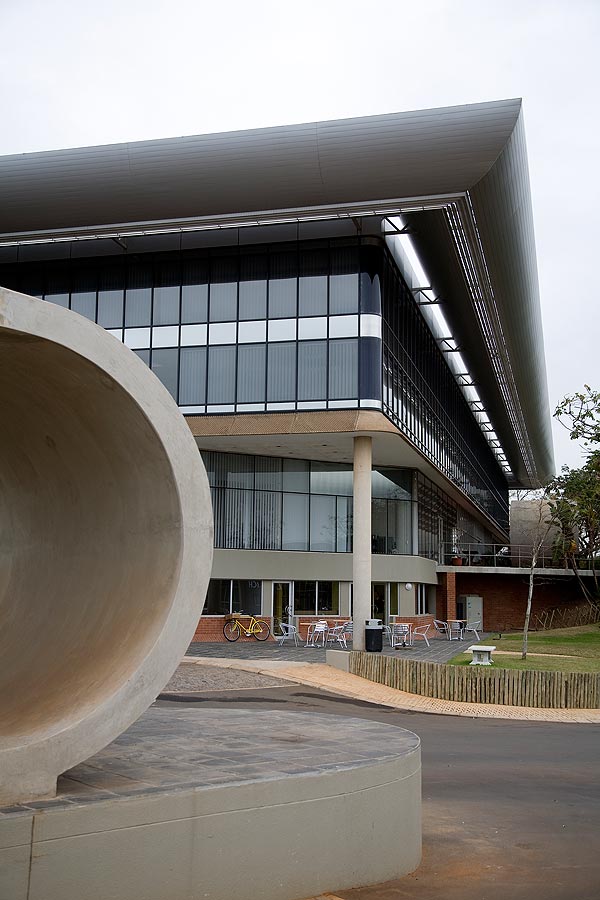
Durban’s first decentralised office building was to set a standard for the development of the area. The concept follows the old practice of the surrounding KwaZulu-Natal farmhouses, which all feature verandas to achieve cool interiors. Designed by Hallen, Theron and Partners, the rectangular core of the building is protected from the influence of the sun by the continuous and widely over-sailing cornice on all sides.
Originally, the building was located on farmland and, by virtue of the power of its concept, the precision of detailing and the fact that it sits on a small rise, it was dubbed a “temple in the cane fields”. Amidst a sea of office buildings, few match the power of the Huletts Head Office – a true expression of regionalist building.
• 306 Umhlanga Rocks Drive, La Lucia Ridge
Haven Court, Westpoint and The Riviera Hotel – 1956, 1957 and 1960
Seldom does the same architectural practice have the privilege of designing a group of three consecutive buildings, as seen in this bend along the Bay. Although the buildings were designed separately and each has different features that make it unique, they all speak of a common architectural language – Brazilian-inspired Modernism. Haven Court, the first of the three, was built in 1956.
Here, duplex flats are given individual expression through a stepped, expressed concrete slab and sculptural concrete panels. The second building is Westpoint, designed in 1957 on a site only six metres wide. The flats were designed as bed-sitter accommodation and all have views of the Bay. The Riviera Hotel, built in 1960, has a characteristic Le Corbusian V-post. Architect Issy Benjamin’s sensitive response to the unique sites and climatic conditions, as well as lifestyle considerations, makes this a fascinating set of buildings.
• 127, 129, 131 Margaret Mngadi Drive
KZNSA Building – 1997
Despite the city’s climate, for many years, Tropicale in Albert Park was the only outdoor restaurant in Durban. However, since 1997, the KwaZulu-Natal Society of Arts building, designed by Cindy Walters and Michal Cohen, has also made the most of the sub-tropical climate. The design was the winning entry for a competition limited to graduates from the University of KwaZulu-Natal. The basic steel structure is protected from direct sunlight by a louvre system.
Cross-ventilation is promoted by large openings in the long, slender building. Screens open up a section of the ground floor on the northeast of the building. Lightweight materials that heat and cool rapidly within the low diurnal temperature range are used. The block walls that define the interior space don’t reach the ceiling, allowing for free air flow. The building houses three gallery spaces, a gift shop and a coffee shop with outdoor terrace area.
• 166 Bulwer Road