-

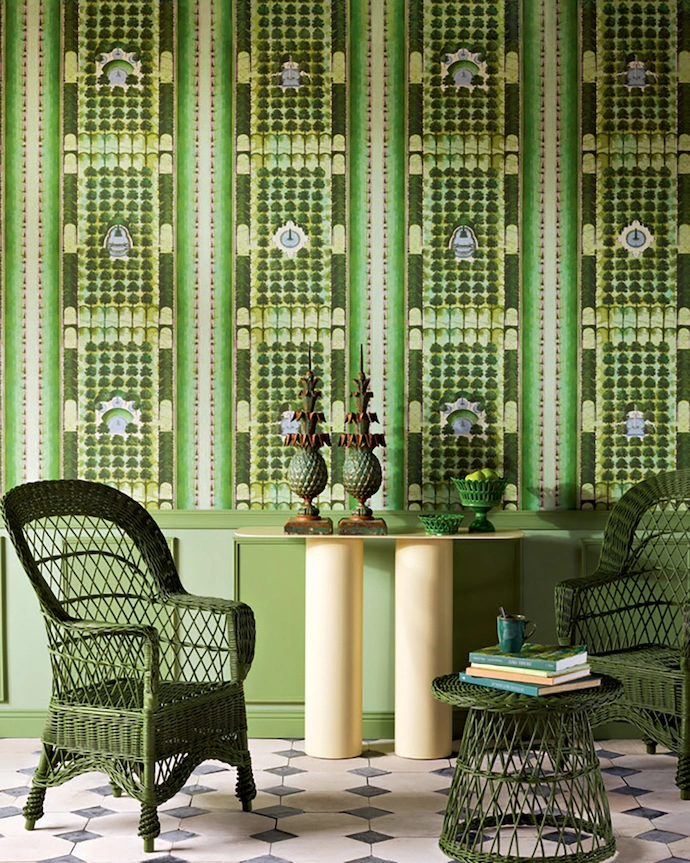
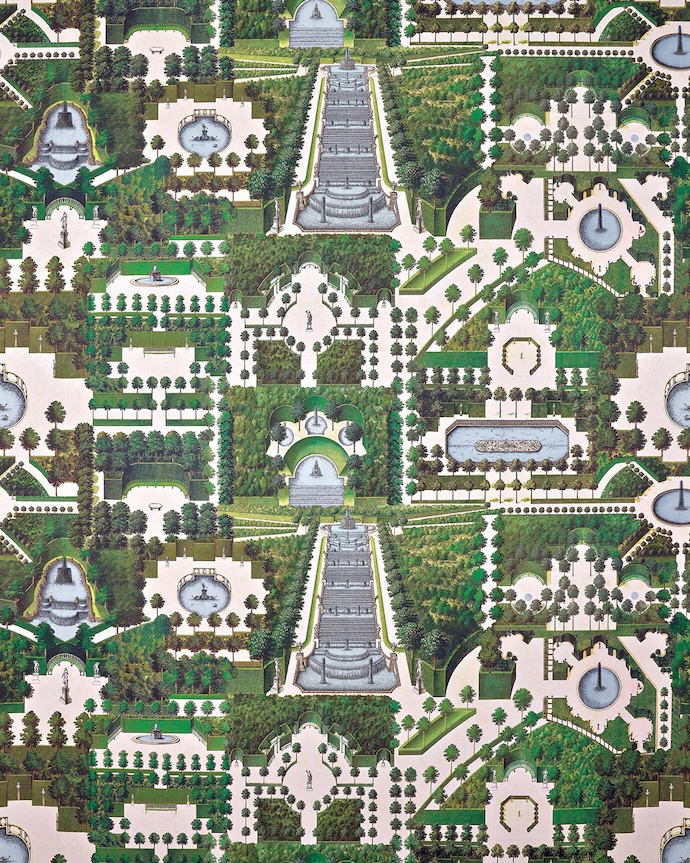
Domaine Royal and other designs in the collection draw inspiration from historic French gardens. -
Domaine Royal and other designs in the collection draw inspiration from historic French gardens. -

Domaine Royal and other designs in the collection draw inspiration from historic French gardens. -
Domaine Royal and other designs in the collection draw inspiration from historic French gardens. -
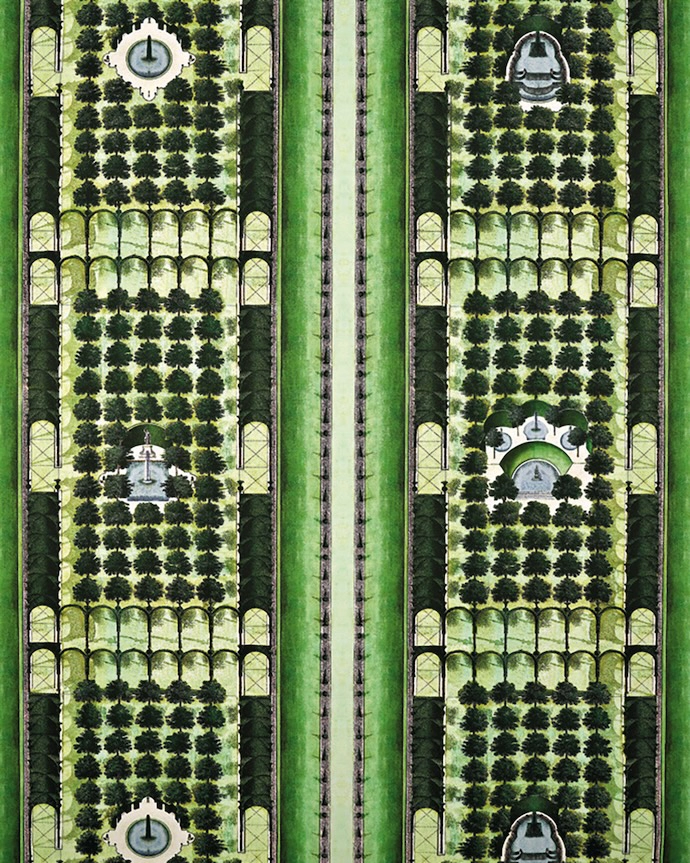
Les Allées de Marly nods to Château de Marly’s formal garden design, catalogued in the National Archives’ albums. -
Les Allées de Marly nods to Château de Marly’s formal garden design, catalogued in the National Archives’ albums. -
Les Allées de Marly nods to Château de Marly’s formal garden design, catalogued in the National Archives’ albums. -
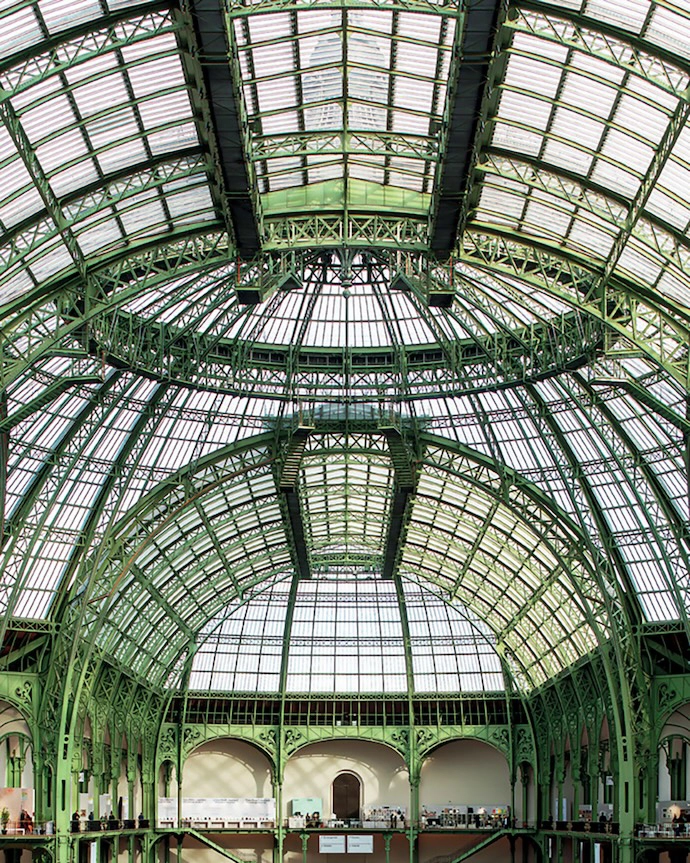
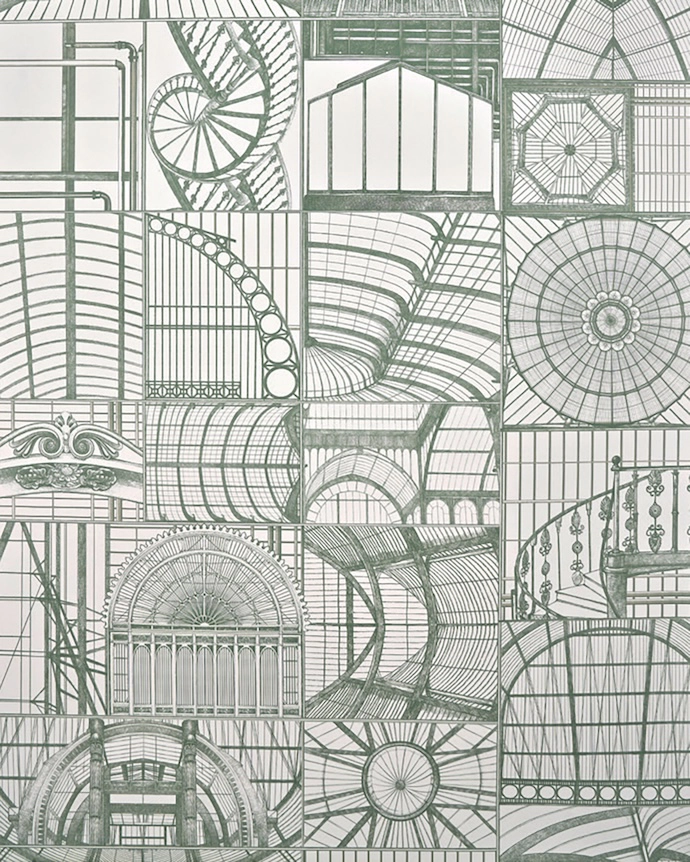
Sous la Verrière offers an architectural interpretation of greenhouses and glass pavilions. -
Sous la Verrière offers an architectural interpretation of greenhouses and glass pavilions. -
Sous la Verrière offers an architectural interpretation of greenhouses and glass pavilions. -
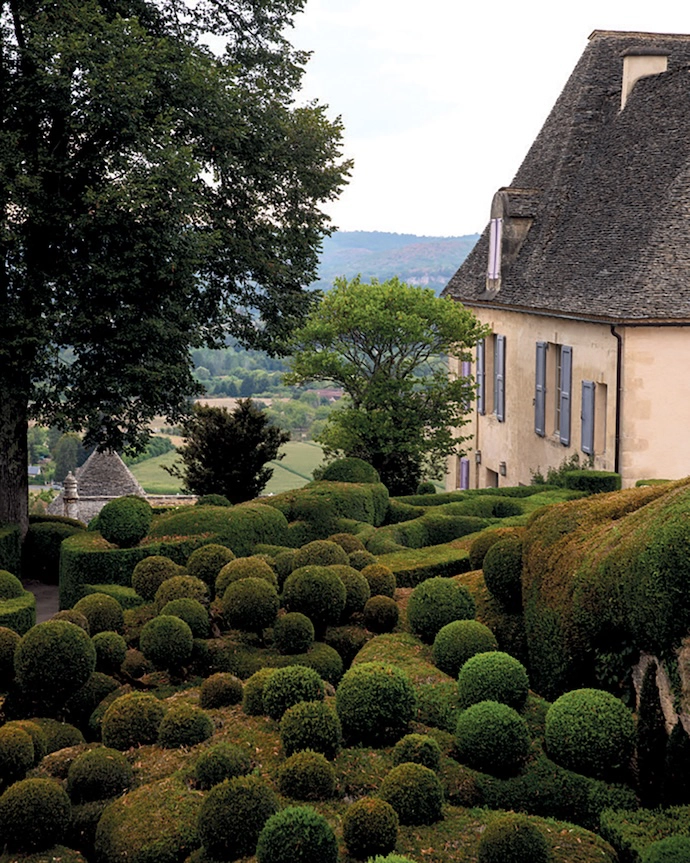
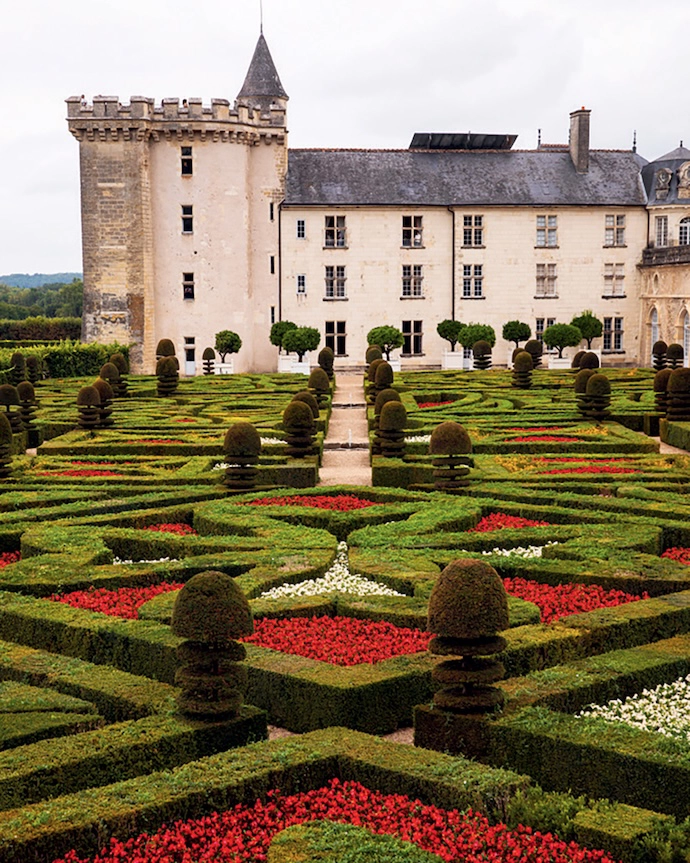
Manicured trees inspired Les Topiaires, while ornamental planting beds were the starting point for Parterre. Pierre Frey is stocked and distributed exclusively by Mavromac & Gatehouse. -
Manicured trees inspired Les Topiaires, while ornamental planting beds were the starting point for Parterre. Pierre Frey is stocked and distributed exclusively by Mavromac & Gatehouse. -

Manicured trees inspired Les Topiaires, while ornamental planting beds were the starting point for Parterre. Pierre Frey is stocked and distributed exclusively by Mavromac & Gatehouse.
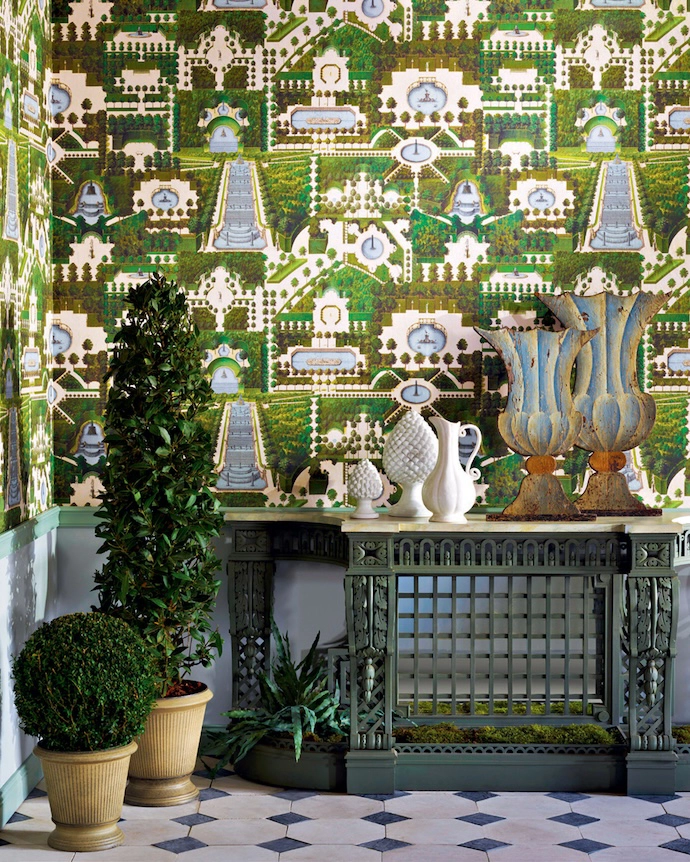
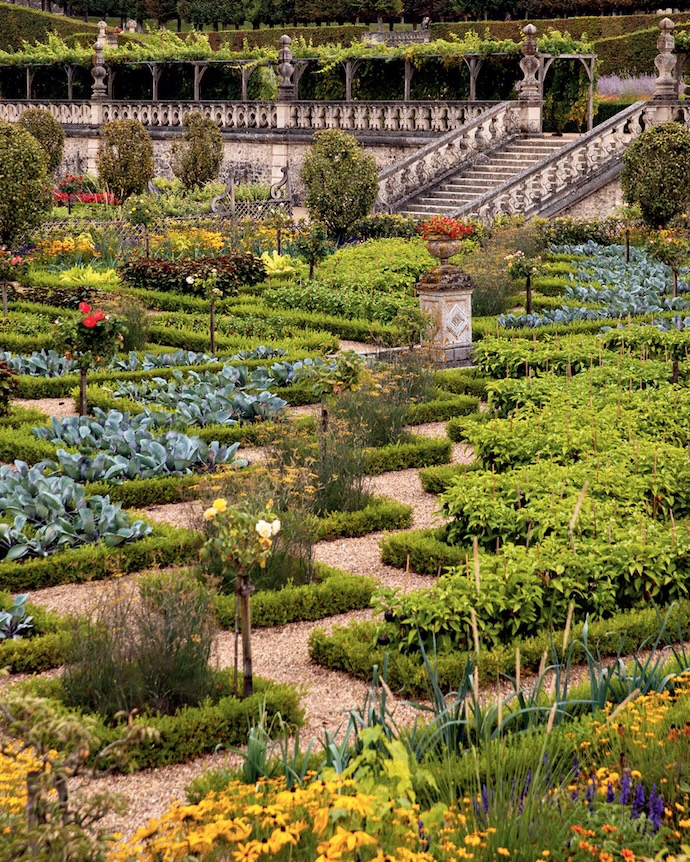
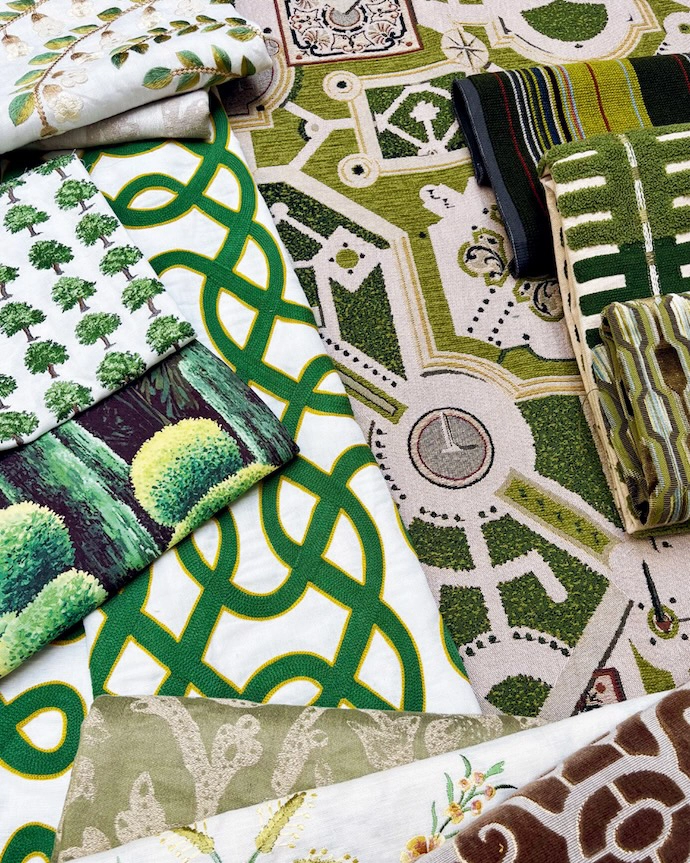
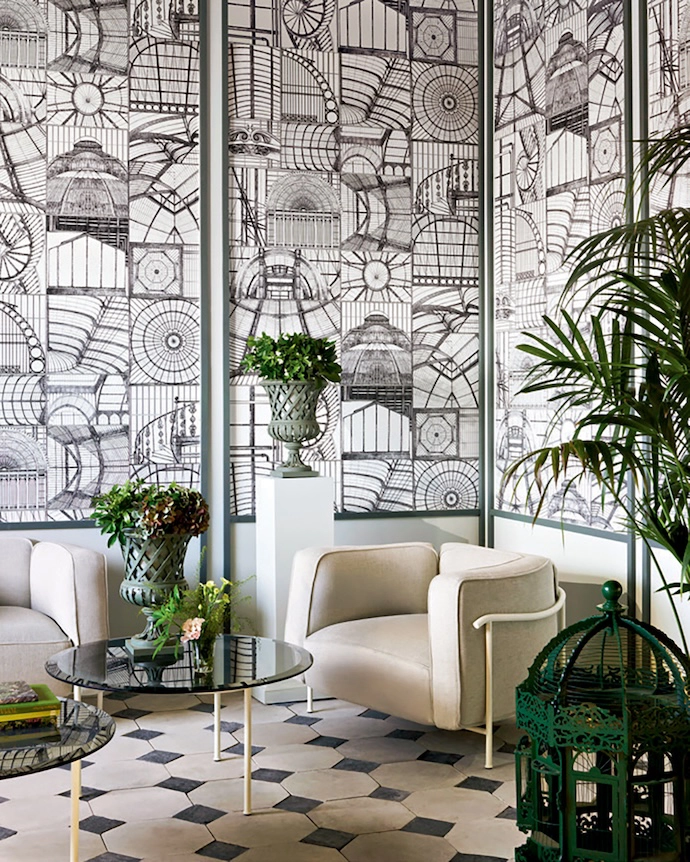
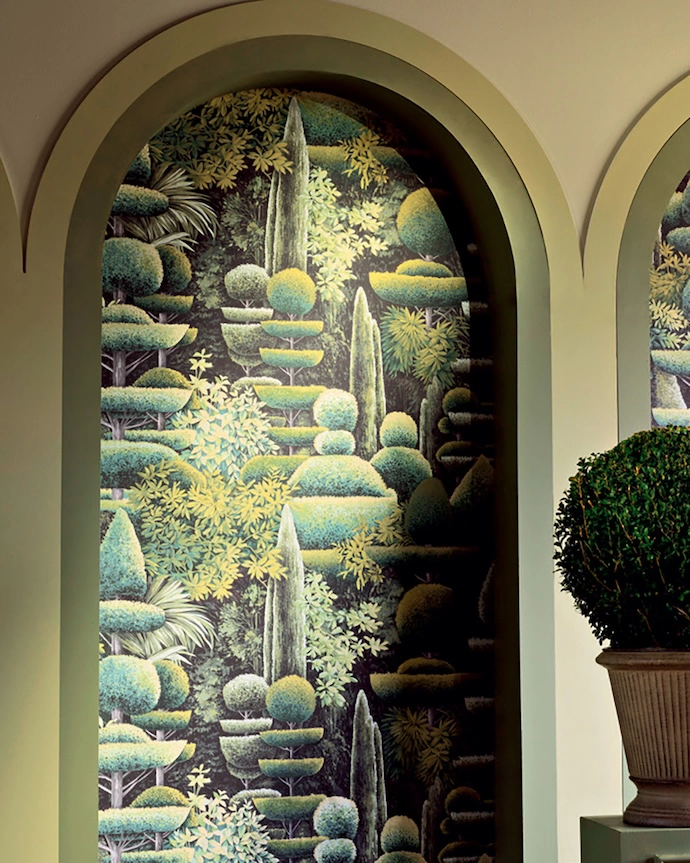

The structured designs of Pierre Frey’s newest textile collection bring the order of French formal gardens not only indoors but to a world seemingly without.
WORDS Martin Jacobs PHOTOS Philippe Garcia, Dorothée Demy, Contstance et de Tourniel, Supplied
“The plan is the generator,” wrote French architect Le Corbusier just over a century ago – a principle that feels quite apt in 2026, a year defined by flux, uncertainty and improvisation. Although he was writing about architecture, Le Corbusier’s words could just as well describe French textile house Pierre Frey’s latest collection, Jardin À La Française. A masterclass in structured beauty, the collection of more than 30 fabric and wallpaper designs and 14 rugs (conceived before this year’s global chaos) turns the geometry of formal French gardens into a welcome antidote to disorder. And for those curious enough to explore the details, the collection is renewing interest in classic French gardening terms: from parterres and palmettes to espaliers and orangeries, you may find yourself reaching not only for swatch books but for a dictionary too.
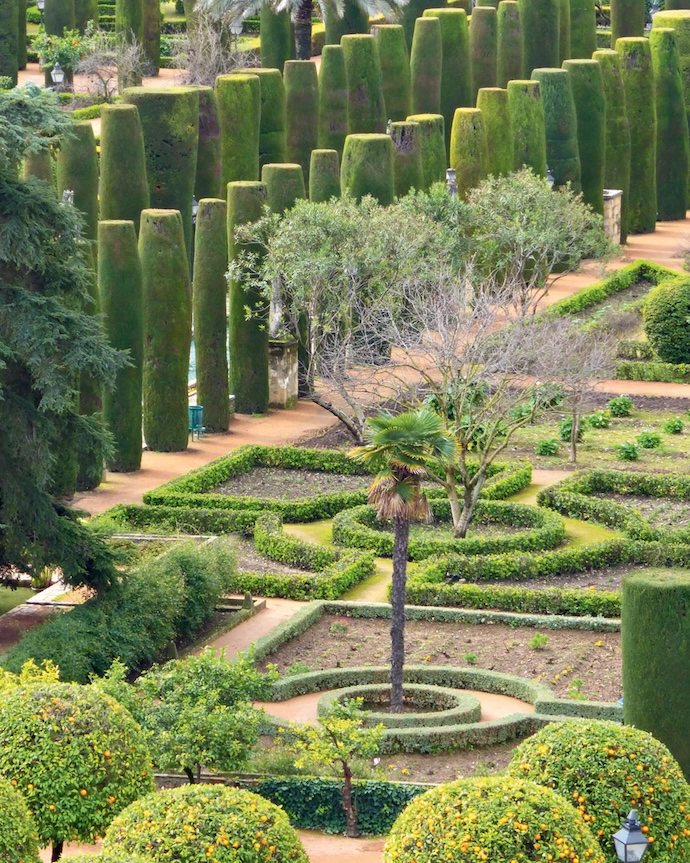
Coloured pencils and paintbrushes were the tools of choice for Pierre Frey’s design team, who drew inspiration from visits to formal gardens in and around Paris, as well as across France. It’s easy to picture the team en plein air – modern-day Impressionists, really, sketching dappled light on pathways, tree-lined avenues and colourful flowerbeds, with birdsong providing the soundtrack rather than AirPods. Back at the Rue des Petits-Champs studio, these sketches were reimagined as textiles and wallpapers, most of them rigidly geometric and structured, although some – like Les Peupliers Argentés, Fleurs de Pommiers and Bois Dormant – remain more painterly.
But the team didn’t stop at what they could see: with centuries of garden history at their fingertips, they dove into the National Archives, unearthing (pun intended) inspiration from the source. Housed in the Hôtel de Soubise, the Albums de Marly are four leather-bound volumes dedicated to the gardens and architectural plans of Château de Marly – a private satellite residence of the Palace of Versailles, and where Louis XIV spent the later years of his reign (from the 1680s onwards). Here, the Sun King sidelined his preferred garden designer, André Le Nôtre, in favour of Jules Hardouin–Mansart, an architect with a fresh perspective on the estate’s layouts. These historic plans – so well documented and preserved that their colours served as inspiration for the fabric collection – inspired three standout designs: Les Allées de Marly (highlighting primary axes and perspectives), Domaine Royal (a play on overall views in an almost. Inception-like, perspective-bending way), and La Pépinière (a grid-like repetition of trees documented in the albums).
Pierre Frey’s creatives approached the collection much like architects Le Nôtre and Hardouin-Mansart would have when planning formal gardens. The symmetry of parterres (ornamental planting beds) is translated into mirrored motifs; the axes that dictated central lines are reimagined as bold horizontal and vertical elements; and terrasses (elevated viewing points) lend themselves to patterns that feel aerial or perspectival. Sculpted greenery like topiary turns into stylised conical and rounded forms; flattened espalier plantings are rendered as graphic patterning; and bodies of water emerge as moments of pause within otherwise rigid grids.
The narratives and varied designs of the collection cleverly merge botanical studies, historical garden plans and illustrative artwork. In both the gardens and the textiles, abundance, romance and emotion are kept in check by order and control. Perhaps that’s what makes the collection feel so relevant in 2026 – not as an escape from chaos, but as an assertion that when there is a plan, beauty doesn’t diminish: it thrives. | pierrefrey.com
Visit the Gardens
Planning a trip to Paris? Set aside a day to explore the gardens of the Palace of Versailles and Château de Marly, both directly referenced in Pierre Frey’s Jardin À La Française collection. Situated seven kilometres apart, the parks are open to the public year-round, with both free and ticketed sections. The official Palace of Versailles app is a useful visitor resource. | chateauversailles.fr
Don’t forget to sign up to our weekly newsletter for the latest architecture and design news.