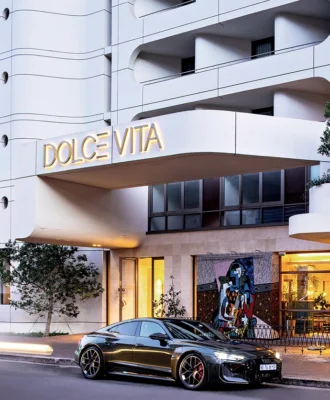
-

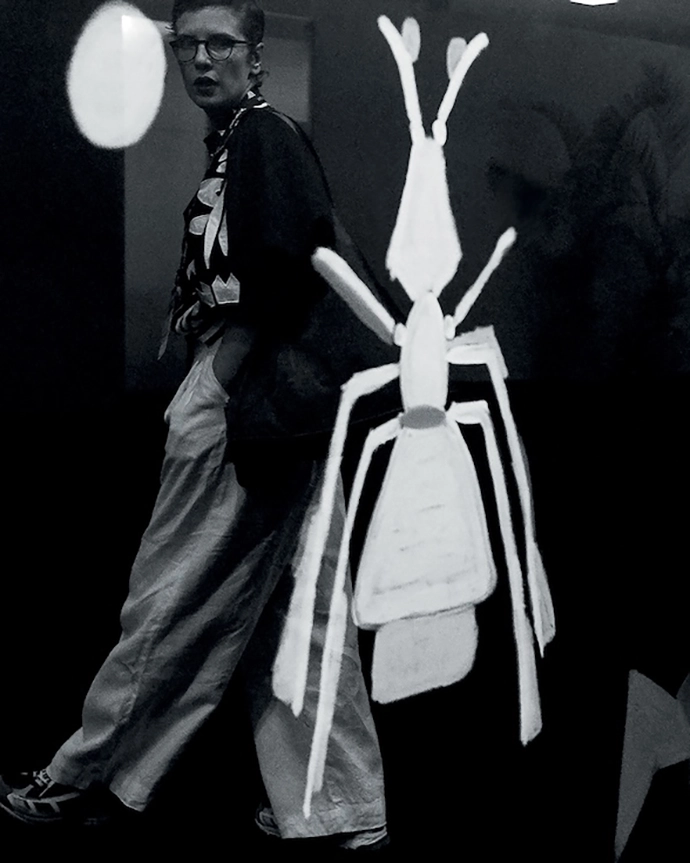
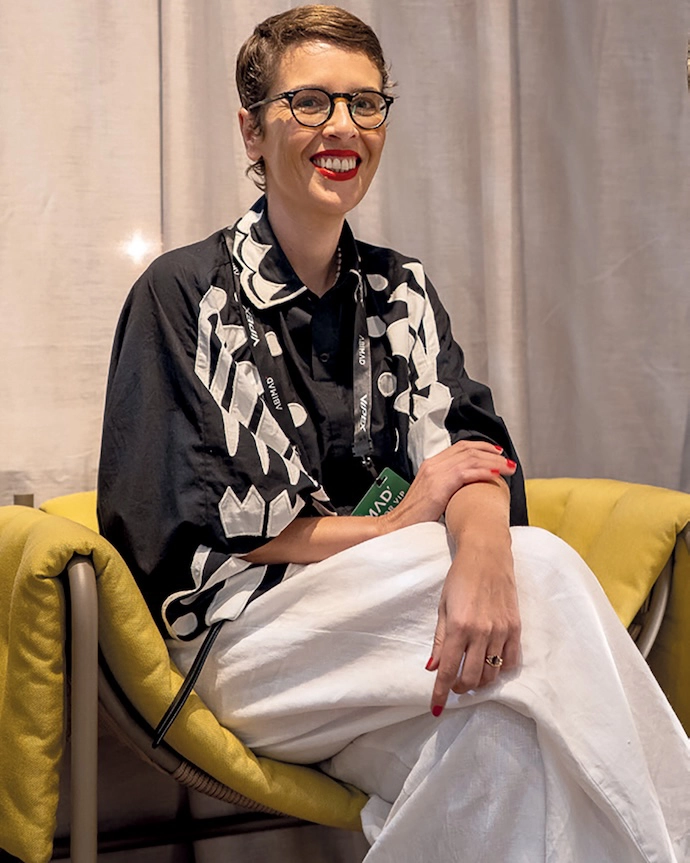
Julia Franco of NOSSO in reflection. -
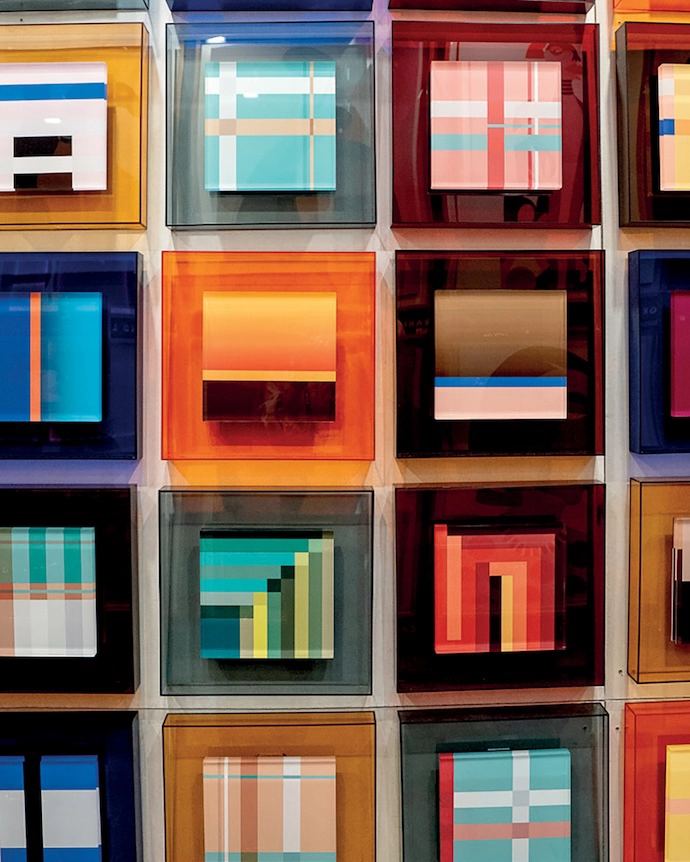
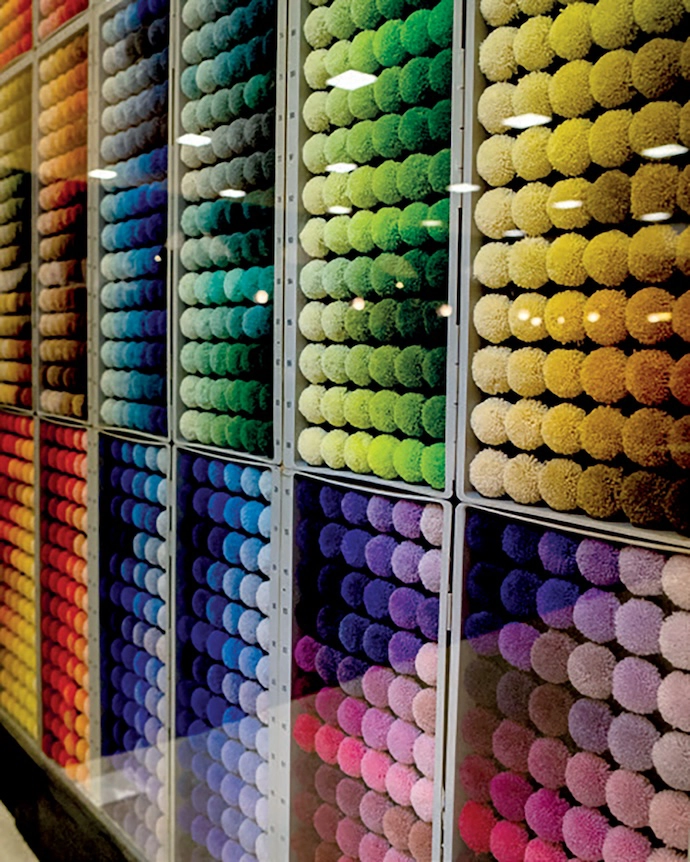
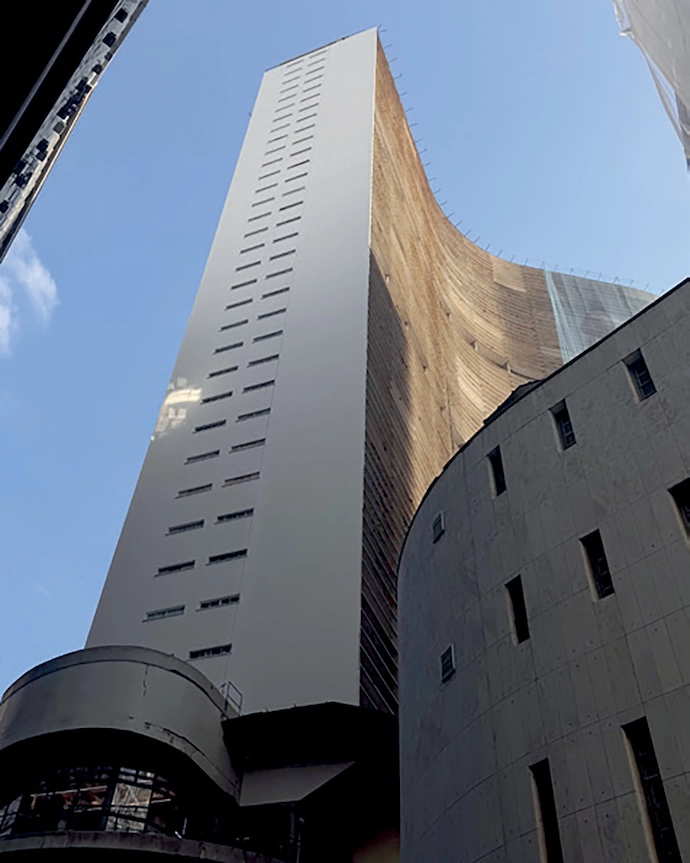
Textures, colours and scenes from São Paulo and the 2026 ABUP fair. -

Textures, colours and scenes from São Paulo and the 2026 ABUP fair. -
Textures, colours and scenes from São Paulo and the 2026 ABUP fair. -
Textures, colours and scenes from São Paulo and the 2026 ABUP fair. -
Textures, colours and scenes from São Paulo and the 2026 ABUP fair. -
Textures, colours and scenes from São Paulo and the 2026 ABUP fair. -
Textures, colours and scenes from São Paulo and the 2026 ABUP fair. -
Textures, colours and scenes from São Paulo and the 2026 ABUP fair. -
Textures, colours and scenes from São Paulo and the 2026 ABUP fair. -
Textures, colours and scenes from São Paulo and the 2026 ABUP fair. -

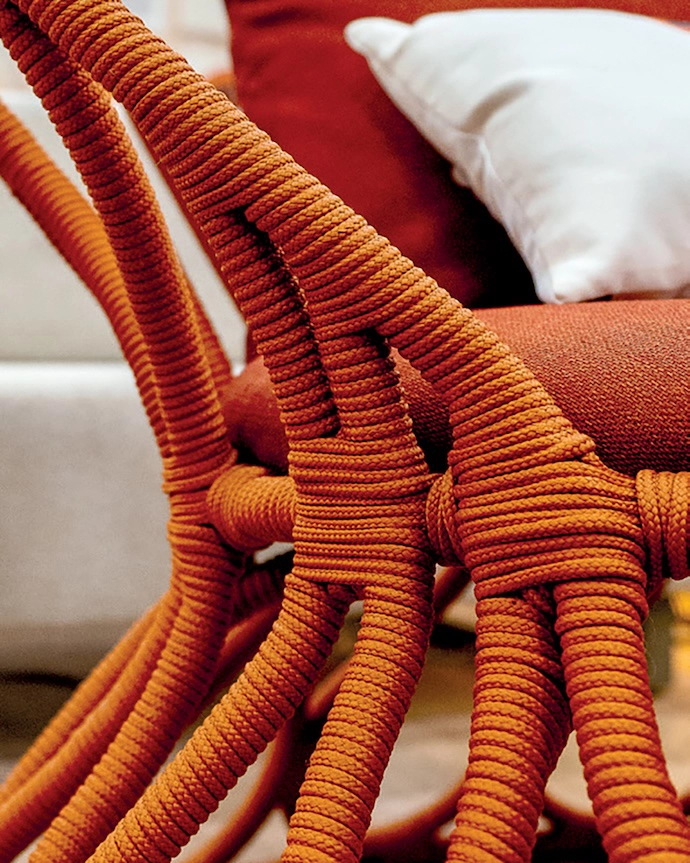
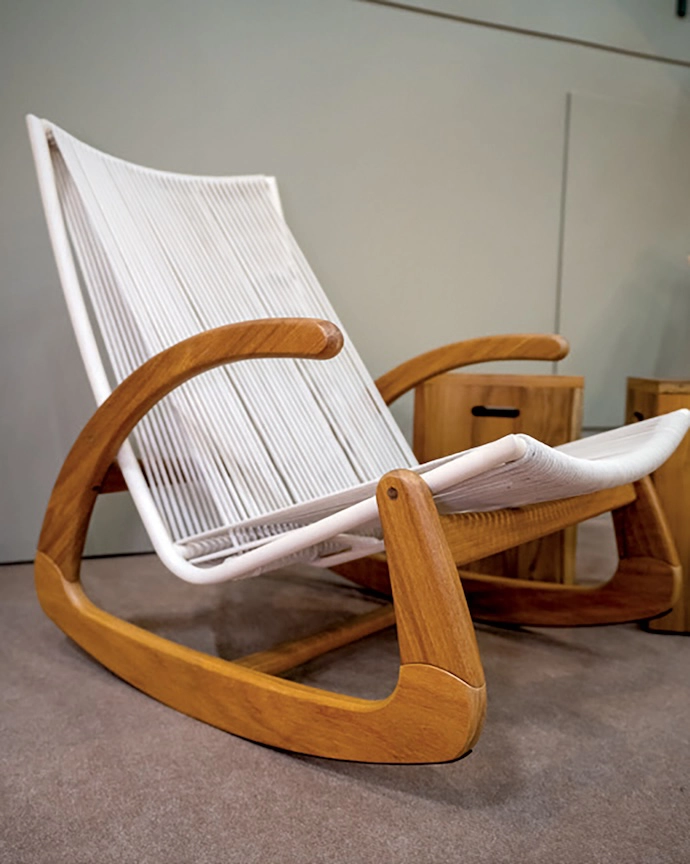
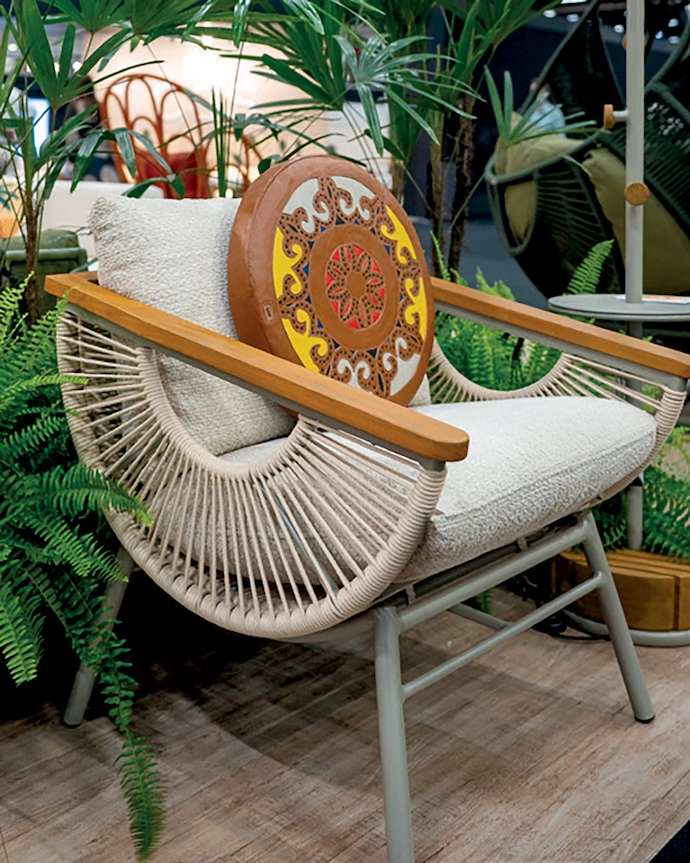
Outdoor furniture was having a moment in wood, aluminium and woven nylon. -

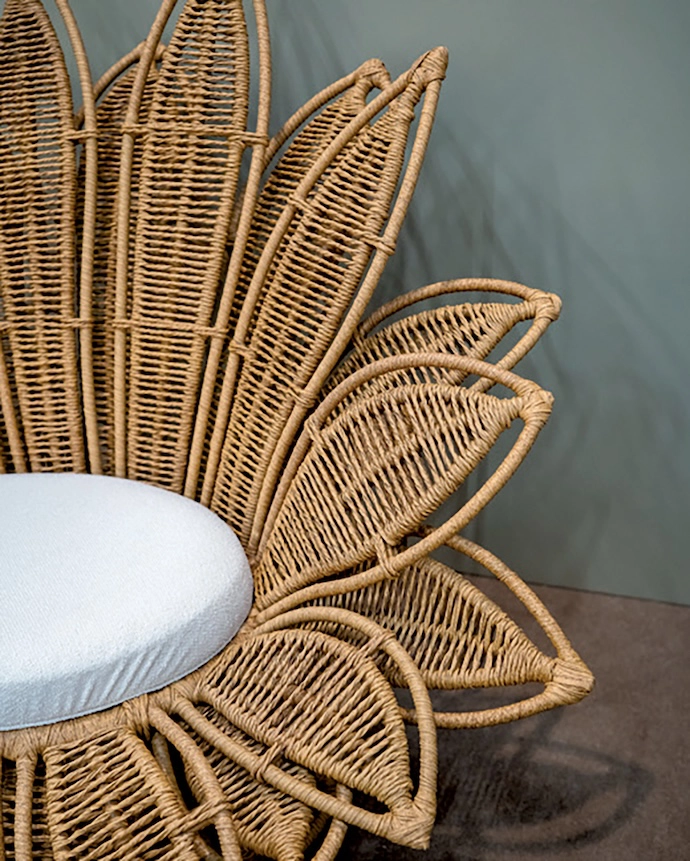
The Flor de Mandacaru chair by Sergio Matos – a Brazilian classic. -
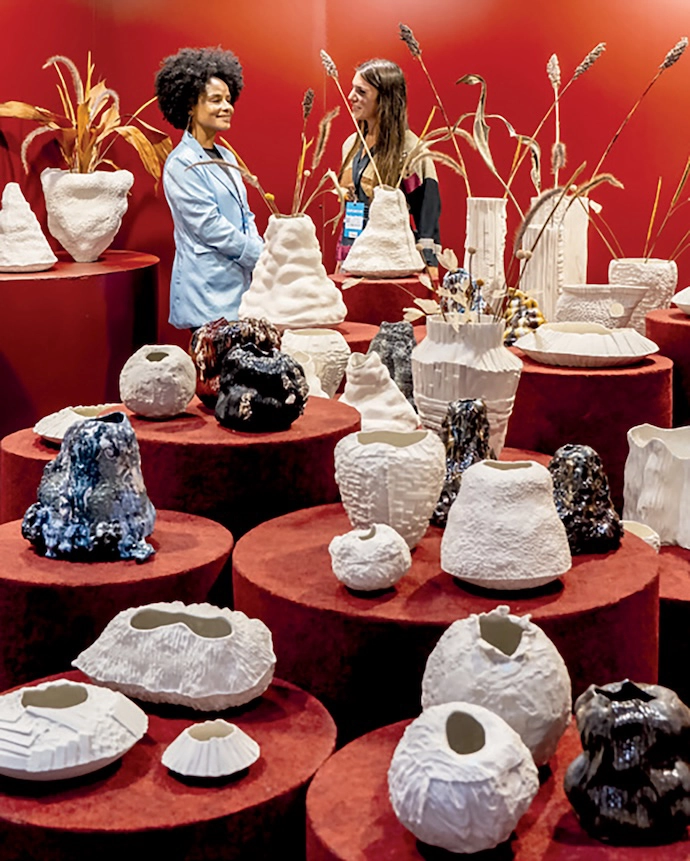
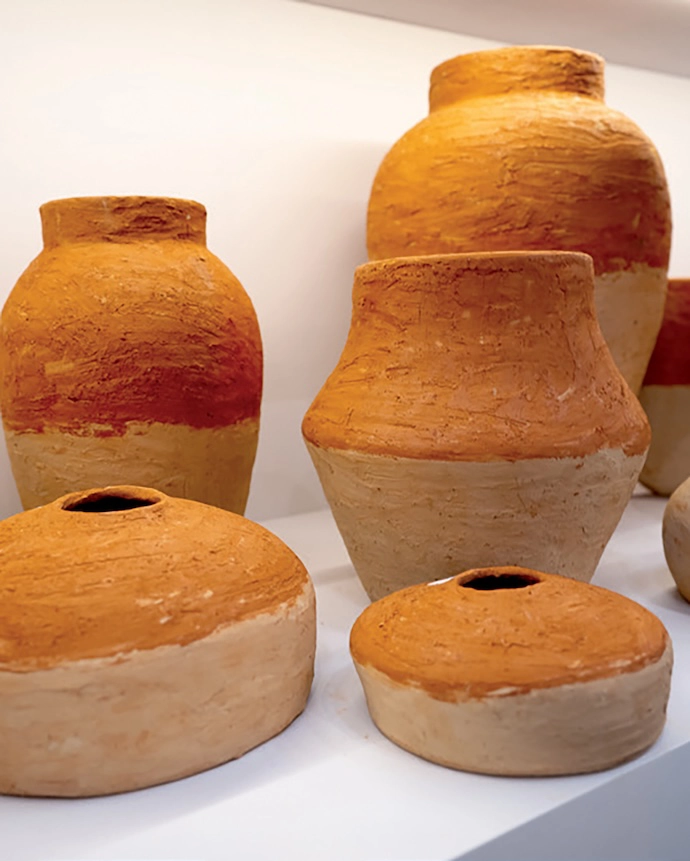
Organic shapes were everywhere, with clay and porcelain moulded into natural forms. -
Organic shapes were everywhere, with clay and porcelain moulded into natural forms. -
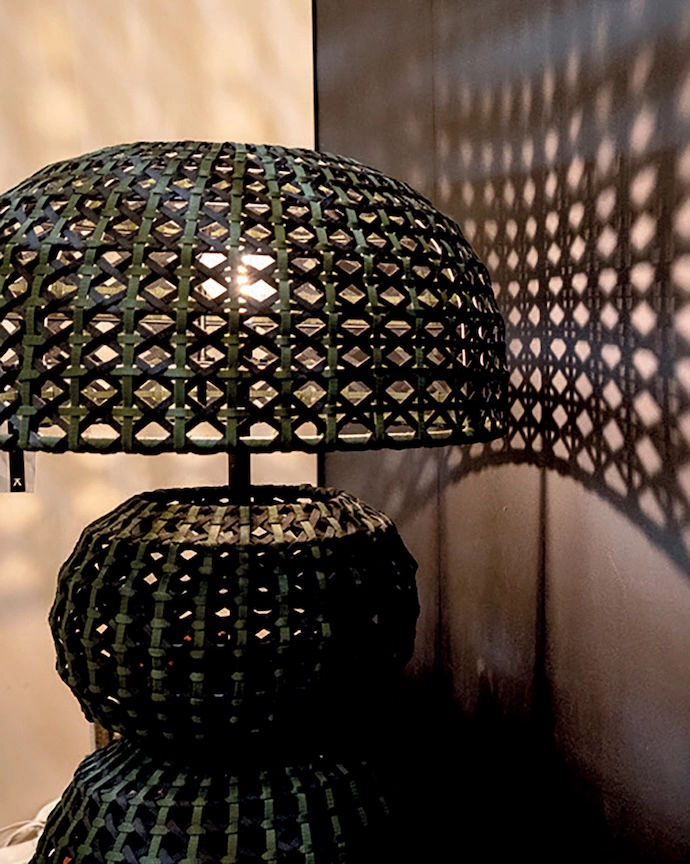
Synthetic materials are imitating natural fibres – this outdoor lamp is a great example. -
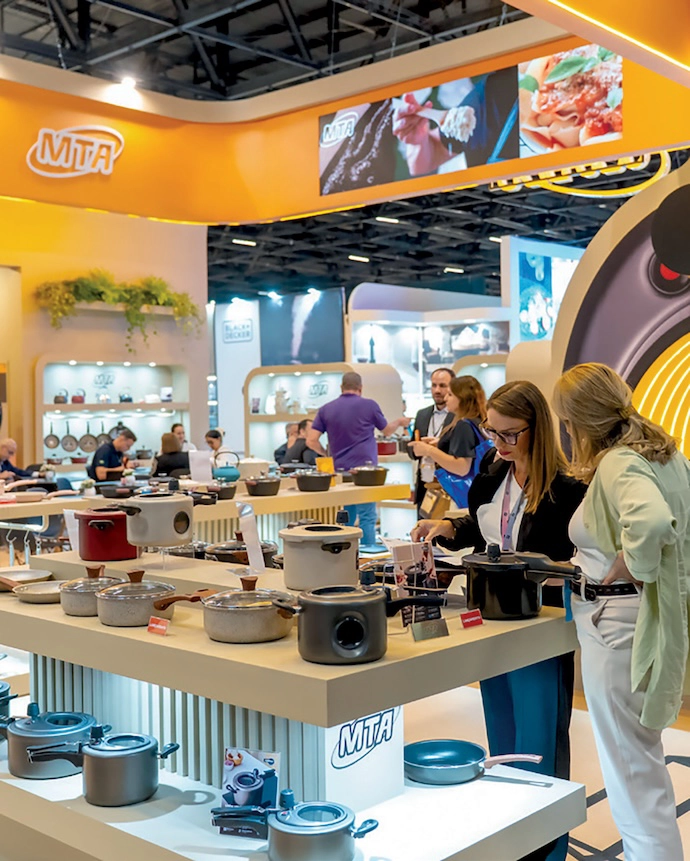
Another glimpse of ABUP. -
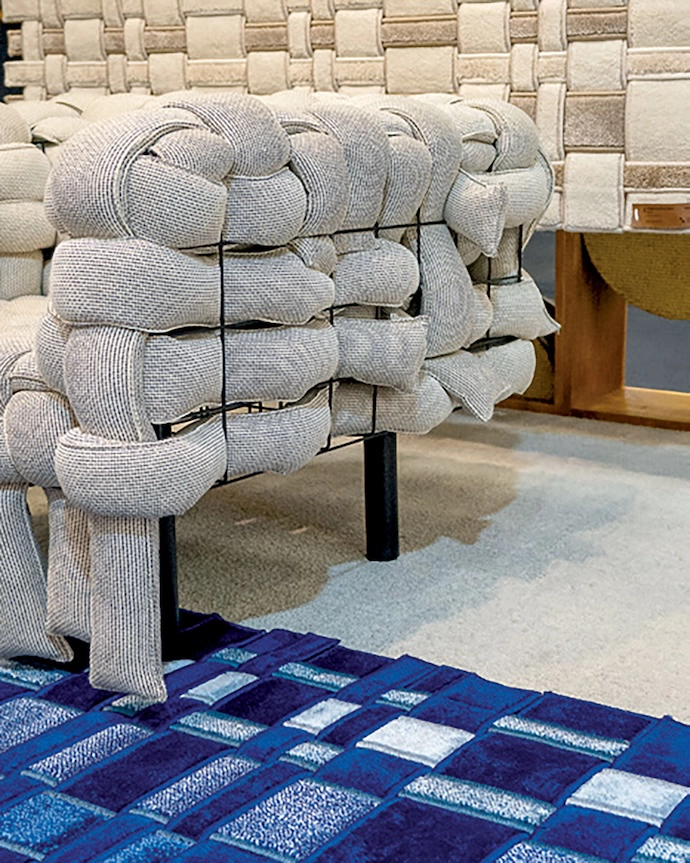
The Fulão chair by Kleber Alves for Cabanna, selected for Salone del Mobile 2026.
Brazilian-born Julia Franco, owner of interiors store NOSSO in Cape Town, returns from a trip to her homeland, and reports on the latest trends in Brazilian design.
WORDS AND PHOTOS Julia Franco
I am Brazilian, and I run a Brazilian design store in Cape Town. Although I left Brazil nearly 20 years ago and have since lived on three continents, some instincts never fade. I remain instinctively drawn to craft , to the human touch in objects and, inevitably, to colour. Distance has given me perspective, but it hasn’t diluted that connection. If anything, it’s clarified it. And the position I now occupy, between Brazil and Africa, sharpened that perspective. In South Africa, too, there is a profound respect for material, for land, for handwork. The dialogue between Brazilian and African craft feels less like import/export, and more like recognition. Both contexts understand scarcity, adaptation, and beauty born from process rather than polish.
So when I flew to São Paulo in February, invited by the Brazilian Association of Utilities and Gift Companies to visit its main fair, I went with curiosity and a long mental shopping list. I’d been before, but this edition felt different: bigger, busier, louder. Hundreds of exhibitors – Brazilian brands and international importers – all gathered in one place, offering a snapshot of what design looks like when industry and creativity share the room. Alongside long-time collaborators of NOSSO, I met a host of new designers and makers.
Some of the most exciting discoveries came from unexpected corners. Cleaning tools, for example – brooms ingeniously designed for pet hair, sponges capable of tackling everything from oil to paint. Even hotel china surprised me: porcelain dishes engineered to maintain the temperature of the food without burning your hands. It was proof that serious design can elevate ordinary objects. Aisle after aisle revealed the most random, inventive and captivating pieces. Walking through the halls, it struck me that Brazilian design mirrors its people– a little messy, theatrical, full of personality. Even the smallest objects seemed to pulse with life. It felt like coming home.
I also noticed an interesting shift: some designers are keeping their collections conceptually local while producing components abroad – in Peru, Turkey or China. It’s a curious but compelling mix, introducing new finishes and materials without losing that Brazilian soul.
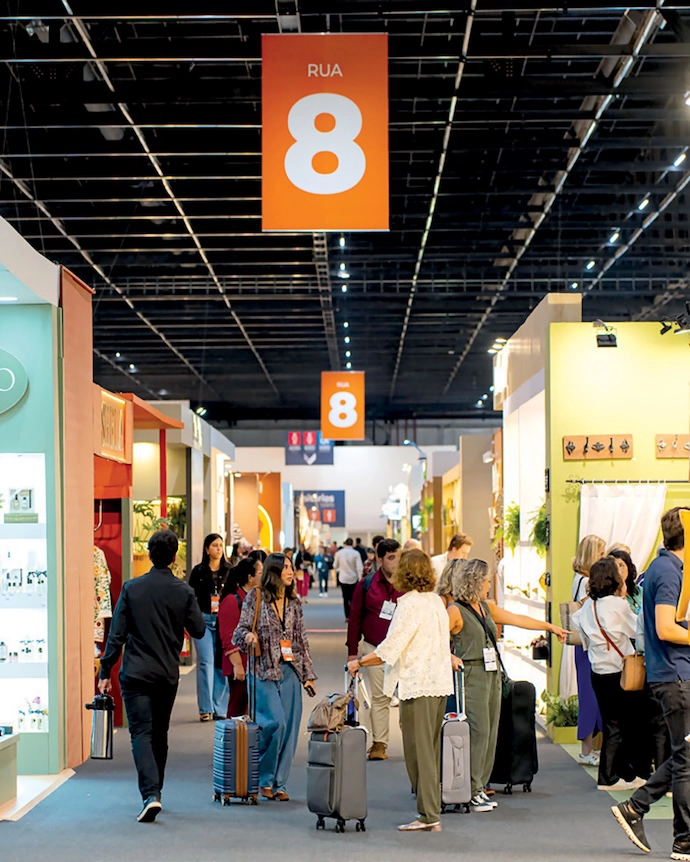
Beyond the main fair, I made time to visit smaller, independent studios – the kinds of makers we’re drawn to at NOSSO. In these smaller spaces, work unfolds more slowly and thoughtfully. The visits offered a welcome counterpoint to the grandeur of the exhibition halls, with design revealing itself as a process rather than a product, deeply rooted in material knowledge and in the sheer joy of making.
I was particularly excited to visit an atelier I’d had my eye on for some time: Atelier Da Renata. Renata, a ceramics teacher, started making her own colourful jugs and plates almost as a hobby. Her passion project became something much bigger – so she hired some of her students and today runs a vibrant studio with nine younger artists. Every day at 11am, the kiln is opened and everyone gathers around to see what’s come from the firing, cheering one another’s pieces as they come out. It was genuinely special to witness this ritual; a small daily moment that captures the collaborative spirit of the atelier. Later in the afternoon, at 3pm, they pause again for cake and conversation – an informal for cake and conversation – an informal break dedicated to chatting about studio life. Sadly, I had to miss that, although I suspect it might be just as important to the creative process as the kiln itself.
The trip concluded with a second event, organised by the Brazilian Association of High-End Decor Furniture Industries. Here, ideas that I had seen quietly brewing over the past few years finally emerged, bold and self-assured. It felt like witnessing a creative language that was coming fully into its own.
Comfort, Craft, Materials, Curves, Retro…
I feel the Latino world has been trending, and there’s a special comfort in seeing this world up close. There’s a rhythm, a warmth and a bit of chaos that somehow makes sense. Bad Bunny’s success (yes, I’m a bit obsessed with him right now!) reminds us there’s so much happening in Latin America – music, art, design; an entire world that’s full of personality. With everything else feeling uncertain, it’s grounding to see the beauty in that little mess, that organised chaos, and how it translates into strong colours and organic forms.
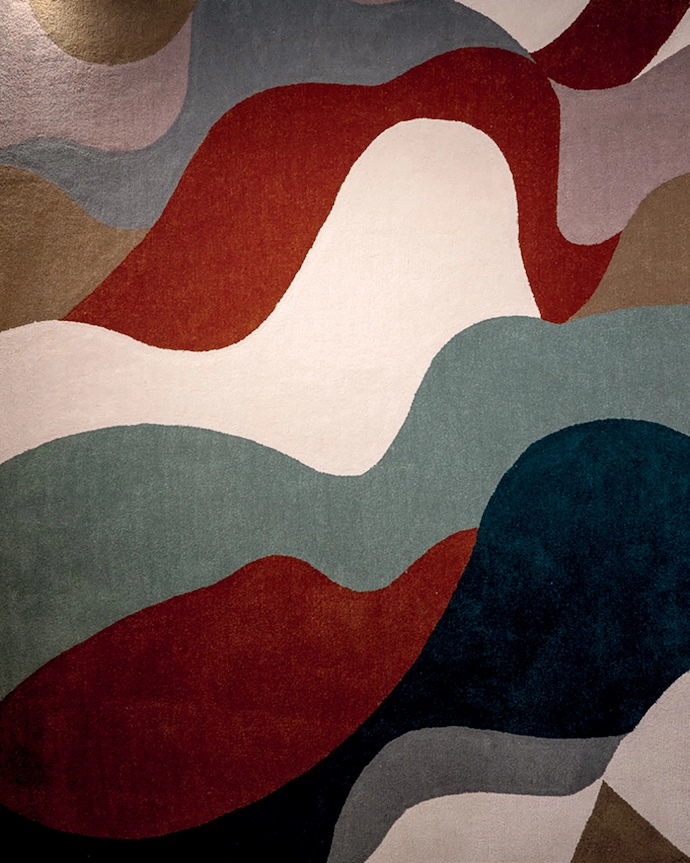
Comfort and warmth are in. Everywhere I looked, deep, earthy tones were making interiors feel cosy instead of stiff. They aren’t only used on furniture and details, but on walls and flooring too, making the homes look like a safe space to live in. Fabrics that you want to touch – linen, bouclé, suede, leather – were everywhere, reminders of the idea that a home should be enjoyed and not just looked at.
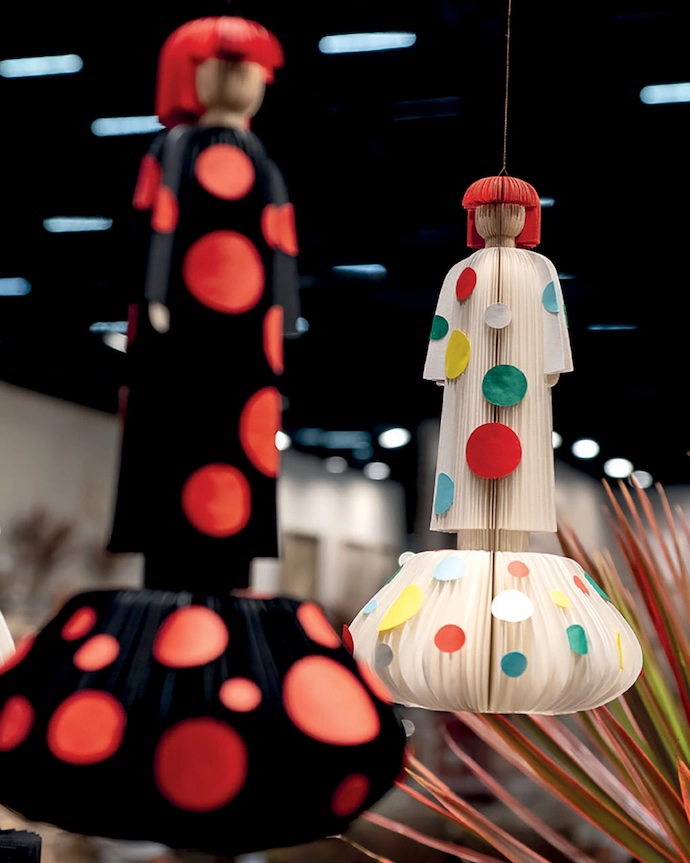
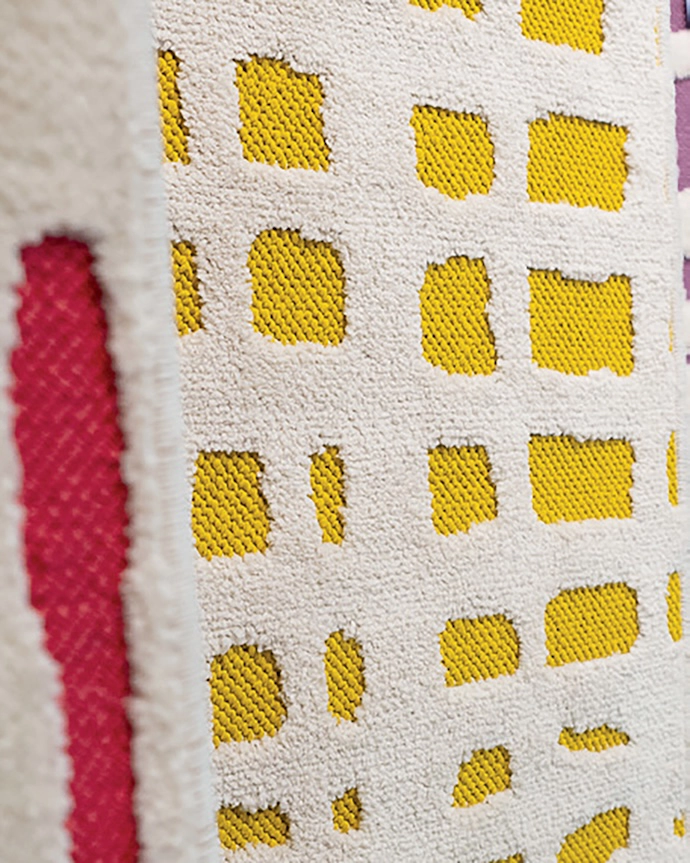
Handcrafted pieces were presented on a strong setting. They aren’t nostalgic; they are current, confident. Natural materials were a highlight, especially wood mixed with stone or other organic touches. One of my favourite pieces is from a collection that adds natural stone to porcelain, giving an imperfect shape to vases.
I loved seeing materials play off each other: wood, metal, textiles, all working together in balanced ways. Curves are still everywhere, but they are sharper and more precise: it’s structure tempered by softness. Retro elements are also quietly coming back: straw, wicker and outdoor furniture reimagined, giving that familiar feel to new shapes. Upholstered pieces are generous and inviting, quietly waiting for someone to rest on them.
Between Factories and Craft
One of the trip’s biggest takeaways was seeing the industrial and the handmade worlds coexist. On one side, factories are producing with consistency; on the other, small studios are shaping clay, fibres and pigments by hand, with irregularity part of their charm. Rather than competing, these two worlds seem to strengthen each other.
Functional objects are no longer satisfied with efficiency alone. They now aim to improve daily rituals – sleeping, cooking, organising – with a sense of individuality. Even the most practical tools seem to carry a dose of poetry. One cutlery supplier, for example, presented an affordable set with plastic handles that perfectly mimicked leather; the illusion was so convincing you almost couldn’t tell the difference.
Playful, Thoughtful, Human
There was also a strong presence of responsible and thoughtful design – products built to last that are beautiful and comfortable. Authorial design and artistic ceramics are getting more attention in big Brazilian platforms, with an honest connection to materials, usage and time.
But alongside that seriousness, there’s playfulness. Figurative objects – ice buckets shaped like fruit, tables that looked like puzzles, tiny sculptural containers – show that humour and elegance can coexist. Interiors no longer have to be neutral; they’re a reflection of the people who live in them. Colour is a statement. Form tells a story. The tactile and the playful live side by side with confidence, suggesting layered interiors full of intention and character, where every element speaks of time: time devoted to making, time spent composing each layer, time invested in collecting and shaping a space. It felt, instantly, that this young, jovial Brazil is maturing – carrying its history and references with greater depth without losing its spirit.
The Streets in São Paulo
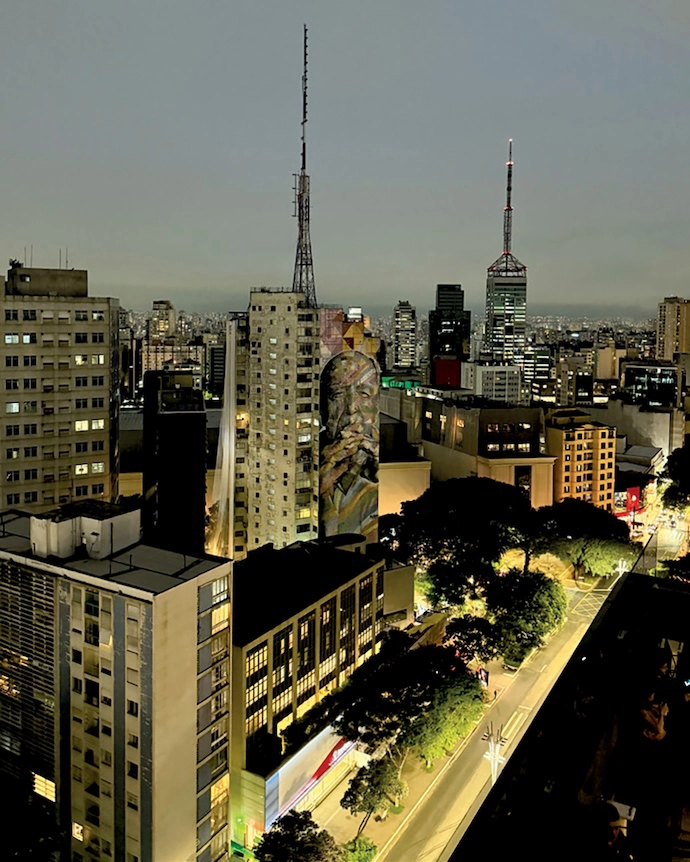
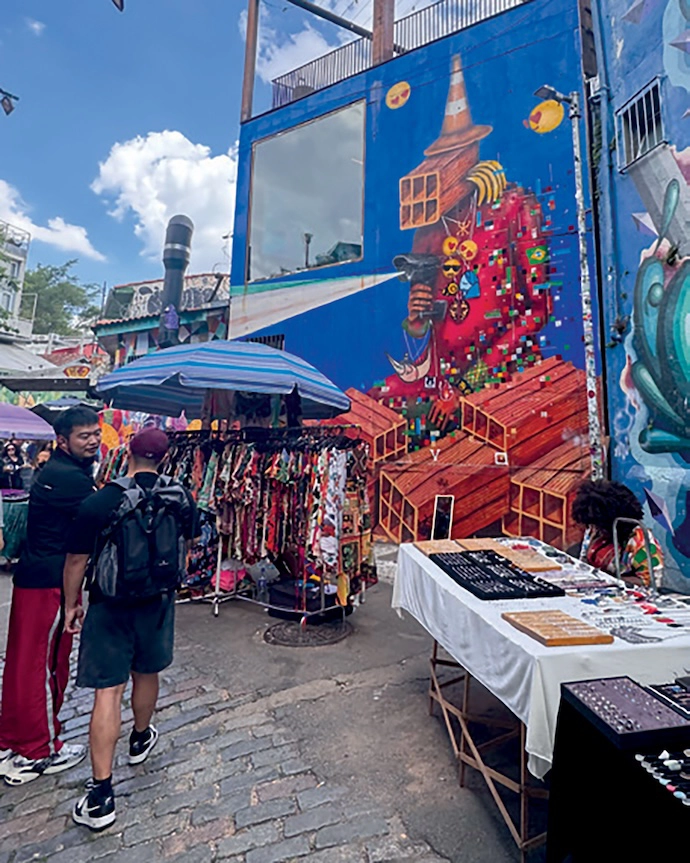
Walking the streets between appointments, I noticed that the city itself feels like a design laboratory. Graffiti, hand-painted signs, street stalls, bold tiles on building facades… all of it feels curated and chaotic at the same time. There’s something comforting about it, actually, because it feels familiar. It’s life in motion: messy, sure – but the chaos has rhythm.
Even small objects can tell a story. A handmade bowl at a fancy restaurant, a brightly coloured chair at the barber, a tiny sculpture hiding in a corner of a shop – they are calling your attention to the moment. It’s as if the makers are saying, “Slow down and look!” And in a world that can feel too fast, the message is comforting.
I also realised that even the shortest trip can change your gaze. I saw familiar colours and textures, but the combinations were new. There’s joy in seeing something traditional, like a straw chair or a clay vase, reinterpreted in a way that feels fresh. That tension between heritage and invention is exactly what makes Brazilian design so alive right now.
Brazilian Design in Transition
Across fairs and studios, the picture is clear: Brazilian design is evolving. It’s rooted in heritage, but open to technology, collaboration and new ways of telling stories. Shape and colour matter – but so does meaning and emotional connection.
For me as the curator at NOSSO, this trip is already shaping what we will bring in next. We don’t chase trends; we listen to makers and the direction design is taking, so we can translate this energy into objects that can live in different contexts while keeping their character intact.
The future looks playful and strong in identity, making even the most practical objects a little surprising. And through it all runs that Latino heartbeat: colourful, imperfect, joyful, reassuring. It’s a reminder that chaos and beauty are not opposites – sometimes, they’re the same thing. | nosso.co.za
Don’t forget to sign up to our weekly newsletter for the latest architecture and design news.