-

Into Being -

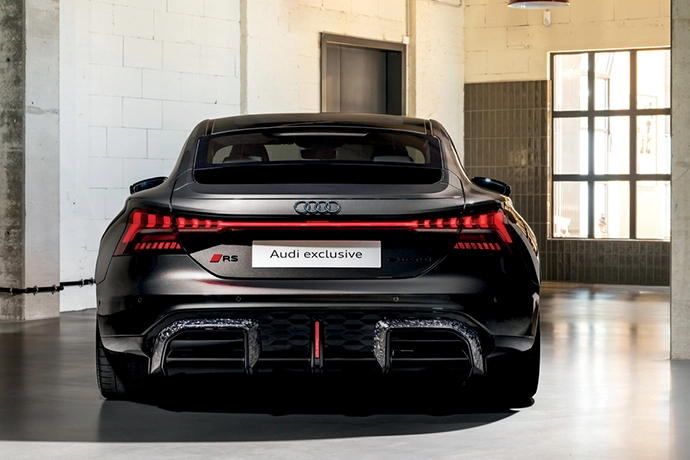
The final version of the Audi RS e-tron GT Performance. -
The final version of the Audi RS e-tron GT Performance. -

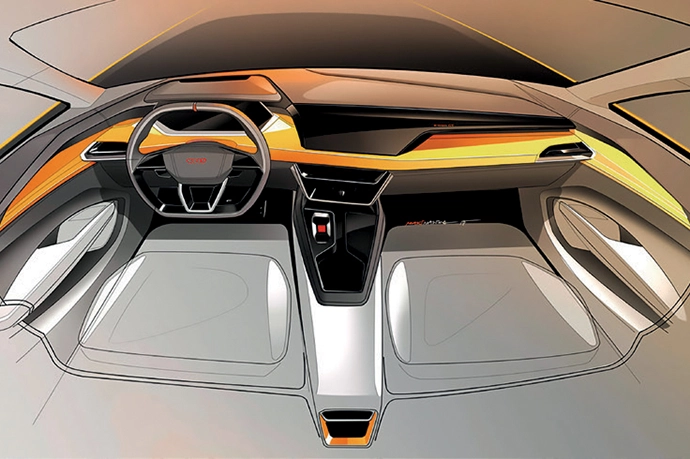
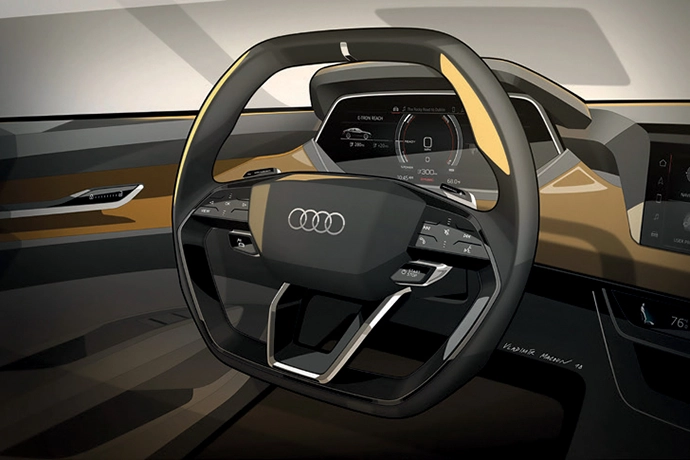
The Audi design team’s initial design sketches. -
The Audi design team’s initial design sketches. -
This fully electric Audi generates up to 680kW and 1 027Nm of torque, sprinting from 0 to 100km/h in 2.5 seconds. -
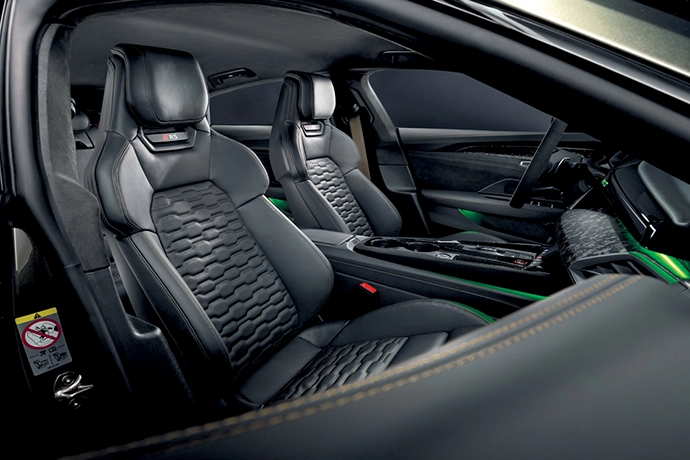
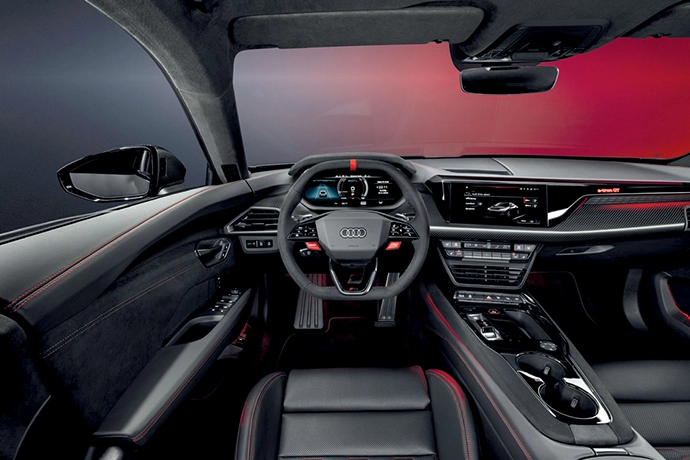
Fine Nappa leather, Dinamica microfibre, Graphite Grey inlays and stainless-steel pedals combine to create a cabin that feels every bit as purposeful as its exterior.
How does a design idea progress from that initial sketch to a fully realised object? Against the backdrop of the beautiful Audi RS e-tron GT performance electric vehicle, four South African creatives provide insights into their approach.
WORDS Steve Smith PHOTOS Supplied
Every considered object begins with an idea: a line drawn on paper, a shape explored in three dimensions, a material chosen for the way it feels in hand or responds to light. It’s how the Audi RS e-tron GT performance progressed from a sketch in an Audi designer’s notebook to the vehicle you see here. And it reflects an approach to design you’ll see mirrored across creative disciplines. From that first gesture, a process of refinement begins – a gradual negotiation between imagination, function, material and form. The finished object may appear effortless, but beneath its surface lies a host of decisions and iterations.
We spoke to four local creatives – an architect, a furniture maker, an industrial designer and a product designer – about how they turn an initial idea into a physical object; and we looked at how Audi’s designers resolved the RS e-tron GT performance into a svelte, high-performance electric car in which, along with obvious sculptural beauty, every crease, aperture and curve has a role to play.
Robert Silke, Architect
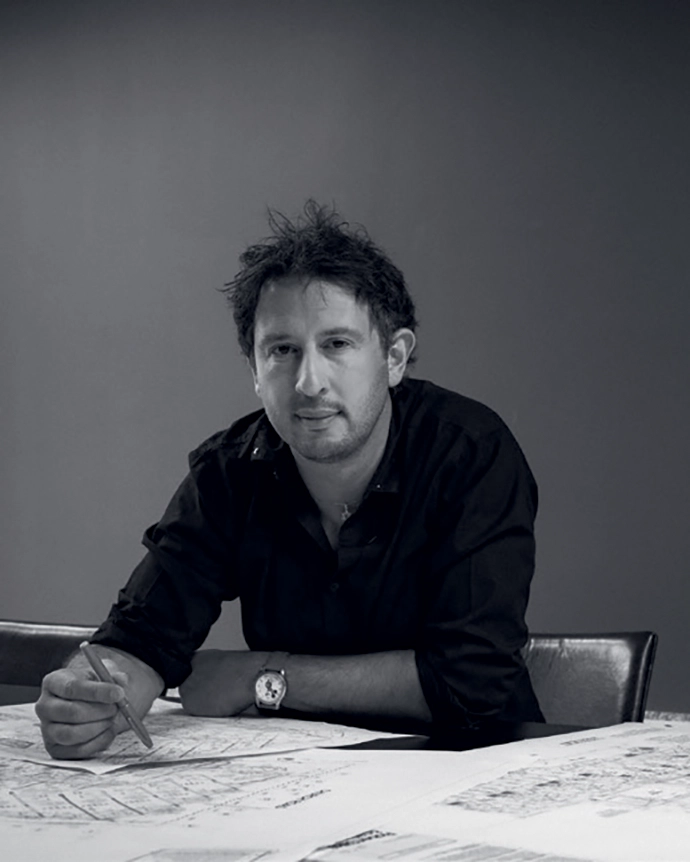
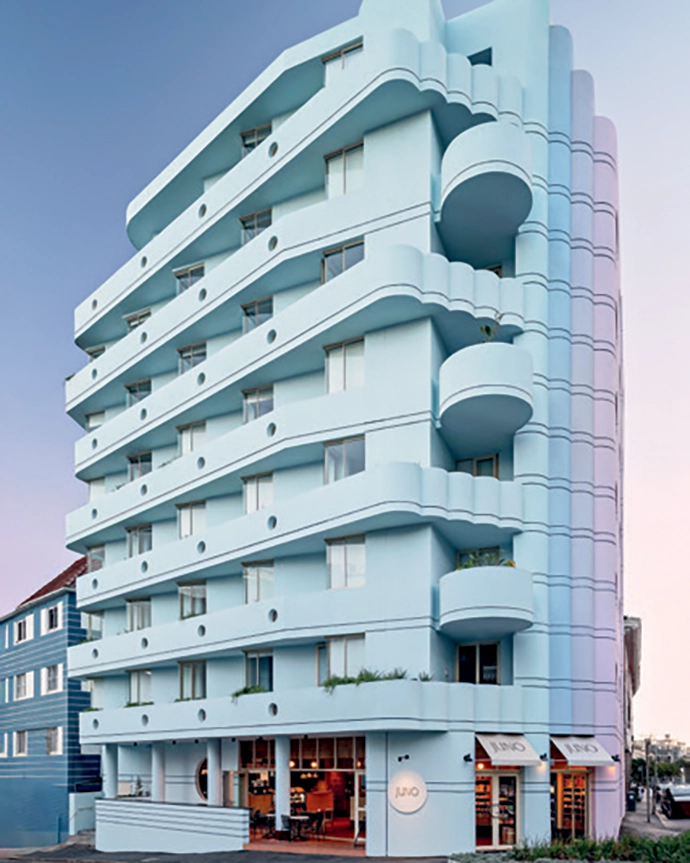
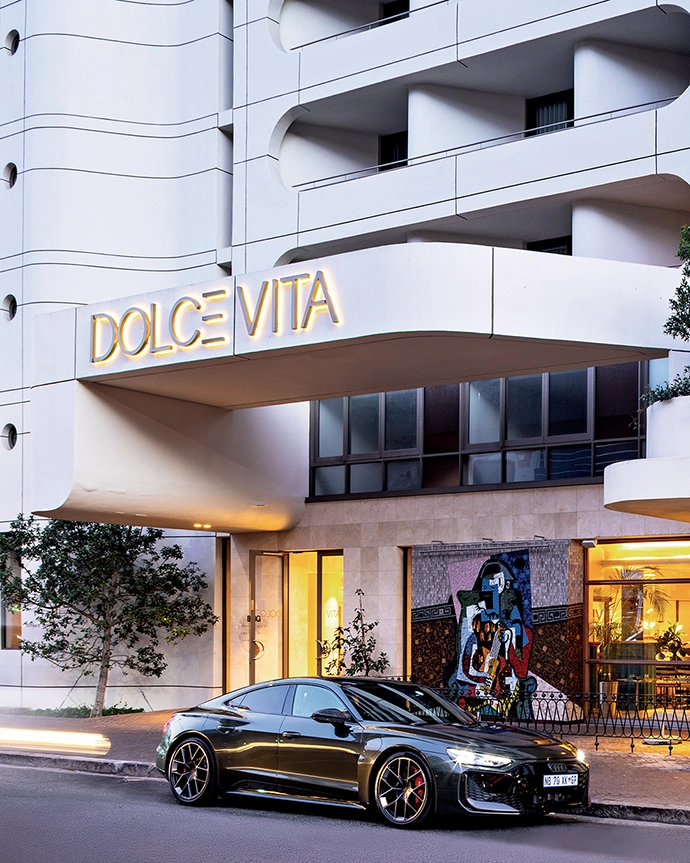
When most contemporary architects were creating boxy steel-and-glass hotels and apartment buildings, Robert Silke & Partners took an entirely different route. Reinterpreting Art Deco and Bauhaus aesthetics, Robert’s eye-catching designs introduced a slightly more nostalgic and welcoming approach that acknowledges and embraces Cape Town’s heritage buildings yet still looks contemporary. Such has been his influence that the city has seen a host of similar silhouettes slowly taking shape.
Architecture begins on paper but ultimately has to occupy a physical landscape. How do you translate an initial sketch or concept into a building without losing the emotion or intention behind it?
“Unless we’re painters or sculptors (which are fine arts), most creatives are in the discipline of applied arts. And that’s actually a euphemism for the commercial arts, which we don’t often like to admit. The only architects practising fine art (and thus decoupled from function) are perhaps the handful who are designing monuments and cathedrals. The rest of us are constantly grappling with the endless functional ‘threats’ to our initial ‘vision’ (the conceptual dream).
“To avoid that pain, I tend to make our first sketches that are mostly about leveraging the anatomically functional and commercial realities into something with excitement and potential. The art tends to follow closely, as I pass the ball to my partner Alex Geh, who then has to make something artful out of it. He’s our style committee. It’s a lot less painful and frustrating to get the business end out of the way before having the party.
“When we say that ‘form follows function’, it doesn’t mean that the form is less important, but that the form must always follow. Design is the pursuit of form. Designers can oft en forget this, and it can lead to a lot of personal pain and public ugliness.”
As beautiful as they can be, a sports car’s proportions, surfaces and aerodynamic forms are all required to serve a functional purpose. How important is the relationship between beauty and performance in your own architecture?
“A beautiful car must always perform – and performance is as much about sales as it is about speed and reliability. Some of our most adventurous buildings are apartment blocks, which is not a typology known for attracting high architecture. Apartment buildings are effectively commissioned by ‘public subscription’, which means that our buildings often need to be 70% sold-out before a decision is made to build them.
“In that respect, most apartment buildings are built for the lowest common denominator – the lowest form of design that tries to be as inoffensive as possible to the broadest pool of potential buyers. But where our studio has found some success is in introducing quirky, idiosyncratic design that developers have recognised can sell out faster – especially in a market that’s crowded.
“By checking the functional and commercial boxes first, we are often ‘let off the leash’ by our clients, and given the freedom to pursue the higher transcendental callings of the sublime and the beautiful. Despite some of the shocking new constructions out there, we’ve never met a developer who doesn’t want to make beautiful buildings.” robertsilke.com | @robertlaszlosilke
Oageng Manana, Furniture Designer
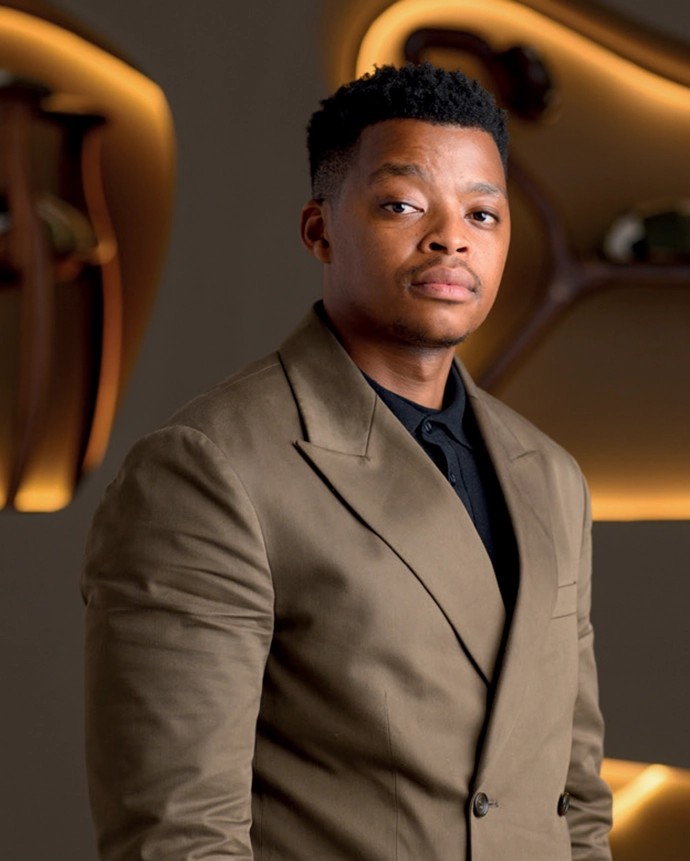
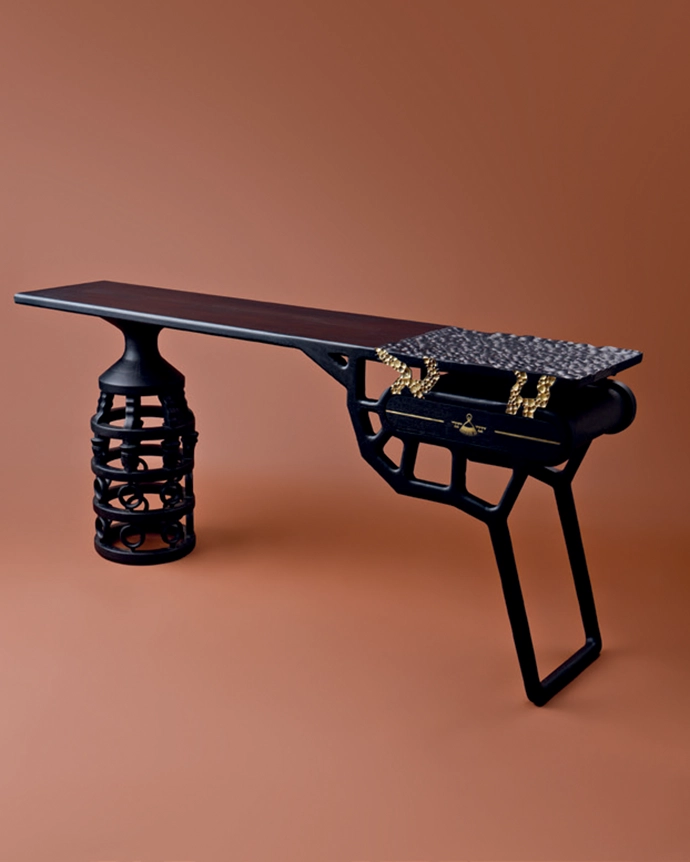
Featured last year as one of our Rising Stars, Oageng is the co-founder and designer behind Meetlo, a furniture studio that’s rooted in craft, materiality and contemporary African design. His approach combines sculptural forms with practical function, creating pieces that feel bold, resonant and focused on preserving South Africa’s heritage. Drawing inspiration from local landscapes, cultural references and traditional making techniques, Oageng ensures that each Meetlo design has a distinct sense of place.
Your furniture begins with an idea but ultimately has to work in the hands and homes of people. How do you move from an initial sketch to something that feels resolved?
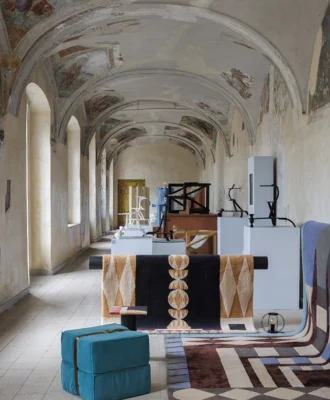
“For me, a piece like the Ya Badimo server begins with meaning before it begins with form. Ya Badimo means ‘for the ancestors’ in Setswana. The initial idea was to create a piece that acknowledges the enduring presence of those who came before us, and the belief that their wisdom continues to guide and protect us.
“From there, I begin sketching how that meaning could become something physical. With Ya Badimo, the ancestral figures could not simply be decorative; they needed to become the foundation that supports the console. I developed the proportions and construction through drawing, digital modelling, machining and physical testing. Each stage revealed something that could not be understood on screen alone – how the piece carries weight; how the components meet; how the silhouette feels at a human scale.
“A design begins to feel resolved when its story, structure and use no longer compete. The final object must hold its meaning, but it must also stand securely, function naturally and feel complete in the space it occupies.”
Furniture is experienced at a human scale. How do you use proportion, texture and material to give a Meetlo piece a particular character once it moves beyond the drawing board?
“Proportion determines how a person first experiences the console. Ya Badimo has a long, asymmetrical horizontal form, but its visual weight is grounded by the sculptural pedestal and the structural framework beneath it. Balancing those elements was essential – the piece needed to appear expressive and almost ceremonial without losing the stability and familiarity expected of furniture.
“Material and texture bring the story closer. The dark timber gives the console depth, permanence and gravity. The carved faces make the ancestral presence tangible, while the hammered surfaces retain the irregularity and energy of the hand. Brass introduces moments of warmth and illumination, drawing attention to the connections, inlay and symbolic details without overpowering the darker structure.
“Once the design leaves the drawing board, the material begins to speak back. Grain, weight, resistance and the behaviour of each joint tend to influence the final character. I allow those qualities to remain visible because they communicate that the object was not only designed; it was made.” meetlostudio.co.za | @meetlo_studios
George Gibbens, Industrial Designer
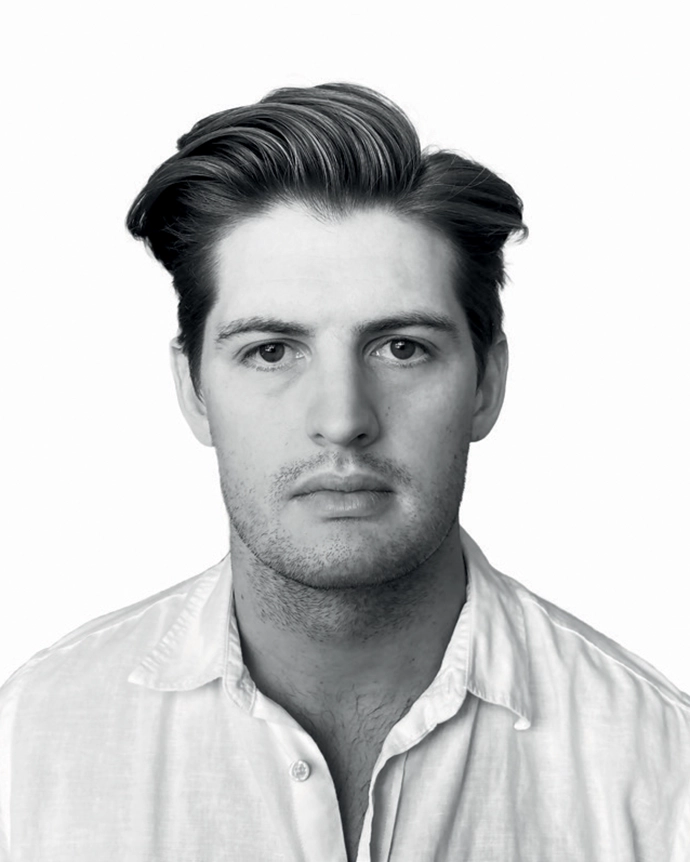
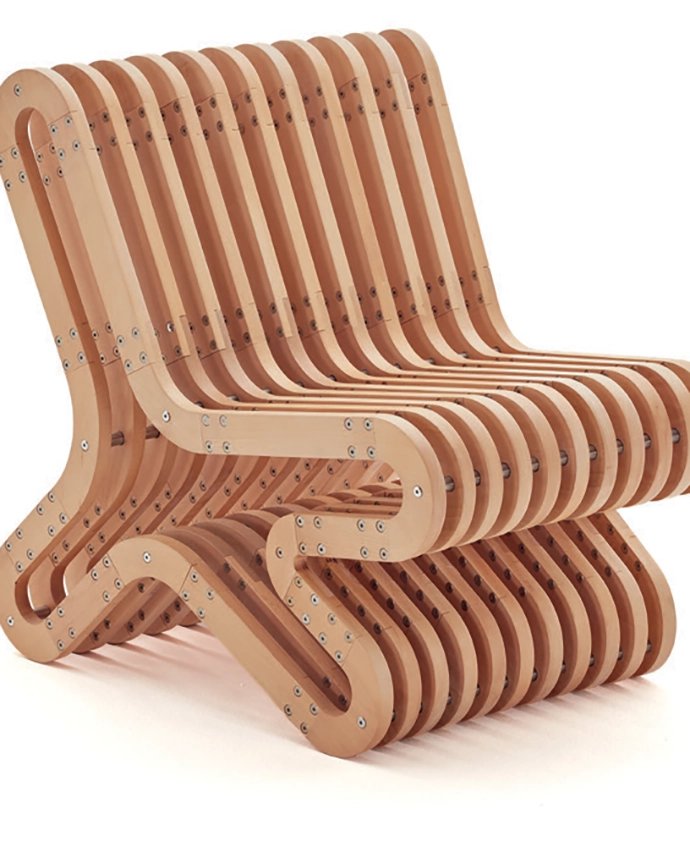
The Paris-based South African industrial designer’s work spans furniture, tech, mobility and advanced product development. His practice combines conceptual design with a hands-on understanding of engineering, prototyping and manufacturing, taking projects from early ideas to finished products. George is also the founder of Bionic, a design venture that creates considered functional objects for the workspace and everyday life.
Industrial design sits at the intersection of imagination, engineering and manufacturing. When you begin with a sketch, how do you protect the creative idea while allowing technical realities to improve the final object?
“For a designer, sketching is a surreal experience – but it’s probably the most efficient way I know to organise thought. When you’re sketching, your mind is running at a thousand miles an hour. Take something as simple as a cup. While drawing it, you’re probably simultaneously thinking about who will use it, what material it should be made from, how that material and manufacturing process will affect the surface and shape, how large or heavy it should be, how it feels in the hand, and what colour it should be.
“So from the first idea in your mind to the moment the finished object reaches someone’s hand, I don’t see the original concept as something that needs to be protected. I think of it more like a drop of hot wax falling from a candle. In that moment, it’s molten, moving and capable of taking on almost any form.
“The technical realities of engineering and manufacturing are not compromises to the idea. They are part of what gives it shape. And I would argue that the wax never completely hardens. Design is never really finished. Materials change, technologies improve, people’s needs evolve – and there is always another opportunity to make something better.”
High-performance sports cars are a good example of form following multiple functions – aerodynamics, performance, efficiency and ergonomics are all expressed through its exterior. How do you approach this balance between function and visual emotion in your own work?
“You are always wearing different hats. Aerodynamics, performance, efficiency, ergonomics and visual expression each deserve equal respect and consideration. If one begins to dominate at the expense of the others, the object can quickly become unbalanced. I don’t really see function and visual emotion as opposing forces. The best solutions tend to emerge when all of those requirements are considered together, side by side. Often, the technical constraints themselves can begin to shape the character of the object.
“Ultimately, the better you’re able to understand the person you’re designing for, the better you can judge that balance. You need to understand not only what they require from the product, but what they value, what attracts them to it and how they want to feel when they interact with it. Knowing the end user well is key.” georgegibbens.com | @georgegibbens
Jasper Eales, Product Designer
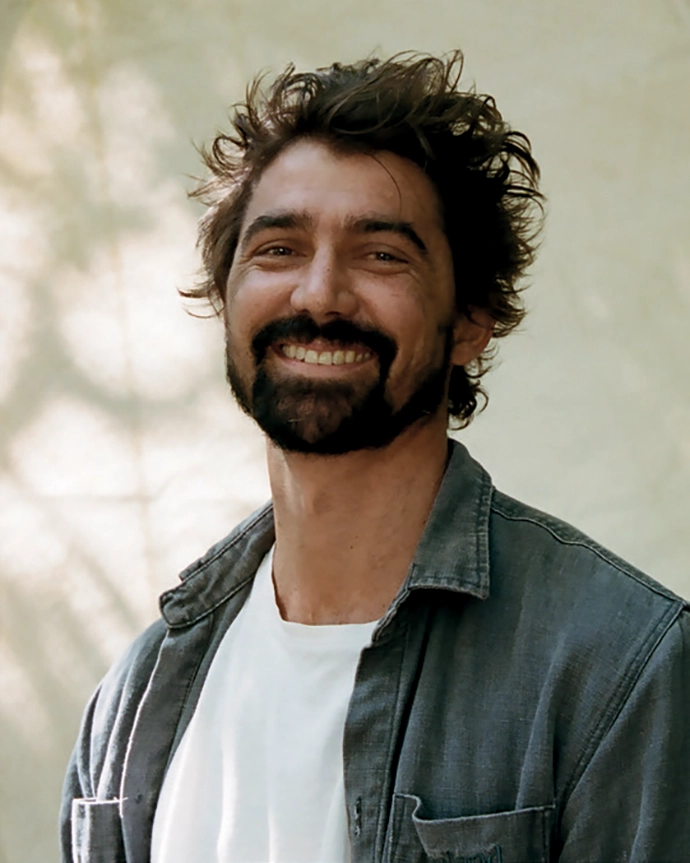
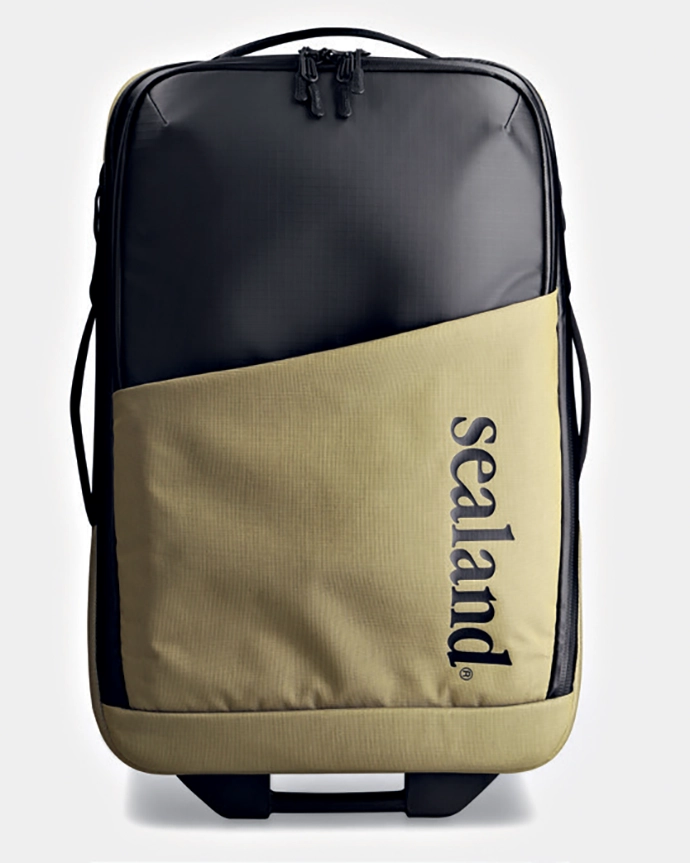
The co-founder of Sealand Gear, the influential brand that creates bags and apparel from discarded and reclaimed materials, follows a design approach that places sustainability at its core, prioritising longevity and smart functionality. With an aesthetic that blends utility and a contemporary eco-conscious edge, Jasper has championed circular thinking, proving that responsible production can be both practical and desirable.
Sealand is built around transforming discarded materials into functional products. How does the material itself influence the journey from your initial design concept to the finished object?
“The material has been a core influence of a Sealand product since our business was established. Initially, the entire aesthetic as well as various design decisions were influenced by the upcycled material on the inside and outside of the bag, because each bag was completely unique. Over time, we developed fabrics and hardware of our own to process discarded materials into better design-driven components, resulting in finished objects that maintain our values while also allowing for better functionality and longevity.
At Sealand, sustainability and performance aren’t treated as a compromise, but as a driver of design. How does this philosophy shape the products you create?
“Sustainability is a foundational value of Sealand; without it, we would not be Sealand. I believe a more accurate description would be functional gear, rather than performance gear. A non-negotiable core principle of ours has always been ‘design-driven’, in all the creative work we do. We believe in form following function, which results in a product that will perform.”
Your bags have to perform in the real world: they’re handled, carried, packed, subjected to wear. How does designing for real-world use change the way you approach form and aesthetics?
“’Form following function’ is how we approach the design development of our gear. This is critical to enable the long-term performance our product is built and known for. We begin with the function we’d like a product to achieve, and move onto the design of its form. Materials and hardware are considered and integrated very early in this process, as they play a vital role in the way the product will perform as well as last. The aesthetic evolves and becomes more focal as the product’s functionality is solidified. We believe this way of thinking enables us to build the best products possible.” sealandgear.com | @sealandgear
The Audi RS e-tron GT performance: A Design Guide
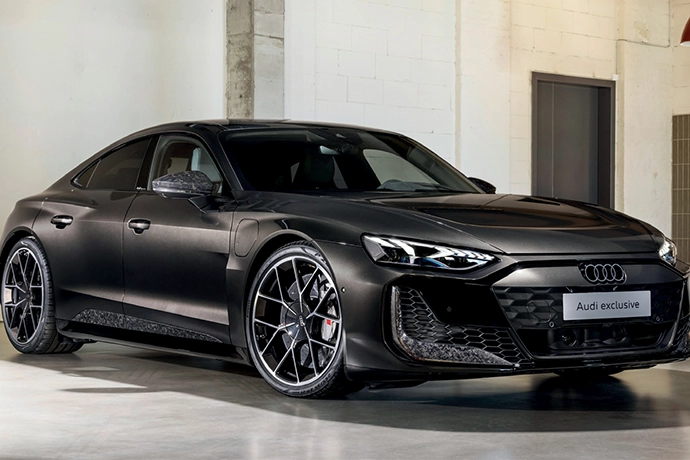
Exterior: Low, wide and purposeful, the RS e-tron GT performance has a sculptural presence with its long wheelbase, low roofline and taut proportions. It has the unmistakable stance of a svelte Gran Turismo, with sculpted surfaces and pronounced sills that emphasise its athletic character.
At the front, the RS-specific inverted Singleframe grille with its three-dimensional honeycomb structure establishes a distinctive graphic identity, while carefully integrated air curtains ensure optimised airflow around the front wheels and demonstrate how performance can be embedded within form. At the rear, a sculpted diffuser and vertical aero detailing continue this dialogue between function and visual drama.
Exclusive details further distinguish the performance model, including its RS-specific 21-inch wheels and optional matte carbon camouflage finish, each component revealing the craftsmanship and precision beneath the surface.
Interior: Inside, the emphasis shifts from sculpture to experience. A low driving position, a driver-focused cockpit and a flat-bottomed steering wheel establish a sense of performance, while carefully considered materials bring warmth and tactility to the cabin. Sport Seats Pro, Dinamica microfi bre, carbon-inspired surfaces and contrasting stitching create an interior where every detail feels deliberate. Rather than decoration for its own sake, materials, textures and colour work together as part of a cohesive design language.
And this is where the RS e-tron GT performance connects with the creative disciplines explored in this feature. Whether designing a building, furniture or an industrial object, the journey is similar – an idea becomes a sketch, the sketch becomes form, and through countless decisions and refinements, form ultimately becomes sculpture. audi.co.za | @audisouthafrica