-

Grounded Beauty from Brazil -

Grounded Beauty from Brazil
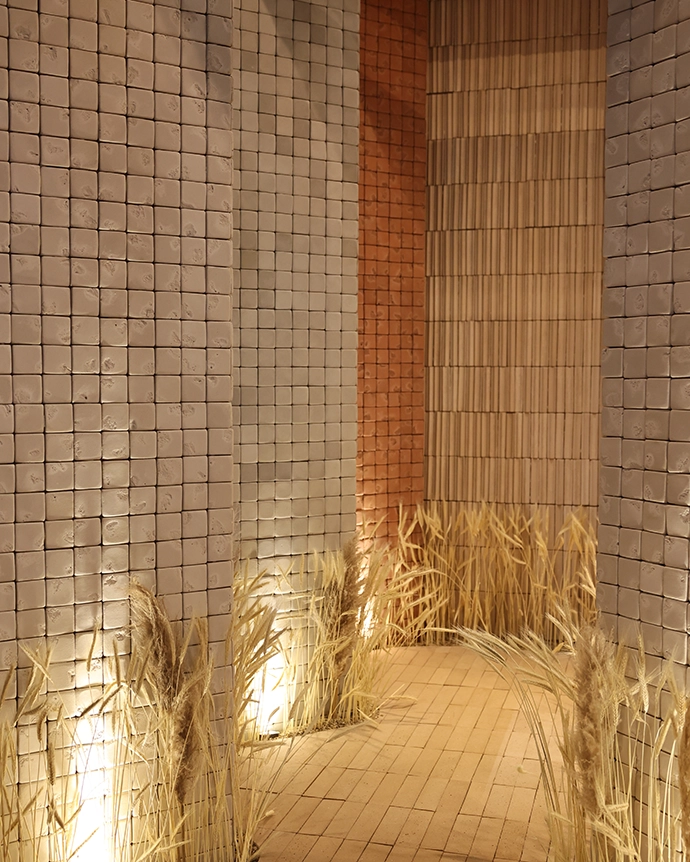
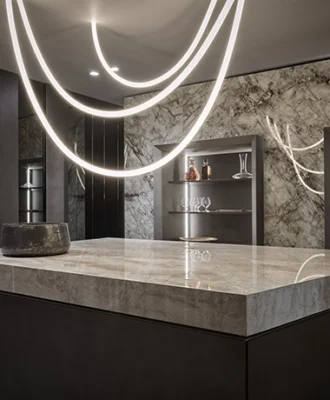
From earthy textures to nature-inspired tones and patterns, a return to the natural world defined this year’s surface trends at Expo Revestir 2026.
WORDS Gina Dionisio PHOTOS Supplied
Brazil is known for samba, caipirinhas and football, but its thriving contemporary art, design and architecture scene makes it a creative destination worth adding to your bucket list.
The country holds a special place in my heart. I spent a lot of time in Rio de Janeiro as a child, and one of my fondest memories is walking along Copacabana with my father, mesmerised by the black-and-white tiles underfoot as we made our way to the beach. I was fascinated by those tiles then and, 30 years later, nothing has changed. Brazilian surface design is among the best in the world, and there’s no better place to discover the latest styles than Expo Revestir.
For those who are unfamiliar, Expo Revestir is the largest trade fair for tiles, surfaces and sanitary ware in South America. Held annually in São Paulo, the event showcases the latest trends and eco-conscious innovations from leading Brazilian brands.
While I didn’t jet off to this year’s expo, I paid close attention to the surfaces unveiled. Throughout the five-day event, I noticed one major recurring theme: a return to nature. From earthy textures and colours to patterns and materiality, here are five standout launches that placed nature front and centre.
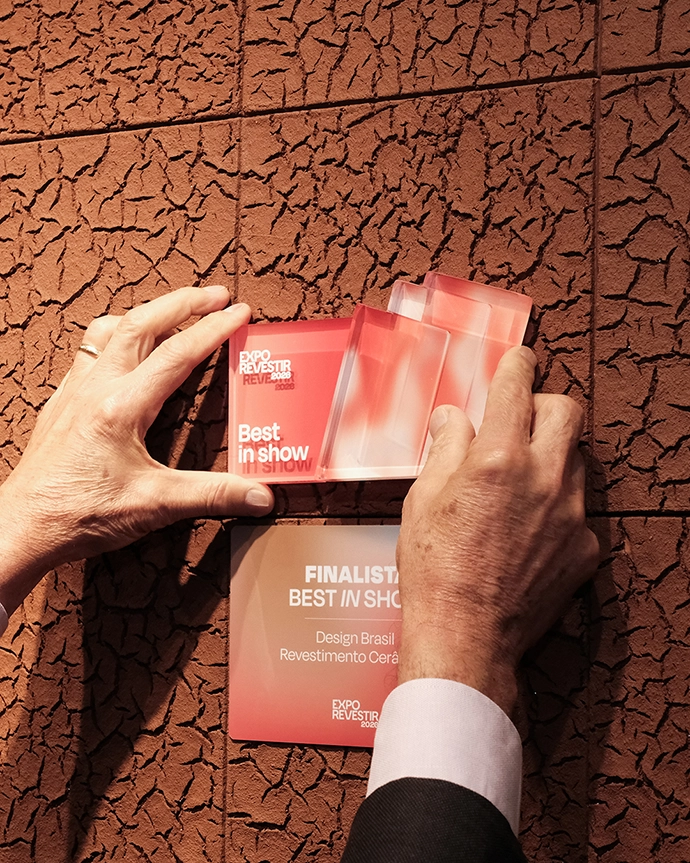
Perhaps the best example of this natural focus came from Studio Morandin. The brand’s new Pau a Pique line, which won the ‘Best Ceramic Design Brazil’ award at the show, captures the essence of the natural world with its loamy tile design. The idea for Pau a Pique came to director Antônio Carlos Carvalho as he walked through the company’s yard. Seeing cracked clay on the ground, he sought to reproduce its nuanced texture.
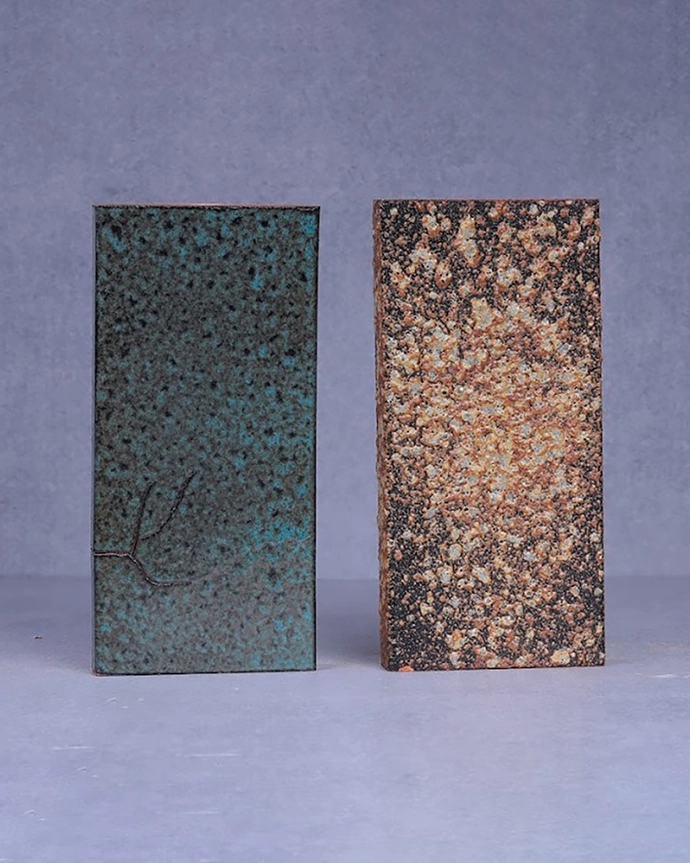
Similarly, at Manufatti Revestimentos, the Cariri and Laguna ceramics – developed in collaboration with São Paulo-based architectural designer Marilia Pellegrini – draw their inspiration from Brazil’s extreme landscapes. ‘Cariri’ evokes the arid landscape of Brazil’s north-east, while ‘Laguna’, a city in Santa Catarina, recalls the serene coastal atmosphere of the south.
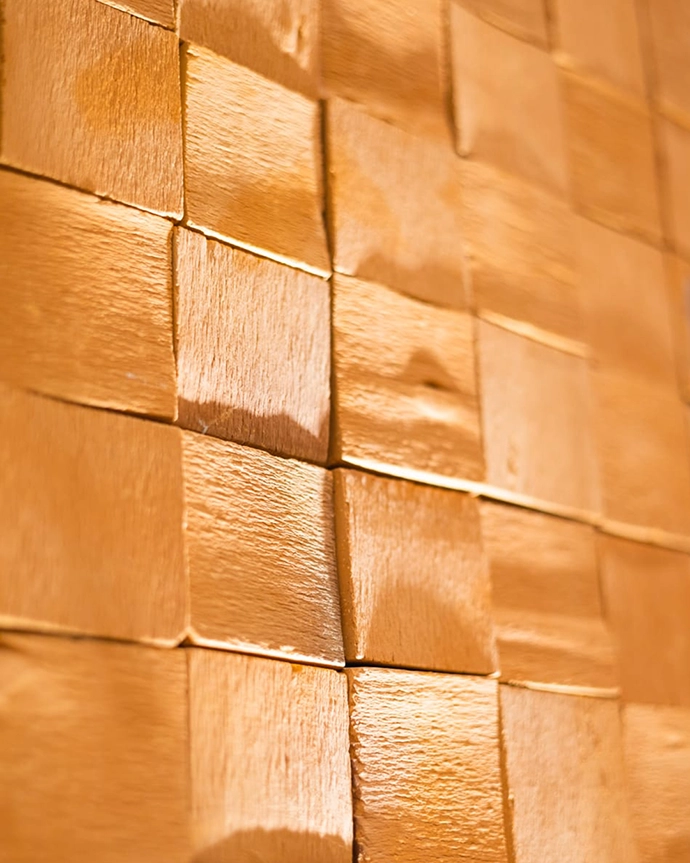
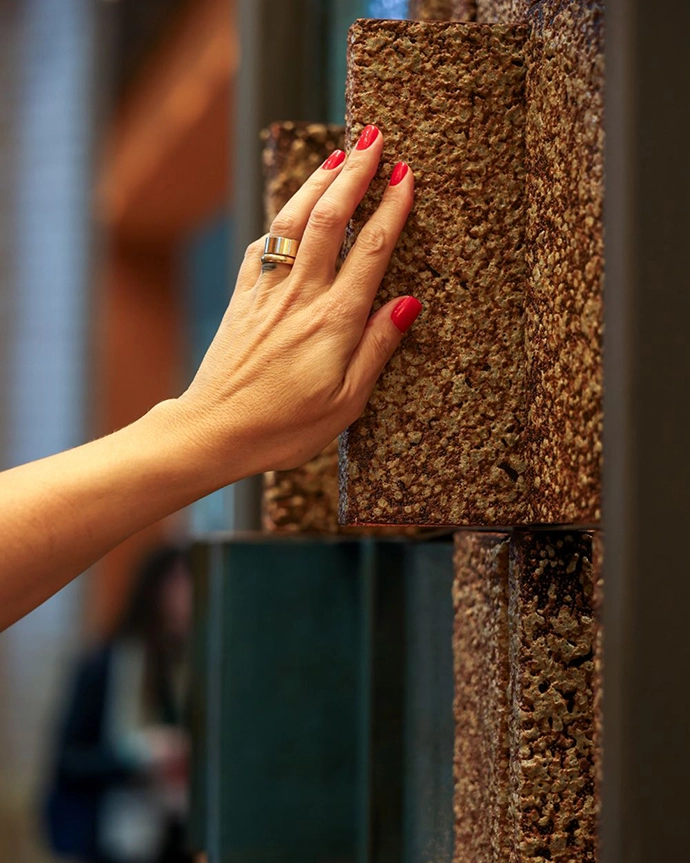
Nina Martinelli, a brand known for its handcrafted ceramic surfaces, cobogós and material-driven aesthetics, debuted its Brasiliano tile. Part of the CICLOS Collection, the tile is characterised by its uneven, hand-hewn, organic texture. Here, natural clay takes on a living texture, striking a balance between raw and refined.
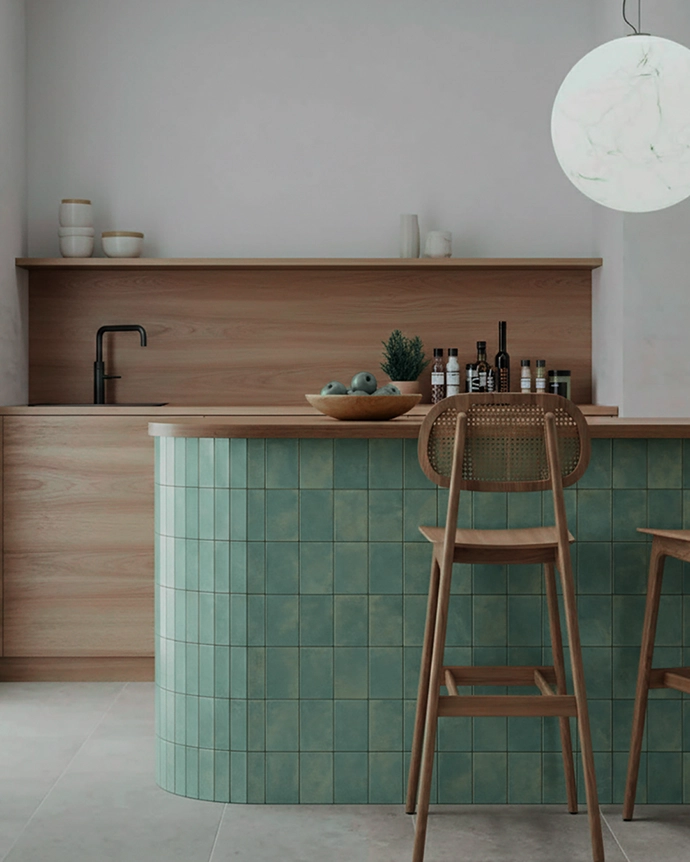
At LEPRI Ceramiche, eco-based materials and sustainability took centre stage. The brand highlighted its Bio Colore tile range, made in limited batches with a special biological glaze, created by LepriLab using wood-fired kiln ash and recycled glass. There are three soft hues in LEPRI Ceramiche’s Bio Colore collection – cremma, pistacchio (pictured above), and cielo.
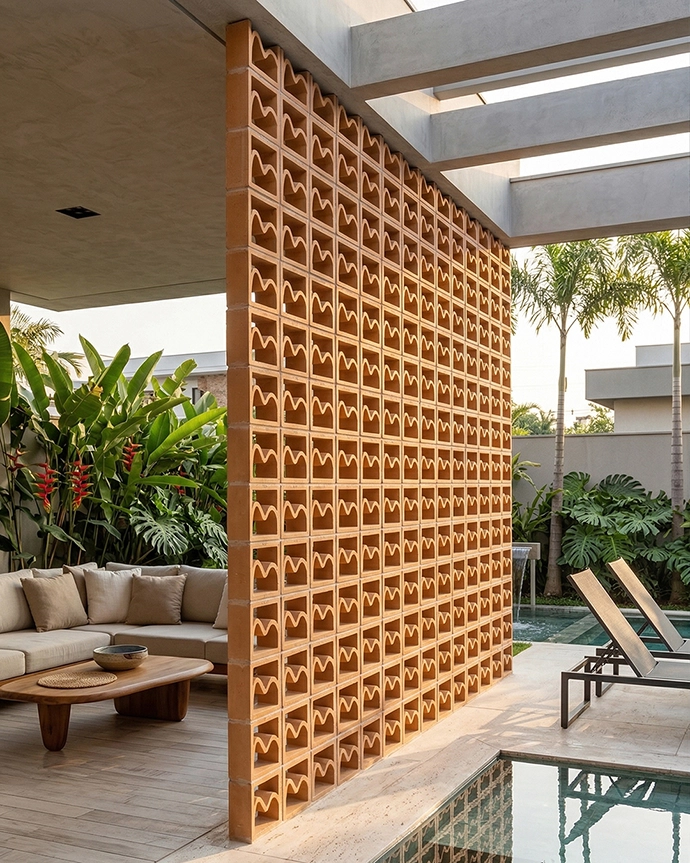

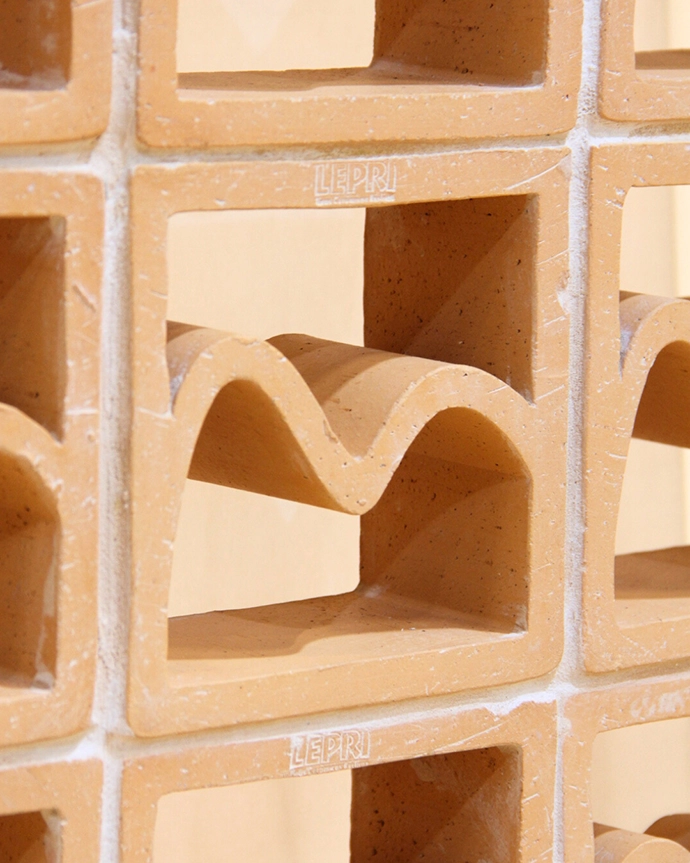
While brands like Manufatti Revestimentos and Nina Martinelli both debuted new cobogó lines, it was LEPRI Ceramiche’s Cobogó Urca that stole the show with its nod to nature. Directly inspired by the form of Morro da Urca in Rio de Janeiro (the hill at the base of Sugarloaf Mountain), the breeze block reinterprets the traditional cobogó through a contemporary lens. | en.exporevestir.com.br
Don’t forget to sign up to our weekly newsletter for the latest architecture and design news.