-

Daleen Stewart on the Vintage Furniture Hyrox programme. -
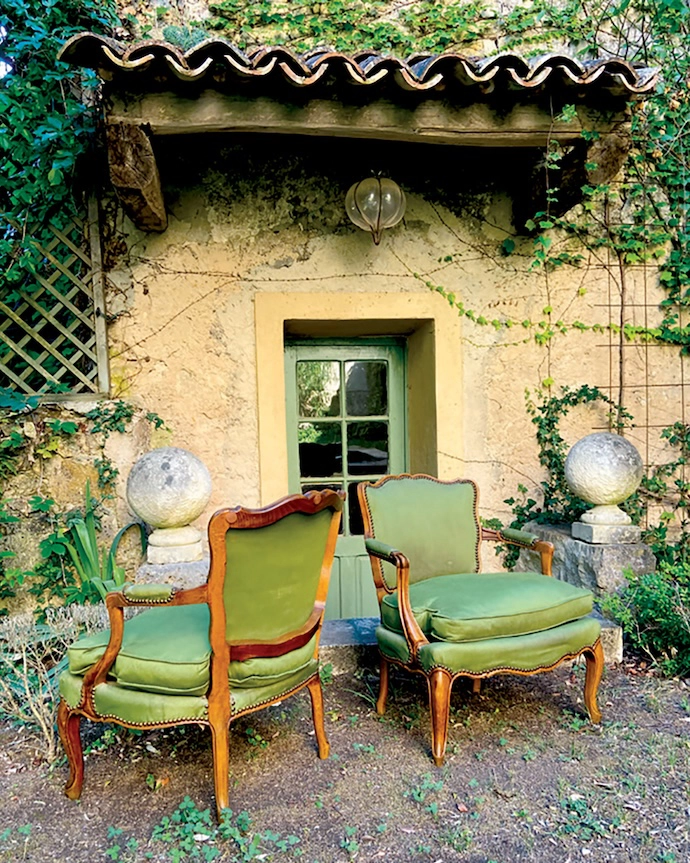
Shooting for Insta in Charlotte Collins’s Entrecasteaux garden. -
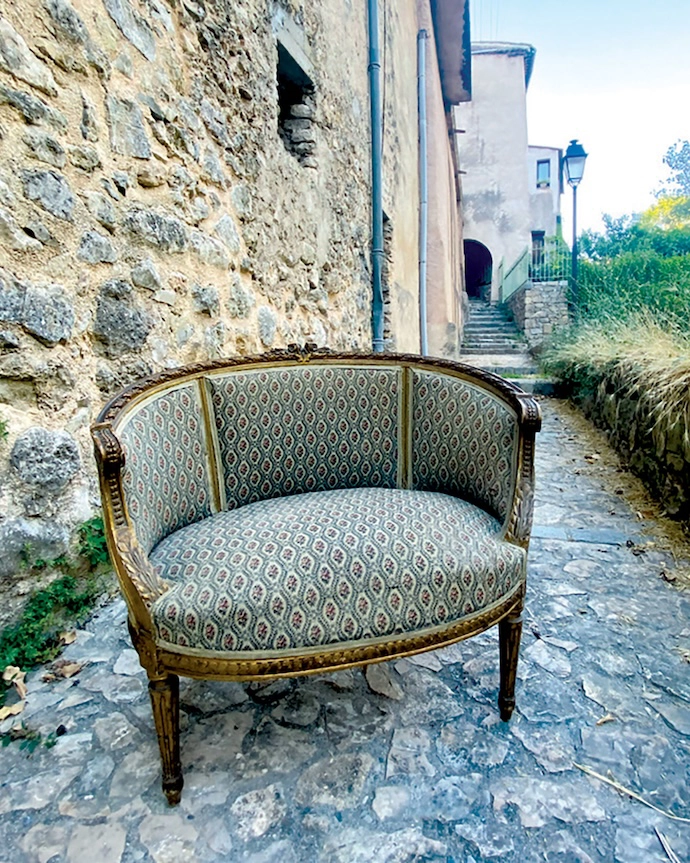
18th-century Louis XVI boudoir chair. -

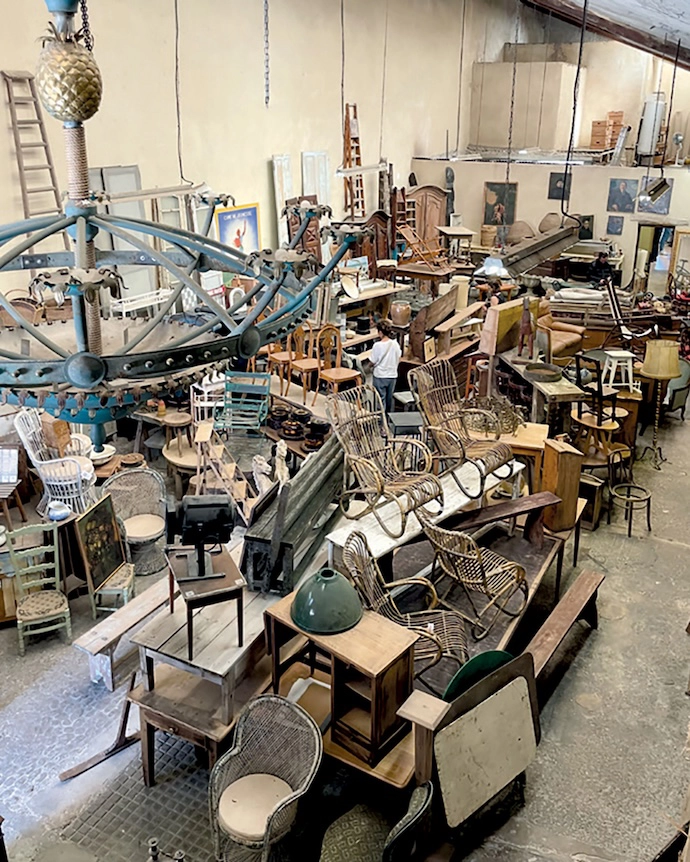
One of the three floors at a shop called Avignon Antiques. -
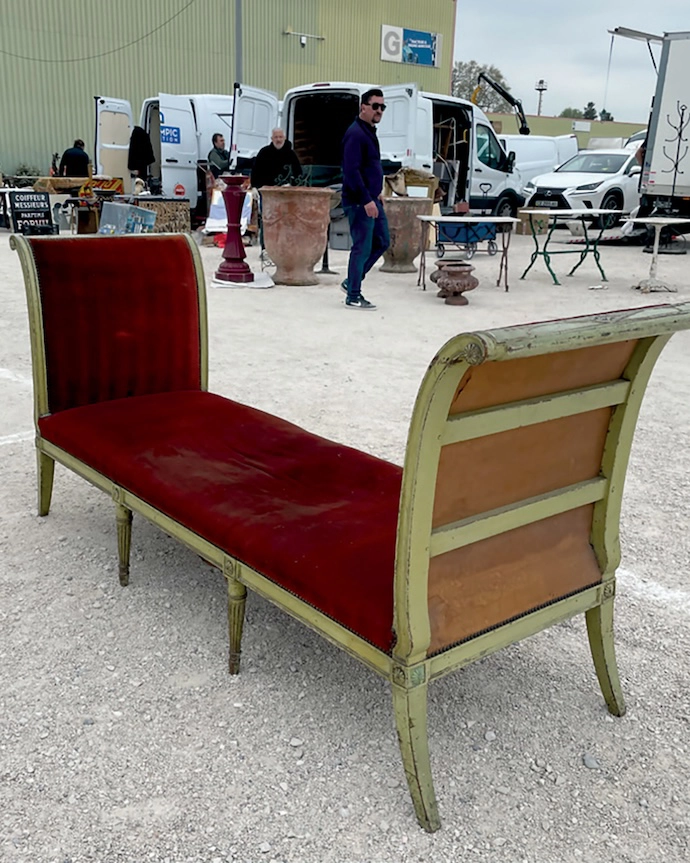
Daybed bought in Montpellier. -
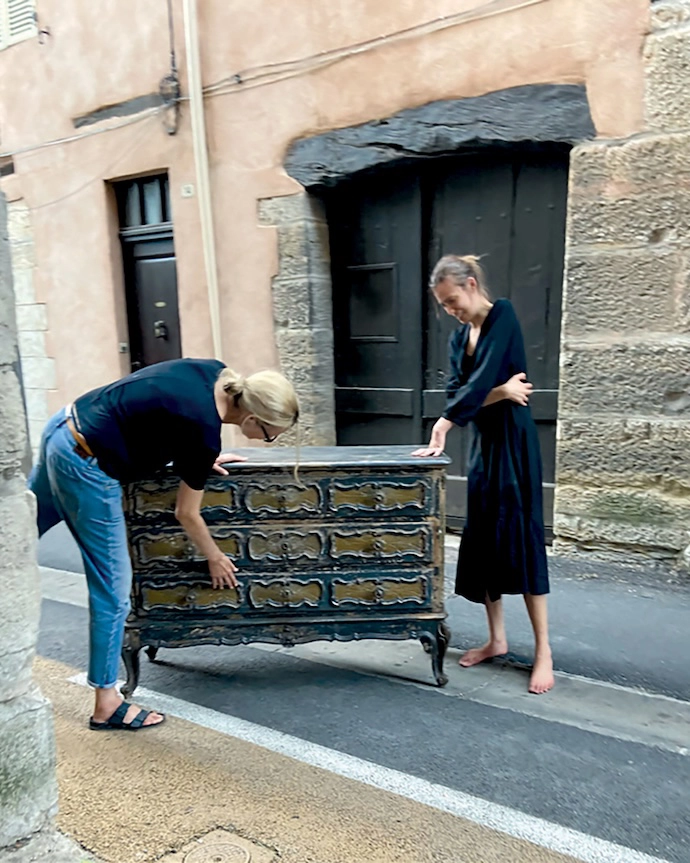
Charlotte and daughter Willow with an Italian commode c.1890. -
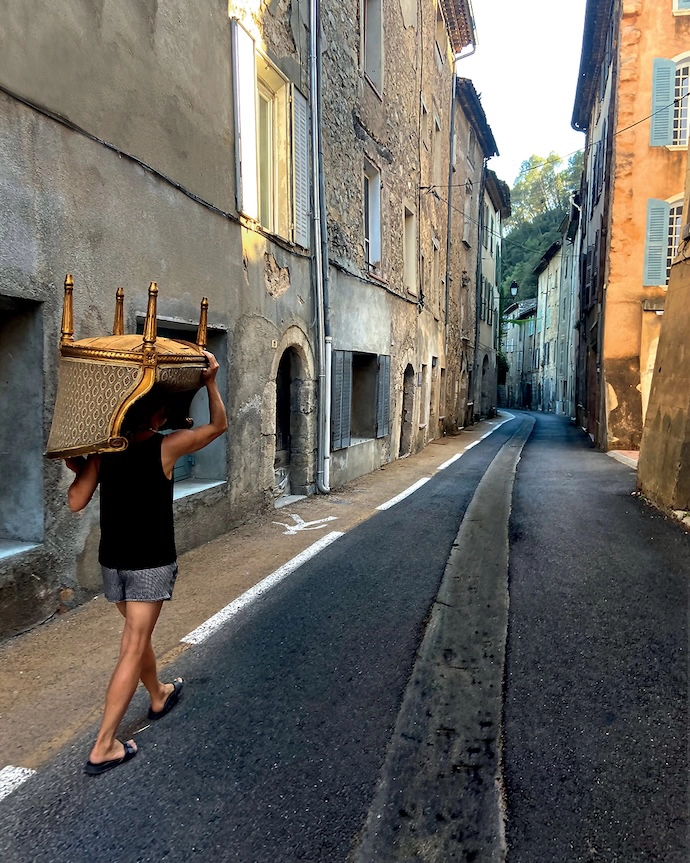
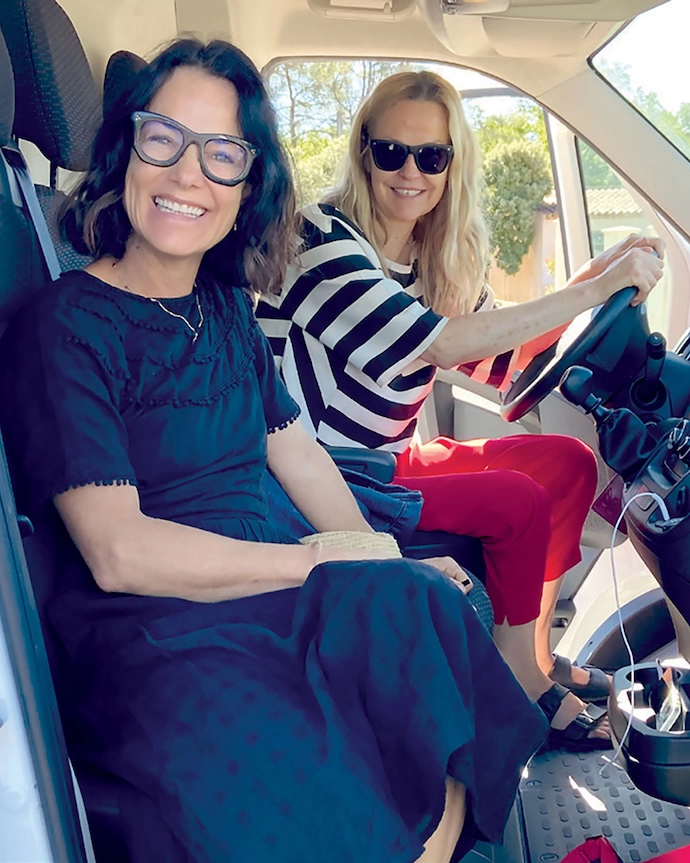
Daleen (front) and Charlotte in The Van. -
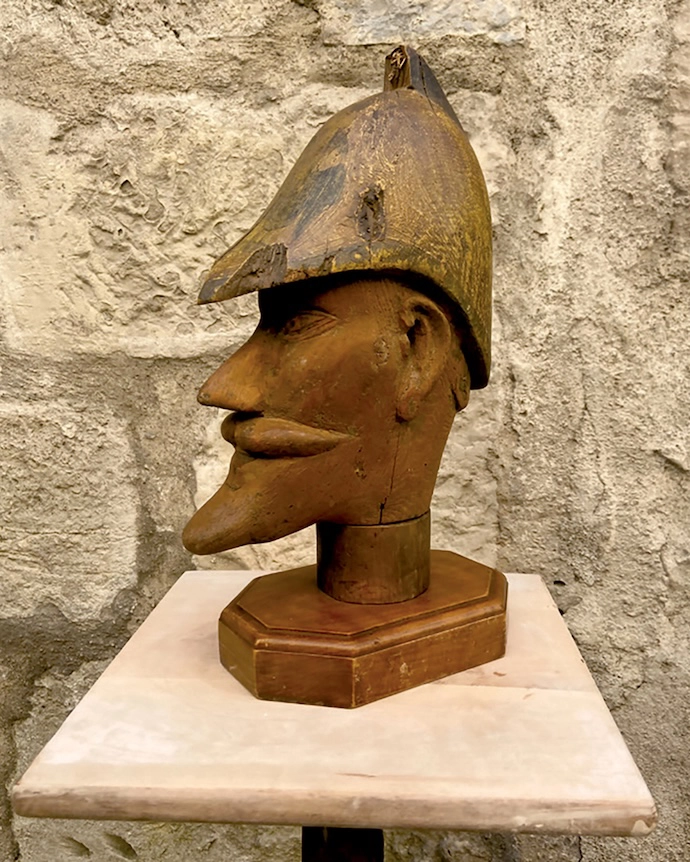
Carved bust of Livingstone bought in Avignon. -
A Florentine museum cabinet bought in Béziers – “Most expensive thing we ever purchased!” -
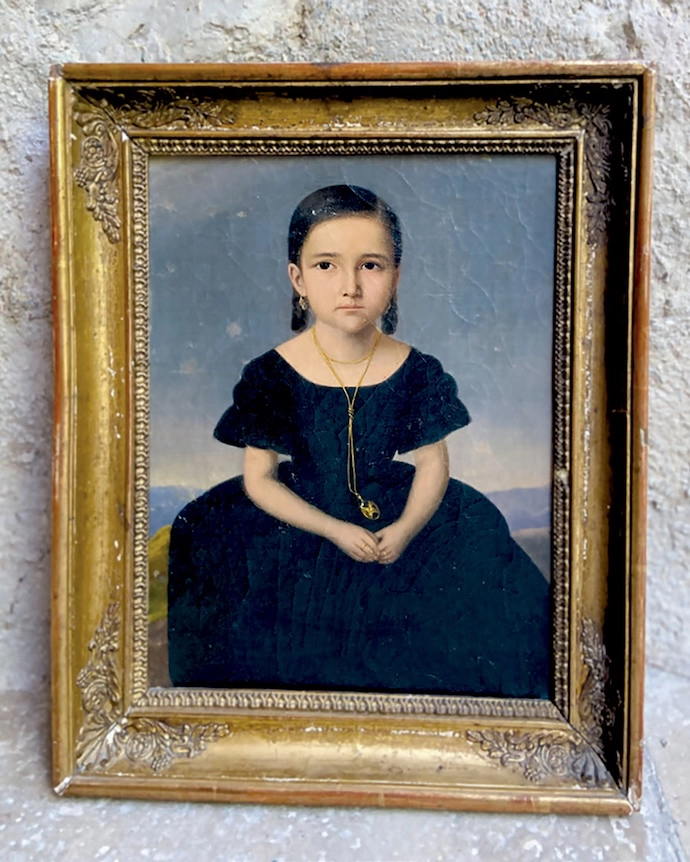
Oil painting acquired in L’Isle-sur-la-Sorgue. -
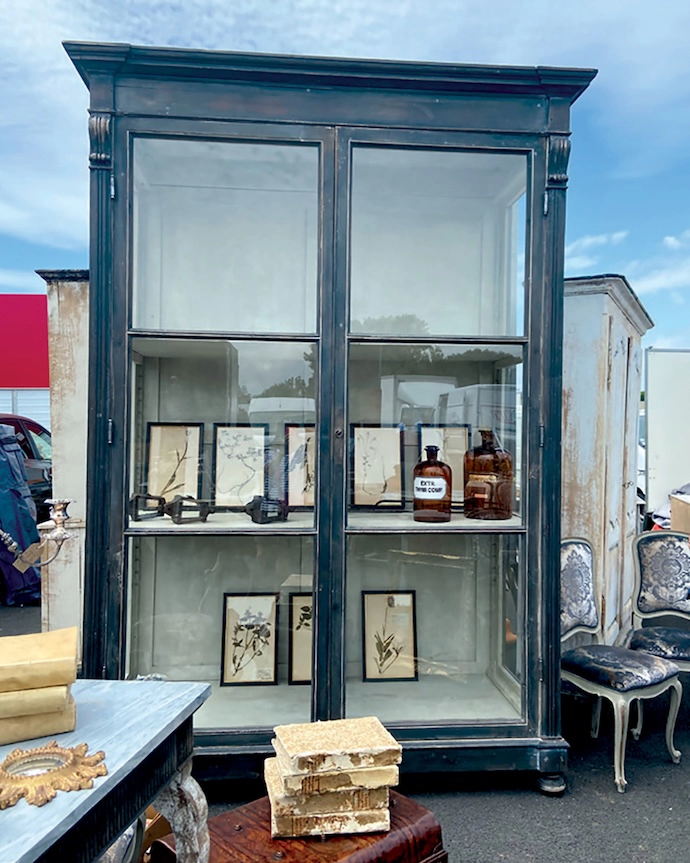
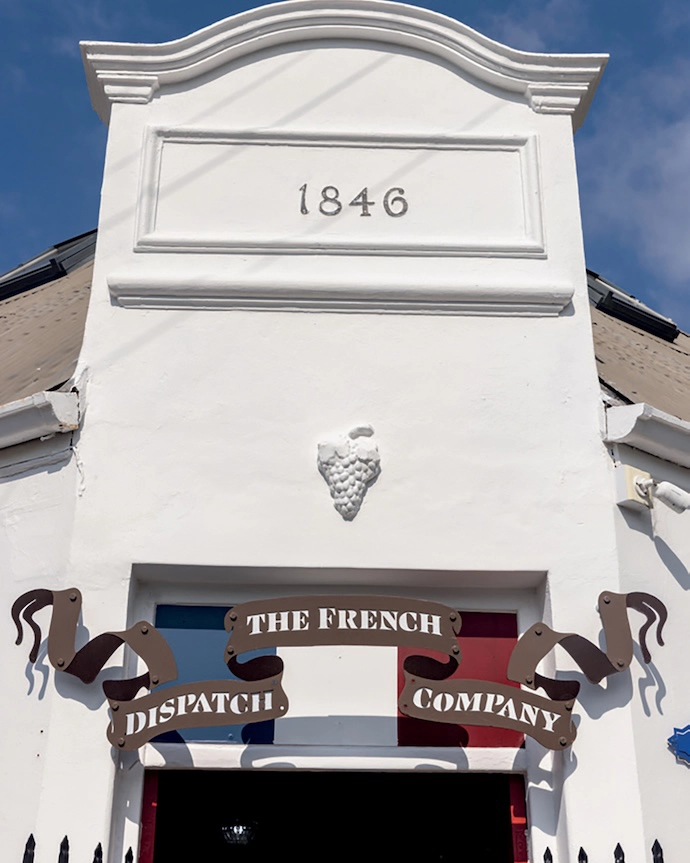
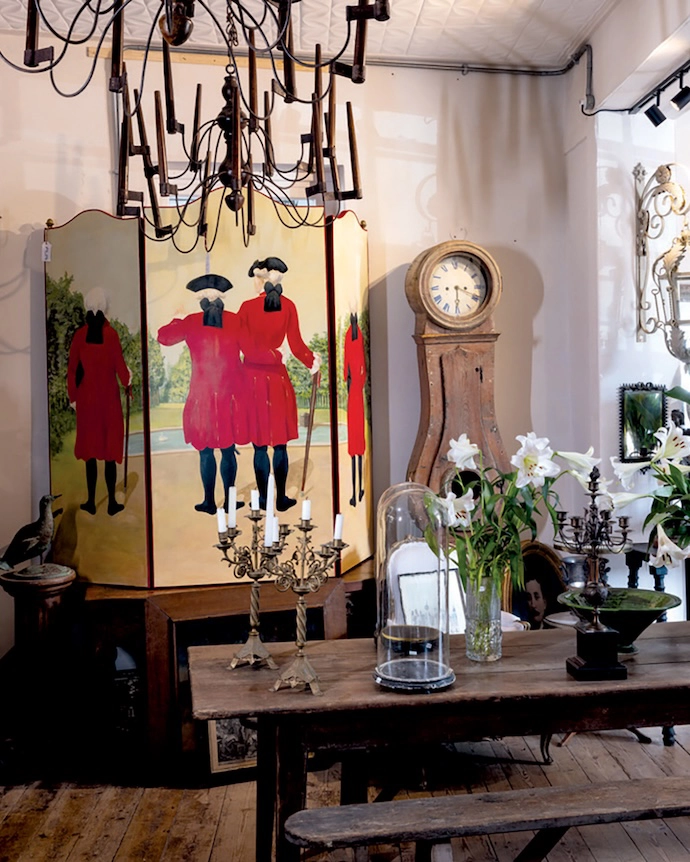
All purchases safely back and on display at The French Dispatch Company shop in Chelsea Village, Cape Town. -
All purchases safely back and on display at The French Dispatch Company shop in Chelsea Village, Cape Town. -
All purchases safely back and on display at The French Dispatch Company shop in Chelsea Village, Cape Town.
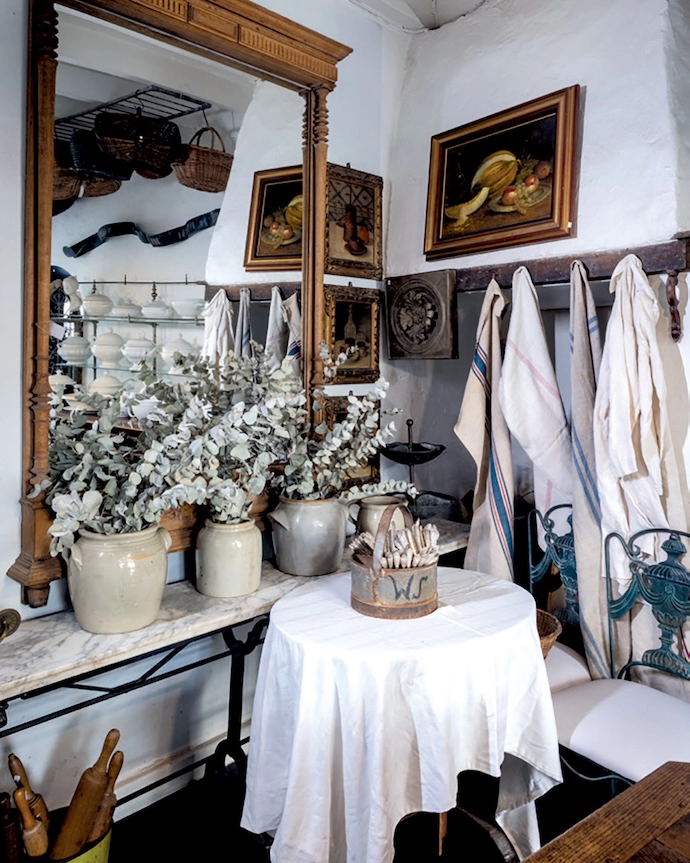
Daleen Stewart, co-founder of Cape Town’s treasure trove of French antiques The French Dispatch Company, explains how she and her partner Charlotte Collins source their wares on road trips through Provence.
AS TOLD TO Steve Smith PHOTOS Jan Ras; Supplied
“The French Dispatch Company started as a bit of an experiment. My business partner and friend Charlotte lives in France, in a village called Entrecasteaux, and the idea was that she’d source antiques from the many flea markets or brocante around Provence and ship them to me, and I’d sell them here. Which is what we did. Of course, we had no idea what we were doing when it came to things such as customs, import duty and timelines. But ignorance was bliss – we got away with murder. And that was the start of our shop.
“After that first container landed, we weren’t dabbling any more; we were hooked. So when Charlotte phoned me and said there was a three-day antique trade fair coming up in the south of France, it sounded very important – and a lot of fun. I jumped on the plane to go source proper antiques with my new partner for our new shop… and we blew big money.
“The plan was to road-trip to this trade circuit in Béziers, Avignon and Montpellier. It’s a trade-only event for antique dealers, interior designers and industry buyers. We rented the biggest van we could find, convinced we were about to make our fortune. Charlotte volunteered to drive, but that didn’t last long. It was her first time behind the wheel of something of that size; let’s just say the combination of a giant van and tiny rural French roads was less than ideal. Every time we faced a narrow bridge or an oncoming car, it felt like a choice between a head-on collision or tumbling into a stream or ditch below. I couldn’t handle it; I was convinced I’d do a far better job of driving. But I was so, so bad – worse than she was. Terrible driving all round. We put so many scrapes on that poor van. I’d heard you can polish them out with toothpaste if they’re not too deep, so we tried that to avoid losing our deposit. Works quite well, actually…
“Our schedule was a military operation. We had just three days to take in three markets. They officially open at 9am, but if you want decent parking, you have to be there at least two hours prior. Parking isn’t just about convenience, it’s about survival. Every single thing you buy has to be carried back to your car or van – so the closer you park, the faster you operate, and the less you break your back. After a full day’s buying frenzy, we’d pile our fortune into the van and go off to the next market. And aft er the fi nal one in Avignon, we had an eight-hour drive back home. It was a brutal schedule, and exhausting – but very cost-effective. Madness.
“As it was our first trip together, we had no idea how to pace ourselves. Everything was new and super-exciting and then we’d get each other even more excited, so nobody was saying no to anything… We basically blew our entire budget on the first day, and filled more than half the van. So I had to, erm, phone home and get somebody to send us more money, and then repack the van to make more space. Remember – it was just us girls, with heavy bloody furniture, and nobody to help us. So that was quite a vibe.
“Of course, we learnt absolutely nothing from that. On day two at Béziers, we spent all the money that had been sent to us from South Africa. I think we had about 50 euro left between us… and there was absolutely no space in the truck. On the final day, when we got to Avignon, all we could do was look around – and it turned out to be the best of the three markets. After that, my travelling went virtual for a while, and Charlotte became the one on the ground, trawling the markets with her phone in hand while I tagged along via WhatsApp video call.
“My second physical trip was in the first week of April this year. I had been skiing in Val d’Isère with my family; when they flew home, I caught three buses and two trains to meet Charlotte at Béziers. She couldn’t pick me up at the train station because someone had already helped her park the van at the hotel and she didn’t want to have to do it all over again. A taxi felt like a bargain compared to the trauma of watching her squeeze that beast into a hotel parking bay.
“We had dinner and went through our shopping game plan. You really do have to get the balance right, and by now we had a bit of experience in what sells and what doesn’t. Expensive items are tricky – they linger longer – but those are exactly the ones Charlotte can’t resist. She’s always said she’d not eat for a month if it meant she’d able to afford the perfect piece. I personally like to eat; besides, I’m the one who has to sell the stuff .
“To be fair, Charlotte has quite the extraordinary eye. Even when I’ve doubted her choices – sometimes to the extent that I’ve hesitated to put them in the shop – those very pieces were the ones customers fell in love with and came back for. All our stock is vintage. You quickly learn to tell the difference between a reproduction and the real thing. We hunt for 19th-century pieces, and early 1900s – unless something is cute or quirky, then we bend the rules.
“Anyway, back to this trip. We managed not to scrape the van, we scored excellent parking, and we were in the queue by 6.30am. It was deep winter in Europe, so we hauled out the cheap fluffy blankets from the van just to survive the freezing wait. When they opened the gate at 8am, it was a proper bun fight. This is not like normal market shopping, where you have time to walk around and ponder and, you know, maybe come back. No. Here people run in and, because it’s always the same faces trading, you know exactly who the good dealers are. You go straight to them before anyone else, because they only have so much stuff. There’s no time to think; you just have to buy things based on the way they look. It’s such a bloody rush. People go mad. You can’t even wait for the traders to unpack all their items… You literally rummage around in their vans. It really is very competitive.
“It’s not easy for two South African women to elbow their way through all of this and to know what to buy – but you learn. Charlotte loves saying to me, ‘Don’t you negotiate the price. I’ll do it in French.’ She starts speaking French – and then they respond in English. It’s so funny. There’s some room to negotiate, but not much. The pieces are expensive, and the prevalent attitude is, ‘If you don’t want it, that’s fine – someone else will.’ After a while, you know exactly what you can push for. If they want 300 euro and you offer 200, they will tell you to eff off . The French enjoy getting a bit angry.
“A few hours later, it’s pretty much over. By lunch time, things get quiet because everyone knows that if you haven’t found it by now, you probably won’t. Except for me – I can find anything in a mess. It’s one of my superpowers.
“At the end of the day, you drag your furniture back to the van, unpack the van, repack the van, shuffle and reshuffle, until it all fits. And you fit. Then you drive home for eight hours, park the van, unpack the bloody van all over again, drag everything into storage (a four-hour aff air)… and the whirlwind travel diary gets closed.
“This is my cue to wave goodbye and fly back to Cape Town. The container will arrive at Charlotte’s place, she will very carefully pack everything into it, it’ll get loaded onto a ship to Cape Town, and eventually get deposited in the street next to our little shop in Chelsea Village.
“I then cut the seal… and it’s like the start of Christmas. It’s very exciting!” |
@thefrenchdispatchcompany
Don’t forget to sign up to our weekly newsletter for the latest architecture and design news.