-

24 hours in Pretoria : House Jooste -
24 hours in Pretoria : House Jooste -
24 hours in Pretoria : House Jooste -
24 hours in Pretoria : House Jooste -
24 hours in Pretoria : House Jooste -
24 hours in Pretoria : Freedom Park -
24 hours in Pretoria : Freedom Park -

24 hours in Pretoria : Freedom Park -
24 hours in Pretoria : Freedom Park -
24 hours in Pretoria : Freedom Park -
24 hours in Pretoria : Freedom Park -
24 hours in Pretoria : Café Riche -
24 hours in Pretoria : Stables and studio -
24 hours in Pretoria : House van Wouw -
24 hours in Pretoria : House van Wouw

PHOTOS: David Ross | PRODUCTION: Klara van Wyngaarden | WORDS: Alma Viviers
Pretoria’s cultural, historical and climatic conditions have resulted in unique architectural expressions.
These five buildings, chosen by the University of Pretoria’s Professor ‘Ora Joubert, document responses to these conditions over the past century.
House Jooste – 1967
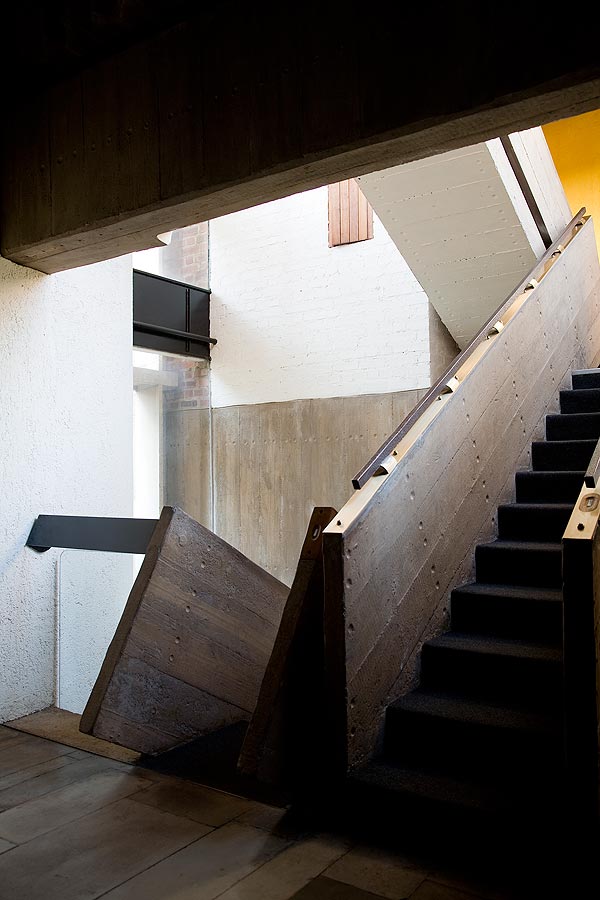
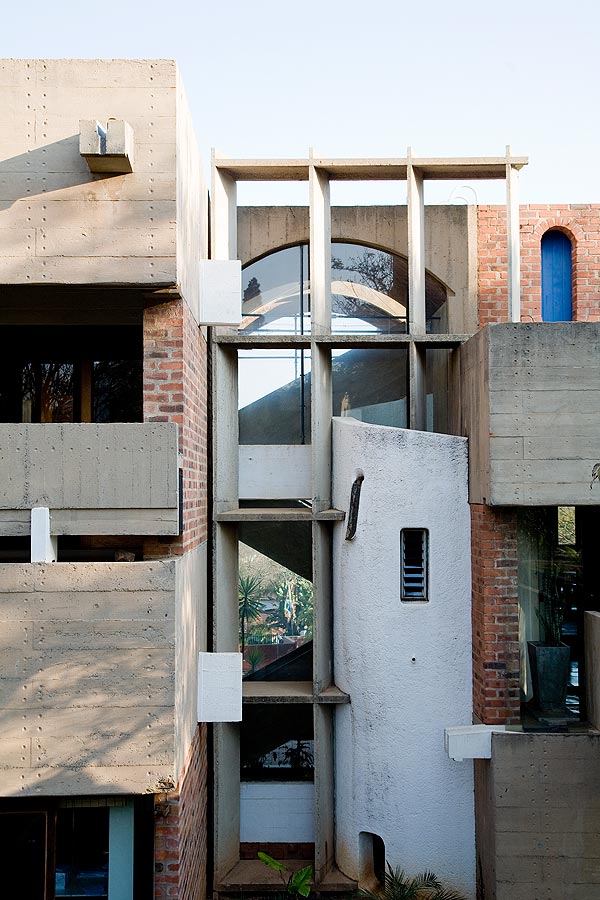
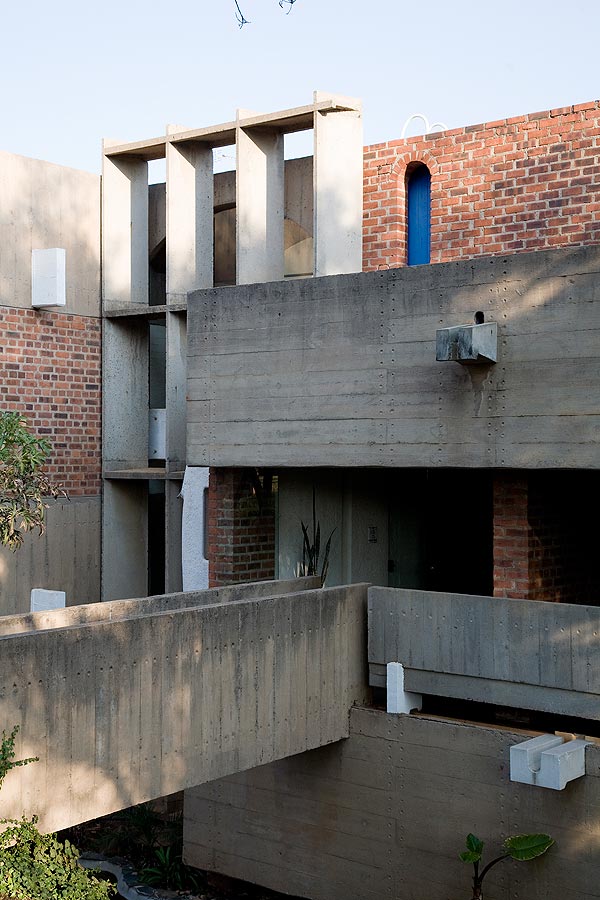
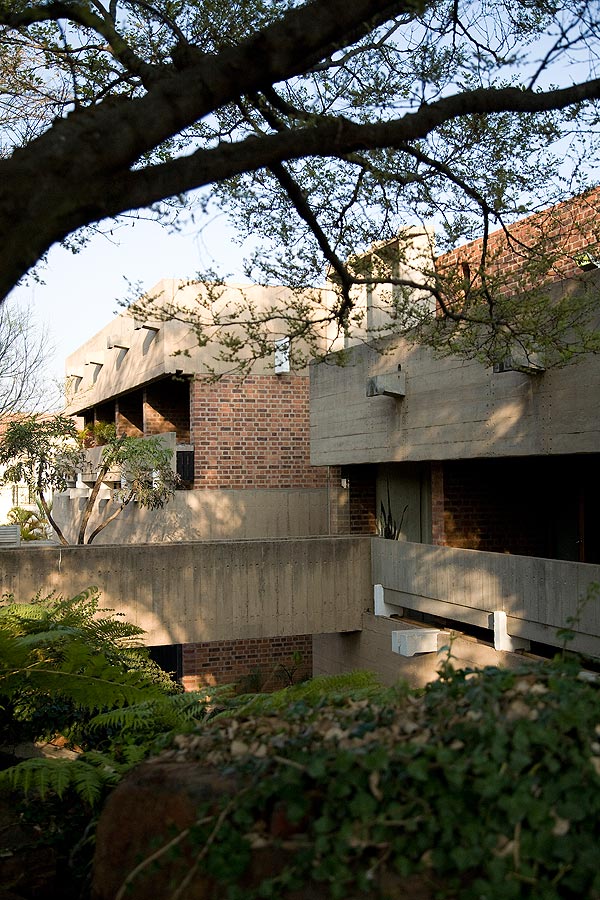
This is the house that architect Karl Jooste designed for himself and it remains a magnificent example of Modernist architecture. The influence of Le Corbusier is clear in detailing such as the waterspouts and the modular screen element. Off-shutter concrete is combined with brickwork and the use of colour, further alluding to a Brazilian influence. Internally, interconnected volumes are flooded with natural light and everything, down to the handrails, is meticulously detailed.
The building is perched on a hill and responds to both site and climate with generous overhangs to protect the interior from direct sun. The house was recently converted into a restaurant, Brasserie de Paris, and is thus accessible to the public.
• 381 Aries Street, Waterkloof
House van Wouw – 1937
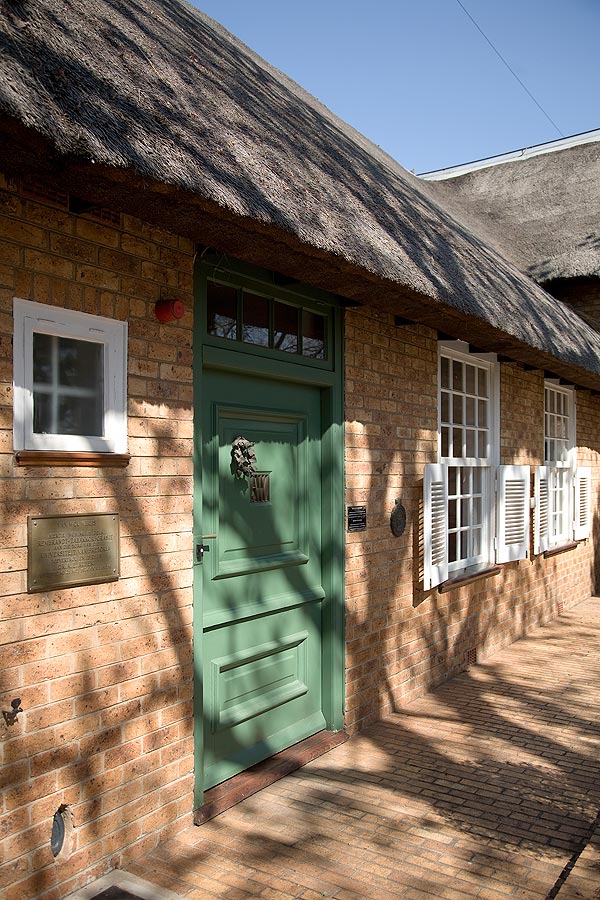
Architect Norman Eaton is one of the most important representatives of Pretoria regionalists and his work has inspired generations of architects. Although he was schooled in the Modern Movement, he developed a more romantic approach that deliberately cultivated the rustic. Many of his signature traits can be seen in House van Wouw: a traditional plan, the use of rustic brick, and windows protected from the sun.
He favoured local, natural materials and is known for his simple yet inventive application of face brick, thatch and whitewashed stock brick. This made for an architecture that was appropriate to context and climatic constraints. He developed an artistic vernacular in which certain African traditions were incorporated and he was known for exceptional quality of craftsmanship. Some of his other projects in Pretoria include the Netherlands Bank and the beautiful paving of Polley’s Arcade.
• Corner of Clarke and Rupert streets, Brooklyn
Cafe Riche – 1905
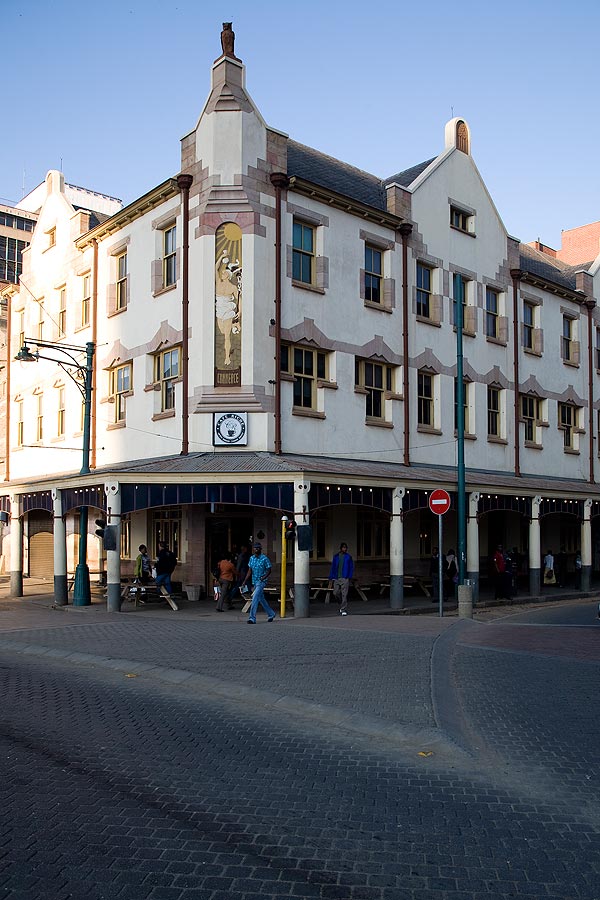
Dutch architect-artist Francois Soff designed the building that houses the iconic Café Riche on Church Square. Originally the Reserve Investment Building, it was designed in the Art Nouveau style and housed offices on the first floor and the Café Riche Lounge Bar on the ground floor. It was so popular that the building soon became known as Café Riche. Francois teamed up with sculptor Anton van Wouw, who sculpted the owl on top of the building’s corner gable, as well as the embossed image of the Roman god Mercury (he was also responsible for the statue of Paul Kruger on the square).
Many of the door and window frames came from the demolished Tower Church, which originally stood on Church Square. The building was earmarked for demolition in 1975 when the city wanted to demolish the whole western facade of the square, but it was saved due to public protest. The building was renovated in 1989 and Café Riche reopened its doors in 1994. It has since become a place of active discourse as the venue for regular Philosophy Café meetings, and the owners actively participate in the preservation of the square.
• Church Square, Pretoria CBD, www.caferiche.co.za
Stables and studio – 1997
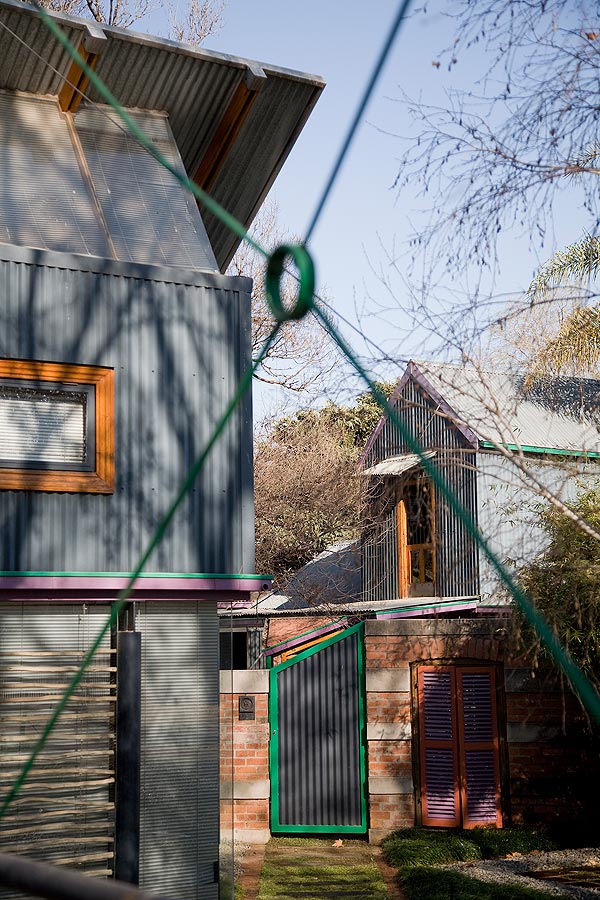
Stables over 100 years old on the original Clydesdale farmstead (now a suburb) were converted into Professor ’Ora Joubert’s home. The original double-volume structure was transformed into an open-plan kitchen, dining room and a loft bedroom in the old hay loft. She also added another building, which serves as her studio. The latter relates to the stable house in terms of scale and material but is more deconstructed and subverts some of the traditional forms, as seen in the inverted roof, which is isolated – it is supported independently from the rest of the structure and floats on a glass infill.
The studio also makes extensive use of glass, which opens it up to the outside. Services are consolidated into a striking orange cylinder with a kitchen on the ground floor. Colour plays an important role in ’Ora’s work – in this house she has used it to distinguish between old and new; and in the studio, colour highlights functional elements such as the structure, plumbing and other services.
• 41 Ivy Street, Clydesdale, Sunnyside
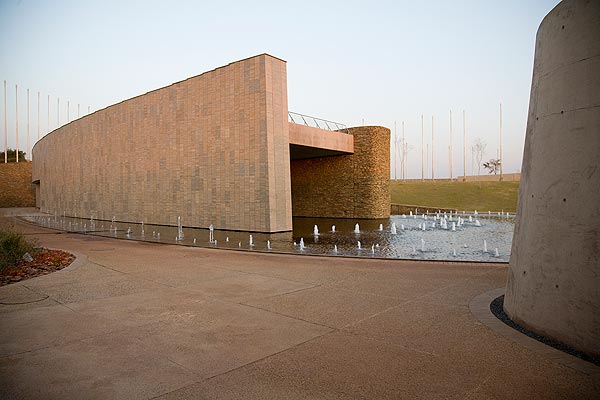
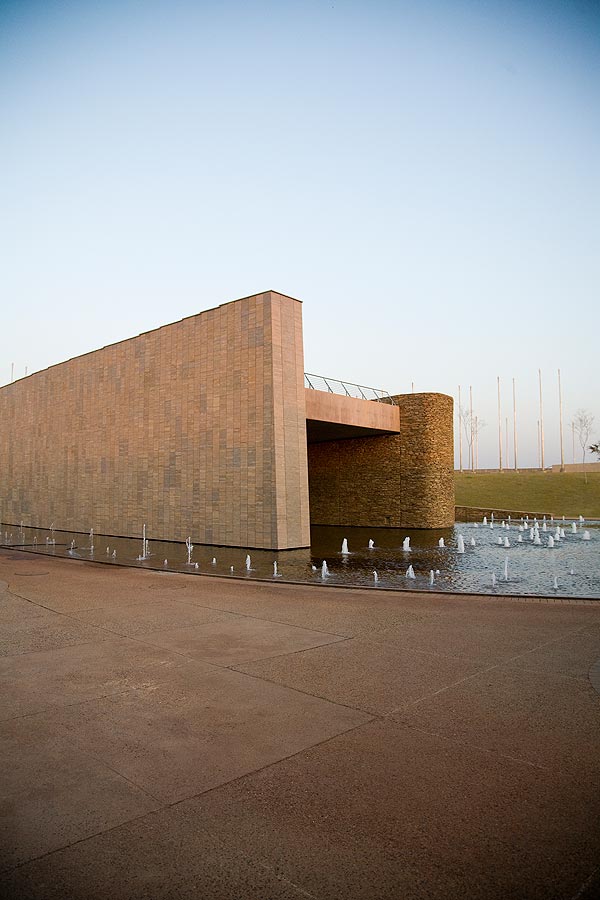
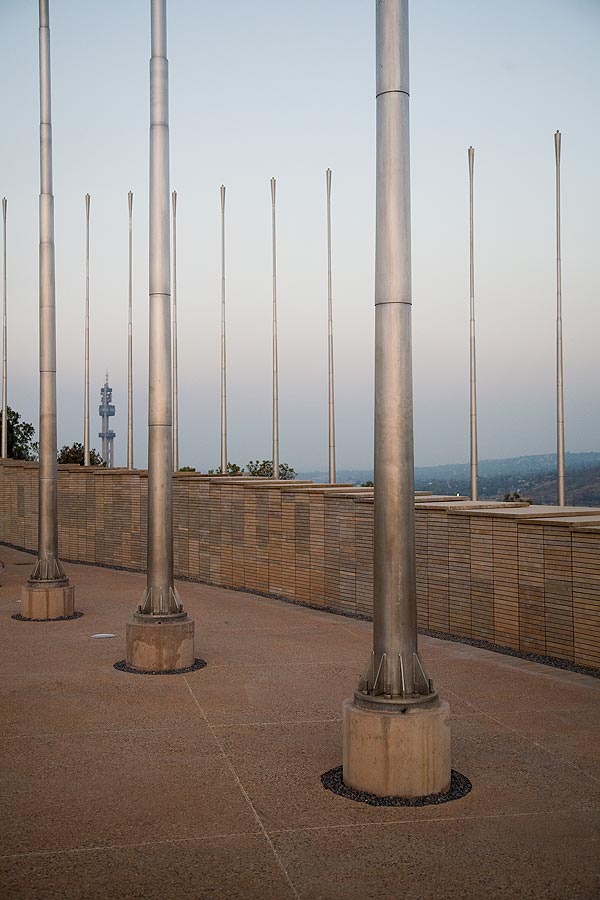
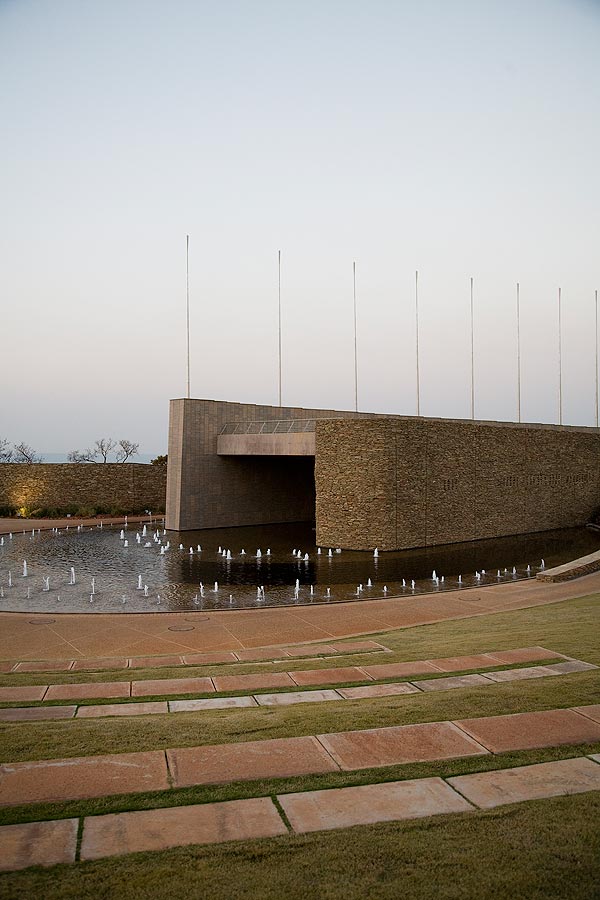
Freedom Park – 2010
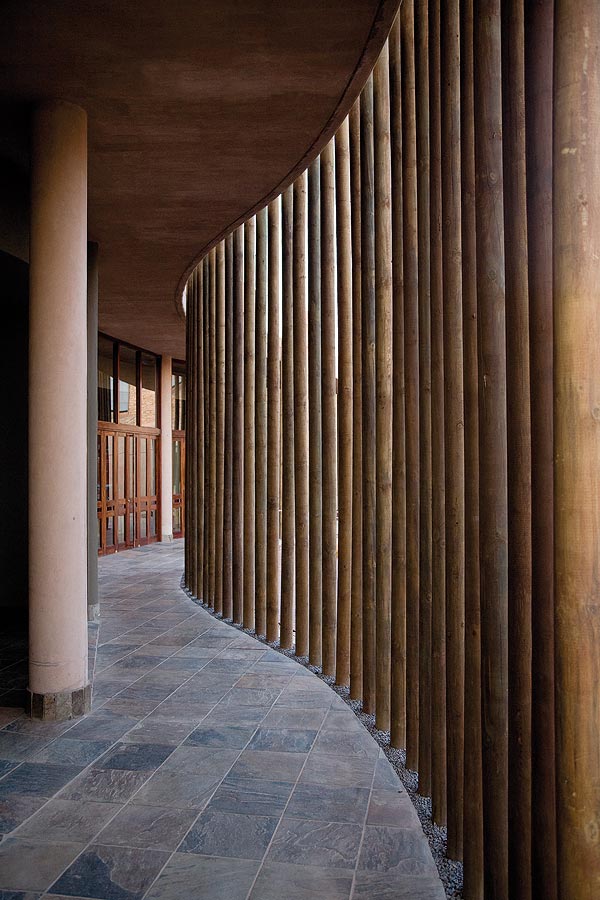
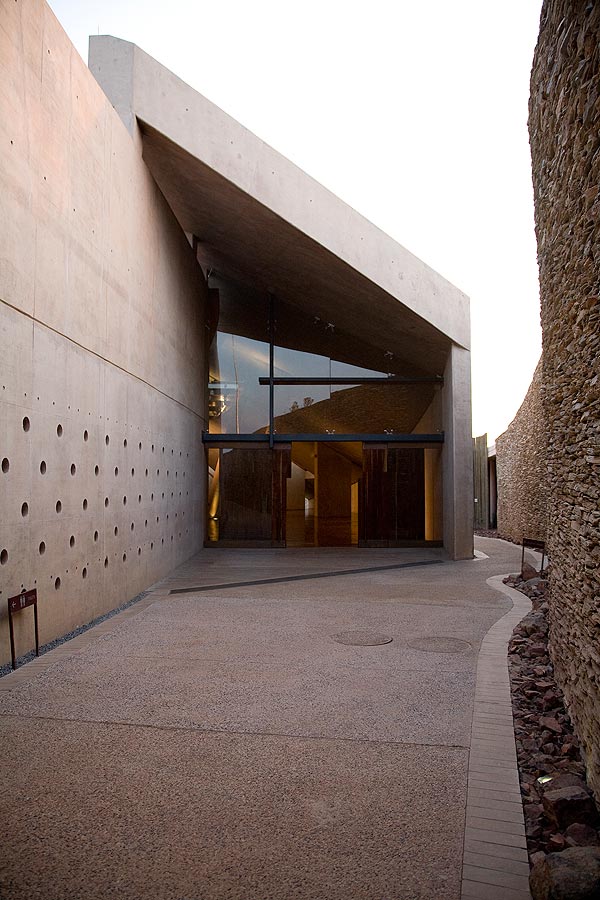
This national legacy project is located on a koppie overlooking the greater Tshwane region. It attempts to combine history, culture and spirituality to create a space that allows for inclusive retelling of our country’s story. The development has been done in phases, of which the first two have been completed by a collaborative team from Gapp Architects and Urban Designers, Mma Architects, Mashabane Rose Architects, Newtown Landscape Architects, Bagale Green Inc. and Momo Landscape Architects.
The route leads around the koppie to the Garden of Remembrance, where a key feature is the Isivivane, a symbolic final resting place for those who gave up their lives in the struggle for freedom. Boulders from the nine provinces and abroad form a circle through which mist rises. The second phase is the Isikhumbuto or Place of Remembrance, which features a “wall of names”, the sanctuary and main gathering space, a gallery of leaders, and Moshate, a hospitality facility for presidential guests and dignitaries.
The most striking feature is the assemblage of “steel” reeds that spiral up around the koppie. The final phase will be the Xhapo, which will include an interpretive centre and Pan-African archive.
• Salvokop, www.freedompark.co.za