-

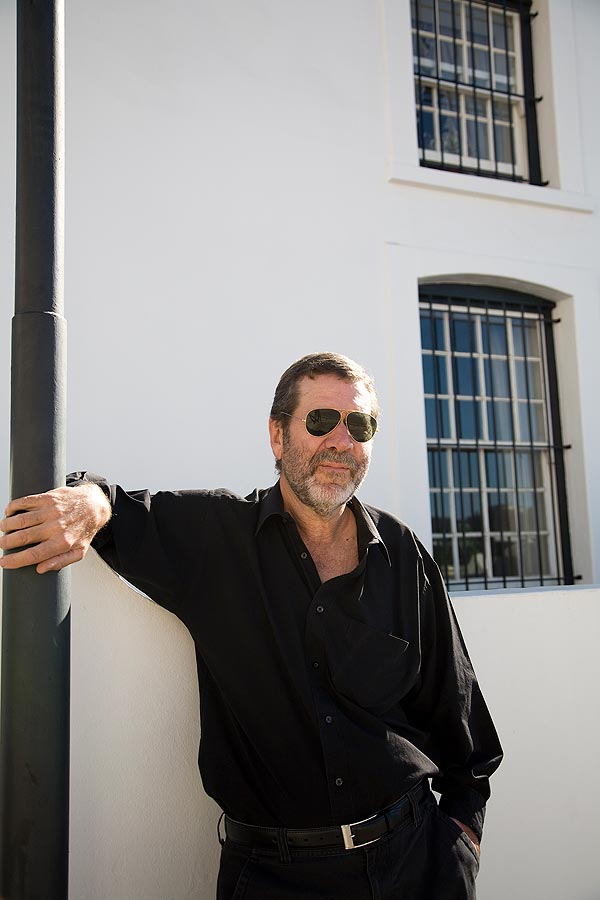
24 hours in Port Elizabeth : Professor Gavin McLachlan is the Director of the School of Architecture at the Nelson Mandela Metropolitan University. He is also a practising architect and town planner. -
24 hours in Port Elizabeth : Red Location Museum -
24 hours in Port Elizabeth : Red Location Museum -

24 hours in Port Elizabeth : Donkin Houses -
24 hours in Port Elizabeth : No. 7 Castle Hill Museum -
24 hours in Port Elizabeth : Duckpond Pavilion -
24 hours in Port Elizabeth : House Johnson
PHOTOS: David Ross | PRODUCTION: Klara van Wyngaarden | WORDS: Alma Viviers
Port Elizabeth’s public spaces reflect diverse influences – from its colonial origins, to responses driven by climate and context, and attempts to honour history through memory. Professor Gavin McLachlan chooses five of the best.
Red Location Museum – 2007
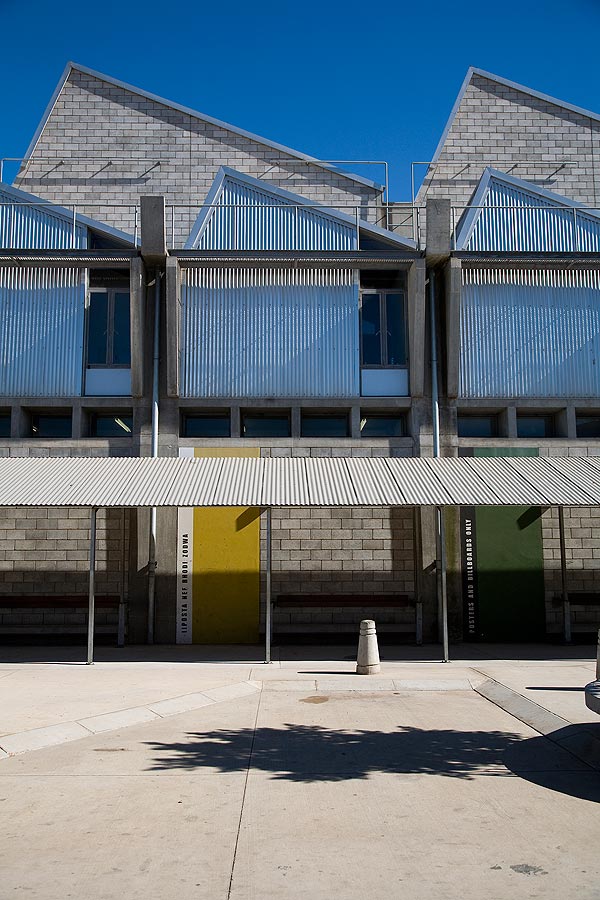
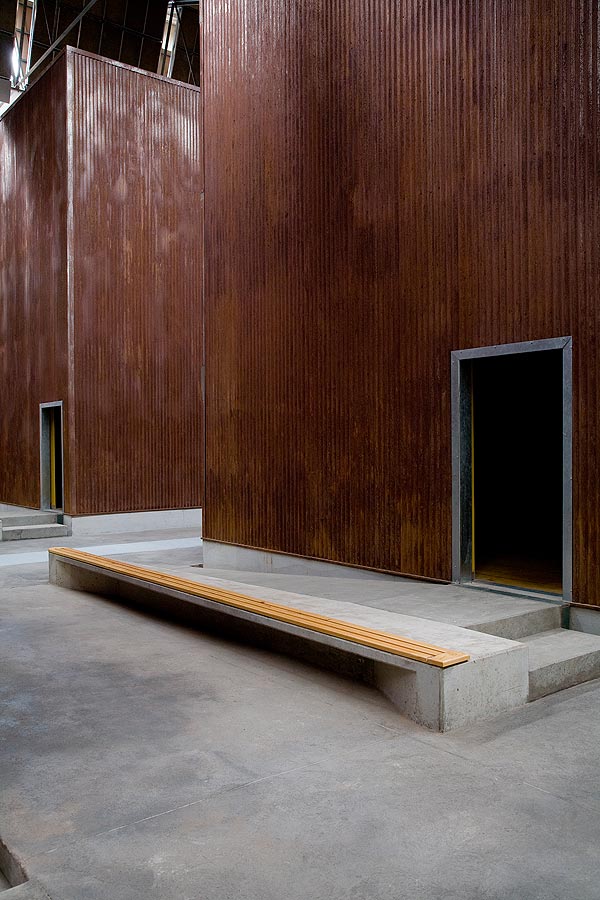
One of the unique features of the Red Location Museum, designed by Noero Wolff Architects, is that it is located in a shack settlement and, as such, responds to both a physical and a socio-economic context. Not only does it attempt to honour the memory of a site of struggle (Red Location was the first settled black township of Port Elizabeth), it also contributes to the economy of the surrounding area.
The architectural language is distinctly industrial, seen in the use of materials such as concrete, cement blocks and corrugated iron, as well as the distinctive saw-tooth roof. The building makes generous gestures toward creating and activating public space: The eastern side becomes a habitable wall with seating and space for taxi ranking; a vast porch in front is covered by a timber pergola and serves as a gathering space; and a huge wall can act as a projection screen or backdrop to performances, with space provided for informal seating.
Most poignant, however, are the Memory Boxes. Twelve unmarked, rusted boxes serve as exhibition space, with the area in-between acting as a place for reflection. The building also successfully captures a quality of light that transforms it into a magical place.
• Corner of Singaphi and Olof Palme streets, New Brighton
No.7 Castle Hill Museum – 1827
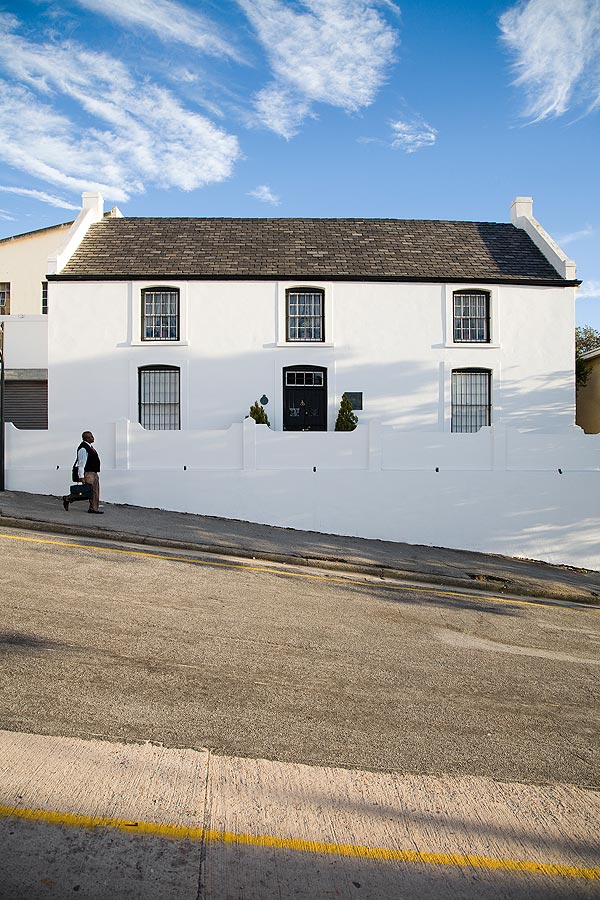
No. 7 Castle Hill Museum was one of the first settlers’ houses built in Port Elizabeth and is one of the oldest surviving dwellings in the city. The first colonial chaplain of Port Elizabeth, Reverend Francis McClelland, built the house with the artisans of the time to serve as the rectory.
Although it displays features typical of the Georgian style, for example the panelled wooden door at the centre of the facade, five windows across the front, the medium pitch of the roof and a minimal overhang, this is a perfect example of the vernacular appropriation of an architectural tradition that the settlers brought with them from England.
The double-storey house, which has a slate roof and features beautiful yellowwood floors and beams, now serves as a museum. Behind the house is a well-propotioned cobblestone courtyard, with the original water pump still intact. Reverend McClelland was also responsible for erecting St Mary’s Church in the city centre.
• 7 Castle Hill, Central
Donkin Houses – 1960 – 1890
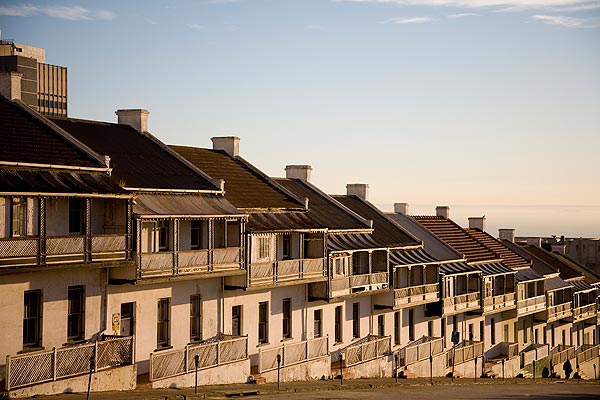
This is a row of 19th-century Victorian-style houses situated on the edge of the Donkin Reserve. Collectively, these houses form a well-defined edge to the reserve. Donkin Street, which is named after Sir Rufane Donkin, Acting Governor of the Cape Colony from 1820-1821, was originally a steep valley. However, under the landfill programme of the government of the time, the valley was converted into the terraced plots where the houses now stand. These humble buildings are a prime example of vernacular architecture.
Although many elements are typical of the Victorian era, the designs are modest and, apart from bricks and corrugated iron, materials were locally sourced. The houses were restored to their original state in the 1990s, with elements such as authentic timber balconies and wooden balustrades, and 17 were declared National Monuments.
• Donkin Street, Central
Duckpond Pavilion – 1993
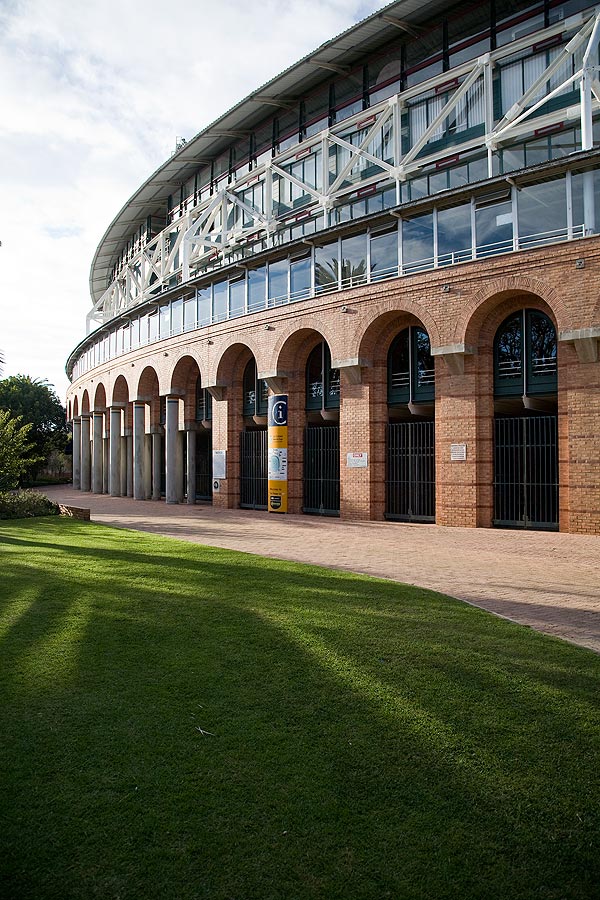
Architect John Rushmere, assisted by Terry Baker, designed this north-end pavilion at the Sahara Oval, St George’s Park. In the postmodern language, the pavilion references classical styles, which can be seen in the Roman and Greek-inspired elements that give it a Colosseum-like feeling. The facade is divided into four levels expressed through individual articulation. The base of the structure is finished in brick with meticulous detailing, and the next levels, in glass and exposed steel structure, take on a more high-tech look. The structurally innovative suite terraces are, in fact, suspended from a steel super-structure.
The pavilion, although of a more sophisticated design, integrates well with the ground’s existing pavilions that have been erected ever since the park was allocated to sports activities in 1859. This results in an interesting and enriched texture that creates a sense of the development over time. The Sahara Oval is situated in St George’s Park, an old Victorian park, and acts in a similar fashion to the cathedrals of old medieval cities, which became a visual climax within the environment.
• Park Drive, Central
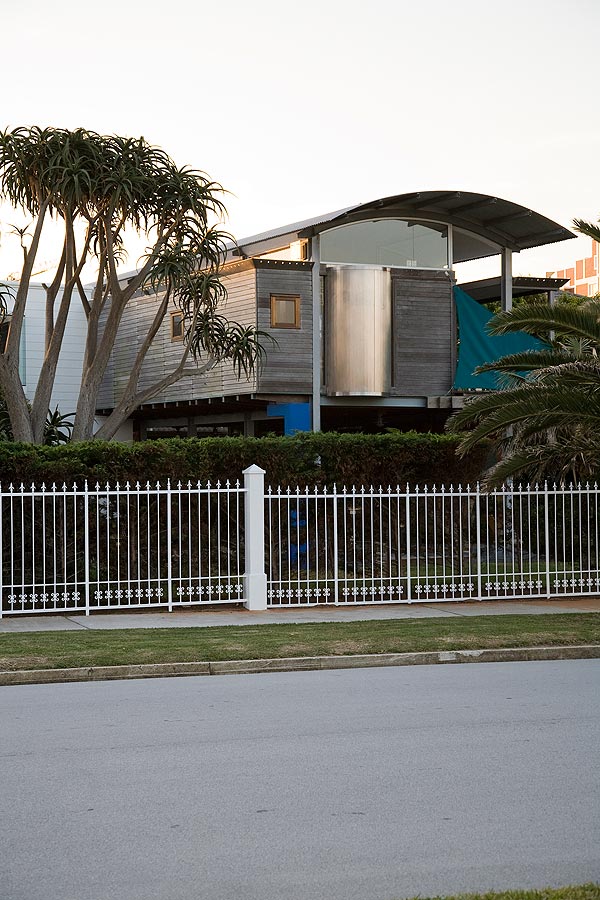
House Johnson – 2005
As an addition to a typical suburban residence, House Johnson seeks an appropriate reaction to the coastal edge and its associated climate. John Rushmere, assisted by Donald Flint, designed the house in a contemporary idiom. It responds to climate through orientation and devices such as the extended overhang and screen elements.
The house turns its back on the foul weather that blows in from the southeast and opens to the north for natural light and warmth. Steel, glass and wood are combined to create a unique interpretation of the traditional beach house, and the sweeping roof and sail-like canvas screen allude to the seaside setting. The refined detailing, interconnectedness of the interior spaces and effective use of the natural light, all make this a remarkable contribution to coastal architecture.
• 7 11th Avenue, Summerstrand