-

What design can do 2012 -
What design can do 2012 -
What design can do 2012 -
What design can do 2012 -
What design can do 2012 -
What design can do 2012 -
What design can do 2012 -
What design can do 2012 -

What design can do 2012 -

What design can do 2012 -
What design can do 2012
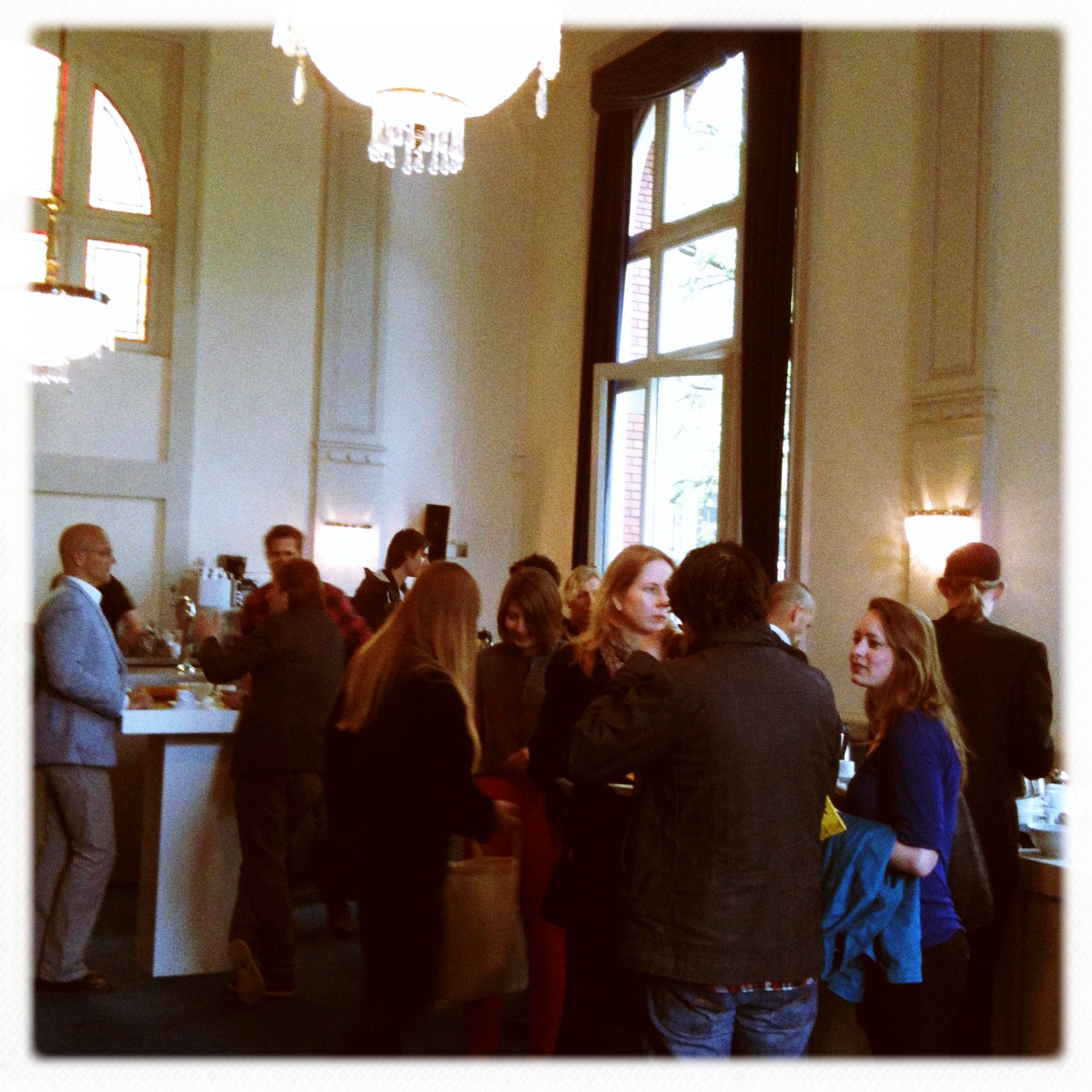
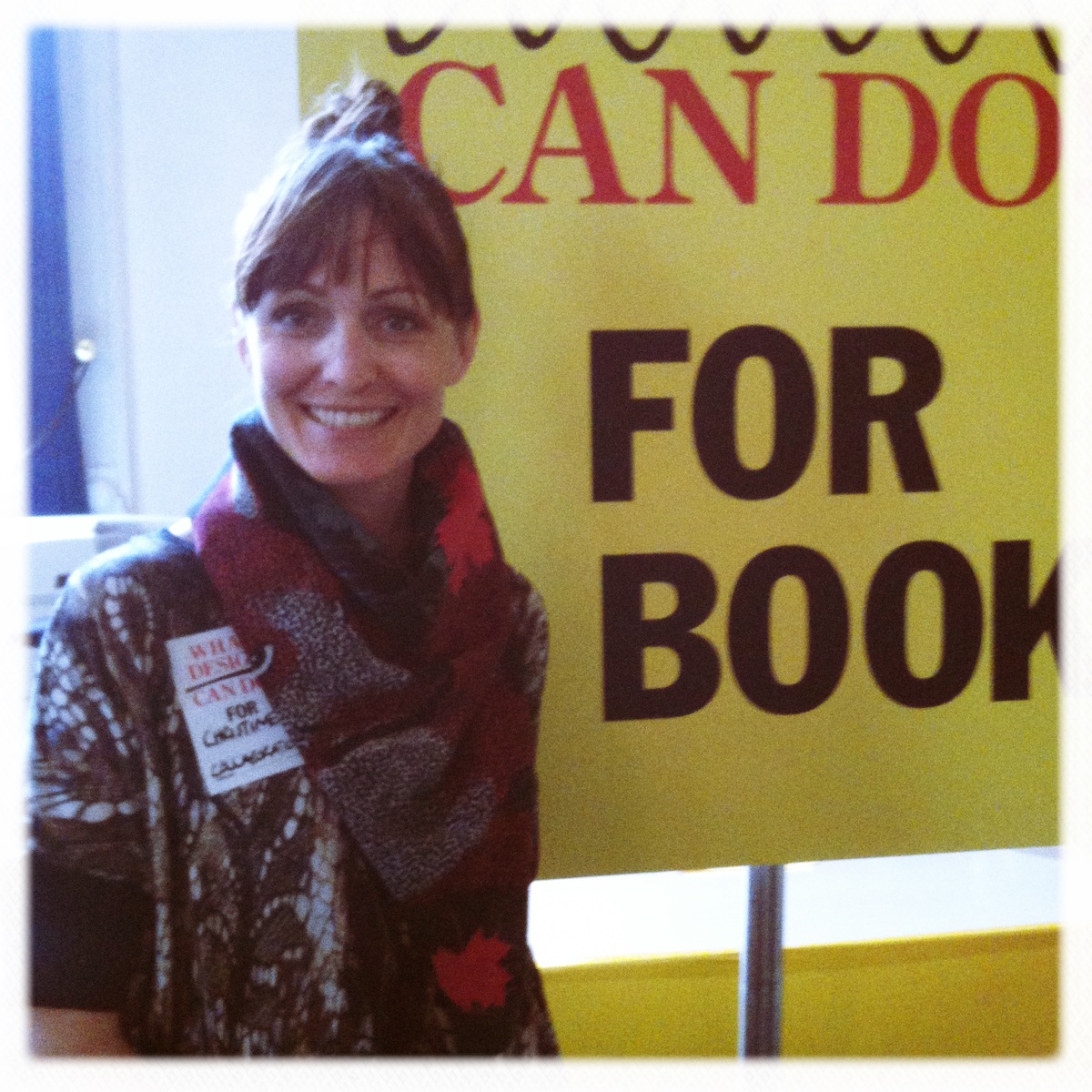
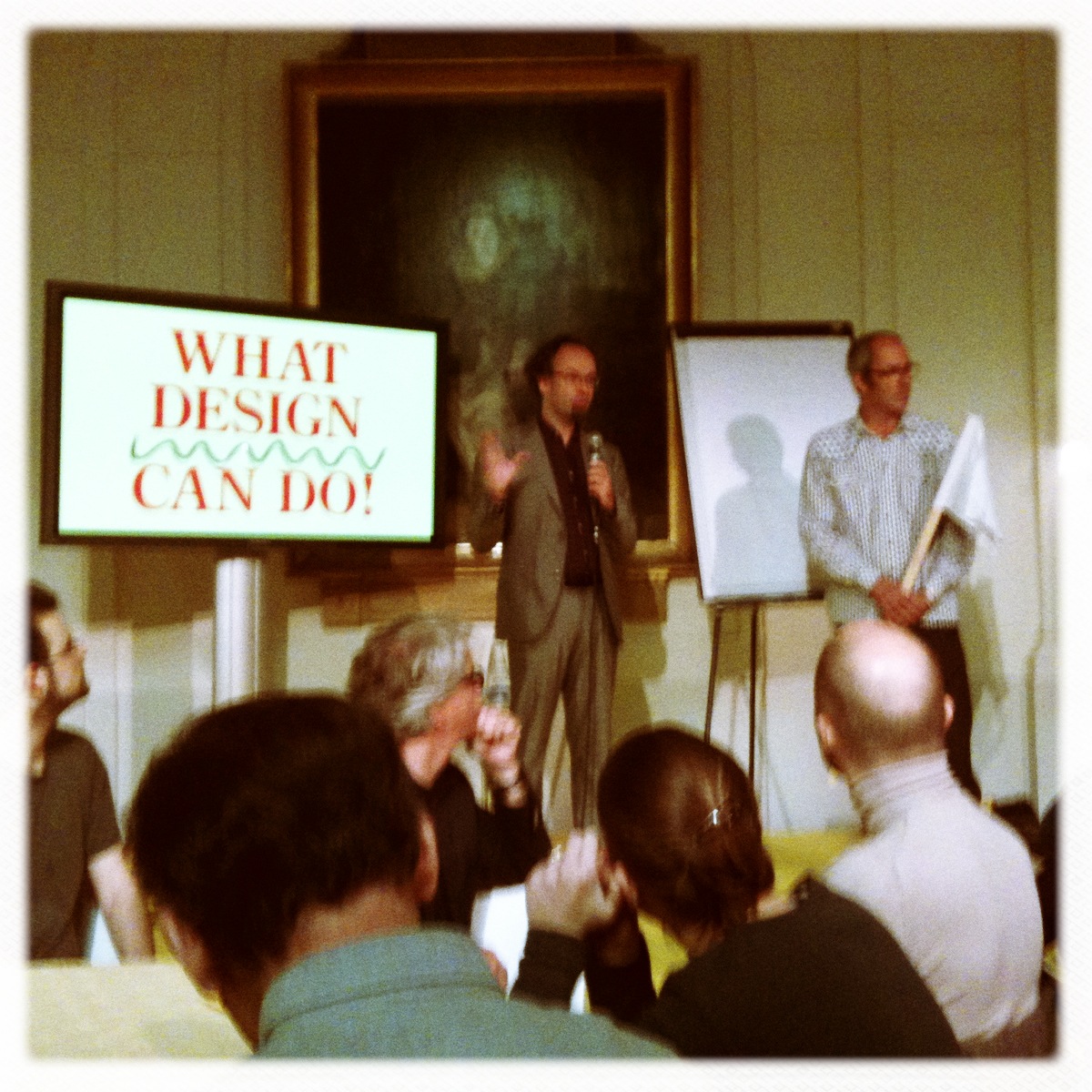
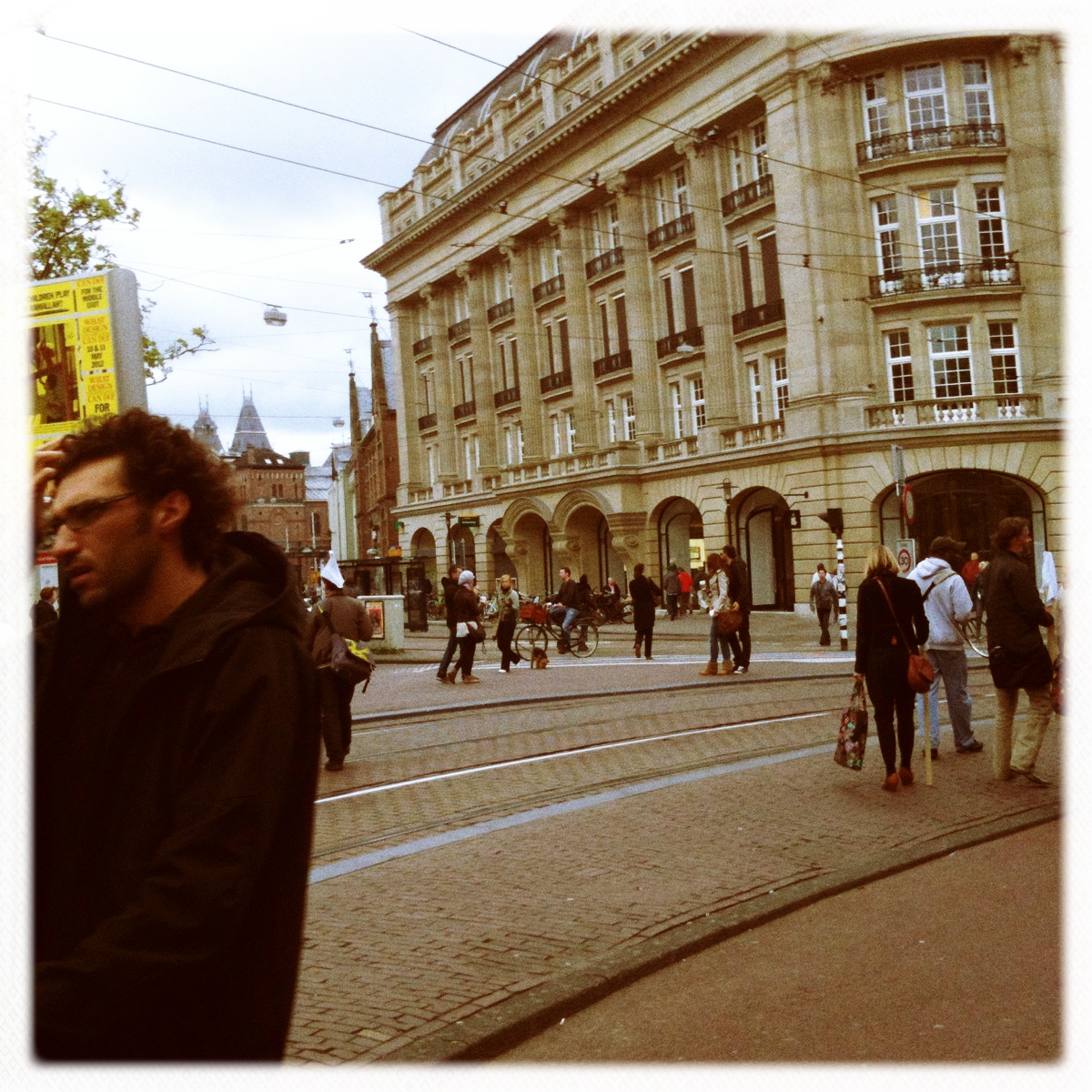
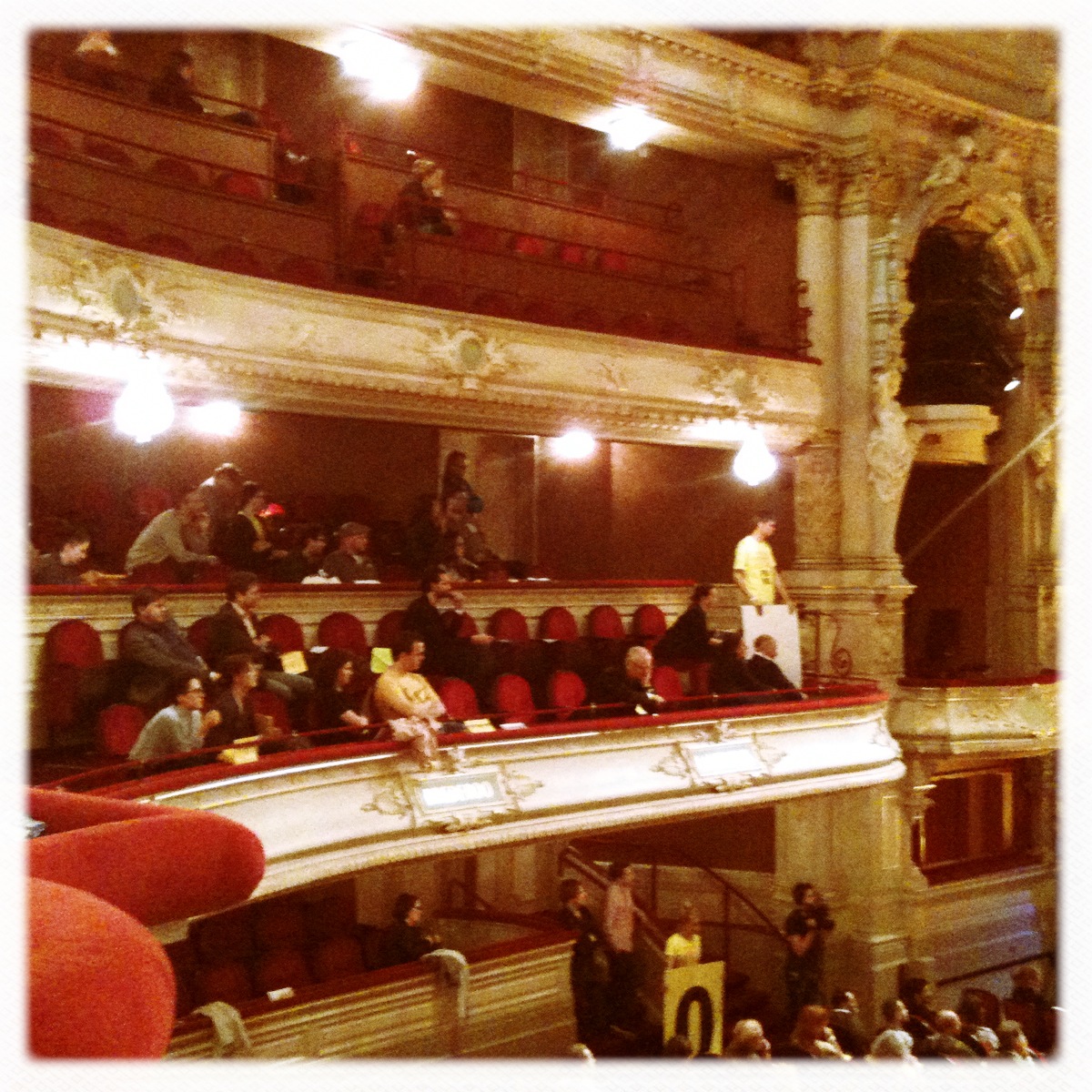
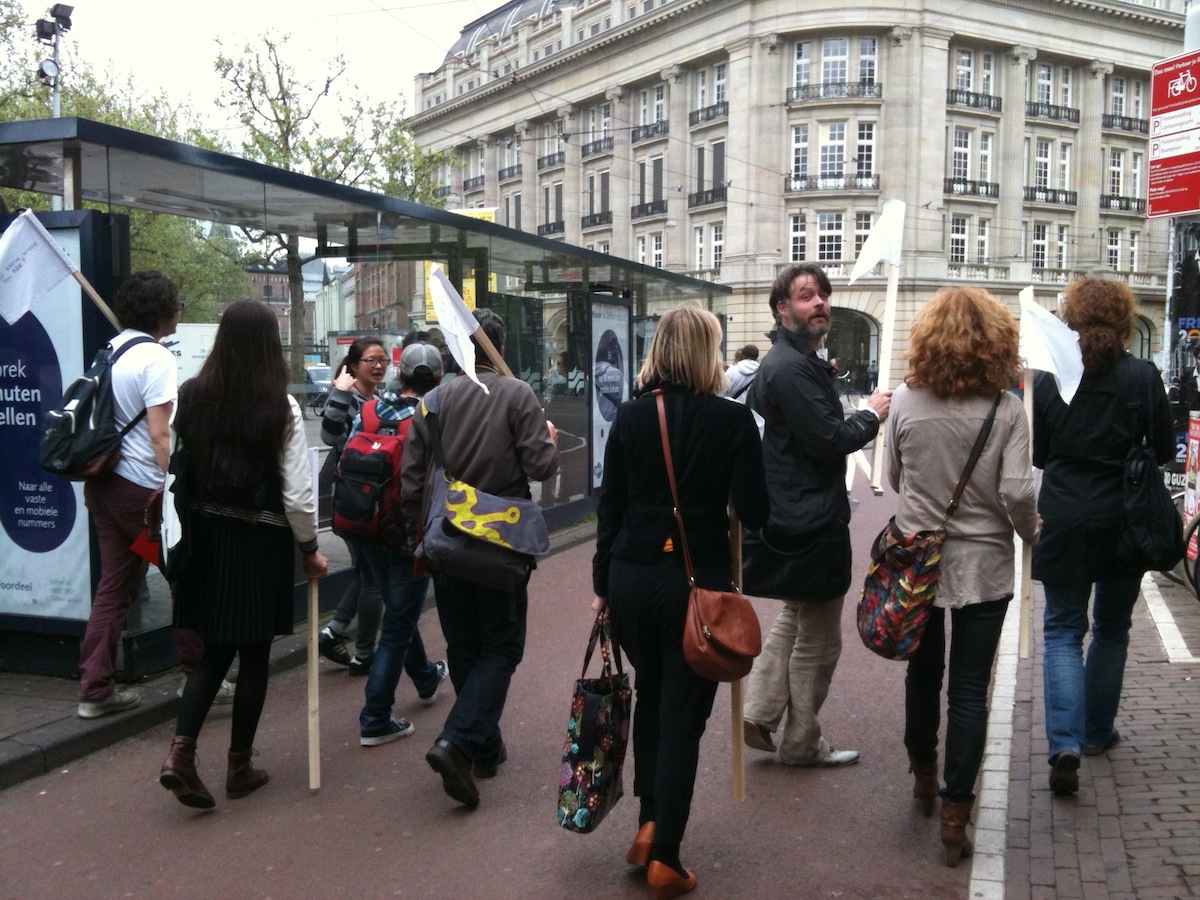
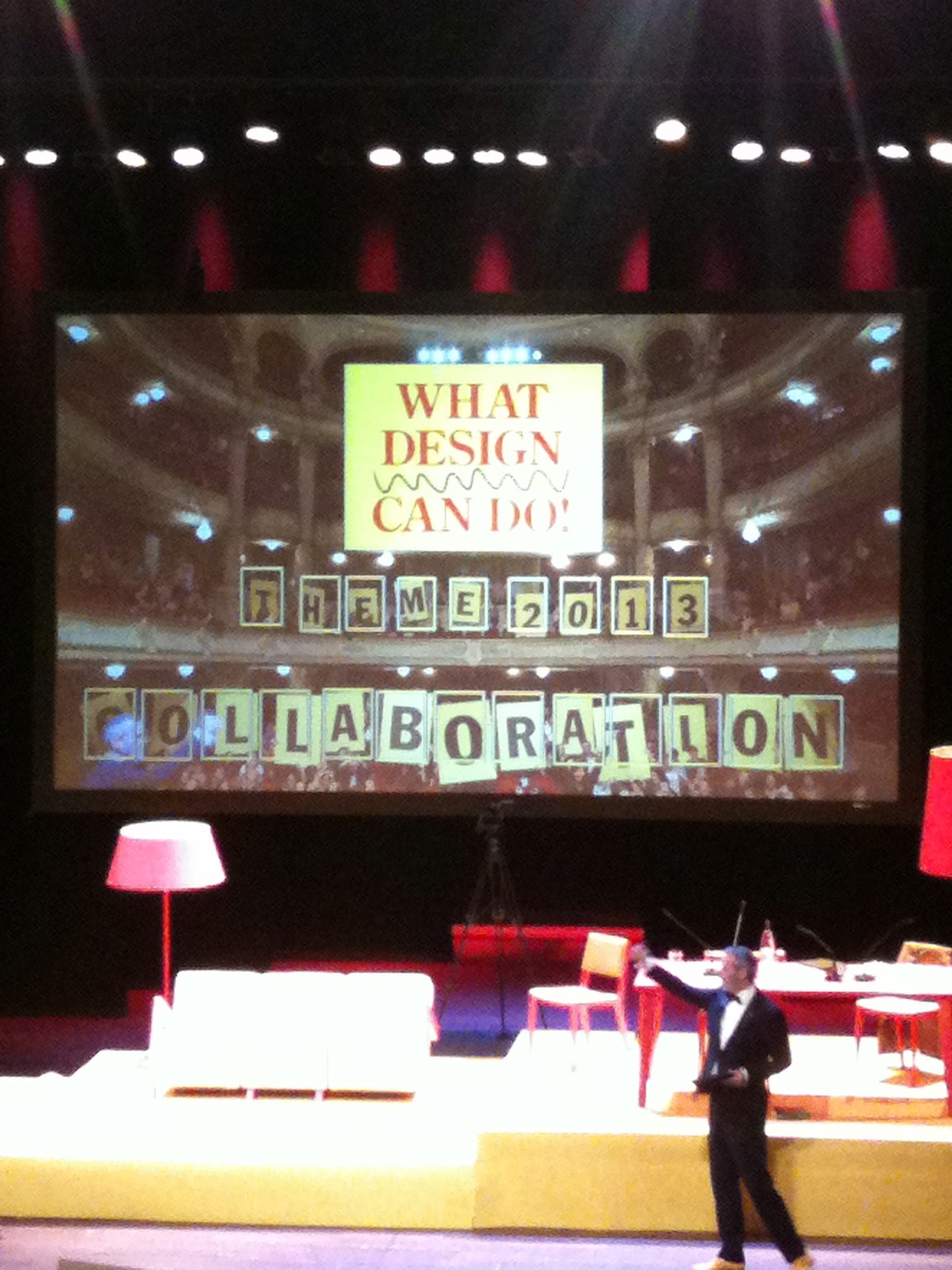
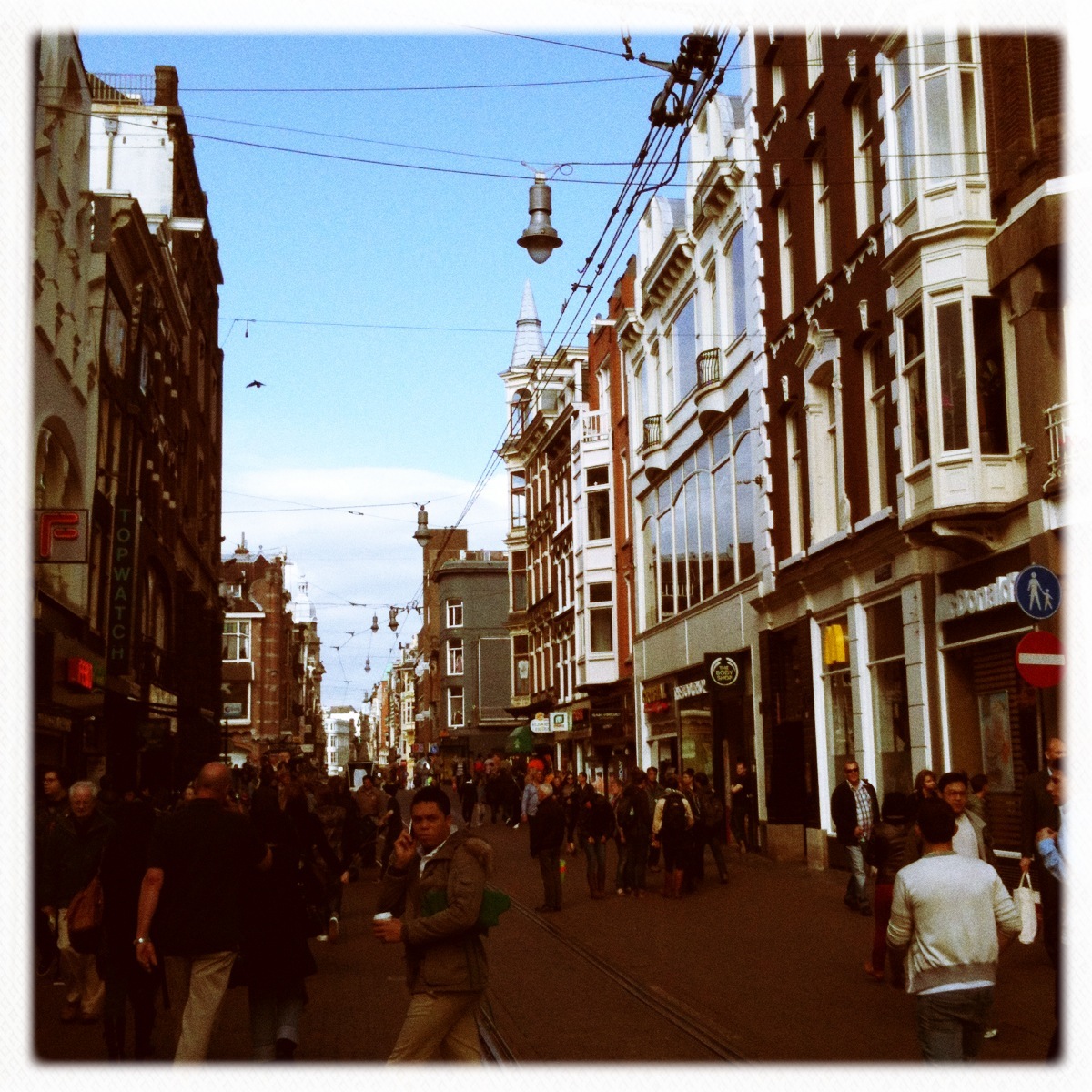
VISI reporter Christine Shaw recently returned from the inaugural What Design Can Do conference in Amsterdam, an annual gathering for design professionals, company leaders and government officials from across the globe. WDCD celebrates the power of design and its problem-solving abilities, exposing design as a catalyst of change and renewal and a way of addressing the societal questions of our time. Here’s Christine’s review of the first day of this exciting new global design event:
The theme for this year’s conference was CONNECT. What can design do to connect people, communities, lives and so on. It’s been an interesting first day, with most speakers talking about all sorts of ways to connect within various design disciplines, but my favorite by far has been one that focused on our social responsibility to engage with communities in need; to engage our professional skills and work with a “client base” that is increasing every year. And as Cameron Sinclair of Architecture for Humanity put it, to “design like you give a damn”.
There were of course some speakers who triggered thoughts like: “What the hell are you doing this for? What exactly are you researching? And why?” But in moments like these I remembered Maslow”s hierarchy of needs, and how it has translated into design (discovered recently in an article in Smashing Magazine), whereby we need the crazy free thinkers at the top; the people conceptualising stuff we don’t understand and then, over time, watching how these radical ideas filter down to the masses and find a practical, functional outlet or expression.
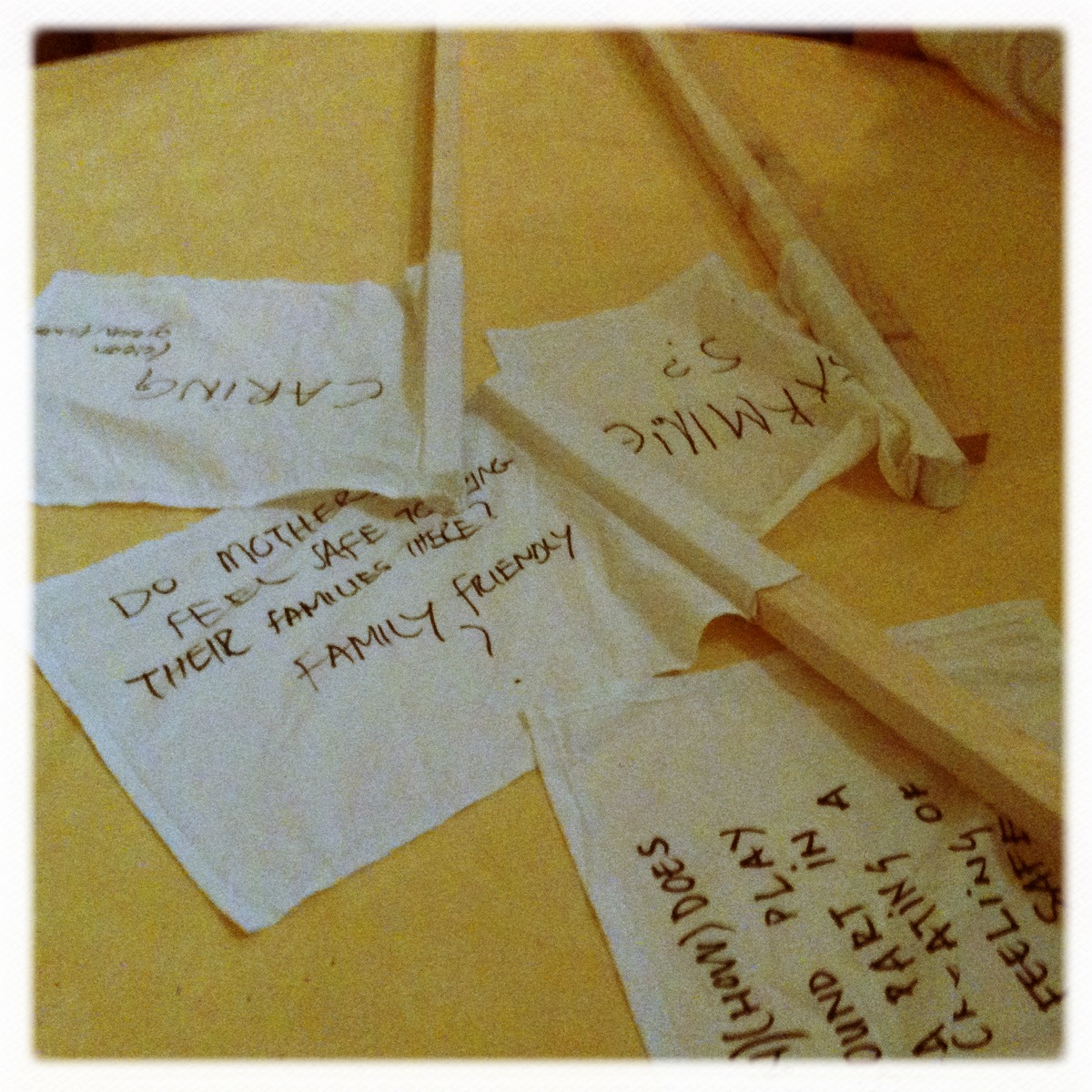
There has been a mix of thinkers and doers here today, from Honey & Bunny food designers from Austria, who are experimenting with food and how we interact with it, to Febrik – a company designing unique play spaces for children within communities in conflict areas, such as Palestinian refugee camps in Lebanon and Jordan. Working within the limits and confines of these war torn areas, they consult children to enable them to develop solutions that allow imaginative and safe play.
I guess another ‘trend’ in today’s conversations was “shit”: more specifically, hygiene and sanitation in poor and impoverished places like Africa and India. Statistics show that this is a crisis, and design seems to be taking this issue head on. Both Ina Jurga of Wash United and Rajesh Dahiya have projects working on these important issues.
Hella Jongerius was also a favorite, as a woman making a rather sizable contribution to this male dominated design world, her projects are inspiring.
Its been an inspiring day and I cant wait for tomorrow.
Disclaimer: Christine’s trip to WDCD has been sponsored in part by Collaboration design studio, Albert Carpets flooring experts, and Lavo bathroom specialists.