-

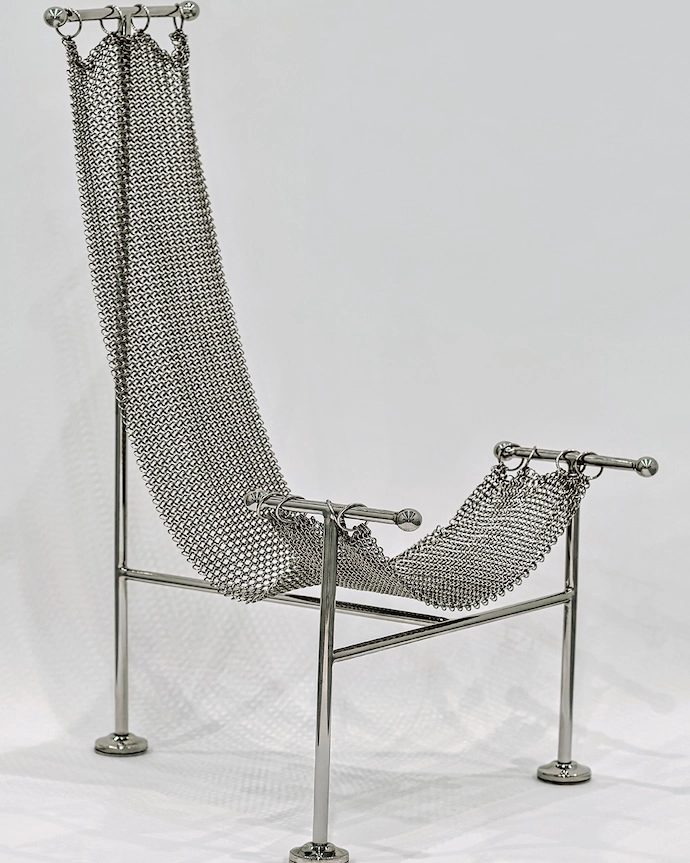
The Chainmail chair by Mexico City-based design studio Panorammma is a new take on William Katavolos’s 1952 T-chair. -
Chappell Roan, in full castlecore mode, performs at MTV’s Video Music Awards. -
Chain-mail as fashion by Paco Rabanne at Paris Fashion Week. -
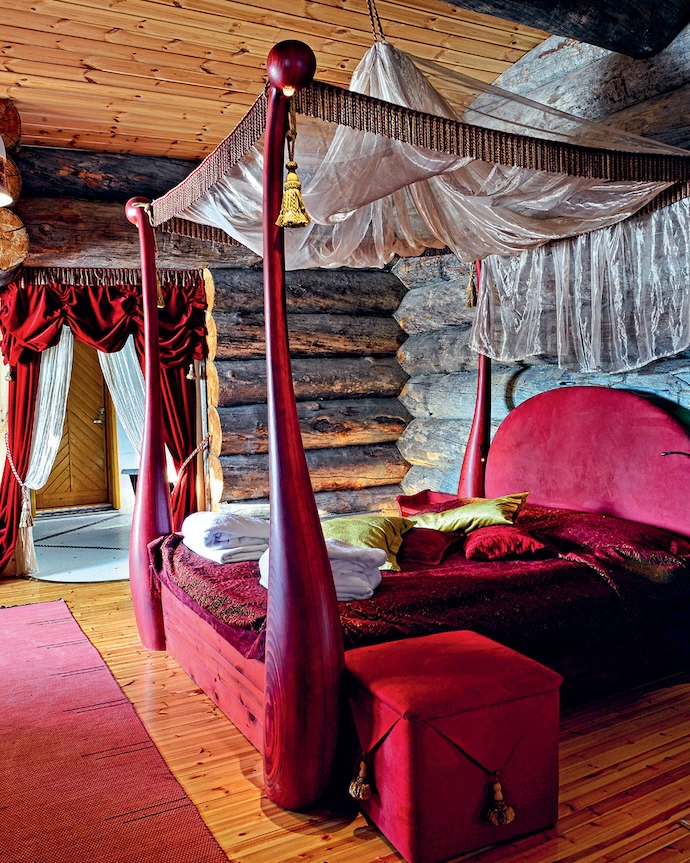
Taking cottagecore to Finnish extremes is this room at the Kakslauttanen Arctic Resort in Saariselkä. -

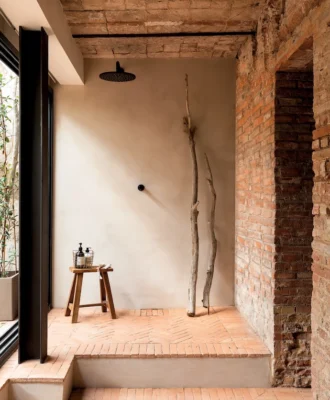
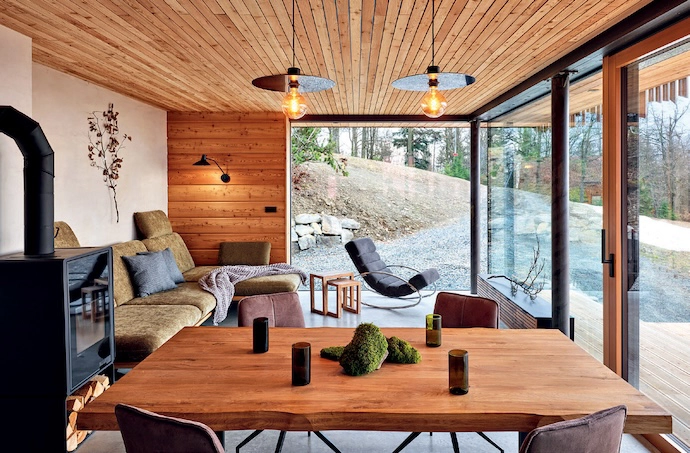
Czech Republic does Japandi with Kohútka Cottage by SENAA Architekti. -
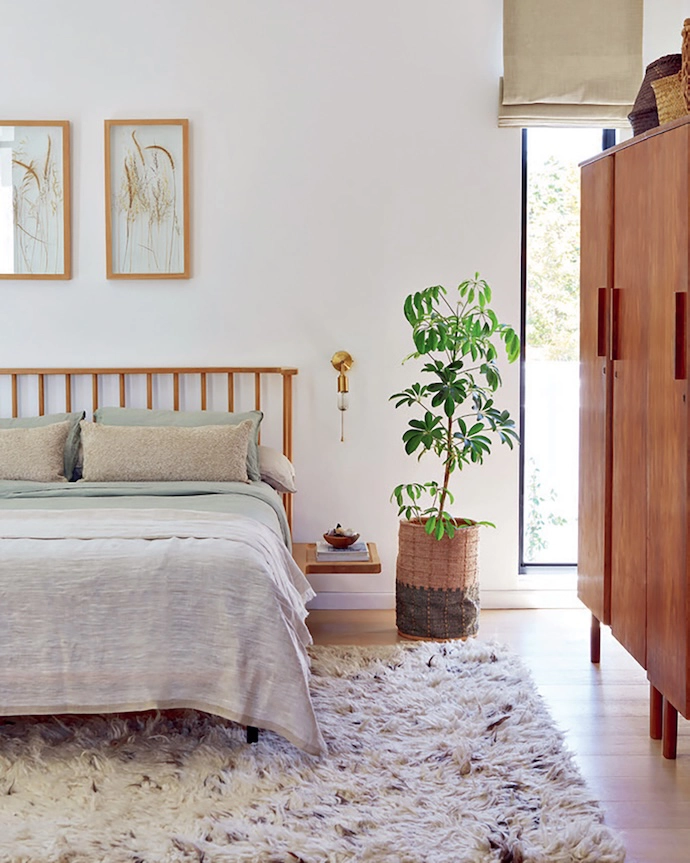
South Africa gets on the Japandi train with this Cape Town home by architect Werner Lotz of Hours Clear.


Our trends guru Chris Reid looks at the rise of escapism as a design trend – and how it’s not just about cool visuals, but full-on immersion into an aesthetic experience.
WORDS Chris Reid PHOTOS Greg Cox / Bureaux, Getty Images, Courtesy of Panorammma, Supplied
Designing a space is an exercise in imagination. You’re putting aside where you are right now and creating an environment that reflects the kind of person you want to be, or the life you want to have. While this process doesn’t change, the gap between the real and the ideal most definitely can. And although the various design styles trending at the moment may look different on the surface, many of them share the same root impulse: a need for escapism.
Buzzy trends like cottagecore or Japandi are great examples of this. Their appeal lies less in the visual cues that make them up and more in the kind of lived experience they represent – calmer, slower, less tied up in a frantic, always-on culture. It’s a particularly Gen Z spin on creativity too, where design isn’t about faithfully recreating a look, but rather seeking full-on immersion into an aesthetic experience – at least temporarily.
From castlecore to cubical chic
One of the current genres of escapism focuses very much on the historical. Medieval references, for example, are popping up everywhere – from a knight in a full suit of armour showing up at the Burberry AW25 shows, to Chappell Roan having a chain-mail moment at the MTV VMAs. It’s not all castles, though – there’s a heavy dose of corsets too. Marie Antoinette’s over-the-top style, for example, is being celebrated in a new show at the V&A in London. You can also expect a red-blooded Georgian revival soon, sparked by English actress, filmmaker and writer Emerald Fennell’s reimagining of Wuthering Heights. The fact that the fi lm has already received plenty of criticism for being historically inaccurate is even more apt – escapismis about vibe, not correctness.
It’s not all about the past, however; escapism can be about projecting into anywhere more exotic. There have been any number of White Lotus retail tie-ins in 2025 as people look for an everyday luxe holiday feel – including H&M offering both homeware and fashion inspired by the show. In the recent Pinterest trend report on rising aesthetics, even the humble workspace is being reimagined with an escapist lens. The site reports a spike in searches for what they term “cubicle chic”, with desk makeovers transforming home offices into fanciful getaways from reality.
Escapism as essential
People have been seeking escapism forever, so why is it so sought-aft er again now? For one thing, the future feels very tenuous for most people. If you’re not sure that you’ll be able to retire and spend your later years travelling and enjoying life, then the impulse to get away in the present is much stronger. Sometimes it’s even just ourselves we want some time off from: a recent McCann study found that nearly as many people say they need an escape from their own mind (35%) as they do from their external environment (36%).
We’re also living through an age where the very idea of possibility is being redefined. Mass media, and then social media, made it more accessible than ever to get a view into other worlds. Now, AI and digital design have given us the ability to manipulate and realise our dreams first-hand. Escapism isn’t something we passively consume – it’s actively constructed.
For years, mindfulness gurus and productivity experts have told us that the best place to be is here and now. That focus is the goal. But looking at what’s happening in design, there’s a counterargument to be made that getting away from the present is what we really want. Perhaps a desire for escapism isn’t something that separates us from each other, but is rather the one thing we all share.
Don’t forget to sign up to our weekly newsletter for the latest architecture and design news.