-

The empress of scent: Sissel Tolaas -
The empress of scent: Sissel Tolaas -
The empress of scent: Sissel Tolaas -
The empress of scent: Sissel Tolaas -

The empress of scent: Sissel Tolaas
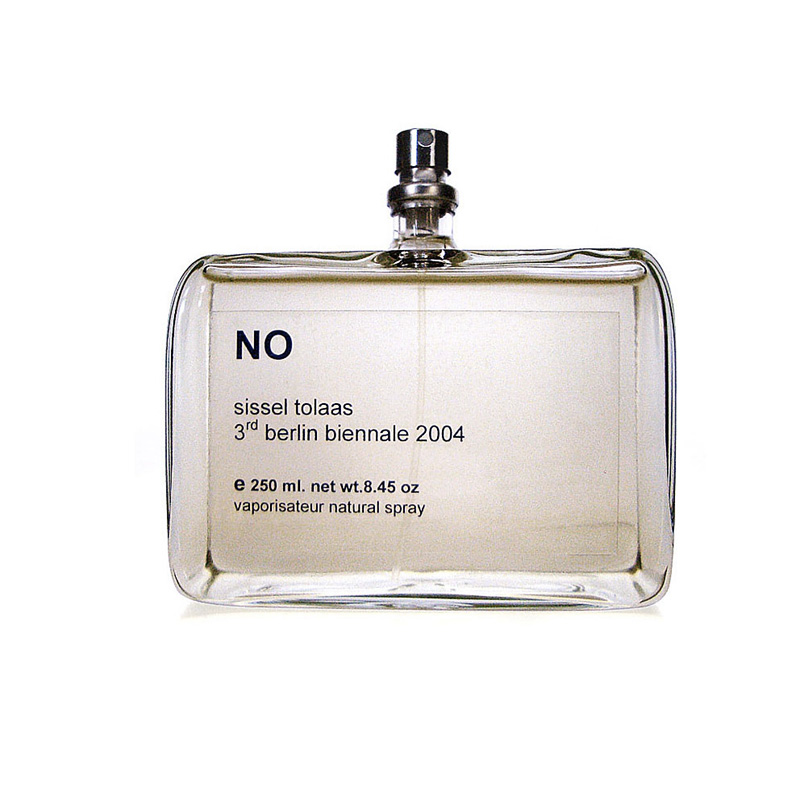
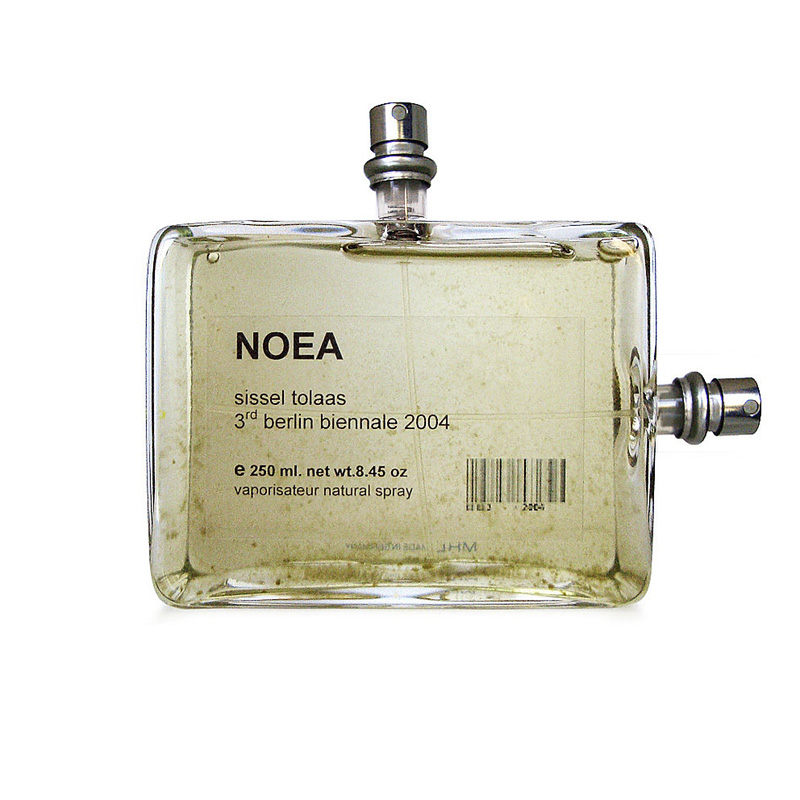
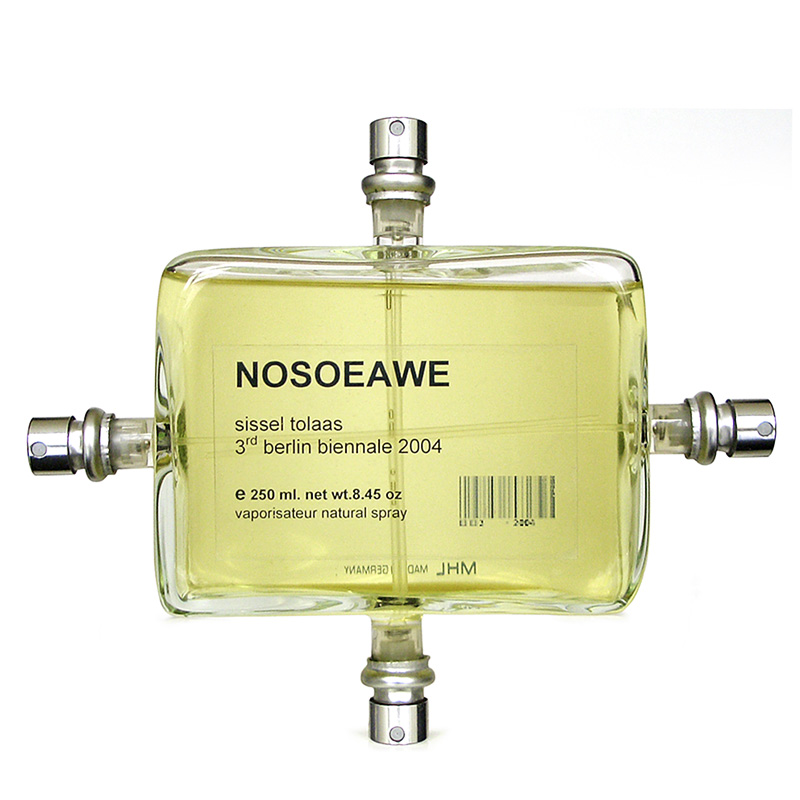
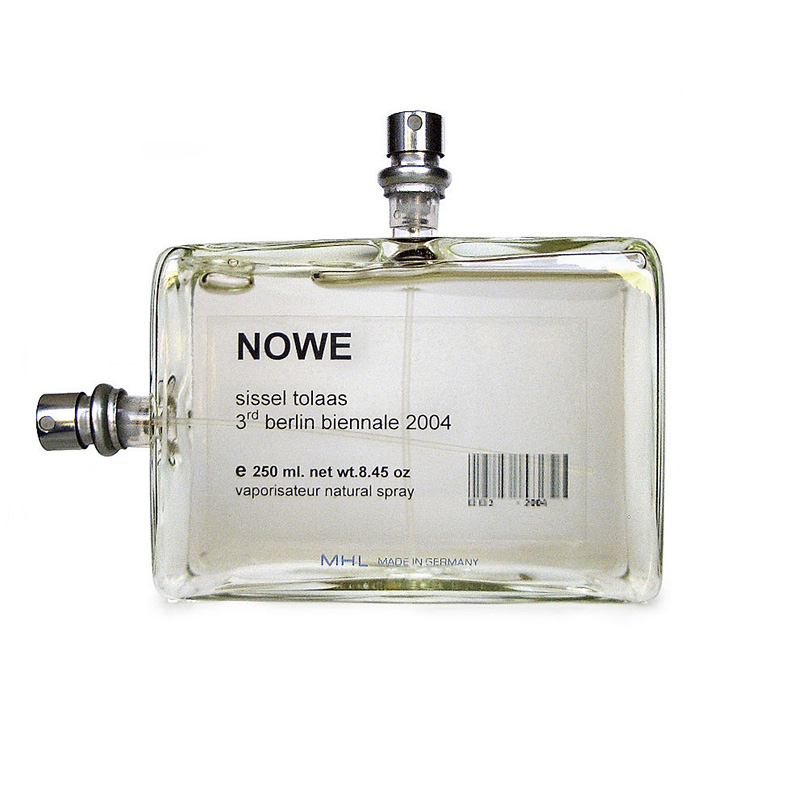
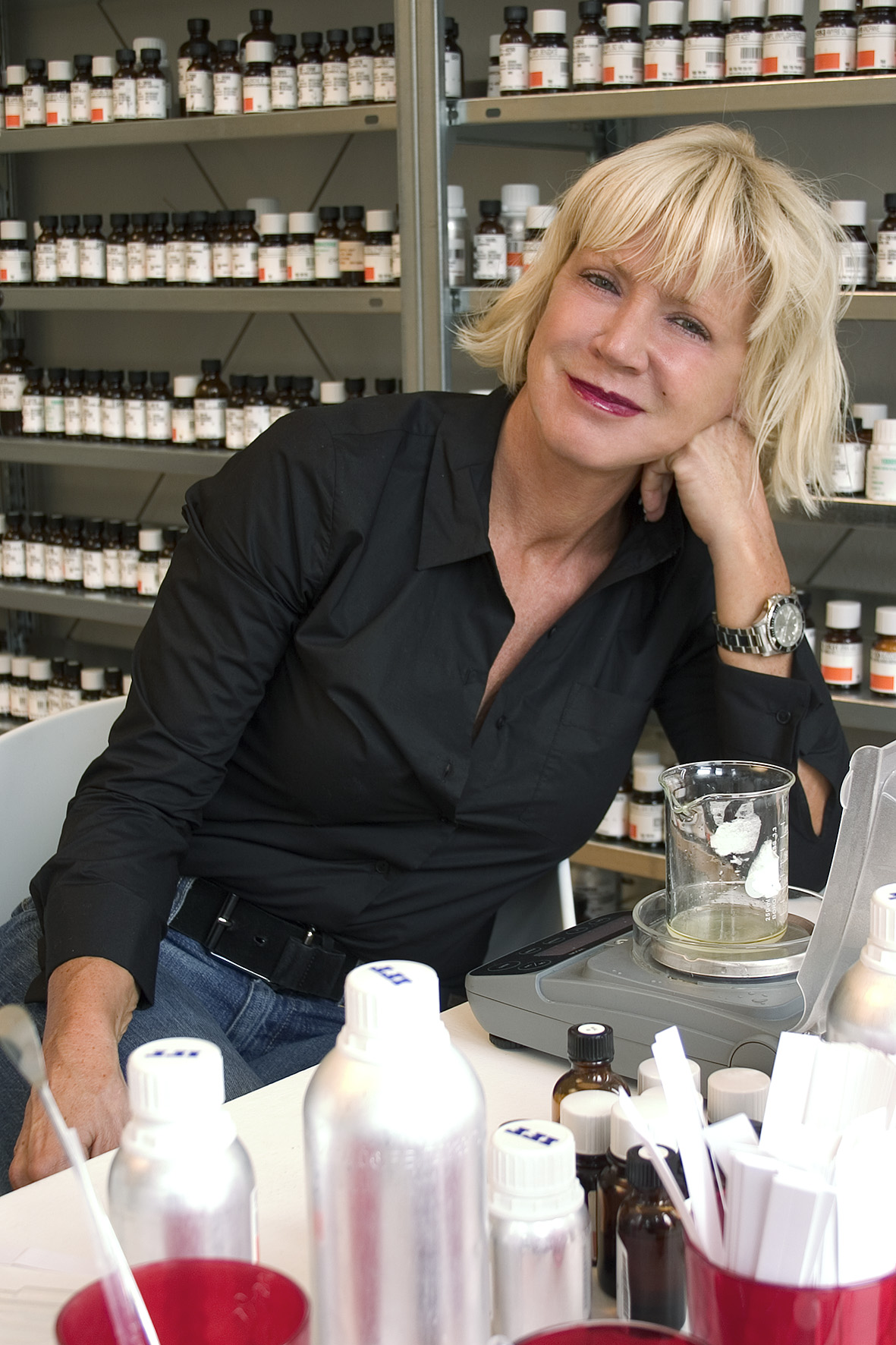
After being completely inspired and impressed by the vexing Sissel Tolaas at this year’s Design Indaba, writer Daniel Scheffler talks to her over Skype about smells, stench, reeks, stinks and everything in between. She works with David Beckham’s sneaker, the emotion fear, and even with Louis Vuitton… Is there any area of the globe she hasn’t covered?
For decades Sissel has worked across industries on a quest for clarity – her goal: to set aside emotions and prejudice and experience smell for what it truly is. And as she says, “everybody wants a piece of me”. Sissel believes that we don’t just smell with our noses but also with our kidneys, our sperm, our skin, and actually our entire system. And that is what makes her fascinating and challenging.
VISI: You call yourself a professional provocateur. Please tell me where this title has come from, and how you own it?
Everybody seems to have a title. Maybe this title can be seen in or outside of my profession or scope of work. It has to do with provoking in a good way, a radical way, but not just for the sake of provoking – it’s more fundamental. My knowledge is provocation – the industry hides and I try to expose the basics. So actually I am a professional in-betweener – my world doesn’t limit itself to an industry it lives across all of life.
I’m not an artist or a designer I don’t like the limits that presents. I’m more fun and open and approachable. And I just aim to enlarge my world. Every company should have someone like me, someone to shake up the business and point out where things are over-designed and under-understood.
The David Beckham sneaker is a great story about your adidas client. Please tell me more about it.
Well, I wanted to show Adidas that bad smells could be good. So I took a sample of an old David Beckham sneaker and used the same molecules I found on this stinky shoe to create a cheese. Well, the cheese was shaped like a football and branded Adidas and served at the World Cup to the Adidas clients.
Tell me more about the types of clients you have.
I consult for various companies and I learn something new from every project. It’s a real journey with a client who hires me for a new smell purpose. For instance the Deutsche Bank and the World War 1 German Army Museum are clients. And then there are exciting projects in healthcare sectors. It can be commercial or non-commercial research. For example, there is a project I did for a hospital where I designed a tool to challenge one’s memory in a psychological sense. I’m interested in education and so I also teach sleeping skills, memory skills and tolerance. All aspects of humanity are part of what I do.
What is your work process?
I scan the situation and present an overview of what is already there. I don’t ever bring anything new. It is always there and will always be there. I extract molecules and then in a creative world I try to present the objective scientific view of what I found. I never stop working; I’m too full of energy. For me it’s all about delivering. My work allows for an immediate reaction; which is fulltime research.
Why have you settled in Berlin?
I was depressed in Scandinavia. I wasn’t interesting in the commercialist UK or US. So I love Eastern Europe and compromised on having Berlin. I have a big laboratory here, I can work easily, the Germans know about infrastructure. And the father of my daughter is here too.
4D, which Avatar for instance used with smells and water, is the latest marketing trend. Tell me how you feel about that.
I don’t think it’s really possible. You need too many chemicals. Many have tried to create a mood and I have paid attention but smell for instance is too much of an individual process. I do love ‘scratch and sniff’ because it’s more of a solitary or individual process. But with these big 4D projects there are too many variables and you need to be very precise to create a specific atmosphere. But I am also not interested in smell for ambience. I am interested in only the physical reaction, not the emotional reaction at all. Only the brand and the body change interest me.
How do you think scent or smell affects our daily lives?
We lived in a pasteurised world. Everything is boxed and cursed with the title ‘good’ or ‘bad’. I aim to show that bad smells have a purpose – for instance bacteria that is great for your immune system has a smell. But look at cheese; it’s an obvious example of how smells can be good (the worst it smells the most sought after the cheese!). But who makes these rules of good and bad? The industry has conned us into thinking things need to smell a certain way, for example why does detergent smell like apples or fake lemon?
Why is smell often treated as a ‘lesser’ sense than sight, tough, or taste?
The Western way of thinking and its philosophy has caused this thinking. Smell is private and intrinsic and by delving into it and its related fields it disturbs privacy – that was the old way of thinking. I want to remove smell from privacy and from emotion and decontextualise it. We learn as kids to associate smell with emotions and so it remains for the rest of our lives. I want to spend more time in education and influence these changes of seeing the world from a young age. It can help to prevent things like prejudice. For instance the way one pulls your nose up at a homeless person, why is that a bad smell? It is just an association we developed since we were young.
Where are we going in terms of scent, scent design and research?
We are trying to take the reality apart. So that you can see smell or scent for what it truly is. Marketing took over from science and have created the idyllic images of perfume. It’s ridiculous because the images are not representative of smell.
Why do you think people wear cologne or perfume?
I just don’t know. I would say to attract attention. We have a body smell and it is unique as a fingerprint, why not wear that?
Have you read the novel ‘Emperor of Scent’?
No comment. Very controversial. Everyone has the right to try anything. But I just don’t necessarily agree.
And the novel Perfume?
Oh I am so against it.
In 1991 Richard Axel and Linda Buck won the Nobel Prize in Medicine for their work on smell – their research solved the mystery of how the brain can recognise and distinguish between 10 000 different odours. How has that changed or influenced your line of work?
We took part at a panel to preserve architecture with smell and published a paper at Colombia. Well I would say it just opened my mind to be hungry for more information – to keep on challenging.
Christopher Brosius designed fragrances like ‘wet mitten’ and ‘clean baby butt’. His latest project is about a perfume you can’t even smell – Invisible perfume. What’s your take on his work?
Everyone can do whatever he or she wants. It’s very conceptual; radical, but maybe too lonely or too much hard work? I don’t do niche perfumes – I do something else. I started in beginning of 90s. Do we really need another bad perfume? I have nothing against the products, but I want to know more. Not just perfume.
With your research and practice you are aiming to teach an amazing new way of tolerance. Please elaborate on that.
Well with designing tools for learning I am aiming to create a system in the same way we learn A B C or 1 2 3. I mean you don’t have an emotional reaction attached to those? And it should be for smell. That means we can be more tolerant when it comes to apparent ‘bad’ smells or ‘bad’ people.
What smells do you love?
My daughter, at every age. But I love everything. Everything is interesting. I try not letting my emotions come into play.
What about the hundreds of commercial colognes and perfumes at department stores, why is there such a demand?
People want to attract attention to themselves. But now I want to see if we can do the opposite, what if we want to fend people off? So I am creating a smell that says ‘leave me alone’. There is this guy in China that was always fighting for a spot on the public transport so one day he decided to rub himself with fish, he literally bathed in fish. And then he went to work (laughs). He now has space, arm length space on the train.
What are you reading at the moment?
The end of illness by David B. Agus. It’s a whole new way of looking at health and illness.
Find out more on Sissel Tolaas here
Follow @danielscheffler on twitter