-

Portraits of Home -
Portraits of Home -
Portraits of Home -

Portraits of Home -
Portraits of Home -
Portraits of Home -
Portraits of Home -
Portraits of Home -
Portraits of Home -
Portraits of Home -
Portraits of Home -
Portraits of Home -
Portraits of Home
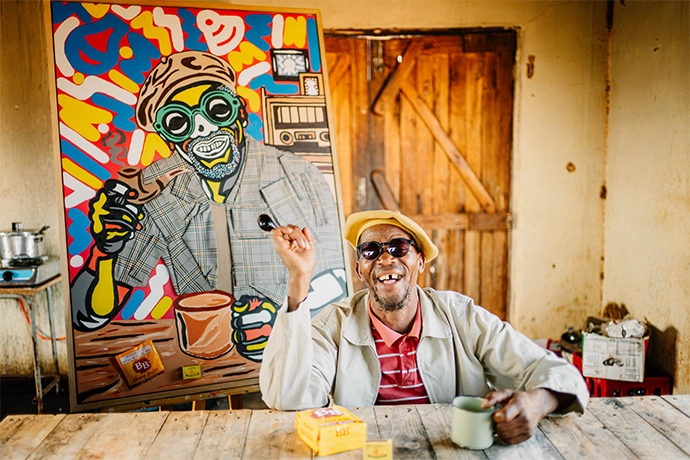
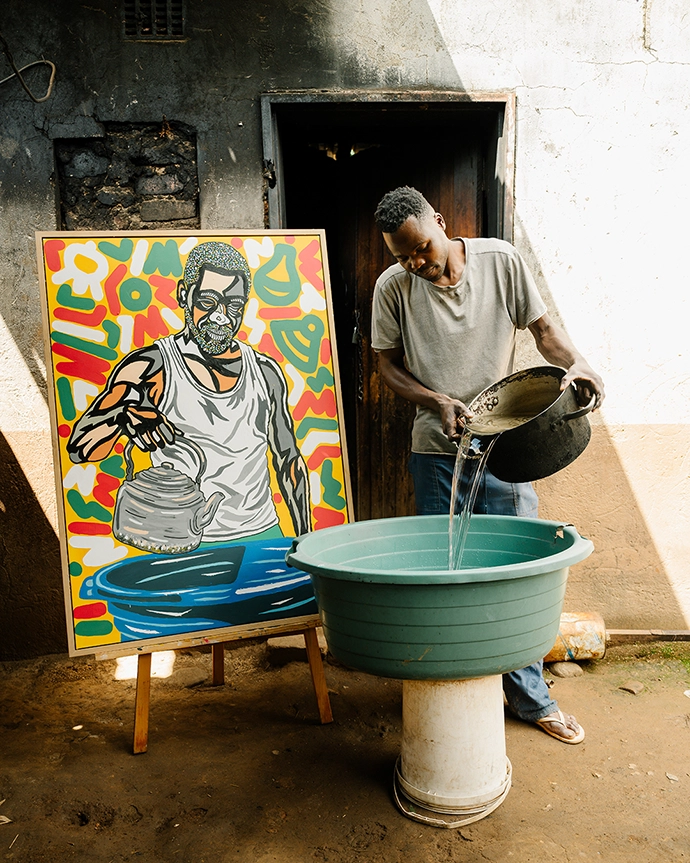
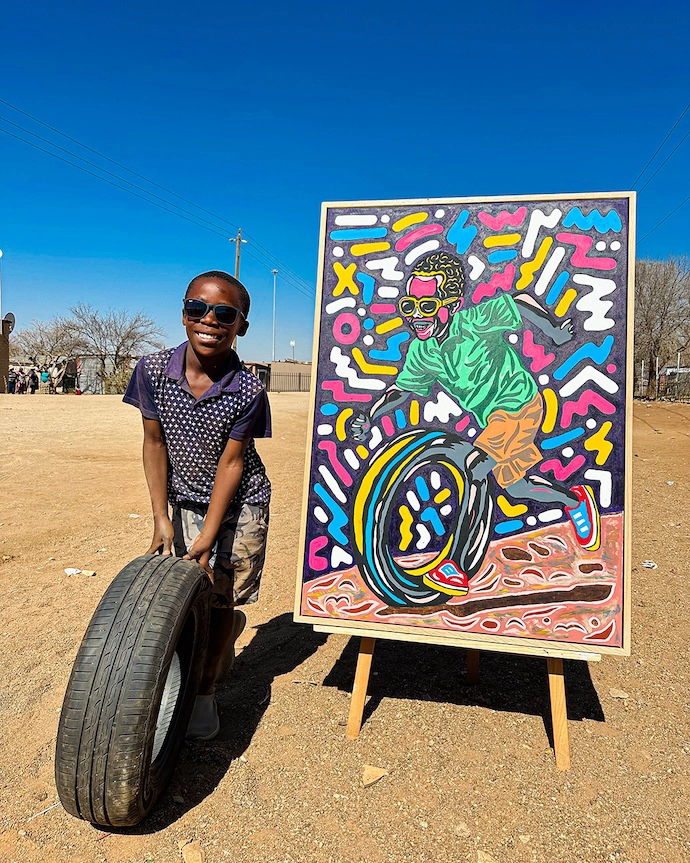
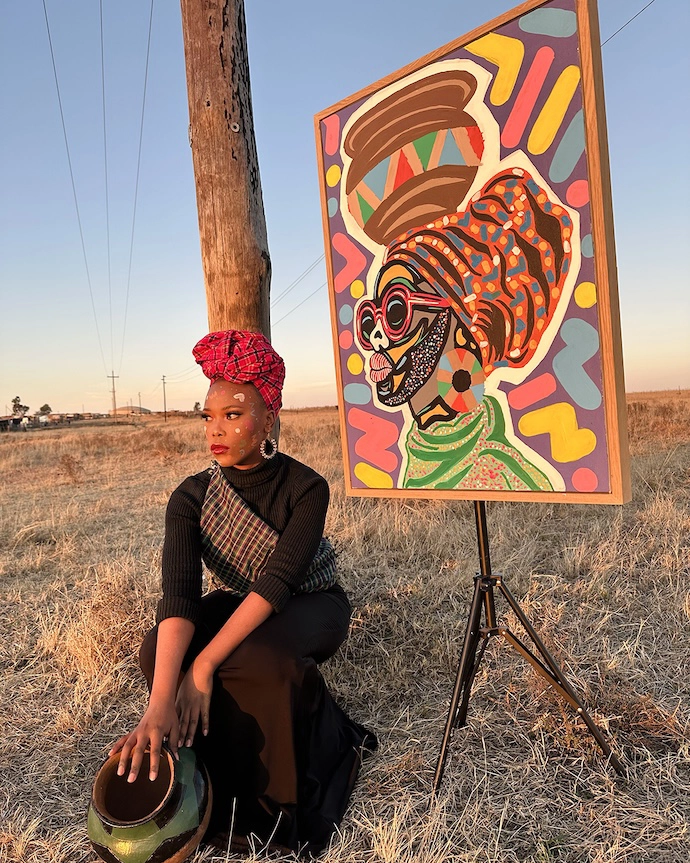
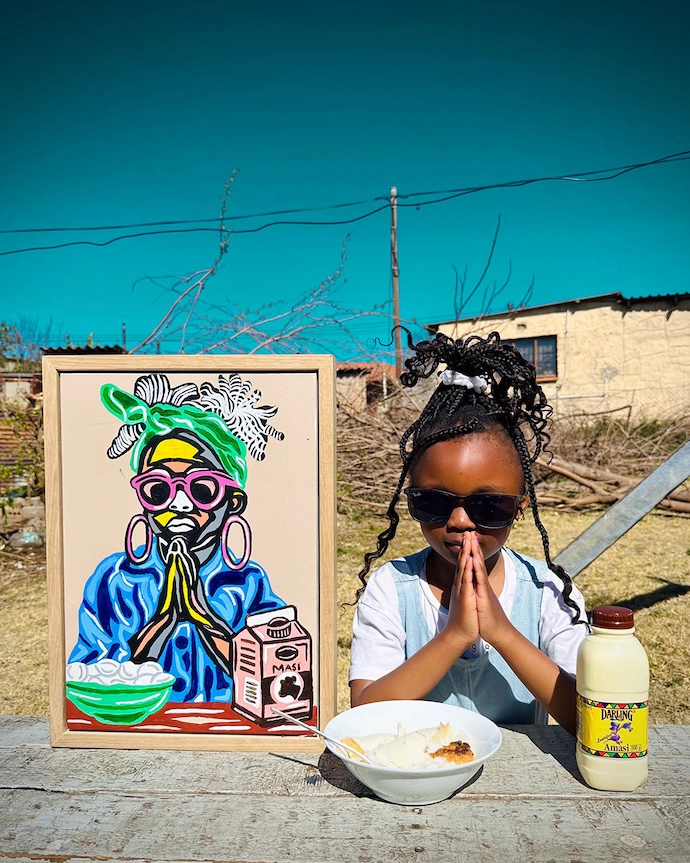
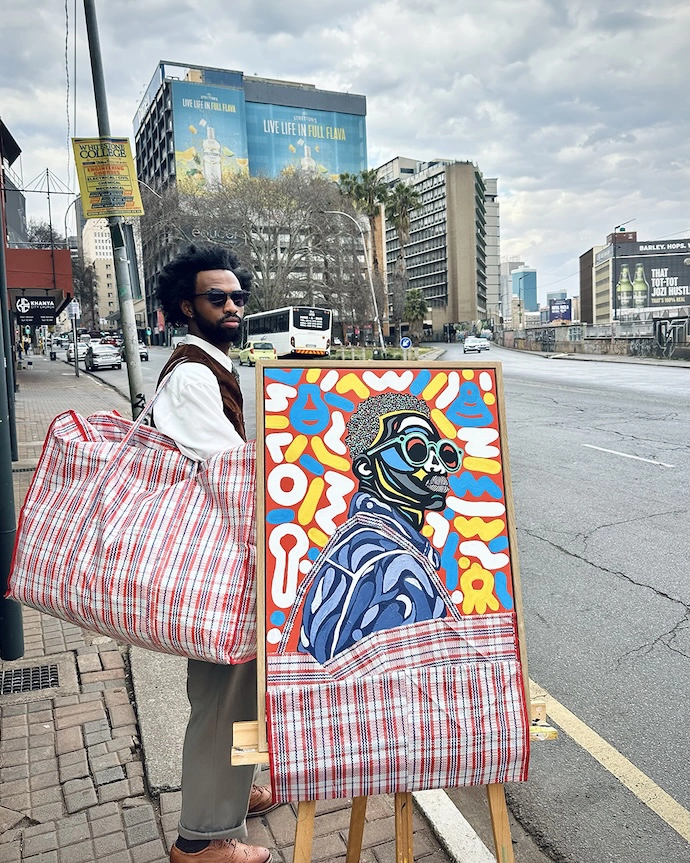
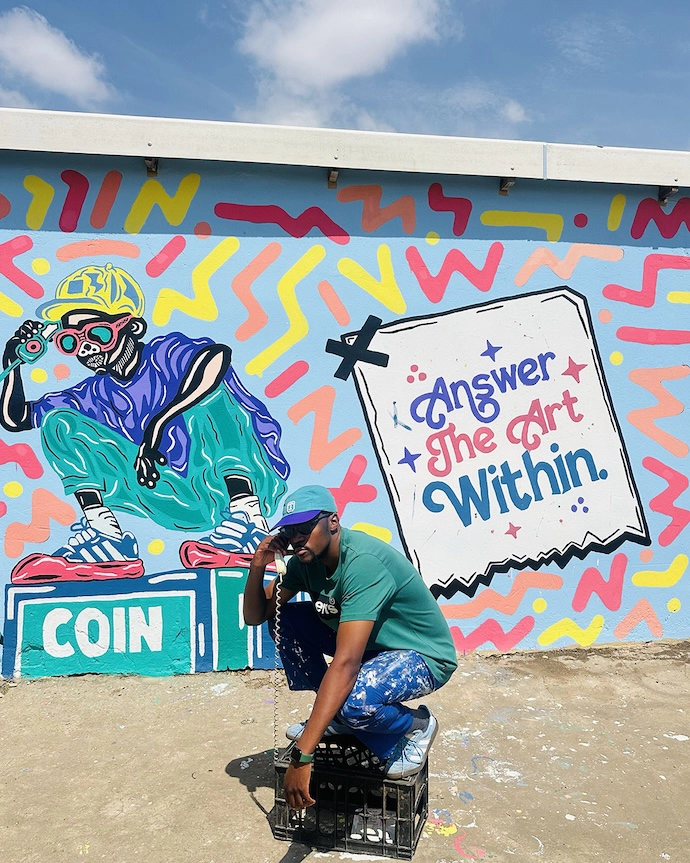
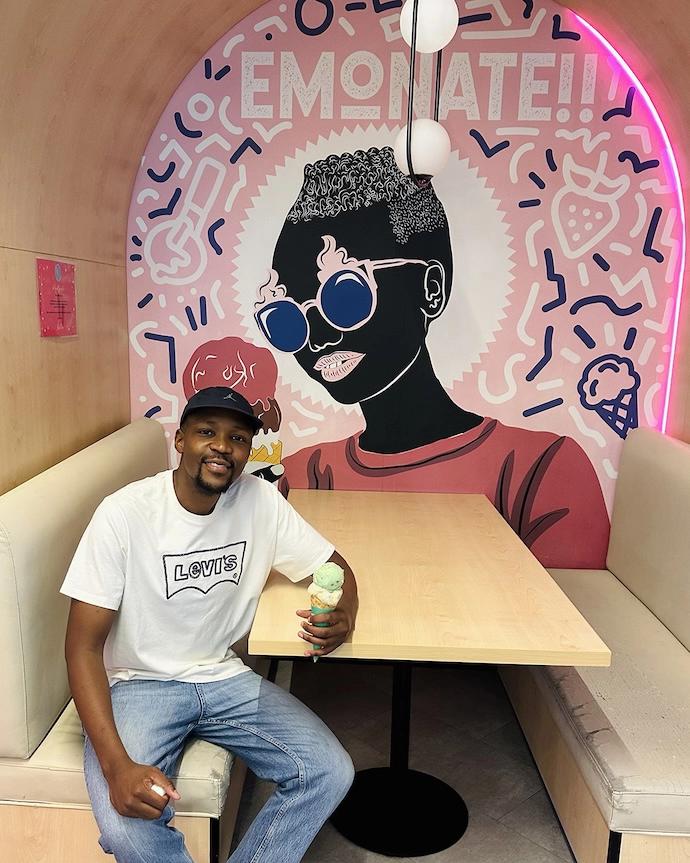
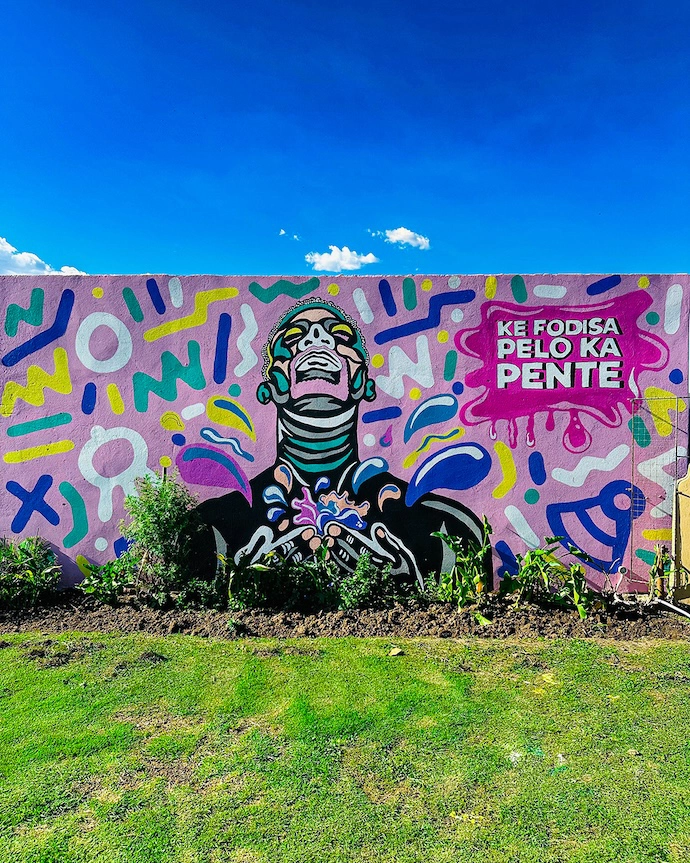
Tshepo Masilo is steadily changing how people experience artwork through experimentation with different shapes, textures and dimensions, while telling stories of everyday encounters in African communities.
WORDS & INTERVIEW Palesa Mohola PHOTOS Ntikana Ramohlale
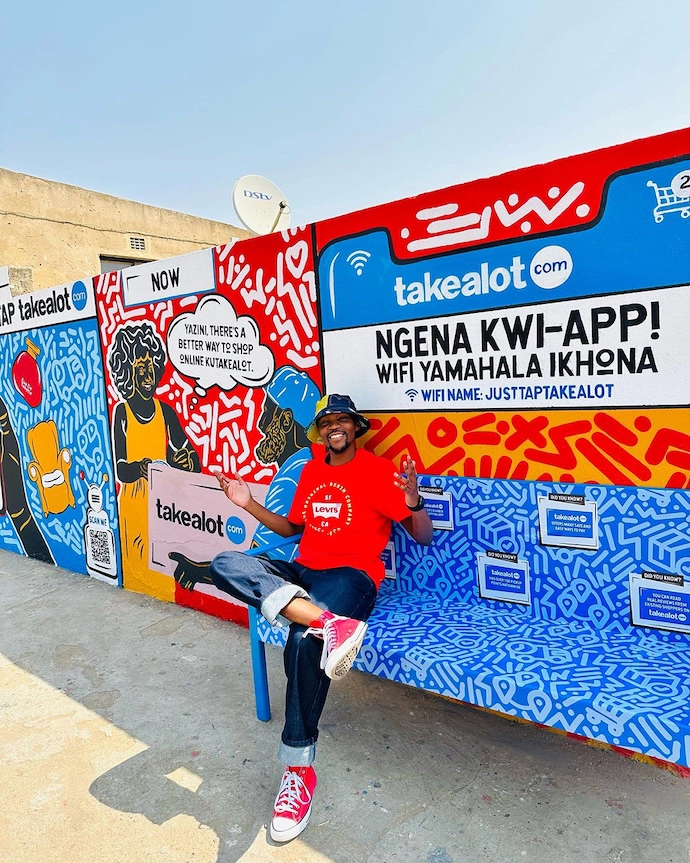
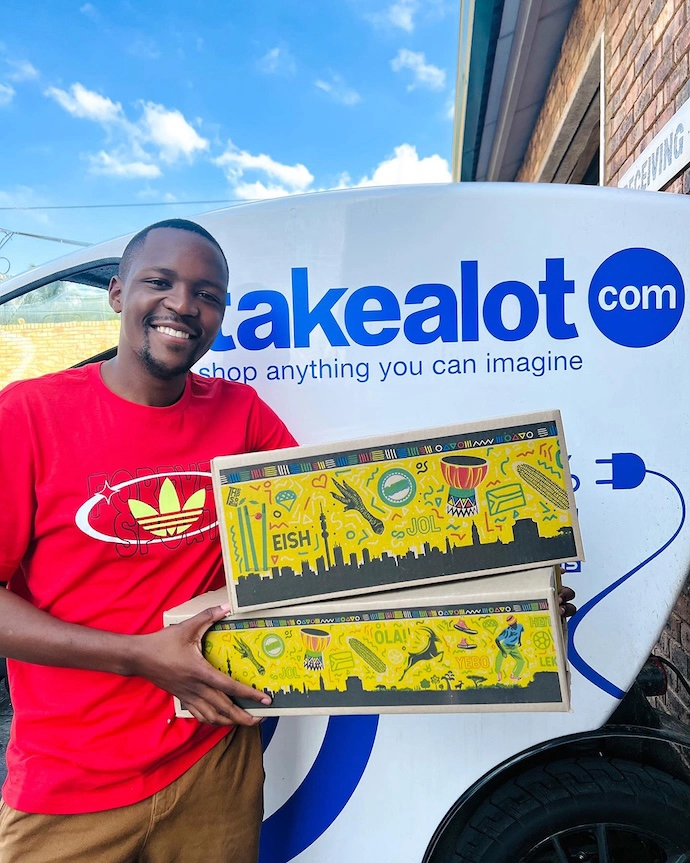
Winning the Takealot Heritage Design Challenge in 2022 was a turning point in Tshepo’s journey. Since then, the creative has continued building a career that brings together art, design and storytelling through illustrations, murals, paintings and brand collaborations, celebrating African communities while helping brands connect with their audiences.
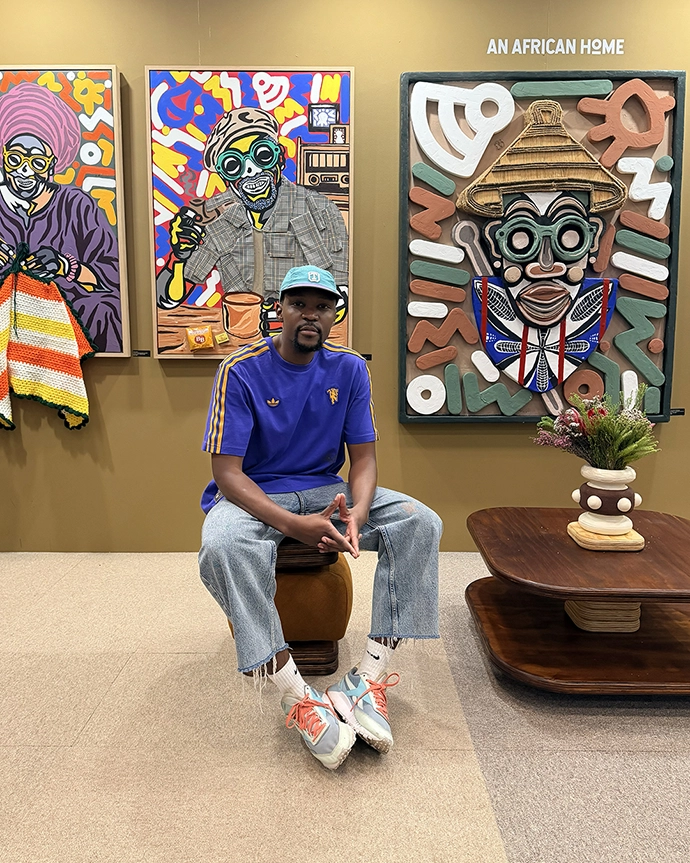
In this interview, he shares the importance of pushing personal stories forward and reminds us that the lives we sometimes consider ordinary are worth documenting and celebrating.
Could you tell us a little about yourself and your journey as an artist? What first drew you to painting?
“I’m Tshepo Masilo, known as TshepoMas, an award-winning illustrator, art director and African storyteller. I’m originally from Parys in the Free State and now based in Johannesburg. My work draws on everyday African experiences, township life and the cultures and traditions that shape who we are.
“Painting came from wanting to experience my work beyond a screen. I started as a digital illustrator, but I wanted to create something tangible, something I could touch and people could share a physical space with. That curiosity opened up a different side of my practice. My broader ambition is to travel across the African continent, learning about its people and sharing their stories through my work.”
What does the reality of being an artist in South Africa look like day to day, and what are the biggest challenges you face in building a sustainable career?
“For me, being an artist means balancing the creative work with the business of sustaining it. Alongside making art, there is time spent developing ideas, managing projects, building relationships and finding opportunities to get the work in front of people. One of the biggest challenges is finding a market that connects with the work, understands its value and can afford to invest in it. Art isn’t necessarily something people buy regularly, especially when they have other financial priorities.
“Working independently also means taking on much of the promotion and selling yourself. Without gallery representation, building those connections can be more difficult. For me, working across painting, illustration, murals and brand commissions has been an important part of building a sustainable practice.”
Your work spans cardboard cutouts, acrylic on canvas and packaging foam. How does your choice of surface affect the work, and do you find yourself drawn to a particular material?
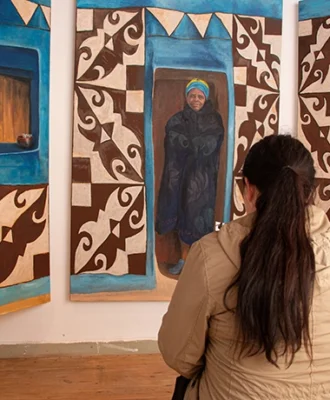
“Over the past two years, I’ve been exploring ways to make my work more interactive while continuing to challenge myself. Different materials allow me to experiment with shape, texture and dimension, which changes how people experience the artwork. In my recent work, the choice of material has also become part of the story. Using cardboard and packaging foam speaks to the resourcefulness I’ve grown up seeing around me, where people find ways to make something meaningful from what is available.
“I’m drawn to that possibility of transformation. I don’t feel limited to one material at the moment. I’m interested in what each surface can bring to the story and how something ordinary or overlooked can become an artwork.”
There is a sense of intimacy in the way you portray people and their surroundings. How do you approach capturing someone’s personality or story without simply reproducing what you see?
“A lot of my characters come from imagination, but that imagination is shaped by people I’ve known, observed or grown up around. I draw on familiar expressions, gestures, postures and details that remind me of particular people or moments. I’m interested in capturing a sense of someone and the life around them. Sometimes a small detail, like how a person sits or holds an everyday object, can carry a whole story.
“What has been especially interesting is finding people who resemble characters I’ve already painted. When we were looking for models to recreate the scenes, some of those similarities were striking. There’s something almost spiritual about that for me, as though a person I imagined already existed somewhere.”
Your work seems particularly interested in ordinary, everyday moments. What is it about these moments that captures your attention? And how has your artistic practice changed the way you see everyday life?
“Often, it’s seeing something that takes me back to my childhood. It might be a routine, an object or a gesture that I didn’t recognise as a story at the time because it was simply part of everyday life. Looking back, I realise how much those moments hold. They tell us about care, family, identity and how we live. I’m interested in giving them the attention they deserve and preserving things we might otherwise take for granted.
“My practice has made me more observant and intentional about learning. It has encouraged me to look more closely at our different cultures, ask questions and document what I discover through my work.”
Your current painting series, Portraits of Home, documents daily life in an African home. Could you walk us through how you came up with this series and what it represents for you?
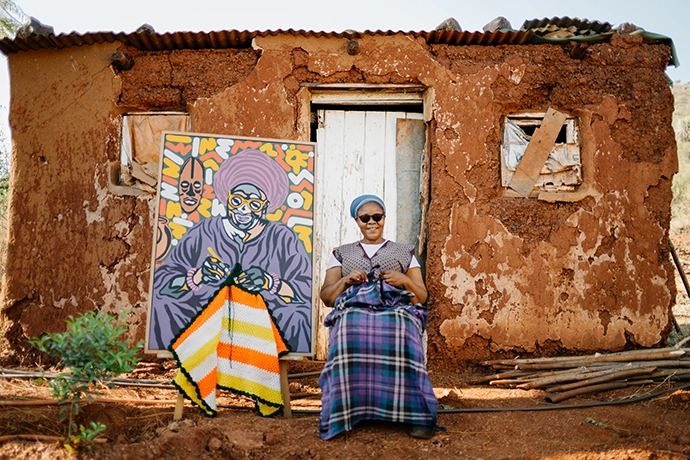
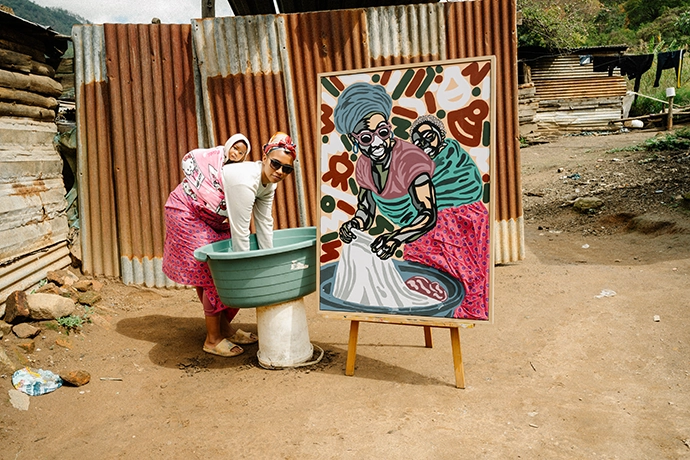
“Portraits of Home grew out of my previous exhibition, An African Home. I wanted to continue exploring the people and everyday rituals that give a home its character. The paintings capture scenes such as an uncle bathing with a basin, a grandmother crocheting, an older man smoking his BB tobacco, or an aunt doing the laundry with a baby on her back. These are moments that many people may recognise, but they are rooted in my own memories of growing up.
“For me, the series is a way of honouring those memories and the people within them. It reflects how home lives in our routines, relationships and the small things we remember.”
You chose to travel to Limpopo to shoot and document scenes from your painting series. What drew you to Limpopo specifically, and how did the landscape, people and environment influence what you wanted to capture?
“The trip came together through my collaboration with photographer Ntikana Ramohlale. I was drawn to the villages and landscapes of Limpopo, and the opportunity to bring the paintings into conversation with real people and places.
“It was my first time visiting the province, so there was also a sense of discovery. The people we met and the surroundings brought another layer to the work. Recreating the scenes became a collaboration, with each person bringing their own presence and personality to the image. We captured some special moments, and the experience showed me how a painting can become the starting point for another story.”
What do you hope people take away when they encounter your work, particularly when they recognise something familiar in the scenes you portray?
“I hope people feel seen and find something they connect with, whether it’s a person, a memory or a small detail that reminds them of home. I also hope the work encourages reflection and conversation. Someone might recognise their grandmother in a painting, while someone else might learn about a way of life they haven’t experienced.
“Ultimately, I want my work to carry our stories forward and remind people that the lives we sometimes consider ordinary are worth documenting and celebrating.” tshepomas.co.za | @tshepomxs
Don’t forget to sign up to our weekly newsletter for the latest architecture and design news.