-

Photographers We Love: Tsoku Maela -

Photographers We Love: Tsoku Maela -

Photographers We Love: Tsoku Maela -
Photographers We Love: Tsoku Maela -

Photographers We Love: Tsoku Maela -
Photographers We Love: Tsoku Maela -

Photographers We Love: Tsoku Maela -

Photographers We Love: Tsoku Maela -

Photographers We Love: Tsoku Maela -

Photographers We Love: Tsoku Maela -

Photographers We Love: Tsoku Maela -

Photographers We Love: Tsoku Maela
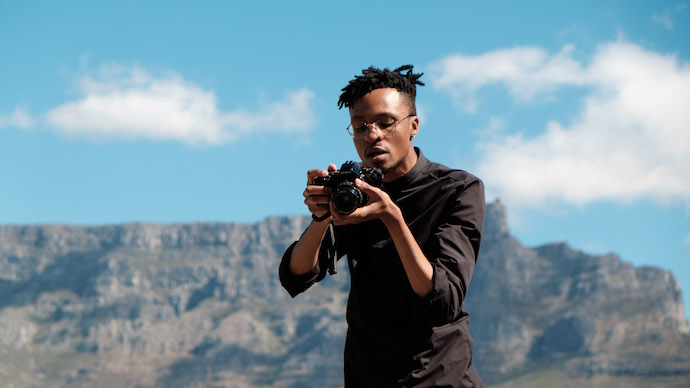
INTERVIEWED BY Cheri Morris
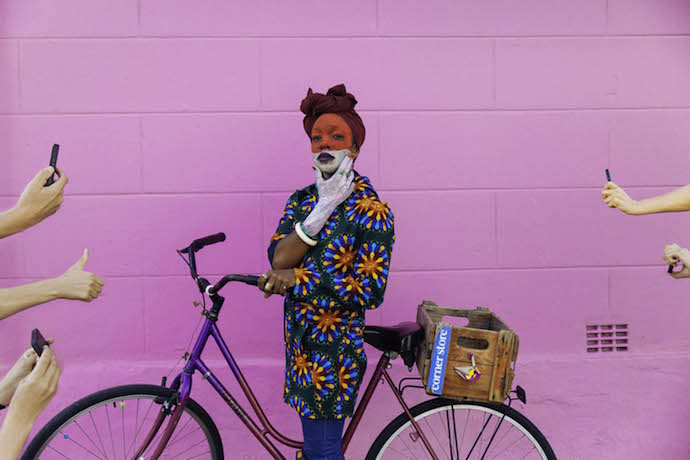
Limpopo-born, triple-threat artist Tsoku Maela has taken not only the contemporary South African art scene by the horns but has also garnered international critical acclaim with his meaningful and arresting work.
We chat to him about what inspires him, how he destigmatises mental illnesses and his journey through depression and anxiety via his art.
You’re a photographer, director and writer. Do you have a preferred practice and why?
Not at all. In fact, all three complement each other very well in that I can conceptualise and visualise the narrative. With photography I have to tell the story in a single frame and create motion within that frame and the audience.
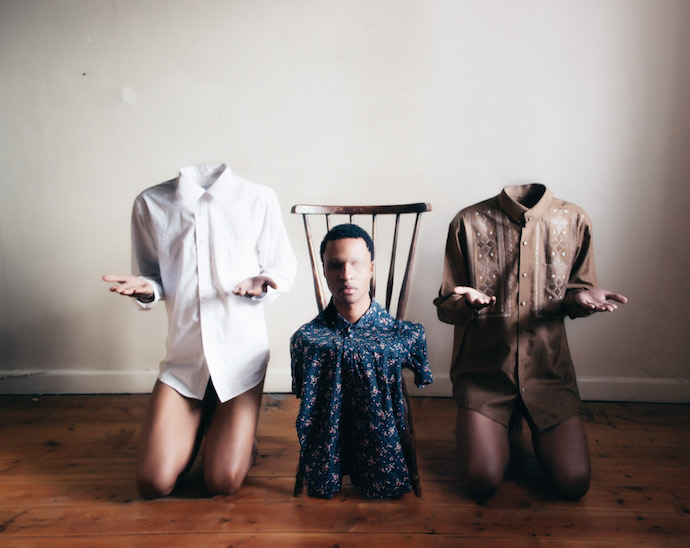
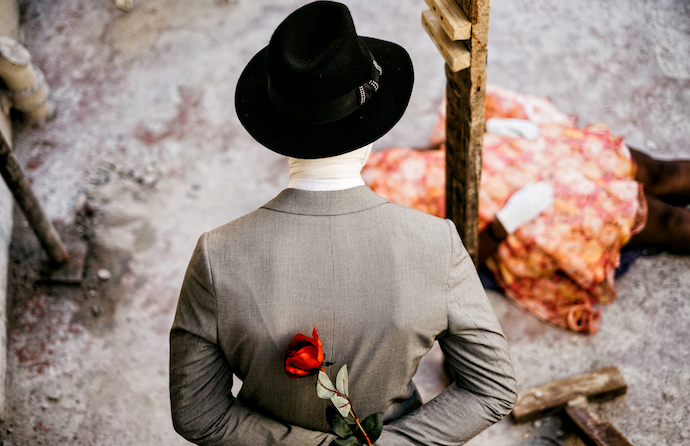
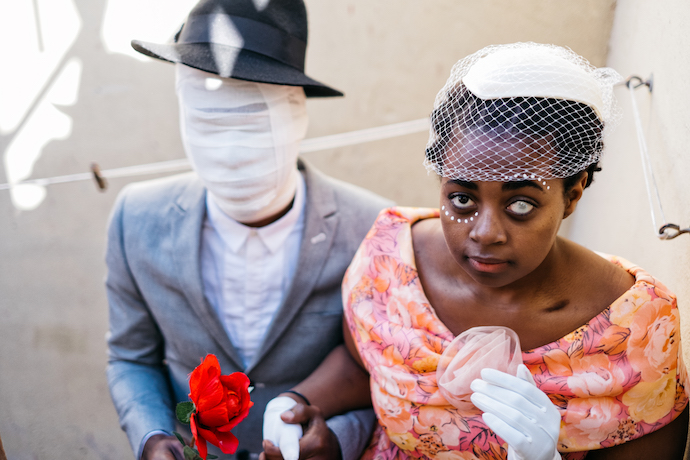
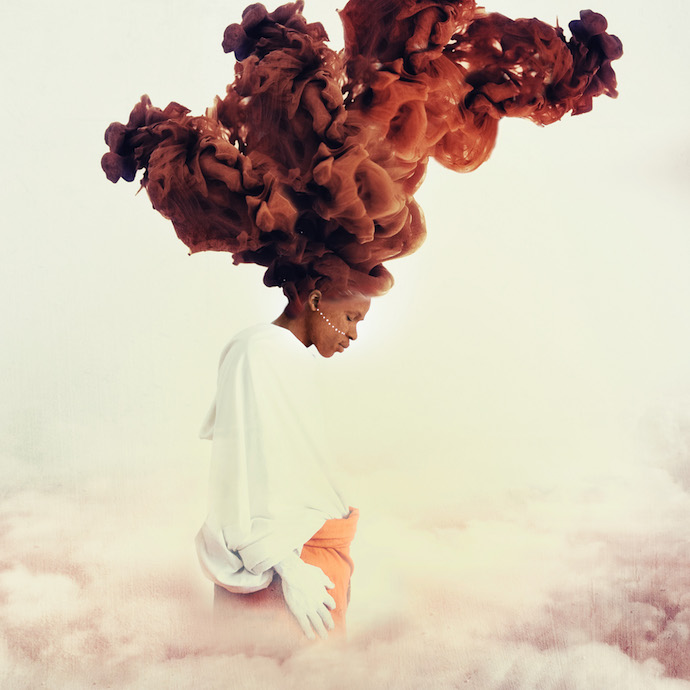
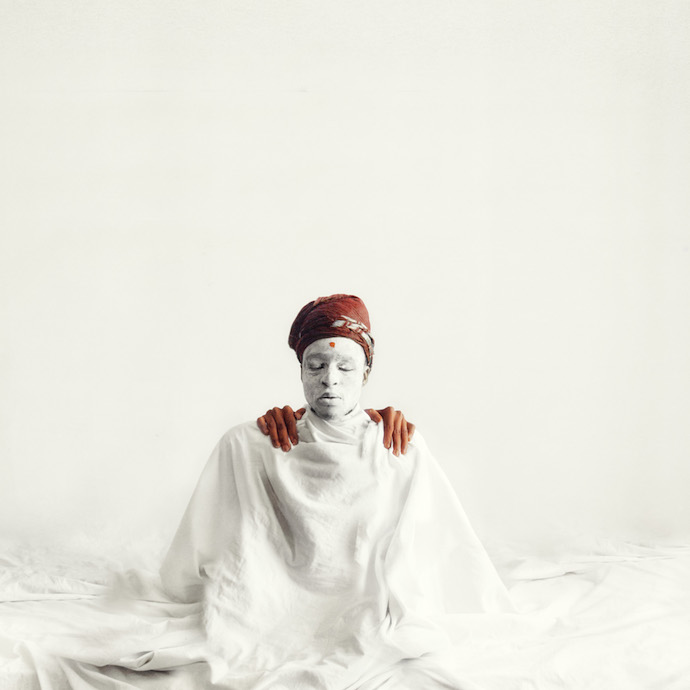
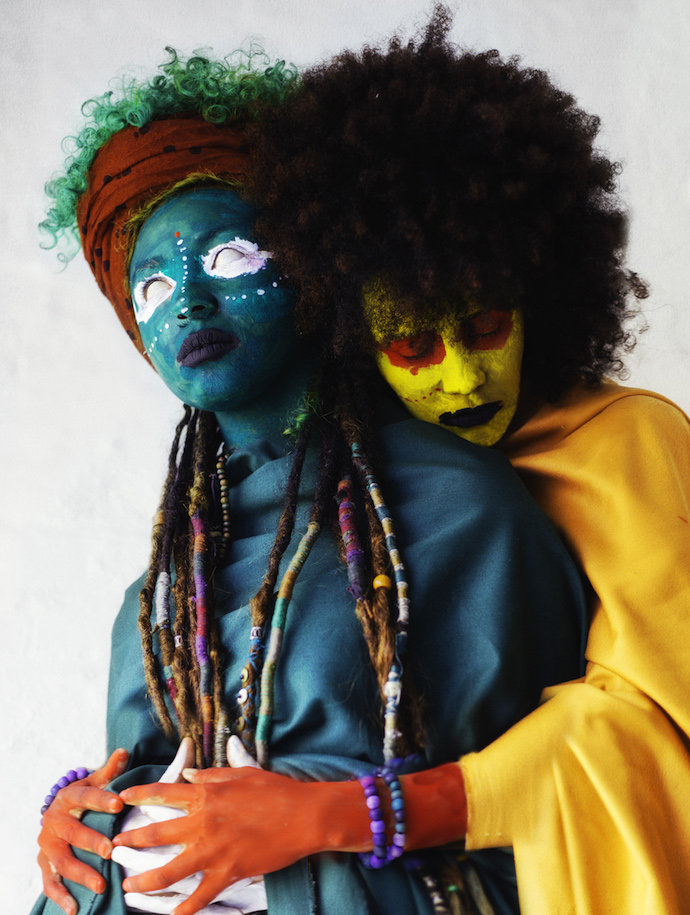
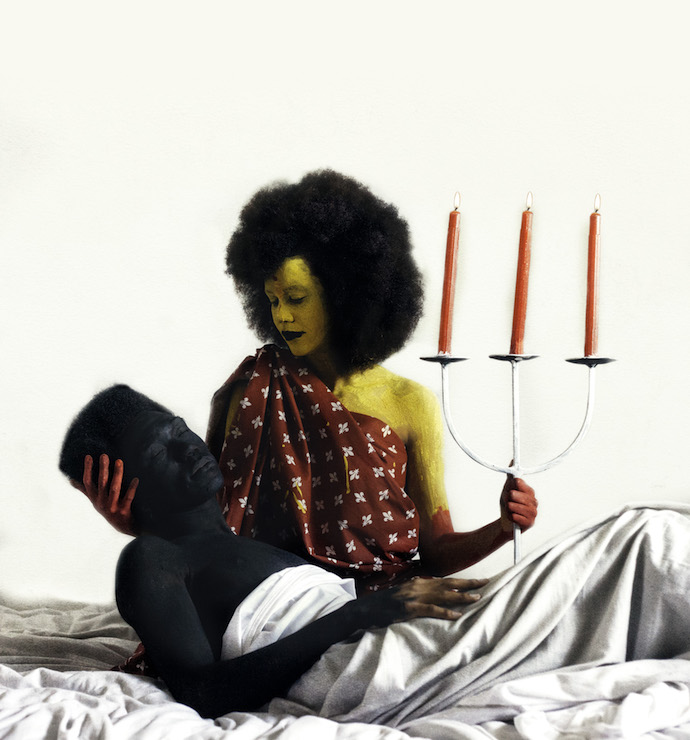
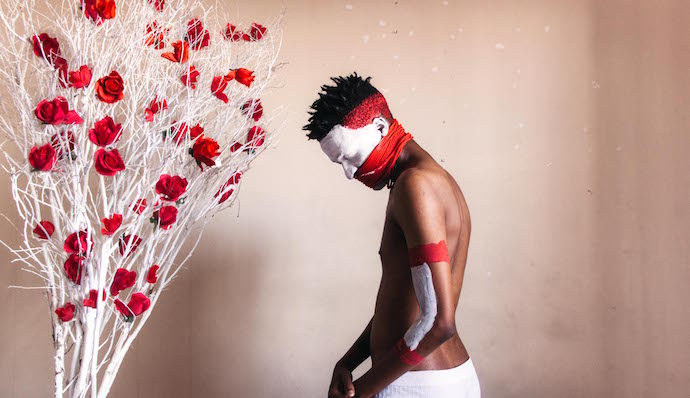
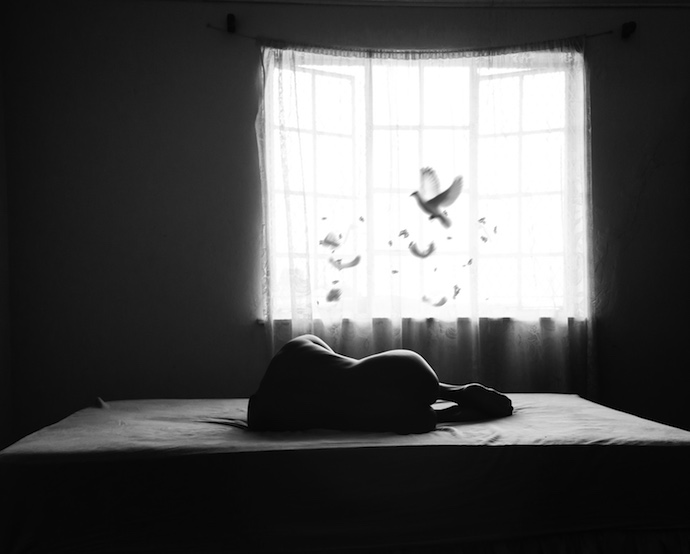
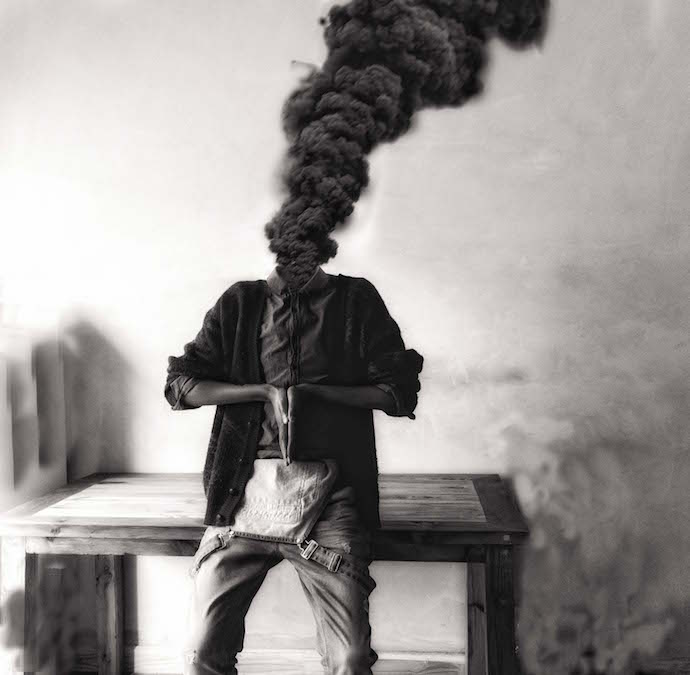
Your bodies of work (Broken Things, Abstract Peaces, Barongwa: I am that I am, Appropriate) explore and document your various journeys through depression, anxiety, culture, colonialisation and self-acceptance. How would you describe your artistic process – from the world inside your mind to the arresting bodies of work you produce?
Conflicted, often chaotic, but that’s true to creativity and process. It’s a process of unlearning where new ideas challenge what you have known to be true your entire life – about the world, about yourself – and maintaining a level of sanity. The beauty of it all is not in the final works; they represent the process.
What was the most challenging body/piece of work for you to create and why? What was difficult about it and what was rewarding?
Barongwa: I am that I am. Without a doubt. Mostly because I was at a very interesting point in my life with my name being out there more than it was last year due to releasing Abstract Peaces. It kind of disturbed the balance I had going for the last three years. The subject matter was also pretty heavy because I was dealing with energies that require specific conduct and a lot of trust for the process. While most people would think I’d be buoyant with confidence, gaining traction and creating works consistently, I was very low on confidence. Imposter syndrome gets to all of us but the work prevails in the end.
You have explored stigmas surrounding mental illnesses in black communities in your work and you mention a profound story about someone who viewed your piece Regret. Return and then decided to choose life instead of death. Realising that your work and the awareness it creates can have such a profound effect on those who view it must have been very rewarding for you. Please elaborate on the issues you raise in your work and what you hope to accomplish through doing so?
Well, I think the issue at hand is quite clear – we need to rethink and unlearn everything we think we know about mental illnesses as a people. This goes for anyone of any race. If a child gets bullied in school or gets othered on the playground because Jimmy overheard Lauren’s Mom tell his Mom that Sam is a little “retarded”, then something is profoundly wrong with all of us. Children get diagnosed with ADHD for fun nowadays and the implications on their lives can be catastrophic. I’m hoping this conversation carries on until we show love to everyone living with a mental condition; to instil hope in everyone and to learn from each other. The real crazy people are using taxpayers money for personal luxuries.
Please would you tell us about the film Confluence that was showcased at the Mercedes-Benz Bokeh Fashion Film Festival this year.
Confluence was a fashion short-film that focused on two African tribes at odds with one another before finding peace through their mutual love for African aesthetic and pride in being African. The story is narrated by a wise elder who lived during that time and in the end we took what modernists consider to be a primitive African clan and placed them on the moon overlooking the Earth.
This is actually not fiction, Africans had seen into the cosmos long before technology caught up and I wanted to place as much subtext in the storyline as possible.
What is next for you?
Learning constantly and taking my time; enjoying, creating and observing the world around me and myself. It’s changing and so are the people. I have to be vigilant and ready to document that.
Follow Tsoku on Instagram and Tumblr to view more of his work.