-

#OvernightRush Project -
#OvernightRush Project -
#OvernightRush Project -
#OvernightRush Project
WORDS Michaela Stehr
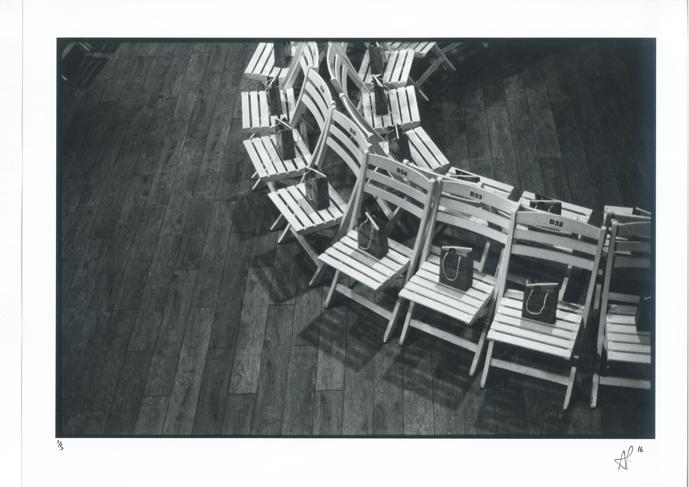
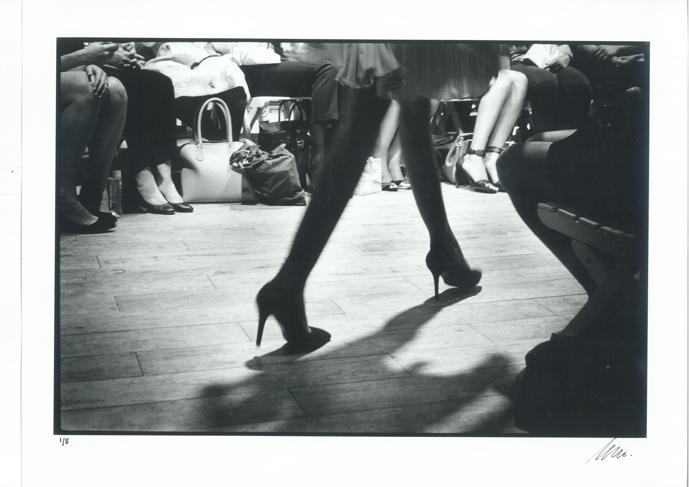
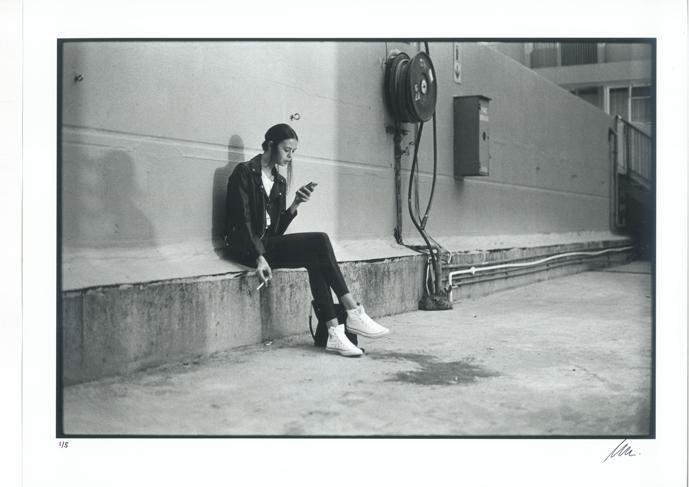
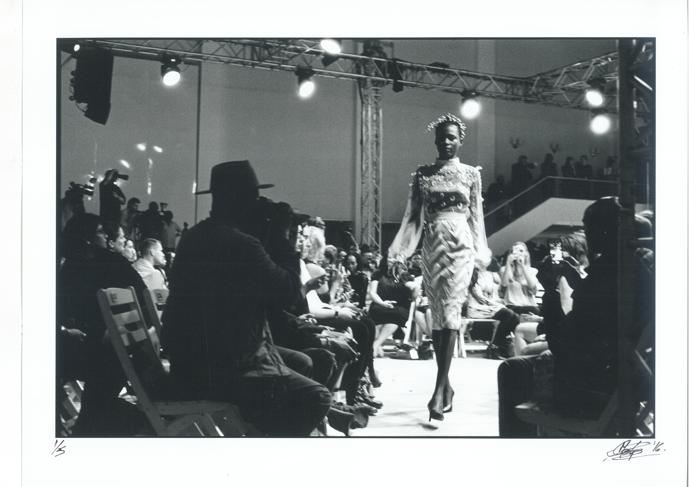
The #OvernightRush project saw four Instagram-savvy photographers shoot black-and-white film at SA Fashion Week.
Communications consultant Michael-Giles Coyle worked with South Africa’s last black-and-white photographic print gurus, Dennis da Silva and Janus Boshoff of the Alternative Print Workshop, to introduce street photographers to the art of shooting film in a project called #OvernightRush.
“Film is fashion’s native medium,” says Michael-Giles, “so we worked with SA Fashion Week’s Lucilla Booyzen and some of South Africa’s top Instagrammers to produce a body of work at SA Fashion Week 2016, shooting at the show and then processing and printing overnight.
“#OvernightRush came about in part because we were interested to see how the skills of the digital age would influence shooting film. Is photography a purely mechanical experience, or is there a subtler difference in approach that makes film photography distinct from digital?”
Four photographers, Michael-Giles, Andile Buka, Miklas Manneke and Alexi Portokallis, were each limited to two rolls of black-and-white film, 72 frames, and 288 potential final images. The name #OvernightRush was coined after Dennis recalled the overnight rushes that would take place during film’s heyday, an experience the four set out to replicate.
THE PROCESS
Images were shot using Ilford Delta 400 rated at 800 ISO, without flash. “Push-processing film compensates chemically for low-light conditions,” says Michael-Giles. “This is at the cost of detail in the shadows, but it gives the shots a beautiful grainy look.”
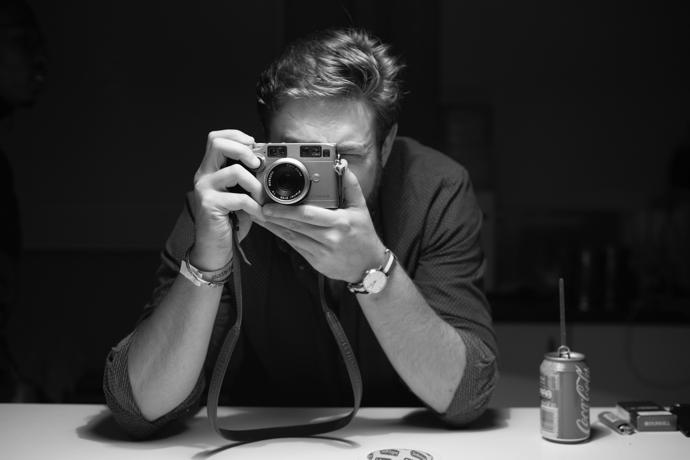
All images were developed within 1½ hours of finishing the shoot and contact sheets were made.
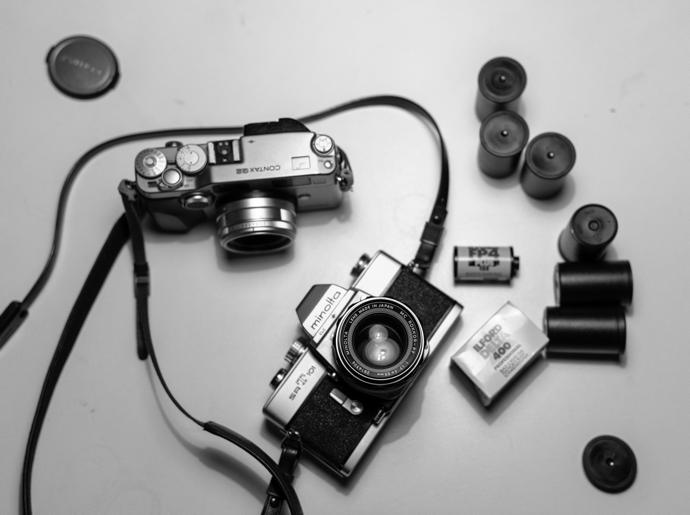
An hour was spent selecting and critiquing the work before starting to print.
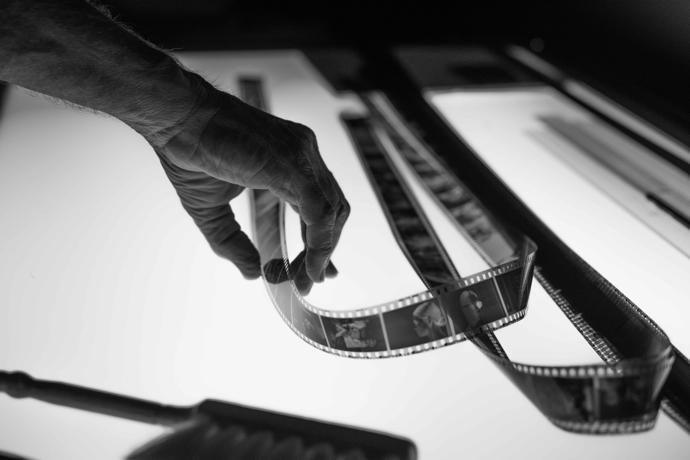
About 100 prints were produced between 1 am and 6 am, and 20 were selected for display at SA Fashion Week the next evening.
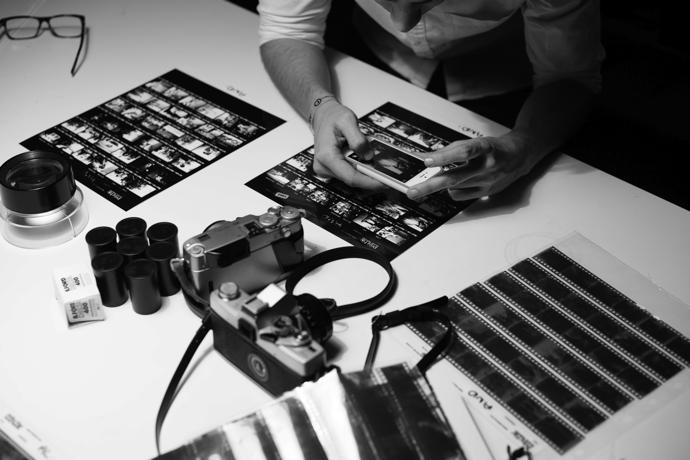
The only editing done was dodging by hand and the photos were framed with a burnt border to show they weren’t cropped.
All of these limits meant that a number of choices the digital photographer would make after the fact were locked in before the first shutter clicked.