-

Comine Joubert -
Mosa Seshoene -
Ian Dommisse
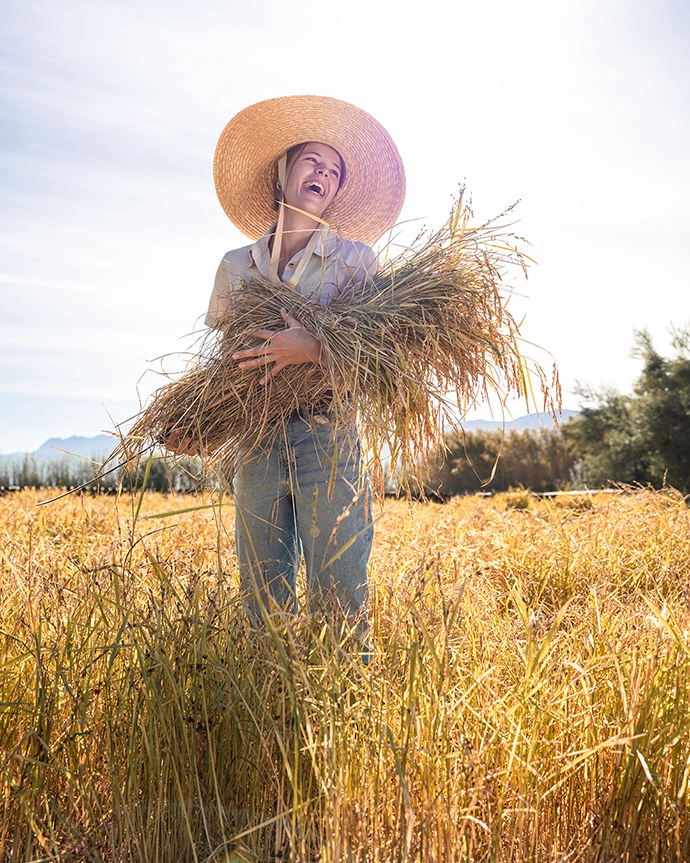

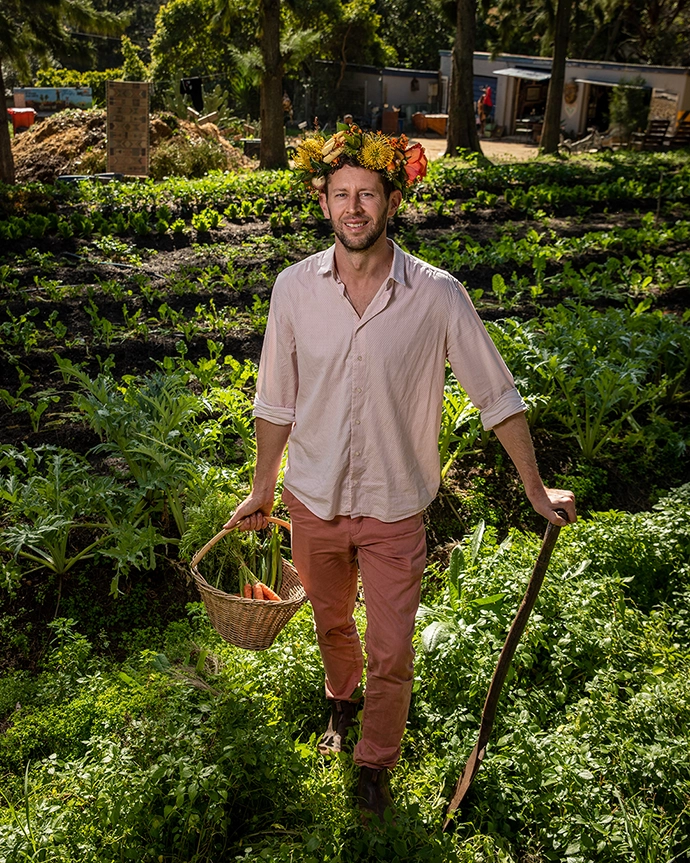
The gardener of today doesn’t look quite like the one you might imagine. We explore why a new generation is gardening differently – embracing smaller spaces, edible design, wilder edges and a far more personal sense of what a garden can be.
For a long time, gardening was something we tended to associate with our parents and grandparents: established gardens, inherited knowledge and years spent learning which plants thrived where. Then came the pandemic, a renewed appreciation for nature and the rise of the ‘plant parent’, as a younger generation discovered the joy of filling windowsills, balconies and living spaces with greenery.
Today, the boundaries are far less clear. You don’t need a large garden, years of experience or even a traditional garden to call yourself a gardener.
And as Garden Day returns on Sunday 18 October, the celebration is as much about enjoying the green spaces we have as it is about how we grow in them. This year’s theme, ‘From Garden to Table: Grow, Gather, Celebrate’, embraces the many ways gardens can feed, connect and enrich our lives.
We asked three young South African gardeners what they think the future of gardening looks like and their answers point to a more relaxed, practical and personal approach.
You don’t have to be born a gardener
For Comine Joubert, a horticulturist at Babylonstoren, one of the ideas worth leaving behind is that gardening ability is something you’re either born with or you aren’t.
There may be people who seem to have an instinctive understanding of plants, she says, but gardening knowledge can be developed. The more time you spend observing your plants and understanding their individual needs, the more confident you become.
It is an approach that makes gardening feel much more accessible. You don’t have to know everything before you start, and you certainly don’t have to get everything right.
Comine also believes that gardens don’t need to be perfectly manicured to be successful. Allowing certain areas to grow more naturally can create habitat for insects and other wildlife while taking away some of the pressure to keep every corner immaculate.
For Mosa Seshoene, gardener and founder of Farminist, that sense of individuality is fundamental. A garden should reflect the person who uses it rather than conform to one universal idea of what a ‘good’ garden looks like.
Grow what interests you
That freedom extends to what goes into the garden.
Mosa believes gardeners should experiment rather than automatically return to the same familiar crops every year. If spinach and cabbage are regular staples, why not try Chinese cabbage or different varieties of greens?
It is not only about keeping the growing space interesting. Trying different vegetables can introduce families to new flavours and may even encourage children to become more curious about what they eat.
There is also an opportunity to rethink where the food garden belongs.
Landscape designer Ian Dommisse believes the productive garden deserves to be treated as part of the home’s living space rather than something that has to be tucked away at the back.
A vegetable garden can have attractive pathways, seating, a pergola, a water feature or somewhere to eat. In other words, the place where you grow food can also become one of the places where you spend the most time.
Small spaces can still grow plenty
The younger generation of gardeners is also challenging the idea that you need a large plot of land to grow your own food.
Hydroponics, vertical growing systems and containers all make it possible to produce food in smaller spaces, while microgreens can be grown quickly with very little room.
But growing food doesn’t have to become a complicated project. Mosa points out that a simple container filled with good potting soil can be enough to get started. A bucket, planter or suitable recycled bag can all become growing space. For people living in apartments or homes with limited outdoor areas, movable planters offer another option. They can be moved around as the seasons change or as the gardener’s needs evolve.
The same principle applies to ornamental plants. Containers, rocks and other unconventional spaces can all provide opportunities to grow.
The lawn doesn’t have to disappear
The traditional lawn is another gardening convention being reconsidered.
Neither Ian nor Comine believes lawns need to be eliminated. They have an important role to play when children need somewhere to run around or a family regularly uses the space for recreation.
The question is really about how much lawn you need and what the rest of the garden could be doing.
Ornamental grasses can provide movement and texture without needing to be mown, while groundcovers and other planting can introduce colour and habitat. At Babylonstoren, Comine has experimented with Roman chamomile, creeping thyme and alyssum as alternatives to conventional grass.
The result can be a garden with more variety and more opportunities for plants, insects and people.
Work with your garden, not against it
There is also a growing emphasis on understanding what a garden actually needs before reaching for the hose, fertiliser or secateurs.
Comine suggests checking beneath the surface of the soil before watering. What looks dry on top may still be moist underneath, and getting into the habit of checking can make gardeners much more conscious of how much water their plants really need.
Ian recommends starting with the soil itself. Adding compost and mulch builds organic matter and improves the soil’s ability to retain water. Matching plants to the conditions they naturally prefer can also reduce both water use and maintenance.
And sometimes, doing less can be beneficial.
Instead of automatically removing fallen leaves, gardeners can allow them to decompose naturally or incorporate them into mulch. The organic matter can enrich the soil and help it hold onto moisture, while also supporting the small organisms that form part of a healthy garden ecosystem.
Think beyond the season
The next generation of gardeners is also looking at the garden as something that should support life throughout the year.
Ian would like to see more thought given to what is available for pollinators during autumn and winter, when there may be fewer flowers for bees and other insects. Mosa expects to see increasing interest in indigenous and South African plants, many of which are naturally adapted to local conditions.
There is also growing interest in rain gardens and wetland-style soakaway gardens, which can slow rainwater down and allow more of it to soak into the ground rather than being rapidly channelled away.
It is a shift from simply asking what looks good to considering how the garden functions within its wider environment.
Make the garden work for you
Perhaps the most noticeable difference in the way these young gardeners approach gardening is that none of them seems particularly interested in creating a garden simply because they think they are supposed to.
If you love vegetables, grow vegetables. If you only have space for a few containers, make the most of them. If you have children who need somewhere to play, keep the lawn. If you prefer a slightly wilder garden, allow it to develop that way.
As Mosa puts it, “Your garden should fit into your life, not become another obligation.”
That may be the most useful lesson of all. Gardening doesn’t have to look a certain way, happen in a certain kind of space or belong to a particular generation.
It can be a balcony full of herbs, a collection of houseplants, a productive vegetable garden, a lawn surrounded by planting or a slightly wild corner where insects and plants are allowed to do their thing.
And perhaps that is what makes Garden Day such a fitting celebration. On 18 October, there is no particular kind of garden you need to have and no particular kind of gardener you need to be. The invitation is simply to notice what your green space gives you, share it with others and enjoy it.
Join the Garden Day celebration
On Sunday 18 October, gardens and green spaces across South Africa will become places to grow, gather and celebrate as Garden Day returns for its 11th year.
Its theme, ‘From Garden to Table: Grow, Gather, Celebrate’, invites South Africans to enjoy what their gardens provide – from food and flowers to the simple pleasure of spending time among plants.
For practical inspiration, the new Grow Guide offers month-by-month planting and sowing advice for South Africa’s different rainfall regions. Find it along with more Garden Day inspiration online. | gardenday.co.za