-

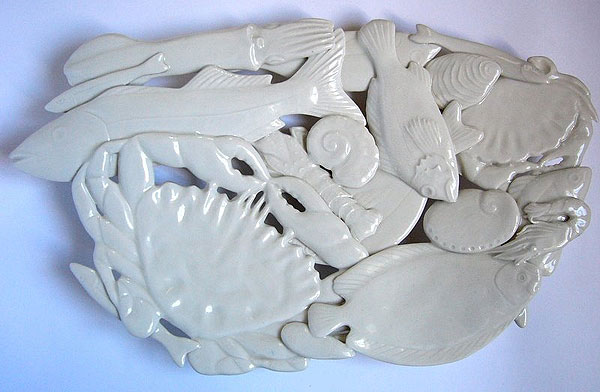
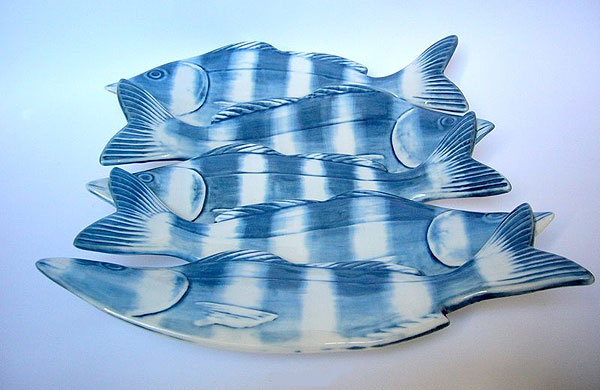
Into the blue : "Day's Catch" -

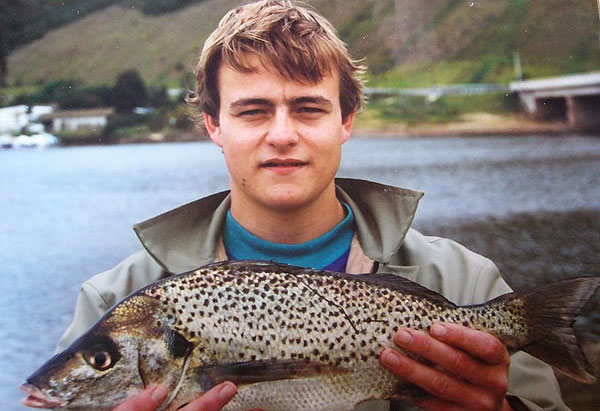
Into the blue : John, circa 1990 at Keurbooms Rivier -

Into the blue : "Five Steenbras" -

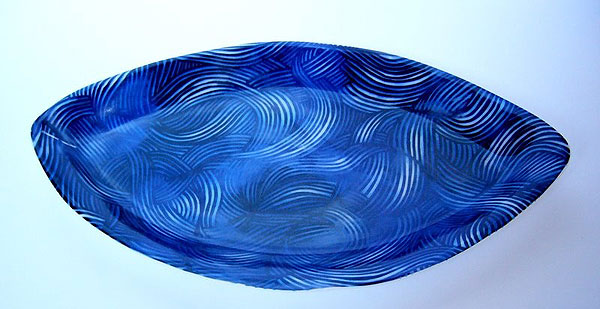
Into the blue : "Sea Swirls" -

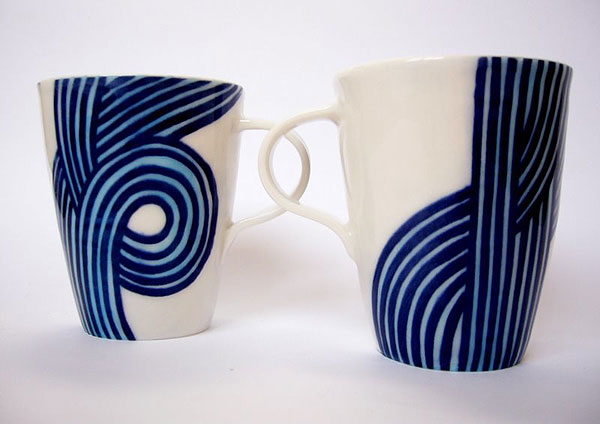
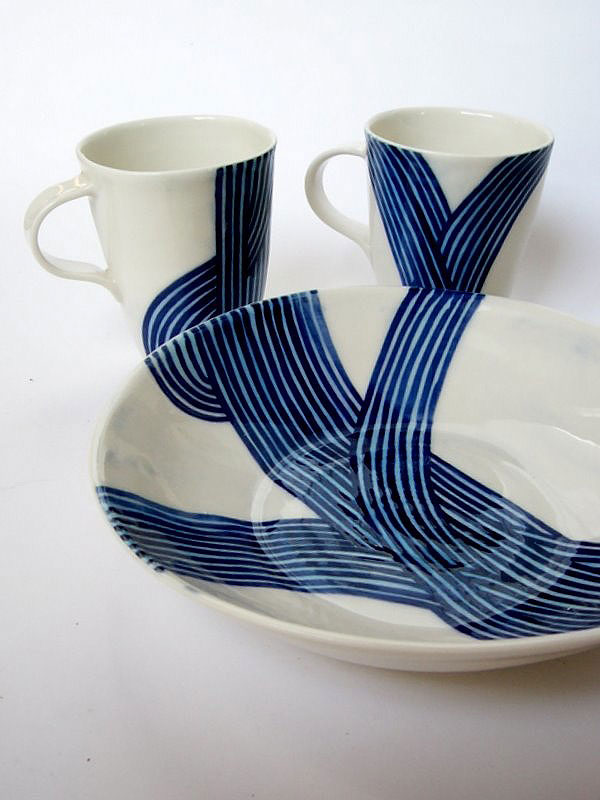
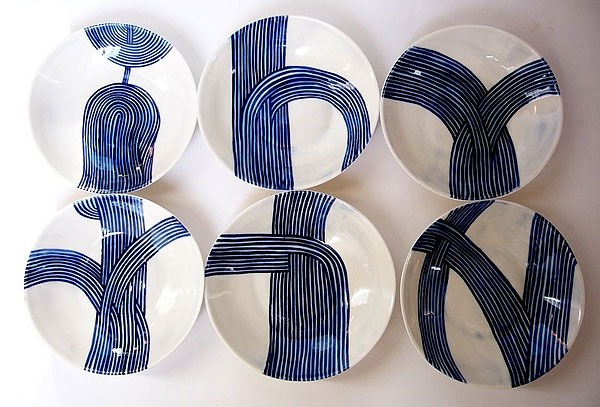
Into the blue : Blue Spaghetti range -

Into the blue : Blue Spaghetti range -

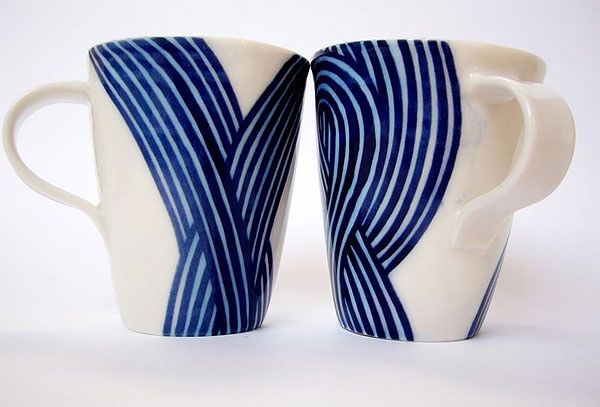
Into the blue : Blue Spaghetti range -
Into the blue : Blue Spaghetti range
WORDS: Remy Raitt
Ceramicist John Newdigate has just struck a deal that he equates with a musician being signed up to big label. His latest collection of ceramics, with the working title Blue Spaghetti, will soon be sold through West Elm, part of the Williams Sonoma Group in the USA.
The collection of ceramics, swirled with blue and featuring oceanographic motifs, includes serving dishes, a tea service and canapé plates with salt and pepper shakers to boot.
John, who lives and works in Swellendam says this is a “very exciting development”. West Elm will get his works produced which will free him up from being restricted by limited production capacity. “I will be promoted and credited on each piece as the designer and will be reaching many more people than I had thought possible.”
VISI caught up with John to find out more about his work.
When did you begin this new collection?
Most of my designs take ages to filter through the layers of limestone in my head! This collection started off many years ago, with an appreciation of the way stripes are used in African art, which is difficult to articulate, but I’ll try: confidently free-hand and organically uneven. This is what makes them so lively – not just the stripes, but more importantly, the negative spaces between them. I started to allow the stripes to wander over the shape of the different vessels (the way ploughed grooves follow the topography of a field), and even from one piece to another. The result is a design that feels integral to the form and not just another applied decoration. An unexpected bonus is the creation of a new display each time they are put out – on the table or on the kitchen shelves.
It is obvious that the ocean often inspires your work. Why is this?
I grew up in Kalk Bay (before it became trendy) and spent every available moment that I could in the sea, on the sea or looking at it. The way the sea reacts to available light, wind direction and strength means it can look cruel or kind, energetic or slothful, which makes it infinitely interesting to me. Then, add the myriad creatures and plants that live in it, and the way they interact with the great liquid lens that covers three quarters of the planet, and you’ll see why I feel that the sea will be a source of inspiration for as long as humanity exists!
How do you translate this in your works?
I distil what it is that has first inspired me – a butterfly that just fluttered past, or rather the way that the orange on its wings smudges to brown, then black, then – sharp as the crack of a whip – to white. Using a butterfly literally could be clichéd and kitsch, but on closer examination every person would extract their own unique essence from the same source, which is interesting to share. I can also be literal though, remembering the satisfaction of returning from a day at sea with a laaitjie full of fish destined for the table, or a basket of sea creatures after spending the morning on the rocks at low tide. These days I cannot bring myself to kill fish for fun, there are so few left! So I carve and paint them into bowls instead, and snorkel in marine reserves to observe them going about their daily life. Fish mean a lot to me, and I know them so well that I find it disturbing when they are used as a motif in a poorly observed and misunderstood way.
Why are ceramics important to you?
Ceramics allow me to express my creativity in a way that I can share: affordable, useful and rewarding. I love the thought of my work contributing to an occasion at which I am not present in person. As my inspiration is prolific, ceramics allow me to let loose, and not take everything too seriously, which could inhibit me.
How does your location affect your work?
I find the tranquility of living in a mostly natural landscape very important. But equally important is the electronic communication which allows me to design contemporary work that is sold on the high streets of Europe and America. The stigma of being a hayseed if you live outside of a big city is ironically outdated and behind the times. The impact of the Information Age and what it makes possible is only starting to seep into the fibre of our culture.
John’s ceramics are available at The Potter’s Shop, Kalk Bay Modern, Dorp Street Gallery and Ebony in the Western Cape, Artisan Gallery in Durban and Kim Sack Gallery and Barbara Lindop’s home exhibitions in Johannesburg.
Don’t miss out on VISI 56, our “Into the Blue” issue, on sale now.