-

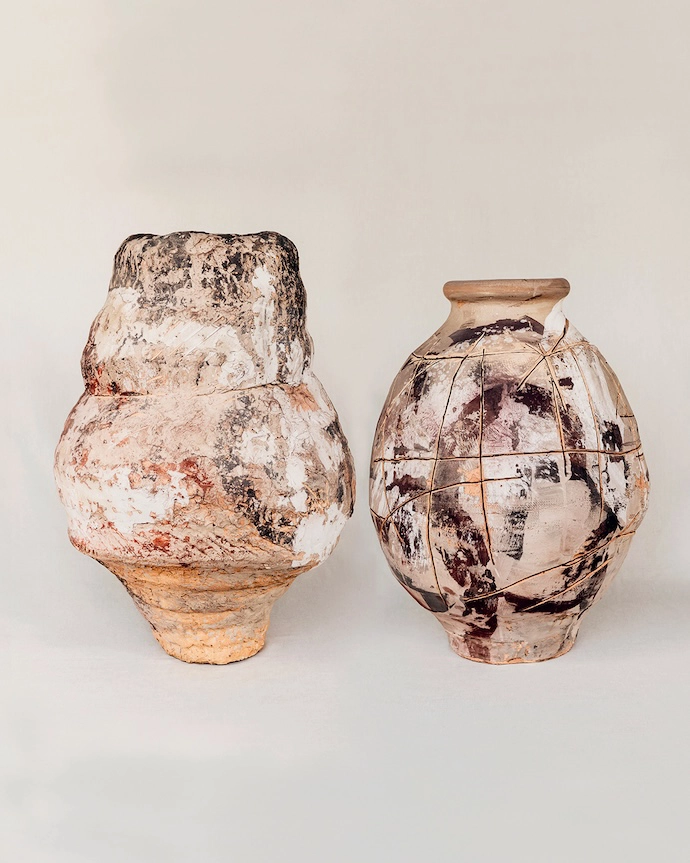
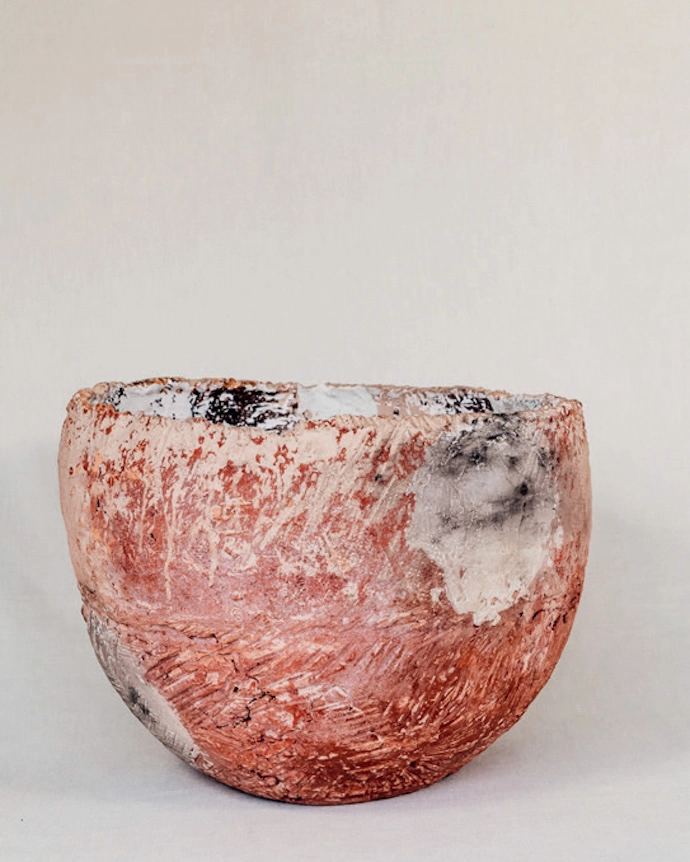
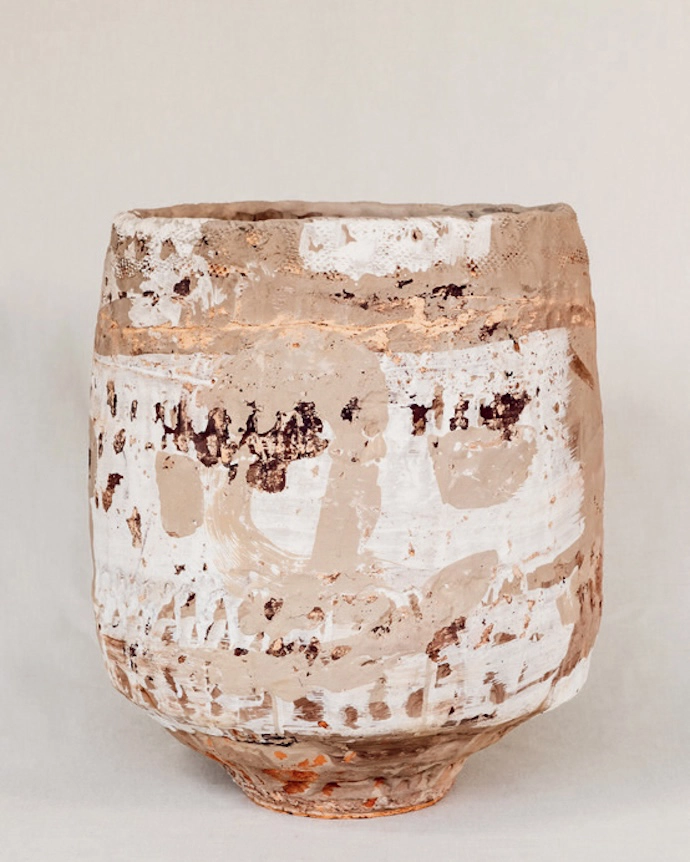
Two multicoloured glazed sculptures from his new collection: Crust Rock (left) and Fissure Stone. -
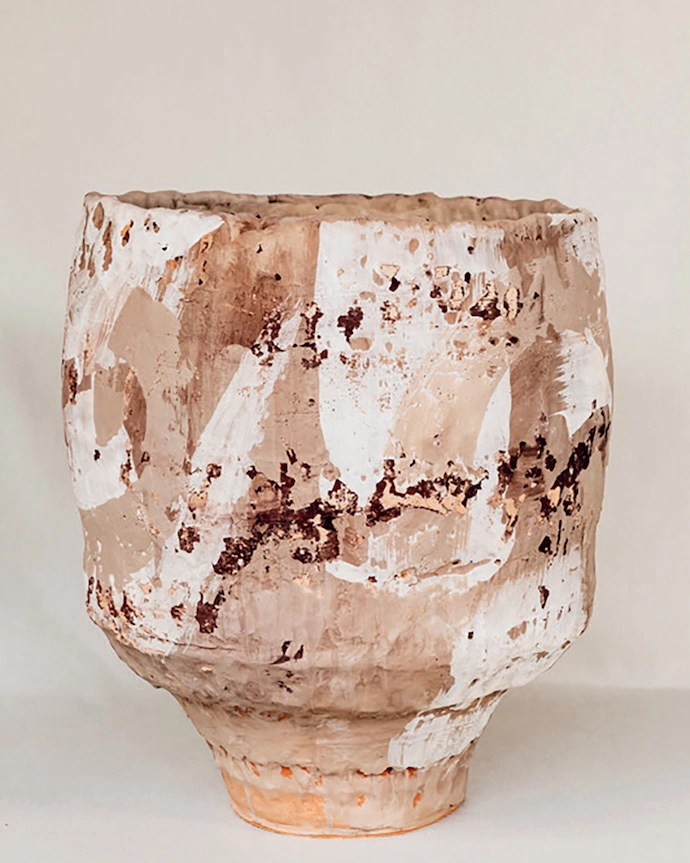
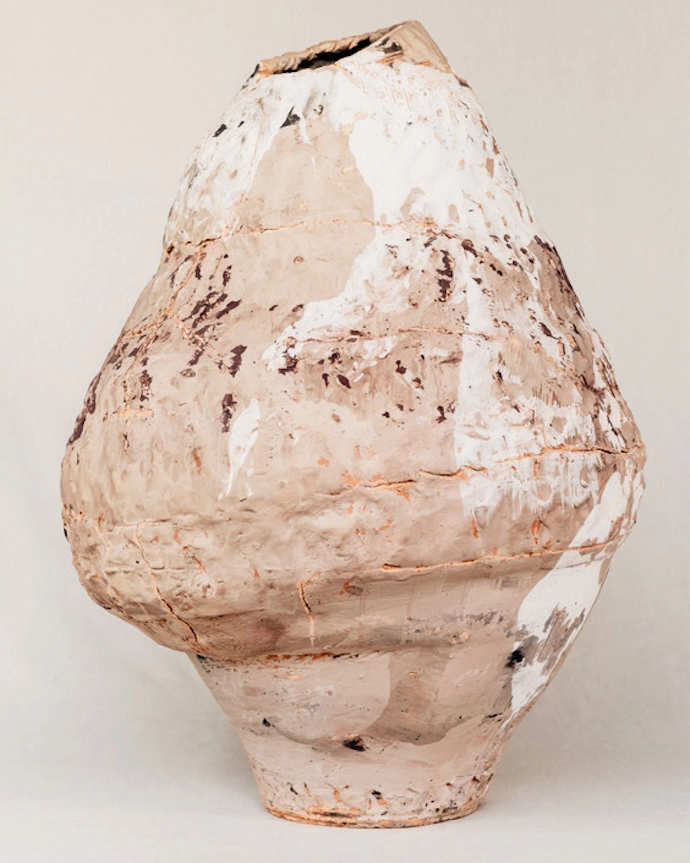
More glazed ceramic sculptures from the new collection. -
More glazed ceramic sculptures from the new collection. -

More glazed ceramic sculptures from the new collection. -
More glazed ceramic sculptures from the new collection. -
Firing Memories
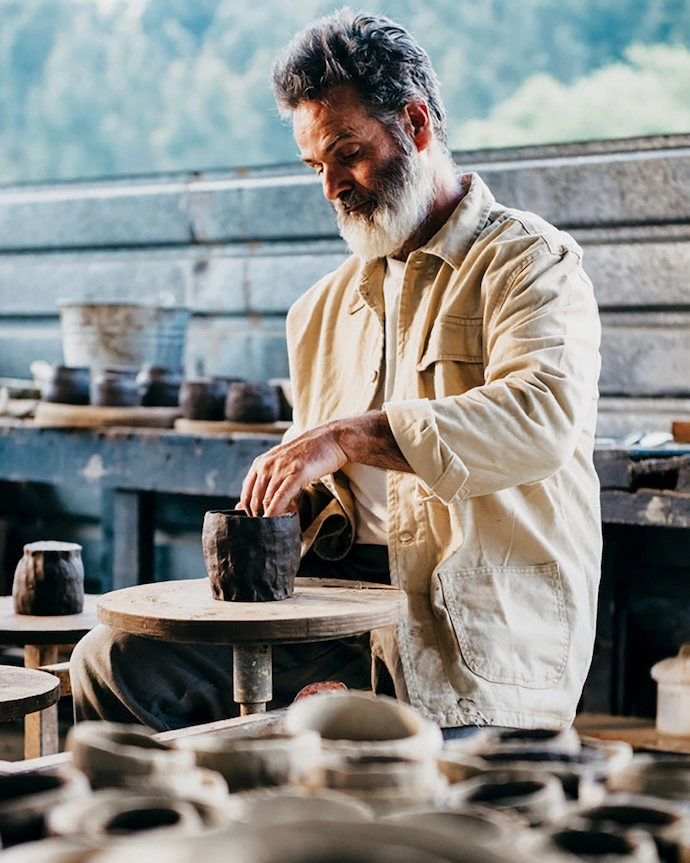
Midlands-based ceramic artist Mick Haigh has launched his long-awaited new collection. We talk to him about his wood-fired Anagama Method and the inspiration behind his latest work.
WORDS Steve Smith PHOTOS Tink Photography, Supplied
A “vessel for life” is how Mick Haigh describes each piece in his new collection. Created from clay dug by hand from the riverbank near his home in the KZN Midlands, and fired in a Japanese-style Anagama wood kiln, the pieces are meant to be lived with, used, admired and passed down.
Mick views his role as a maker as that of both a guide and a witness: he shapes the clay and sets the kiln conditions, but he allows the materials to respond in their own way. No two pieces are alike – the slow, elemental Anagama process means that fire, ash and heat leave their unpredictable signature across the surface of each item.
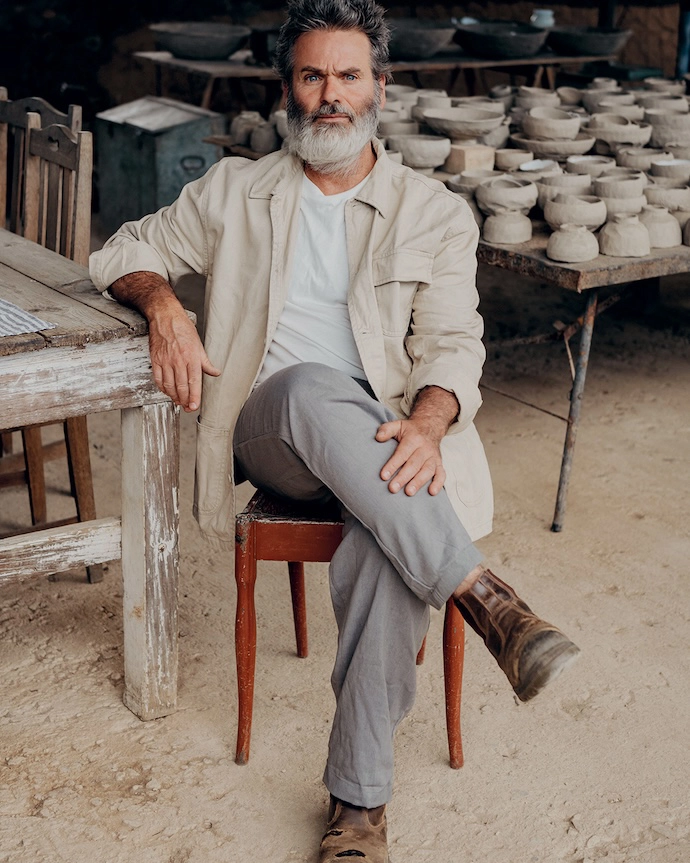
Tell us more about the Anagama firing process.
“Anagama firing is about learning the kiln. Every kiln has its own character, and its shape and location make it behave in a unique way. How the kiln is packed influences the airflow, flame path and heat patterns, all of which have an impact on the reduction atmosphere inside. The placement of each object determines how it will look after firing: the fire enters at one end and exits at the chimney, and the flame’s path dictates everything in between.
“The process is long and demanding. A firing can last anywhere from 48 to 72 hours, with wood being stoked by hand every few minutes to keep the temperature up. At its peak, the kiln reaches about 1 180°C – hot enough to vitrify the clay, making it hard, glass- like and durable. Different types of wood, the rhythm of stoking and even the weather outside can all play a role in shaping the final surface. The marks of the fire – ash deposits, flame paths, colour variations – remain visible on each piece, recording the entire journey of the firing.”
What drew you to it?
“I am never fully in control of the fire; I can only guide the flame. It is a dialogue between maker and kiln. By working with and directing this seemingly random process, I can shape the outcome while still leaving room for chance. After firing, the piece itself tells the story of what happened, where it stood in the kiln, how the fire moved around it, and what marks the flame left behind.”
Has this always been your process?
“Yes – but my journey has evolved. Initially, I focused on making what I thought people wanted. Over time, I’ve shifted to creating in response to what the clay and fire themselves can produce. For me, form follows function, follows fun – it follows what wild clay and fire reveal as their best expression.”
What features does Anagama firing give your work?
“Anagama firing leaves its signature on every piece. The flame marks and ash deposits embellish the surfaces, softening the forms and giving them character. In the oxygen-deprived atmosphere of the kiln, earth pigments and oxides are transformed, shifting from static, solid hues into natural shades and tones that reflect the raw beauty of the earth.”
Where do you take inspiration from?
“It comes from absorbing the world around me. It isn’t a cerebral process; I don’t sketch pieces before making them. Living in nature provides rhythm and influence. I’ve never made pieces in a city, but I imagine they’d look very different from those shaped amid this natural landscape.
“I’ve had a lifelong fascination with earth and clay. The fact that I can dig clay from the ground in its soft, malleable form, and then, through firing, transform it into something of lasting value, continues to inspire me.”
What about the 2025 collection?
“It was inspired by building the Anagama kiln at my studio and working with wild clay that I dig locally. This allows me to create an ecologically sound body of work that’s rooted in place and process. Each piece is conceived as something made not just to be used, but to hold meaning, memory and presence. My hope is that they become keepsakes – companions that live with people over time.” | mickhaigh.com
Don’t forget to sign up to our weekly newsletter for the latest architecture and design news.